

What Is API 5L X65 Pipe Specification and Why Should You Care?
If you've ever puzzled over those steel pipelines crisscrossing continents or wondered what makes oil and gas transport safe and reliable, then the API 5L X65 pipe specification is a name you should keep in mind. In simple terms, it’s a standardized classification for steel pipes that tell you — engineers, contractors, and project managers alike — what kind of strength, toughness, and durability you’re dealing with in the field. And oh boy, that matters a lot. From the vast energy corridors running through remote deserts to urban pipelines beneath our feet, these pipes need to perform consistently under tough conditions.
Understanding the API 5L X65 specs is not just a matter of engineering curiosity—it’s about safety, cost-efficiency, and long-term reliability of critical infrastructure. Miss the mark here, and you could face failures that ripple beyond a single project—impacting economies and ecosystems worldwide.
Mini takeaway: API 5L X65 pipes are more than steel tubes — they are the backbone of global energy transport, demanding precise standards to keep the flow safe and steady.
Why API 5L X65 Pipe Specification Holds Global Importance
To get a sense of the worldwide scale, consider this: the global pipeline market is expected to surpass $19 billion by 2027 (World Bank). Transporting oil and natural gas over tens of thousands of miles under varying, often harsh environmental conditions requires something beyond average steel. The API (American Petroleum Institute) 5L standard is widely recognized internationally — ensuring compatibility, quality, and safety across continents.
Yet the challenge remains. Pipelines must resist corrosion, mechanical stress, and extreme temperatures. Aging infrastructure and increasing demand raise the stakes. Here, the X65 grade of API 5L stands out for its high strength-to-weight ratio and performance, helping operators reduce material use without compromising safety.
Mini takeaway: As global energy demands surge, API 5L X65 pipes are pivotal to building resilient, efficient pipeline networks worldwide — a real game-changer in energy logistics.
Breaking Down the API 5L X65 Pipe Specification
So, what does 'API 5L X65' actually mean? Let's unpack it:
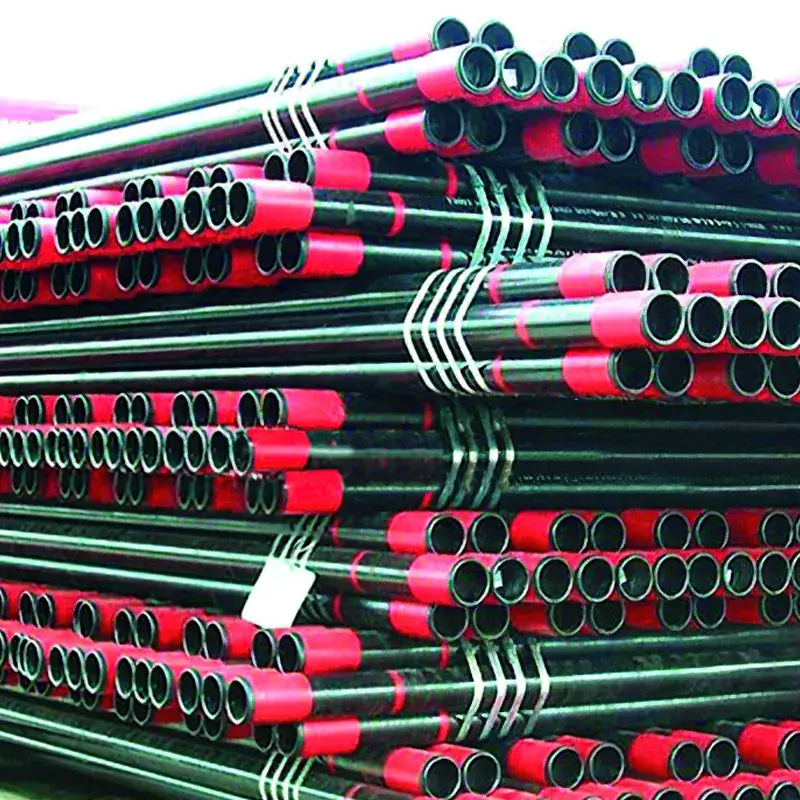
- API 5L: This is the API standard that covers seamless and welded steel line pipes used primarily for pipelines transporting gas, water, and oil.
- X65: This designates the minimum yield strength rating — in this case, approximately 65,000 psi. It indicates higher strength compared to other grades, which means it can handle higher internal pressures or thinner walls.
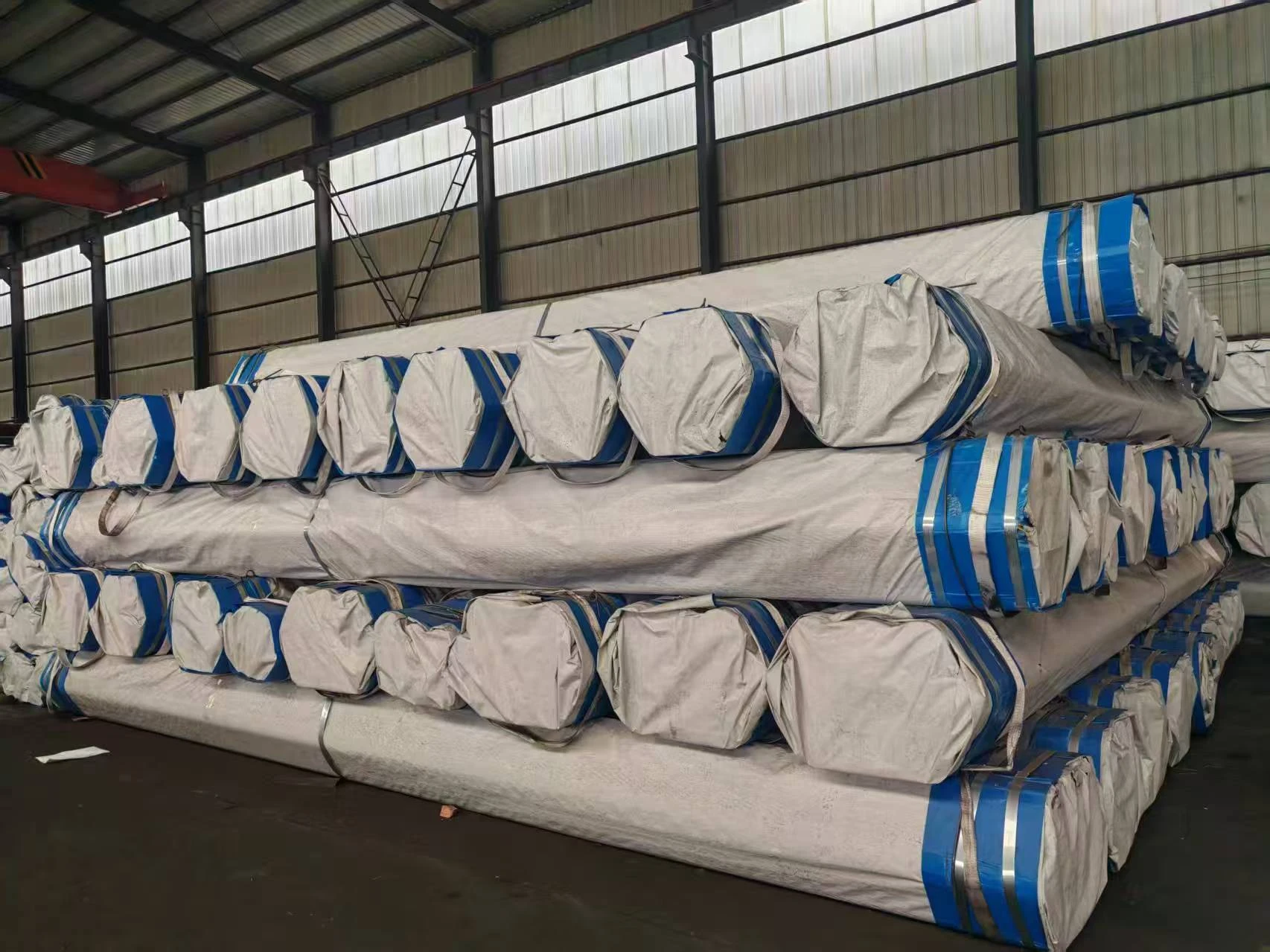
In practical terms, an API 5L X65 pipe offers a balance of strength and toughness, well-suited for high-pressure pipelines in the oil & gas sector and sometimes for industrial water transmission. It connects industry needs with modern engineering challenges, ensuring efficient transport pipelines that also meet stringent safety regulations.
Mini takeaway: Think of API 5L X65 as the “muscle” pipe — strong enough for demanding tasks without being unnecessarily heavy or costly.
Core Components That Make API 5L X65 Pipes Stand Out
1. Durability & Mechanical Strength
The X65 grade boasts a minimum yield strength of 65,000 psi and tensile strength ranging roughly from 75,000 to 95,000 psi. In plain language, it resists deformation under pressure loads better than X52 or X46 grades, letting engineers design thinner-walled pipes without sacrificing safety. Plus, its toughness helps prevent brittle fractures, especially in sub-zero or variable climates.
2. Versatility in Fabrication
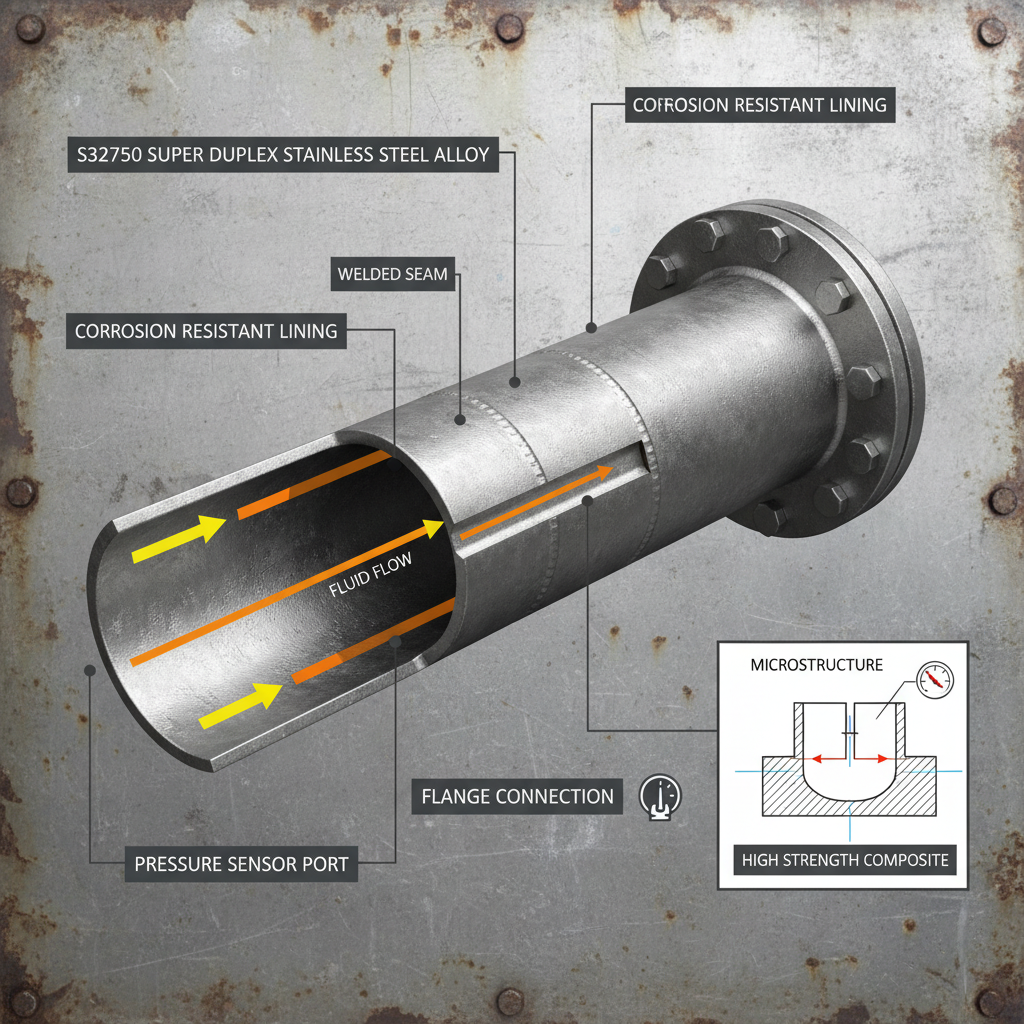
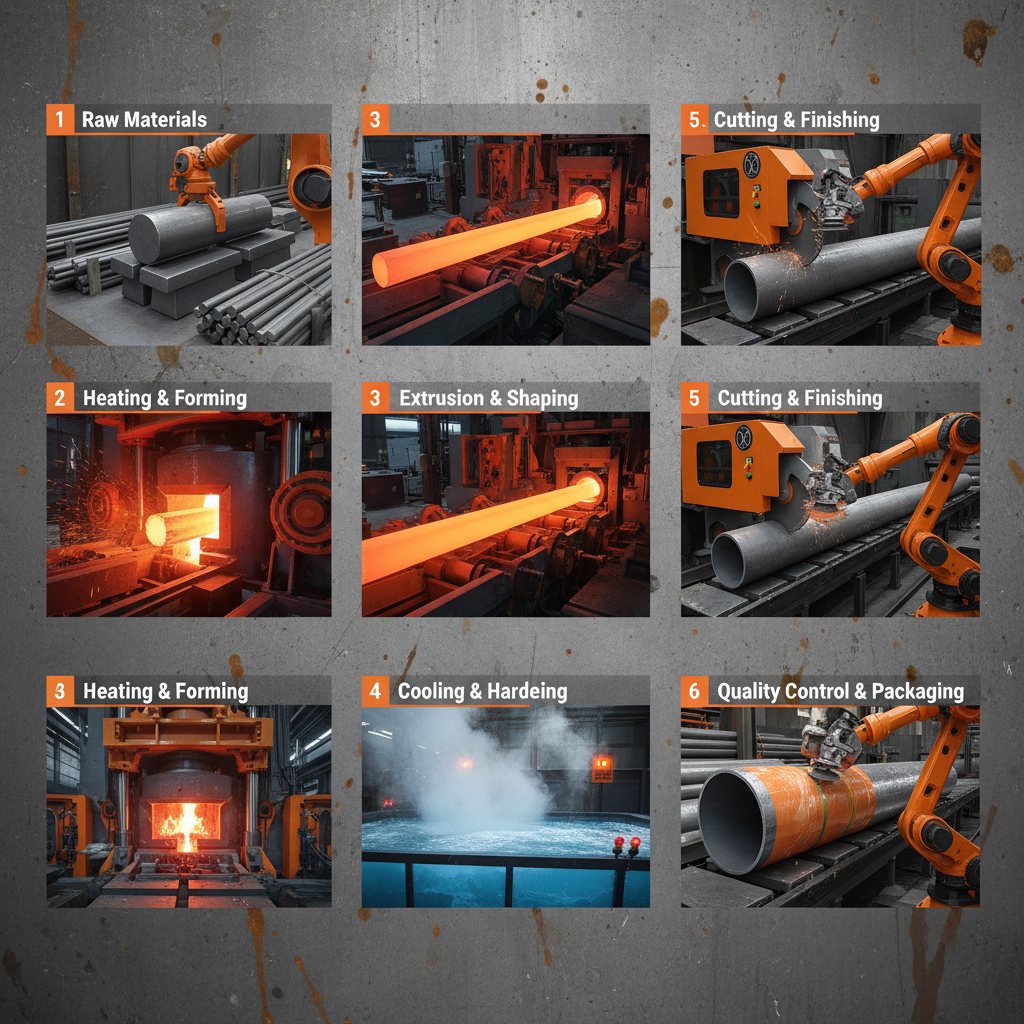
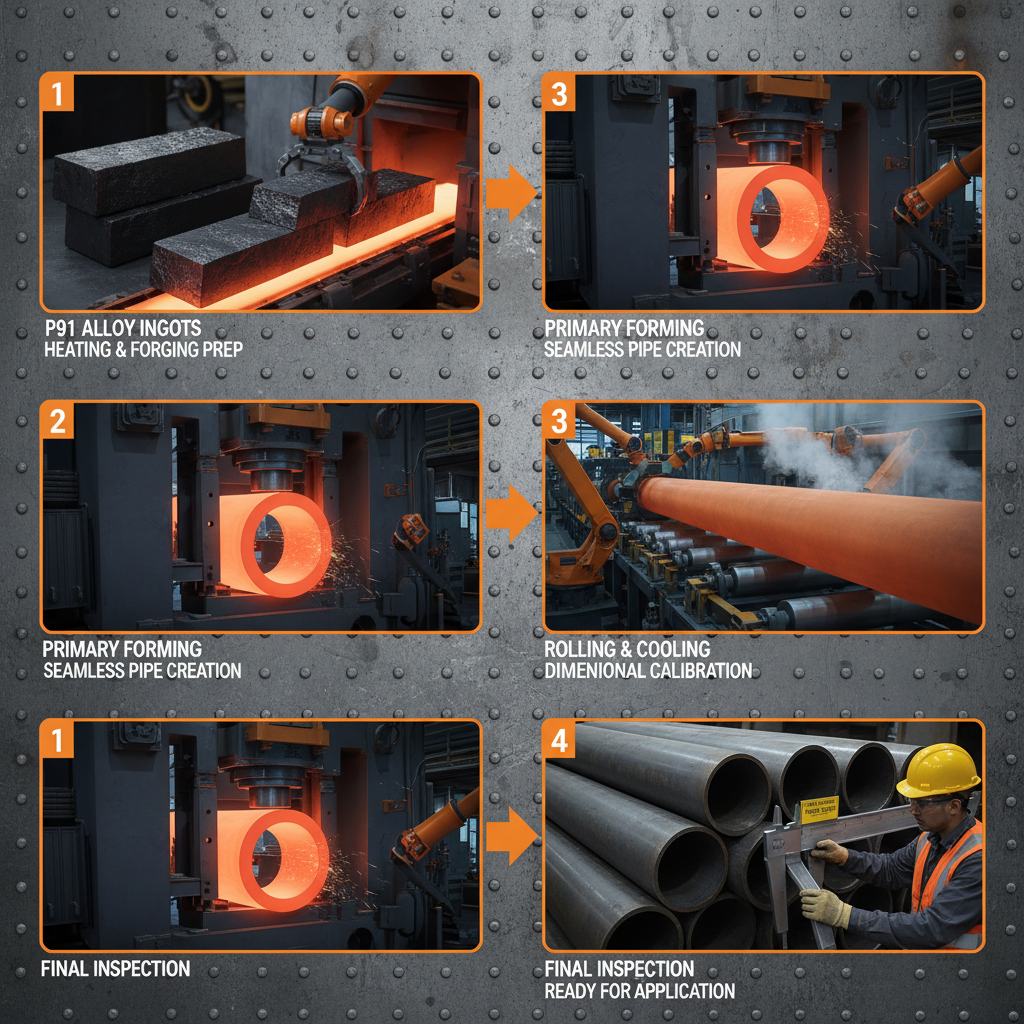
Weldability and formability are crucial. API 5L X65 pipes come both seamless and welded, with chemical compositions optimized for easy bending, heat treatment, and joining. This versatility has made them a popular choice for complex pipeline routes that require precise curves and joins.
3. Corrosion Resistance
While carbon steel pipes can rust, X65 pipes often receive specialized coatings or are buried with cathodic protection systems. Chemical makeup also supports resistance to environments that may include CO2 and H2S, common in sour gas pipelines.
4. Dimensional Standards
API 5L X65 pipes comply with strict dimensions under standards like ASTM A106 or API 5L PSL2, including outside diameters, wall thickness, and length. This ensures manufacturers and users speak the same “language” worldwide when specifying parts.
5. Testing & Quality Assurance
Testing regimes include hydrostatic pressure tests, Charpy impact tests, and non-destructive inspections to verify mechanical integrity. It’s that rigorous vetting which has earned the API 5L X65 a trusted reputation.
| Specification Aspect | API 5L X65 | Typical Value / Range |
|---|---|---|
| Minimum Yield Strength | X65 | 65,000 psi (450 MPa) |
| Tensile Strength | — | 75,000-95,000 psi (520-655 MPa) |
| Pipe Diameter Range | — | From 4" to 48" OD typically |
| Coating Options | Varies | Fusion bonded epoxy, polyurethane, etc. |
| Applicable Standards | API 5L, ASTM A106, PSL1 / PSL2 | API 5L PSL2 most common for X65 |
Mini takeaway: API 5L X65 specifications are a fine balance of strength, quality, and adaptability. This blend has made it a winner in pipeline projects globally.
Where in the World Are API 5L X65 Pipes Making a Difference?
From the oil sands of Canada and the gas pipelines across Russia's frozen tundra, to the expansive crude oil pipelines crisscrossing the Gulf of Mexico, API 5L X65 pipes deliver performance that holds up in diverse arenas.
- Middle East: The backbone of massive gas and oil export networks.
- North America: Critical in shale gas and cross-country pipelines.
- Europe & Russia: Used extensively in transnational gas pipelines, where environmental resilience is a must.
- Africa & Asia: Emerging infrastructure projects rely on X65 pipes for durability and cost efficiency.
In disaster-relief or remote industrial zones, these pipes can be part of temporary setups to restore fuel or water — a real-world impact beyond typical engineering specs.
Mini takeaway: The utility of API 5L X65 pipes spans continents and industries, proving their worth in challenging environments and crucial projects alike.
Why Investing in API 5L X65 Pipes Pays Off in the Long Run
Many engineers say the upfront cost of X65 pipes might seem higher than lower grades, but push comes to shove, their lifecycle costs, reduced maintenance, and safety margins justify the price. Here’s how the benefits break down:
- Cost Efficiency: Thinner walls for the same pressure ratings means less material and lighter pipes — savings in transport and installation.
- Sustainability: Cutting down steel usage translates into carbon footprint reductions, meeting stricter environmental regulations.
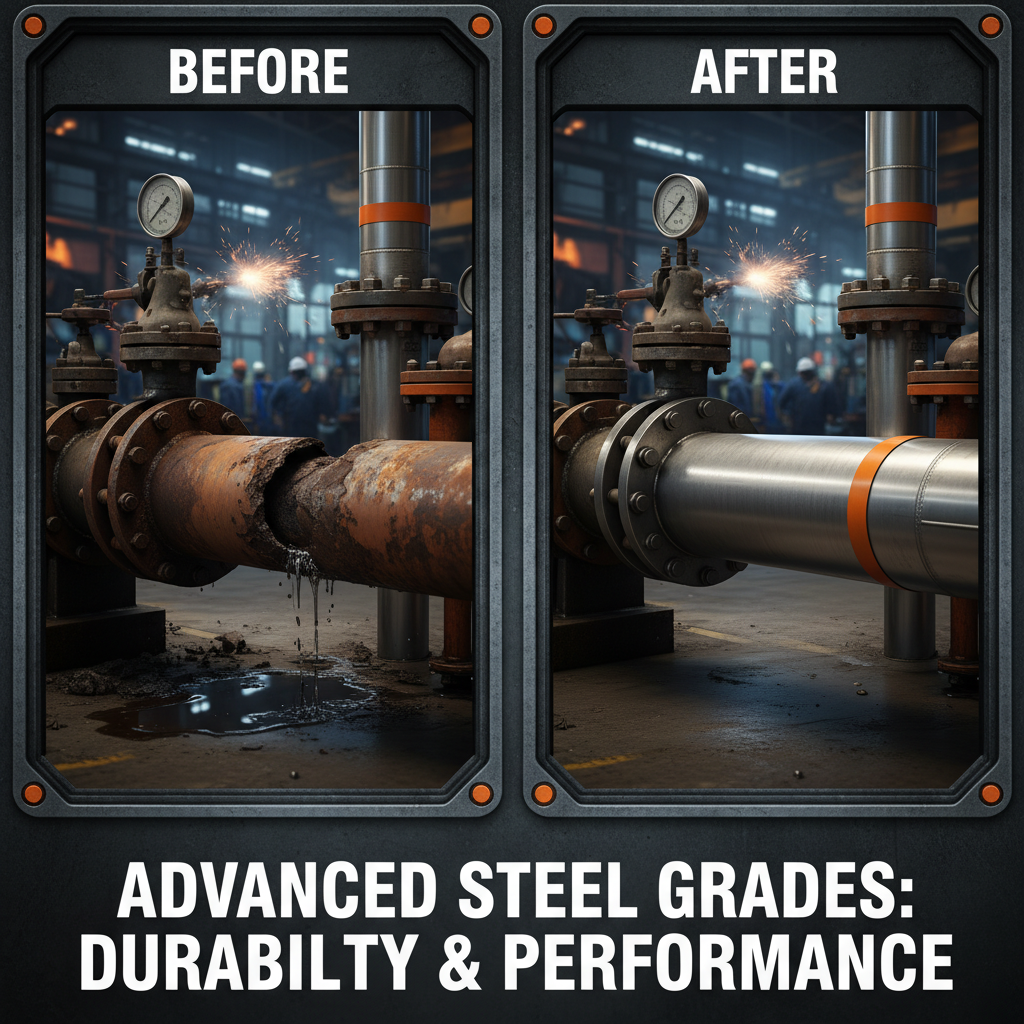
- Reliability and Safety: The strength reduces incidents from corrosion or pressure spikes — keeping communities and workers safe.
- Innovation Confidence: Modern pipeline projects embrace high-grade pipes to future-proof infrastructure.
So yes, safety doesn’t have to come at the cost of efficiency — with API 5L X65, you get a pretty solid package.
What’s Next? Future Trends in API 5L X65 Pipe Specification
The future sees greener and smarter pipelines. Some cutting-edge innovations include:
- Advanced Coatings: Nanotechnology coatings enhancing corrosion resistance.
- Digital Monitoring: Embedding sensors for real-time health and pressure monitoring.
- Green Steel: Using steel produced with lower emissions during smelting to meet decarbonization goals.
- Automation in Fabrication: Precision welding and robotic inspections to minimize faults.
These trends signal a shift where API 5L X65 pipes won’t just be strong — they'll be smart and sustainable too.
Facing the Challenges Head-On
Despite all its merits, challenges remain. Welding X65 pipes requires skilled labor and stringent quality controls to avoid defects. Corrosion, though manageable, still lurks especially in sour gas applications. Supply chain disruptions occasionally inflate lead times and prices.
Experts suggest closer collaboration between manufacturers, certification bodies, and field engineers to streamline inspections, use digital records for traceability, and enhance training programs. This holistic approach can mitigate risks and improve outcomes for pipeline projects.
Vendor Comparison: Selecting the Best API 5L X65 Pipe Supplier
| Vendor | Certification | Lead Time | Coating Options | Price Range (USD per ton) |
|---|---|---|---|---|
| Global Steel Pipes Inc. | API 5L PSL2, ISO 9001 | 4-6 weeks | Fusion bonded epoxy, polyurethane | $1,200 - $1,450 |
| SteelForge Ltd. | API 5L PSL2, ISO 14001 | 3-5 weeks | Fusion bonded epoxy, zinc coating | $1,180 - $1,400 |
| PipeMasters Inc. | API 5L PSL1, ISO 9001 | 5-7 weeks | Polyurethane, coal tar enamel | $1,000 - $1,250 |
Frequently Asked Questions About API 5L X65 Pipe Specification
- Q1: What is the main difference between API 5L X65 and X52 pipes?
- A: The primary difference is strength; X65 pipes have a higher minimum yield strength (65,000 psi) compared to X52 (52,000 psi). This allows thinner walls for the same pressure rating, reducing material and weight while maintaining safety.
- Q2: Can API 5L X65 pipes be used in corrosive environments?
- A: Yes, but typically they require protective coatings or cathodic protection systems to guard against corrosion, especially when exposed to sour gases or soils that accelerate oxidation.
- Q3: Are API 5L X65 pipes suitable for both seamless and welded options?
- A: Absolutely. The specification covers both seamless and welded pipes, with material and testing requirements for each to ensure performance standards are met.
- Q4: How does compliance with API 5L impact international pipeline projects?
- A: API 5L is a globally recognized standard making it easier to source compatible pipes and assurance on quality. It expedites approvals and reduces technical risks across borders.
Putting It All Together
API 5L X65 pipe specification is far more than a technical label. It’s a crucial piece in the puzzle of constructing safe, reliable, and cost-effective pipelines worldwide. Navigating its intricacies pays dividends — in the form of materials that handle pressure, weather, and time with impressive resilience.
So whether you’re an engineer specifying equipment, a project manager balancing budgets, or a supplier looking to crack international markets, understanding the api 5l x65 pipe specification inside out never hurts. It’s a smart investment in performance and peace of mind.
Ready to explore high-quality API 5L X65 pipes for your next project? Visit our website: world-steelmaterial.com and discover a world of choice and expertise.
References:
Post time: Nov . 29, 2025 10:20
 English
  Arabic
  Bengali
  China
China  French
  German
  Hausa
Hausa  Indonesian
  Italian
  Japanese
  Javanese
  Malay
Malay  Persian
  Portuguese
  Punjabi
  Russian
  Spanish
  Swahili
  Telugu
  Vietnamese