

Understanding API 5L X65 Pipe Dimensions: Why It Matters Globally
At first glance, api 5l x65 pipe dimensions might sound like just a technical detail buried deep in engineering specs. But it’s much more than that. These pipes form the backbone of the energy, water, and infrastructure sectors globally — carrying oil, gas, and vital fluids across continents and oceans. The correct dimensions ensure safety, reliability, and operational efficiency, which, frankly, can be the difference between smooth operations and costly failures.
Globally, according to the International Energy Agency, pipelines transport over 70% of natural gas supply worldwide. Imagine the scale and why sizing and standards aren’t just a mundane detail—they’re critical for everything from geopolitical stability to local economies.
The Global Context: Why Does API 5L X65 Pipe Design Standardization Matter?
To put things in perspective: the api 5l x65 pipe dimensions standard is part of the American Petroleum Institute's specification for line pipe, essentially dictating how thick, wide, and strong these pipes need to be. It’s not just about one country; it’s a global language for engineers and suppliers.
UN data shows pipeline incidents decrease significantly when industry standards are adhered to. That’s no surprise — proper dimensions influence pressure handling and durability. But there’s also the challenge of balancing cost-efficiency with safety, especially in tough environments like subsea or arctic pipelines.
Oddly enough, as demand for sustainable energy grows, pipelines remain vital for transporting hydrogen and other green fuels, underlining the need for reliable, standardized piping systems now more than ever.
What Exactly Are API 5L X65 Pipe Dimensions?
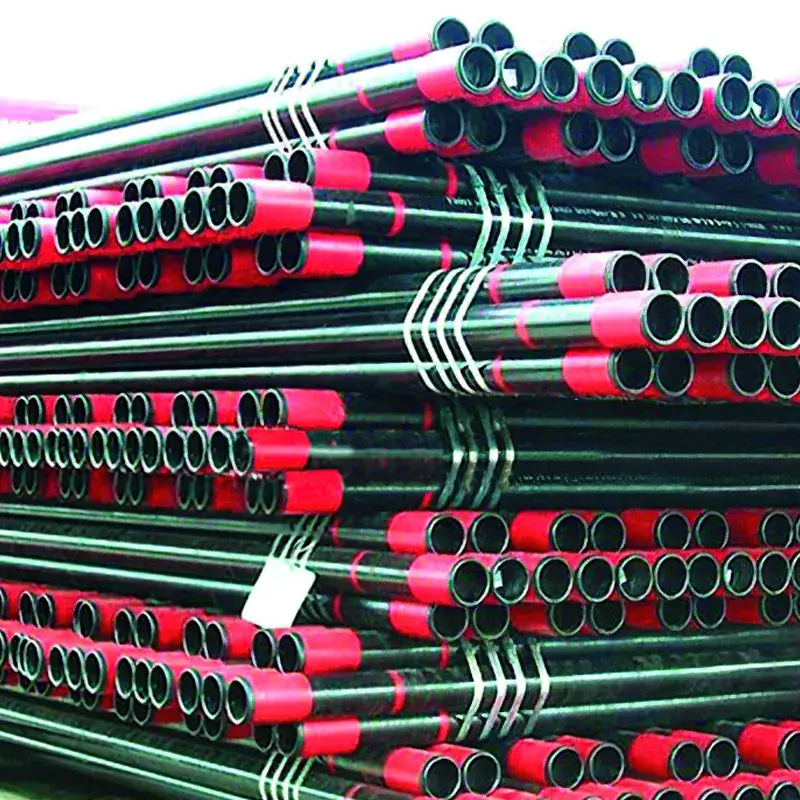
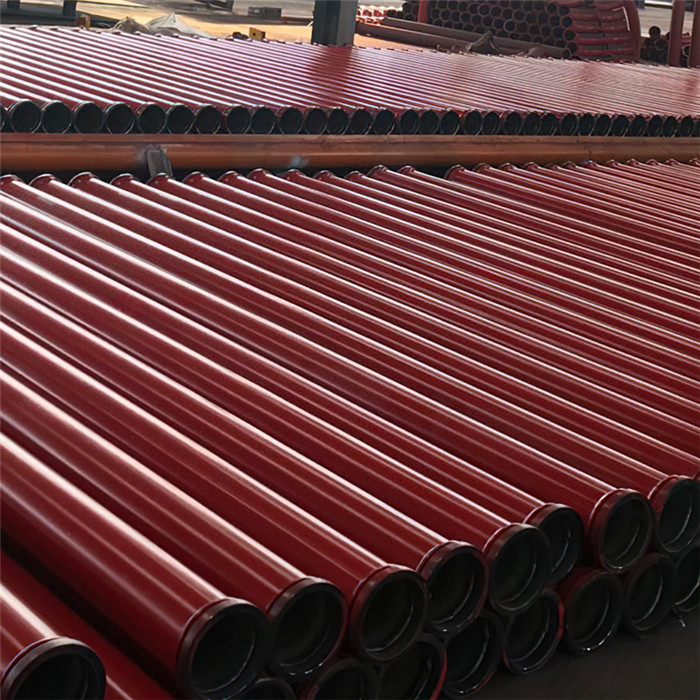
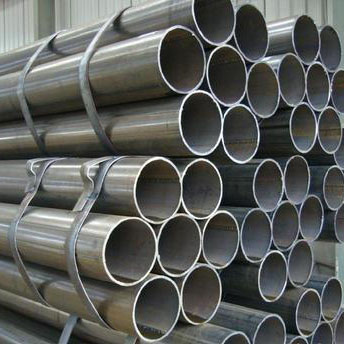
Put simply, API 5L X65 pipes are high-strength carbon steel pipes designed primarily for transporting oil, natural gas, and other fluids through pipelines. “X65” refers to the steel’s minimum yield strength of 65,000 psi, meaning it can handle high pressure and challenging conditions without failure.
The “pipe dimensions” aspect covers thickness, diameter, and length tolerances to ensure the pipe fits perfectly in a pipeline infrastructure. These standard dimensions help operators select the right pipe size to maintain optimal flow, reduce leak risk, and ensure safety on installation and operation.
Imagine building a puzzle where every piece must fit – that’s your pipeline system, and api 5l x65 pipe dimensions guarantee the pieces are made just right.
Mini takeaway:
- API 5L X65 pipes are strength-rated carbon steel pipes designed for transporting oil and gas.
- The “pipe dimensions” ensure compatibility, strength, and safety in pipeline systems worldwide.
Key Aspects of API 5L X65 Pipe Dimensions
1. Durability and Strength
X65 steel is prized for its high yield strength. The dimensions (like wall thickness) directly influence durability under high pressures and corrosive environments. Thicker walls increase strength but add weight and cost — which is why the right balance is crucial.
2. Dimensional Accuracy and Tolerances
Manufacturers adhere to tight tolerances on diameter and thickness to ensure pipes can be welded and connected flawlessly. Even tiny deviations can cause leakage or mechanical failures. Industries worldwide rely on these dimensional standards to maintain pipeline integrity.
3. Corrosion Resistance and Coatings
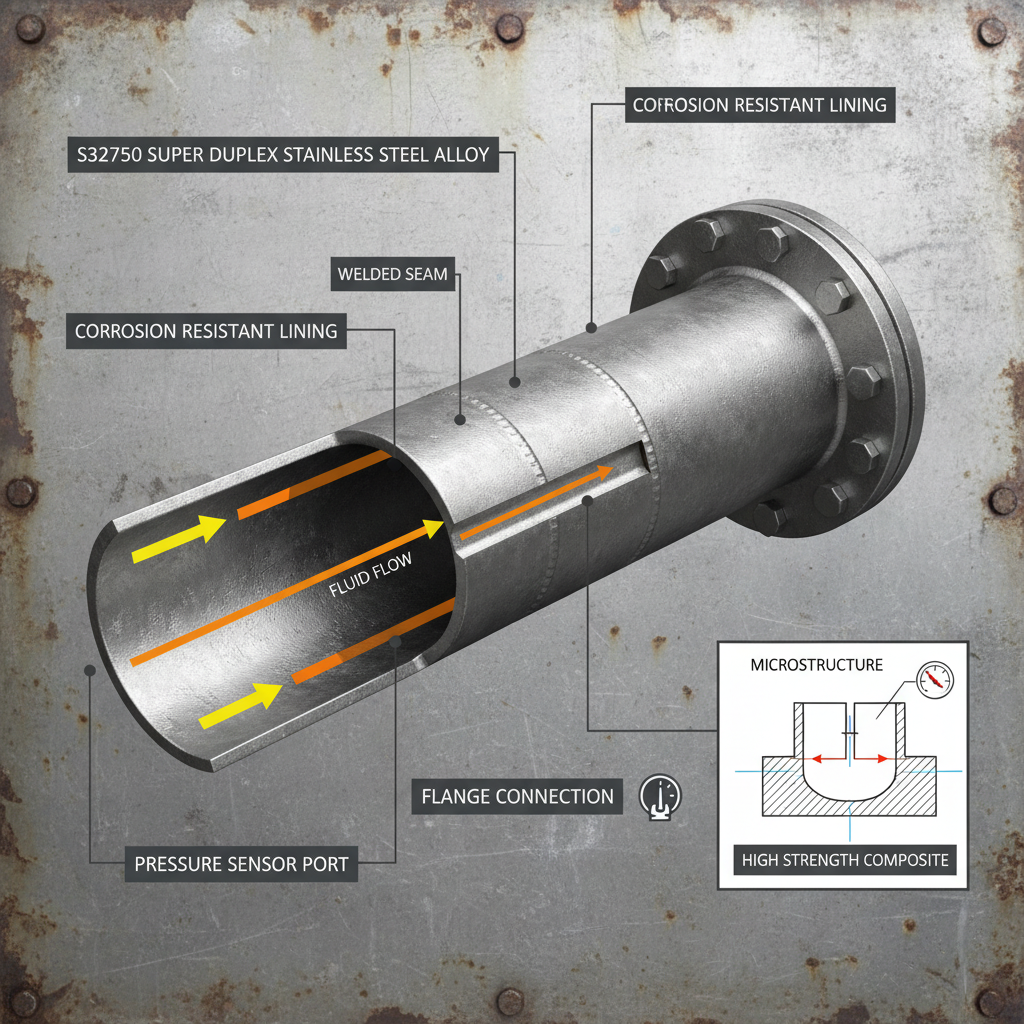
While the core steel offers mechanical strength, pipes often come coated or lined to withstand corrosion. This indirectly relates to dimensions as coatings add thickness, affecting fitment and flow rates. Managing these layers is a practical challenge installers constantly navigate.
4. Scalability for Different Environments
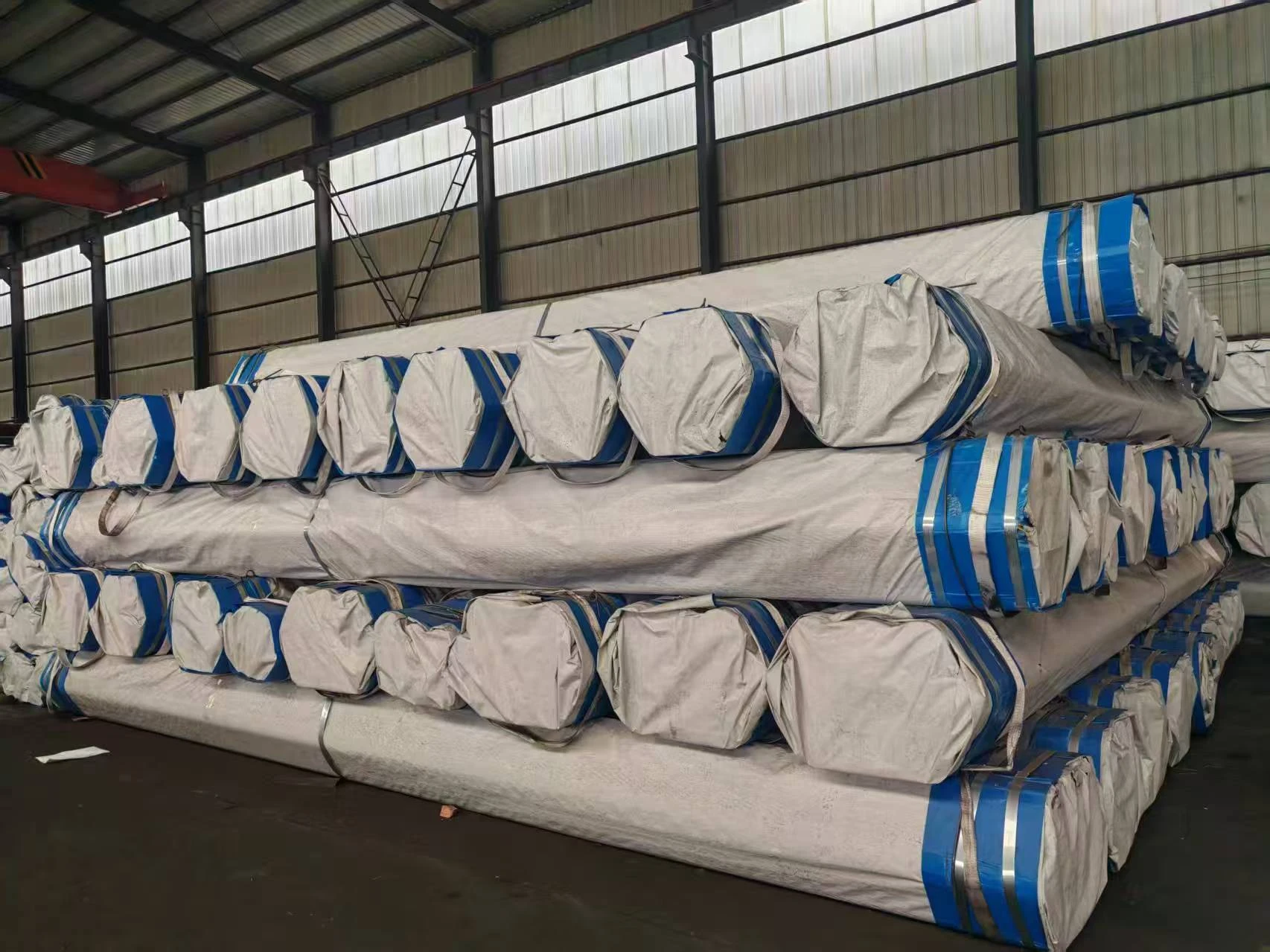
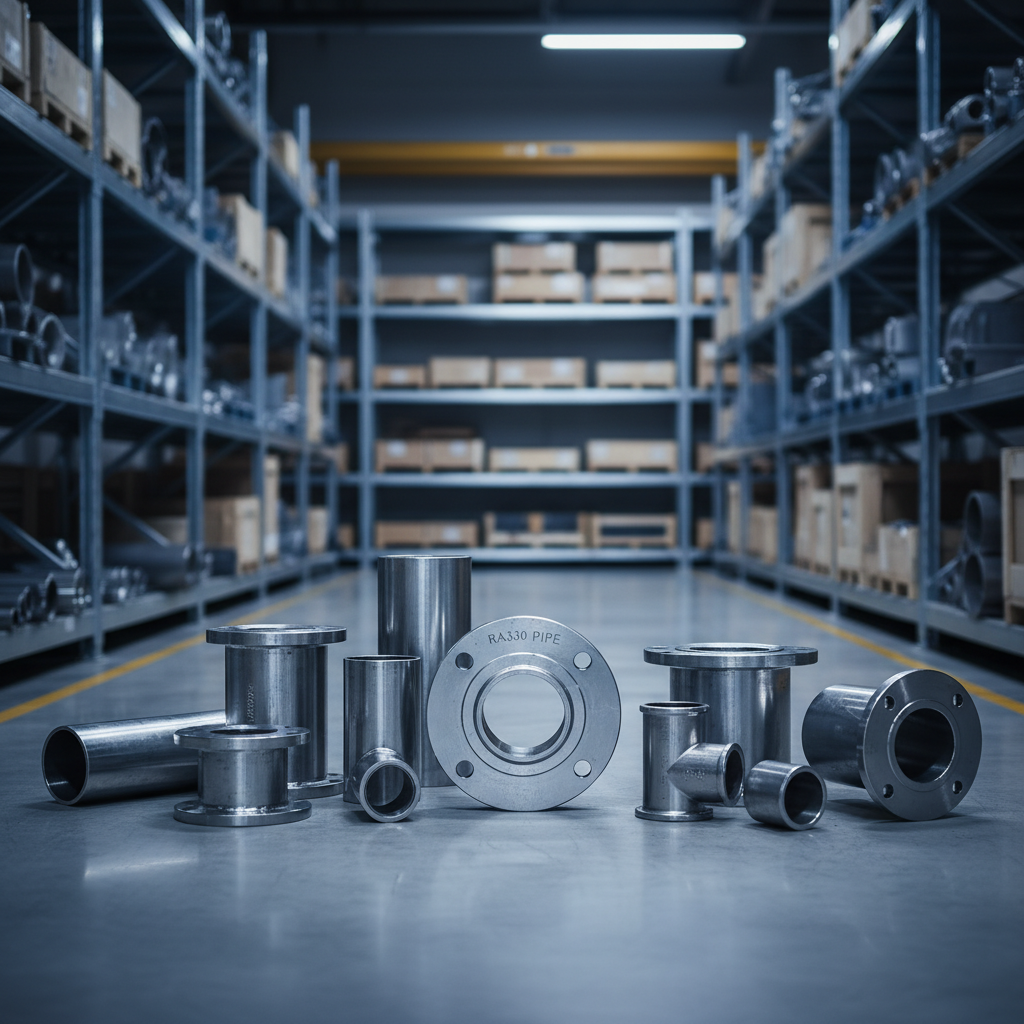
API 5L X65 pipes come in a variety of diameters (typically 4” to 48”), allowing scalability from small refinery operations to massive cross-country pipelines. This flexibility is part of their enduring appeal.
Mini takeaway:
- Strength, accuracy, and coatings all tie into the practical dimensions of API 5L X65 pipes.
- These factors combine to make sure pipelines not only fit but last long in demanding applications.
Applications Across the Globe
API 5L X65 pipes have made their mark from the Arctic offshore oil fields to sprawling desert gas pipelines in the Middle East. Here are a few highlighted applications:
- Energy Transmission: Transporting crude oil and natural gas safely over thousands of miles through varying terrains.
- Water Supply Systems: Large diameter X65 pipes are occasionally repurposed or manufactured to meet water transport needs, especially in infrastructure upgrades.
- Disaster Relief Projects: In earthquake-prone regions of Asia, pre-engineered pipelines using API 5L standards allow rapid restoration of fuel supplies.
- Industrial Zones: Remote mining or chemical sites often rely on X65 pipelines to move critical fluids efficiently.
In real terms, a pipeline project in Canada’s oil sands showcased a reduction in repair incidents by 20% after switching to stricter adherence to API 5L X65 dimensions, emphasizing the real-world impact of these technical specs.
Mini takeaway:
- Across continents and industries, API 5L X65 pipes are a cornerstone for safe, durable pipeline systems.
- Precise pipe dimensions mean safer, longer-lasting, and more cost-effective projects worldwide.
Advantages & Lasting Value of Proper API 5L X65 Pipe Dimensions
Companies swear by these pipes because they bring tangible advantages:
- Cost Efficiency: Proper sizing avoids material waste and expensive repairs due to fittings failure.
- Reliability: Consistency in dimensions translates to fewer safety incidents and operational disruptions.
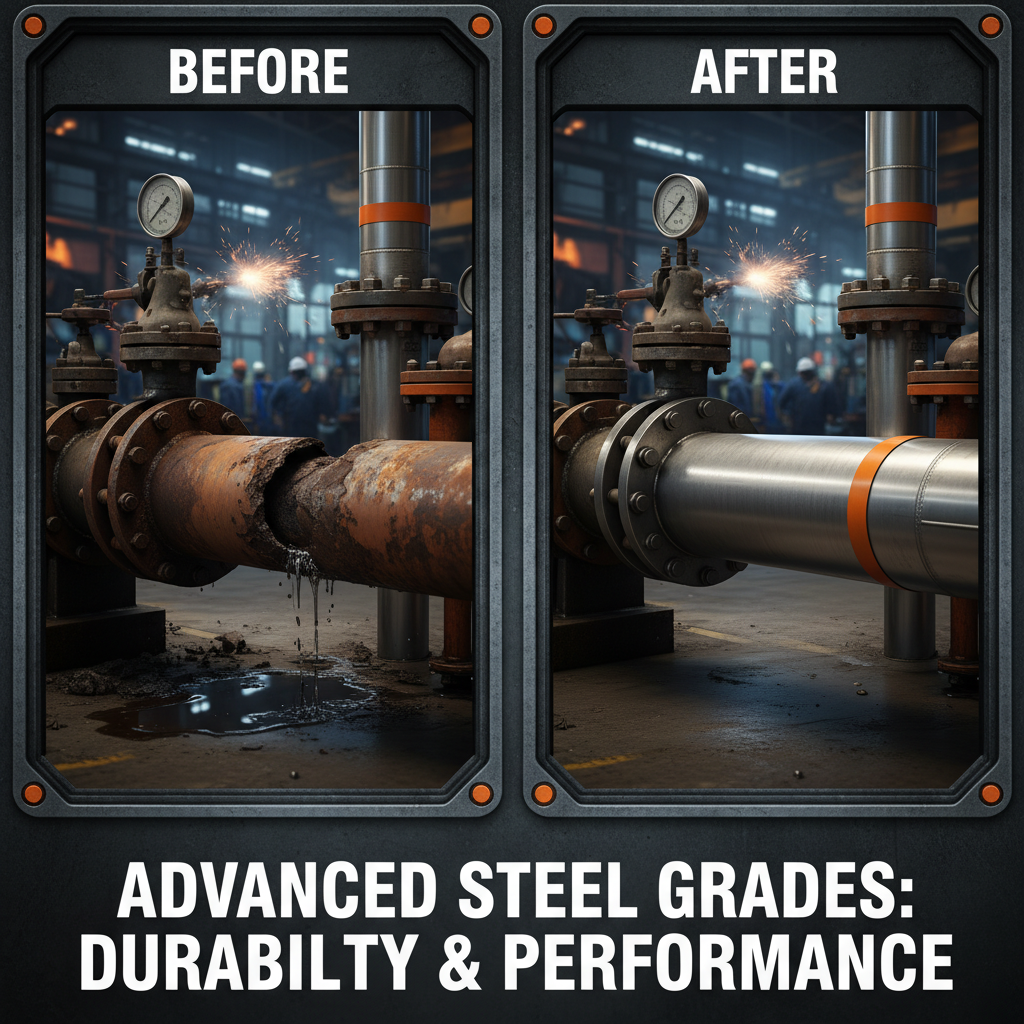
- Sustainability: Durable pipes mean fewer replacements, less waste, and a smaller environmental footprint—something every engineer dreams about.
- Social Impact: Trustworthy infrastructure supports communities with steady fuel, water, and energy access — often in harsh environments.
Oddly enough, emotional peace of mind is underrated here. Knowing the pipeline won’t fail overnight — that trust is gold in an industry filled with risks.
Looking Ahead: Future Trends and Innovations
API 5L X65 pipes are evolving alongside global energy shifts. Key trends include:
- Advanced Material Alloys: New steels with better corrosion resistance and strength.
- Smart Coatings: Sensors embedded in pipe coatings to monitor integrity in real-time.
- Green Energy Transitions: Designing pipes optimized for hydrogen transport and biofuels.
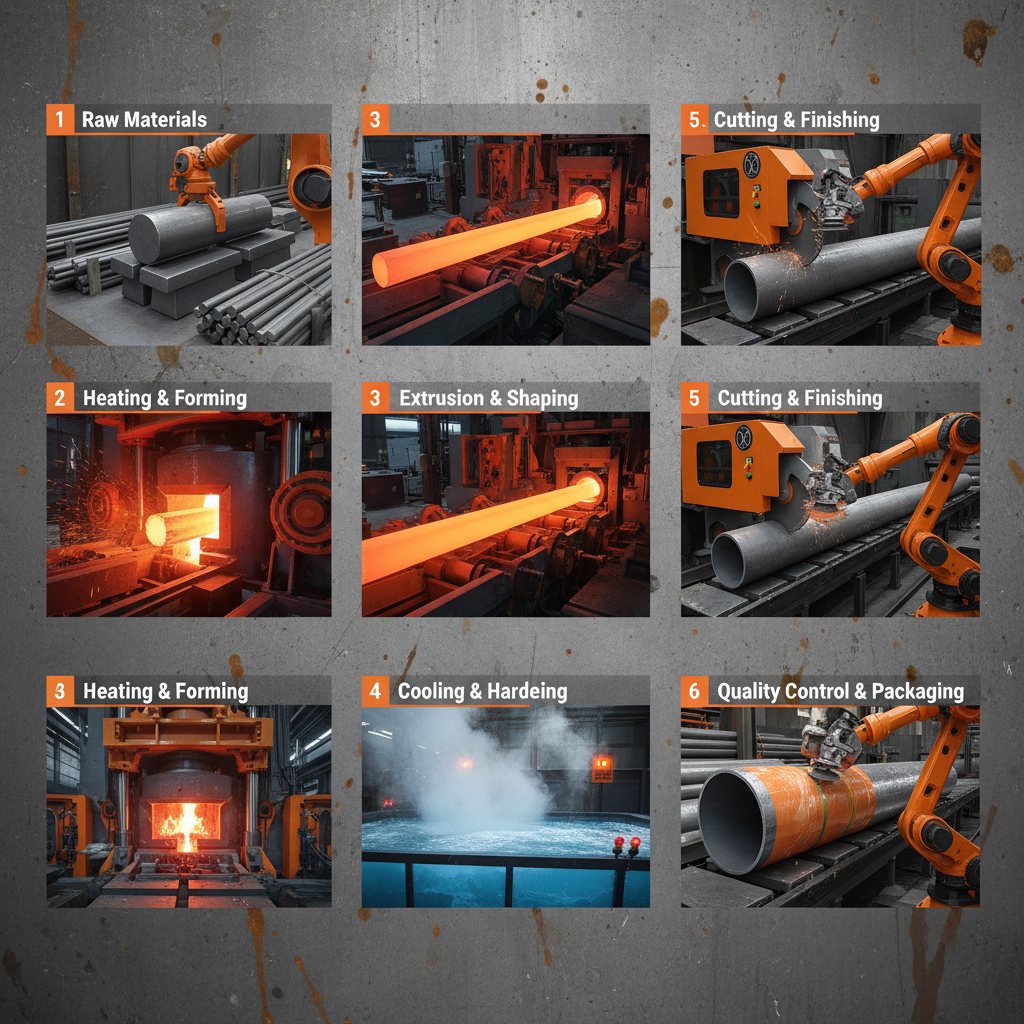
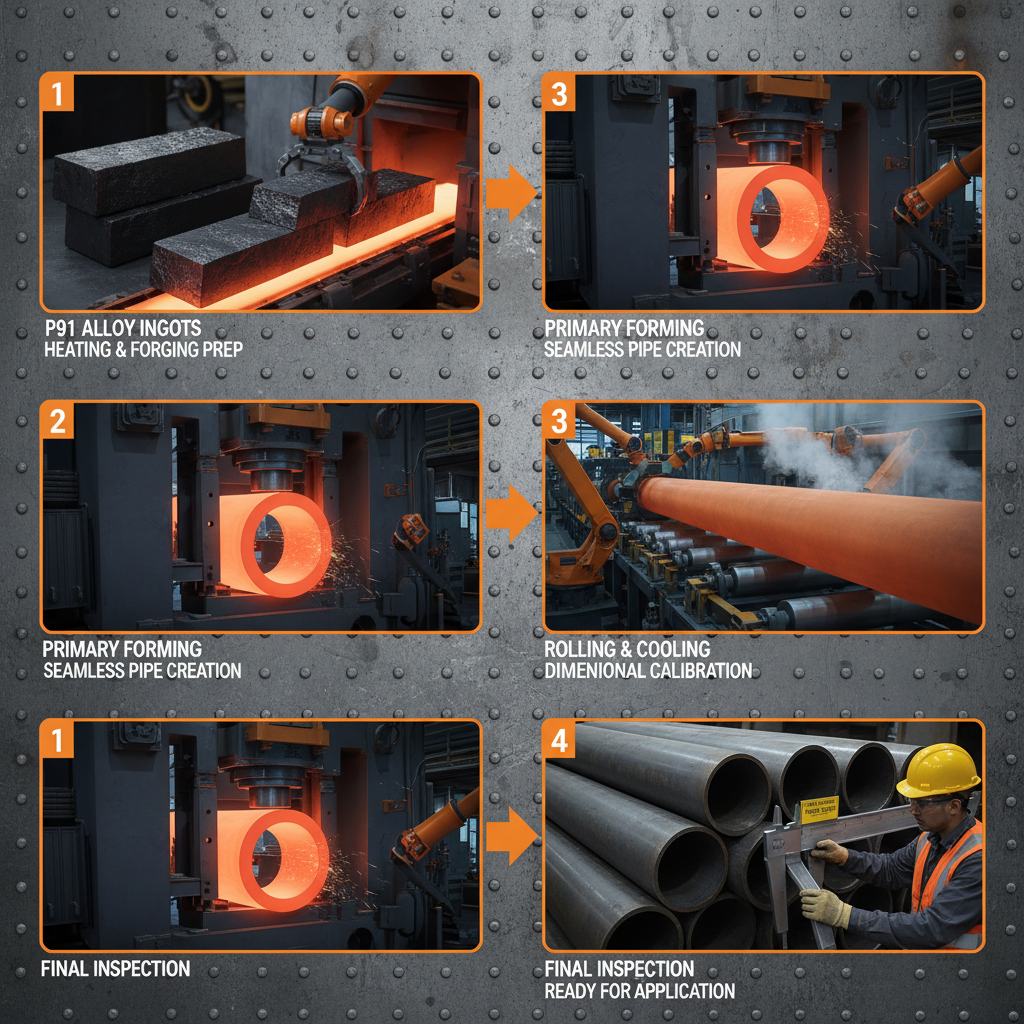
- Automation and AI: Streamlining pipe manufacturing and installation quality using robotics.
In short, while the dimensions won’t change overnight, how pipes are made and monitored certainly will.
Common Challenges and Practical Solutions
Despite the standards, challenges remain:
- Supply Chain Delays: Ensuring availability of pipes with exact specs in remote areas is tricky.
- Installation Complexity: Field conditions sometimes force minor dimension compromises.
- Environmental Stress: Unexpected terrain shifts or weather demand extra safety margins.
Experts recommend advanced planning combined with modular prefabricated sections and employing digital twin technology to simulate stress before installation — strategies helping overcome these hurdles.
Technical Specifications of API 5L X65 Pipes
| Parameter | Value / Range |
|---|---|
| Nominal Pipe Size (Diameter) | 4" to 48" (101.6 mm to 1219 mm) |
| Wall Thickness | 0.237” to 1.156” (6.02 mm to 29.36 mm) |
| Minimum Yield Strength | 65,000 psi (450 MPa) |
| Grade | X65 (Grade 65) |
| Length | Typically 6 to 12 meters (customizable) |
| Applicable Standards | API 5L, ASTM A106, ASME B36.10M |
How Do Vendors Compare? A Quick Look
| Vendor | Product Range | Customization Options | Lead Time | Global Reach |
|---|---|---|---|---|
| Global Steel Corp | 4"–48" diameters, X52 to X70 | Wall thickness & length customization | 4–6 weeks | Americas, Asia, Europe |
| SteelLine Industries | 4"–36" pipes, X42 to X65 grades | Limited custom options | 3–5 weeks | North America, Middle East |
| Continental Pipes | 6"–48" diameters, X65 standard | Full customization on coatings | 6–8 weeks | Worldwide |
FAQ: Frequently Asked Questions About API 5L X65 Pipe Dimensions
Q1: What are the common nominal sizes available for API 5L X65 pipes?
A: Typically, these pipes range from 4 inches to 48 inches in diameter, with various wall thicknesses depending on pressure requirements and pipeline design specifications. Custom lengths are also available for specific projects.
Q2: How does pipe thickness affect the durability of API 5L X65 pipes?
A: Thicker walls increase the pipe’s ability to withstand internal pressure and external stresses but also add weight and cost. The optimal thickness balances strength with economic feasibility based on the pipeline’s operating conditions.
Q3: Can API 5L X65 pipes be used for transporting hydrogen or other green fuels?
A: Yes, with proper coatings and material treatments, API 5L X65 pipes can be adapted for hydrogen transport. It requires special attention to prevent hydrogen embrittlement, but industry trends are rapidly evolving in this space.
Q4: Are there international standards equivalent to API 5L for pipe dimensions?
A: API 5L is widely recognized, but ISO 3183 is a related international standard often used alongside or in place of API 5L in various countries for line pipe specifications.
Q5: How can I ensure the pipes I purchase conform to API 5L X65 dimension standards?
A: Always request mill test certificates and dimensional inspection reports from the manufacturer. Engaging reputable vendors with traceable quality assurance processes reduces risks significantly.
Wrapping It Up: Why API 5L X65 Pipe Dimensions Matter
While it might seem like a technical niche, understanding api 5l x65 pipe dimensions is key for anyone involved in energy transport, infrastructure planning, or even environmental sustainability projects. The right dimensions mean efficiency, safety, and long-term savings. I hope this gives you a clearer sense of why these pipes have become a global standard and how they’ll continue shaping the infrastructure of tomorrow.
Got projects or questions? Visit us at https://www.world-steelmaterial.com for detailed specs, sourcing options, and expert guidance.
Reference Notes:
- International Energy Agency (IEA) Pipeline Statistics, 2023
- American Petroleum Institute, API 5L Specification, 2022
- ISO 3183 - Petroleum and natural gas industries — Steel pipe for pipeline transportation systems, 2021
Post time: Nov . 29, 2025 08:40
 English
  Arabic
  Bengali
  China
China  French
  German
  Hausa
Hausa  Indonesian
  Italian
  Japanese
  Javanese
  Malay
Malay  Persian
  Portuguese
  Punjabi
  Russian
  Spanish
  Swahili
  Telugu
  Vietnamese