

Understanding the API 5L X60 Specification: Why It Matters Worldwide
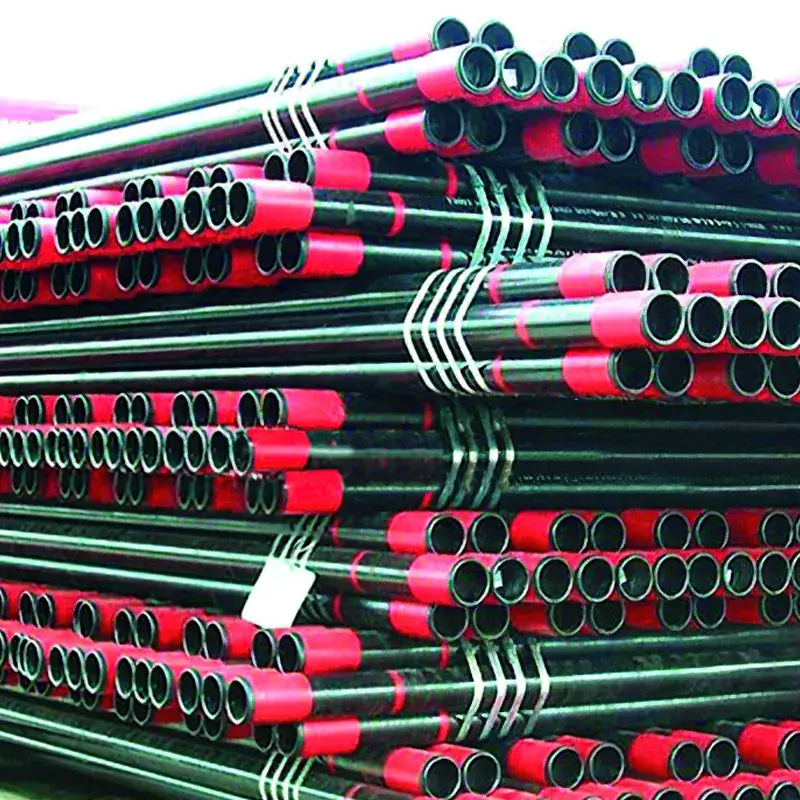
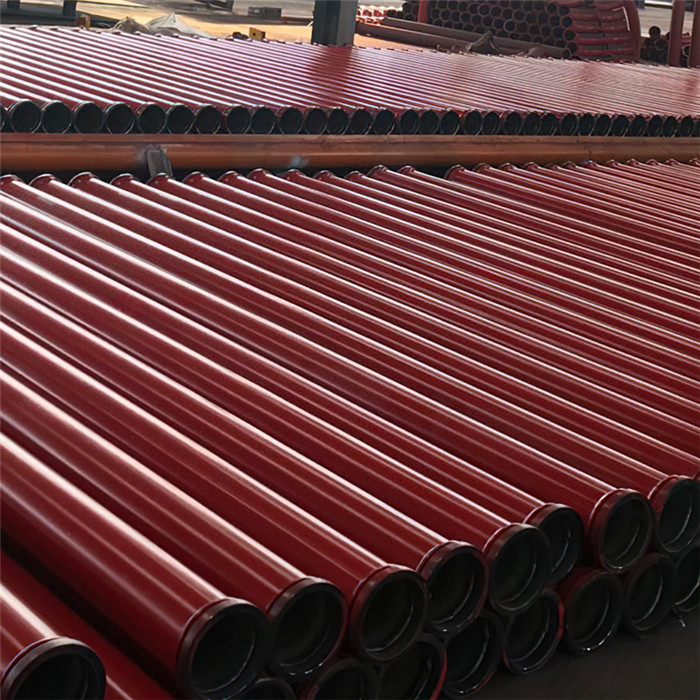
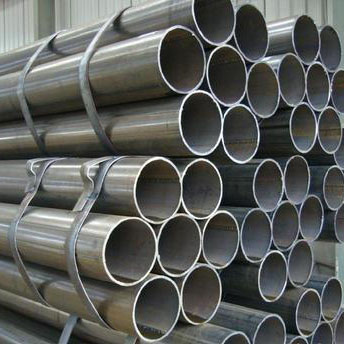
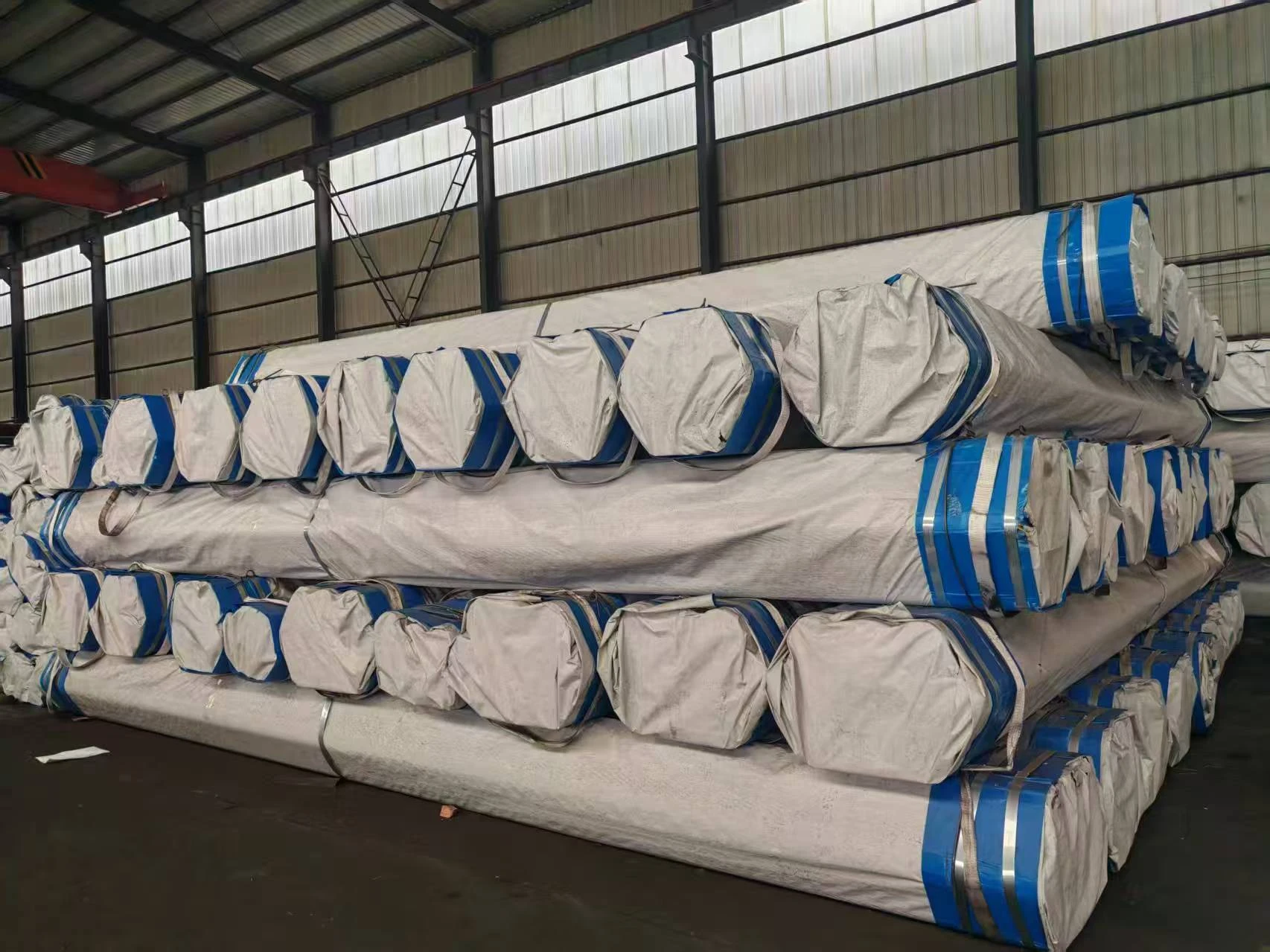
If you’ve ever looked at the backbone of global oil and gas pipelines—or thought about how robust infrastructure supports our modern way of life—then you’ve indirectly brushed against API 5L X60 specification. This seemingly technical term captures a specific grade of seamless or welded steel pipe used primarily to transport oil, natural gas, and water across sometimes harsh, demanding environments. Globally, as energy demands rise and countries expand infrastructure, understanding these specs isn’t just about steel; it’s about safety, sustainability, and reliability in millions of miles of pipeline.
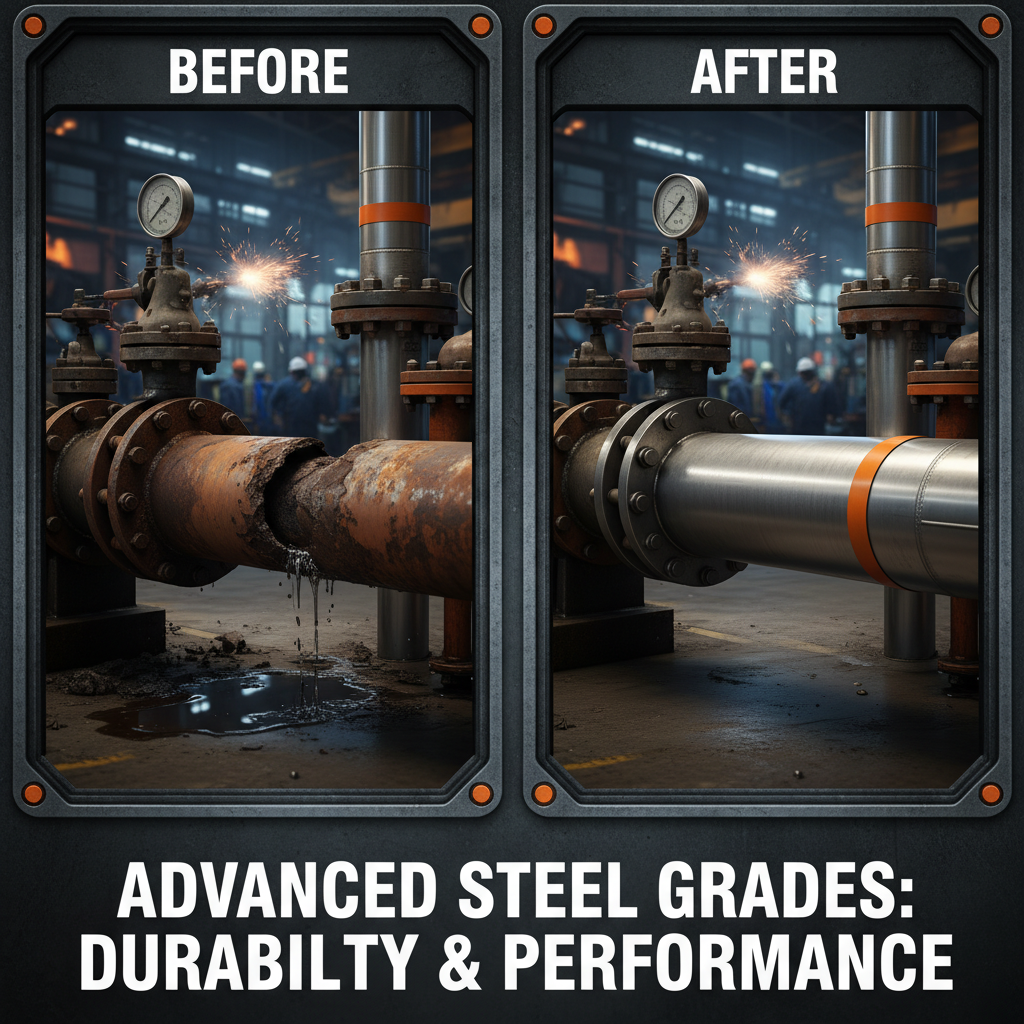
The benefits? Think durability under pressure, resistance to corrosion, and the kind of toughness that withstands temperature swings and physical stress. But crucially, it also means massive cost savings over a pipeline's lifespan—and that matters to industries and communities alike.
The Global Context: Why API 5L X60 Specification Is Essential Today
Energy transportation is a linchpin of the global economy, and the global pipeline market size was valued at over $73 billion in 2023 (source: Statista). The International Energy Agency reports steady growth in global natural gas consumption, making reliable pipelines more than just convenient—they’re critical infrastructure.
Yet, pipelines are vulnerable: geological shifts, weather extremes intensified by climate change, and aging materials pose risks. Enter the API 5L X60 specification—a standard developed by the American Petroleum Institute (API) that sets the bar for strength, toughness, and endurance of steel pipes.
Frankly, without such detailed codes and specs, pipeline failures would be more common, leading to environmental disasters and economic loss. The specification helps engineers choose pipes that meet rigorous testing for yield strength (like X60’s minimum yield strength of about 60,000 psi), toughness, and weldability.
API 5L X60 Specification Explained: Breaking It Down Simply
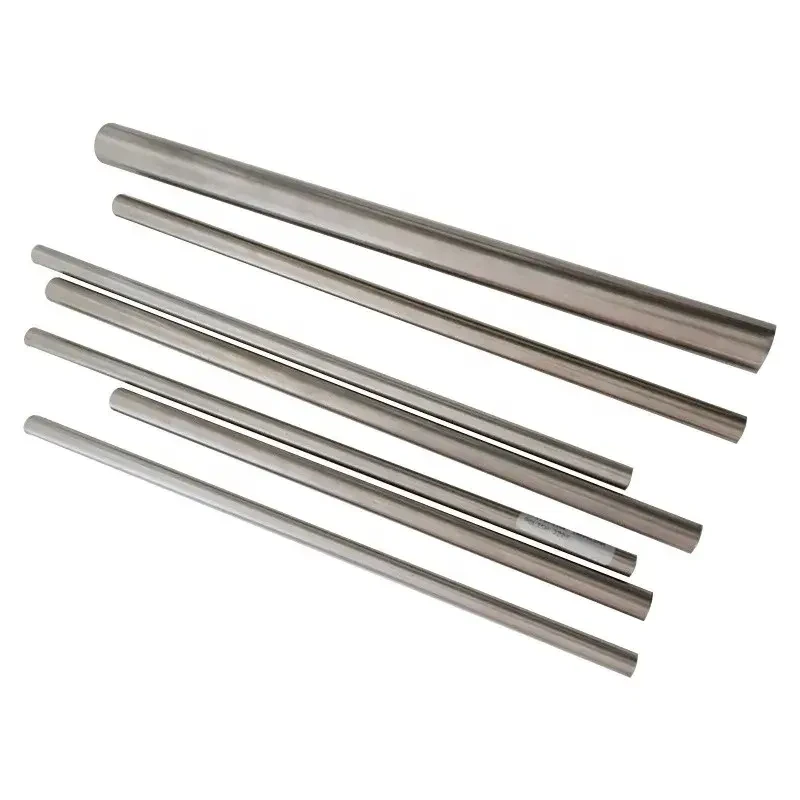
At its core, the API 5L X60 is a steel grade defined for line pipes used in the oil and gas industries. "API 5L" refers to the specification covering line pipe, while "X60" tells us about the minimum yield strength — roughly 60,000 psi.
The pipes must meet strict chemical and mechanical requirements to ensure they withstand tough operating environments. This isn’t just jargon; it means the pipes are tested for things like resistance to fractures and cracks, which can have real safety implications.
Ordinarily, pipelines deliver fuel and water across vast distances, often underground or undersea, so durability is crucial for continuing operations without expensive shutdowns or repairs.
Core Components of the API 5L X60 Specification
1. Mechanical Strength
One of the defining features of API 5L X60 pipe is its minimum specified yield strength of 60,000 psi. This measure ensures the pipe won’t deform under high operating pressures—a cornerstone for reliable pipeline function.
2. Chemical Composition
Strict limits on elements like carbon, manganese, sulfur, and phosphorous ensure pipes have the right toughness and weldability. Oddly enough, a tiny chemical tweak can dramatically impact overall performance.
3. Toughness & Impact Resistance
Pipelines often traverse regions with temperature extremes. X60 pipes must pass Charpy impact tests to demonstrate they won’t crack under sudden stress or cold weather.
4. Welding & Fabrication Standards
Weldability is crucial since pipes are commonly joined onsite. API 5L X60 pipes come with guidelines ensuring weld seams won’t compromise structural integrity.
5. Corrosion Resistance
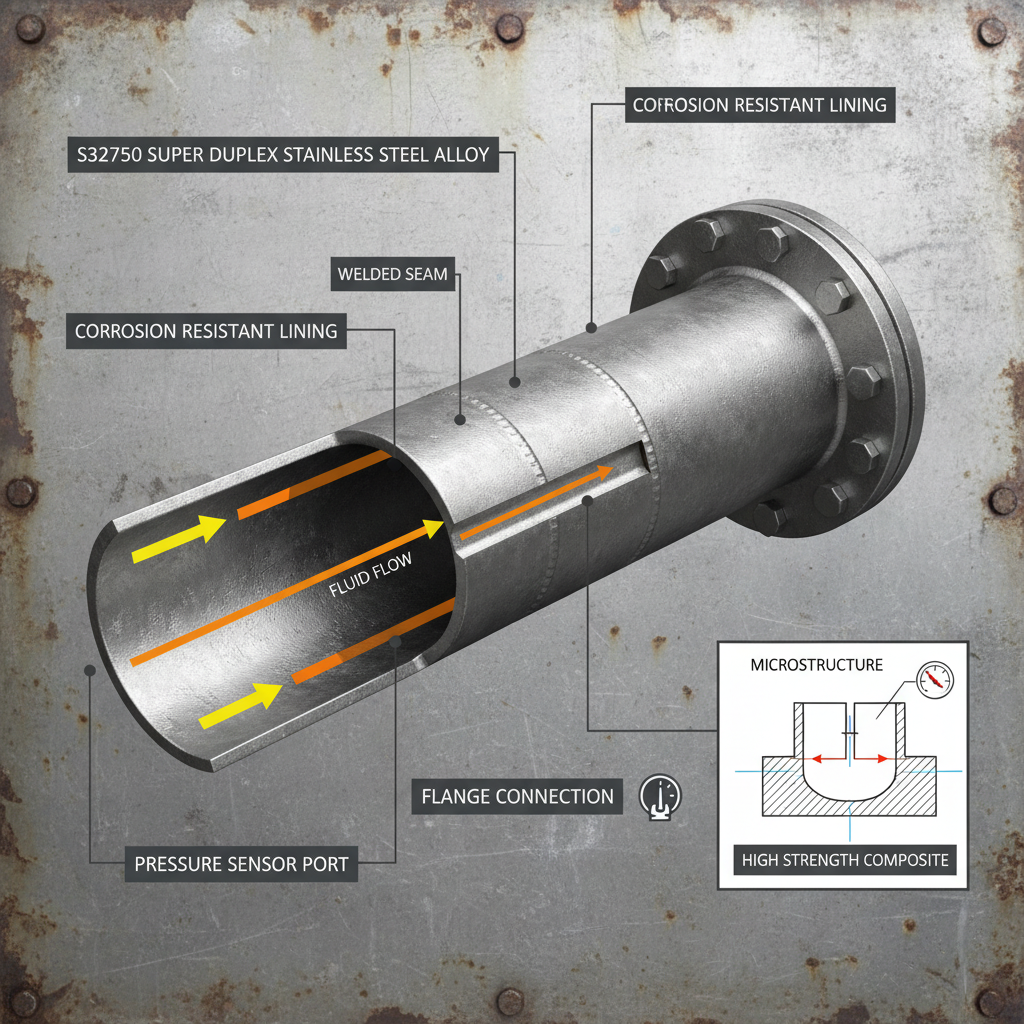
Though not inherently corrosion-resistant, API 5L X60 pipes are often coated or lined to fight rust and degradation, especially in marine or humid environments.
Real-World Applications: Where API 5L X60 Pipes Shine
Globally, X60 pipes are the workhorses of natural gas and oil pipeline infrastructure, widely used in North America, the Middle East, and increasingly in emerging markets like Africa and Southeast Asia.
For instance, large-scale projects like the Nord Stream and Trans-Saharan pipelines use X60 grade steel for its balance of strength and cost. In more extreme contexts—say, Alaska's frigid climates or the deserts of the Middle East—the pipes hold up thanks to their toughness and weldability.
In humanitarian zones, reliable pipelines transporting water benefit from such standardization, ensuring communities get clean water year-round without frequent service disruptions.
Mini Takeaway:
- API 5L X60 is the go-to for pipelines combining strength, safety, and cost-effectiveness, solving energy and water transport challenges worldwide.
Advantages of API 5L X60 Specification: Beyond the Numbers
- Cost-efficiency: While not the cheapest steel grade, the lifecycle cost savings from less maintenance and fewer failures offer great value.
- Safety & Reliability: Toughness under pressure means fewer leaks or bursts, preserving environment and human life.
- Sustainability: Longer-lasting pipes reduce waste and resource consumption; lighter-weight options cut transportation emissions.
- Industry Trust: Adoption by major oil and gas firms, public agencies, and international standards bodies reflects confidence in the specification.
Technical Snapshot: API 5L X60 Specification at a Glance
| Parameter | Specification |
|---|---|
| Minimum Yield Strength | 60,000 psi (approx. 415 MPa) |
| Tensile Strength | 75,000 - 95,000 psi |
| Chemical Composition | C ≤ 0.26%, Mn ≤ 1.35%, S ≤ 0.03%, P ≤ 0.025% |
| Charpy Impact Test | -29°C to -50°C as required |
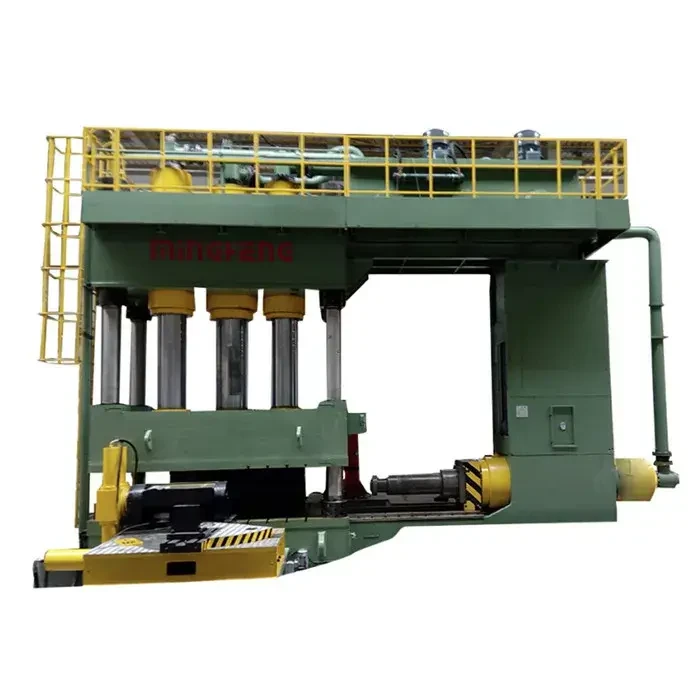
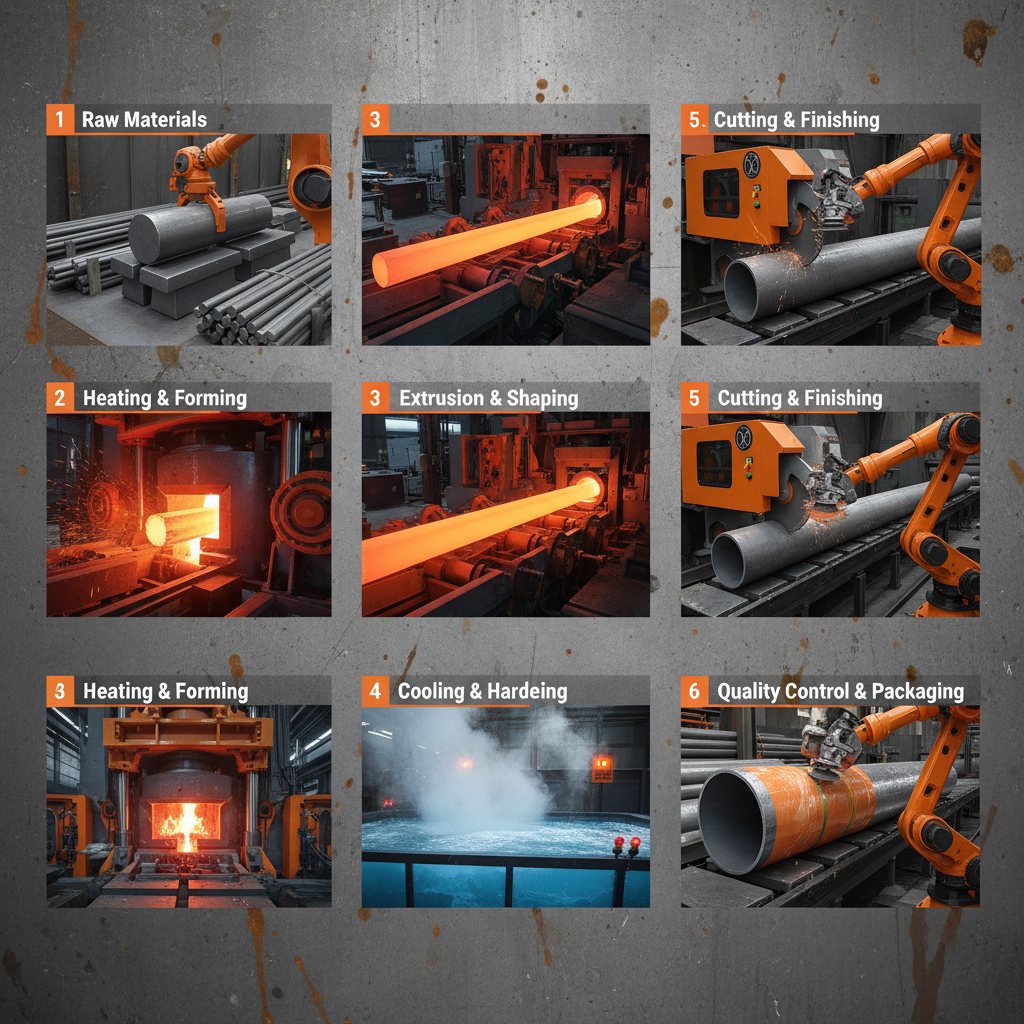
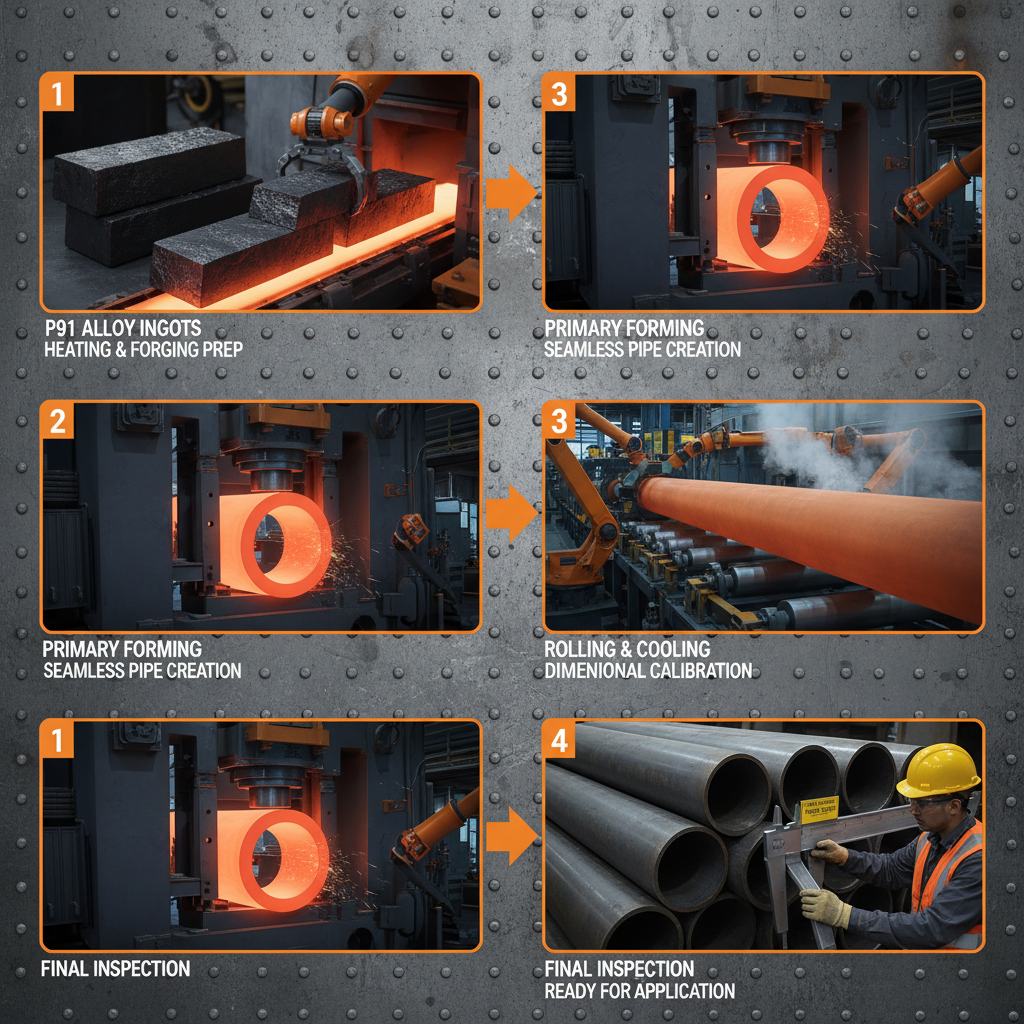
| Manufacturing Process | Seamless or Welded (ERW, SAW) |
Vendor Comparison: Choosing the Right API 5L X60 Pipe Supplier
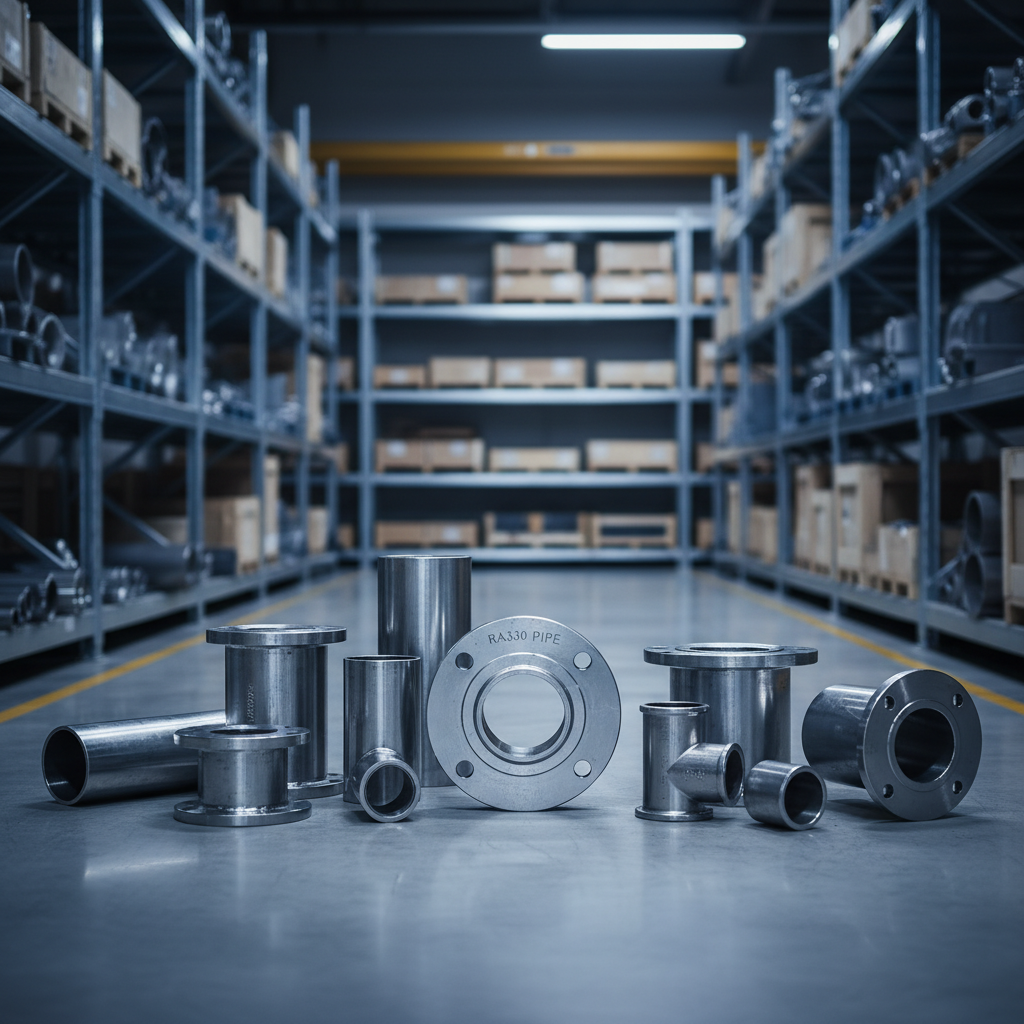
| Supplier | Quality Certification | Production Capacity (tons/year) | Global Delivery | Technical Support |
|---|---|---|---|---|
| SteelCo International | ISO 9001, API 5L Certified | 120,000 | Yes | 24/7 Customer Service |
| GlobalSteel Pipes | API Q1, ISO 14001 | 90,000 | Yes | Onsite Consulting |
| Reliable Pipes Corp. | ISO 9001, API 5L | 75,000 | Regional Only | Limited Remote Support |
Looking Ahead: Future Trends in API 5L X60 Specification and Pipeline Technology
There’s a quiet revolution happening beneath the surface of pipeline tech. Coming trends include integrating smart sensors within pipelines made to API 5L X60 specs to monitor pressure, corrosion, and microfractures in real-time. This digital transformation makes pipelines safer and more predictable.
At the same time, green energy shifts are sparking interest in hydrogen pipelines, which require steel tolerant to hydrogen embrittlement—a challenge where X60 and its successors are evolving.
Lastly, additive manufacturing and new steel alloys may one day offer tailored pipes that are lighter but stronger—cutting costs and carbon footprints. These innovations are a lighthouse for the sector’s future.
Challenges and Solutions in Using API 5L X60 Pipes
Challenges remain, including the risk of corrosion in highly acidic soils or salty environments, and welding difficulties in remote or extreme cold zones. But innovation is constant.
Anti-corrosion coatings, cathodic protection, and rigorous site inspections are standard solutions. Modular pipeline segments and prefabrication reduce onsite welding woes, speeding deployment and improving consistency.
And engineers are developing specialized welding techniques and training for cold climates to ensure the X60 pipes live up to their promise.
FAQs: Common Questions About API 5L X60 Specification
- What is the difference between API 5L X60 and other pipe grades like X42 or X70?
- The main difference lies in the yield strength. X60 has a minimum yield strength of 60,000 psi, offering greater resistance to pressure and tensile forces compared to X42 (42,000 psi) but less than X70. Choosing the right grade depends on project requirements including pressure, environment, and cost.
- Can API 5L X60 pipes be used for water transportation?
- Yes, they can be used for transporting water, especially in municipal or irrigation pipes where durable, high-strength steel is needed. However, specific coatings or linings might be required to prevent corrosion and maintain water quality.
- How long do API 5L X60 pipelines typically last?
- With proper installation, maintenance, and protection measures, pipelines made from API 5L X60 steel can last 30-50 years or more. Lifecycle depends on environmental factors and upkeep.
- Are API 5L X60 pipes compatible with automation and smart sensor systems?
- Absolutely. Modern X60 pipes can be integrated with a variety of smart monitoring solutions to ensure pipeline integrity and early detection of faults, contributing to safer operation.
- Where can I find detailed api 5l x60 specification documents?
- Official API publications and reliable industrial suppliers offer detailed API 5L X60 specifications. Our website also hosts technical sheets and data for quick reference.
Wrap-Up: Why Understanding API 5L X60 Specification Matters
The API 5L X60 specification isn’t just a set of numbers etched in a manual; it’s a reflection of decades of engineering progress focused on safety, efficiency, and sustainability for critical pipeline systems. For anyone involved in infrastructure, energy, or water management, grasping these specs helps ensure projects withstand the test of time and terrain.
Curious to dive deeper? Visit our site at https://www.world-steelmaterial.com for comprehensive resources on API 5L X60 and other steel specifications.
Final Mini-Takeaway:
API 5L X60 piping standards are the quiet champions of modern infrastructure — marrying toughness with adaptability in an increasingly complex world.
References:
Post time: Nov . 29, 2025 07:05
 English
  Arabic
  Bengali
  China
China  French
  German
  Hausa
Hausa  Indonesian
  Italian
  Japanese
  Javanese
  Malay
Malay  Persian
  Portuguese
  Punjabi
  Russian
  Spanish
  Swahili
  Telugu
  Vietnamese