

Understanding the API 5L X60 PSL2 Specification: Why It Matters Globally
When dealing with pipelines in industries like oil and gas, grasping the nuances of standards is crucial. The API 5L X60 PSL2 specification often pops up as a golden ticket: it promises reliability and uniformity — things that, honestly, industries can’t afford to compromise on. Why the buzz around this spec? Because it governs the quality and performance of steel line pipes used worldwide, forming the backbone of energy transport, infrastructure projects, and increasingly, even water transmission systems. On a macro level, understanding this helps companies ensure safety, minimize environmental impact, and meet international regulatory frameworks.
Mini takeaway: The API 5L X60 PSL2 specification isn't just a technical detail; it’s part of a bigger global puzzle to make pipelines safer and more durable.
The Global Context of API 5L X60 PSL2: Meeting Energy and Infrastructure Demands
Globally, the energy sector’s growth keeps pipelines in the spotlight. According to the International Energy Agency (IEA), the world’s oil and gas pipelines span over 4 million kilometers, with growth continuing in renewable fuel transport networks. Yet, these pipelines often face pressure from harsh environments and increasing demand. The api 5l x60 psl2 specification emerged to address exactly these challenges: how to create pipes that withstand internal pressures, corrosion, and mechanical stress, all while adhering to stricter environmental guidelines.
Consider the challenge: pipeline failures and leaks cost billions annually and impact communities. So, a robust specification ensures companies can build better pipelines upfront — reducing risk and long-term costs. Slim margins and tighter regulations mean quality specs matter more than ever.
Mini takeaway: Precise specs like API 5L X60 PSL2 serve as a shield against costly failures by standardizing pipeline material performance globally.
API 5L X60 PSL2 Specification Explained
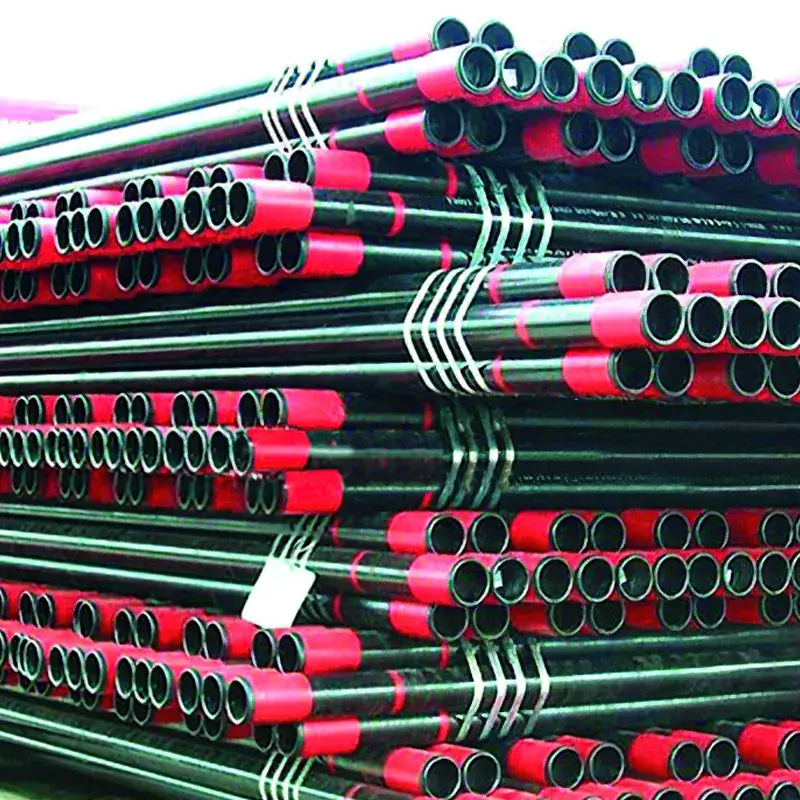
Simply put, the API 5L specification covers carbon steel line pipes used primarily in transporting oil, gas, and water. The "X60" refers to the grade, which means the pipe has a minimum yield strength of 60,000 psi — pretty tough stuff. “PSL2” (Product Specification Level 2) means the pipe has tighter chemical, mechanical, and testing requirements than the basic PSL1. It’s sort of a premium level that includes additional inspections, NDT (Non-Destructive Testing), and traceability features.
Technically, this means pipes meeting API 5L X60 PSL2 are suited for high-pressure and critical service environments, aligning with modern infrastructure demands and even humanitarian efforts needing reliable infrastructure fast.
Mini takeaway: API 5L X60 PSL2 means strong, reliable pipe material, validated with rigorous testing and suitable for key applications where failure is not an option.
Key Features of API 5L X60 PSL2 Pipes
1. Durability
Durability is not just a buzzword here — these pipes resist harsh chemicals, corrosion, and physical stresses. That’s why they’re preferred for long-distance and subsea transportation, where maintenance access is limited and failure costs are huge.
2. High Strength-to-Weight Ratio
Thanks to high yield strength (60 ksi), these pipes carry more pressure per unit weight. This saves both material and transportation costs and allows more compact infrastructure design.
3. Tight Quality Control & Testing
PSL2 demands extra inspection steps — ultrasonic testing, hydrostatic testing, and even chemical analysis beyond what PSL1 requires. This means stray weld defects or impurities are much less likely, which directly improves operational safety.
4. Versatility in Applications
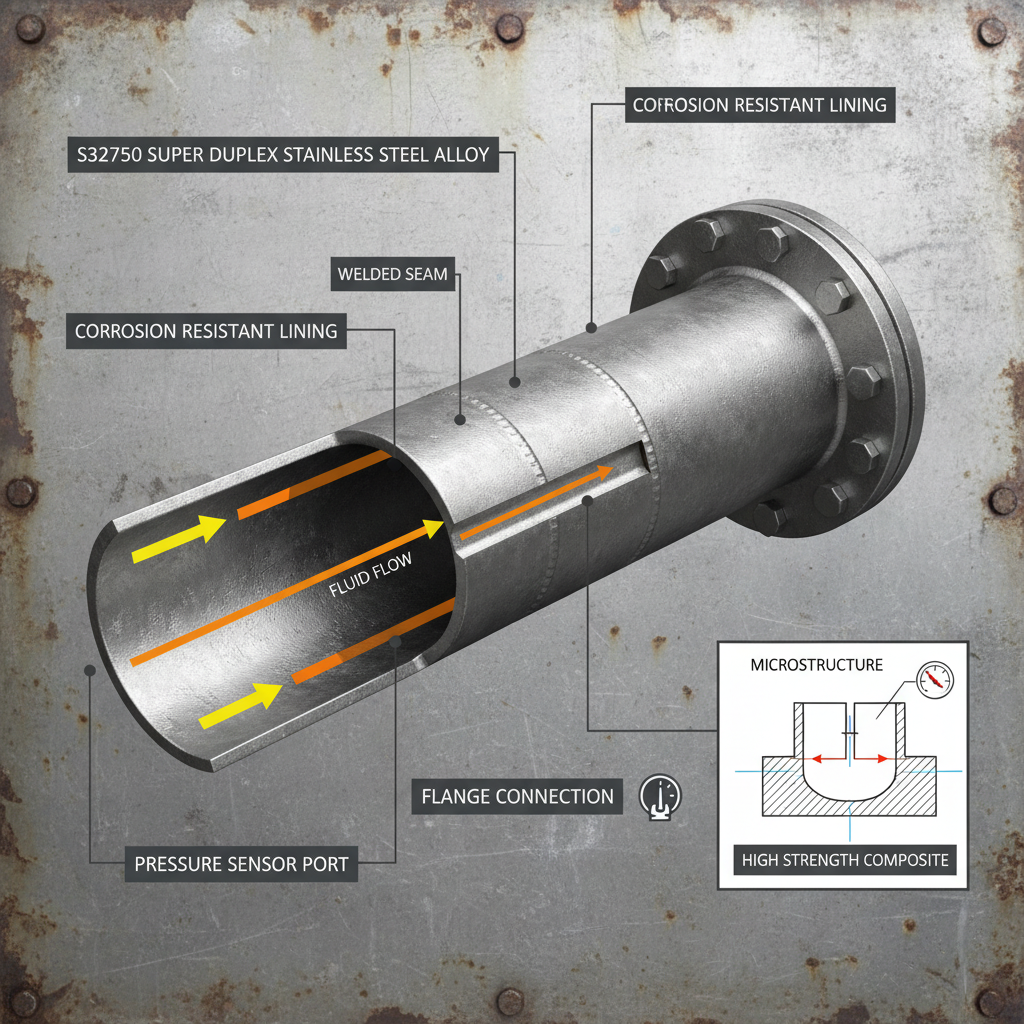
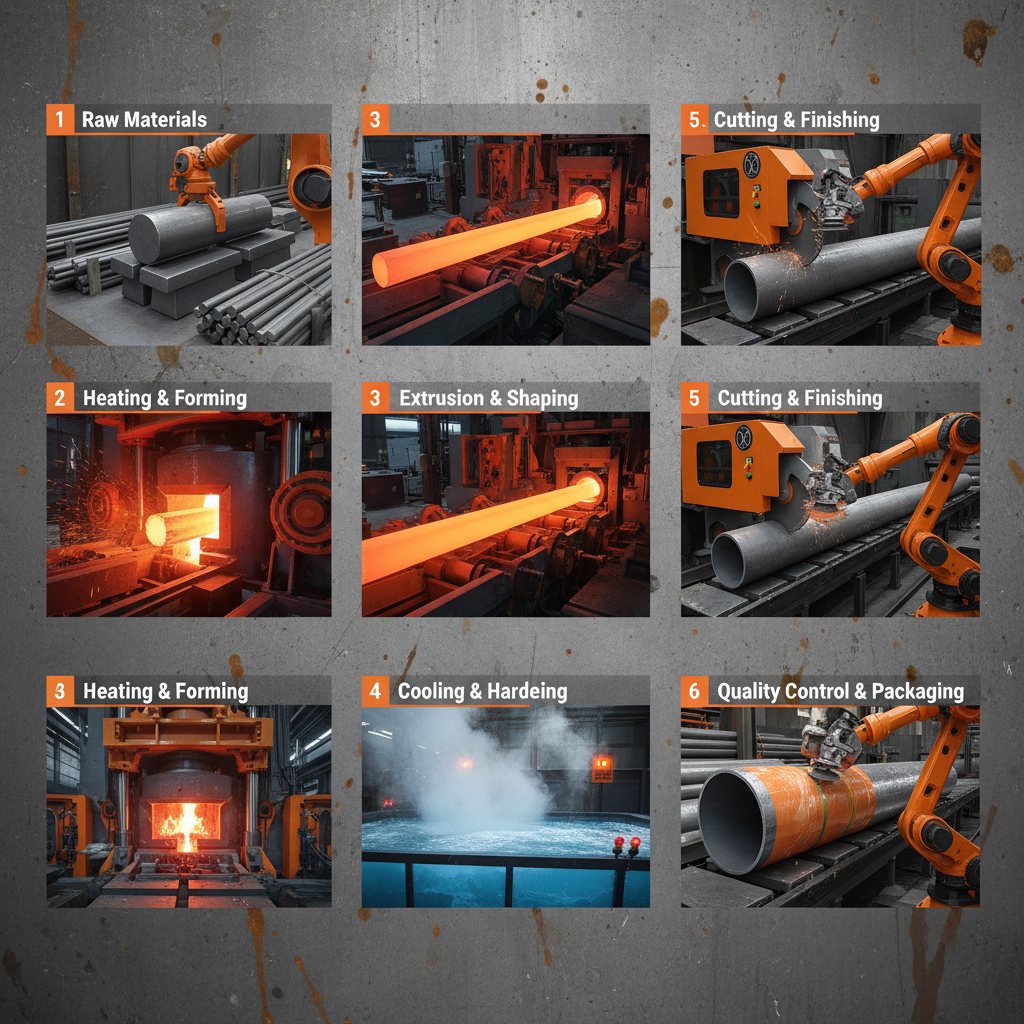
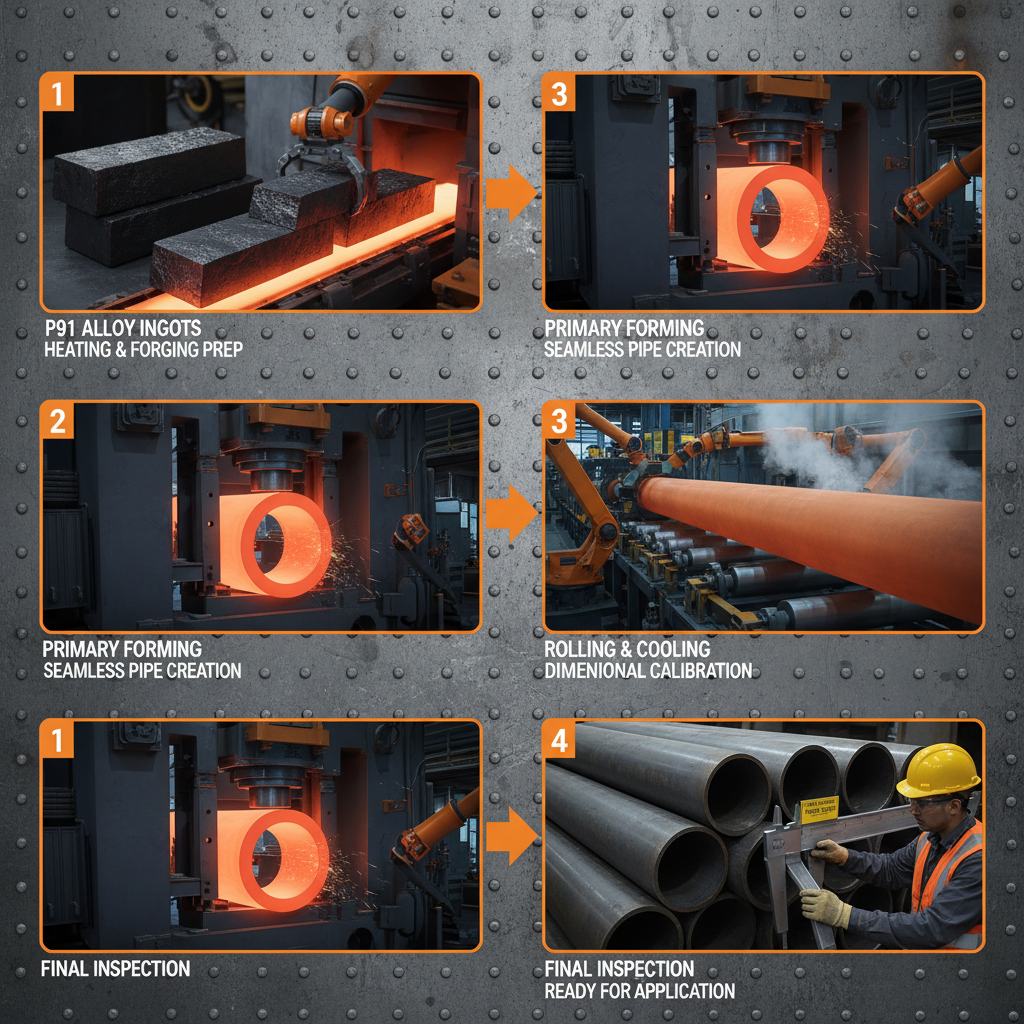
The specs allow varied pipe dimensions and manufacturing methods (seamless or welded), making these pipes adaptable to diverse systems — from Arctic pipelines to desert installations.
5. Environmental Compliance
More companies now demand pipelines that comply with environmental standards. API 5L X60 PSL2 helps in meeting or surpassing certain ISO and EPA standards, supporting sustainability efforts.
6. Traceability and Documentation
Traceability is crucial — every pipe batch is documented to ensure consistency and facilitate quick recalls if necessary.
Mini takeaway: The core components of API 5L X60 PSL2 pipes mean users get a product combining strength, safety, versatility, and environmental responsibility.
Practical Applications Across the Globe
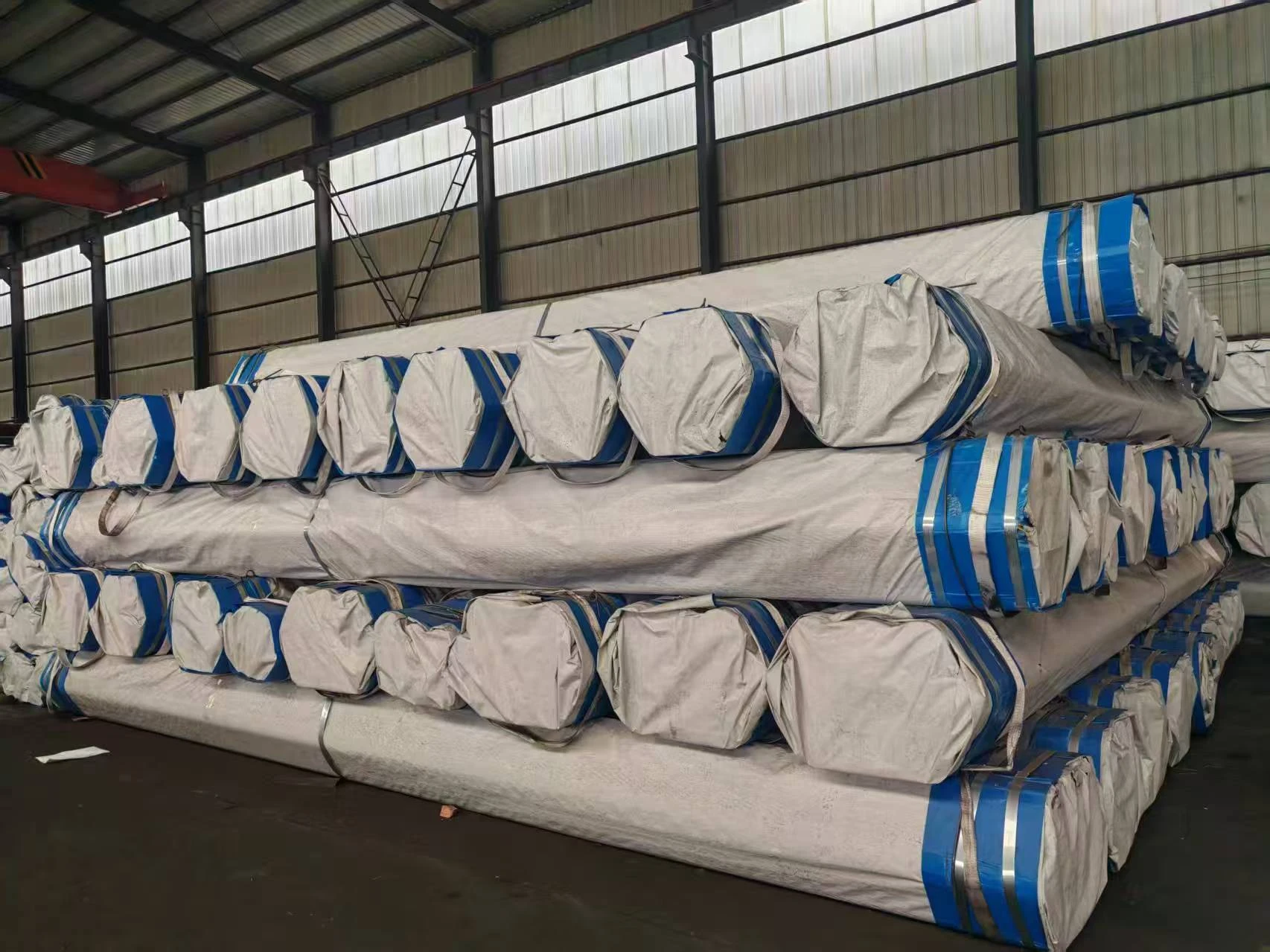
Where exactly do we see API 5L X60 PSL2 pipes in action? The answer is virtually everywhere. From Canada’s frigid energy pipelines to the Middle East’s vast oil networks, these pipes support critical infrastructure.
- Post-disaster relief: Rapidly deployed water or fuel lines rely on strong yet transportable pipes compliant with this standard.
- Remote industrial zones: In places like Siberia or the Amazon, pipeline integrity under extreme weather depends on these specs.
- Urban water transmission: Municipal water utilities increasingly use high-pressure steel pipes to reduce leakage and contamination risk.
- Renewable energy transition: Emerging hydrogen transport pipelines leverage these specs for safety and reliability.
Mini takeaway: API 5L X60 PSL2 pipes are quietly present at vital points where energy, water, or fuel must flow safely, often in extreme or sensitive environments.
Specifications at a Glance: API 5L X60 PSL2 Steel Pipes
| Feature | Details |
|---|---|
| Grade | X60 (60,000 psi minimum yield strength) |
| Specification Level | PSL2 (enhanced testing and traceability) |
| Manufacturing Method | Seamless or welded (ERW, SAW) |
| Testing Types | Hydrostatic, ultrasonic, chemical analysis, Charpy impact tests |
| Chemical Composition Limits | Strict carbon, manganese, phosphorus, sulfur limits under PSL2 |
| Applications | Oil & Gas, Water Transmission, Hydrogen Pipelines, Infrastructure |
Vendor Comparison: API 5L X60 PSL2 Steel Pipe Suppliers
| Supplier | Certification | Testing Capability | Delivery Time | Typical Pricing (USD/ton) |
|---|---|---|---|---|
| Alpha Steel Corp | ISO 9001, API Spec Q1 | Full NDT, Charpy, Metalurgy Labs | 4–6 weeks | 1100–1250 |
| Global Pipeworks | API 5L Licensed, ISO | Hydrostatic, Ultrasonic | 6–8 weeks | 1050–1200 |
| SteelMight Ltd. | API Spec Q1, ISO 45001 | Extended chemical & NDT | 3–5 weeks | 1150–1300 |
The Long-Term Benefits of API 5L X60 PSL2 Pipes
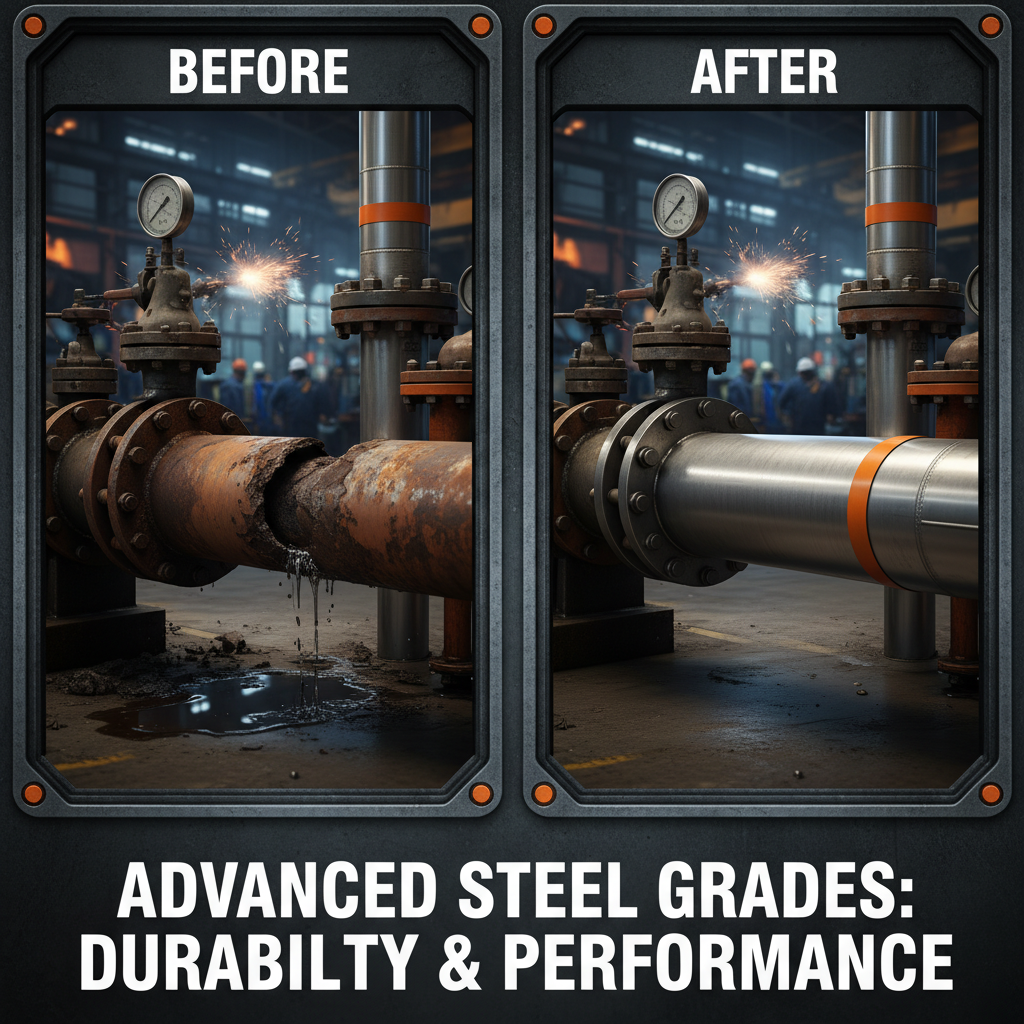
Putting money into quality pipeline steel is about more than initial costs. These pipes drastically lower failure rates, prevent leaks, and save on maintenance — which translates into massive savings over decades. That means less environmental risk and more trust from regulators and the public.
There’s also a safety aspect that can’t be overstated: pipelines carrying oil or gas are potential hazards. API 5L X60 PSL2 certified pipes give engineers peace of mind, which in turn protects worker lives and nearby communities. Emotionally, it feels like a direct investment in dignity and safety, rather than just a material expense.
Mini takeaway: Quality specs help embed safety, reliability, and sustainability into infrastructure that literally powers and connects the world.
Future Trends in Pipeline Materials and Standards
If you think these specs stand still... think again. The pipeline industry is waking up to opportunities offered by green tech. New carbon fiber composites and high-strength alloys that could complement or replace steel pipes are in testing phases. Others focus on coatings and smart sensors — enabling “self-monitoring” pipelines that detect flaws early.
International bodies like ISO and API continually update standards (including PSL2 requirements) to keep pace with automation, climate policies, and digital twins — designed to simulate pipeline behavior before construction. The push is toward sustainability without sacrificing durability or performance.
Mini takeaway: The future lies in smarter, greener, and digitally enhanced pipeline solutions, with API 5L X60 PSL2 evolving alongside.
Challenges and Solutions in Deploying API 5L X60 PSL2 Pipes
Challenges? Of course. The biggest is cost — PSL2 pipes aren’t cheap. Also, supply chain delays disrupt projects, especially when demand spikes globally. Additionally, some remote or emerging market users struggle with understanding or procuring certified pipes, risking non-compliant materials.
Solutions? Partnering with trusted vendors who provide full documentation and timely delivery is essential. The industry also benefits from digital platforms that verify certificates and enable transparent supply chains. Training engineers and managers to understand the specs fosters intelligent procurement decisions that avoid costly retrofits.
Mini takeaway: While hurdles remain, informed partnerships and technology help overcome cost and access barriers to API 5L X60 PSL2 pipes.
FAQ: Common Questions About API 5L X60 PSL2 Specification
- What distinguishes a PSL2 pipe from a PSL1 pipe?
- PSL2 requires stricter chemical and mechanical property checks, additional testing like ultrasonic inspections, and tighter traceability. Essentially, it ensures higher quality and consistency, making it suitable for critical applications.
- How does the X60 grade affect pipeline performance?
- X60 indicates a minimum yield strength of 60,000 psi, meaning the pipe can withstand higher stresses before deforming—critical for high-pressure pipelines or long distances where durability and safety are paramount.
- Can API 5L X60 PSL2 pipes be used in corrosive environments?
- Yes, but they often require additional surface treatments or coatings to enhance corrosion resistance, especially for subsea or chemically aggressive environments. The base steel’s strength and quality help ensure structural integrity.
- How long is the typical service life of these pipes?
- With proper maintenance and in favorable conditions, API 5L X60 PSL2 pipes can last several decades—often 30-50 years—making them a cost-effective choice over the long term.
- Where can I find detailed manufacturing specifications for API 5L X60 PSL2?
- You can consult the official API documentation or visit supplier websites. A reliable starting point is api 5l x60 psl2 specification resources, which provide data sheets and compliance guidelines.
Conclusion: Investing in Trustworthy Pipeline Infrastructure
The API 5L X60 PSL2 specification is more than a set of numbers or industry jargon. It’s a commitment to safety, performance, and environmental stewardship. In a world where energy and water deliveries underpin so much of life and economy, choosing the right pipe is a decision that echoes for decades.
So next time you evaluate pipeline materials, remember how API 5L X60 PSL2 specs ensure pipes that don’t just meet requirements — but often exceed expectations.
To dive deeper and source quality pipes, visit https://www.world-steelmaterial.com — where engineering meets reliability.
References
Post time: Nov . 29, 2025 05:30
 English
  Arabic
  Bengali
  China
China  French
  German
  Hausa
Hausa  Indonesian
  Italian
  Japanese
  Javanese
  Malay
Malay  Persian
  Portuguese
  Punjabi
  Russian
  Spanish
  Swahili
  Telugu
  Vietnamese