

Understanding API 5L X60 Pipe Wall Thickness: Why It Matters Worldwide
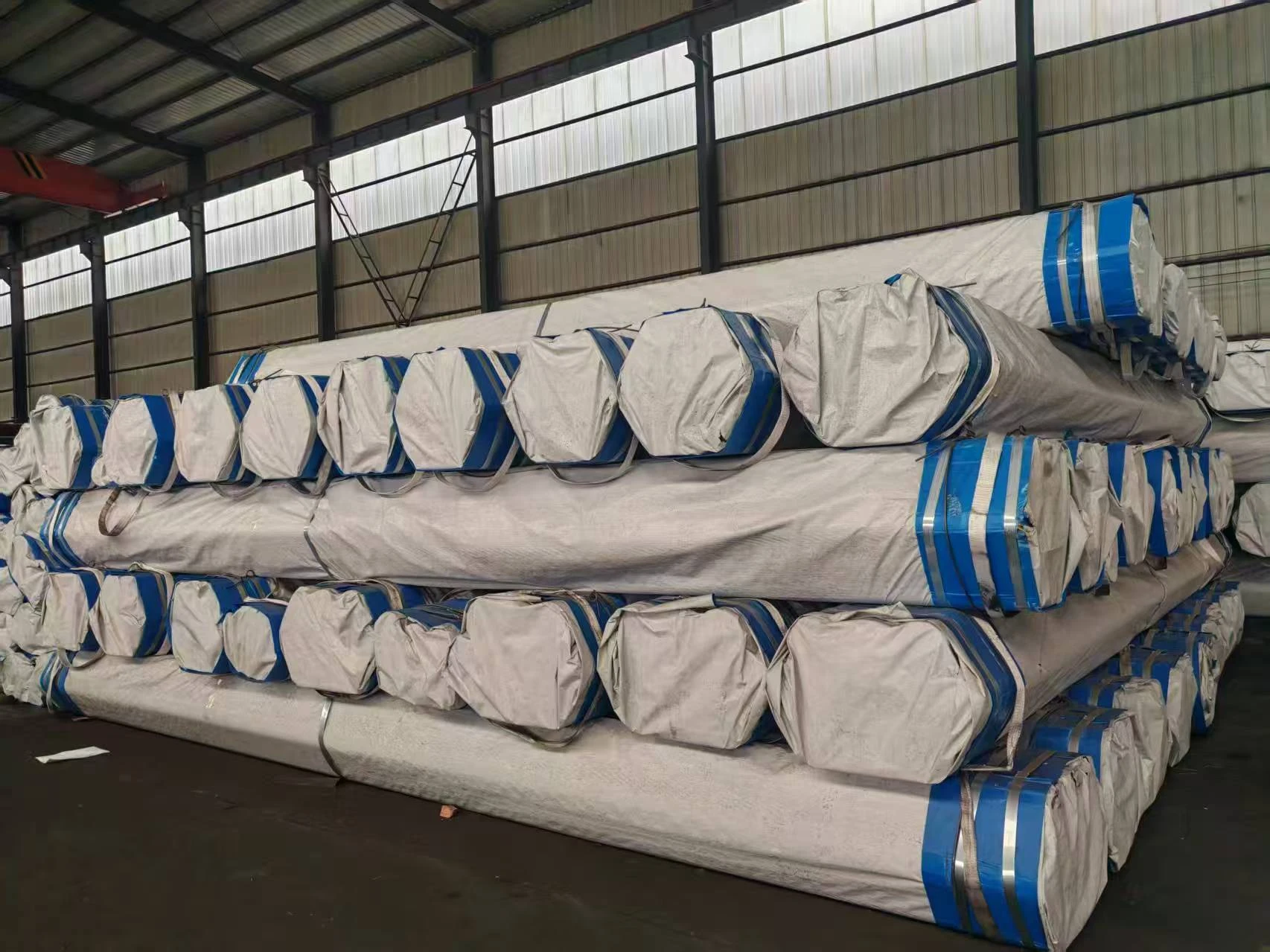
If you've ever wondered about the backbone of modern pipelines stretching across continents, the term API 5L X60 pipe wall thickness probably rings a bell. These pipes aren't just metallic tubes; they’re the unsung heroes behind oil and gas transportation, water supply systems, and countless industrial applications worldwide. Getting a grip on their wall thickness—the thickness of the pipe’s metal casing—is crucial, not only for safety and durability but for economic efficiency and environmental protection.
Globally, pipelines account for transporting over 70% of crude oil and natural gas, according to data from the International Energy Agency. The pipe's wall thickness directly impacts their service life and ability to withstand enormous pressures. Plus, with infrastructure projects booming in Asia-Pacific and the Middle East, understanding api 5l x60 pipe wall thickness isn’t just technical jargon—it’s a real-world lifesaver.
The Global Context: Why Thickness Standards Are Critical Now More Than Ever
Pipeline safety and efficiency have never been more in the spotlight. The surge in energy demand, coupled with stringent environmental standards (ISO 3183 guidelines, for instance), poses a challenge: how to construct pipelines that are both robust and sustainable? That’s where API 5L X60 specification pipes come in, with their unique qualities helping to bridge that gap.
To put it plainly, wall thickness decides the pipe’s strength and longevity. Too thin, and the pipeline risks bursting under pressure or corroding quickly; too thick, and you’re wasting material and cash. World Bank reports on infrastructure investments emphasize that over-engineering pipelines inflates costs without real benefits. So engineers and specifiers worldwide are honing in on just the right wall thickness — especially for grades like X60, known for a solid yield strength of 60,000 psi. And that exactness often hinges on the crucial API 5L X60 pipe wall thickness measurement.
What Exactly Is API 5L X60 Pipe Wall Thickness?
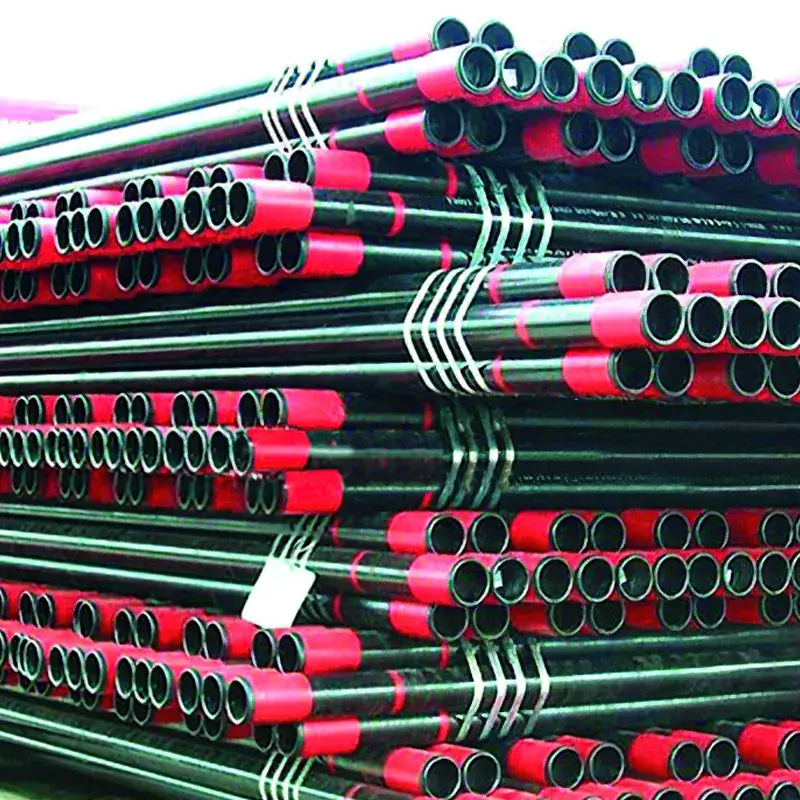
At its core, API 5L is a specification published by the American Petroleum Institute that covers line pipe used in pipeline transportation systems in the oil and gas industries. Grade X60 indicates a pipe with a minimum yield strength of 60,000 psi (pounds per square inch). The “pipe wall thickness” is the measure of the pipe’s metal thickness, typically measured in millimeters or inches, which contributes directly to the pipe's pressure handling capabilities and durability.
Think of it like the thickness of a book’s pages. The thicker the pages, the sturdier the book is—but heavier, too. Similarly, the wall thickness impacts not just strength but also weight and cost, reflecting a delicate balance of engineering and economics.
Mini takeaway:
- API 5L X60 pipe wall thickness defines the pipe’s capability in strength and pressure resistance.
- It’s measured according to international standards ensuring safety and quality.
Key Factors in API 5L X60 Pipe Wall Thickness
1. Durability and Corrosion Resistance
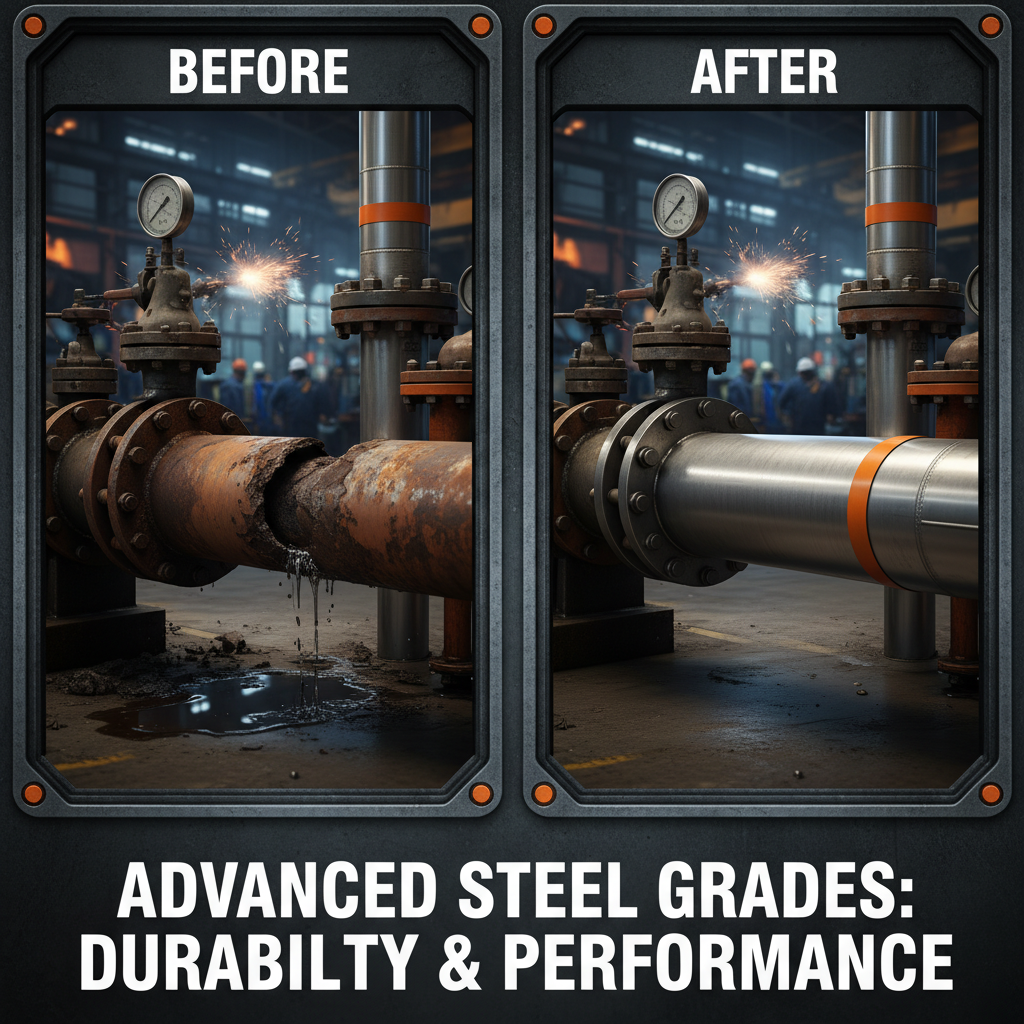
The thicker the wall, the longer it generally lasts against corrosion and wear. In environments where pipelines encounter acidic soils or harsh chemicals, API 5L X60 pipes need precise wall thickness — not just to resist pressure but to maintain structural integrity over decades. Oddly enough, sometimes thinner-coated pipes win out when paired with advanced anti-corrosive coatings.
2. Pressure Handling Capacity
Usually specified in design codes, the pipe wall thickness correlates with the internal pressures it can safely withstand. For X60 grade pipes, the wall must be thick enough to handle high-pressure gas or fluids without failure, but lightweight enough to optimize installation.
3. Cost Efficiency
Material costs scale with wall thickness, so specifiers always look for the sweet spot where they meet safety and performance without overpaying for excess steel. Considering the length of pipelines can be hundreds of kilometers, even a millimeter difference in thickness impacts budgets hugely.
4. Fabrication and Welding Compatibility
API 5L X60 pipes are often fabricated in long lengths and welded in the field. The wall thickness affects welding procedures and inspection requirements. Too thick, and welding becomes complex; too thin, and joint integrity might be compromised.
Mini takeaway:
- Durability, pressure handling, cost, and fabrication are intertwined with wall thickness choices.
- Customization depends heavily on project location and environmental demands.
Real-World Applications of API 5L X60 Pipe Wall Thickness
In practice, these pipes are everywhere—from the deserts of Saudi Arabia powering oil export lines to the frigid Siberian tundra’s gas grids. For example, in post-disaster relief operations where rapid re-establishment of fuel lines is vital, the correct wall thickness ensures a blend of quick deployment and safety. Remote industrial zones like Canada’s oil sands fields demand pipes with exact thickness specs to resist abrasion and heavy load conditions.
Industries benefiting include:
- Oil and Gas Transmission
- Water Transportation Systems
- Petrochemical Plants
- Infrastructure and Energy Projects
| Specification | Typical Range | Unit |
|---|---|---|
| Nominal Pipe Diameter (NPS) | 2 to 48 | inches |
| Wall Thickness | 4.78 - 19.05 | mm (API 5L PSL2 typical ranges) |
| Yield Strength | 60,000 | psi |
| Tensile Strength | 75,000 | psi |
Advantages and Long-Term Value
The precise specification of pipe wall thickness for API 5L X60 pipes translates into several key advantages:
- Cost savings: Avoiding overthick walls cuts material and transport expenses.
- Sustainability: Less raw steel use means smaller carbon footprints, contributing to green goals.
- Safety and reliability: Correct thickness ensures operational integrity even under extreme conditions.
- Longevity: Reduced maintenance and downtime thanks to adequate corrosion resistance and strength.
- Trust and innovation: Knowing your pipeline specs meet global standards gives engineers and operators peace of mind.
Many companies report that well-specified API 5L X60 lines have lifetimes exceeding 30 years, which frankly feels like a testament to good engineering more than just raw material strength.
Future Trends & Innovations
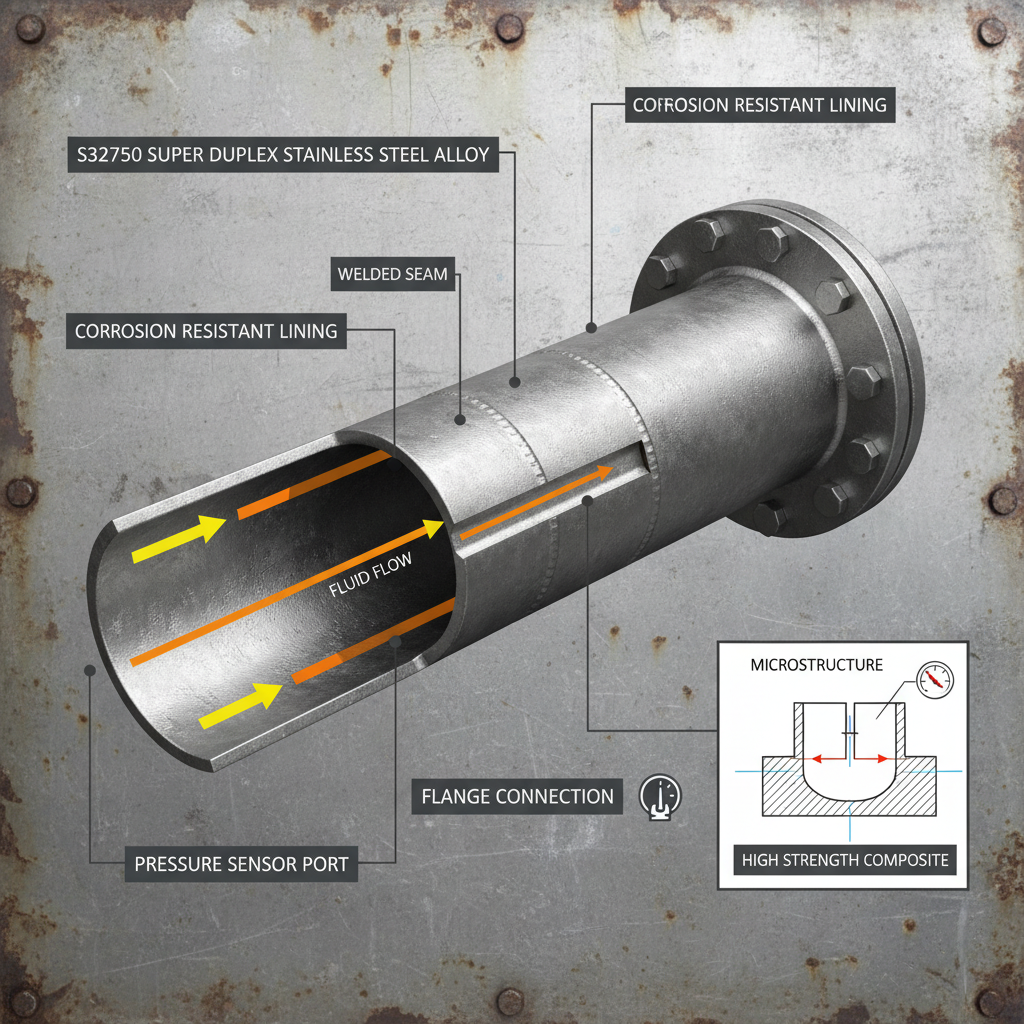
Looking ahead, the industry is buzzing about advanced materials that complement API 5L X60 pipes — such as composite coatings, smart pipe technology with embedded sensors, and surface treatments enhancing resistance without adding thickness.
Sustainability is a huge driver. Projects are exploring how wall thickness can be optimized with predictive analytics, basically letting digital twins simulate pipe performance before manufacturing. Plus, the rise of hydrogen pipelines demands new specs where wall thickness balances embrittlement resistance and cost.
Automation in welding and inspection is also evolving, ensuring precise control over wall thickness throughout production, reducing defects and recalls. So, the future isn’t just thicker or thinner pipes, but smarter, more adaptive ones.
Challenges & Solutions
It’s not all smooth sailing. One ongoing challenge is balancing standardized wall thickness requirements with custom project needs, especially when retrofitting old pipelines or dealing with tough terrains. Corrosion also outpaces coatings in some environments, necessitating thicker walls or innovative protection.
Experts suggest strategies including:
- Advanced corrosion inhibitors
- Non-destructive testing during installation
- Using hybrid materials or pipe liners
- Employing AI-driven predictive maintenance
Lastly, communication between design, manufacturing, and field teams is key to ensuring wall thickness is right—not just on paper, but in reality.
Vendor Comparison: API 5L X60 Pipe Wall Thickness Suppliers
| Vendor | Wall Thickness Range (mm) | Certifications | Lead Time | MOQ |
|---|---|---|---|---|
| SteelWorks Ltd. | 4.5 – 16.0 | API 5L, ISO 3183 | 4 weeks | 50 tons |
| GlobalPipe Inc. | 5.0 – 19.0 | API 5L, PSL2, ISO | 6 weeks | 30 tons |
| Prime Steel Pipes | 4.8 – 18.5 | API 5L, ISO 3183 | 3 weeks | 40 tons |
FAQ: Frequently Asked Questions About API 5L X60 Pipe Wall Thickness
Q1: How does wall thickness affect pipeline pressure ratings?
A: Wall thickness is a primary factor in a pipeline's ability to safely handle internal pressure. Thicker walls increase strength, allowing pipes to carry higher pressures without failure. For API 5L X60 pipes, thickness must be carefully calculated per the pressure design formula to balance safety and cost.
Q2: Can I reduce wall thickness if using advanced coatings?
A: Sometimes yes, advanced corrosion-resistant coatings can allow slightly thinner walls because they add a protective barrier. However, the pipe must still meet all mechanical and safety standards. It’s wise to consult your supplier or an engineer before making changes.
Q3: What’s the typical lifespan of an API 5L X60 pipeline with proper thickness?
A: With correct specifications and maintenance, such pipelines can last 25 to 40 years or more. The wall thickness plays a big role in resisting corrosion and deformation, significantly impacting service life.
Q4: How do I verify if the pipe wall thickness meets API 5L X60 standards?
A: Pipes come with mill test reports (MTR) certifying compliance. In the field, non-destructive testing methods like ultrasonic thickness gauging are used regularly to ensure wall thickness stays within specs.
Conclusion: Precision Matters in API 5L X60 Pipe Wall Thickness
In sum, the API 5L X60 pipe wall thickness is much more than a number—it’s a precise engineering choice that affects safety, budget, and the lifespan of critical infrastructure worldwide. Whether transporting precious natural gas across continents or ensuring safe water supply in remote towns, the right wall thickness is key.
For those managing pipeline projects or specifying materials, investing time in understanding these specs pays dividends in durability, trust, and long-term sustainability.
If you want to explore further or source high-quality pipes with exact wall thickness, visit our website for detailed info, expert advice, and competitive pricing.
References
Post time: Nov . 29, 2025 03:50
 English
  Arabic
  Bengali
  China
China  French
  German
  Hausa
Hausa  Indonesian
  Italian
  Japanese
  Javanese
  Malay
Malay  Persian
  Portuguese
  Punjabi
  Russian
  Spanish
  Swahili
  Telugu
  Vietnamese