

Understanding the API 5L X52M PSL2 Specification: What It Is and Why It Matters
At first glance, all those technical acronyms—like API 5L X52M PSL2 specification—can feel like jargon tossed around by pipeline nerds. But this standard plays a surprisingly big role in the global energy and infrastructure sectors. Basically, it tells manufacturers and engineers exactly how strong, durable, and reliable certain steel pipes need to be—especially for transporting oil, gas, or water. Given how crucial pipelines are for economies worldwide, knowing what API 5L X52M PSL2 entails is more than just trivia; it’s about safety, efficiency, and long-term sustainability.
Not to mention, understanding this specification can save companies big bucks in maintenance and accidental downtime—just by ensuring the right pipes get used the first time.
Global Industry Perspective: The Role of API 5L X52M PSL2 in Modern Infrastructure
In 2023, the global pipeline industry was valued at around $90 billion, according to data from the International Energy Agency (IEA). Nearly half of these pipelines run on steel materials conforming to recognized standards such as API 5L, ensuring international interoperability and safety.
The key issue here: pipelines often cross challenging terrains and face harsh environmental conditions. If the pipe specifications are off, it can lead to leaks, costly repairs, or even environmental disasters. The API 5L X52M PSL2 classification, with its stringent controls, helps mitigate those risks.
So, the specification isn't just about meeting industry boxes; it’s about global energy security and environmental stewardship. Imagine pipelines delivering essential fuels through arid deserts or frozen tundra without failure—that’s the promise embedded in these specs.
What Exactly is the API 5L X52M PSL2 Specification?
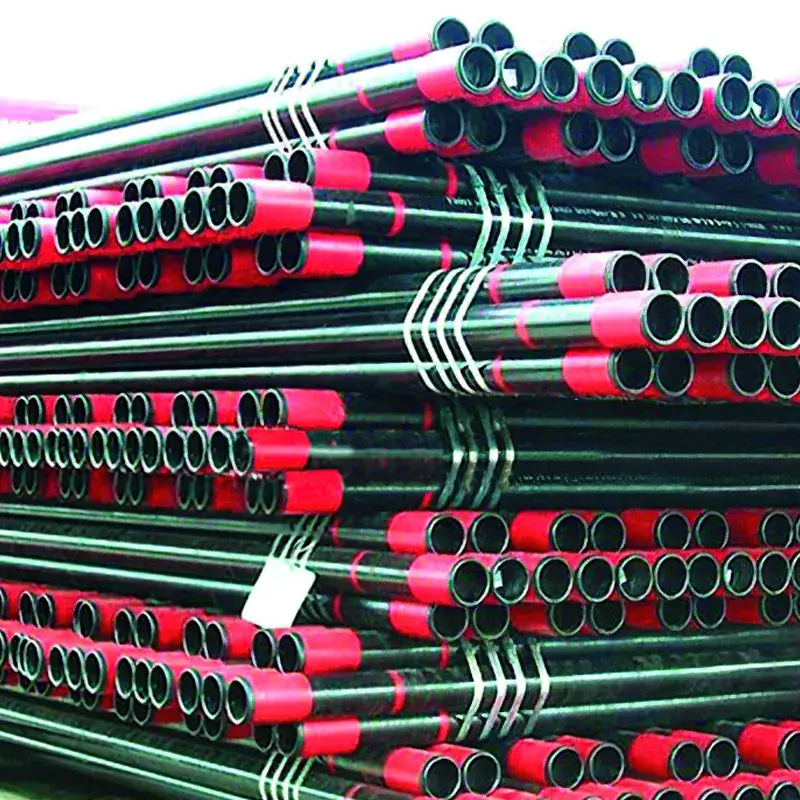
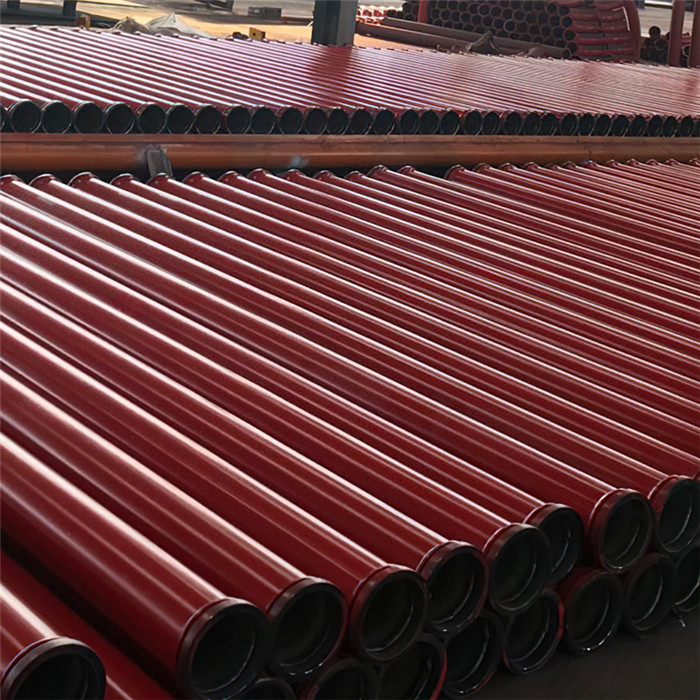
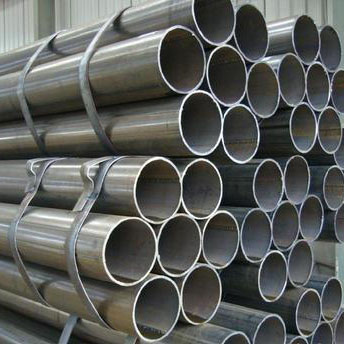
Let’s take a step back. API 5L is a specification developed by the American Petroleum Institute. It governs the manufacturing and testing of seamless and welded steel pipes used primarily for transporting gas, water, and oil.
Now, X52M refers to:
- X52: Indicates a minimum yield strength of 52,000 psi. In simpler terms, it’s how much stress the pipe steel can handle before deforming.
- M: Specifies the pipe is for “manufacturing,” meaning it adheres to stricter chemical and mechanical requirements.
PSL2 — or Product Specification Level 2 — is the higher quality level under API 5L, implying more rigorous testing, traceability, and performance criteria. Think of it as the premium version ensuring better toughness and reliability under demanding conditions.
So, when you string it all together, API 5L X52M PSL2 specification defines a grade of steel pipe that combines strength, quality assurance, and precise manufacturing standards.
Mini Takeaway:
API 5L X52M PSL2 isn’t just a code—it’s a promise of performance that powers pipelines worldwide.
Core Components of API 5L X52M PSL2 Pipes
1. Durability and Strength
The steel must exhibit a minimum yield strength of 52,000 psi, suitable for high-pressure applications. This means it’s less prone to bending or breaking under stress, vital for undersea or deep-earth pipelines.
2. Chemical Composition and Quality Control
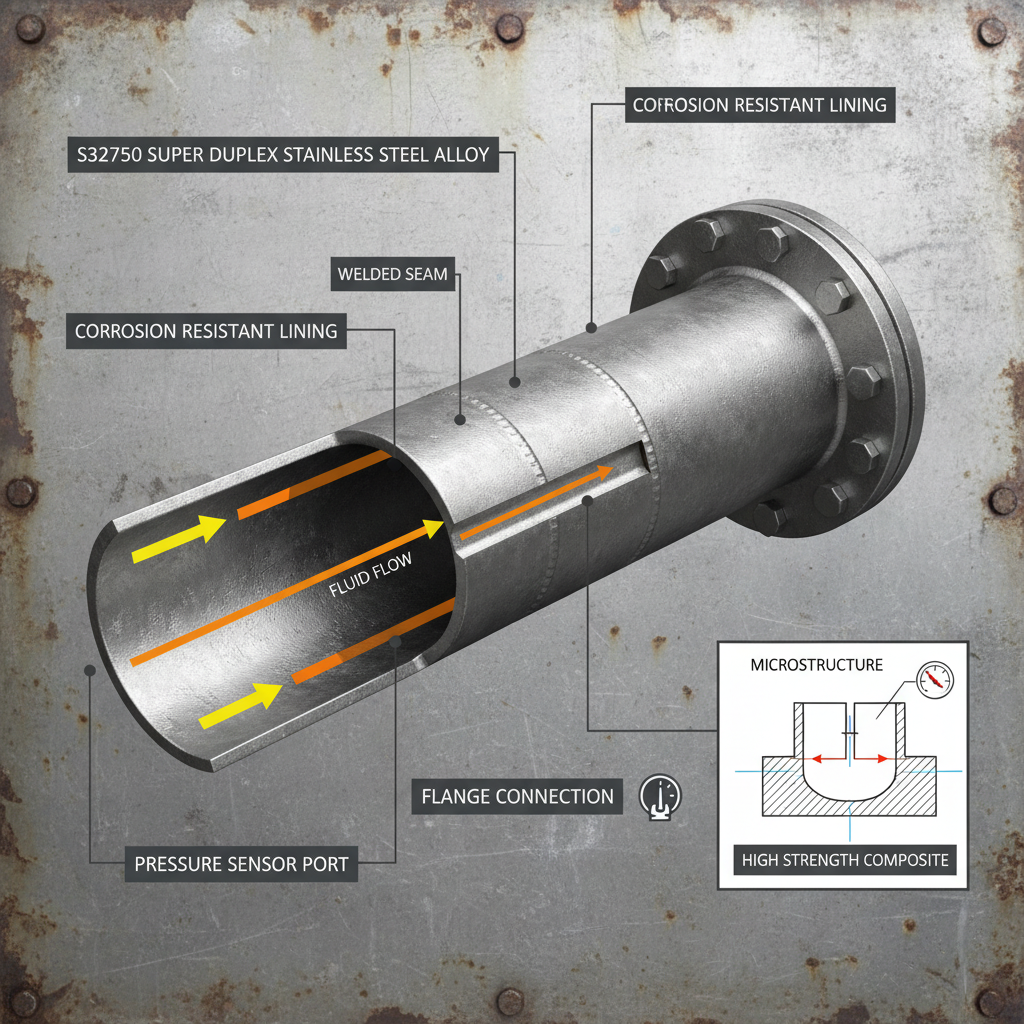
The “M” level indicates close monitoring of the chemical make-up, minimizing unwanted elements that could cause corrosion or brittle fractures. Manufacturers often employ computer-controlled furnaces and chemical analysis to maintain these exacting standards.
3. Enhanced Testing & Traceability
PSL2 demands more rigorous non-destructive testing techniques: ultrasonic inspections, hydrostatic testing, and notch toughness tests, among others. Plus, every batch gets traceability back to the raw materials, ensuring accountability.
4. Weldability and Workability
To ease on-site assembly, these pipes are designed for good weldability without compromising strength. Often, this involves balancing the alloying elements to get the best weld joints for long-lasting infrastructure.
5. Dimensions and Tolerances
The standard specifies precise wall thickness and diameter tolerances, which is critical. Too thin, and you risk leaks; too thick, and costs balloon unnecessarily.
Mini Takeaway:
In real terms, these key factors make API 5L X52M PSL2 pipes highly suited for challenging environments and critical infrastructure projects.
Global Applications & Use Cases
Pipelines made to API 5L X52M PSL2 standards appear worldwide—from North American shale gas lines to Middle Eastern oil exports, and even large-scale water transport systems in Australia. Oddly enough, their importance is often invisible until something goes wrong.
- Energy Sector: Almost all major oil and gas transmission pipelines rely extensively on X52M PSL2 pipe grades due to the pipes’ strength and toughness.
- Water and Sewage Systems: Increasingly, municipalities use these pipes for high-pressure water distribution, benefiting from durability and corrosion resistance.
- Disaster Relief & Remote Installations: In remote industrial zones, quick piping install is essential—and pipes conforming to this specification can be trusted to perform under temperature extremes.
For example, after the 2021 floods in Germany, reconstruction teams preferred PSL2 pipes to avoid repeated failures in the existing problematic infrastructure.
Mini Takeaway:
Simply put, pipelines built to the API 5L X52M PSL2 specification underpin the backbone of modern energy and water supply on a global scale.
API 5L X52M PSL2 Specification: Advantages & Long-Term Value
Choosing these pipes offers multiple advantages:
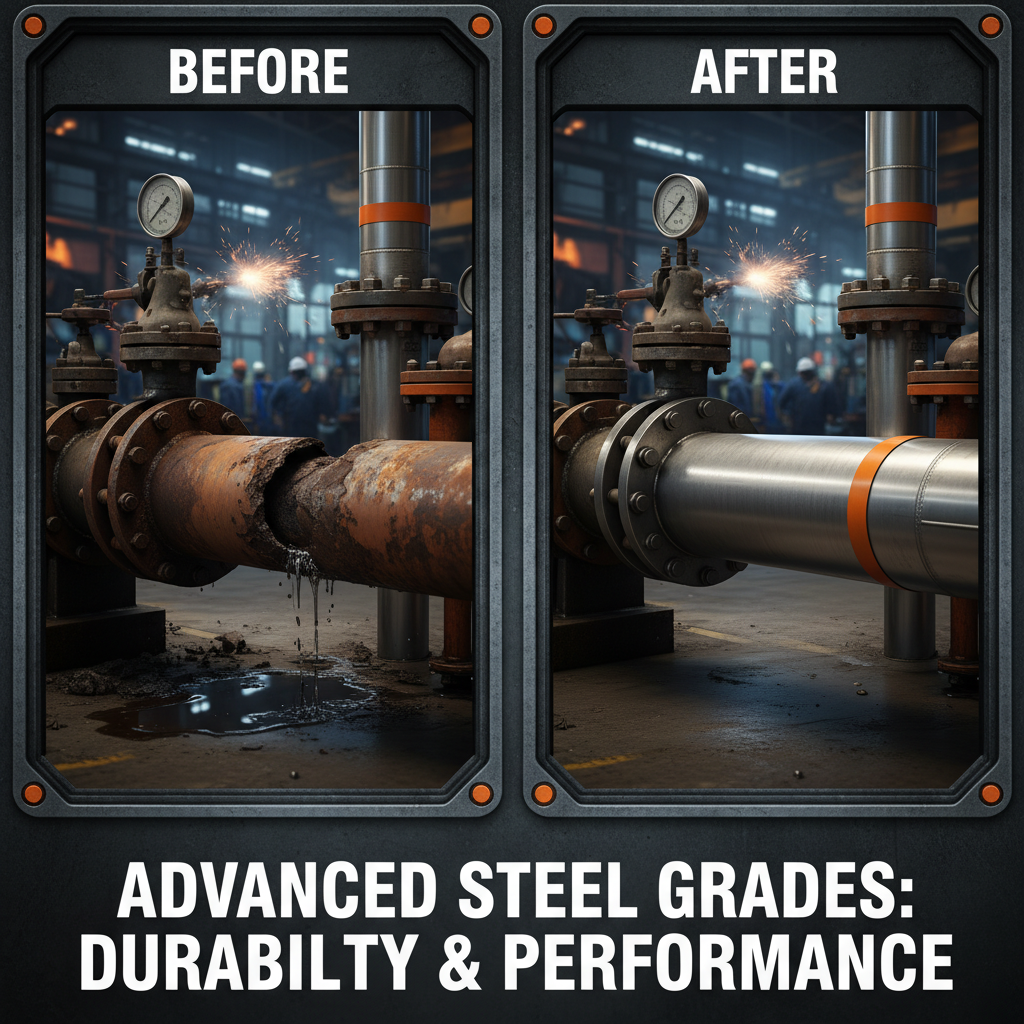
- Cost Efficiency: While initial costs are higher, reduced maintenance and longer lifespan often outweigh upfront investments.
- Safety and Reliability: Reduced risk of failures means better safety for workers and communities nearby.
- Sustainability: Longer service lives equate to fewer replacements and less resource waste.
- Trust Factor: Many operators prefer recognized standards like API 5L because it assures stakeholders of due diligence and quality.
There’s a reassuring psychological factor here, too—knowing the infrastructure rests on proven materials gives investors and engineers peace of mind.
Product Specification Table: API 5L X52M PSL2 Pipe Summary
| Parameter | Value/Range | Notes |
|---|---|---|
| Yield Strength | ≥ 52,000 psi (359 MPa) | Minimum stress before deformation |
| Tensile Strength | 62,000–80,000 psi (427–550 MPa) | Ultimate stress before breaking |
| Chemical Composition | Controlled C, Mn, P, S levels | Limits impurities to improve toughness |
| Testing | Ultrasonic, hydrostatic, Charpy | Ensures performance under stress |
| Available Sizes | NPS 1/8 to 48 inch | Variety for various pipeline needs |
How Do Top Vendors Compare on API 5L X52M PSL2 Pipes?
| Vendor | Production Capacity | Global Distribution | Certifications | Lead Time |
|---|---|---|---|---|
| SteelPipe Global | 500,000 tons/year | Americas, EMEA, APAC | API, ISO 9001, NACE MR0175 | 6–8 weeks |
| PipelineSteel Ltd. | 300,000 tons/year | EMEA, APAC | API, ISO 14001 | 5–7 weeks |
| GlobalSteel Works | 750,000 tons/year | Worldwide | API, ISO 9001, OHSAS 18001 | 8–10 weeks |
Emerging Trends in API 5L X52M PSL2 Specification and Pipeline Technology
The future is bright—and a little greener. Industry experts are pushing to integrate more sustainable steelmaking methods, lowering carbon footprints in compliance with ISO 14001 and similar standards.
Digital transformation also is adding smart sensors to pipelines for real-time monitoring, which ties back to the PSC2 level’s emphasis on traceability. Imagine detecting tiny flaws before they escalate, potentially preventing leaks entirely.
In materials science, there’s ongoing research into enhancing toughness and weldability through microalloying and heat treatments—making the X52M steel even more reliable in the next decade.
Challenges and Practical Solutions
It’s not all smooth sailing. Some challenges in the use of API 5L X52M PSL2 pipes include:
- Cost Implications: Premium manufacturing and testing mean higher upfront costs, which might deter budget-sensitive projects.
- Supply Chain Delays: Global disruptions occasionally lead to longer lead times.
- Environmental Factors: Despite toughness, certain extreme chemical environments still require special coatings or alloy tweaks.
To handle these challenges, many organizations work closely with vendors for just-in-time delivery and negotiated contracts to smooth cash flow. Meanwhile, investing in pipeline coatings and cathodic protection aids in extending service life beyond the standard lifespan.
FAQ: Common Questions Around API 5L X52M PSL2 Specification
Q1: How does API 5L X52M PSL2 differ from PSL1 pipes?
A1: PSL2 pipes have stricter chemical, mechanical, and testing criteria than PSL1, meaning better quality assurance and toughness. They’re generally used in more demanding environments where safety margins are critical.
Q2: Can API 5L X52M PSL2 pipes be used in cold climates?
A2: Yes, they are specifically tested for notch toughness at low temperatures, which makes them suitable for cold regions such as Northern Canada or Siberia.
Q3: Are these pipes suitable for high-pressure gas transmission?
A3: Absolutely. The high yield and tensile strengths specified ensure safe transport under elevated pressure conditions.
Q4: Is customization available for these pipes regarding size and coating?
A4: Most manufacturers offer customized dimensions and external/internal coatings based on project-specific needs.
Q5: Where can I find detailed API 5L X52M PSL2 specification documents?
A5: The official API website and trusted industrial suppliers provide the full technical standards. Also, check reputable sites like api 5l x52m psl2 specification for up-to-date info and purchasing options.
Conclusion: Don’t Underestimate the Weight Behind Steel Standards
API 5L X52M PSL2 pipes might sound like just another part number, but they embody layers of engineering brilliance, quality control, and industrial necessity. From powering remote oil fields to supplying cities with clean water, these specifications underpin safety, reliability, and sustainability.
So next time you hear “API 5L X52M PSL2,” remember—it’s about much more than pipe. It’s about a foundation for the infrastructure that keeps our modern world running.
Interested in exploring suppliers or learning more? Visit us at https://www.world-steelmaterial.com. There’s a lot more under the surface than just steel.
References
Post time: Nov . 29, 2025 02:15
 English
  Arabic
  Bengali
  China
China  French
  German
  Hausa
Hausa  Indonesian
  Italian
  Japanese
  Javanese
  Malay
Malay  Persian
  Portuguese
  Punjabi
  Russian
  Spanish
  Swahili
  Telugu
  Vietnamese