

Why the API 5L X52 Specification Matters Globally
If you’re someone who tinkers around pipelines, steel manufacturing, or global infrastructure projects, chances are you’ve bumped into the term API 5L X52 specification. But what’s all the fuss about? Simply put, this specification sets the bar for strength, quality, and reliability in steel pipes that transport oil, gas, and water across continents. It’s one of those quietly crucial codes that keep industries running smoothly and safely.
Globally, energy transport isn’t just about moving fuel. It’s about securing economies, enabling world trade, and ensuring people have access to essentials. According to the ISO and the American Petroleum Institute (API), stringent standards like these reduce failures and environmental hazards that could lead to costly disasters.
Without standards like API 5L X52, pipelines might face inconsistent quality or weak spots prone to corrosion and rupture — a risk no one wants in their backyard.
Mini takeaway: Understanding the API 5L X52 specification isn’t just nerd talk — it’s the foundation of safe, durable pipelines that serve millions worldwide.
The Big Picture: Understanding API 5L X52 Specification
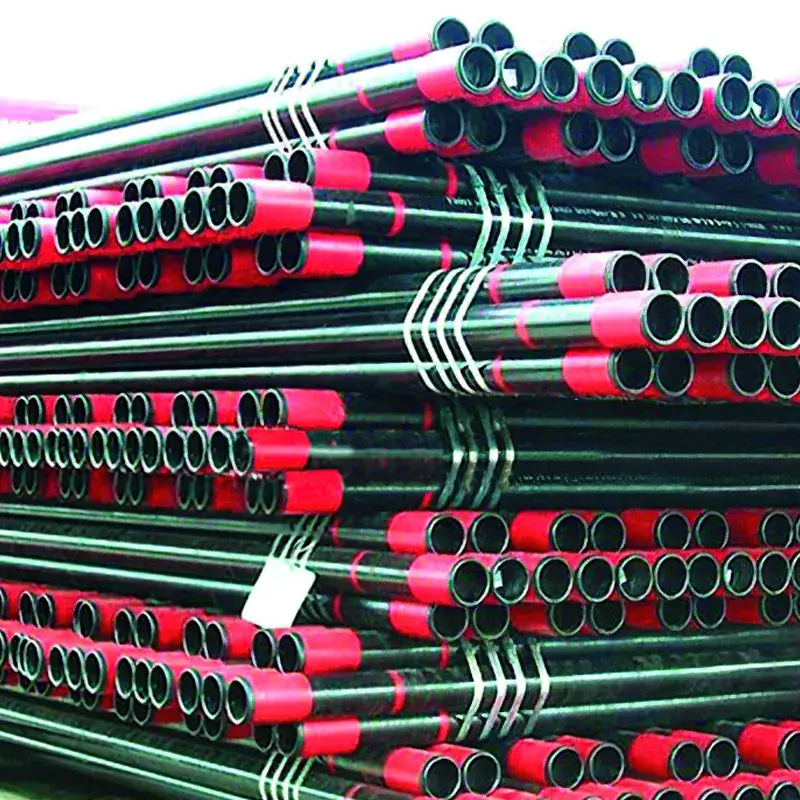
At its core, the API 5L X52 specification is a technical standard that defines the chemical composition, mechanical properties, and testing methods for carbon steel pipes used primarily in pipeline systems. “X52” refers to the steel grade’s minimum yield strength — 52,000 psi — a balance between strength and ductility that engineers favor. This is no ordinary steel pipe; it’s crafted for the demands of modern infrastructure where reliability is non-negotiable.
What’s notable is that its origins trace back to API’s industry-wide efforts to harmonize steel quality while optimizing cost-efficiency for pipeline operators — critical in a world hungry for energy but conscious of sustainability and safety.
Oddly enough, although API 5L is a US-based standard, pipelines built to this spec thread through Europe, Asia, the Middle East, and more. Because a failure anywhere affects many.
Mini takeaway: API 5L X52 defines robust steel pipes tailored for the high stress of long-distance energy transmission.
Core Features of API 5L X52 Pipes
1. Mechanical Strength and Durability
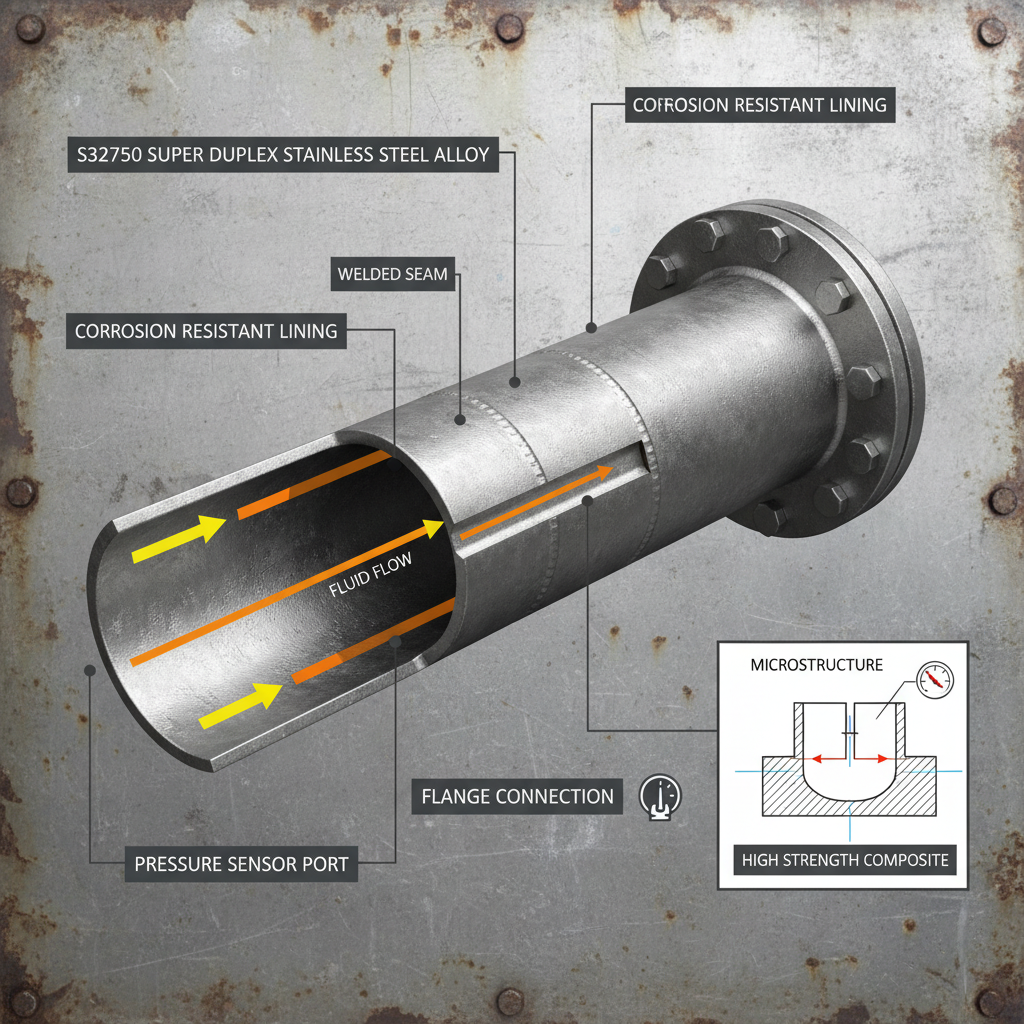
The 'X52' denotes a minimum yield strength of 52,000 psi. This mechanical strength ensures pipes endure high pressure and mechanical strain without cracking. It’s key in deepwater oil fields or high-pressure gas lines.
2. Chemical Composition for Corrosion Resistance
The steel mix balances carbon, manganese, phosphorus, and sulfur to resist corrosion. Not perfectly corrosion-proof, but designed to last decades with proper coatings and cathodic protection.
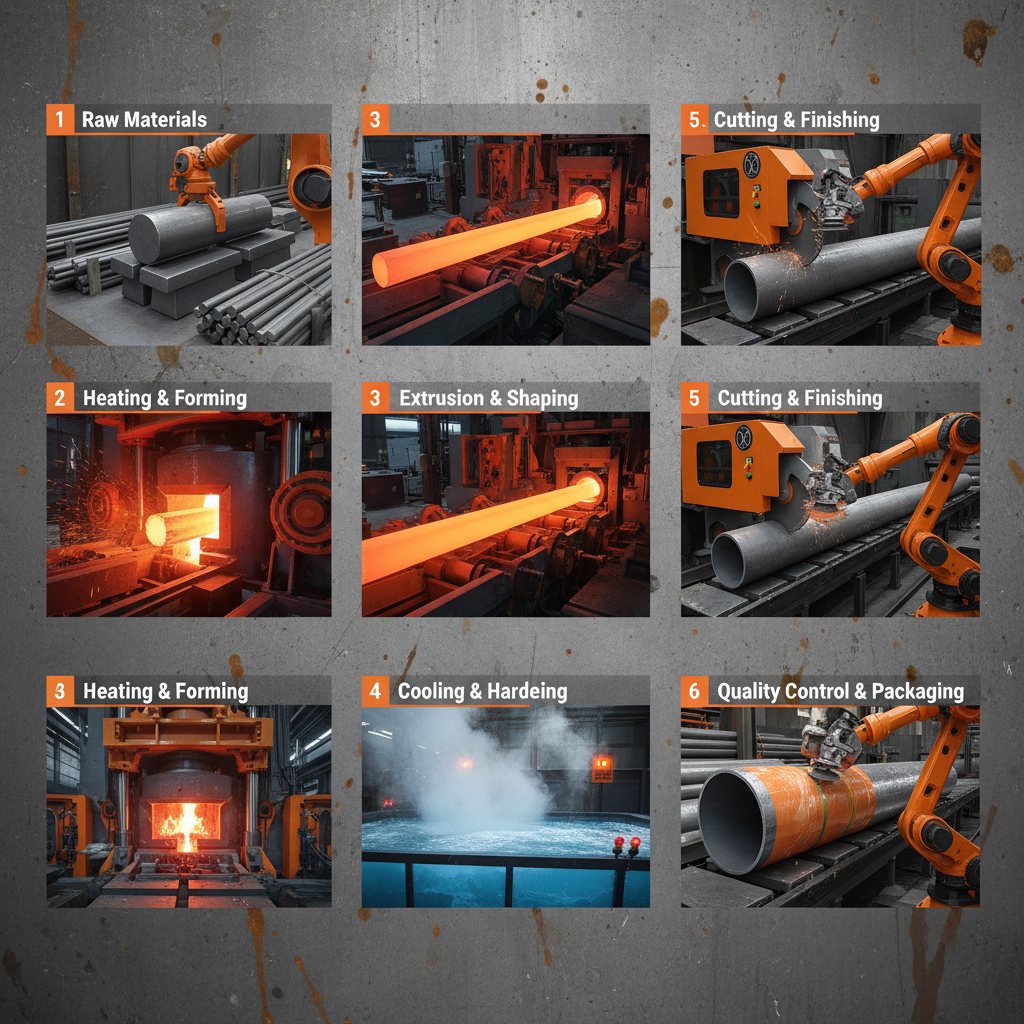
3. Seamless and Welded Pipe Options
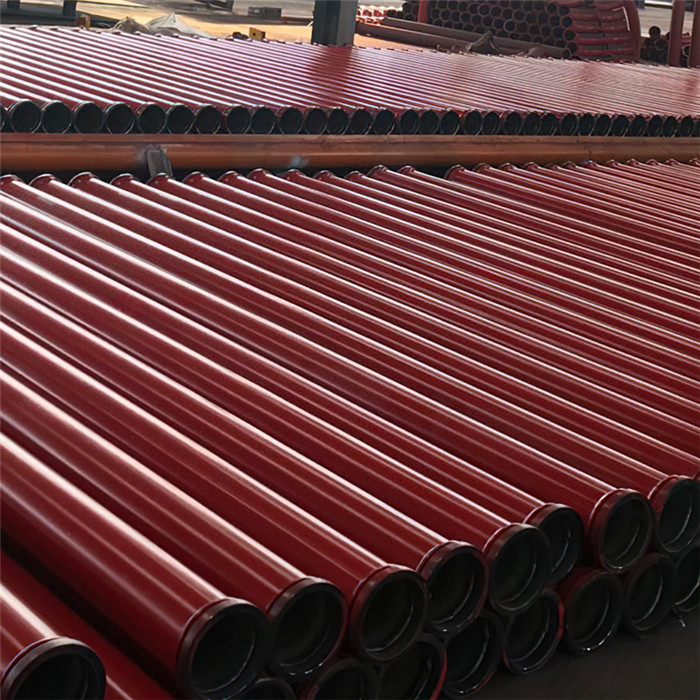
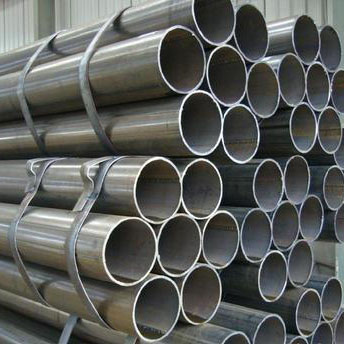
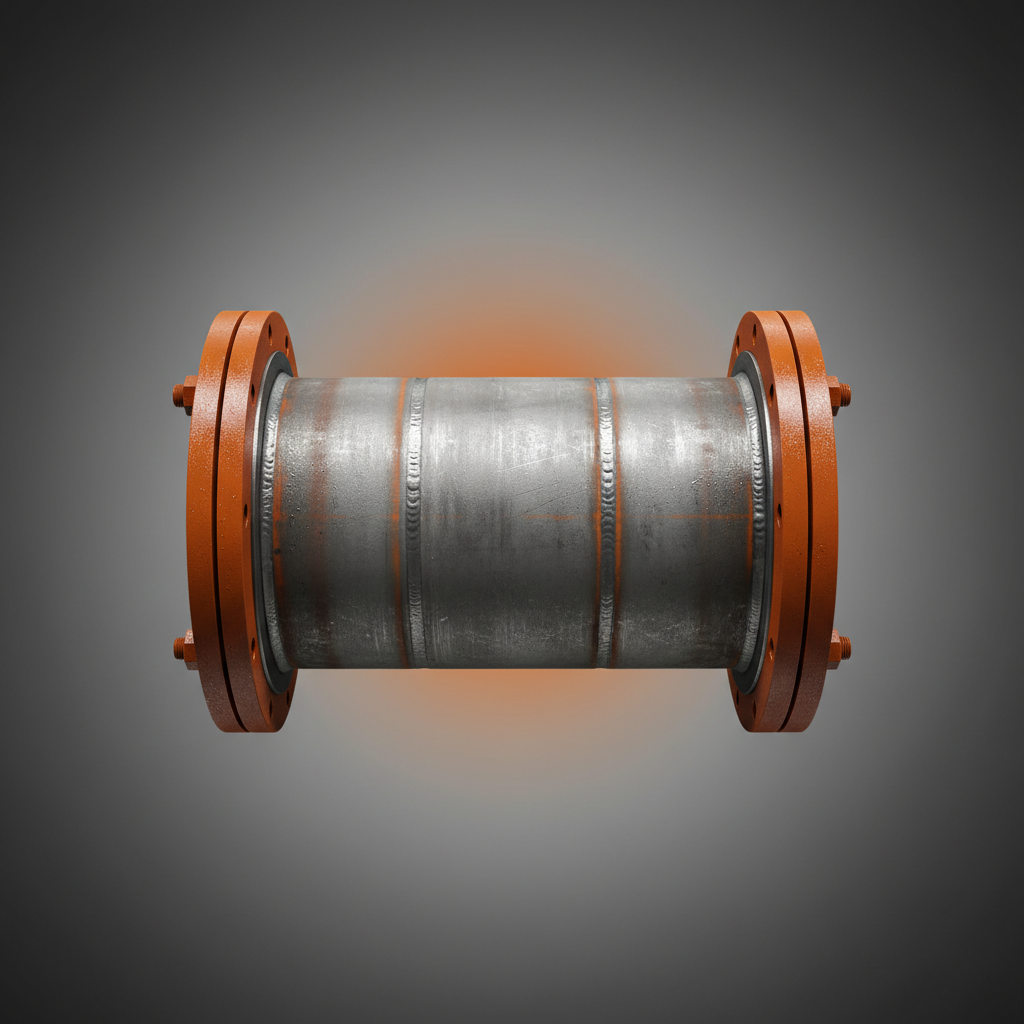
Depending on project needs, API 5L X52 pipes come as seamless or Electric Resistance Welded (ERW). Seamless pipes tend to be stronger, though ERW often offers cost savings.
4. Stringent Testing Requirements
These pipes undergo pressure testing, hardness checks, and non-destructive testing such as ultrasonic inspections. Many engineers swear by this rigor as the difference between a pipe that lasts and a pipe that fails.
5. Versatility in Dimensions
The spec covers a broad range of diameters and wall thicknesses, suiting small feeder lines to massive trunk pipelines.
| Parameter | Typical Value / Range |
|---|---|
| Grade | X52 |
| Yield Strength | 52,000 psi (approx. 360 MPa) |
| Tensile Strength | 60,000 - 80,000 psi (415–550 MPa) |
| Material Type | Carbon Steel |
| Pipe Types | Seamless, ERW (Electric Resistance Welded) |
| Diameter Range | 4" to 48" (100 – 1200 mm) |
Mini takeaway: API 5L X52 pipes blend strength, corrosion resistance, and versatility in one spec.
How API 5L X52 Pipes Power the World
Real talk—pipelines built to the API 5L X52 specification are everywhere, often unnoticed. They’re the veins of global commerce, connecting oil fields in the Middle East to refineries in Europe, or gas suppliers in Russia to urban centers in Asia.
- Energy sector: Essential in transporting oil, natural gas, and petroleum products safely over land and underwater.
- Water transmission: Places with massive water infrastructure projects, like the US and Australia, use these pipes for their durability.
- Industrial pipelines: Chemical plants and manufacturing hubs rely on certified steel pipes to avoid disasters.
In incredibly remote locations—think Arctic gateways or post-disaster reconstruction sites—API 5L X52 steel pipes often enable projects that would otherwise stall, thanks to their strength-to-weight ratio and testing guarantees.
To see the nitty-gritty, visit standards-focused websites like api 5l x52 specification for detailed parameters and import-export guidelines.
Mini takeaway: The global industrial landscape would be a lot riskier and less efficient without the reliability of API 5L X52 pipes.
Advantages & Long-Term Gains of API 5L X52 Pipes
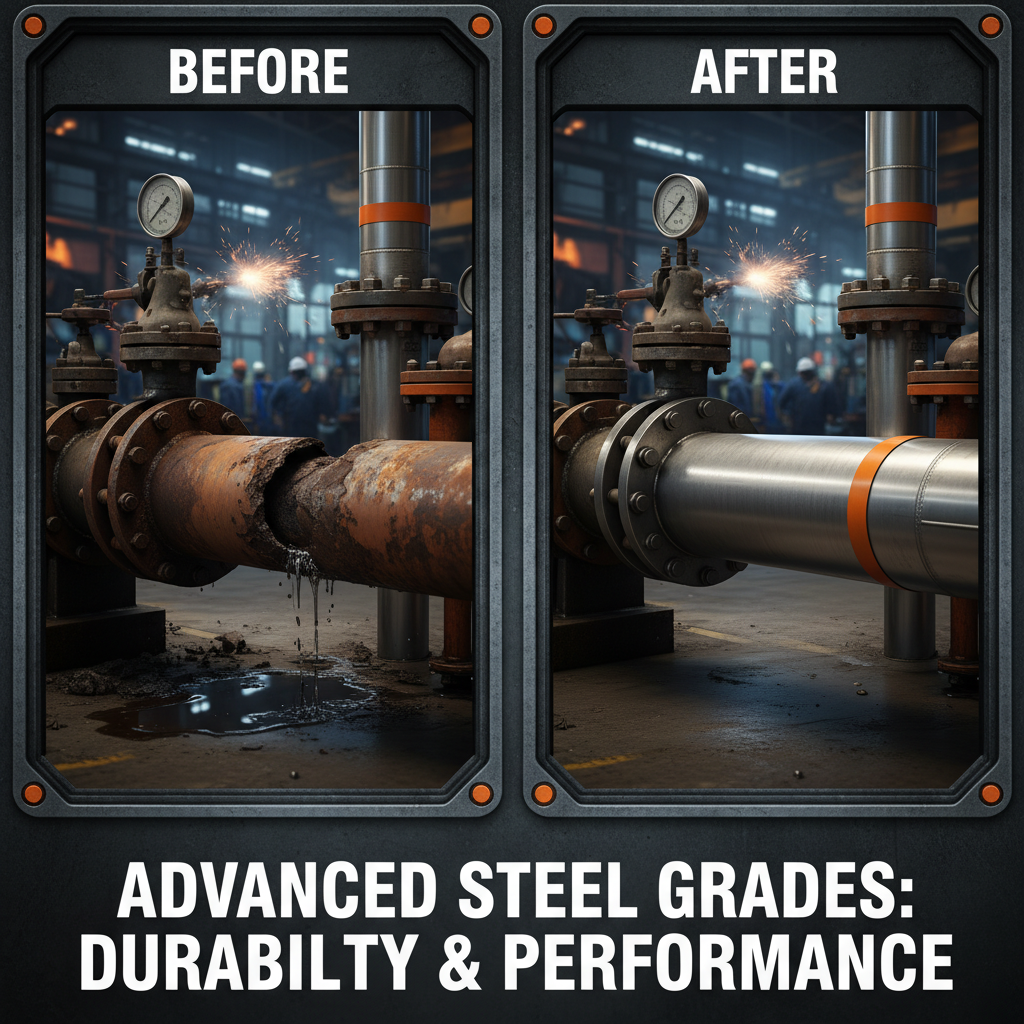
It’s not just about meeting regulations. Choosing API 5L X52 pipes means fewer emergency repairs, less downtime, and a smaller environmental footprint. Frankly, the initial cost might be more than some alternatives, but over decades, you save money on maintenance and avoid catastrophic failures.
There’s also something to be said about peace of mind. Well-maintained pipelines under this standard provide safety for communities and workers, enabling economic growth without compromising environmental or social responsibility.
The specification also opens doors for innovation—allowing companies to pair pipes with new coatings and smart monitoring systems for a fully integrated infrastructure solution.
Emerging Trends & The Future of API 5L X52
Looking ahead, the world’s decarbonizing energy systems demand pipelines that can handle new fuels, like hydrogen blends or biofuels, without degrading. There’s ongoing research in ultra-high-strength steels and improved welding techniques that complement API 5L X52 specs.
Automation in pipeline inspection, combining drones and AI-driven sensors, means defects can be caught early, extending pipe lifespans dramatically. You might say the humble steel pipe is going smart.
Plus, sustainability trends push manufacturers toward greener steel production, reducing CO2 emissions. Future iterations of API specs will likely reflect circular economy principles.
What Holds Industry Back? Challenges & Smart Fixes
Despite the strength of the API 5L X52 specification, issues remain. High production costs and supply chain hiccups can delay projects. Welding defects, corrosion under insulation, and cracking from stress also plague pipeline operators.
To tackle these, companies invest in advanced quality control, better worker training, and predictive maintenance systems. Using api 5l x52 specification-approved materials is the first step; then it’s about smart application.
Vendor Snapshot: Comparing API 5L X52 Steel Pipe Suppliers
| Supplier | Price per Ton | Delivery Time | Available Diameters | Certifications |
|---|---|---|---|---|
| Global Pipes Co. | $900 | 2-4 weeks | 4" to 36" | API 5L, ISO 9001 |
| SteelWorks Ltd. | $850 | 3-5 weeks | 6" to 48" | API 5L, ISO 14001 |
| PipeMasters Inc. | $920 | 1-3 weeks | 4" to 24" | API 5L, ISO 9001, API Q1 |
FAQ: Your API 5L X52 Questions Answered
- What makes API 5L X52 pipes different from other steel pipes?
- API 5L X52 pipes have a minimum yield strength of 52,000 psi with strict chemical composition and testing requirements. This combination guarantees durability and resistance to pressure, making them ideal for transporting oil and gas safely over long distances.
- Can API 5L X52 steel pipes be used in offshore pipelines?
- Yes, their strength and corrosion resistance make them suitable for offshore applications, especially when combined with protective coatings to handle the harsh marine environment.
- How long do API 5L X52 pipes typically last?
- With proper maintenance and coatings, these pipes can last 30 to 50 years or more, depending on environmental conditions and operational stress.
- Are these pipes environmentally friendly?
- Steel is highly recyclable, and suppliers increasingly use greener manufacturing processes. While pipelines have environmental risks, using API 5L X52 pipes reduces the chance of leaks or failures that harm ecosystems.
- Where can I find detailed specifications or import guidelines?
- Check official sources like api 5l x52 specification databases or API’s own publications for comprehensive technical details and certification requirements.
Wrapping Up: Why API 5L X52 Should Be on Your Radar
In a world that depends on safe, efficient transport of energy and water, the API 5L X52 specification stands as a silent guardian. It’s not just an obscure code; it’s a beacon for quality, safety, and innovation in pipeline construction.
If you’re involved in industrial projects, investing a little time understanding this spec can save a lot of headaches down the line — and frankly, protect lives and livelihoods.
Want to dive deeper? Visit our website for more resources and detailed product offerings: https://www.world-steelmaterial.com
Mini takeaway: The smart choice for pipeline projects worldwide begins with quality steel pipes built to API 5L X52 standards.
References
Post time: Nov . 29, 2025 00:25
 English
  Arabic
  Bengali
  China
China  French
  German
  Hausa
Hausa  Indonesian
  Italian
  Japanese
  Javanese
  Malay
Malay  Persian
  Portuguese
  Punjabi
  Russian
  Spanish
  Swahili
  Telugu
  Vietnamese