

Understanding the API 5L X52 PSL2 Specification: Why It Matters Globally
In today’s interconnected world, the materials that build our infrastructure are more critical than ever. The API 5L X52 PSL2 specification – a standard that might sound a bit cryptic at first – plays a surprisingly huge role in keeping pipelines safe, reliable, and efficient, all around the globe. But what exactly does it mean, and why does it matter beyond just steel companies and engineers?
Well, pipelines transport everything from water to oil and gas, often crossing continents and continental shelves, powering cities and industries. Understanding the API 5L X52 PSL2 specification isn't just about knowing a steel grade; it's about ensuring stability in energy supply, safety in hazardous environments, and meeting global demands sustainably.
I always find it fascinating how a single specification can echo through global energy markets, environmental standards, and even humanitarian logistics. Let’s unwrap this standard and see why its nuances are part of a bigger story than just metal pipes.
API 5L X52 PSL2 Specification: A Snapshot of its Global Significance
First, some context. The pipeline industry is a heavyweight player in global infrastructure. The International Energy Agency notes that nearly 50% of global oil transportation occurs through pipelines. Meanwhile, the United Nations Environmental Programme has raised concerns about pipeline integrity impacting ecosystems and communities.
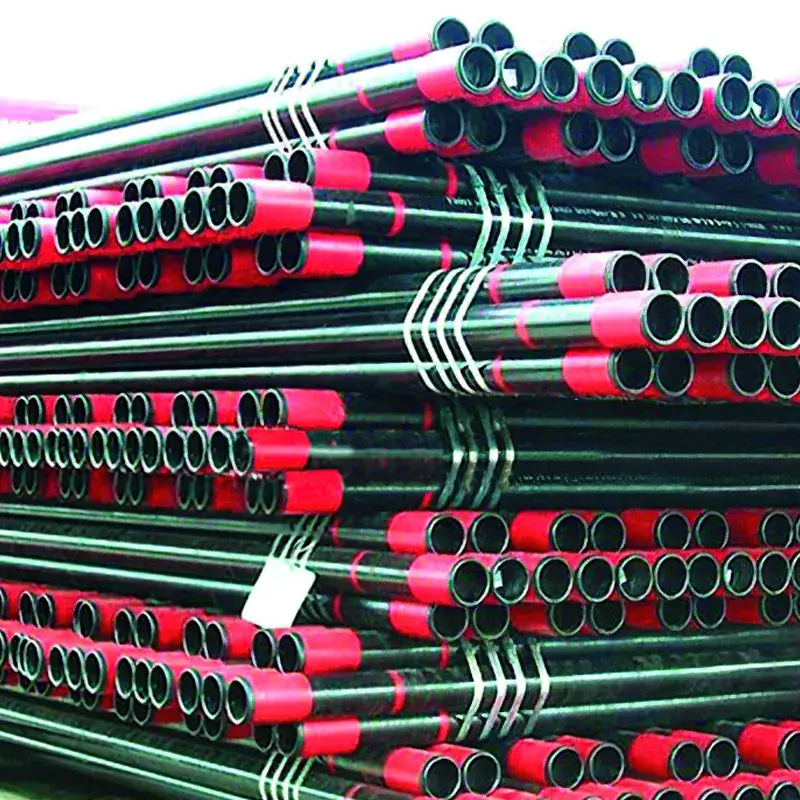
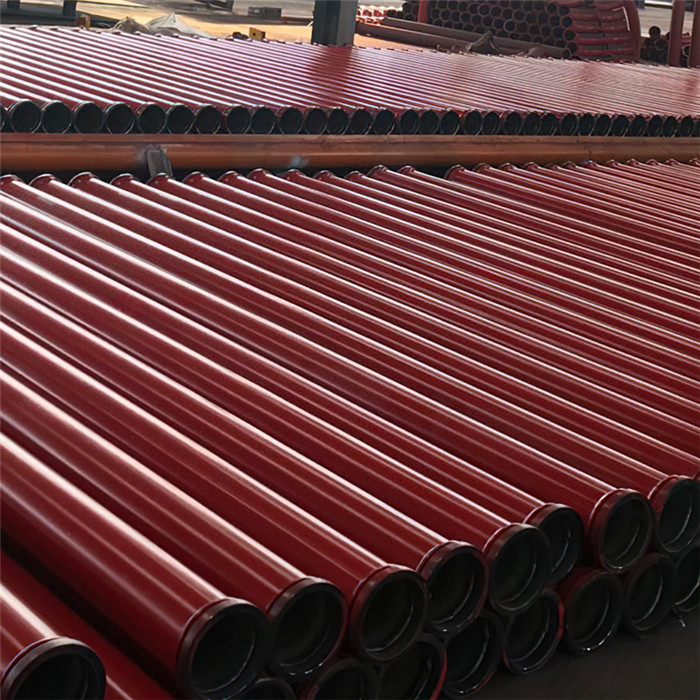
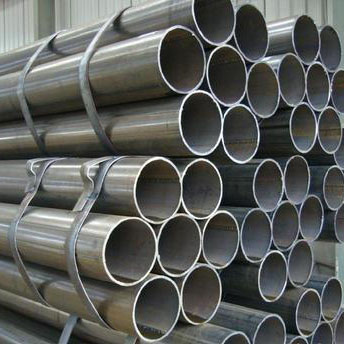
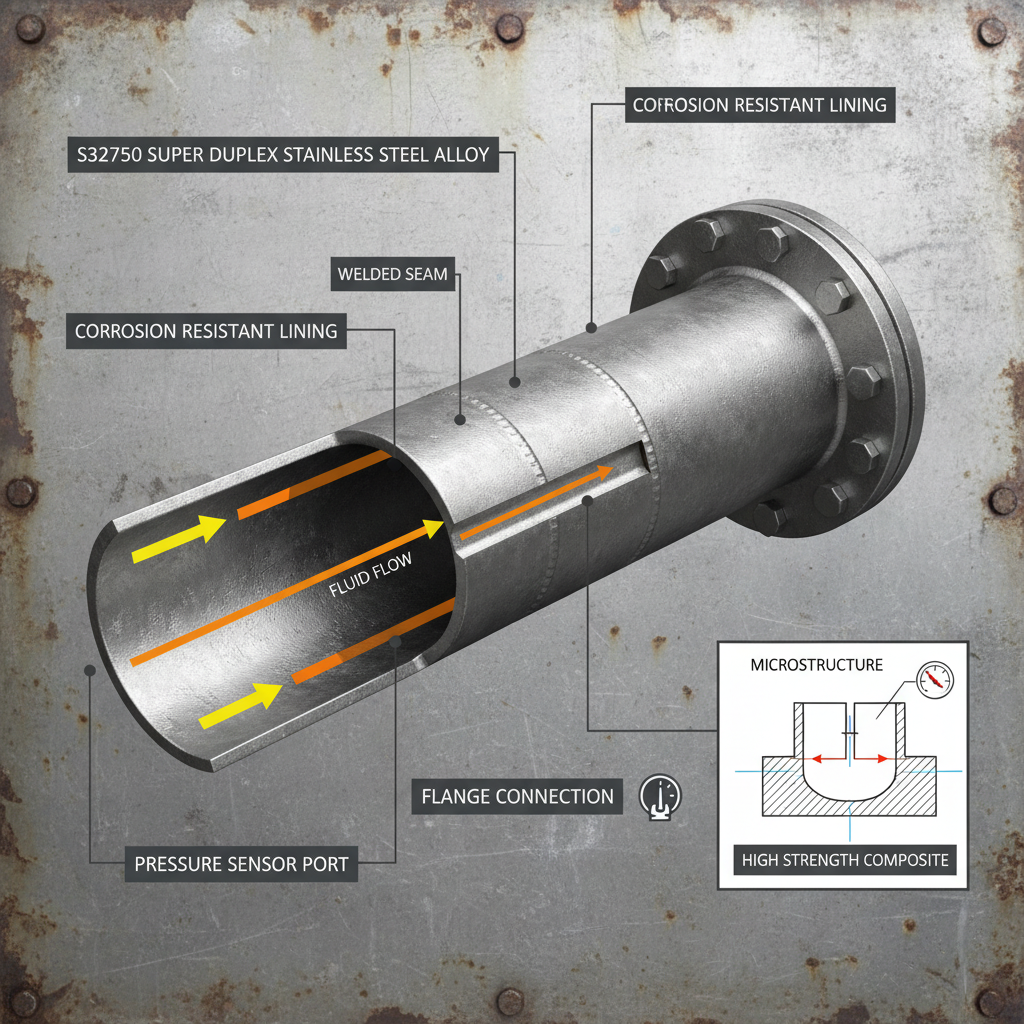
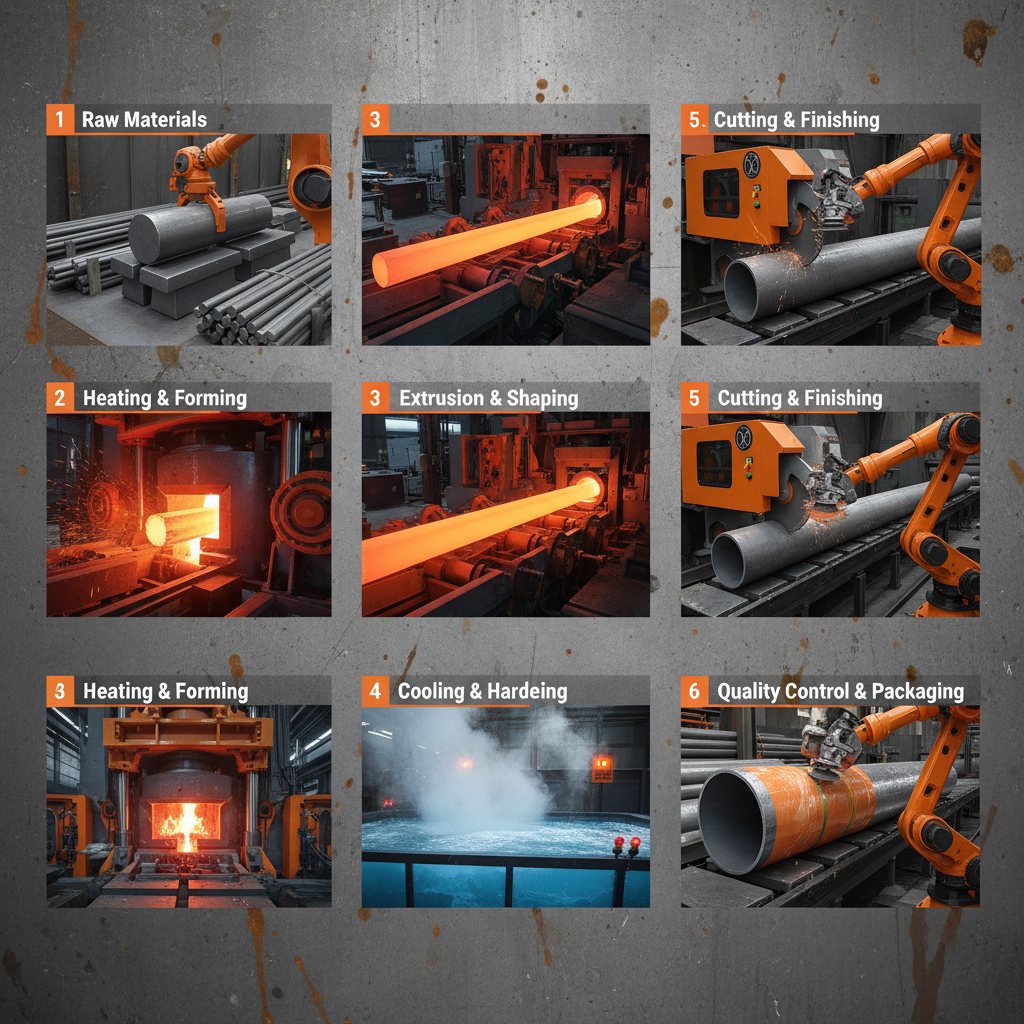
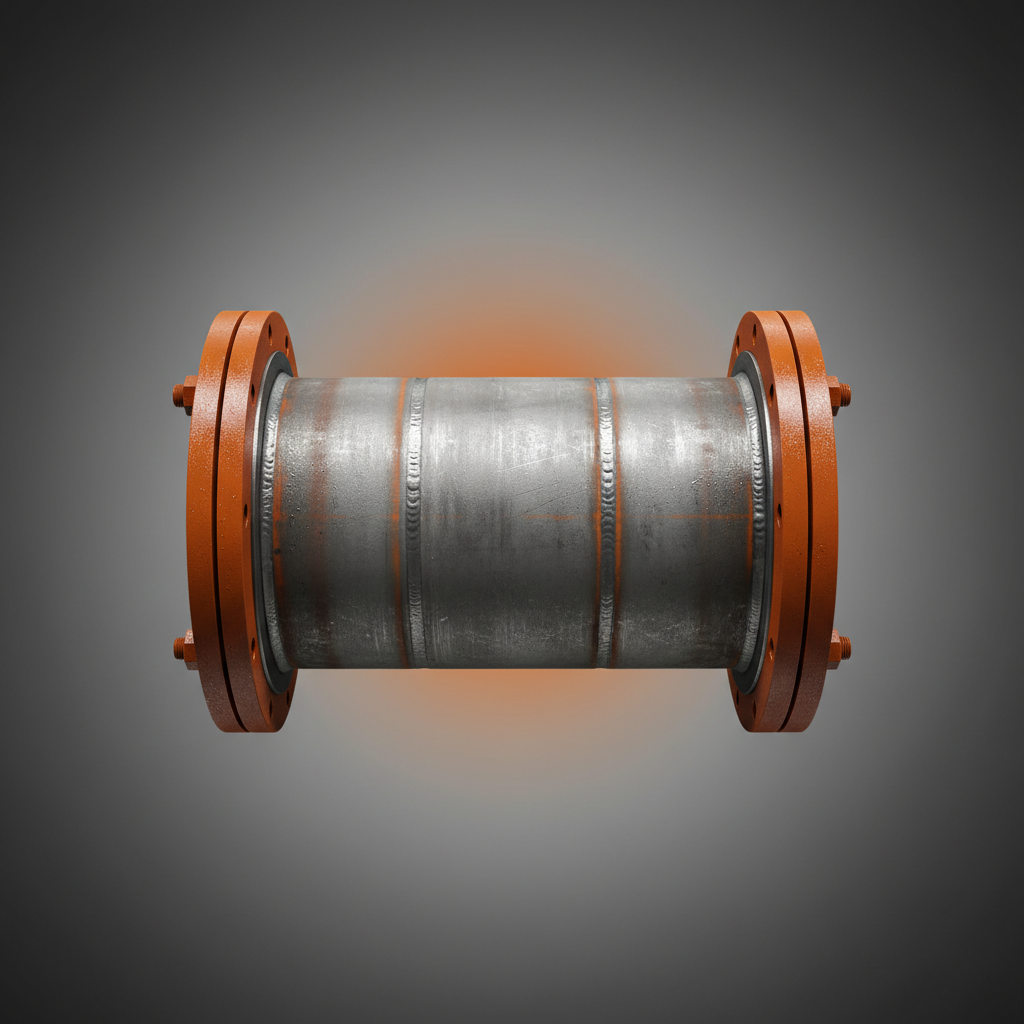
API 5L X52 PSL2 specification governs the quality, strength, and toughness of seamless and welded steel pipes used mainly in transporting oil and gas. The “X52” part refers to a minimum yield strength (52,000 psi), and "PSL2" (Product Specification Level 2) means these pipes meet stricter testing than the baseline PSL1 – tougher requirements on chemical composition, mechanical properties, and quality assurance.
Pipelines that adhere to these specs are better suited to handle demanding conditions — high pressure, extreme temperatures, and corrosive environments — exactly where failures could mean huge environmental and economic damage.
Breaking Down the API 5L X52 PSL2 Specification
Simply put, this specification defines the physical and chemical properties steel pipes must have to be reliable and safe for pipeline use. Think about it like a recipe with very specific ingredients and instructions to bake a cake that not only tastes good but can withstand a strong wind without breaking.
At its core, the API 5L X52 PSL2 governs:
- Tensile strength and yield: Ensuring the pipe doesn’t deform under pressure.
- Chemical makeup: Limiting elements like sulfur and phosphorus that cause brittleness.
- Impact testing: Pipes must perform well under sudden shocks, which is vital in cold climates or seismic zones.
- Manufacturing quality checks: Including non-destructive testing to spot flaws invisible to the naked eye.
These details connect to modern industry by ensuring energy pipelines stay safe, helping power grids avoid blackouts, and even supporting humanitarian efforts where reliable water or gas transport is lifesaving.
Core Aspects of API 5L X52 PSL2 and Why They Matter
1. Durability and Strength
The “X52” class signals a pipe’s minimum yield strength of 52,000 psi, meaning it can bear significant stress without permanent deformation. For engineers, that translates into pipes that resist wear and tear for decades.
2. Enhanced Chemical Composition Controls
PSL2 requires tighter control over sulfur, phosphorus, and other impurities, reducing risks of crack formation and corrosion. It’s like comparing regular steel to “premium” steel built to last.
3. Toughness Tested Under Real-World Conditions
Unlike the milder PSL1, pipes under PSL2 face rigorous impact testing to ensure safety in cold or high-stress environments. For example, pipelines in Canada’s frigid north rely on this toughness.
4. Comprehensive Quality Assurance
PSL2 demands strict manufacturing oversight, including X-rays and pressure tests — preventing costly field failures and environmental disasters.
API 5L X52 PSL2 in Action: Real-World Applications
You don’t have to look hard to find where this specification is saving the day. Oil producers in the Middle East and Russia depend on these pipes to safely shuttle hydrocarbons over harsh terrain. In North America, companies invest heavily in PSL2 pipes to meet regulatory demands and avoid pipeline leaks that can disrupt supply.
Oddly enough, humanitarian organizations also benefit indirectly. Where energy supply stabilizes, clean water access improves, hospitals function better, and communities stay vibrant after natural disasters or conflicts.
By the way, if you want a detailed rundown on these pipes’ material properties, take a look at the api 5l x52 psl2 specification info portal — it’s the kind of resource I wish I had when first diving into pipeline specs.
Specification Table for API 5L X52 PSL2 Pipes
| Property | Typical Value | Remarks |
|---|---|---|
| Yield Strength | 52,000 psi (360 MPa) | Minimum required for X52 class |
| Tensile Strength | 60,000 - 80,000 psi (415-550 MPa) | Dependent on specific grade |
| Impact Testing Temperature | -20°C to -50°C | Ensures toughness in cold climates |
| Chemical Composition: Sulfur (max) | 0.025% | Limits brittleness |
| Sulfur + Phosphorus (max) | 0.040% | Combined impurity cap |
Choosing Your Supplier: Comparing Vendors Offering API 5L X52 PSL2 Pipes
Not all pipes are created equal, and not all suppliers provide consistent quality or service. I gathered data on three well-known vendors to help you get a sense of options out there.
| Vendor | API 5L PSL2 Certification | Global Reach | Lead Time | Price Range (per ton) |
|---|---|---|---|---|
| SteelCo International | Certified | North America, Europe, Asia | 6-8 weeks | $950 - $1,100 |
| GlobalPipe Ltd. | Certified | Asia, Middle East | 4-6 weeks | $900 - $1,050 |
| EuroPipe Corp. | Certified | Europe, Africa | 8-10 weeks | $1,000 - $1,150 |
What Makes API 5L X52 PSL2 Pipes a Long-Term Investment?
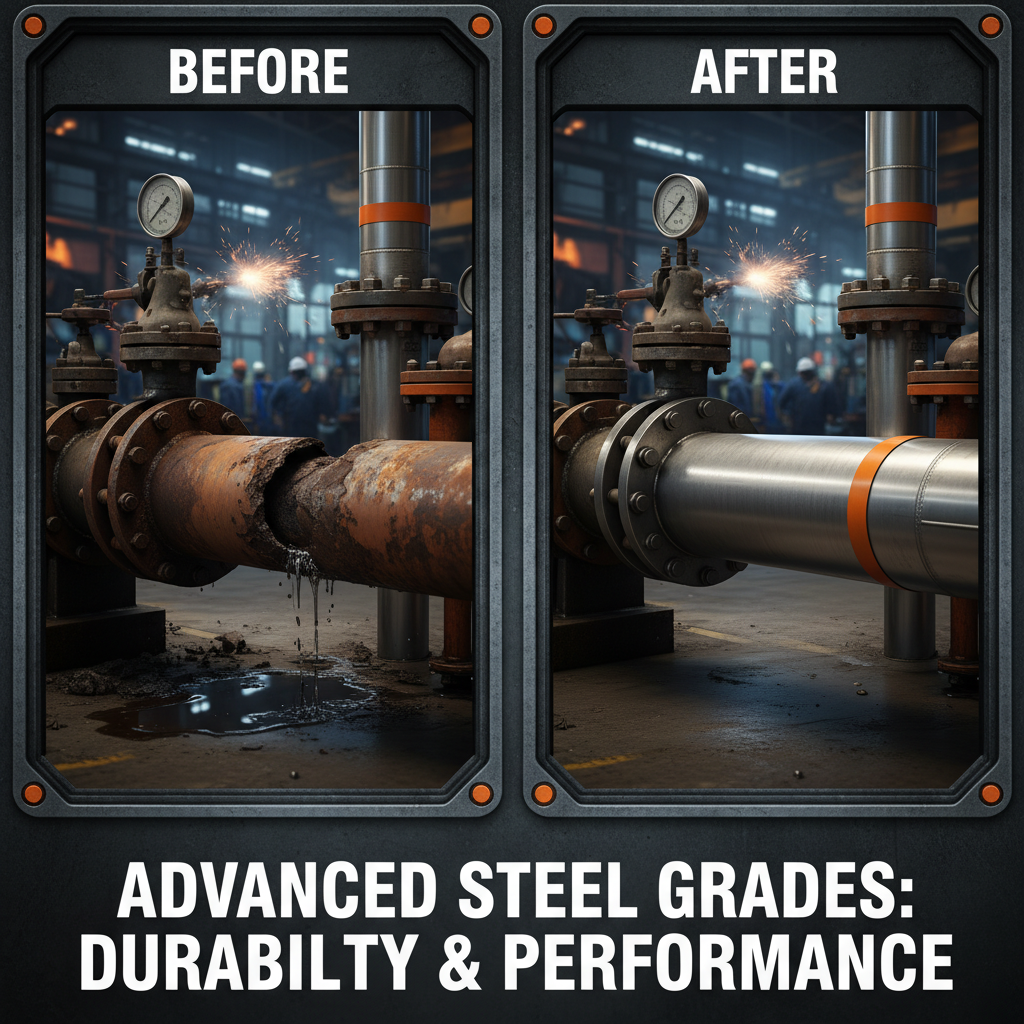
Pipes aren’t something you replace every year – at least, they shouldn’t be. The durability and strict quality tests behind the API 5L X52 PSL2 make sure these pipes remain trustworthy over decades, reducing costly repairs or catastrophic leaks.
Beyond just numbers, for communities near pipelines, it means peace of mind, fewer environmental incidents, and often jobs tied to safe pipeline operation. Energy companies benefit from improved asset integrity and regulatory compliance, which in turn reflects positively on their corporate responsibility records.
Looking Ahead: Innovations and Trends in Pipeline Material Standards
The future of pipeline steel isn’t just about tougher specs but also greener, smarter materials. Recent trends focus on reducing carbon footprints in steel production, integrating sensors for real-time pipeline health monitoring, and adopting digital twins for predictive maintenance.
API 5L standards are evolving with this—exploring higher grades, better corrosion resistance, and aligning with sustainability goals. It’s like steel pipes are stepping into the smart, eco-conscious era, which is exciting when you think about a traditionally low-tech product.
Challenges in Meeting API 5L X52 PSL2 Standards & How to Overcome Them
Meeting PSL2’s tough requirements isn’t always straightforward. Procurement teams often face delays due to strict testing, and manufacturers juggle costs to meet both quality and budget goals. There’s also the challenge of counterfeit certification in global markets.
The solution? Partnering with trusted vendors (like the ones above), investing in in-house quality control technology, and staying abreast with international regulations. Frankly, it’s a bit of a dance: balancing cost, speed, and quality. But worth it, every time.
API 5L X52 PSL2 Specification: FAQs
Q1: What makes the PSL2 level different from PSL1 in API 5L X52 pipes?
A1: PSL2 pipes undergo more rigorous testing and have stricter requirements in chemical composition, mechanical properties, and quality assurance compared to PSL1. This translates to better toughness, durability, and suitability for challenging environments.
Q2: How long can API 5L X52 PSL2 pipes be expected to last in harsh conditions?
A2: With proper maintenance, these pipes can serve for 30 to 50 years or more, even in demanding environments like arctic zones or deepwater applications.
Q3: Are API 5L X52 PSL2 pipes suitable for transporting both oil and natural gas?
A3: Yes, these pipes are designed for the oil and gas industry specifically and can safely handle a range of hydrocarbons under high pressure.
Q4: Can smaller companies source API 5L X52 PSL2 pipes internationally without compliance issues?
A4: Absolutely. By working with certified, reputable suppliers and ensuring import regulations are met, smaller firms can reliably obtain these pipes for projects worldwide.
Final Thoughts and Where to Go Next
The API 5L X52 PSL2 specification is more than just a set of numbers; it’s a backbone for safety, efficiency, and trust in global energy transport. Whether you’re an engineer designing new pipelines or a procurement director sourcing materials, understanding these specs tells you a lot about quality and risk.
If you want to dive deeper or source certified pipes, check out the comprehensive resources and products at https://www.world-steelmaterial.com. Trust me, getting the details right now makes all the difference later.
References
Post time: Nov . 28, 2025 22:50
 English
  Arabic
  Bengali
  China
China  French
  German
  Hausa
Hausa  Indonesian
  Italian
  Japanese
  Javanese
  Malay
Malay  Persian
  Portuguese
  Punjabi
  Russian
  Spanish
  Swahili
  Telugu
  Vietnamese