

Unpacking the API 5L X65 PSL2 Specification: What Industry Pros Need to Know
If you’re involved in the oil and gas industry or pipeline construction, you’ve probably bumped into terms like API 5L X65 PSL2 specification. This might sound like a string of letters and numbers, but it’s actually vital jargon that underpins the safety, durability, and global logistics of pipeline steel. In real terms, understanding this specification isn’t just about compliance or fancy labels — it’s about ensuring pipelines withstand harsh environments, meet international standards, and provide lasting value over decades. Considering how much the world’s energy networks depend on these pipelines, the spec is critical for companies, regulators, and engineers alike.
Why Does the API 5L X65 PSL2 Specification Matter Globally?
The global footprint of pipelines is staggering. According to the International Energy Agency (IEA), there are over 3 million kilometers of pipelines worldwide transporting oil, gas, and other fluids. The UN and ISO both emphasize international coordination in infrastructure safety and material reliability due to potential environmental and human impacts. api 5l x65 psl2 specification directly relates to these concerns — it addresses the challenge of building steel pipes that endure extreme pressures, corrosive substances, and fluctuating temperatures across varied geographies.
Notably, the "X65" rating points to a particular strength grade, meaning the steel must handle at least 65,000 psi tensile strength. Meanwhile, "PSL2" denotes a higher-grade product specification level, focusing more on stringent testing, chemical makeup, toughness, and mechanical properties compared to PSL1. In short, this specification is about reliability and trust — no small feat when the infrastructure may span deserts, snowy tundras, or remote offshore fields where failure isn’t an option.
Mini takeaway: The API 5L X65 PSL2 specification ensures pipeline steels can reliably support vital energy networks globally, balancing strength and safety under tough conditions.
API 5L X65 PSL2 Specification: A Simple Definition
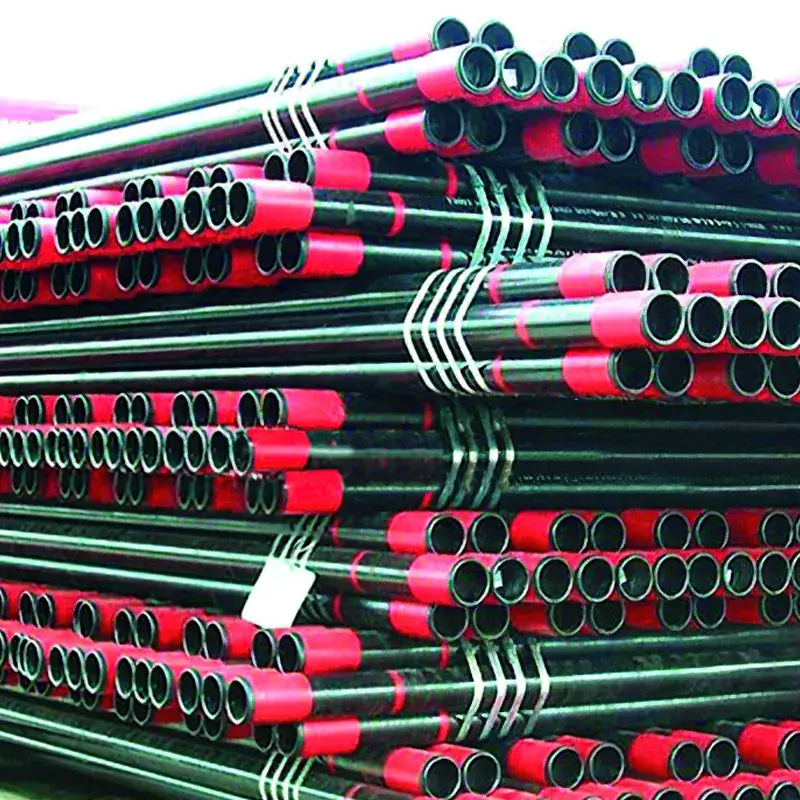
Put plainly, the API 5L X65 PSL2 specification is a set of technical requirements issued by the American Petroleum Institute. It dictates how steel pipes should be manufactured, tested, and marked for use in pipeline transport systems — especially for oil and natural gas. The "X65" signifies the steel’s yield strength, while PSL2 stands for Product Specification Level 2, which has stricter criteria relating to chemical content, toughness, and quality assurance processes.
These pipes must not only meet mechanical demands but also endure environmental stresses without cracking or failing prematurely. This connection to modern industry and humanitarian needs is critical because pipelines often traverse sensitive ecosystems and densely populated areas. The specification helps ensure the infrastructure remains safe and reliable for decades, supporting everything from energy accessibility to economic development.
Core Components of API 5L X65 PSL2 Specification
1. Durability and Strength
At the heart of the spec is the requirement for high tensile and yield strength. X65-grade steel must resist deformation under pressure, which translates to fewer risks in high-pressure pipeline systems.
2. Chemical Composition
The carbon, manganese, and other alloy elements must fall within tight limits to balance strength with weldability and resistance to corrosion and embrittlement.
3. Impact Toughness Testing
PSL2 mandates enhanced impact tests, like Charpy V-notch, ensuring pipes can resist brittle fracture especially at low temperatures — crucial for pipelines in cold regions.
4. Non-Destructive Testing
The steel is subjected to ultrasonic or radiographic inspections to detect internal flaws or defects, improving overall safety.
5. Traceability and Quality Control
Every pipe mill must maintain detailed records to trace batches back to their origin, a critical factor for warranty support and future incident investigations.
6. Dimensions and Tolerances
The specification defines precise dimensional tolerances to ensure proper fitting and longevity once installed in the field.
Mini takeaway: The API 5L X65 PSL2 spec holistically governs material properties, testing protocols, and traceability to guarantee pipeline integrity from mill to installation.
Industry Applications and Real-World Use Cases
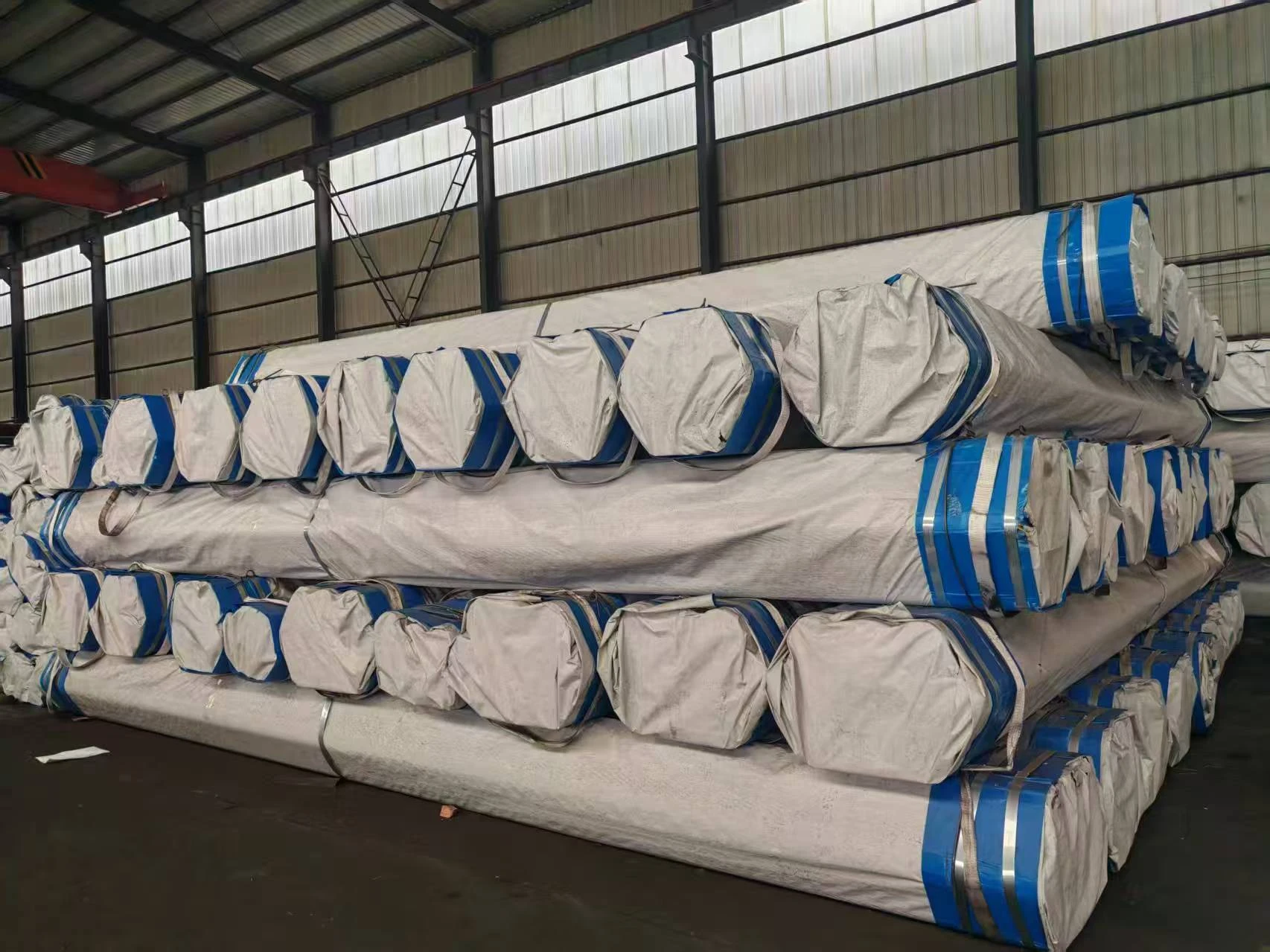
From the frigid Arctic to the deserts of the Middle East, the API 5L X65 PSL2 pipes find themselves at the backbone of energy transport. For example, major pipeline projects in Canada rely heavily on X65 PSL2-grade steel due to the combination of cold temperatures and high pressure. Similarly, in countries like Saudi Arabia and Russia, PSL2-grade pipes are favored to ensure pipelines tolerate both heat extremes and corrosive soil minerals.
Beyond oil and gas, some infrastructure projects, such as water transmission and mining slurry pipelines, benefit from X65 PSL2 pipes for their enhanced durability. Aid organizations rebuilding energy access after natural disasters also lean toward high-standard pipeline materials to ensure longevity and safety.
API 5L X65 PSL2 Product Specification Table
| Specification Element | Requirement | Benefit |
|---|---|---|
| Yield Strength (Min) | 65,000 psi | Handles high pressure without permanent deformation. |
| Impact Test Temperature | -40°C (Charpy V-notch) | Resists brittle fracture in cold climates. |
| Carbon Content | Facilitates welding and toughness. | |
| Non-Destructive Testing | Ultrasonic/Radiographic | Detects internal defects before deployment. |
| Dimensional Tolerances | Strict (per API 5L) | Ensures proper pipe joining and system integrity. |
Vendor Comparison: API 5L X65 PSL2 Pipe Suppliers
| Vendor | Product Range | Quality Certifications | Lead Times | Pricing |
|---|---|---|---|---|
| SteeleX Global | Full PSL1 & PSL2 API 5L line pipes | ISO 9001, API Q1 | 4-8 weeks | Mid-range |
| PipeForge Industrial | Standard and custom PSL2 pipes | API Q1, ISO 14001 | 6-10 weeks | Competitive |
| GlobalPipeline Corp | Premium PSL2 X-grade pipes | ISO 9001, API Spec Q2 | 3-6 weeks | Premium pricing |
Long-Term Benefits of Using API 5L X65 PSL2 Pipes
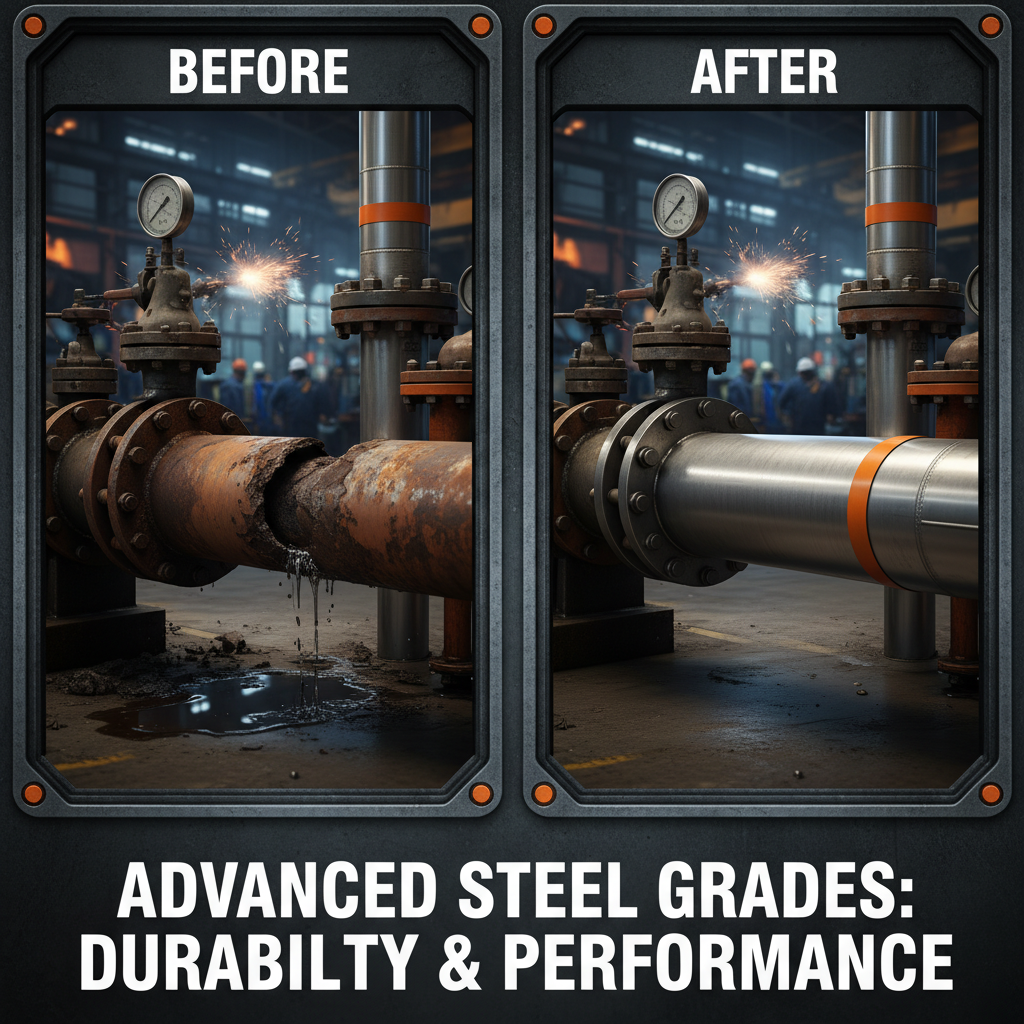
The immediate advantage is obvious: high strength, enhanced safety, and durability. But when you think long-term, these pipes actually reduce maintenance costs, lower risk of catastrophic failures, and improve environmental protection (less leaks, less contamination). From a social perspective, communities near pipelines get peace of mind knowing materials meet rigorous international standards.
Many engineers say that investing upfront in PSL2-grade pipes makes economic sense across the lifespan of a project. You’re not just buying a pipe; you’re investing in reliability and trust — which frankly feels priceless when energy safety and environmental respect are at stake.
Looking Ahead: The Future of API 5L X65 PSL2 and Pipeline Materials
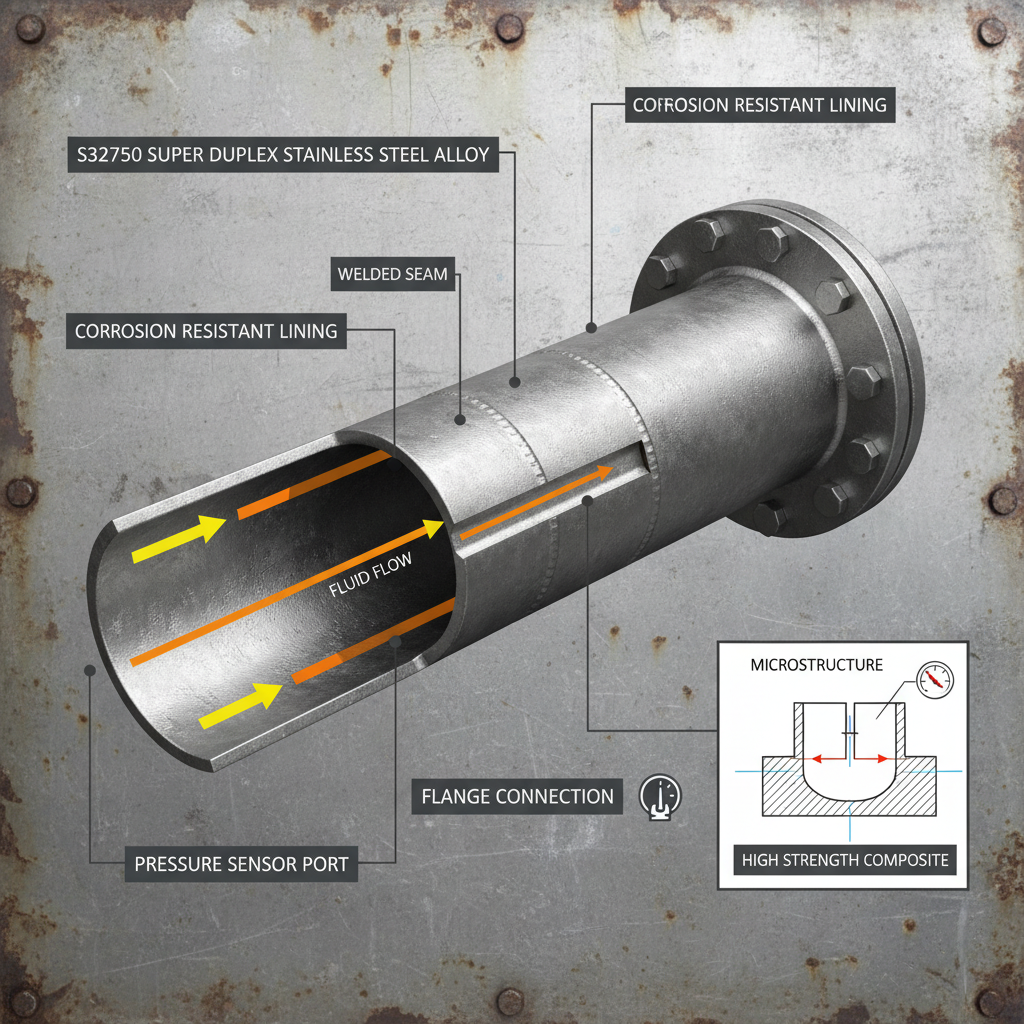
Excitingly, green energy trends and digital tech are pushing the boundaries of pipeline steel. Innovations like corrosion-resistant alloys, automated quality inspection using AI, and eco-conscious production methods are beginning to shape next-gen API 5L materials. Manufacturers are also exploring lighter, stronger composites and smart coatings that self-heal or signal wear.
On the policy front, international agencies are encouraging stricter environmental compliance and lifecycle assessments. So, we might see evolving standards that add environmental impact to the mechanical testing criteria within PSL2.
Common Challenges and How to Overcome Them
Despite its strengths, working with API 5L X65 PSL2 pipes isn't without hurdles. Lead times can be long, especially for custom orders. Variations in supplier quality and logistical complexities can cause delays. Welding these pipes requires skill and proper equipment due to tight chemical and mechanical standards.
Experts recommend partnering with trusted vendors, conducting onsite pre-installation training, and leveraging advanced NDT (Non-Destructive Testing) technologies to catch defects early. Digital inventory and supply chain platforms can also smooth lead-time issues.
Frequently Asked Questions About the API 5L X65 PSL2 Specification
- Q: What sets PSL2 pipes apart from PSL1 in API 5L?
- A: PSL2 demands stricter chemical limits, tougher impact cracking resistance, non-destructive testing, and traceability, making pipes more suitable for critical applications requiring higher reliability.
- Q: How does API 5L X65 PSL2 improve pipeline safety?
- A: By ensuring high tensile strength, rigorous testing, and defect-free manufacturing, these pipes reduce risks of failures due to brittle fracture or corrosion, especially in harsh environments.
- Q: Are these pipes suitable for offshore pipelines?
- A: Yes, their toughness at low temperatures and corrosion resistance features make API 5L X65 PSL2 pipes ideal for challenging environments like offshore oil and gas fields.
- Q: Can NGOs source API 5L X65 PSL2 pipes for disaster relief infrastructure?
- A: Absolutely. Many suppliers tailor shipments internationally and provide certification documents to ease importation and compliance processes.
Conclusion: Why API 5L X65 PSL2 Specification Remains Critical for Pipeline Projects
In sum, the API 5L X65 PSL2 specification isn’t just technical mumbo jumbo— it’s the foundation upon which many of the world’s energy arteries are built. Choosing pipes that meet this standard means prioritizing safety, durability, and environmental stewardship today and for decades ahead.
Want to explore further or source quality pipes? Visit our website: https://www.world-steelmaterial.com for detailed guides and trusted vendor listings.
It’s funny how sometimes a string like “API 5L X65 PSL2” feels like a complicated password, but dive a little deeper, and it’s really about people, safety, and keeping energy flowing. Who knew steel specs could be so... human?
References:
Post time: Nov . 29, 2025 11:55
 English
  Arabic
  Bengali
  China
China  French
  German
  Hausa
Hausa  Indonesian
  Italian
  Japanese
  Javanese
  Malay
Malay  Persian
  Portuguese
  Punjabi
  Russian
  Spanish
  Swahili
  Telugu
  Vietnamese