

Understanding A106 Gr B Equivalent: Why It Matters for Industry and Infrastructure
If you’ve ever peeked into the specs sheet of industrial piping or tried to understand supply chain demands in manufacturing, the term a106 gr b equivalent pops up quite often. Why all the fuss over “equivalents,” you ask? Because in a globalized market where materials traverse borders, knowing your exact grade — or equivalent — can be the difference between seamless construction and costly delays. More importantly, it ensures safety and reliability, especially when these materials carry high-pressure fluids or steam in power plants or pipelines.
Globally, steel pipe standards matter enormously. According to ISO and ASTM data, millions of tons of seamless carbon steel pipes like A106 Grade B are used every year, supporting everything from oil infrastructure to water distribution. Understanding what counts as a safe and proper a106 gr b equivalent is not just a technical quibble; it’s the backbone of robust engineering and environmental protection worldwide.
Why a106 gr b Equivalent Holds Global Industrial Weight
Consider this: the World Steel Association reports steady growth in carbon steel pipe consumption across Asia, the Americas, and Europe — all regions heavily investing in infrastructure, energy, and manufacturing. Roughly 20% of these pipes fall under ASTM A106 classifications, primarily Grade B, prized for its durability under high temperatures and pressures.
However, not every country produces exactly the ASTM A106 Gr B. That’s where equivalents come in — local grades or international materials that meet or exceed the physical and chemical properties required by ASTM A106 Gr B. Without solid equivalency standards, global projects face supply mismatches or, worse, safety risks.
In a world pursuing sustainable infrastructure, the proper understanding of a106 gr b equivalent materials helps ensure compliance while keeping costs from skyrocketing. In short, it’s an industrial linchpin.
What Exactly Is a106 gr b Equivalent?
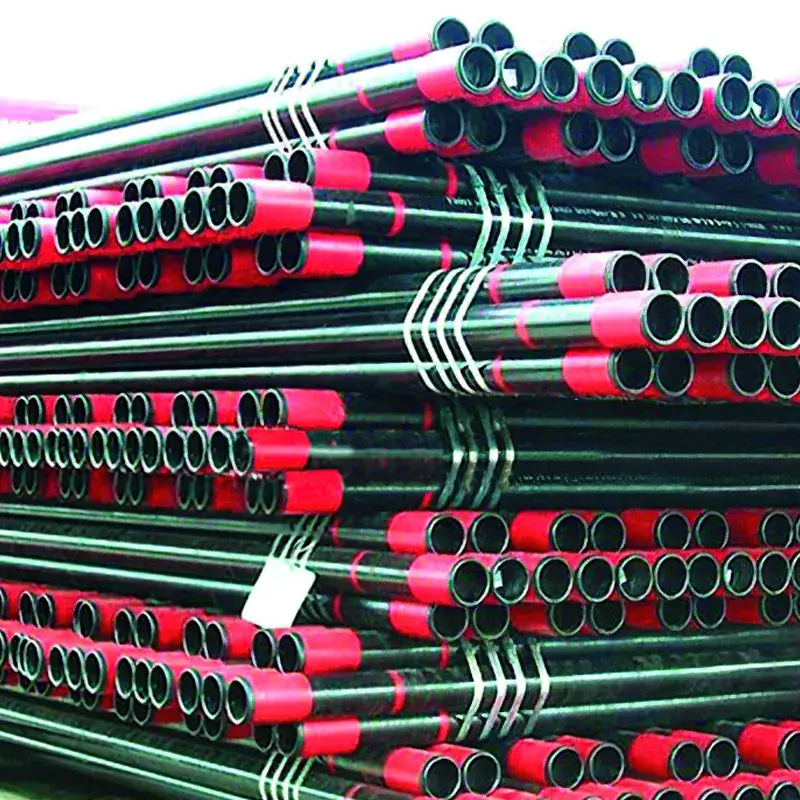
Simply put, ASTM A106 Grade B is a specification for seamless carbon steel pipes designed for high-temperature service. The “Grade B” part means a minimum yield strength of around 35,000 psi and specific chemical compositions focusing on carbon content, manganese, phosphorus, sulfur, and more.
An a106 gr b equivalent is another steel pipe grade — sometimes from different countries or standards bodies — that matches these mechanical and chemical requirements closely enough to be used interchangeably in the same applications. Think of it as translating a letter into another language but keeping the meaning intact.
This equivalence is crucial in modern industries like oil & gas, petrochemical refineries, power generation, and water treatment — where high pressure and temperature conditions demand metals that won’t let you down.
Core Components of a106 gr b Equivalent
1. Chemical Composition
The backbone of equivalence lies in the chemical makeup. ASTM A106 Gr B allows carbon content up to 0.30%, manganese from 0.29–1.06%, and tight controls on sulfur and phosphorus. An equivalent must stay within these ranges to guarantee similar performance.
2. Mechanical Strength
Yield strength, tensile strength, and elongation percentages are tested to confirm the pipe won’t fail under stress. For example, A106 Gr B demands a minimum tensile strength of 60,000 psi.
3. Temperature Resistance
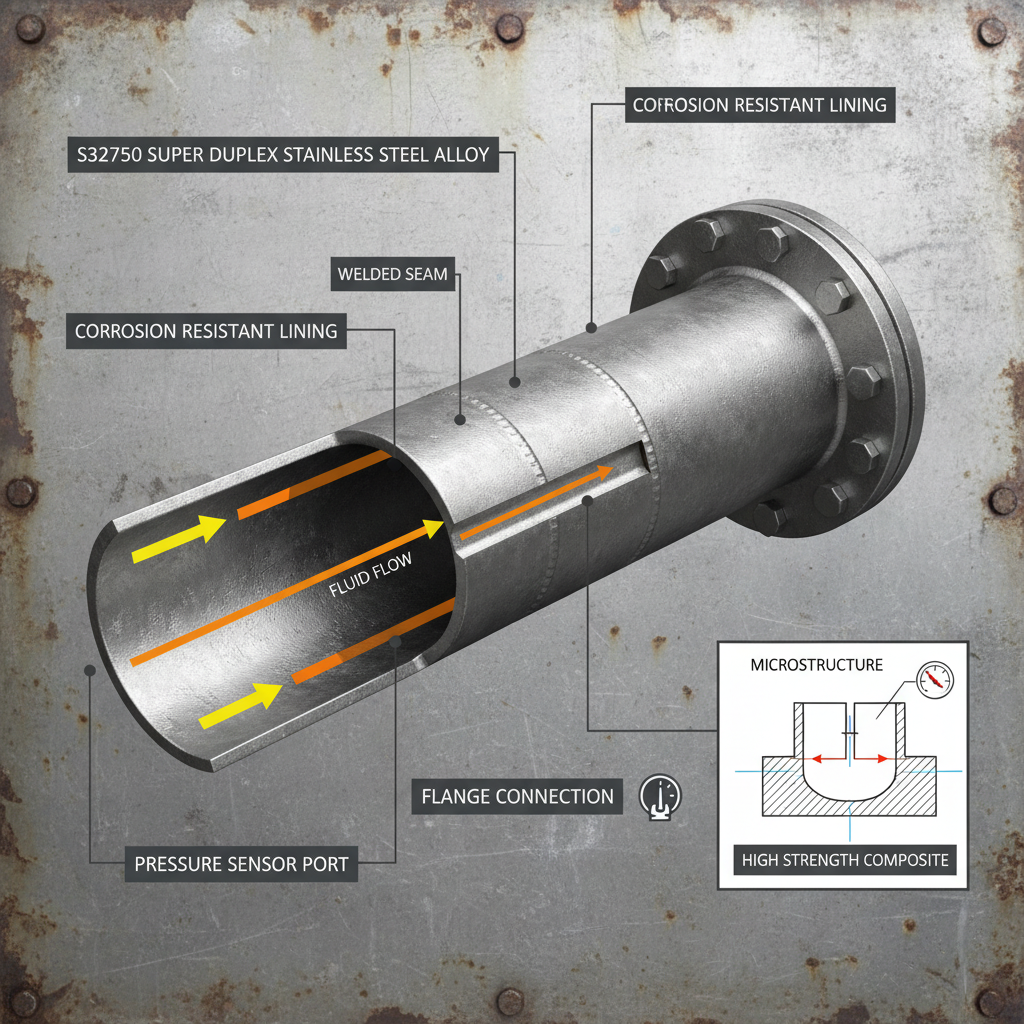
These pipes are often used at elevated temperatures (up to 750°F or 400°C). New materials claiming equivalence are scrutinized for resistance to thermal expansion and possible embrittlement.
4. Seamless Construction
ASME and ASTM usually require seamless manufacture for this grade, since welds tend to be weaker under high stress. Equivalents must confirm similar seamless quality or similarly robust welded alternatives.
5. Compliance and Certification
The vendor should provide EN, JIS, or DIN certifications if the equivalent grade comes from non-US standards. This ensures traceability and compliance with international quality norms.
Specification Table: Typical Properties of A106 Grade B and Its Common Equivalents
| Property | ASTM A106 Gr B | EN 10216-2 P235GH | JIS G3454 STPG 370 |
|---|---|---|---|
| Carbon Content (%) | ≤ 0.30 | ≤ 0.22 | ≤ 0.23 |
| Yield Strength (MPa) | > 241 (35,000 psi) | ≥ 235 | ≥ 370 (approx. 53,650 psi) |
| Tensile Strength (MPa) | 415–550 | 410–540 | 490–620 |
| Operating Temp. (°C) | up to 400 | up to 400 | up to 450 |
Who’s Using These Equivalents? Global Applications & Use Cases
Industries are pragmatic and sometimes ruthless about sourcing materials that fit specs but are cost-effective or locally accessible. For example:
- Oil & Gas Pipelines: Countries like India and Brazil use EN or JIS grade pipes as ASTM equivalents within refineries and pipeline networks to reduce import costs.
- Power Plants: European power utilities use EN P235GH pipes interchangeably with ASTM A106 Gr B to meet local certification while maintaining trusted A106 performance.
- Water Systems: Municipal water projects in Southeast Asia often blend local standards with ASTM-based specifications to accelerate urban upgrades.
- Disaster Relief Infrastructure: Temporary but high-stress piping systems rely on proven equivalents when supply chains for original ASTM pipes are disrupted.
One customer insight: A South American refinery once switched to a JIS G3454 equivalent pipe after a supply chain disruption delayed ASTM imports. The project finished on schedule with no reported mechanical failures. That’s the kind of real-world reassurance we appreciate.
Advantages & Long-Term Value of Using Proper a106 gr b Equivalent Materials
Choosing an appropriate a106 gr b equivalent doesn’t just tick standards boxes; it builds safety and financial confidence. Here’s why:
- Cost Efficiency: Local or alternative standards often bring lower sourcing costs without compromising strength or safety.
- Sustainability & Environmental Impact: Reduced transportation and compliance with local environmental regulations mean a smaller carbon footprint.
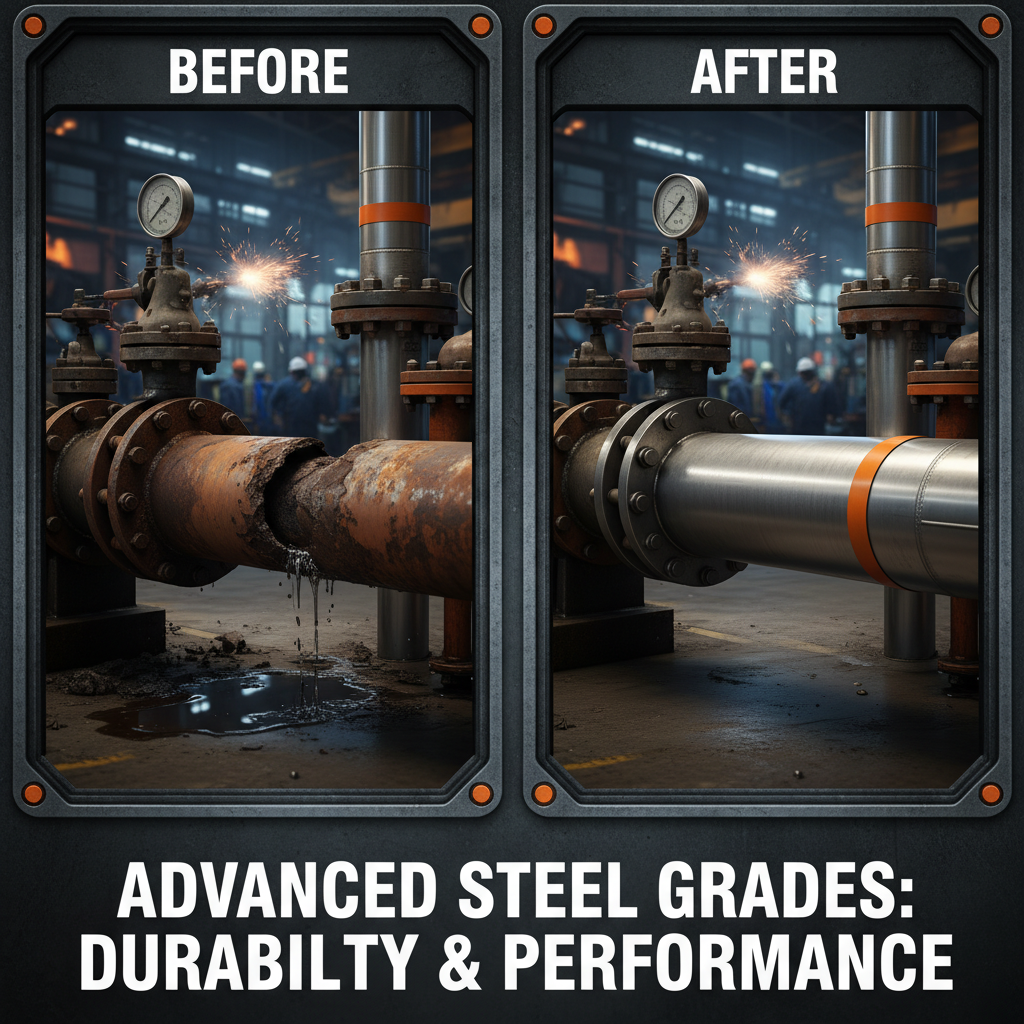
- Durability & Reliability: Will the pipe last decades in harsh environments? Trusted equivalents prove yes — a big comfort for engineers and investors alike.
- Social Impact: Infrastructure often improves quality of life, from clean water to reliable power; picking a dependable equivalent accelerates delivery.
It all boils down to trust — in the material, the vendor, and the certifications backing them. Many projects say often: “Trust, but verify.”
What’s Ahead: Trends & Innovations Surrounding a106 gr b Equivalent
Oddly enough, while steel pipes seem like an old-timer technology, the future gleams with innovation:
- Green Steel Production: As the steel industry seems poised to decarbonize with hydrogen and electric arc furnace techniques, equivalents will increasingly highlight environmental footprints, beyond just mechanical specs.
- Smart Pipelines: Integrated sensors and IoT tech for monitoring pressure and corrosion will demand pipe materials with added compatibility for smart coatings or sensor mounts.
- Digital Certificates and Traceability: Blockchain-based certification can improve trust when sourcing international equivalents, avoiding counterfeit or subpar materials.
- Material Blends & Composite Pipes: Hybrid materials combining steel with polymers or alloys might redefine “equivalent” altogether, increasing lifespan while maintaining strength.
Challenges and How Industry Fixes Them
Not everything is rosy. Challenges remain in ensuring quality consistency of equivalents, especially when cross-border inspection and standards enforcement vary. Common hurdles include:
- Certification Gaps: Some equivalents lack rigorous testing, risking unanticipated failures.
- Supplier Trust: Varying vendor reliability requires repeat audits and samples.
- Material Mislabeling: Sometimes grades are mislabeled due to language or measurement differences.
Solutions include enhanced international cooperation, third-party testing, and increasingly accessible digital reporting. Many companies also prefer vendors with ISO 9001 or API certifications to bridge these gaps.
Comparing Major Vendors of A106 Gr B Equivalents
| Vendor | Certifications | Regional Presence | Specialties | Lead Time |
|---|---|---|---|---|
| GlobalSteel Inc. | ASTM, ISO 9001, API | North America, Europe | Seamless pipes & custom alloys | 4-6 weeks |
| AsiaPipe Solutions | JIS, ISO 9001 | Asia-Pacific | Cost-effective equivalents & fast shipments | 2-4 weeks |
| EuroMet Steel | EN, ISO 14001 | Europe, MENA | Green steel and sustainable sourcing | 3-5 weeks |
FAQs About a106 gr b Equivalent
Q1: What makes an a106 gr b equivalent pipe reliable for high-temperature applications?
In essence, it must meet or exceed the chemical, mechanical, and thermal standards set by ASTM A106 Grade B. This includes adequate carbon content, tensile strength, and proof against thermal expansion. Certifications and rigorous quality control during production cement reliability.
Q2: Can I substitute an EN 10216-2 P235GH pipe for ASTM A106 Gr B in my project?
Often yes, but it depends on project specifications and local regulations. EN 10216-2 P235GH pipes closely match A106 Gr B properties. Verify with your engineering team and review certification paperwork thoroughly before substitution.
Q3: How can NGOs import a106 gr b equivalents quickly for infrastructure projects?
Partner with established suppliers experienced in exporting certified pipe materials, check import duty agreements, and prepare clear documentation on certification and intended use. A trusted vendor can often expedite customs clearance.
Q4: Are these equivalent pipes more cost-effective than original ASTM A106 Gr B pipes?
Generally yes — especially when sourced regionally. This reduces shipping costs and tariffs. But always balance cost savings with verification of quality and compatibility.
Q5: Is the seamless construction of a106 gr b equivalent pipes always mandatory?
Seamless is preferred due to its superior strength at high pressures and temperatures, but some alternatives use welded pipes that meet strict testing criteria. Consult project requirements carefully.
Wrapping Up: The Long Reach of a106 gr b Equivalent Pipes
It feels like a small detail — a specification or equivalency in steel pipe grades — but practically, understanding and trusting the a106 gr b equivalent can make or break international projects, economies, and even safety records. From oil refineries in Brazil to power plants in Europe and NGO aid across Asia, these pipes quietly ensure our modern infrastructure hums reliably.
If this article helped you get a clearer picture of what to look for and why it’s so critical, take a moment to visit our website for deeper info and trusted suppliers. Because when it comes to steel piping, you deserve nothing less than certainty.
References & Further Reading
Post time: Dec . 01, 2025 22:00
 English
  Arabic
  Bengali
  China
China  French
  German
  Hausa
Hausa  Indonesian
  Italian
  Japanese
  Javanese
  Malay
Malay  Persian
  Portuguese
  Punjabi
  Russian
  Spanish
  Swahili
  Telugu
  Vietnamese