

Understanding A106 GRB: The Workhorse of Seamless Carbon Steel Pipes
If you’re deep into industries like oil & gas, power generation, or construction, you’ve probably bumped into a106 grb pipes. They’re like the reliable friend you call when things have to hold under pressure and heat over long stretches of use—no fuss, no frills, just solid performance. Globally, as infrastructure expansion and energy demands surge, understanding a106 grb pipes isn’t just nice to have—it’s essential. These pipes keep pipelines flowing, boilers running, and furnaces safe.
Why does this matter on a global scale? According to the International Energy Agency, oil and gas pipelines transport roughly 70% of energy commodities worldwide, and the backbone of these pipelines is often a106 grb carbon steel piping. So, grasping the specs, uses, and evolution of these pipes helps engineers, planners, and buyers make smarter, safer choices that ripple far beyond local projects.
The Global Context: A106 GRB's Role in Modern Industry
Industries worldwide depend heavily on pipes that meet the demands of high pressure and temperature environments. The ASTM A106 GRB standard specifies seamless carbon steel pipes primarily used in these conditions. With the global pipeline market expected to grow at a CAGR of 5.4% through 2030 (source: ISO Pipeline Systems Report, 2023), the demand for reliable materials like a106 grb increases as well.
One big issue it addresses? Corrosion and premature failure in transmission lines and power plants, which cause billions in losses annually. Using materials that match the strict composition and mechanical properties outlined for a106 grb reduces this risk significantly, meaning fewer shutdowns and safer operations. These pipes are foundation stones amid rising pressure for more efficient, sustainable infrastructure worldwide.
Defining A106 GRB: What Does It Really Mean?
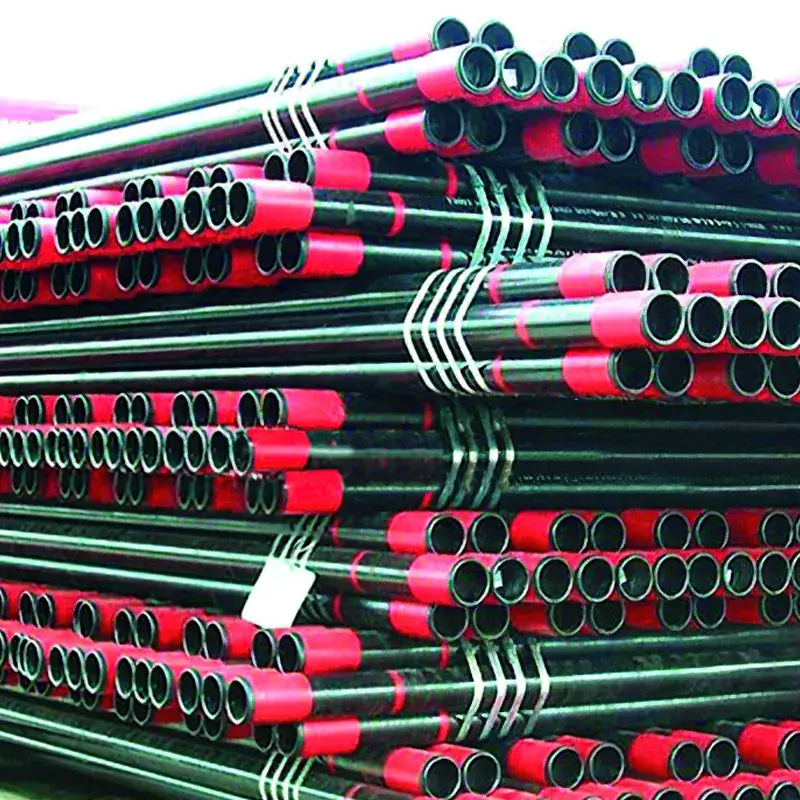
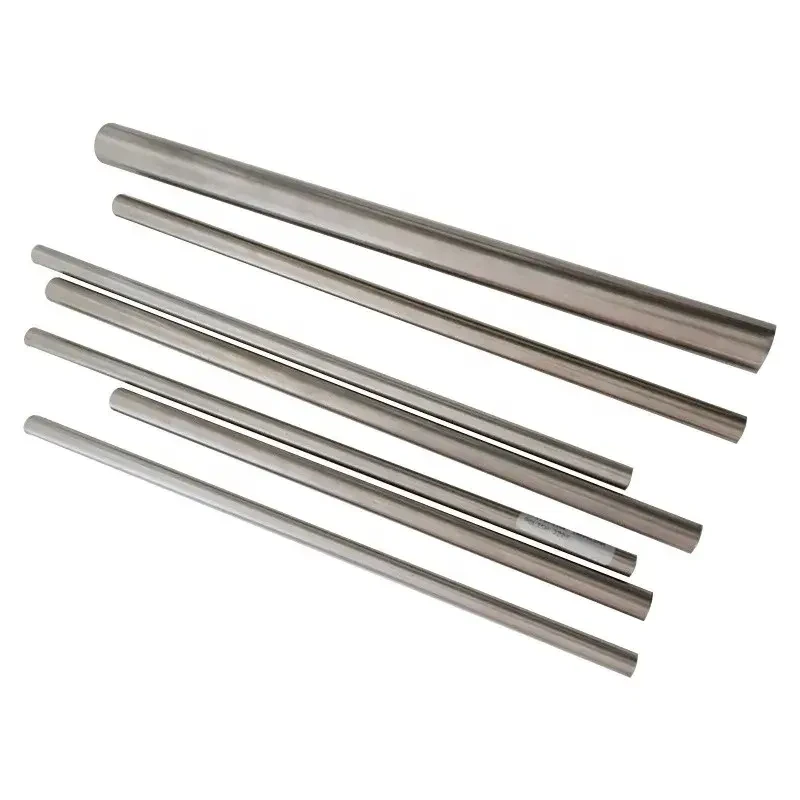
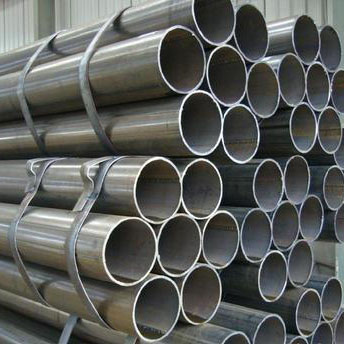
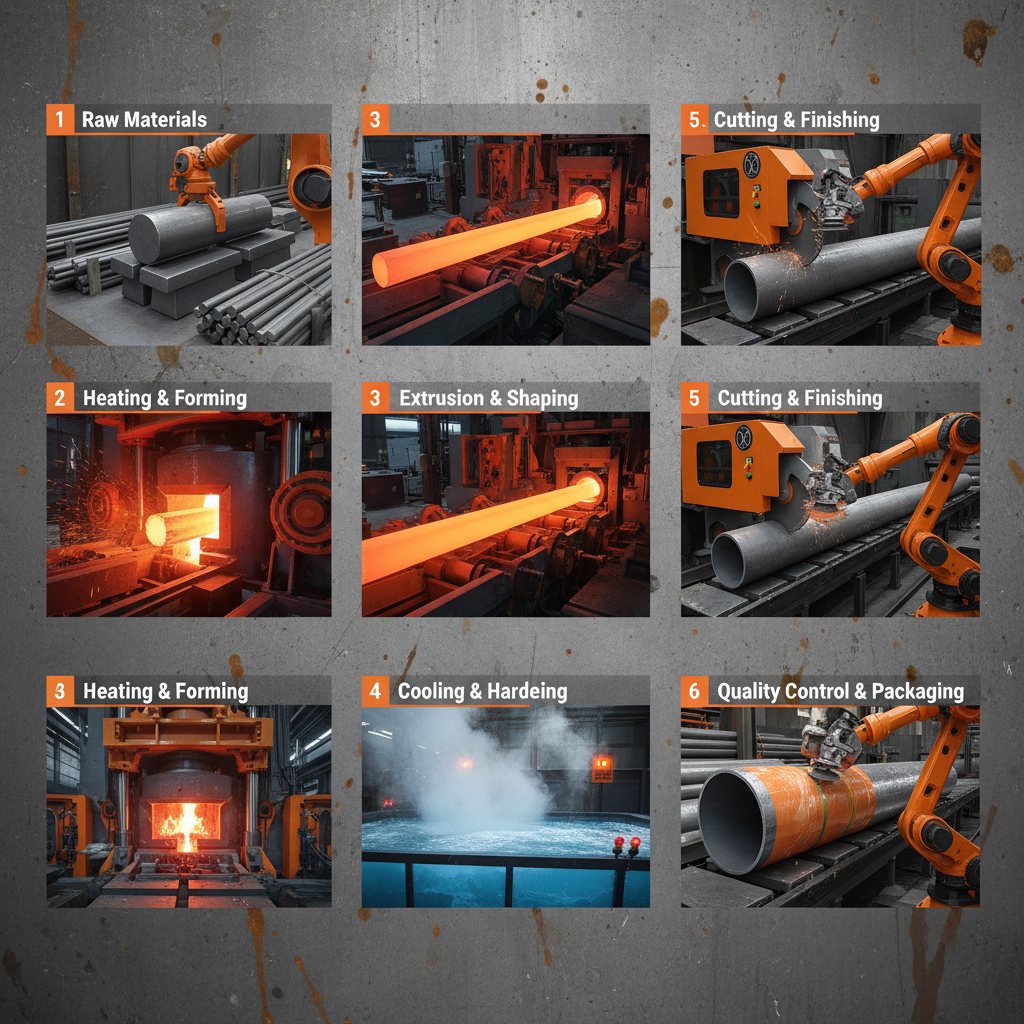
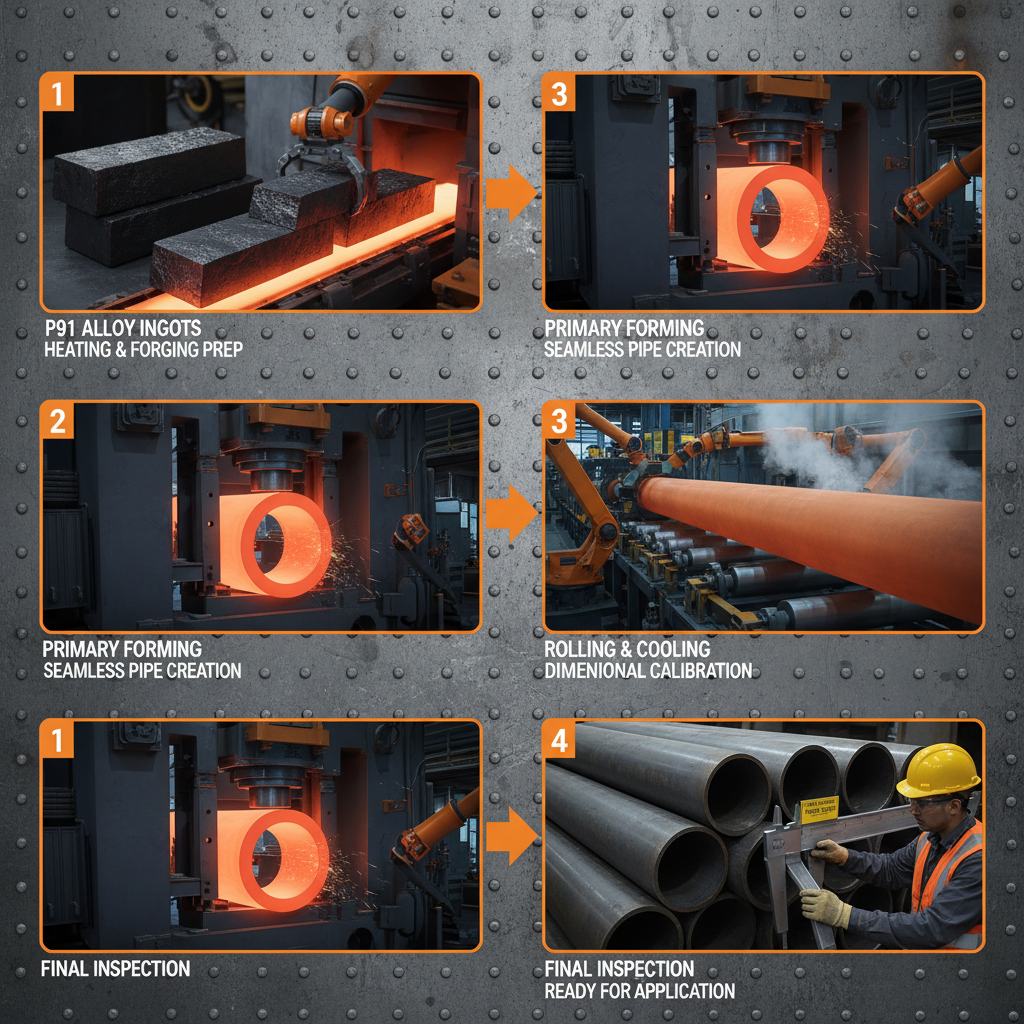
In straightforward terms, ASTM A106 Grade B (often just called a106 grb) is a category of seamless carbon steel pipe made specifically for high temperature services. Seamless means it has no welded seams, lending superior strength and uniformity. It meets particular chemical composition criteria, with low carbon, manganese, and other elements to optimize durability and workability. These pipes are mostly used to transport fluids or gases under pressure in industries like oil, gas, and power plants.
And beyond industry: the pipes support critical infrastructure delivering energy and resources globally, which indirectly supports humanitarian needs, disaster relief, and even emergency heating systems during cold winters. So yeah, a seemingly technical product with surprisingly broad impacts.
Key Attributes of A106 GRB Pipes
1. Durability and Strength
A106 GRB pipes can withstand pressures up to roughly 7400 psi and temperatures up to about 450°C. This endurance comes from strict chemical and mechanical specs in specifications, making them go-to choices when safety and longevity really matter.
2. Heat Resistance
The steel composition allows pipes to hold up well under elevated temperatures, which is essential in steam lines, boilers, and refineries. That heat resistance indirectly means plants can run more efficiently without worrying about pipe failure.
3. Seamless Construction
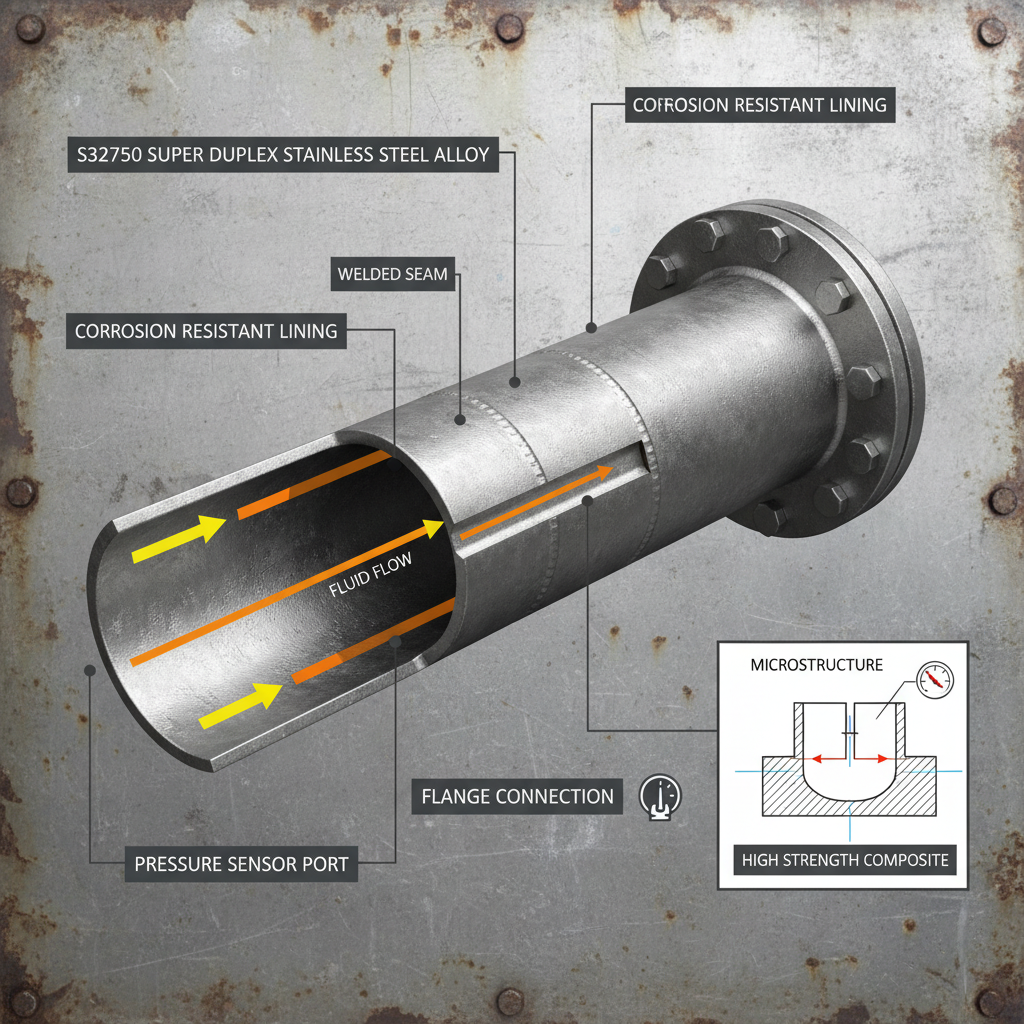
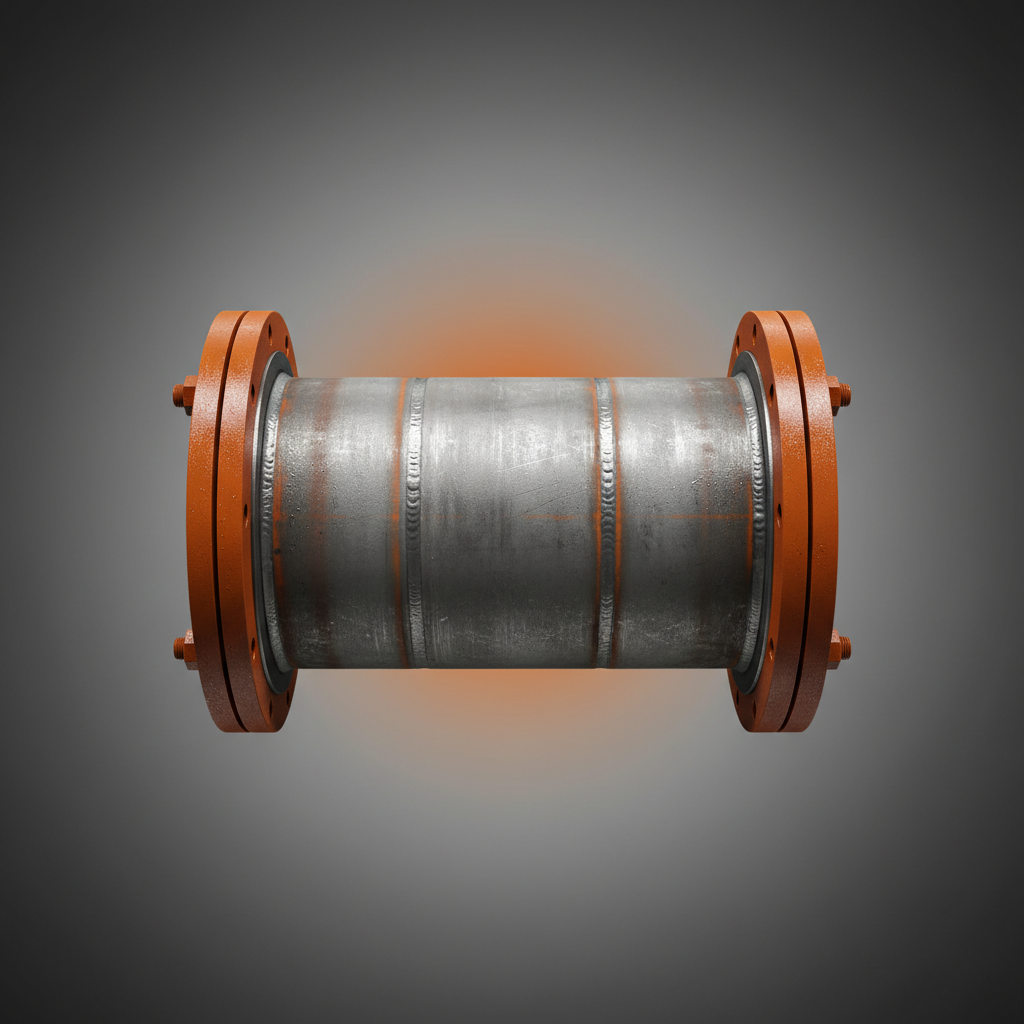
The absence of weld seams is not just a buzzword. It translates to fewer weak spots, greater reliability under stress, and easier inspection. Engineers often prefer seamless pipes for critical pipelines because the risk of weld anomalies is removed.
4. Corrosion Resistance Layer (when applied)
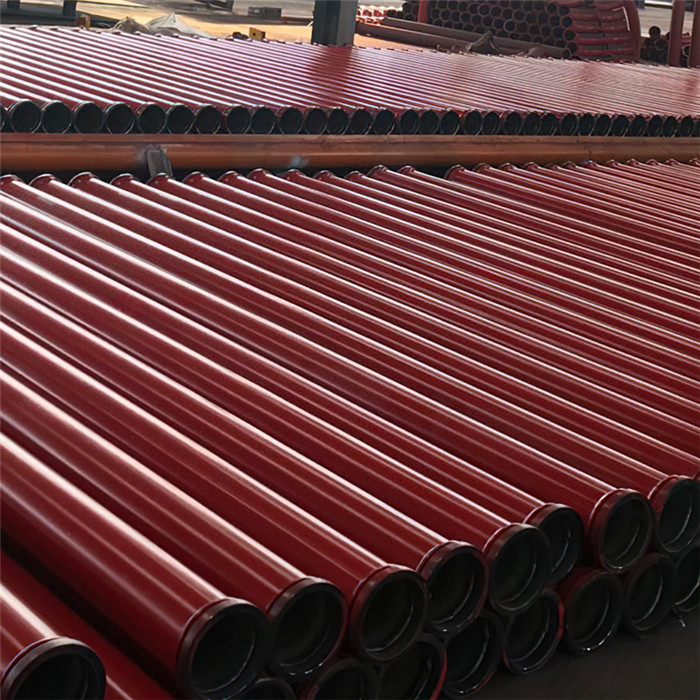
While a106 grb itself is carbon steel and can rust, it’s frequently paired with protective coatings or used in conjunction with cathodic protection. This extends the lifetime substantially — especially in harsh environments.
5. Versatile Sizes and Thickness
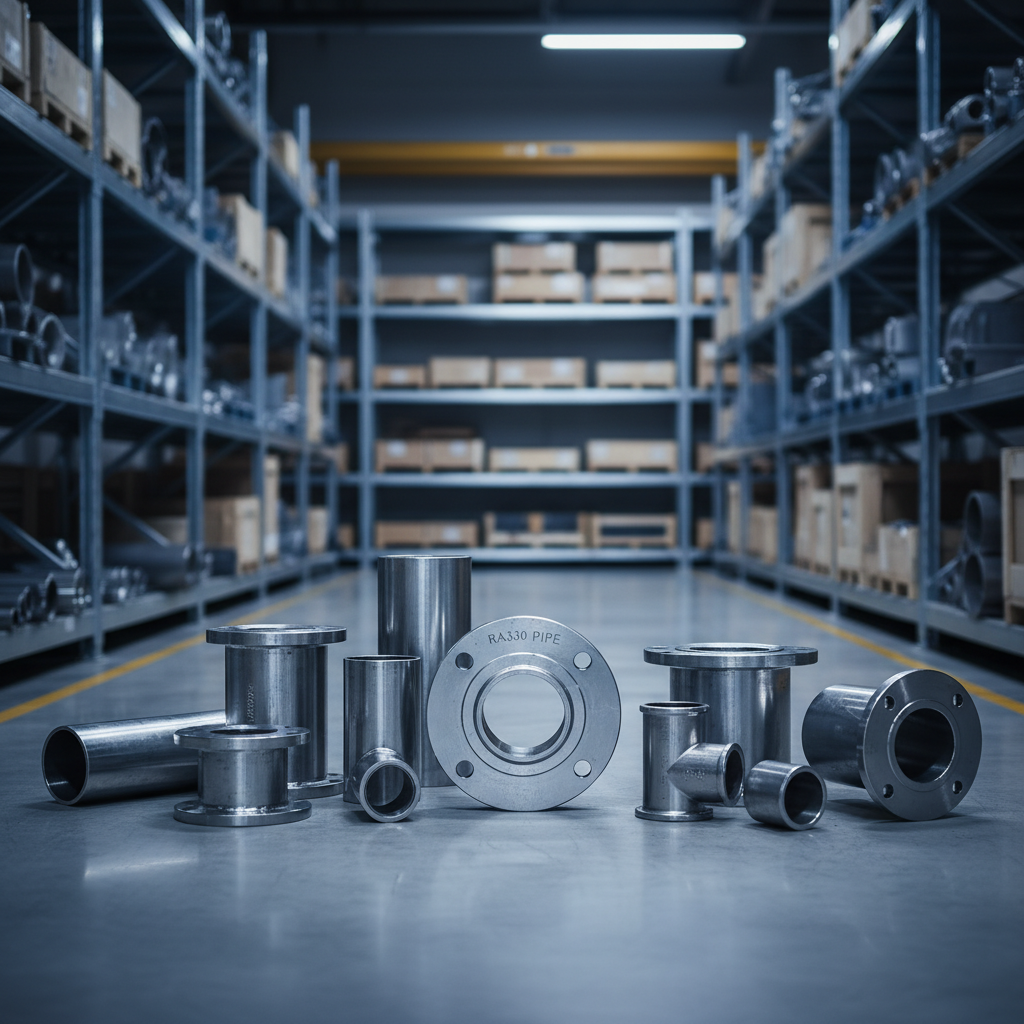
Whether you need a small diameter pipe for a chemical plant or a large bore pipeline, a106 grb pipes come in an array of sizes and wall thicknesses, making them highly adaptable.
Mini takeaway: These factors combined make a106 grb pipes something of an unsung hero—strong, reliable, heat-resistant. They quietly keep key industries chugging along.
Global Applications: Where Do A106 GRB Pipes Actually Get Used?
Here’s where it gets pretty exciting. The world’s infrastructure projects literally depend on this grade of pipe. In the Middle East and North Africa, natural gas pipelines use vast amounts of a106 grb pipe to connect remote fields to processing centers. In the USA and Europe, power plants rely on these pipes for steam delivery and feed water lines.
Even in Southeast Asia's rapid industrial zones, the need for dependable high temperature pipes drives demand for this grade. NGOs working on energy-access projects sometimes specify them for durable, long-lasting infrastructure in developing regions.
In post-disaster relief operations, quick deployment of temporary heating or fuel delivery systems often uses a106 grb pipes because they’re proven, standardized, and easily available worldwide.
Example: A Case from Texas Power Plants
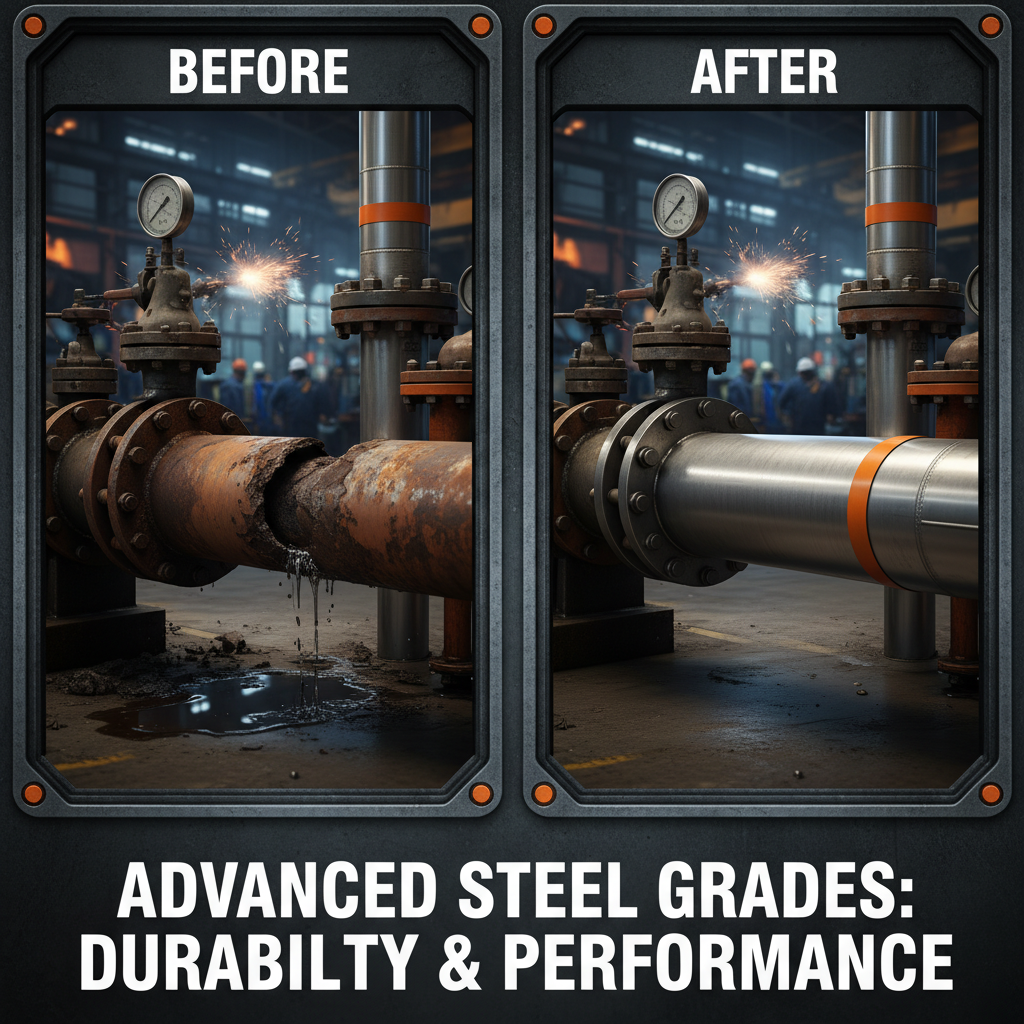
One Texas power plant replaced aging steam supply lines with seamless a106 grb pipes coated for corrosion resistance. Result: an extended service life by roughly 15 years and fewer emergency shutdowns. That story shows up frequently in plant engineering circles — little changes, big gains.
Advantages & Long-Term Benefits of Using A106 GRB Pipes
- Cost Efficiency: They strike a good balance between upfront cost and lifespan, avoiding frequent replacements.
- Reliability & Safety: Their certifications ensure predictable mechanical properties that meet or exceed industry safety standards.
- Environmental Impact: Longer service life reduces waste, and when coupled with modern coatings, they resist leaks and spills.
- Emotional Assurance: For engineers and safety officers, knowing these pipes have passed rigorous testing means peace of mind on the job.
Future Trends & Innovations Surrounding A106 GRB Pipes
While a106 grb pipes are well-established, ongoing innovations still shape their use:
- Advanced Coatings: New nano-ceramic and polymer coatings are enhancing corrosion resistance even further.
- Digital Tracking: Smart sensors embedded during manufacturing enable real-time monitoring of pipe health.
- Green Manufacturing: Leaner energy use and scrap recycling are increasingly standard in pipe factories.
- Automation in Quality Control: AI-driven inspection systems spot defects faster than ever.
These trends align with the general push for sustainability and tougher safety regulations worldwide.
Challenges & Practical Solutions
Of course, no product is perfect. A106 grb pipes require regular maintenance to prevent corrosion if coatings fail, especially underground or underwater. Compatibility with various welding techniques can also be a sticking point for some fabricators.
To address these, many operators invest in comprehensive inspection cycles and ongoing staff training. Also, the trend towards pre-coated pipes shipped ready to install reduces some challenges around onsite coating.
Product Specification Table: ASTM A106 Grade B Pipes
| Specification | Details |
|---|---|
| Material Type | Seamless Carbon Steel |
| Standards | ASTM A106 Grade B |
| Wall Thickness | Schedule 10 to Schedule 160 |
| Diameter Range | 1/8" to 48" (Nominal) |
| Max Service Temperature | 450°C (Approx.) |
| Tensile Strength | Min 60,000 psi |
| Yield Strength | Min 35,000 psi |
| Manufacturing Process | Hot Finished or Cold Drawn |
Vendor Comparison: Leading Suppliers of A106 GRB Pipes
| Vendor | Quality Certifications | Customization Options | Lead Time | Typical Pricing (per ton) |
|---|---|---|---|---|
| SteelPro Global | ISO 9001, API 5L | Wide | 4-6 weeks | $850 - $950 |
| TransMetal Industries | ASTM, API 5CT | Moderate | 3-5 weeks | $800 - $900 |
| PipeWorks Ltd. | ISO 9001, CE | Limited | 5-7 weeks | $870 - $980 |
FAQs: Frequently Asked Questions about a106 grb Pipes
Q1: What industries benefit most from a106 grb pipes?
A: Industries like oil & gas, power generation, chemical plants, and construction rely heavily on a106 grb pipes because they handle high temperature and pressure conditions reliably.
Q2: Can a106 grb pipes be used for transporting liquids other than oil and gas?
A: Absolutely. These pipes are versatile and can transport steam, water, compressed air, and other fluids in industrial processes, provided the temperature and pressure limits are not exceeded.
Q3: How do I ensure corrosion protection for a106 grb pipes in harsh environments?
A: Typically, pipes are coated with epoxy or galvanized layers or used with cathodic protection to enhance corrosion resistance. Regular maintenance and inspections are essential for longevity.
Q4: What is the difference between a106 grb and a106 gra?
A: Both are types of seamless carbon steel pipes, but grade B (grb) has higher tensile strength and slightly different chemical composition compared to grade A (gra), making it suitable for more demanding applications.
Q5: Where can I buy certified a106 grb pipes?
Several global suppliers manufacture ASTM A106 Grade B pipes. When purchasing, always verify certifications and quality assurance documents from vendors like a106 grb suppliers to ensure compliance with standards.
Wrapping It Up
So, while it’s easy to take a pipe for granted, a106 grb pipes quietly form the backbone of critical infrastructure worldwide. Their toughness, heat endurance, and reliability keep industries moving and lights on, literally and figuratively. As technology evolves, so does their relevance – from smarter coatings to digital monitoring. Whether you’re involved in plant design, procurement, or maintenance, knowing the ins and outs of a106 grb can pay dividends in safety, cost savings, and performance.
If you’re ready to explore high-quality, certified options, don’t hesitate to visit our website for detailed specs and vendor contacts.
References
Post time: Dec . 01, 2025 21:20
 English
  Arabic
  Bengali
  China
China  French
  German
  Hausa
Hausa  Indonesian
  Italian
  Japanese
  Javanese
  Malay
Malay  Persian
  Portuguese
  Punjabi
  Russian
  Spanish
  Swahili
  Telugu
  Vietnamese