

Understanding A53B Pipe: The Backbone of Modern Industry and Infrastructure
Whether you’re walking through a bustling urban center or glancing at a sprawling oil refinery, there’s a good chance that an A53B pipe is quietly doing its job beneath the surface. But what exactly is this pipe, and why is it so critical worldwide? Put simply, A53B pipes form the skeletal structure of countless systems—from water supply to oil and gas transmission—which literally keeps societies running. In industries spanning from construction to energy, understanding the ins and outs of this pipe type is key to efficiency, safety, and sustainability.
A53B Pipe: Why It Matters in Today’s Global Industry
Global infrastructure development is booming—just look at the numbers. According to the United Nations, over 55% of the world’s population lives in urban areas, a number projected to hit 68% by 2050. This rapid urbanization comes with massive demands for pipes that must reliably transport water, gas, and other essential materials. Federal standards, such as ASTM A53, standardize pipes to ensure quality and safety.
The A53B pipe, commonly used in high-pressure service, addresses a crucial challenge: finding a steel pipe that balances strength, cost, and manufacturability for both structural and mechanical uses. For instance, in the oil & gas sector—responsible for nearly 30% of global energy supply—these pipes withstand harsh environments without breaking under pressure or corrosion.
In essence, wherever the flow of resources has to be safe, durable, and efficient, A53B pipes often come into play. They help engineers meet the challenge of delivering materials through complex systems, which—frankly—can mean the difference between smooth operations and costly failure.
What Exactly Is an A53B Pipe?
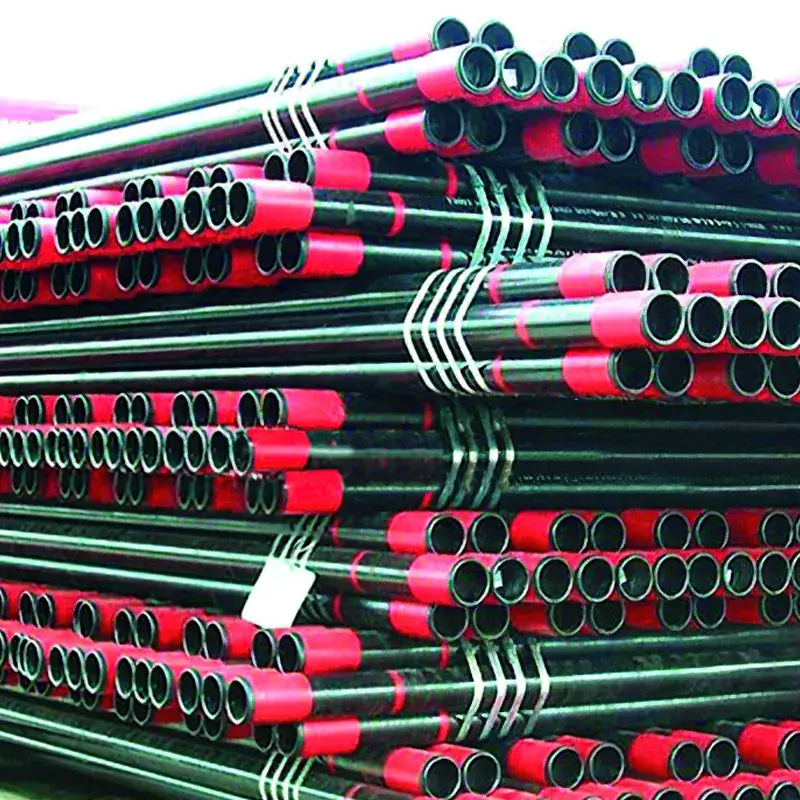
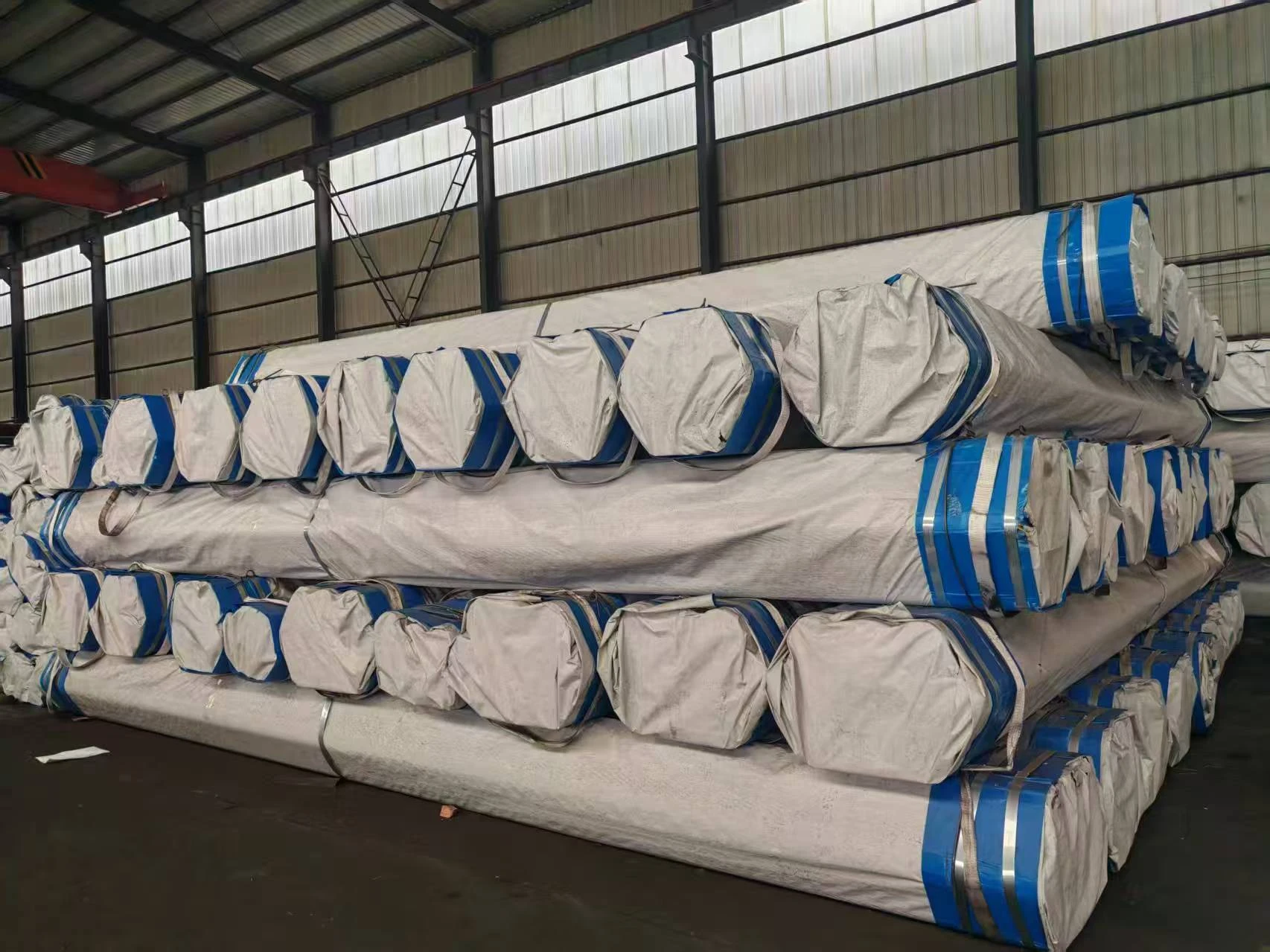
ASTM A53 is a standard specification for black and hot-dipped galvanized welded and seamless steel pipes. The ‘B’ grade, or A53B pipe, specifically denotes a thicker wall and higher tensile strength compared to A53A. This makes it suitable for mechanical and pressure applications. Think of it as the tougher cousin built for more demanding tasks.
Used extensively in plumbing, gas lines, and even structural scaffolding, this pipe is versatile. Its origins date back to industrial standards designed to ensure predictable performance. Modern industries—from manufacturing plants to disaster relief infrastructures—rely on A53B pipes because they offer something kind of rare: an excellent mix of strength, weldability, and cost efficiency.
What Makes A53B Pipe Stand Out? Core Components & Characteristics
Durability
A53B pipes are often chosen due to their resilience. With a tensile strength typically ranging from 48,000 to 60,000 psi, they can withstand significant pressure and mechanical stress. This makes them an ideal choice where failure isn't an option, especially in high-pressure water or gas pipelines.
Cost Efficiency
A curious thing about A53B pipes is that despite their robustness, they come at a relatively affordable price point. This makes them immensely popular in developing regions where budgets are tight but quality cannot be compromised.
Versatility in Manufacturing
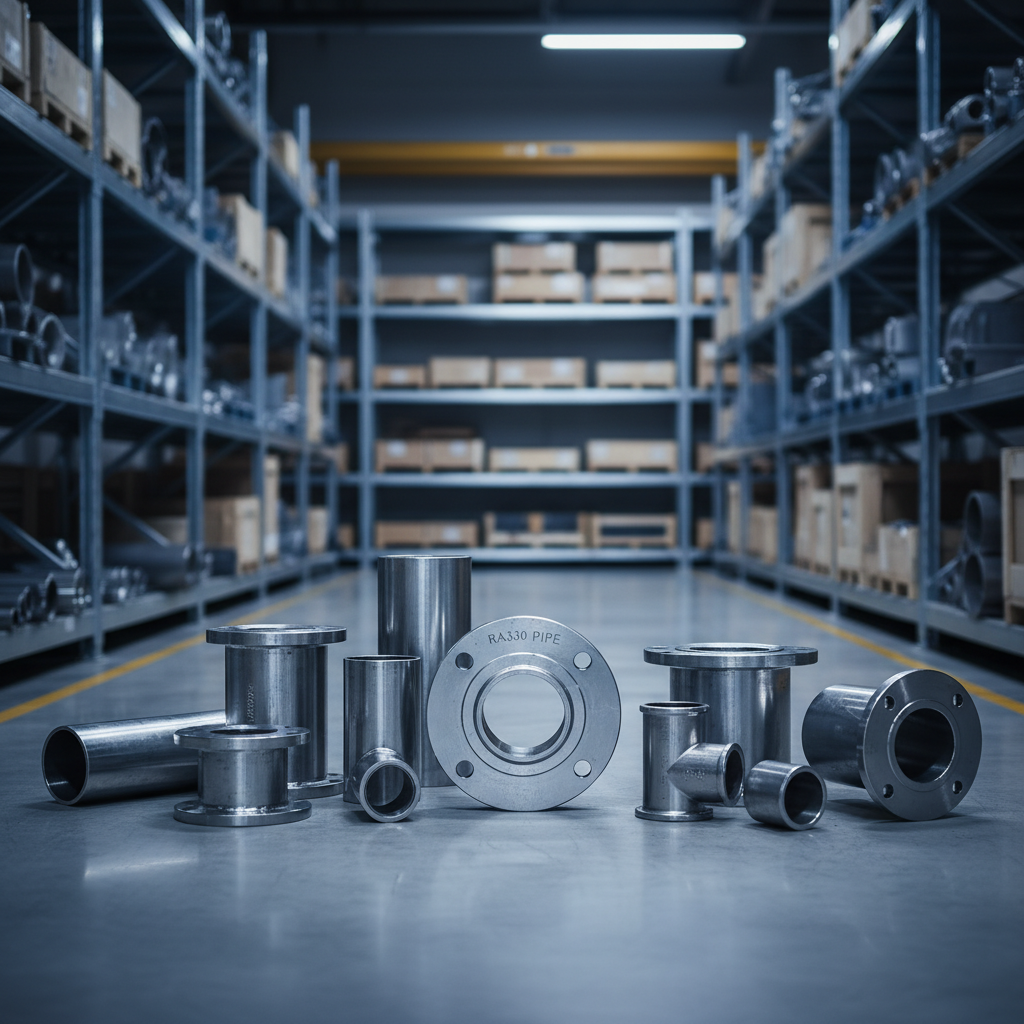
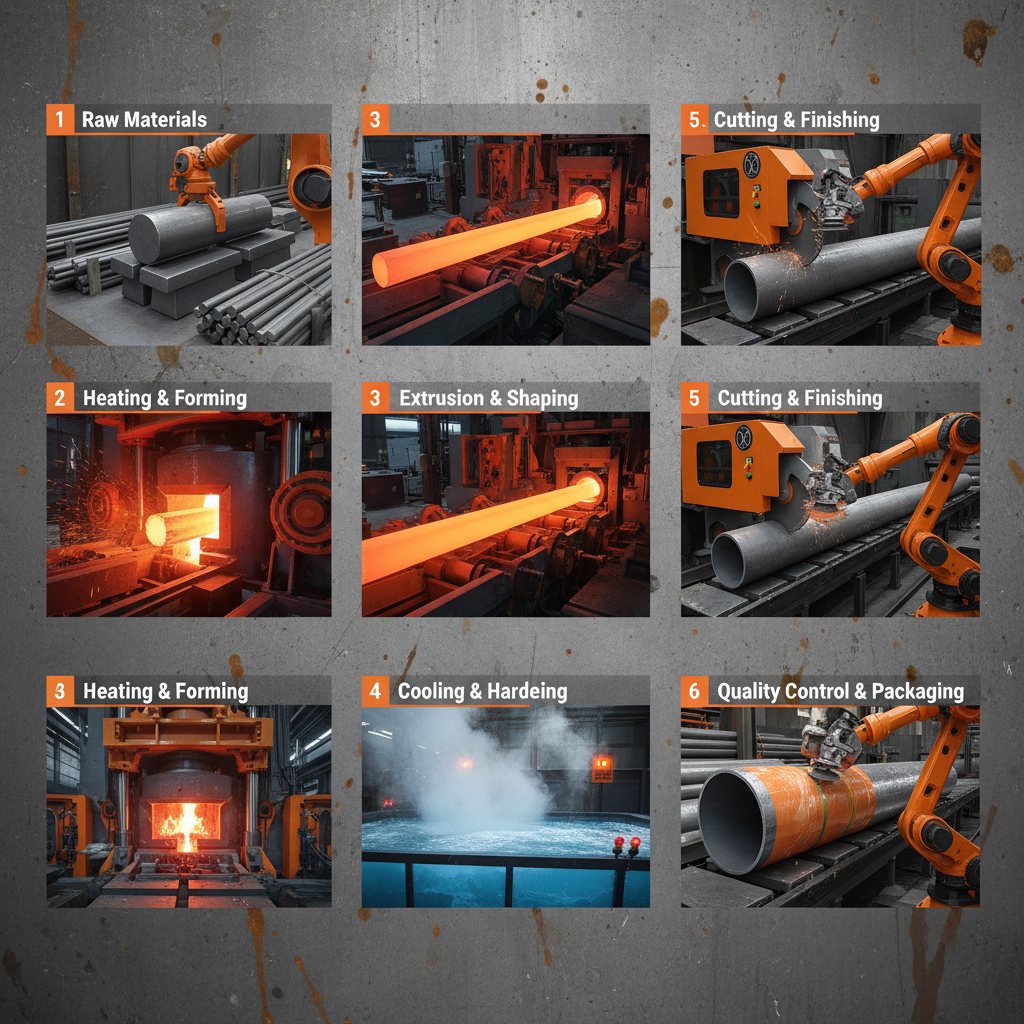
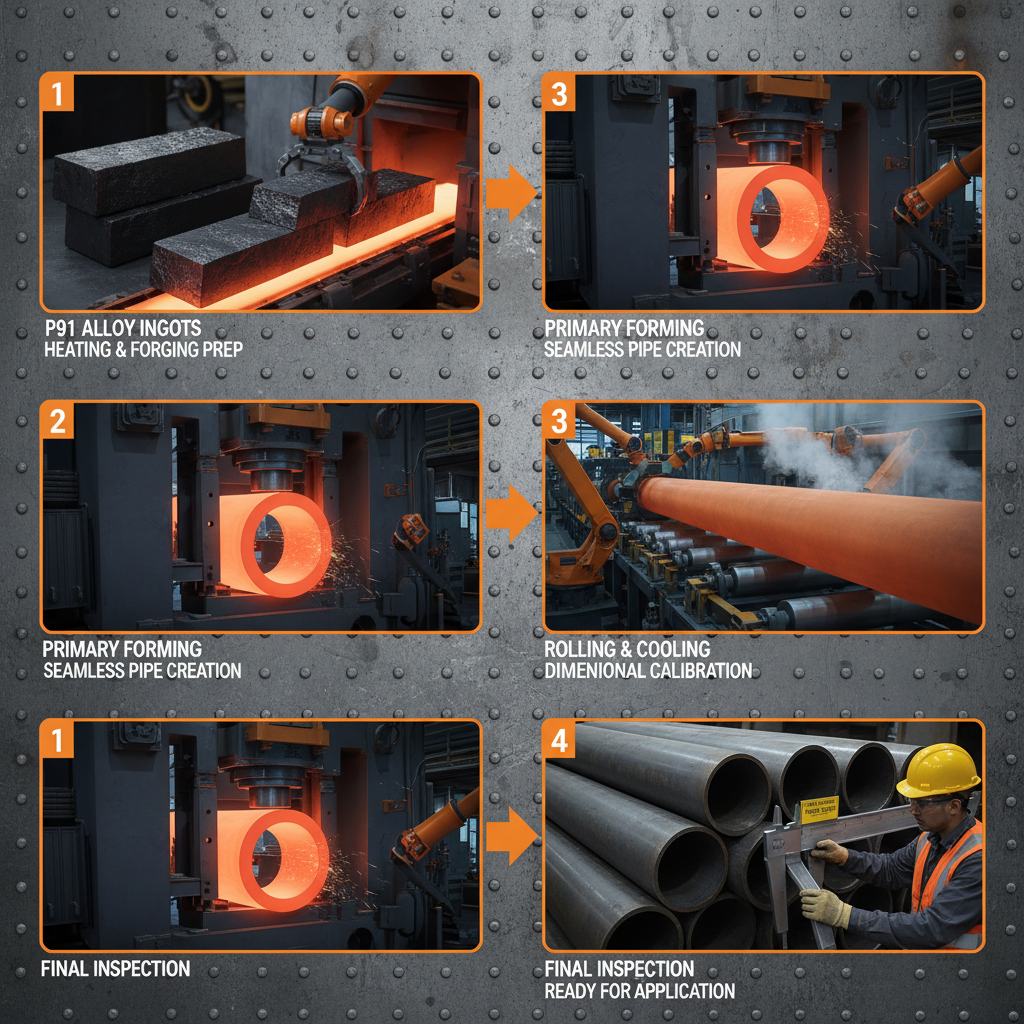
These pipes come in both seamless and welded varieties. The seamless pipes, manufactured by extrusion processes, offer superior strength. Meanwhile, the welded versions are easier to produce at scale, allowing for customization in length and thickness. Engineers appreciate this flexibility since it fits a range of applications.
Corrosion Resistance
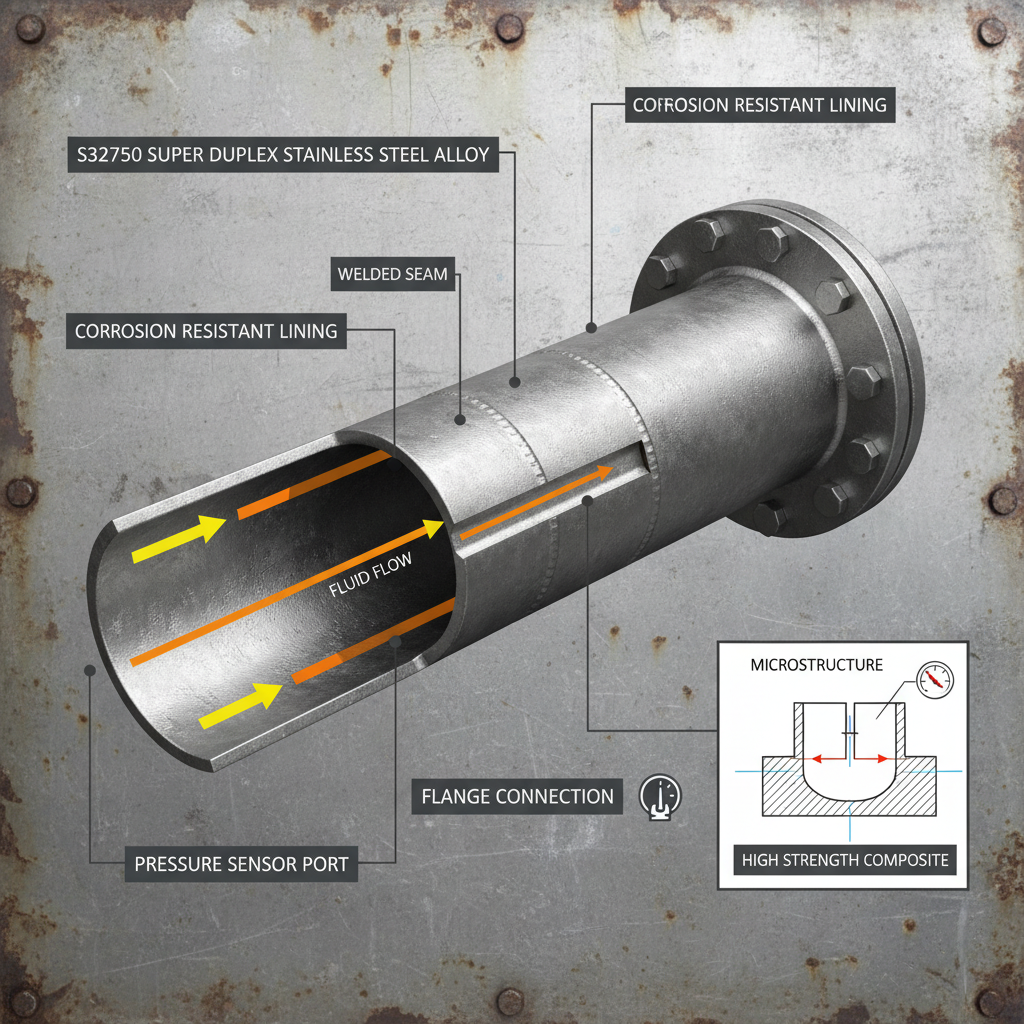
While not stainless steel, A53B pipes can be hot-dipped galvanized to improve their resistance to rust and corrosion, especially important in outdoor or corrosive environments.
Compliance and Standards
A53B pipes meet strict ASTM standards, often supplemented with specifications from ISO or ANSI to ensure consistent quality in international markets.
Real-World Applications: Where A53B Pipes Keep Things Flowing
In real industrial terms, A53B pipes aren’t just theoretical—they're workhorses. Some highlights:
- Oil & Gas Pipelines: The petroleum industry worldwide relies heavily on the strength and pressure tolerance of A53B pipes to safely carry fuel.
- Water and Gas Distribution: Municipal water supply systems often use these pipes because they stand up well under high pressure and corrosive soils.
- Construction and Scaffolding: Structural integrity is vital in construction scaffolding, where A53B pipes offer reliability and ease of welding.
- Post-Disaster Infrastructure: In emergency relief, sturdy pipelines for water or fuel are vital—A53B pipes provide a quick, durable solution.
Regions like Southeast Asia and the Middle East, where rapid development meets challenging environments, especially benefit from these pipes.
Product Specification Table: Typical A53B Pipe Technical Details
| Specification | Details |
|---|---|
| Material | Carbon Steel |
| ASTM Standard | A53 Grade B |
| Tensile Strength | 48,000 - 60,000 psi |
| Yield Strength | 30,000 psi (min) |
| Diameter Range | 1/8 inch to 26 inch (varies) |
| Wall Thickness | Varies by schedule (e.g., 40, 80) |
| Manufacture Types | Seamless, Welded |
Comparing Vendors: What to Consider When Choosing A53B Pipe Suppliers
| Vendor | Product Range | Quality Certifications | Lead Time | Pricing |
|---|---|---|---|---|
| SteelSupreme Ltd. | Full range seamless & welded | ISO 9001, ASTM Certified | 3-5 weeks | Mid-range |
| GlobalPipe Corp. | Mostly welded, galvanized options | ASTM, API | 2-4 weeks | Budget-friendly |
| IronClad Pipes | Premium seamless only | ISO 14001, ASTM | 5-7 weeks | High-end pricing |
Advantages and Enduring Value of A53B Pipes
Whether we consider the emotional angle—safety of workers, reassurance of steady infrastructure—or the logical bottom line—cost savings, ease of integration—the benefits of using A53B pipes are evident:
- Reliability: Handles high-pressure environments with minimal failure rates.
- Affordability: Competitively priced without sacrificing quality.
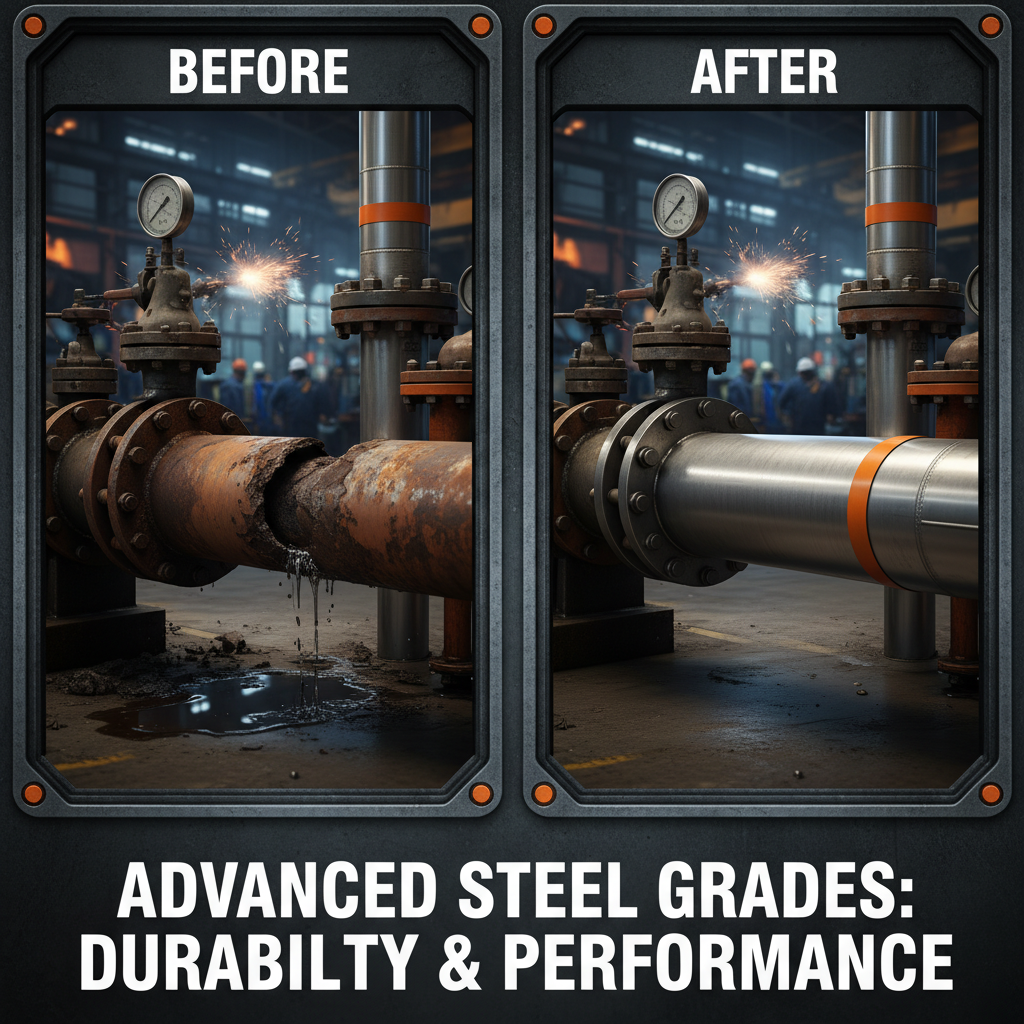
- Sustainability: When galvanized, they resist corrosion, extending service life and reducing replacement waste.
- Versatility: Easily adapted for various industrial needs, from pipelines to structural supports.
- Innovation Friendly: Compatible with new welding technologies and coatings, future-proofing infrastructure.
These pipes provide engineers with peace of mind and investors with confidence that infrastructure won’t buckle under pressure—literally and figuratively.
Looking Forward: Trends and Innovations in A53B Pipe Industry
Oddly enough, in a field dictated by solid steel, innovation comes not just from materials but also from processes. Smart coating technologies that actively resist corrosion, digital scanning for ultra-precise welds, and tighter standards to reduce carbon footprints are all gaining ground.
Green energy projects, like offshore wind farms, require robust pipelines. Manufacturers are adapting A53B pipes to meet both the harsher maritime conditions and environmental regulations, innovating with composite coatings and improved galvanization. Industry 4.0 advances also allow suppliers to track pipe quality digitally throughout production and delivery—less guesswork, fewer surprises.
Overcoming Challenges in A53B Pipe Use
No product is flawless. Challenges remain, such as susceptibility to corrosion without additional coatings or the need for thicker walls in extreme applications which adds weight and cost. Logistical issues, including long lead times or mismatched specifications from different vendors, frequently complicate procurement.
Experts recommend an integrated approach: careful supplier selection (see our vendor table), applying protective coatings, and encouraging industry collaboration around tighter standards. The use of advanced testing methods like ultrasonic and radiographic inspection ensures pipelines meet or exceed safety requirements.
FAQ: Your A53B Pipe Questions Answered
- What are the main differences between A53A and A53B pipes?
- A53B pipes have a higher carbon content and tensile strength than A53A, making them more appropriate for high-pressure applications. They also have thicker walls, adding durability for structural or mechanical use.
- Can A53B pipes be used for transporting drinking water?
- Yes, especially when galvanized. However, it's important to verify the pipe’s coating and certification because untreated steel can contaminate water supplies over time.
- How long can an A53B pipe installation typically last in industrial applications?
- When properly installed and maintained, including corrosion protection, A53B pipes can last 20+ years, sometimes even several decades in less aggressive environments.
- Is it possible to customize A53B pipes for unique project needs?
- Absolutely. Vendors often offer custom lengths, diameters, wall thicknesses, and coatings. Consultation with suppliers can help tailor pipes to project specifics.
- What certifications should I look for when sourcing A53B pipes internationally?
- Look for ASTM A53 certifications along with ISO 9001 for quality management. Depending on region and application, API or ANSI certifications may also be important.
In Conclusion: Why A53B Pipes Still Matter
It’s a little humbling to realize something as unassuming as a steel pipe has such a massive role in shaping our modern world. A53B pipes, with their balance of strength, affordability, and adaptability, continue to be reliable partners in infrastructure worldwide. From bustling cities to remote industrial sites, they keep resources flowing safely and efficiently.
Interested in getting the best-grade A53B pipe for your project? Visit us at https://www.world-steelmaterial.com to browse suppliers, technical resources, and expert advice that can help turn your plans into reality.
Post time: Dec . 01, 2025 20:45
 English
  Arabic
  Bengali
  China
China  French
  German
  Hausa
Hausa  Indonesian
  Italian
  Japanese
  Javanese
  Malay
Malay  Persian
  Portuguese
  Punjabi
  Russian
  Spanish
  Swahili
  Telugu
  Vietnamese