

Understanding ASTM A53 Pipe Specifications PDF: Why It Matters Worldwide
Pipes — the humble veins of industry and infrastructure — carry much more than just fluids and gases. They tell a story of engineering precision and safety standards that hold civilization’s backbone together. Among these, the ASTM A53 pipe specifications PDF plays a pivotal role globally, guiding manufacturers and engineers toward consistency, safety, and efficiency.
Why should you care about a PDF listing specifications? On the surface, it’s a technical document, but its impact ripples across sectors — from oil and gas pipelines to construction and even humanitarian efforts providing clean water. Understanding it helps industries reduce failures, save costs, and meet international compliance — which, frankly, is more relevant now than ever as infrastructure projects boom worldwide.
Global Context: Why ASTM A53 Pipe Specifications PDF Is Industry-Critical
Globally, pipelines transport an estimated 70% of the world’s oil and gas production (source: International Energy Agency, 2022). Standards that govern these pipes ensure they handle pressure, temperature variations, and environmental stresses without compromising safety. The ASTM A53 specification is one such recognized standard that sets out quality and dimensional requirements for steel pipes intended for mechanical and pressure applications.
With infrastructure development accelerating in Asia, Africa, and Latin America — driven by urbanization and industrial growth — adhering to a standard like ASTM A53 prevents mishaps and facilitates smoother international trade. Countries rely on such specs to attract investment by ensuring projects use timely, tested materials.
Yet, challenges persist: supply inconsistencies, counterfeit materials, or confusion over compliance can cause costly delays or worse — safety hazards. The astm a53 pipe specifications pdf acts as a universal reference to prevent this.
What Exactly Is ASTM A53 Pipe Specification?
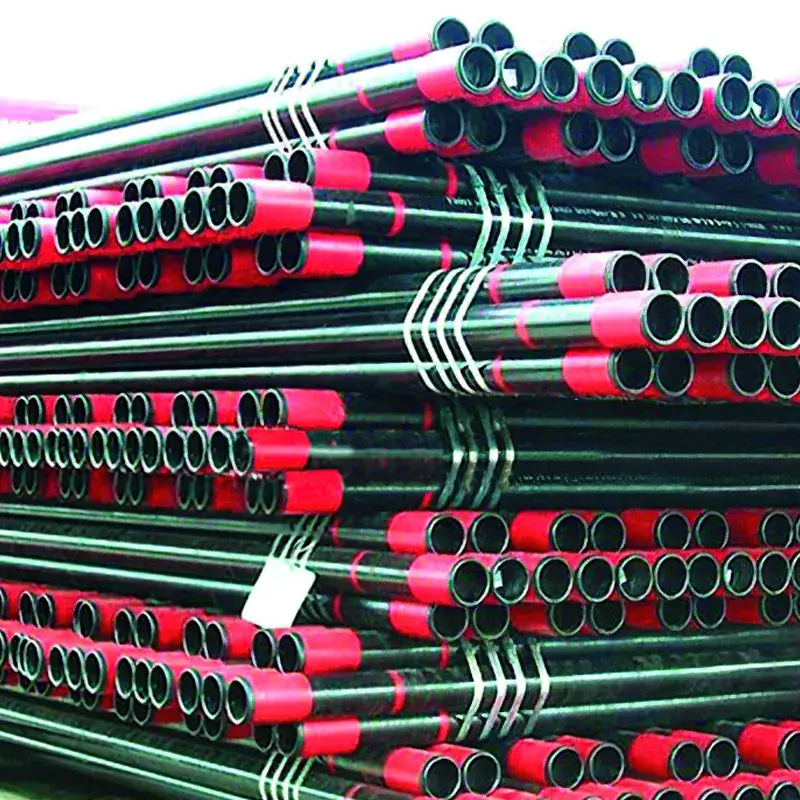
In simple terms, ASTM A53 is a standard specification from ASTM International that outlines the requirements for carbon steel pipe. This pipe is typically used for conveying fluids and is suitable for structural as well as pressure purposes. The “PDF” part simply means it’s available as a downloadable document outlining the full technical details.
ASTM A53 pipes are usually seamless or welded, made with mild carbon steel, and categorized for different grades (A and B) based on mechanical properties. This spec has wide industrial acceptance, proving indispensable for projects needing durable, reliable steel pipes — like pipelines, scaffolding, and even low-pressure liquid transport.
Mini takeaway:
Think of ASTM A53 as an industry-approved recipe book for steel pipes — ensuring everyone bakes their pipes just right.
Key Components That Define ASTM A53 Pipe Quality
1. Durability
Pipes under this specification must withstand varying pressures, resist wear, and avoid corrosion that could endanger structures or systems. Engineers often praise the balanced strength-to-weight ratio these pipes maintain, making them reliable yet not overly costly.
2. Dimensional Accuracy
Consistency in outer diameter, wall thickness, and length matters a lot, especially in projects requiring nesting or precise fittings. ASTM A53 tightly controls these parameters, reducing risk during installation and operation.
3. Material Grades
ASTM A53 specifies two grades: Grade A (lower tensile strength) and Grade B (higher tensile strength). This flexibility means users can select suitable pipes based on stress demands.
4. Manufacturing Method
Seamless and welded options exist — both meeting ASTM specs but with different use cases. Seamless pipes are great for high-pressure systems, while welded pipes work well for general structural needs.
5. Testing and Inspection
The specification also mandates rigorous hydrostatic and nondestructive testing to ensure pipe integrity — a necessity in safety-critical applications.
Mini takeaway:
These components combined make ASTM A53 pipes an engineer’s trusted choice — not just by tradition, but because they tick all the boxes needed for reliability.
Real-World Applications: Where ASTM A53 Pipes Make a Difference
- Oil & Gas Pipelines: Used extensively for transporting hydrocarbons in refineries and distribution networks.
- Water and Gas Supply: Municipal projects across Europe and Asia rely on ASTM A53 pipes for their robustness.
- Construction Industry: Scaffolding, structural supports, and fencing components employ these pipes for strength and safety.
- Manufacturing Plants: Conduits for compressed air, steam, and other fluids.
Oddly enough, even in remote disaster relief and development projects, ASTM A53 pipes are sometimes selected because they are easy to procure and install quickly — critical when lives depend on rapidly restored infrastructure.
Mini takeaway:
The versatility of ASTM A53 pipes means they quietly underpin everything from skyscrapers in Dubai to water systems rebuilding after floods in South Asia.
A Closer Look: ASTM A53 Pipe Specifications Table
| Specification | Grade A | Grade B |
|---|---|---|
| Tensile Strength (MPa) | 310 (min) | 415 (min) |
| Yield Strength (MPa) | 205 (min) | 240 (min) |
| Max Carbon Content (%) | 0.25 | 0.30 |
| Pipe Types | Seamless, Electric-Resistance Welded | Seamless, Electric-Resistance Welded |
| Usage | Low-pressure, structural | Higher-pressure and mechanical applications |
Comparing ASTM A53 Pipe Suppliers: What to Look For
| Supplier | Compliance Certification | Price Range (USD per meter) | Lead Time | Key Strength |
|---|---|---|---|---|
| SteelPro Inc. | ISO 9001, ASTM Certified | $4.50 - $6.00 | 2-3 weeks | Excellent quality control |
| Global Pipe Solutions | ASTM Certified | $3.80 - $5.20 | 3-4 weeks | Competitive pricing |
| Nationwide Steel | ISO 14001, ASTM Certified | $4.20 - $5.50 | 1-2 weeks | Fast delivery and eco-conscious |
The Advantages and Long-Term Value of ASTM A53 Pipes
You could say the biggest asset of ASTM A53 pipes is trust. This trust is built from years of consistent performance, extensive quality testing, and broad acceptance. Projects benefit through:
- Cost Efficiency: Reduced need for repairs and replacements.
- Safety: Minimized risk of pipeline failure or leaks that can cause environmental harm.
- Sustainability: The specification encourages the use of recyclable materials and longer-lasting pipes.
- Innovation Encouragement: As ASTM updates the spec to reflect new tech and materials, users get continuous improvements.
For engineers and project managers, it also offers peace of mind — knowing that they are using pipes engineered to a widely recognized set of criteria.
Looking Ahead: Future Trends in ASTM A53 Pipe Specifications
What’s next? The ongoing push for greener materials means ASTM A53 specs may soon integrate higher percentages of recycled steel or alternative alloy elements to reduce carbon footprint.
Digital transformation influences the supply chain — more suppliers provide real-time certification data, IoT-enabled pipes, or automated compliance reporting. It’s a transformation that not only makes procurement smoother but also increases accountability and traceability.
Automation in testing and manufacturing means tighter tolerances and fewer defects, further boosting reliability in critical applications.
Challenges and Strategies for Effective Use
Of course, no standard is perfect. Implementation challenges include:
- Inconsistent quality in lower-tier suppliers.
- Difficulties in verifying certification authenticity.
- Supply chain delays due to global disruptions.
Solutions involve embracing accredited vendors, demanding up-to-date astm a53 pipe specifications pdf documents for reference, and investing in quality audits — no shortcuts here.
FAQ: Common Questions on ASTM A53 Pipe Specifications PDF
Q1: What are the main differences between Grade A and Grade B ASTM A53 pipes?
Grade A pipes have slightly lower tensile and yield strength compared to Grade B. They are typically used in lower-pressure or structural applications, while Grade B suits higher-pressure mechanical purposes where greater strength is needed.
Q2: Can ASTM A53 pipes be used for underground pipelines?
Yes, ASTM A53 pipes are often used underground for water, gas, or oil pipelines, especially where moderate pressure is expected. However, additional corrosion protection may be necessary depending on soil conditions.
Q3: How do I verify that the ASTM A53 pipe supplier is authentic and compliant?
Request the latest astm a53 pipe specifications pdf documentation from the vendor, certifications like ISO 9001 or ASTM, and third-party inspection reports. Partnering with recognized suppliers and performing your own quality audits helps ensure authenticity.
Q4: Is there a digital version of ASTM A53 pipe standards that I can freely access?
ASTM standards generally require purchase, but many industry sites provide summaries or partial PDFs. Official ASTM International website or authorized distributors are the safest sources for full digital copies.
Q5: How does ASTM A53 pipe specification compare to other international standards?
ASTM A53 is comparable to standards like EN 10255 or API 5L, but differences exist in testing methods, dimension tolerances, and material grades. It’s vital to align pipe specs with project location and regulatory requirements.
Wrapping Up: Why This Specification Remains a Cornerstone
If you take nothing else from this, let it be that the astm a53 pipe specifications pdf is more than paper — it’s a guarantee of safety, quality, and performance across countless applications and geographies. For project managers, engineers, and procurement teams, mastering this spec can mean smoother projects, safer operations, and ultimately a product you (and your stakeholders) can trust.
Curious to explore more? Visit our website to download the latest astm a53 pipe specifications pdf and get insights tailored to your industry.
References:
- Wikipedia - Pipe (fluid conveyance)
- International Organization for Standardization (ISO)
- International Energy Agency (IEA) Statistical Data
Post time: Dec . 01, 2025 22:35
 English
  Arabic
  Bengali
  China
China  French
  German
  Hausa
Hausa  Indonesian
  Italian
  Japanese
  Javanese
  Malay
Malay  Persian
  Portuguese
  Punjabi
  Russian
  Spanish
  Swahili
  Telugu
  Vietnamese