

Understanding the Importance of the 8 Inch Metal Pipe in Global Industry
Let’s face it: metal pipes might not be the flashiest topic in the world, but when you start digging into something like the 8 inch metal pipe, their importance suddenly becomes crystal clear. These pipes are not just bits of steel tubing; they're vital components underpinning everything from water supply to oil transport and industrial infrastructure. Globally, where the demand for durable and scalable material solutions surges, grasping what an 8 inch metal pipe brings to the table can be a game changer. Think about it — these pipes serve as the arteries of cities, industries, and critical projects. So, why does size matter here? Because an 8 inch diameter hits a sweet spot: big enough to carry substantial volumes of fluid or gas, yet manageable enough in many engineering and logistical scenarios.
Global Context: Why 8 Inch Metal Pipes Matter More Than Ever
Worldwide infrastructure projects have been booming — the UN reports that over 4 billion people live in urban areas now, with this number growing yearly. That means pipelines and conduits must stretch further, carry more, and endure harsher conditions. Based on ISO standards for pipe manufacturing, the 8 inch metal pipe is recognized for its versatility and balance between flow capacity and installation feasibility. But the challenge is real: how do you maintain durability while optimizing cost and adapting to sometimes extreme environmental factors? These pipes are frequently the “sweet spot” size for oil and gas networks, water treatment plants, and various industrial conveyance systems, especially in regions like North America, Europe, and rapidly developing Asia-Pacific zones.
Mini takeaway: In a nutshell, the 8 inch metal pipe is the unsung hero bridging resource management and engineering efficiency on a global scale.
What Exactly Is an 8 Inch Metal Pipe?
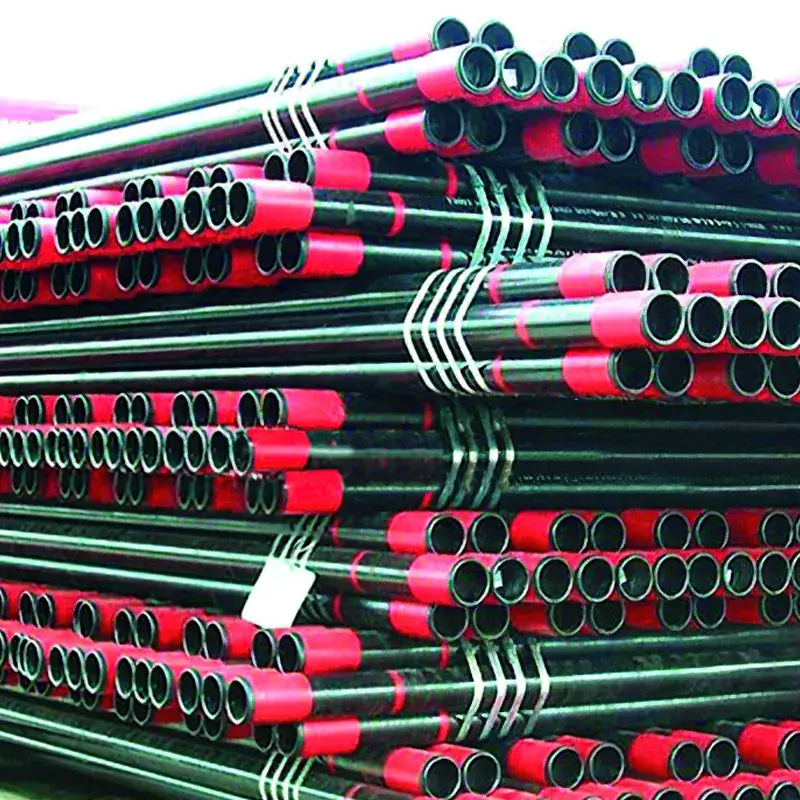
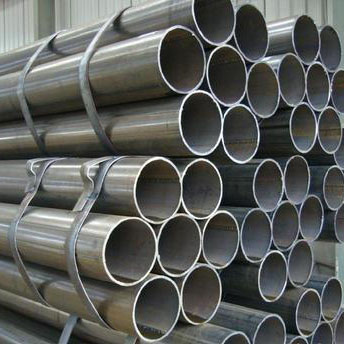
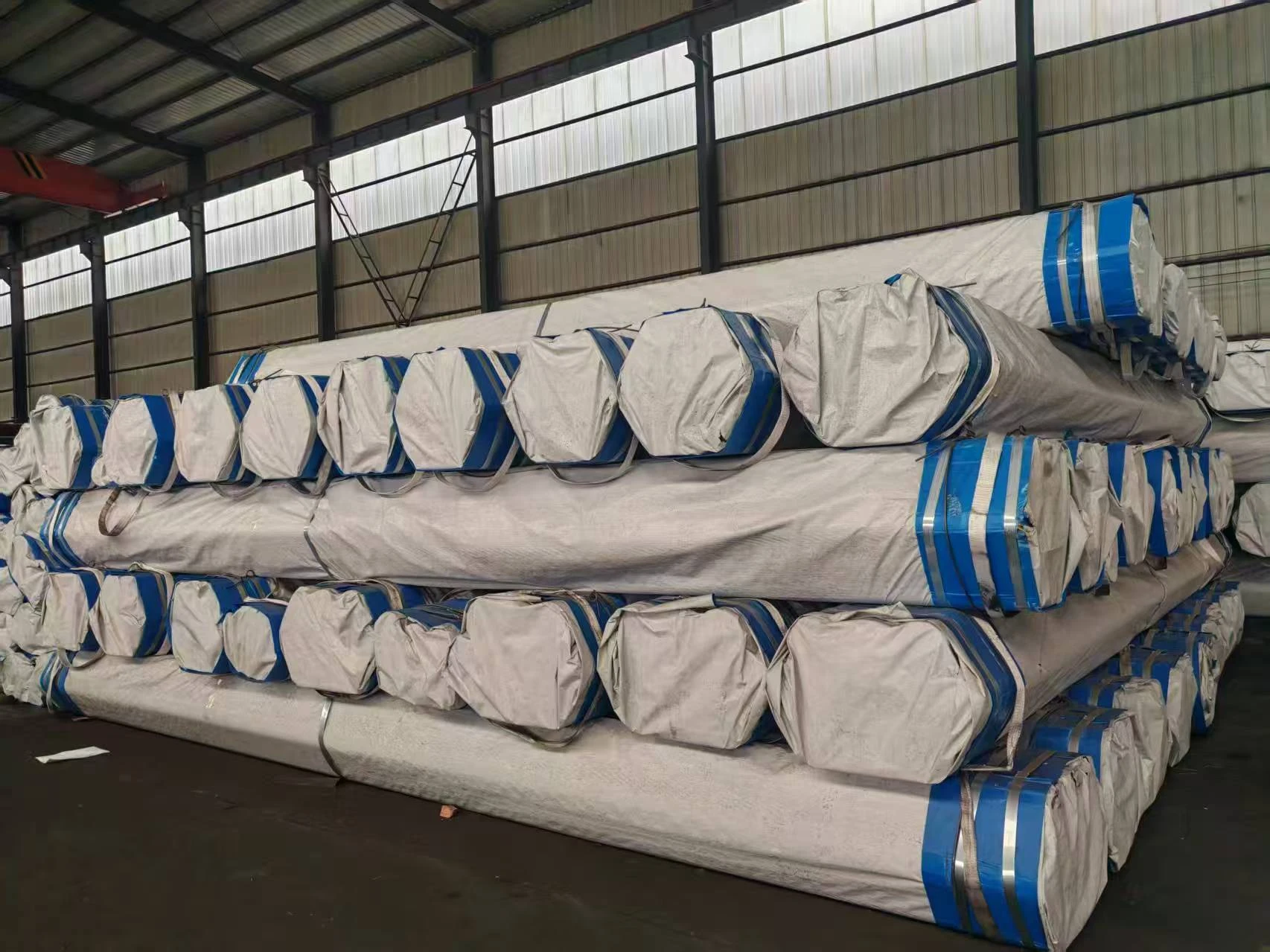
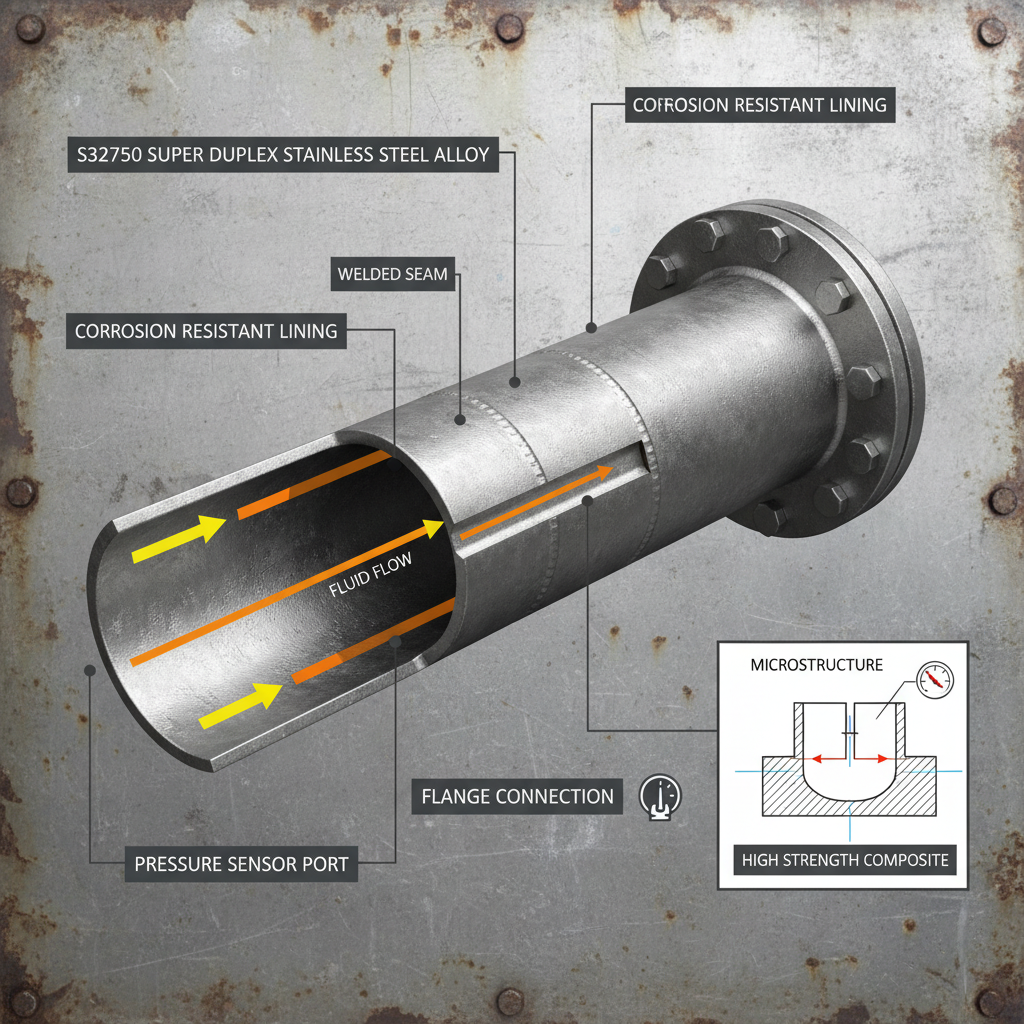
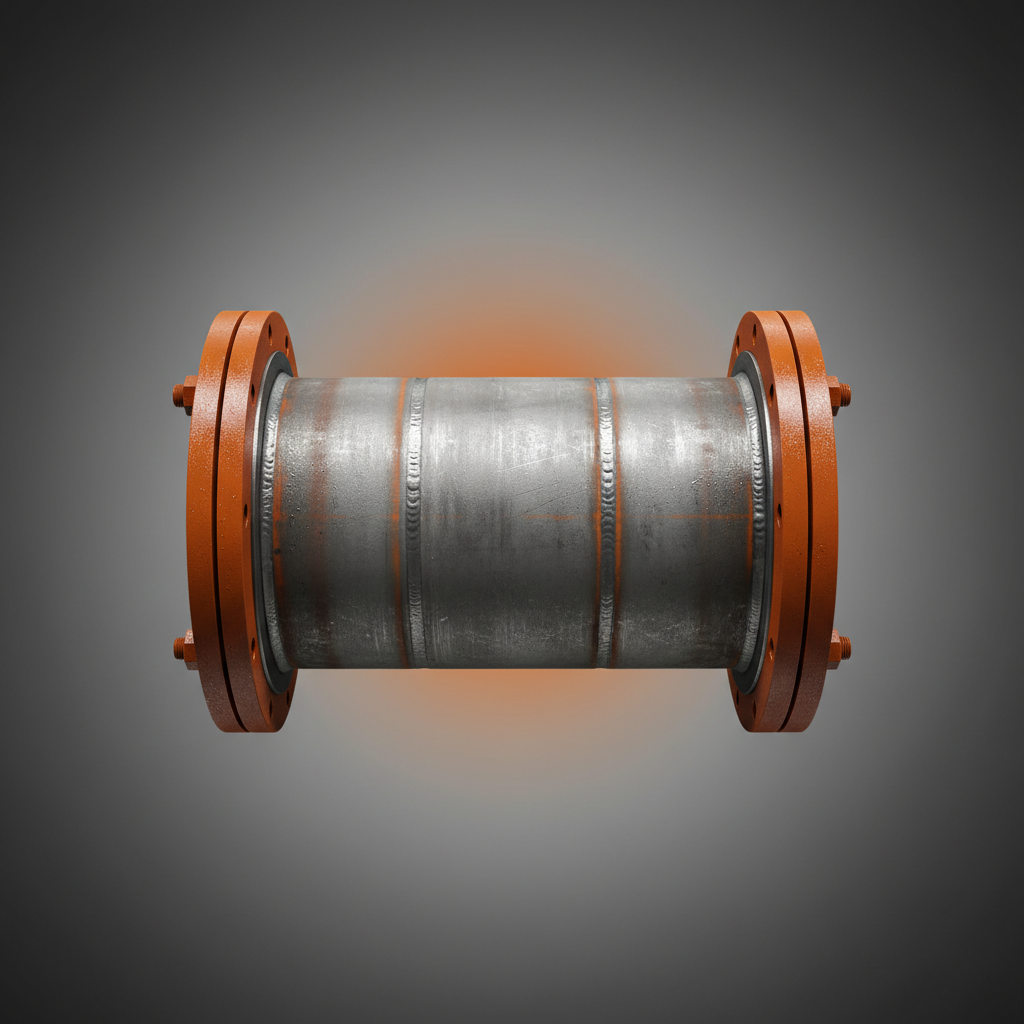
At its core, an 8 inch metal pipe is simply a cylindrical metal tube with an approximate 8-inch inner or outer diameter, though standards vary based on wall thickness and intended use. Most commonly fabricated from carbon steel, stainless steel, or alloy sheets, these pipes adhere to strict engineering standards to deliver strength, corrosion resistance, and longevity.
These pipes are the backbone for piping networks that move liquids or gases — think oil drilling rigs, chemical plants, or even city water mains. Oddly enough, these pipes also find roles in humanitarian aid and disaster relief, where rapid installation of durable water and fuel lines can save lives. Their size makes them optimal: not too large and unwieldy for transport, but big enough for significant flow.
Key Features That Set 8 Inch Metal Pipes Apart
Durability & Material Strength
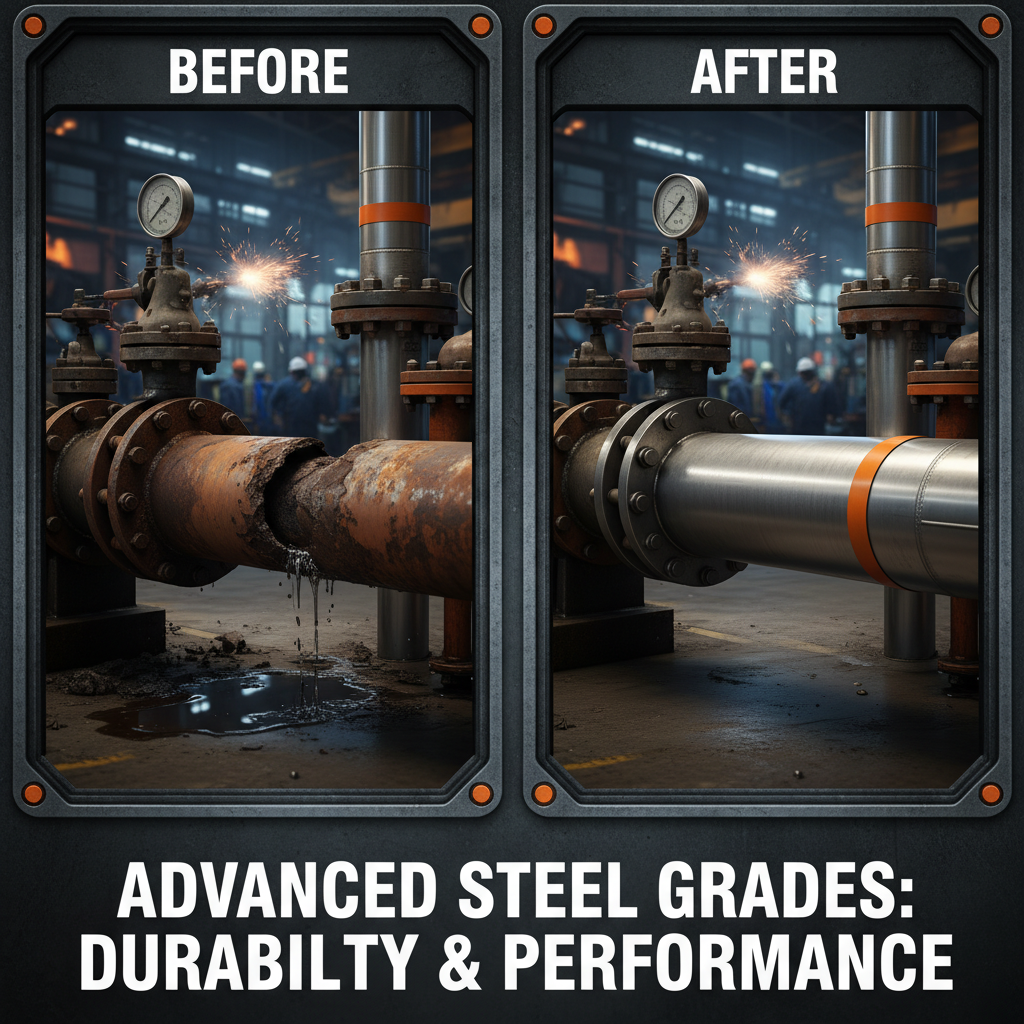
Many engineers swear by carbon steel’s tensile strength combined with corrosion-resistant coatings to endure harsh environments — salty sea air, industrial pollutants, or freezing temperatures. It's like they’re engineered to withstand decades of abuse without losing integrity.
Scalability & Modular Sizing
The 8 inch diameter fits neatly into modular pipeline designs. Companies often link these pipes in networks that can scale up or down based on industrial demand. It’s a bit like building blocks for fluid transport systems.
Cost Efficiency
Compared to larger diameter pipes, 8 inch variants strike a fair balance between raw material usage and utility. Installation costs, welding labor, and requisite heavy machinery are usually more affordable than with their bigger siblings.
Versatility Across Industries
From transporting natural gas to wastewater treatment, these pipes have proved themselves adaptable. They've become standard issue parts in infrastructure kits that span continents.
Compliance with International Standards
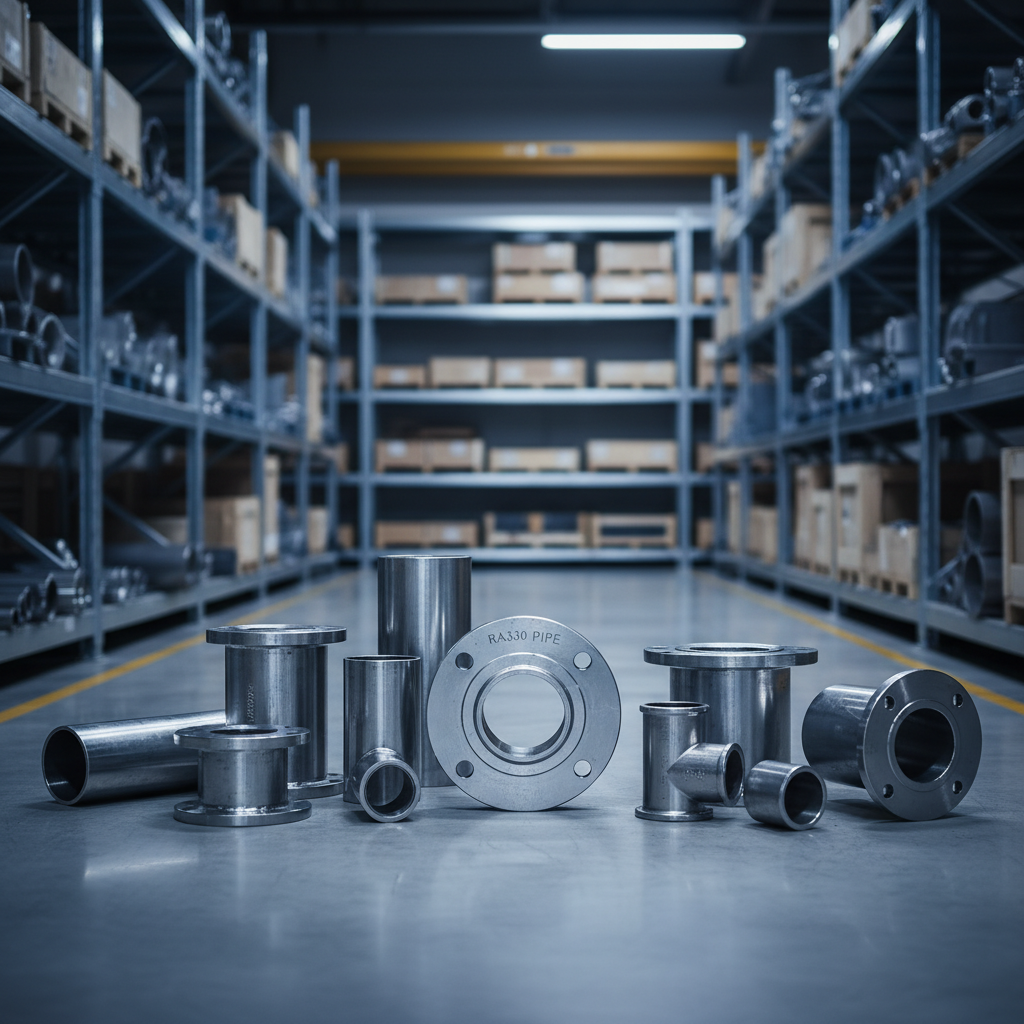
ISO and ASTM certifications guide pipe manufacturing, ensuring performance consistency worldwide. With numerous suppliers meeting these, it’s easier than ever to order confidently.
Mini takeaway: In effect, the 8 inch metal pipe isn’t just a piece of tubing — it embodies durability, economy, and adaptive design. Pretty neat, right?
Where Do You See 8 Inch Metal Pipes Around the World?
This pipe sized marvel is everywhere — but here are some prime hotspots:
- Oil & Gas Extraction: Offshore rigs in the Gulf of Mexico and pipelines across Russia’s Siberian tundra depend on these pipes to safely shuttle crude under tough conditions.
- Municipal Water Networks: Cities in Europe and North America favor 8 inch pipes for potable water distribution—large enough to meet demand without being overly cumbersome.
- Mining & Industrial: In Australia and South Africa, they move slurry and wastewater, withstanding abrasive materials continuously.
- Disaster Relief Operations: NGOs use portable, modular 8 inch systems to rebuild water infrastructure quickly after floods or earthquakes.
Mini takeaway: The variety of real-world deployments assures that 8 inch metal pipes are highly trusted across very different landscapes and sectors.
Advantages & Why They Matter in the Long Run
- Economical: Lower production and installation costs versus oversized alternatives.
- Sustainability: Longer service life means fewer replacements, reducing resource waste.
- Reliability: Tested, certified quality ensures minimal leaks and failures.
- Safety: Properly rated pipes reduce contamination risk and protect communities.
- Innovation-Friendly: Compatible with smart monitoring devices for predictive maintenance.
These tangible gains translate to peace of mind for engineers and stakeholders alike — not to mention public safety benefits.
Product Specification Table for a Typical 8 Inch Metal Pipe
| Specification | Details |
|---|---|
| Outer Diameter | 8.625 inches (nominal) |
| Wall Thickness | Varies; typically 0.280 in (Schedule 40) |
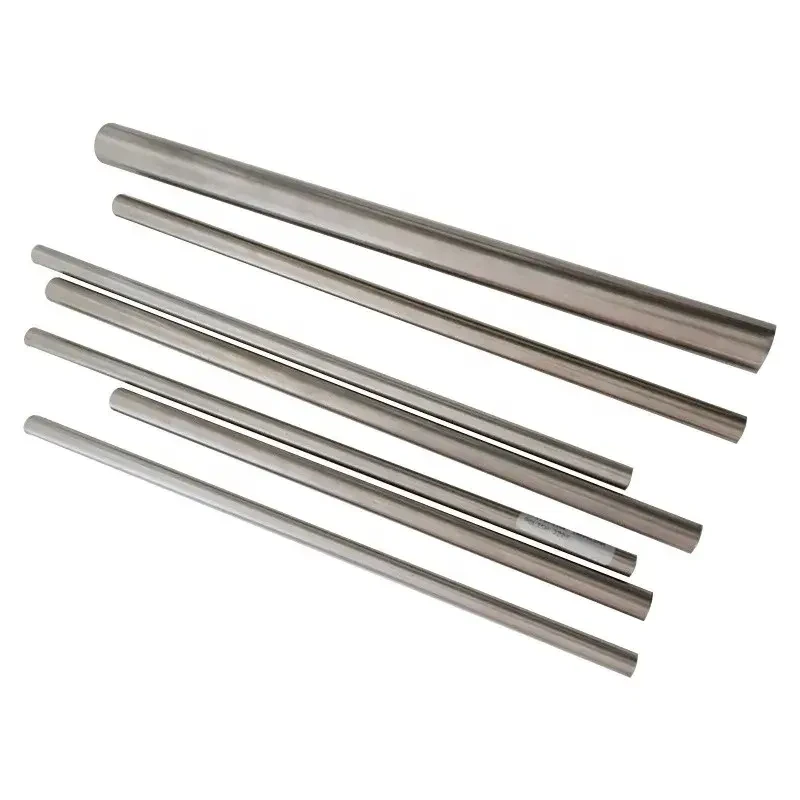
| Material | Carbon Steel (ASTM A106 Grade B) / Stainless Steel |
| Length | Standard 20 ft, customizable |
| Pressure Rating | Up to 600 psi (depends on thickness and grade) |
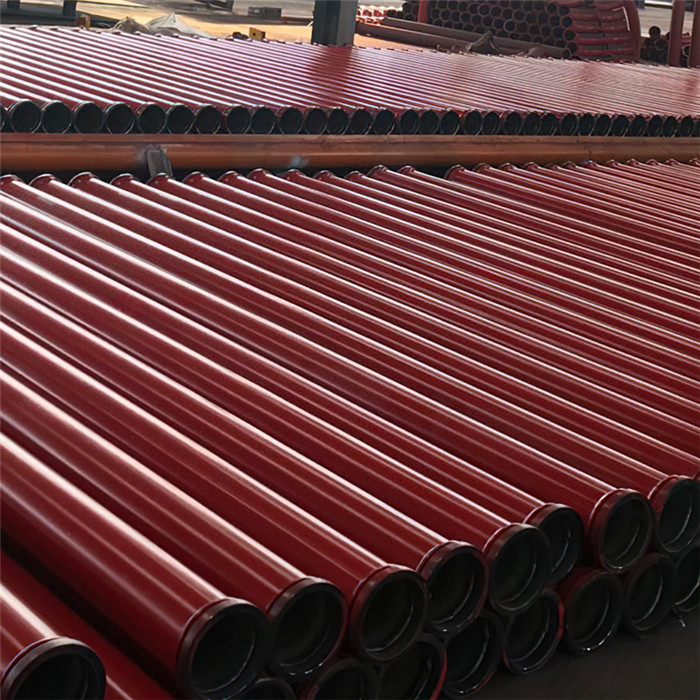
| Coating | Epoxy or zinc-based anti-corrosion coatings |
Comparing Top Vendors for 8 Inch Metal Pipes
| Vendor | Product Range | Pricing Scale | Lead Time | Global Reach | Certifications |
|---|---|---|---|---|---|
| SteelWorks Inc. | Carbon & Stainless Steel | Mid-Range | 3-4 weeks | North America, Europe | ISO 9001, ASTM |
| GlobalPipe Ltd. | Wide Alloy Options | Premium | 4-6 weeks | Worldwide | ISO, API 5L, ASTM |
| MetroSteel Suppliers | Standard Grades Only | Budget | 2-3 weeks | Asia, Europe | ISO 9001 |
Peeking Ahead: Future Trends in 8 Inch Metal Pipe Use
Digital transformation is slowly creeping into piping—smart sensors embedded directly into pipes for real-time monitoring. Imagine a pipeline that alerts you instantly about corrosion or pressure dips. Coupled with green energy pushes, manufacturers are experimenting with eco-friendly coatings and alloy blends to lower carbon footprints. Automation in welding and inspection, plus modular “plug-and-play” joint designs, might soon make installation faster and less error-prone.
Challenges and Smart Fixes
Of course, it’s not all smooth sailing. Fluctuating raw steel prices can pinch budgets. Field conditions—especially in remote areas—challenge pipe maintenance, and corrosion remains a persistent adversary despite coatings. The good news? New composite liners, advanced cathodic protection, and digital inspection drones are helping tackle these issues effectively.
FAQ: Quick Answers on 8 Inch Metal Pipes
- Q: What pressure can an 8 inch metal pipe typically handle?
A: It depends on the grade and wall thickness, but Schedule 40 pipes often withstand pressures up to 600 psi. Always check manufacturer specs for your exact scenario. - Q: How do I choose between carbon steel and stainless steel for 8 inch pipes?
A: Carbon steel is great for general use due to strength and low cost, but stainless steel resists corrosion better, especially in chemically aggressive or marine environments. - Q: Are these pipes compatible with standard fittings?
A: Yes, 8 inch metal pipes follow industry sizing standards (e.g., ASTM, ANSI), so there is wide compatibility for weld-on or threaded fittings. - Q: What's the lead time for custom 8 inch metal pipe orders?
A: Usually 3–6 weeks depending on specifications and supplier location. Bulk orders or custom alloy requests may extend that timeline.
The Long Road to Reliable Solutions
Honestly, the right 8 inch metal pipe solution often boils down to matching application needs with quality standards, budget, and logistical realities. After all, a pipeline isn’t just a pipe—it’s a lifeline for countless communities and industries. So, whether you’re rebuilding infrastructure or scaling up a network, the right pipe can make all the difference, both now and decades from now.
If you want a deep dive into the specs or help sourcing quality pipes, consider visiting our website for experts who know pipes from the ground up.
References
Post time: Nov . 27, 2025 01:55
 English
  Arabic
  Bengali
  China
China  French
  German
  Hausa
Hausa  Indonesian
  Italian
  Japanese
  Javanese
  Malay
Malay  Persian
  Portuguese
  Punjabi
  Russian
  Spanish
  Swahili
  Telugu
  Vietnamese