

Understanding the Importance of 8 Metal Pipe in Global Infrastructure
When you first hear “8 metal pipe,” it might sound pretty straightforward — just another pipe size, right? But these metal pipes are quietly the backbone of countless industries and infrastructure projects worldwide. They deliver everything from water to natural gas, help construct buildings and bridges, and even play a part in renewable energy systems. With so much riding on them, understanding what makes an 8 metal pipe special (or simply necessary) isn't just for engineers and architects; it's for anyone interested in how our modern world stays connected.
Globally, demand for metal piping systems has soared. Reports from the International Organization for Standardization (ISO) indicate that steel pipe production has grown nearly 5% annually over the last decade, driven by expanding urban areas and industrial growth in Asia, Africa, and South America (Wikipedia: Steel pipe). Yet there are challenges: fluctuating raw material costs, supply chain disruptions, and mounting environmental regulations add layers of complexity to what might otherwise feel like a simple product choice.
What Exactly Is an 8 Metal Pipe?
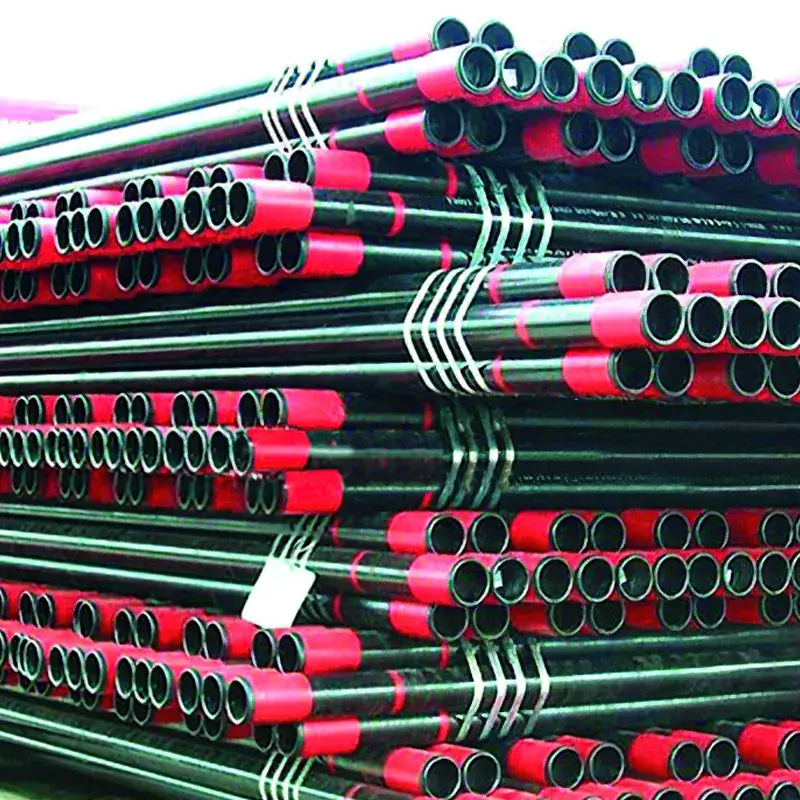
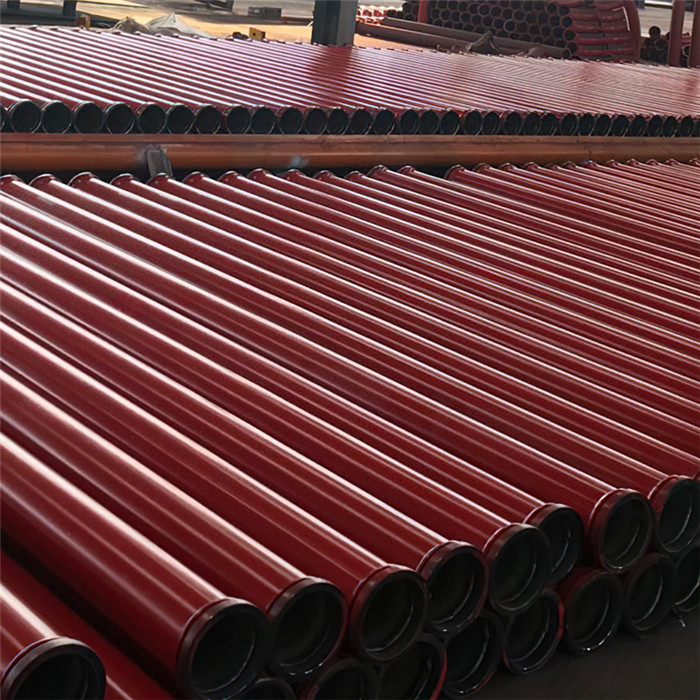
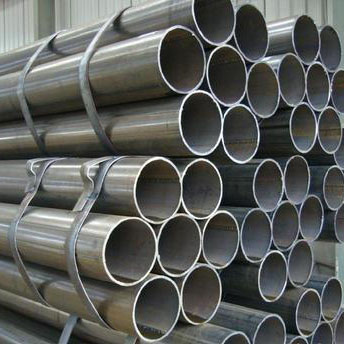
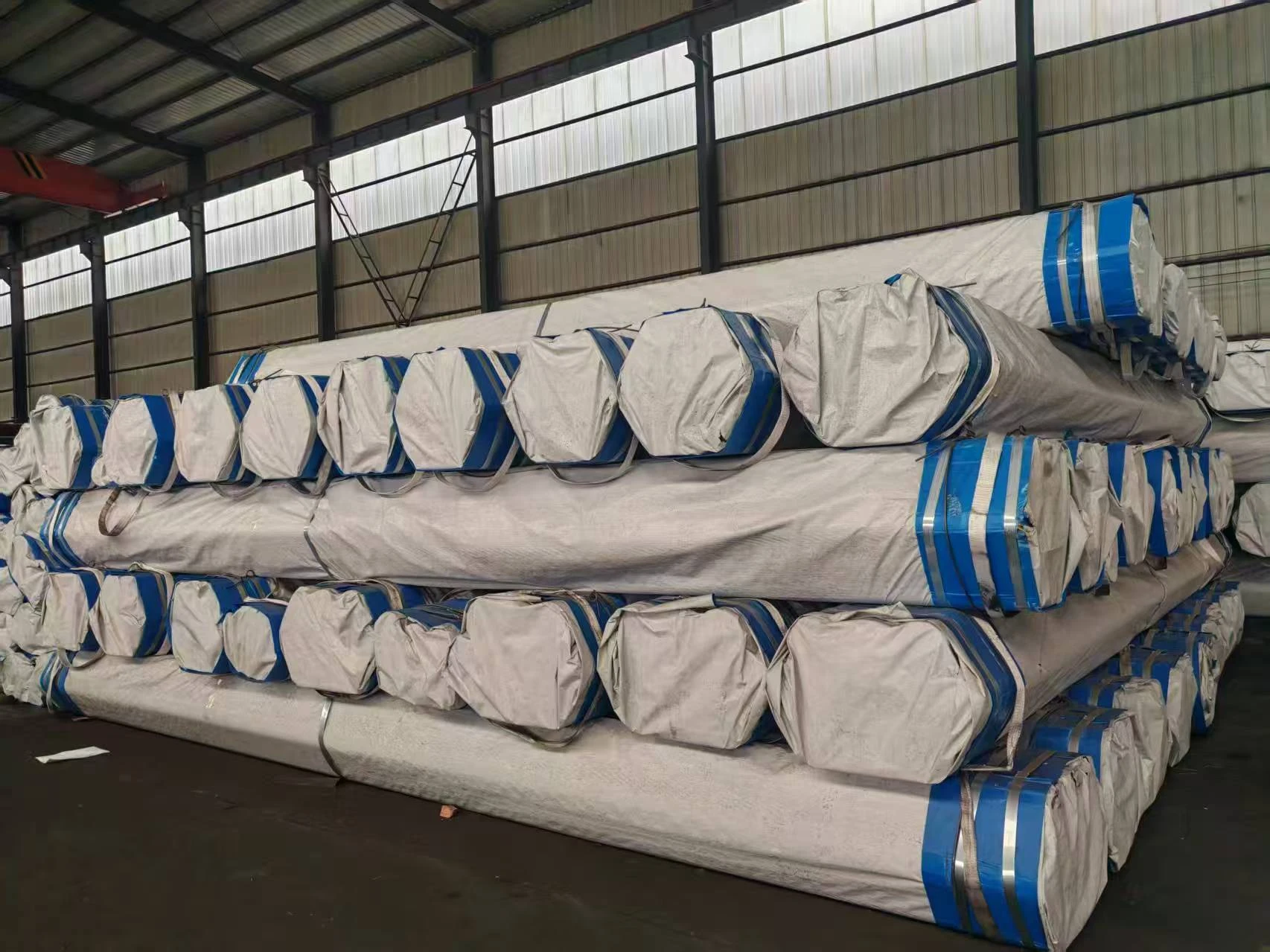
So, let’s break it down: an 8 metal pipe generally refers to a metal pipe with an 8-inch nominal diameter. Although “metal” can imply many materials, it most commonly means steel or alloy variants in this context. These pipes are used when a balance is needed between volume capacity and manageable size — too small, and you can’t handle the flow; too large, and logistics get tough. They connect systems, vessels, storage tanks, and even play a role in mobile setups used in humanitarian emergencies.
Nowadays, 8 metal pipe solutions are key for industries ranging from oil and gas to water treatment and infrastructure. Even relief efforts use modular metal piping for fast setup of sanitation or water distribution systems. In short, it’s a humble but critical component bridging invention and practical needs.
Key Attributes of 8 Metal Pipe
Durability and Strength
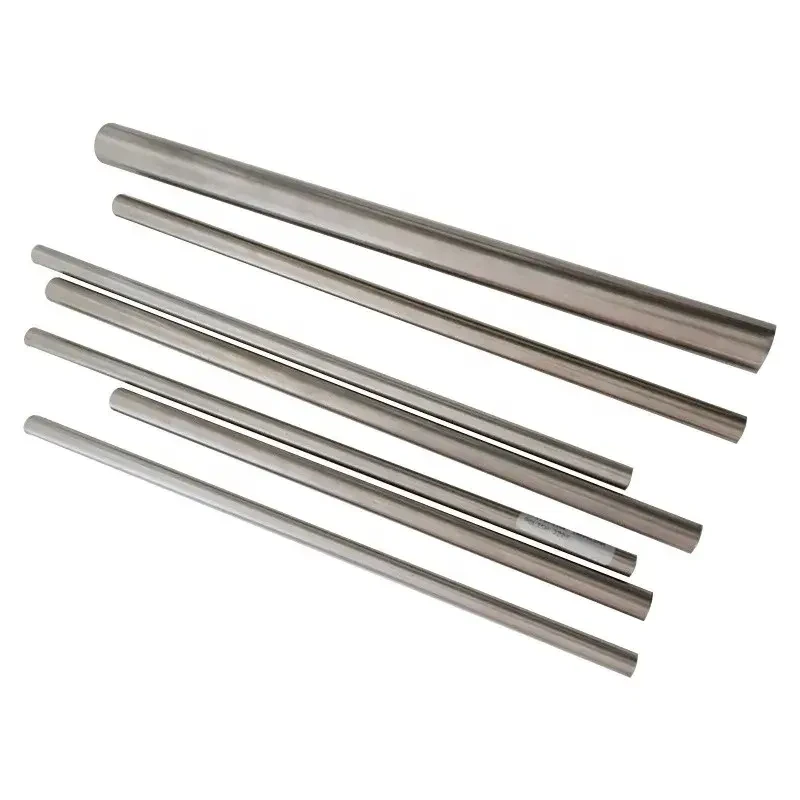
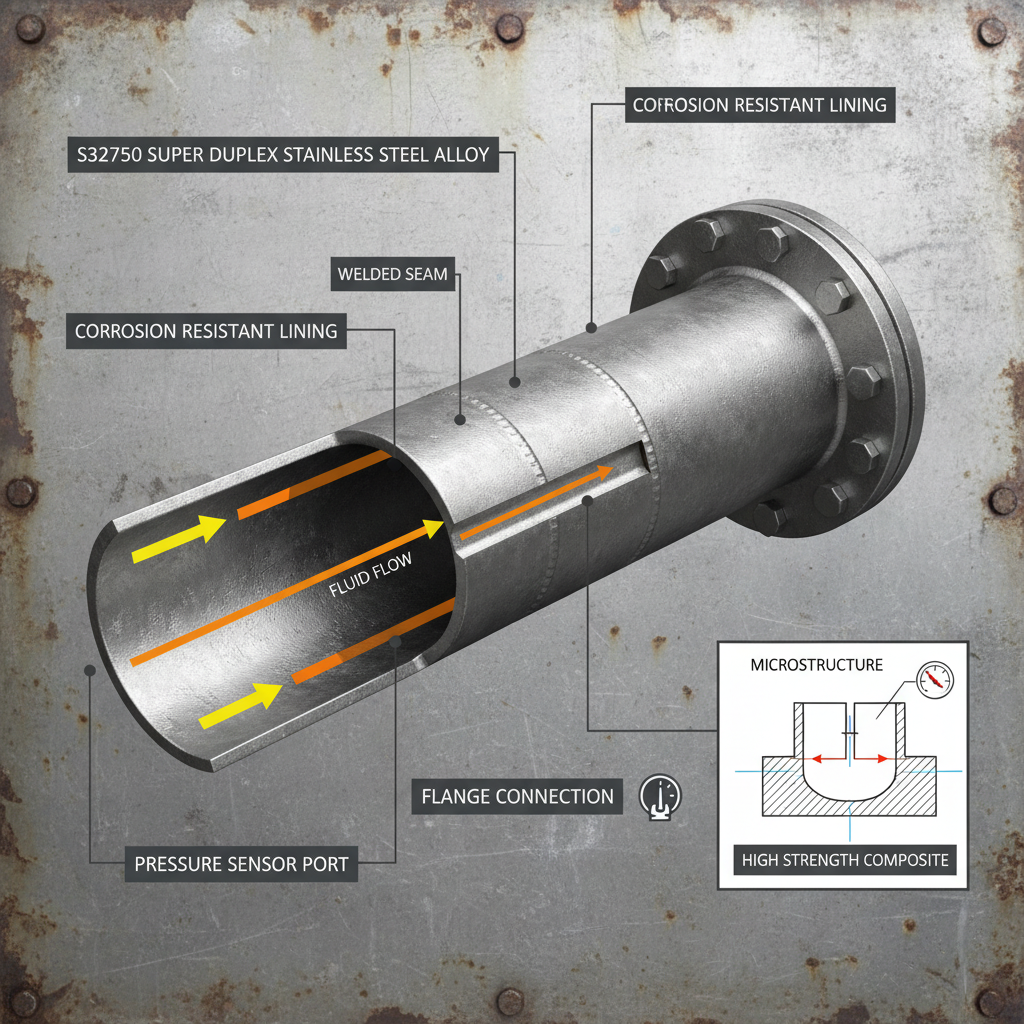
Manufactured usually from galvanized steel or stainless alloys, these pipes have a great resistance to corrosion, impact, and extreme temperatures. This durability means they can last decades underground or in harsh chemical settings — saving maintenance and replacement costs.
Standardized Dimensions & Scalability
The 8-inch diameter fits nicely into standard piping ecosystems, making it scalable and flexible. Adding sections or integrating with other pipe sizes generally requires minimal adaptation.
Cost Efficiency
Because it strikes a real middle ground in size, 8 metal pipes tend to deliver excellent cost efficiency. They’re cheaper per unit volume than smaller pipes and easier to install than very large-diameter tubes.
Compatibility
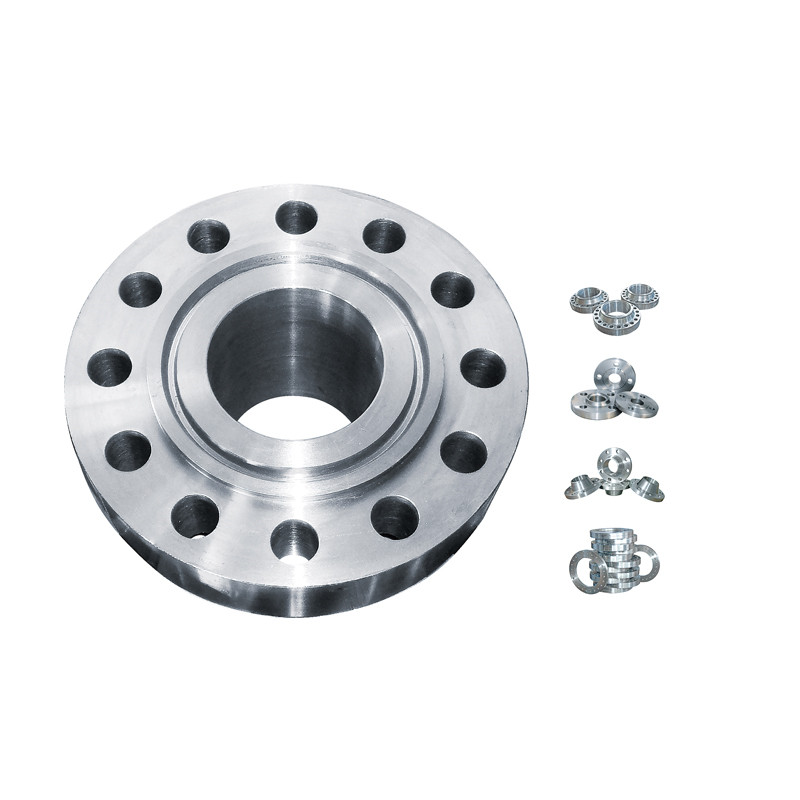
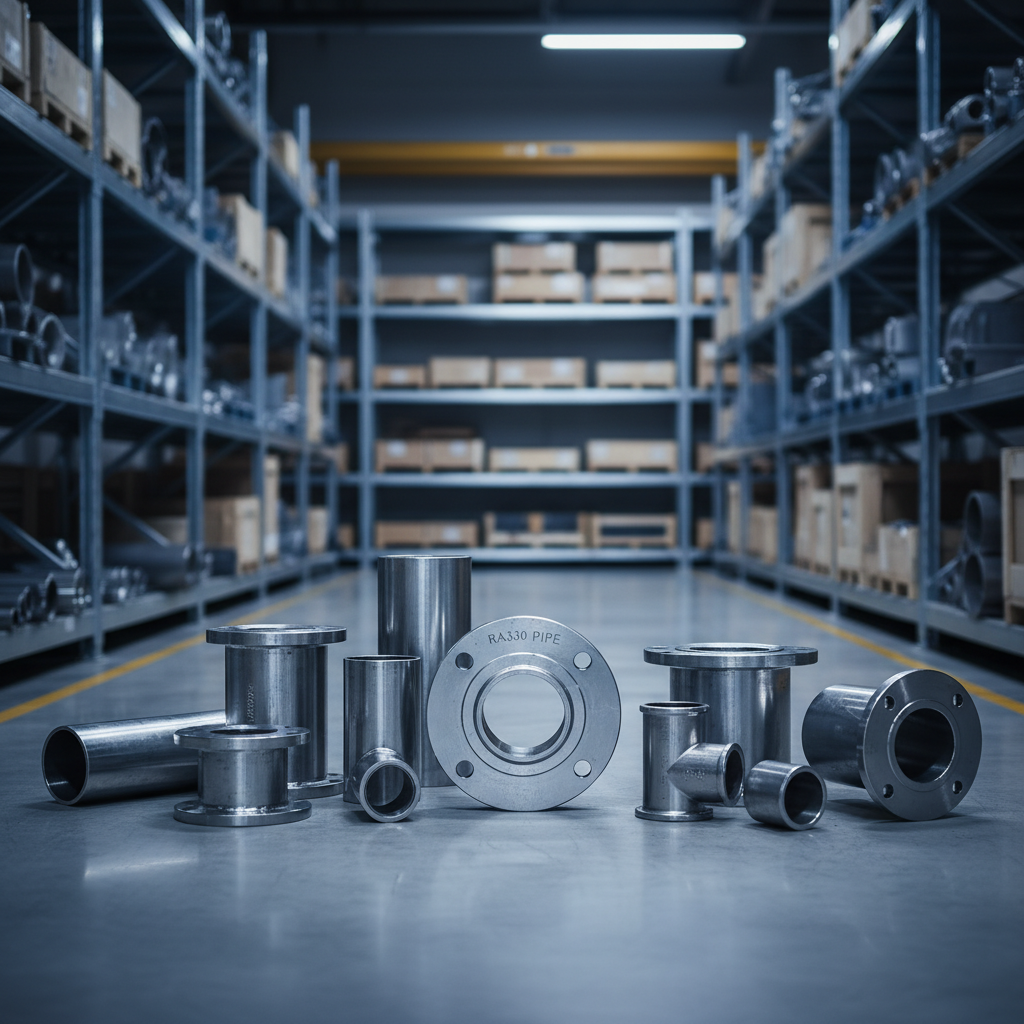
They’re widely compatible with common flange types, valves, and connectors — which accelerates project timelines and reduces complexities in the supply chain.
Mini takeaway:
- 8 metal pipes are specialized for balancing capacity, durability, and cost.
- They form essential parts of many industrial and humanitarian applications.
Global Applications and Real-World Use Cases
The applications of 8 metal pipes are as diverse as the world’s geography itself. For instance:
- In urban infrastructure: Water supply and sewage systems rely heavily on 8-inch metal pipes for efficient flow and reliability.
- Oil and Gas: Transporting refined gases or liquids often requires robust, pressure-tested 8-inch steel pipes owing to their scalability.
- Humanitarian relief: Non-profits use modular piping of this size for rapid deployment sanitation facilities after natural disasters.
- Renewable energy: Solar thermal plants often incorporate metal piping at this size to circulate heat-transfer fluids.
Oddly enough, many industrial sites in remote regions — like certain mining camps in Africa or South America — depend on the logistical ease of 8-inch pipes because they deliver optimal flow while being relatively lightweight and easier to transport than large-diameter pipes.
Mini takeaway:
- The global footprint of 8 metal pipes spans infrastructure, energy, and humanitarian aid.
- They provide a balance between functionality and ease of logistics in challenging environments.
Advantages & Long-Term Value of 8 Metal Pipe
When considering these pipes from an investment or operational standpoint, the tangible benefits exceed the usual “it just works” quality. Consider:
- Cost savings through durability and reduced maintenance.
- Sustainability: Many 8 metal pipes are fully recyclable at end of life, supporting circular economy goals.
- Safety and reliability: Reduced risk of leaks or breaks in critical infrastructure promotes public safety and trust.
- Innovation potential: New coatings and smart sensors are being integrated for predictive maintenance, which boosts uptime and lowers costs.
In real terms, choosing these pipes isn’t just about steel or metal — it’s about trust. Those running a municipal water plant or a pipeline need to believe their piping won’t falter come rain, storm, or political disruption.
Mini takeaway:
The value of 8 metal pipes stretches beyond physical materials — to social trust, innovation, and sustainability.
Product Specification Table
| Specification | Details |
|---|---|
| Nominal Diameter | 8 inches (203 mm) |
| Material | Carbon Steel, Stainless Steel, Galvanized Steel |
| Wall Thickness | Schedule 40 to Schedule 80 (varies by application) |
| Max Working Pressure | Up to 1500 psi (varies by pipe grade) |
| Typical Length | 6 meters (20 feet) |
| Coating Options | Epoxy, Polyurethane, Zinc Galvanization |
Vendor Comparison Table: Leading 8 Metal Pipe Suppliers
| Supplier | Material Range | Price per Meter | Lead Time | Global Shipping |
|---|---|---|---|---|
| GlobalSteel Inc. | Carbon, Galvanized | $45 | 2 weeks | Yes |
| SteelWorks Ltd. | Stainless, Carbon | $60 | 3 weeks | No |
| EcoPipe Solutions | Galvanized, Coated | $50 | 1 week | Yes |
Future Trends & Innovations in Metal Piping
Looking ahead, the 8 metal pipe arena is anything but static. Innovations around eco-friendly coatings, carbon footprint reduction, and smart sensing are reshaping what’s possible. For example, embedding IoT-based sensors directly into pipe walls is beginning to allow operators to monitor pressure, temperature, and corrosion in real-time. This predictive maintenance can save millions in downtime and emergency repairs.
From a materials side, new alloy blends with enhanced corrosion resistance are emerging, driven by environmental regulations and the push for longer-lasting infrastructure. Additionally, manufacturers are exploring digital twin modeling to simulate pipe network behavior under different environmental stresses before actual installation.
Mini takeaway:
- Smart sensors and IoT integration will make 8 metal pipes 'intelligent'.
- Eco-friendly materials and digital modeling promise greener, more efficient infrastructure.
Challenges & Solutions
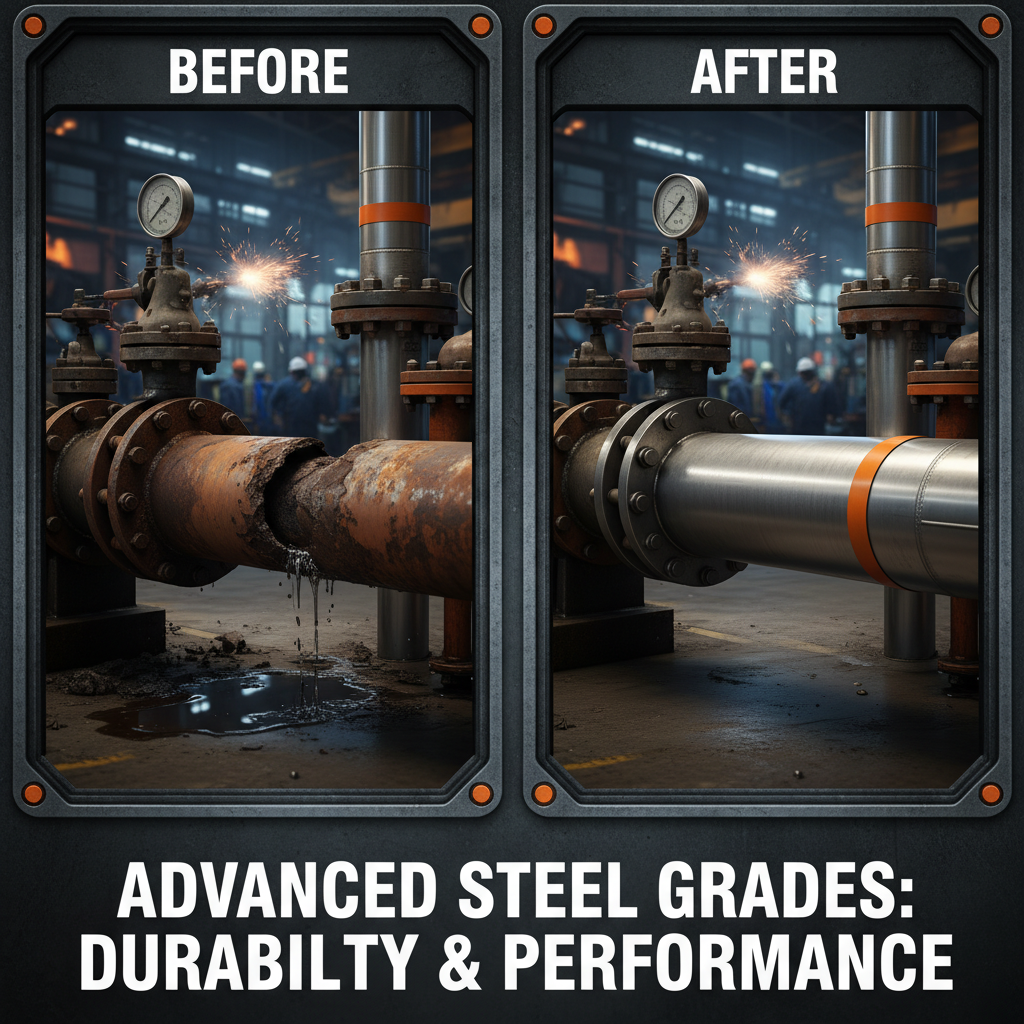
Despite these advantages, challenges remain. Metal pipes can suffer from corrosion over long periods, particularly in aggressive environments like salty sea air or chemical plants. Ordering lead times can stretch out in a volatile global market, creating delays. Plus, improper installation or maintenance inevitably leads to failures and costly repairs.
Addressing these means a combination of better materials (think advanced alloys or protective coatings), proper staff training, and leveraging digital monitoring tools. For example, specialized epoxy liners can drastically extend pipe life, while remote diagnostics can catch problems before they escalate. Many engineers say that “taking a proactive approach is key”— and it feels true.
Mini takeaway:
Challenges in corrosion and supply can be mitigated through new tech and smarter maintenance strategies.
FAQ: Your Practical Questions About 8 Metal Pipe
- Q: How long does an 8 metal pipe typically last in harsh environments?
A: With proper coatings and maintenance, these pipes can last 30 to 50 years. Corrosion protection and regular inspections are key to reaching this lifespan. - Q: Can 8 metal pipes be used in high-pressure applications?
A: Absolutely. Depending on the material grade and wall thickness (like Schedule 80), they can handle pressures up to 1500 psi or more. - Q: How does the supply chain affect project timelines involving 8 metal pipes?
A: Raw material availability and manufacturing lead times can vary, sometimes extending delivery weeks beyond expectations. Planning ahead and sourcing from reliable suppliers is crucial. - Q: Are there eco-friendly versions of 8 metal pipes?
A: Yes, manufacturers now offer pipes with recycled steel content and environmentally friendly coatings. They’re also fully recyclable after use. - Q: How do I integrate 8 metal pipes with existing plumbing or industrial systems?
A: The 8-inch size conforms to many standardized flange and connector types, making integration fairly straightforward, but using specialist installers guarantees optimal fit and safety.
Conclusion: Why 8 Metal Pipe Remains a Sound Investment
If there’s a takeaway from all this, it’s that these pipes punch way above their weight class. They offer an unbeatable combination of reliability, cost-effectiveness, and versatility that supports critical infrastructure worldwide. Whether you’re working in urban planning, energy, or relief efforts, understanding and choosing the right 8 metal pipe can make or break your project’s success.
Want to explore some leading suppliers or dive deeper into product specs? Visit our website: 8 metal pipe and discover practical solutions tailored for your needs.
References
Post time: Nov . 27, 2025 00:15
 English
  Arabic
  Bengali
  China
China  French
  German
  Hausa
Hausa  Indonesian
  Italian
  Japanese
  Javanese
  Malay
Malay  Persian
  Portuguese
  Punjabi
  Russian
  Spanish
  Swahili
  Telugu
  Vietnamese