

Understanding the 6mm Metal Pipe: A Small Diameter with Big Impact
The 6mm metal pipe might sound modest in size, but it plays a surprisingly vital role across multiple industries worldwide. Whether for constructing resilient infrastructure, delivering essential services, or supporting humanitarian efforts, understanding this seemingly simple component unlocks a world of benefits. Globally, metal pipes of this scale help maintain everything from water supply lines to vital manufacturing processes—making their quality and applications worthy of attention. So, why does a 6mm metal pipe matter, and how can knowing about it shape smarter investments in materials?
The Global Relevance of 6mm Metal Pipes
Metal pipes with a diameter of 6mm are globally significant in sectors like construction, manufacturing, and energy distribution. According to ISO standards and various industrial reports, small diameter pipes like these facilitate precision fluid transfer and structural support, especially where larger pipes would be cumbersome or inefficient. For instance, the 6mm metal pipe serves as a key resource in the plumbing and mechanical industries, where tight tolerances and durability are mandatory.
However, one challenge arises in balancing cost-efficiency with durability—especially in developing regions where infrastructure investments need to stretch farther without compromising safety. Overcoming this means choosing the right metal, manufacturing process, and design specifications for the pipe’s intended use. And in real terms, this small pipe is a line in the sand between failure and long-term service.
What Exactly Is a 6mm Metal Pipe?
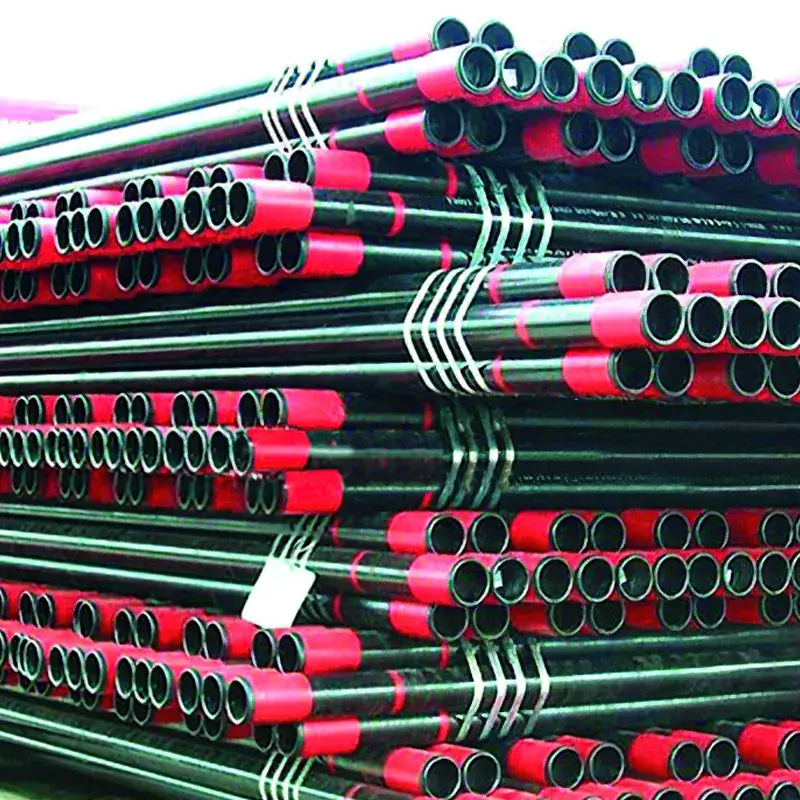
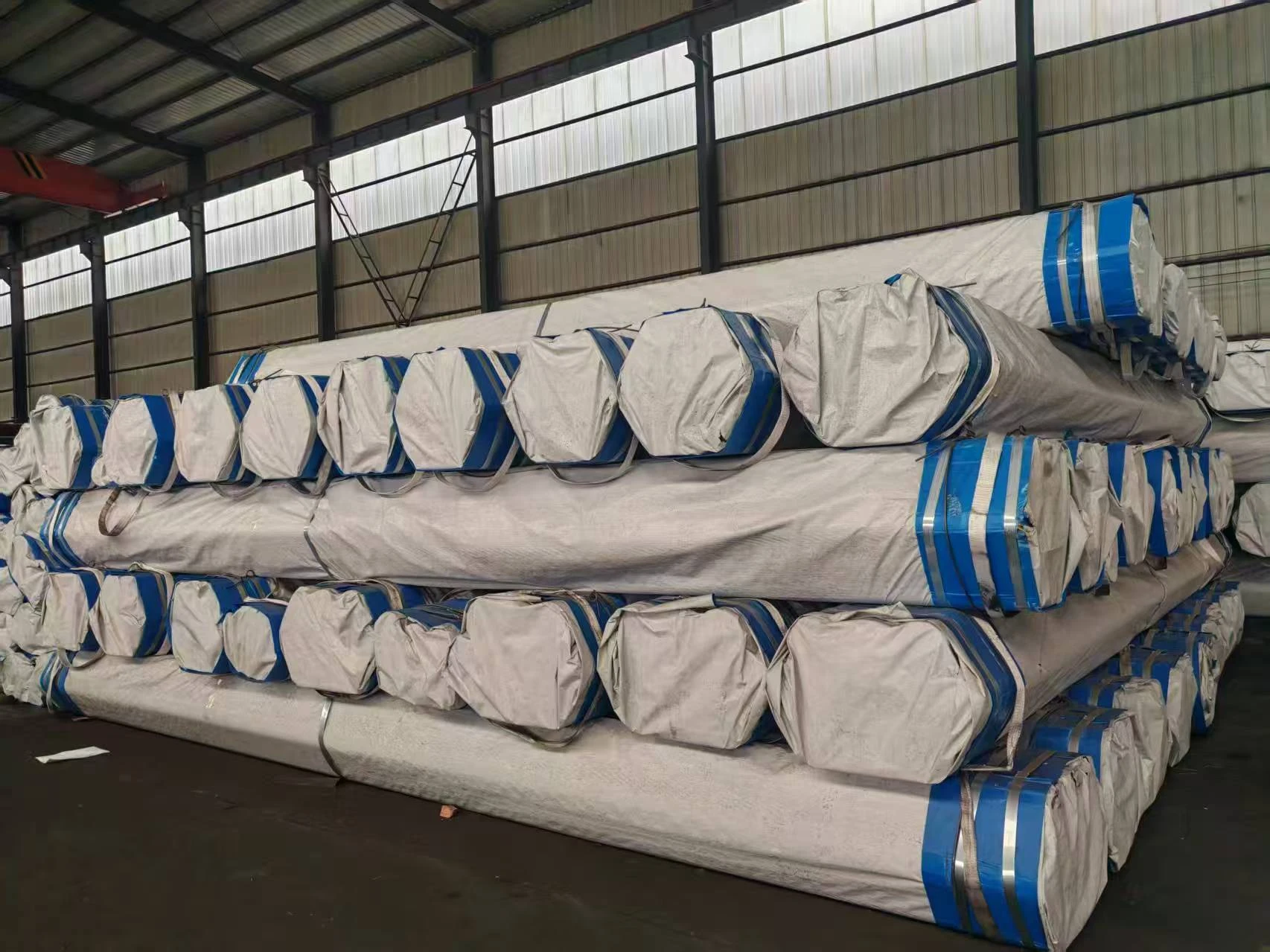
In technical terms, a 6mm metal pipe refers to a cylindrical tube made from metals like steel, stainless steel, or aluminum, with an external or internal diameter of approximately 6 millimeters. Used extensively in fluid transport, structural frameworks, and protective casings, these pipes are the unsung heroes of modern infrastructure.
Think of them as the veins that keep systems flowing—whether in industrial complexes, water distribution networks, or portable devices. Their modest size makes them ideal for fine, controlled applications where precision is key.
Mini takeaway:
Small diameter pipes, like the 6mm metal pipe, pack quite a practical punch, combining robust specs with broad industrial versatility.
Key Factors Behind the 6mm Metal Pipe’s Popularity
1. Durability and Strength
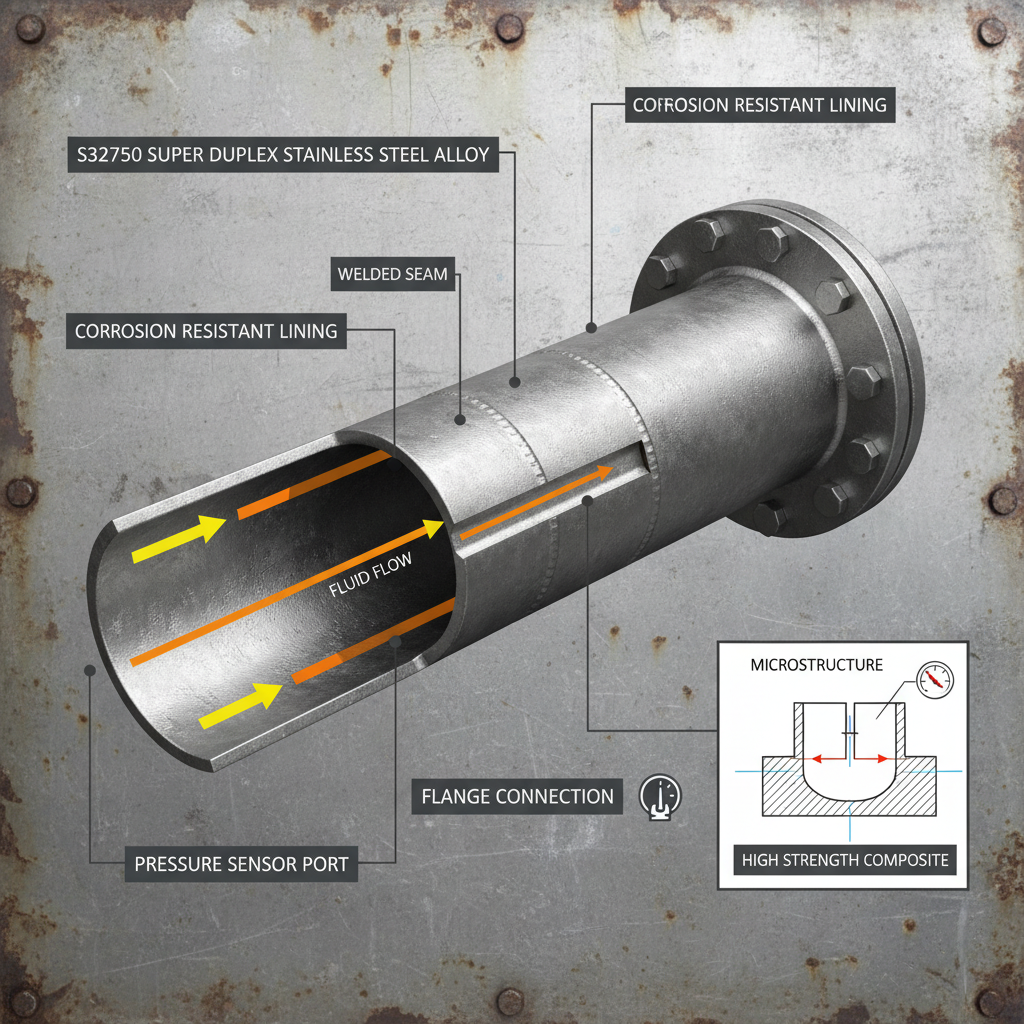
Despite their thin profile, 6mm pipes are designed to withstand significant internal pressure and external stresses. Materials like carbon steel or alloy blends add resilience against corrosion and wear, which, frankly, many engineers say is non-negotiable for long-term projects.
2. Scalability for Diverse Uses
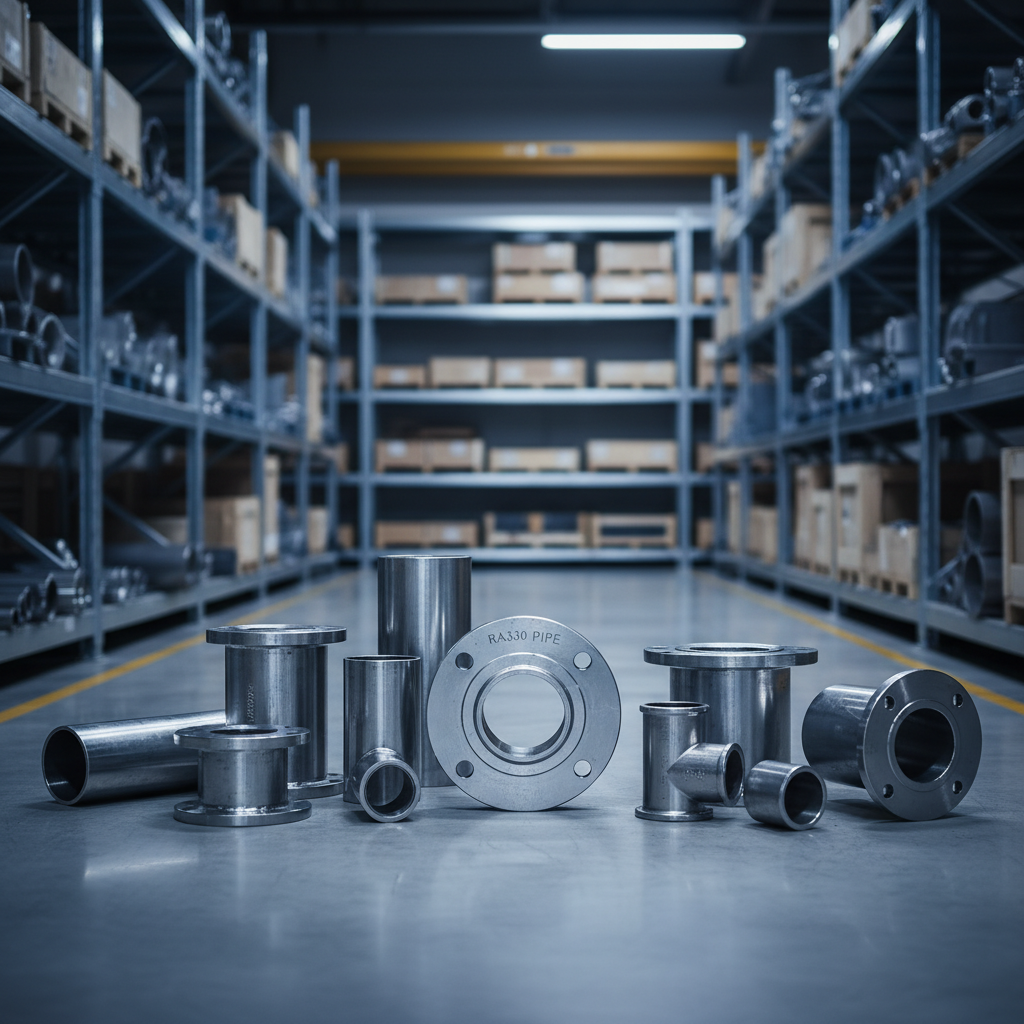
The 6mm scale allows for easy integration into both very small and medium-scale systems — plumbing systems, HVAC, automotive fuel lines, and more. You can splice, bend, or thread these with relative ease, making them extremely versatile.
3. Cost Efficiency
Less material means less cost. For projects sensitive to budget but still requiring impressive reliability, these pipes provide a sweet spot. Though sometimes overlooked, savings on weight also lower transportation and installation expenses.
4. Corrosion Resistance
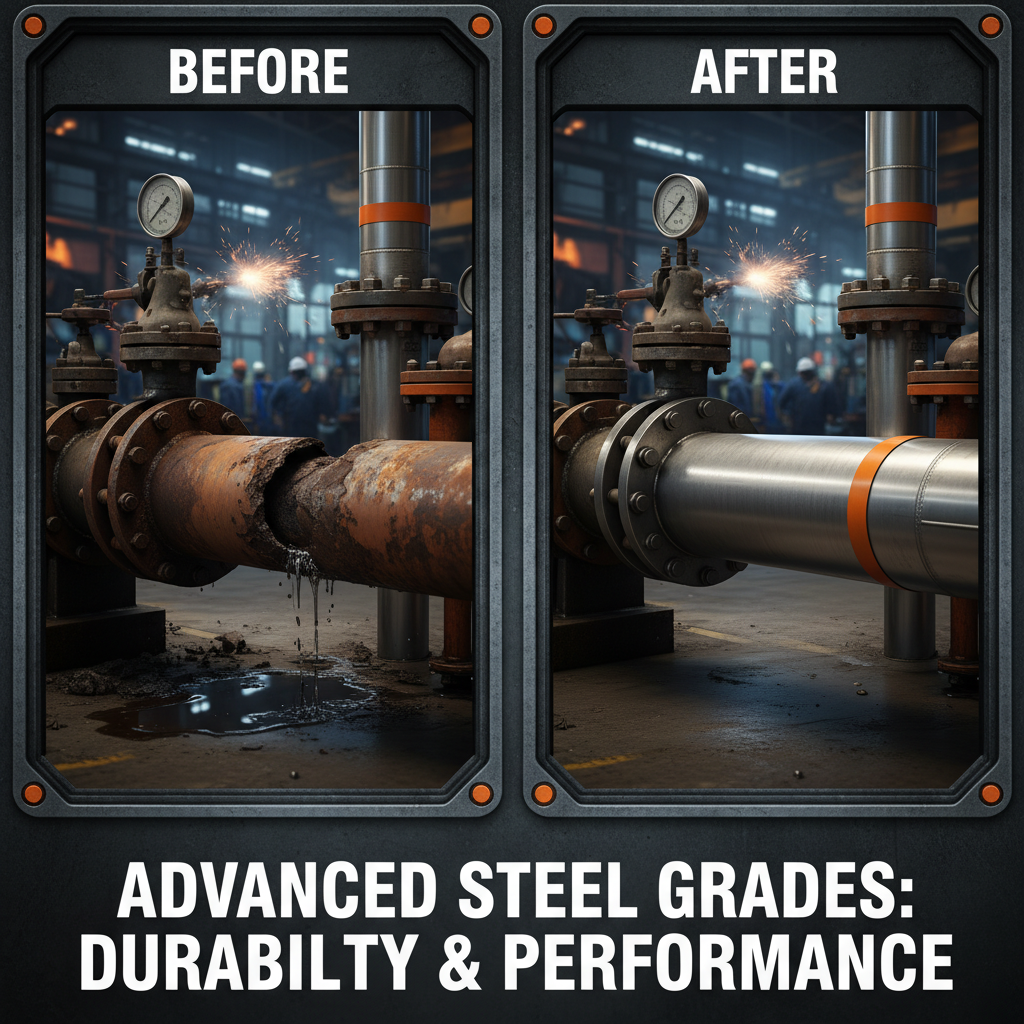
Variation in coatings and newly developed steel grades means 6mm metal pipes can resist rust and aggressive chemicals even in harsh environments, like coastal industries or chemical plants.
5. Standardization & Certification
Many manufacturers comply with ISO and ASTM standards that ensure dimensional and mechanical precision, an important reassurance for engineers testing pipes for safety compliance and certification.
Mini takeaway:
When choosing a 6mm pipe, key considerations like durability, scalability, and corrosion resistance come front and center — all influencing cost and lifespan.
How Are 6mm Metal Pipes Used Around the World?
It’s interesting to note the varied real-world applications of these slender steel tubes across industries:
- In plumbing: They carry water through compact and complex building layouts efficiently, especially in urban apartments.
- In manufacturing: They are components in machines requiring precise fluid or gas conveyance within tight confines.
- Energy sector: 6mm pipes find roles in natural gas sampling lines and instrumentation tubing—critical for safety monitoring.
- Humanitarian aid: In post-disaster relief, lightweight and durable pipes help quickly rebuild water access systems in remote villages.
- Automotive and aerospace: Used in fuel delivery and hydraulic systems, exploiting their precision and strength under pressure.
Oddly enough, many NGOs and emergency teams increasingly rely on these pipes for modular shelters and sanitation installations due to their portability and reliability.
Mini takeaway:
The 6mm metal pipe’s adaptability is its greatest asset, with uses spanning continents and sectors from urban development to disaster relief.
Product Specification Table: Typical 6mm Metal Pipe Properties
| Specification | Value | Notes |
|---|---|---|
| Outer Diameter | 6 mm (±0.1) | Standard tolerance |
| Wall Thickness | 0.5 - 1 mm | Varies by application |
| Material | Carbon Steel / Stainless Steel | Grades: ASTM A213, A269 |
| Max Operating Pressure | Up to 10 MPa (depending on grade) | Suitable for fluid & gas |
| Corrosion Resistance | High with coatings/SS | For chemical environments |
Comparing Top Vendors for 6mm Metal Pipes
| Vendor | Material Options | Standard Compliance | Typical Lead Times | Additional Services |
|---|---|---|---|---|
| SteelPro International | Carbon Steel, SS 304/316 | ASTM, ISO 9001 | 2-4 weeks | Custom cutting, testing |
| MetalWorks Ltd. | Stainless Steel, Alloy Steel | ISO 14001, ASTM | 3-5 weeks | On-site consultation |
| Global Steel Supply | Carbon Steel, Galvanized Steel | ASTM A123, ISO 9001 | 1-3 weeks | Bulk order discounts |
The Benefits of Using 6mm Metal Pipes: In the Long Run
Quite apart from technical specs, the advantages roll deeper. Cost-wise, lightweight materials reduce overall expenses not just in procurement but also shipping and installation—no small deal for global projects. Emotionally, knowing your infrastructure rests on reliable components brings peace of mind; more so when safety is paramount.
From a sustainability angle, many suppliers now use recycled metals or offer better corrosion resistance to extend pipe life, reducing waste over years or decades. Socially, this means more stable services for people in urban and rural zones alike.
Peeking Into the Future: Innovations on the Horizon
What’s coming down the pipe (pun intended) for 6mm metal pipes? Advances in metal alloys promise even slimmer but stronger pipes capable of withstanding higher pressures and corrosive environments. Meanwhile, automation and AI-driven quality control are pushing production consistency through the roof, helping reduce defects.
Also, the eco-friendly movement is driving more manufacturers to innovate coatings and materials that lower environmental impact—notably reducing energy needed for metal processing. It’s an exciting time, definitely, especially when green infrastructure is prioritized worldwide.
Facing Challenges: And How We Solve Them
Despite their perks, 6mm metal pipes face hurdles such as vulnerability to mechanical damage in certain field conditions, and susceptibility to corrosion if improperly maintained. However, innovative coatings (like nano-ceramic layers) and improved installation methods overcome these issues pretty effectively.
Additionally, supply chain disruptions have made sourcing reliable pipes tricky lately. Partnering with trusted vendors who guarantee timely delivery and certification can mitigate delays significantly.
FAQ: Common Questions About 6mm Metal Pipes
- Q: What industries rely most on 6mm metal pipes?
- A: Primarily manufacturing, plumbing, automotive, and energy sectors depend heavily on 6mm pipes due to their size and durability. Also, humanitarian aid projects often leverage them for quick-install water lines.
- Q: Are stainless steel 6mm pipes resistant to corrosion?
- A: Yes, stainless steel grades like 304 and 316 offer excellent corrosion resistance, especially when used in harsh environments like chemical plants or coastal areas.
- Q: Can 6mm metal pipes be custom fabricated?
- A: Absolutely. Many manufacturers provide custom cutting, bending, and threading to fit project-specific needs, ensuring seamless integration.
- Q: How do I choose the right supplier for 6mm metal pipes?
- A: Look for vendors compliant with ISO, ASTM standards offering product certification, reasonable lead times, and service options like quality testing and expert consultation.
- Q: What is the expected service life of these pipes?
- A: With proper installation and maintenance, 6mm metal pipes can last 20-30 years or more, especially when corrosion-resistant alloys or coatings are used.
Wrapping Up: Why the 6mm Metal Pipe Matters
In summary, the 6mm metal pipe might be small, but it punches above its weight class in industrial importance. Its balance of strength, adaptability, and economical use makes it a go-to choice worldwide—from mega-factories to field-based relief efforts. If you’re curious to explore the right metals and specs for your project, or want to compare vetted offers, don’t hesitate to visit our website for deep dives and expert advice. After all, the tiniest components often hold the biggest value.
References
Post time: Nov . 26, 2025 22:15
 English
  Arabic
  Bengali
  China
China  French
  German
  Hausa
Hausa  Indonesian
  Italian
  Japanese
  Javanese
  Malay
Malay  Persian
  Portuguese
  Punjabi
  Russian
  Spanish
  Swahili
  Telugu
  Vietnamese