

Why Everyone’s Talking About 6 Metal Pipe — and Why You Should, Too
If you’ve ever wondered what exactly “6 metal pipe” is and why it seems to pop up across construction sites, industry reports, and even humanitarian projects, you’re not alone. This term might sound a bit dry at first, but it’s at the heart of so much infrastructure we rely on daily — from oil pipelines stretching across continents to robust plumbing systems in towering skyscrapers.
On a global scale, grasping the significance of these metal pipes means understanding how economies move — quite literally. Transportation of fluids, gases, and materials depends heavily on reliable piping solutions. And the “6 metal pipe,” a designation that generally points toward 6-inch diameter metal pipes, plays a versatile role because of its size, strength, and adaptability. The benefits? Improved durability, scalable solutions, and cost-effectiveness just to name a few.
Let’s jump into why this component really matters – because frankly, it’s a quiet backbone of modern development.
The Global Importance of 6 Metal Pipe
Look at any major city or industrial zone on this planet, and you’ll spot a network of piping that could rival miniature city streets. According to the International Organization for Standardization (ISO), the demand for standardized pipe sizes like the 6-inch metal pipe has grown steadily — driven by booming infrastructure projects and large-scale industrial expansion in Asia, North America, and Europe.
UN data points out that over 75% of global energy transportation relies on metal piping of various sizes, with 6-inch pipes often favored for their perfect middle ground — not too big, not too small. And here’s the challenge: as the global population grows, and industries push for greener solutions, piping must be both stronger and smarter. Hence, the rise of 6 metal pipe designs that meet tougher environmental and performance standards.
Takeaway: The thirst for reliable piping solutions like 6 metal pipe is linked directly to global progress and sustainability goals.
Defining 6 Metal Pipe: What’s in a Name?
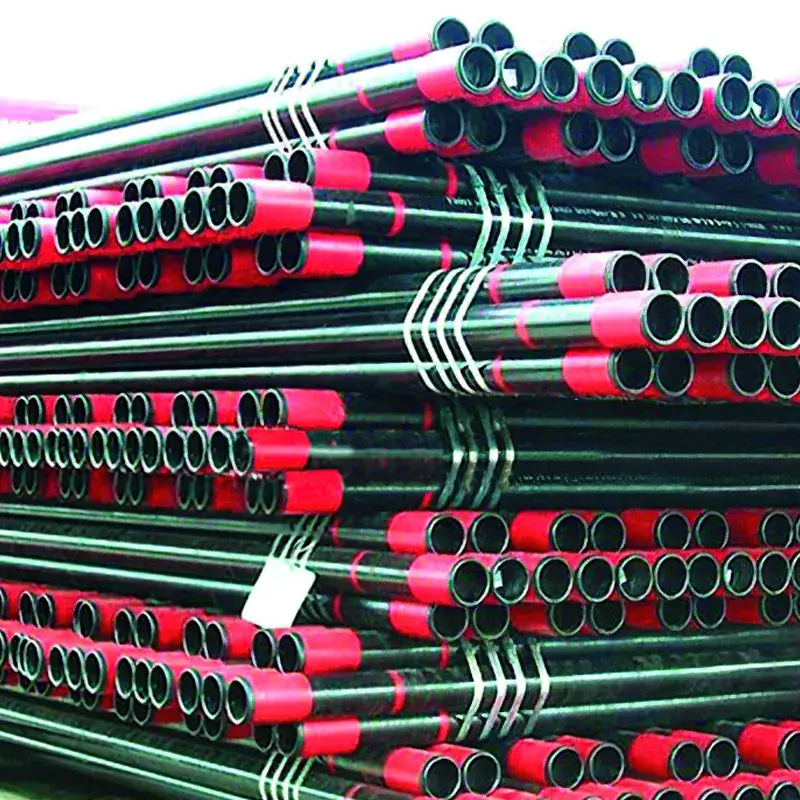
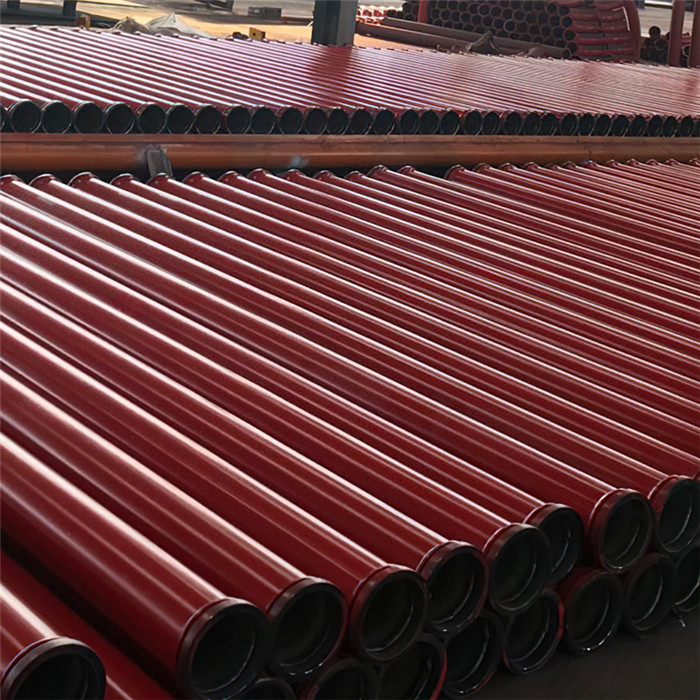
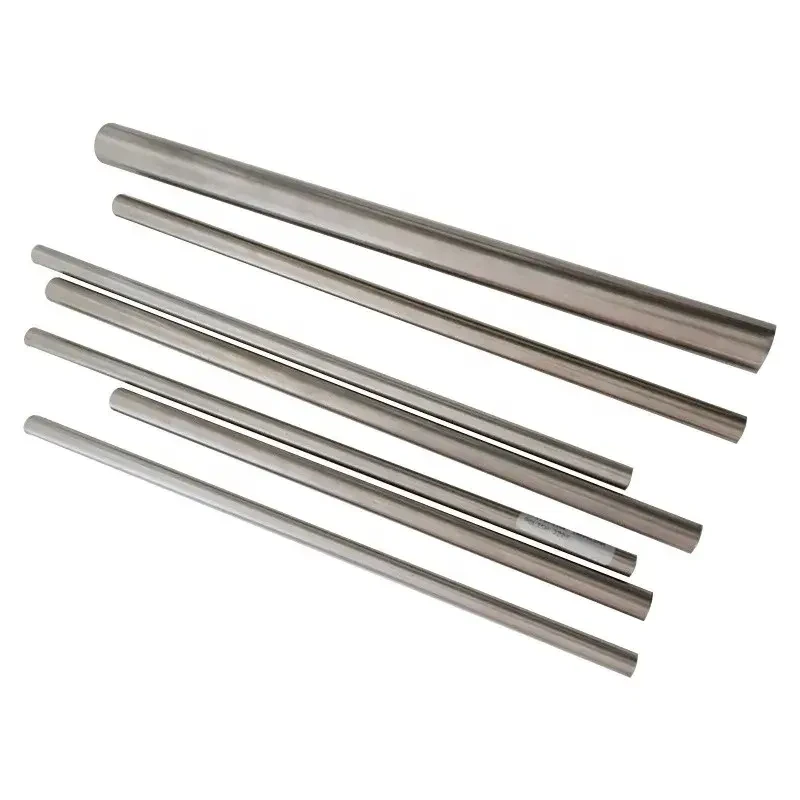
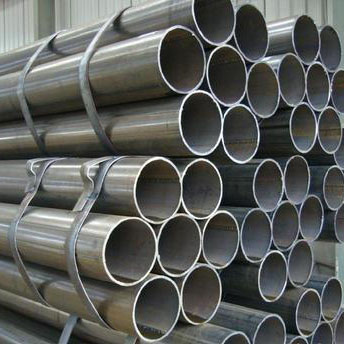
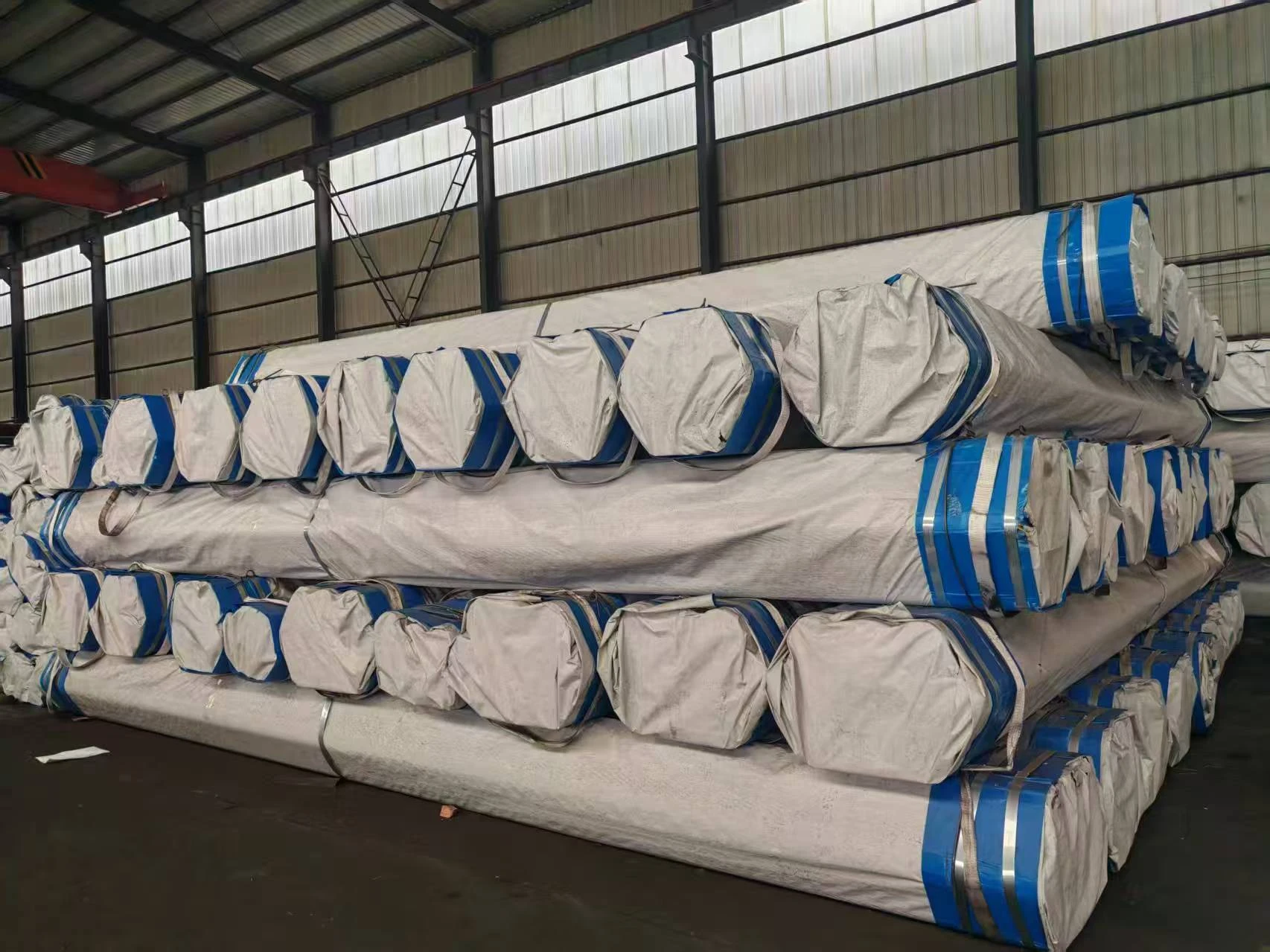
Simply put, a “6 metal pipe” refers to a metal tube with a nominal diameter of 6 inches. But that’s just scratching the surface. These pipes can be made from a variety of metals — typically carbon steel, stainless steel, or alloys — chosen based on the operating environment. Whether it's used for transporting water, oil, natural gas, or even as structural components, the 6-inch pipe size balances flow capacity with manageable installation.
In contemporary industries, these pipes are foundational — from manufacturing plants to civil engineering projects and beyond. Even humanitarian efforts use 6 metal pipes for fast-deploy water delivery or makeshift structural solutions after natural disasters.
Mini takeaway: The simple number “6” contours the pipe’s versatility, making it a favorite for countless global applications.
Core Aspects that Make 6 Metal Pipes Stand Out
1. Durability
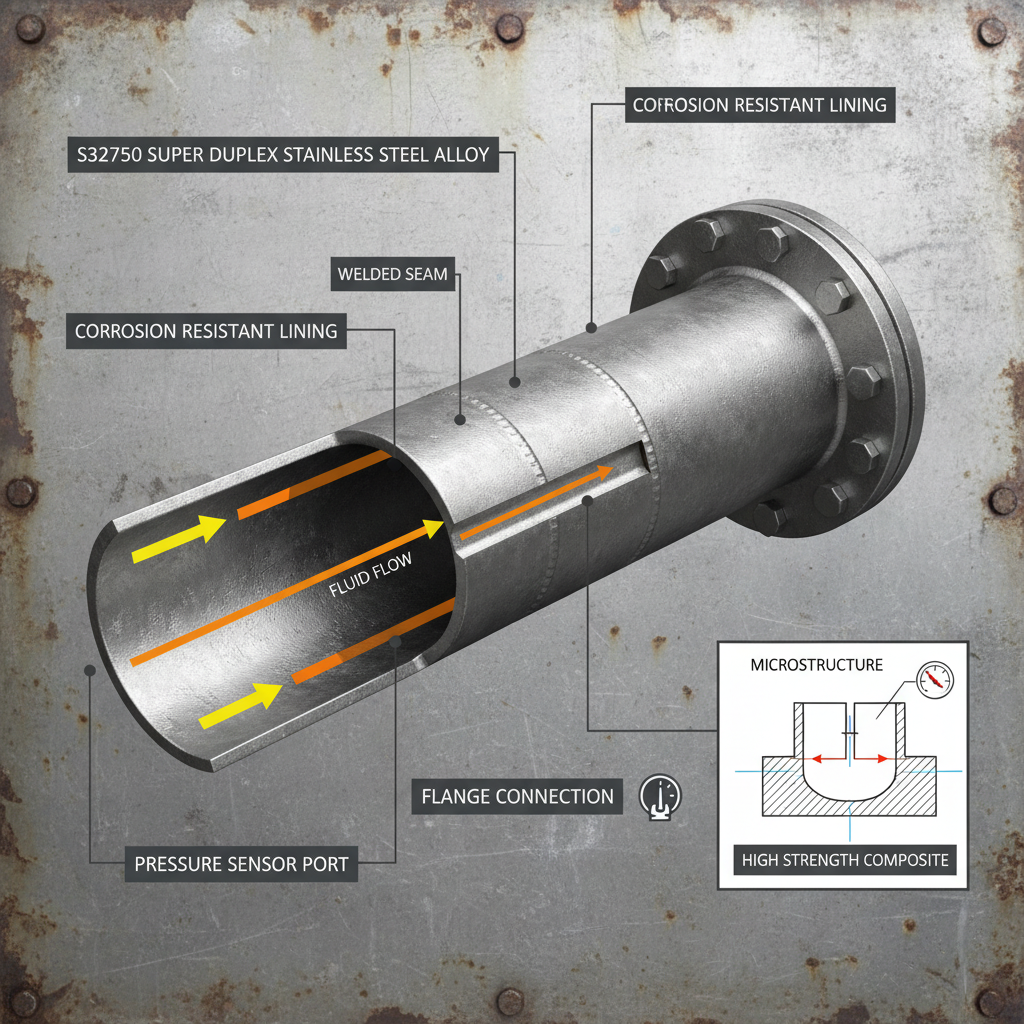
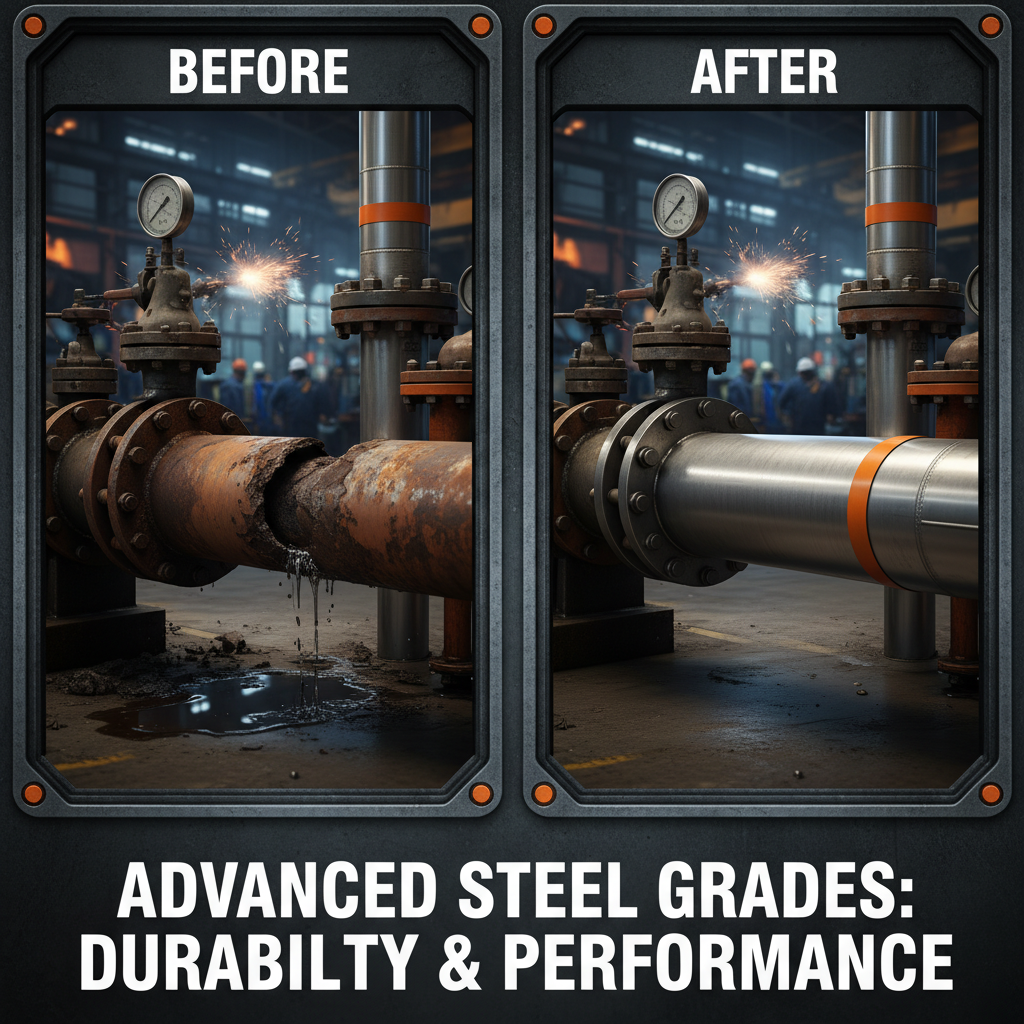
6 metal pipes must resist corrosion, mechanical wear, and extreme temperatures. Thanks to treatments like galvanization or special alloy blends, they can last decades in harsh conditions without significant performance loss.
2. Scalability
The 6-inch diameter size is flexible — suitable on its own or as a building block for larger pipe networks. For companies managing fluid transfer over long distances, it’s a sweet spot in terms of efficient flow and manageable weight.
3. Cost Efficiency
Compared to larger pipes, the 6 metal pipe is more affordable for many projects without sacrificing long-term reliability. Maintenance costs tend to remain low if properly installed.
4. Versatility in Application
From oil refineries in the Middle East to municipal water systems in Europe, these pipes are multi-purpose. You’ll see them in HVAC systems, irrigation, firefighting installations, and even in offshore rigs.
Mini takeaway: Durability, scalability, cost effectiveness, and broad applicability make 6 metal pipe a universal workhorse.
6 Metal Pipe in Action: Real-World Use Cases Across the Globe
For example, in post-hurricane relief efforts in the Caribbean, rapid water distribution depends heavily on prefabricated 6 metal pipes — they’re easy to ship, assemble, and connect to existing infrastructure. Meanwhile, in the North Sea oil fields, these pipes endure brutal salty environments thanks to stainless steel grades, proving their reliability year after year.
Industrial zones in Southeast Asia benefit from extensive 6 metal pipe networks for chemical transport and cooling systems. And in urban construction across the US and Europe, this size is a staple for drainage and ventilation systems.
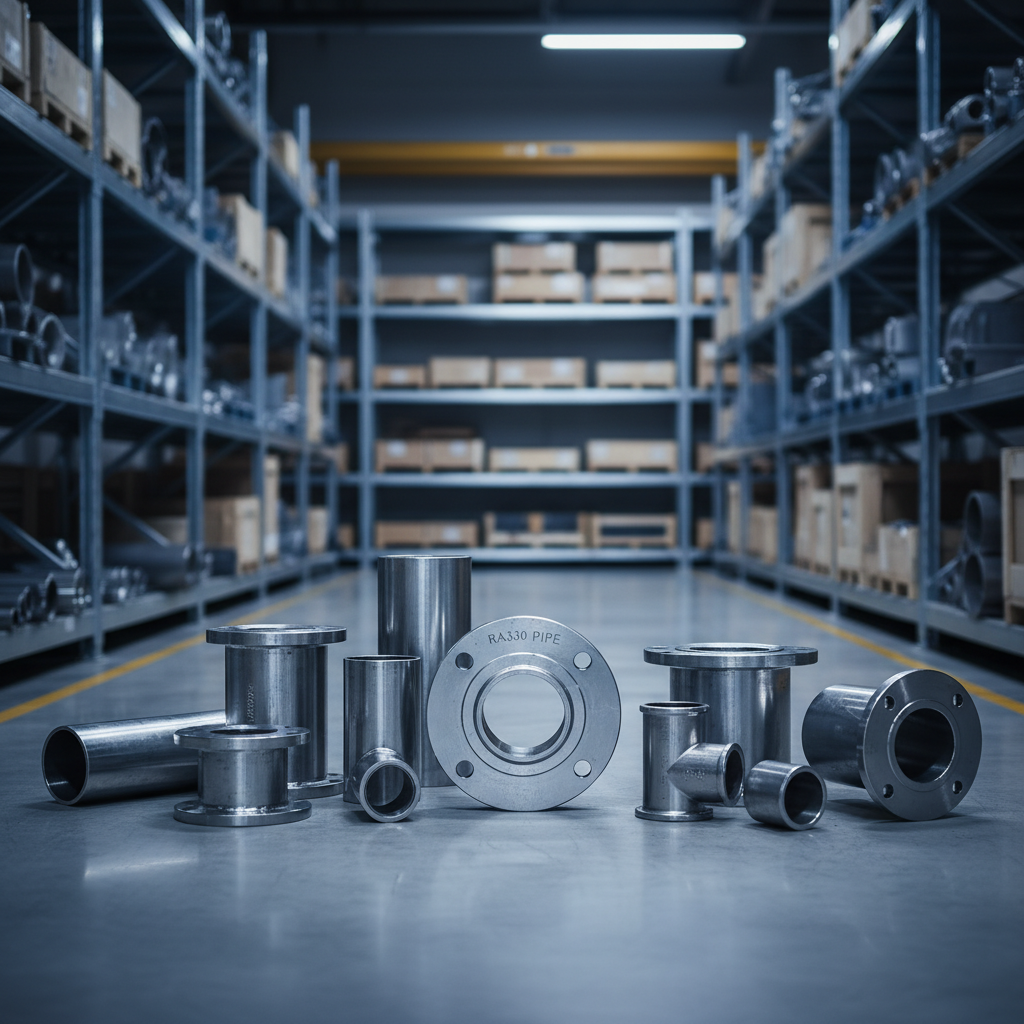
6 metal pipe manufacturers often customize coatings and dimensions to fit the needs of varying environments — which is why they remain the preferred choice globally.
Advantages and Long-Term Value of Using 6 Metal Pipes
- Cost Savings: Lower material and maintenance expenses compared to larger or more exotic alternatives.
- Sustainability: High recyclability of steel and alloys promotes circular economy principles.
- Safety & Trust: Proven performance under pressure ensures system integrity, protecting communities and workers.
- Innovation Potential: Compatibility with smart sensors and automation for real-time monitoring.
- Emotional Impact: Knowing that a community’s water or energy flows through trusted materials offers peace of mind.
So, whether you’re a project manager or an end-user, the reliability and versatility of 6 metal pipe come as a huge plus.
6 Metal Pipe Product Specification Table
| Specification | Details |
|---|---|
| Nominal Diameter | 6 inches (150 mm) |
| Material Types | Carbon Steel, Stainless Steel, Alloy Steel |
| Wall Thickness | Schedule 40, 80 (varies by application) |
| Operating Temperature | -20°C to +400°C |
| Corrosion Resistance | High (with coatings or alloying) |
| Common Uses | Water, Gas, Chemical Transport, Structural Applications |
Comparing Top 3 Vendors for 6 Metal Pipe Solutions
| Vendor | Material Options | Customization | Global Reach | Price Range |
|---|---|---|---|---|
| SteelFlow Inc. | Carbon, Stainless | Wall thickness, coatings | North America, Europe | Moderate |
| MetalLink Global | Alloy Steel, Stainless | Custom alloys, lengths | Asia, Africa | Higher-end |
| PipeWorks Ltd. | Carbon Steel | Standard sizes only | Europe, Middle East | Budget-friendly |
Looking Ahead: What’s Next for 6 Metal Pipe?
The future looks promising in this niche. Increasing emphasis on environmental sustainability means we’re seeing more pipes made from recycled metals and coated with eco-friendly corrosion barriers. Incorporating IoT-enabled sensors for leak detection and pressure monitoring is becoming mainstream — keeping pipelines safer and operational costs down.
Emerging standards like ISO 3183 for pipeline quality continue shaping material innovation. Plus, as green hydrogen and renewable energy infrastructure expand, the demand for durable mid-size metal pipes like 6-inch variants will remain strong.
In short, technology and policy push towards smarter, greener, and safer piping solutions — all centered on trusted products like 6 metal pipe.
Overcoming Challenges with 6 Metal Pipes
Of course, no solution is without its hurdles. Corrosion under extreme chemical exposure, difficult terrain installation, or logistical delays in remote zones sometimes bring headaches. However, many industry experts say use of better monitoring, trenchless installation technology, and pre-fabricated modular pipe segments are changing the game.
It’s also important to factor in proper training and maintenance policies. After all, even the best 6 metal pipe can't perform miracles without smart human oversight.
Frequently Asked Questions About 6 Metal Pipe
Q1: What industries benefit most from 6 metal pipe installations?
A1: The 6 metal pipe is widely used in oil and gas, water utilities, chemical manufacturing, HVAC systems, and construction sectors. Its versatility makes it ideal for any medium-scale fluid or gas transport systems.
Q2: How does a 6-inch metal pipe compare to other sizes in cost and performance?
A2: Compared to larger pipes, 6-inch pipes are easier to handle and install, with lower upfront costs and maintenance demands. Their flow capacity meets many industrial needs without the bulk and expense of bigger diameters.
Q3: Can 6 metal pipes survive harsh environments like seawater or deserts?
A3: Yes. With specialized coatings or using stainless/alloy steel grades, 6 metal pipes can resist corrosion and temperature extremes in marine or desert conditions.
Q4: Are these pipes recyclable or eco-friendly?
A4: Steel and alloys used in 6 metal pipe production are highly recyclable, supporting sustainable building and industrial practices.
Q5: How can international buyers source reliable 6 metal pipe vendors?
A5: Sourcing credible vendors involves checking certifications (ISO, API), reviewing global reach, and customization capabilities. Partnering with experienced providers like those listed above streamlines logistics and quality assurance.
Wrapping It Up
6 metal pipe might not be headline news, but its impact on global infrastructure, industry, and even communities affected by disaster is indisputable. Its perfect balance of size, strength, and cost makes it a go-to choice spanning continents and sectors. Whether you’re upgrading a municipal system or planning a large industrial installation, these pipes remain indispensable.
Want to learn more or source high-quality 6 metal pipe tailored to your needs? Visit https://www.world-steelmaterial.com — because when your project depends on it, you don’t want to settle for anything less.
References
Post time: Nov . 26, 2025 20:20
 English
  Arabic
  Bengali
  China
China  French
  German
  Hausa
Hausa  Indonesian
  Italian
  Japanese
  Javanese
  Malay
Malay  Persian
  Portuguese
  Punjabi
  Russian
  Spanish
  Swahili
  Telugu
  Vietnamese