

Understanding the Global Importance of the 6 Inch Metal Pipe
At first glance, a 6 inch metal pipe might just look like a simple tube — but in reality, it’s a silent workhorse underpinning countless infrastructure projects across the world. From water distribution and gas pipelines to industrial manufacturing lines, this size and type of metal pipe plays a crucial role in keeping modern society flowing smoothly.
Why does this matter globally? According to data from the International Organization for Standardization (ISO) and the World Bank, infrastructure development remains a cornerstone for economic growth, especially in emerging economies. Efficient and durable piping systems using 6 inch metal pipes are often the unsung heroes behind water security, energy transport, and industrial output.
Mini takeaway: The 6 inch metal pipe is more than just a product; it’s a vital link in the global supply chain that supports everyday life and long-term development worldwide.
Why the 6 Inch Metal Pipe Stands Out Globally
Industries need reliable, standardized piping solutions to meet growing demands. Estimates from the United Nations highlight that the global water supply infrastructure requires extensive upgrades, often employing mid-sized pipes like the 6-inch diameter variant for optimal flow and strength. In the oil and gas sector alone, pipes of this specification help balance pressure and velocity without incurring massive costs.
But here’s the catch: regions face challenges including corrosion, fluctuating temperatures, and supply chain issues that demand pipes not only be strong but smartly selected. The 6 inch metal pipe bridges durability with cost efficiency — a sort of Goldilocks size for many applications.
Mini takeaway: The sweet spot dimension of 6 inch pipes addresses common infrastructure challenges globally with versatility and resilience.
Defining the 6 Inch Metal Pipe
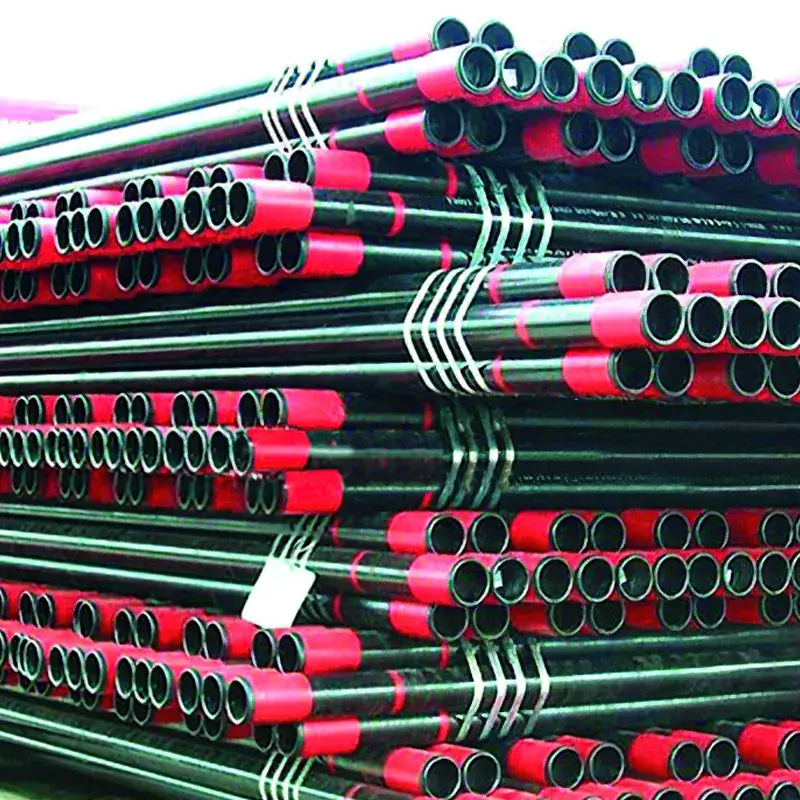
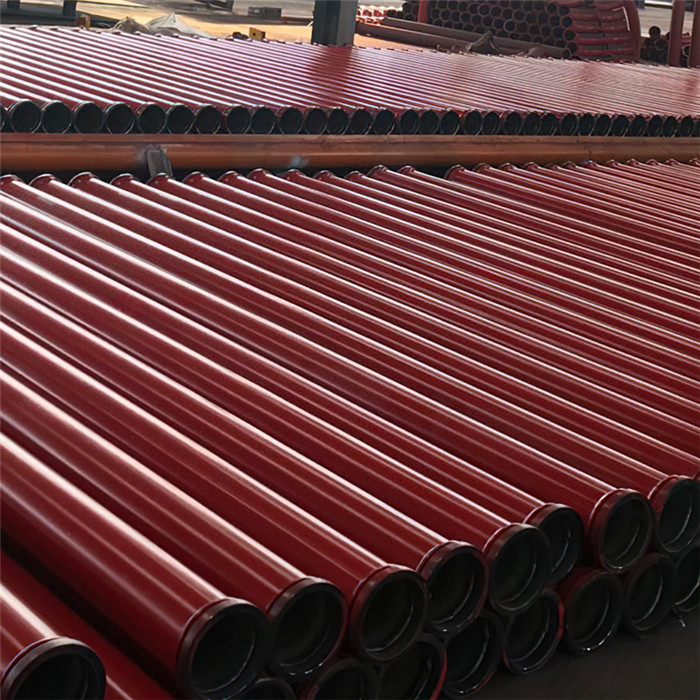
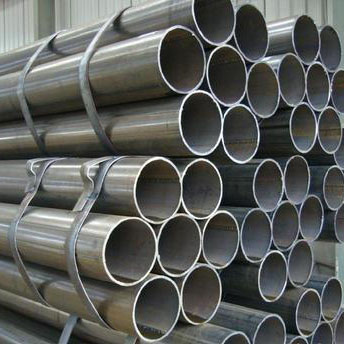
Simply put, a 6 inch metal pipe refers to a cylindrical tube with a nominal diameter of 6 inches, typically crafted from steel or iron alloys. These pipes form the backbone of fluid conveyance systems where medium flow rates, moderate pressures, and mechanical toughness are required.
It’s fascinating how these pipes connect with critical sectors: water supply chains, fire safety systems, chemical plants, and even humanitarian aid logistics—think of speedy water provision during disaster relief. The metal composition ensures they handle both the physical demands and environmental stresses placed upon them.
Mini takeaway: The 6 inch metal pipe is a mid-sized, sturdy solution designed to meet broad industrial and humanitarian needs efficiently.
Key Components and Qualities of 6 Inch Metal Pipes
Durability and Corrosion Resistance
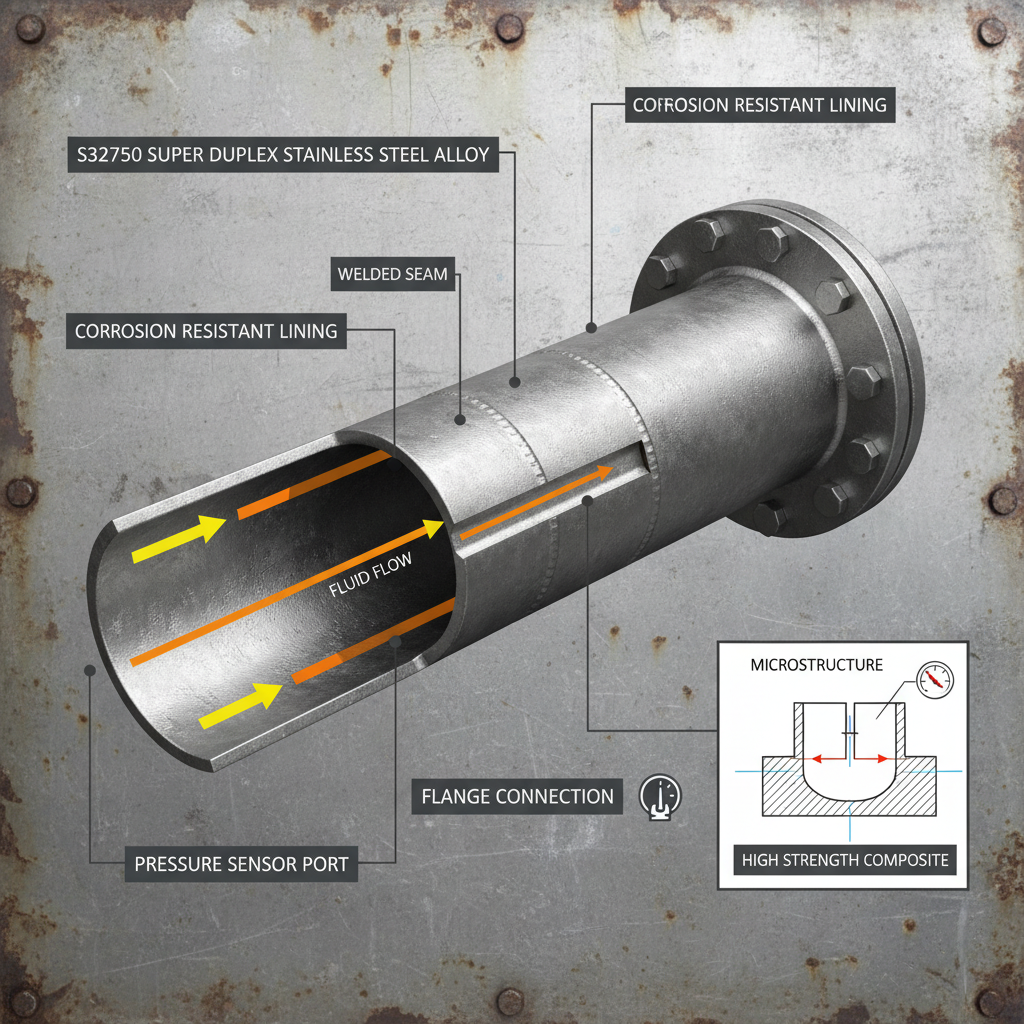
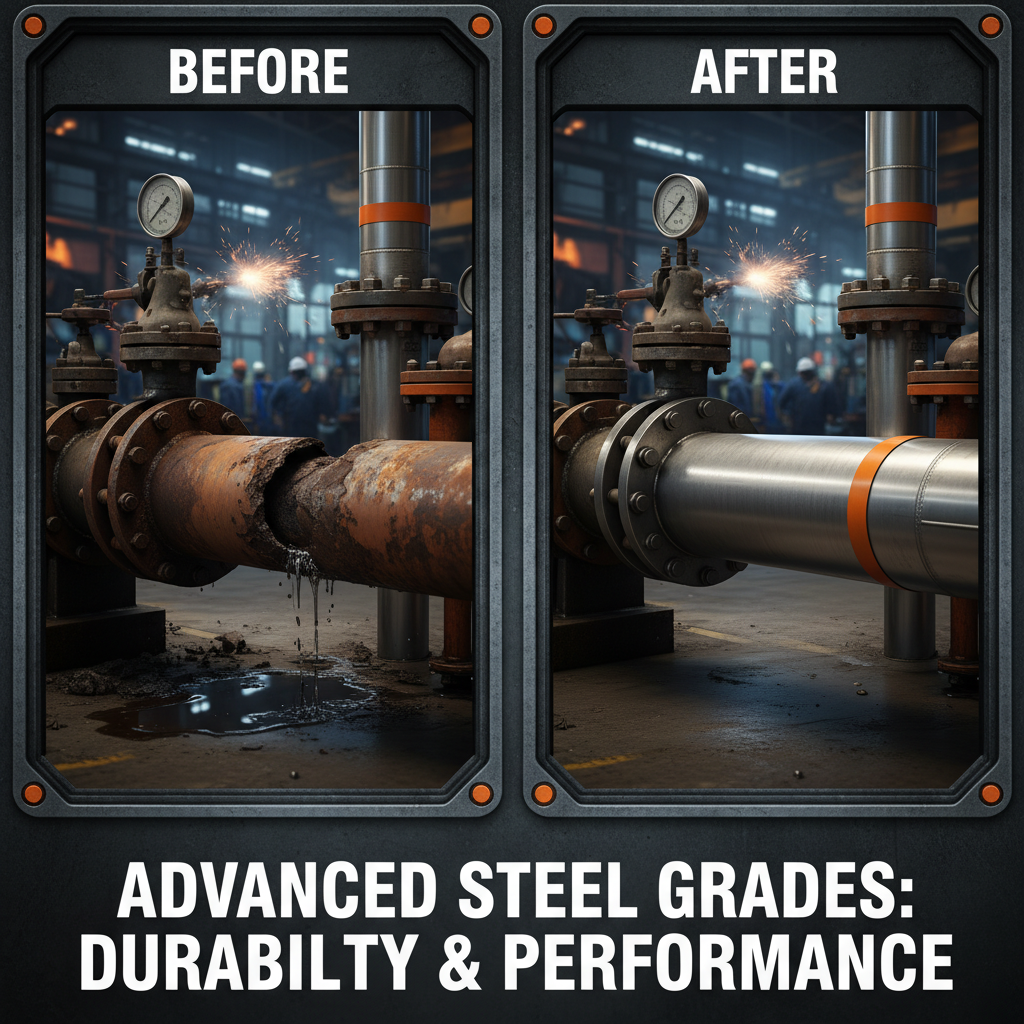
Engineers frequently select pipes coated with galvanization or specialized alloys such as stainless steel for extended life. Corrosion resistance means less downtime and maintenance — key for long-term projects in harsh climates.
Standardized Dimensions and Compatibility
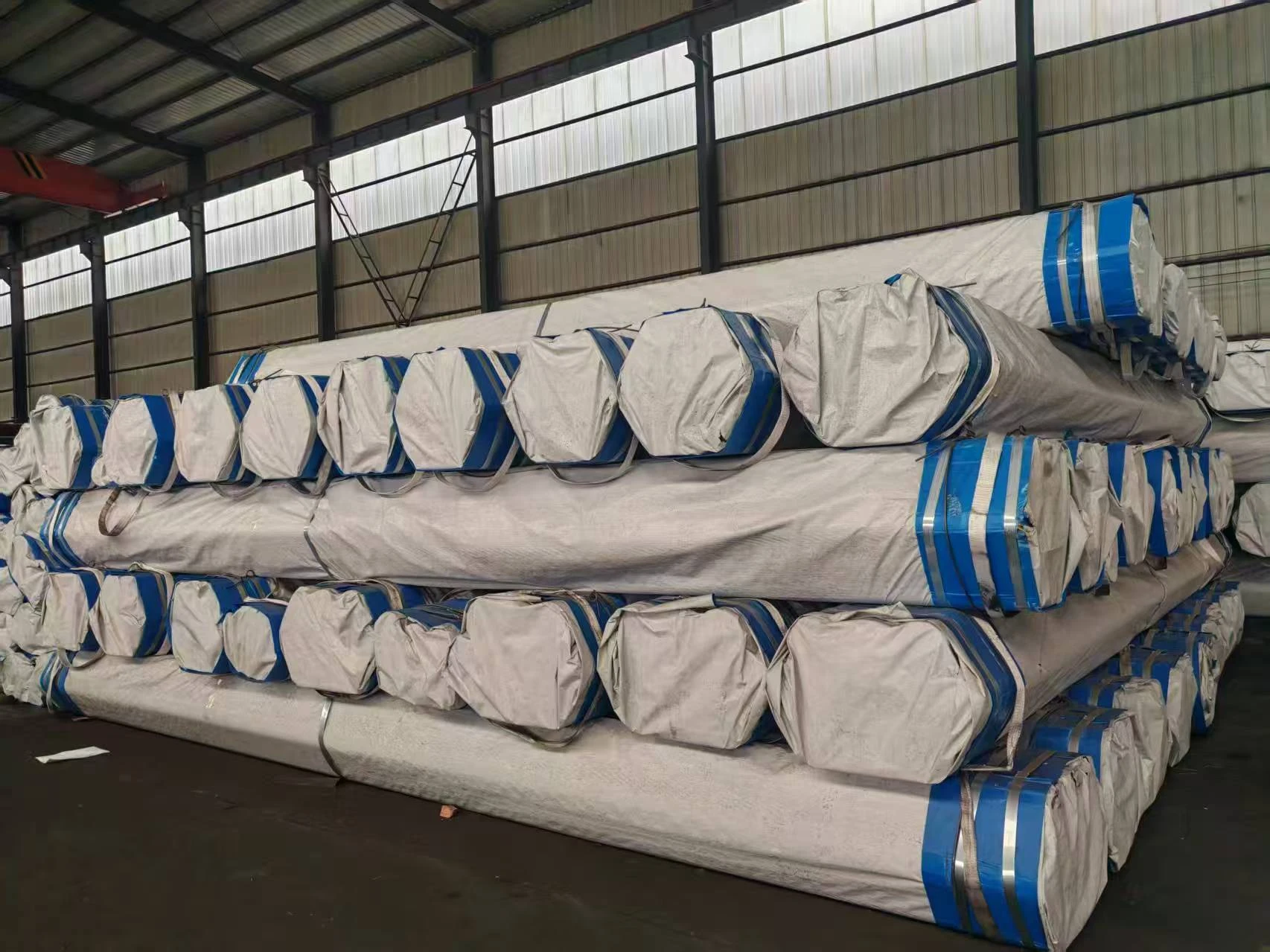
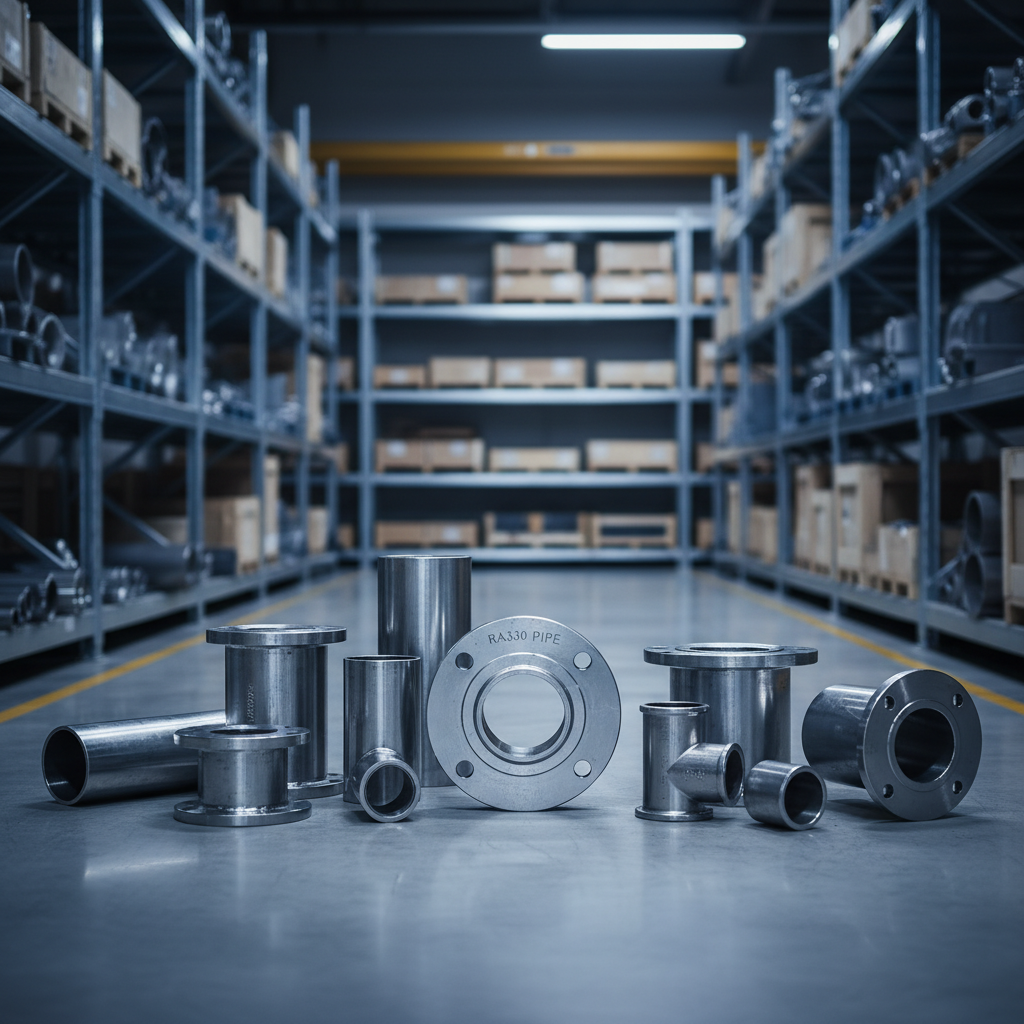
The standard diameter and wall thickness enable compatibility with a range of fittings and equipment, simplifying installation and repair. In my experience visiting multiple yards, uniformity here really eases logistics headaches.
Cost Efficiency and Scalability
While larger pipes can offer higher flow rates, the 6 inch pipe strikes a balance between material costs and operational efficiency. Bulk procurement and modular installation approaches make it economical for large-scale industrial use.
Versatility in Applications
Whether it’s carrying potable water, ventilating industrial machinery, or serving as a skeletal structural support, these pipes are surprisingly versatile. The material grade selected often tailors their reach into different industries.
Safety Ratings and Compliance
Most suppliers adhere to ISO 3183 or ASTM standards, ensuring pipes meet stringent safety and performance benchmarks — a necessary reassurance when pipes underpin critical operations.
Mini takeaway:
- Durability, cost-effectiveness, and standardization make the 6 inch metal pipe a practical choice across sectors.
Global Applications & Real-Life Use Cases
The reach of 6 inch metal pipes is vast. In Southeast Asia, these pipes are extensively used in municipal water distribution—helping millions gain reliable access to clean water. In the oil-rich Middle East, they serve in pipeline networks balancing enormous flow pressures. Oddly enough, even remote mining operations in South America rely on them to transport fluids and slurry safely without frequent replacements.
Humanitarian organizations have found quick-deploy water processing units equipped with 6 inch pipelines invaluable during natural disasters, enabling swift restoration of critical infrastructures.
Mini takeaway: Whether in bustling urban centers or remote sites, the 6 inch metal pipe supports diverse industries and social initiatives globally.
Advantages and Long-Term Value of 6 Inch Metal Pipes
- Reliability: Their strength and corrosion resistance reduce downtime and unexpected failures.
- Economic Benefits: Lower lifecycle costs with scalable sourcing and easy maintenance.
- Sustainability: Durable materials mean less frequent replacements and reduced waste.
- Safety and Trust: Compliance to international standards provides peace of mind to operators and end-users alike.
It’s not just about numbers and specs. When you think about communities depending on consistent water supply, or industries running critical operations, the tangible human value — safety, dignity, progress — is immense.
Emerging Trends and Innovations
Look out for advances in coating technologies incorporating nano-materials for ultra-high corrosion protection. Digital innovations like embedded sensors within pipes are coming — offering real-time monitoring of pressure, leaks, or wear.
Moreover, there’s a green push toward integrating recycled steel content in manufacturing 6 inch pipes, aligned with global sustainability goals set by the UN.
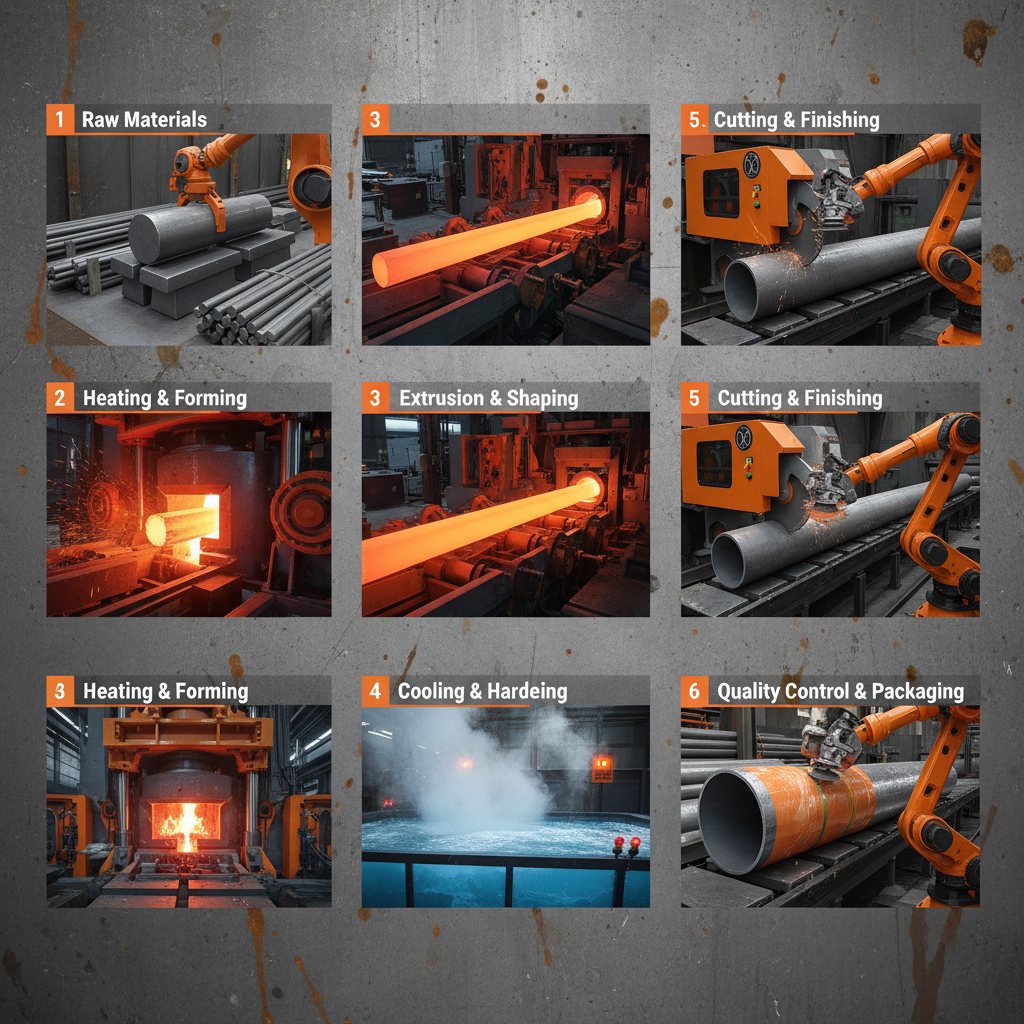
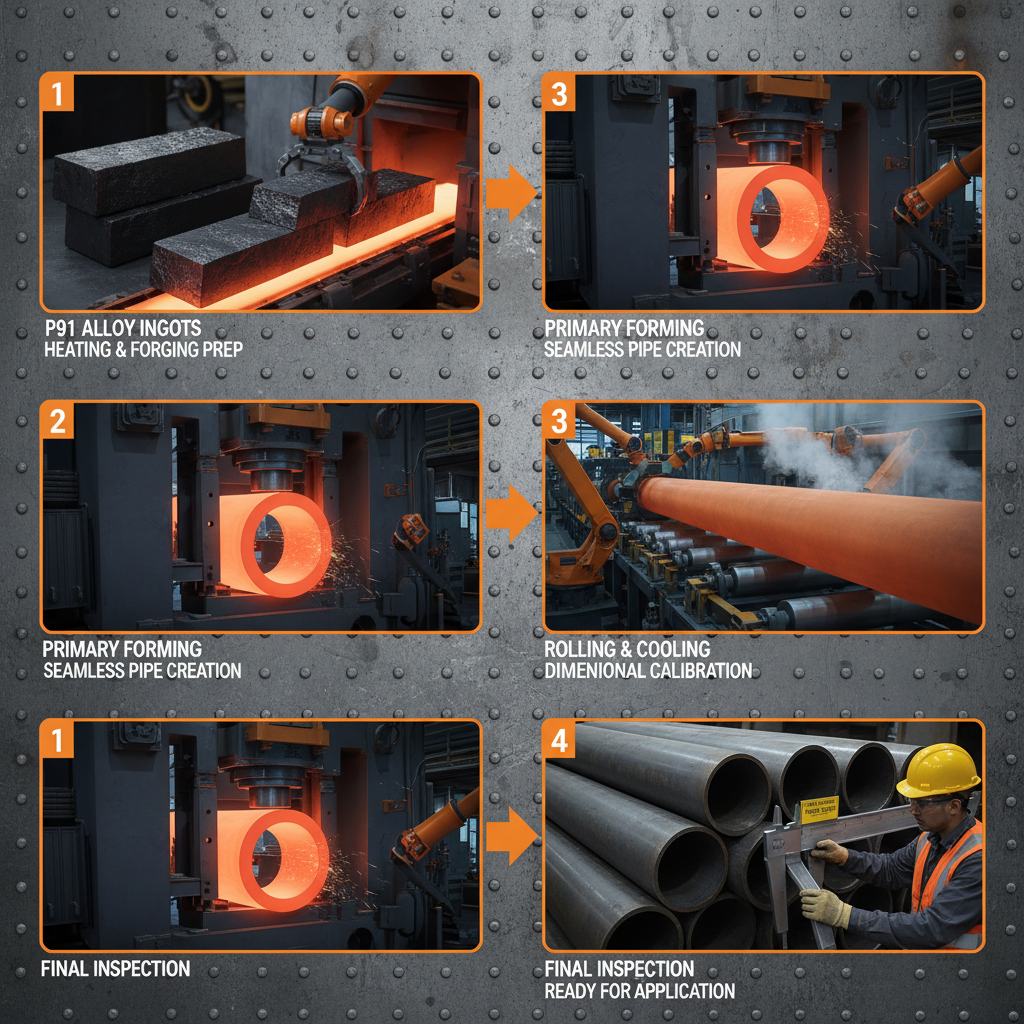
Automation in welding and seamless production processes are also enhancing quality and reducing human error — a boon both in safety and production speed.
Mini takeaway: The future of 6 inch metal pipes is smart, sustainable, and highly connected — exciting times ahead.
Common Challenges and How Experts Solve Them
Corrosion, logistical delays, and fitting mismatches remain typical pain points. Experts recommend specialty coatings, just-in-time inventory strategies, and modular system designs to alleviate these issues.
Training technicians on installation and inspection also pays off — a factor sometimes underestimated. Plus, international collaboration on uniform standards helps smooth cross-border projects involving 6 inch metal pipes.
FAQ: Frequently Asked Questions About 6 Inch Metal Pipe
- What materials are most commonly used for 6 inch metal pipes?
- Steel, particularly carbon and stainless steel, is the most common due to its strength and corrosion resistance. Galvanized coatings improve longevity in outdoor or corrosive environments.
- How long can a 6 inch metal pipe typically last in harsh environments?
- With proper coatings and maintenance, these pipes can last 20–50 years depending on the application and environmental exposure.
- Are 6 inch metal pipes easy to install and maintain?
- Yes, their standardized dimensions and widespread availability of compatible fittings make installation straightforward for trained professionals. Regular inspections and protective coatings ensure long service life.
- Can these pipes be customized for specific industrial needs?
- Absolutely — manufacturers offer variations in wall thickness, material grade, and coatings tailored to the pressure, temperature, or chemical exposure of the intended application.
- How do environmental regulations affect the use of metal pipes?
- Regulations often require compliance with standards for material safety and environmental impact, pushing manufacturers towards sustainable practices and more durable coatings.
6 Inch Metal Pipe Product Specifications
| Specification | Details |
|---|---|
| Nominal Diameter | 6 inches (150 mm) |
| Material | Carbon Steel, Stainless Steel, Galvanized Steel |
| Wall Thickness | Schedule 40 (4.78 mm) to Schedule 80 (7.11 mm) |
| Length | 6 to 12 meters (standard) |
| Operating Temperature | -29°C to 480°C (depending on material) |
| Standards | ASTM A53, ISO 3183, API 5L |
Vendor Comparison: Leading 6 Inch Metal Pipe Suppliers
| Vendor | Material Options | Lead Time | Certifications | Notable Features |
|---|---|---|---|---|
| SteelPro Inc. | Carbon Steel, Galvanized Steel | 2–4 weeks | ISO 9001, API 5L | Custom coatings, bulk discounts |
| GlobalPipes Ltd. | Stainless Steel, Carbon Steel | 3–6 weeks | ISO 3183, ASTM A53 | Digital product tracking |
| MetroSteel Pipes | Carbon Steel only | 1–3 weeks | API 5L | Fast delivery, competitive pricing |
In Conclusion: Why Investing in 6 Inch Metal Pipe Makes Sense
At the end of the day, choosing a reliable 6 inch metal pipe means investing in durability, efficiency, and above all, stability — the kind of robust infrastructure component that quietly underwrites everything from clean water access to industrial innovation.
Whether you run a large manufacturing facility or supply community water systems, the right 6 inch metal pipe choice can deliver long-term value and peace of mind.
Feel free to explore more options, specs, and buying advice on our website: https://www.world-steelmaterial.com.
References
Post time: Nov . 26, 2025 18:25
 English
  Arabic
  Bengali
  China
China  French
  German
  Hausa
Hausa  Indonesian
  Italian
  Japanese
  Javanese
  Malay
Malay  Persian
  Portuguese
  Punjabi
  Russian
  Spanish
  Swahili
  Telugu
  Vietnamese