

Understanding the Global Significance of the 20 ft Metal Pipe
The 20 ft metal pipe may sound like just another industrial component, but its importance stretches far beyond mere construction sites. Whether in infrastructure, energy, water transportation, or disaster relief, this specific size and type of steel piping plays a pivotal role worldwide. Grasping its utility and impact helps industries optimize supply chains and engineers design more resilient projects, ultimately benefiting societies at large.
Why the 20 ft Metal Pipe Matters on a Global Scale
At over 170 million tons annually, the global steel production industry continues dominating heavy manufacturing, according to the World Steel Association. Among those steel products, pipes of standardized lengths like the 20 ft metal pipe have become a practical baseline across industries. By streamlining logistics and handling, this size reduces transportation costs and ensures compatibility in building large-scale infrastructures like oil pipelines, water mains, and structural frames.
However, demand is not without challenges. With rising urban populations and climate-driven infrastructure stress, the world needs pipes that’re not only strong but also adaptable and sustainable. This is where the 20 ft metal pipe steps up, addressing urgent issues like safer water transmission in vulnerable areas, quicker deployment in emergencies, and cost reduction in industrial expansion.
Mini takeaway: The 20 ft metal pipe isn’t just a standard—it’s a vital tool marrying efficiency with global infrastructure demands.
Defining the 20 ft Metal Pipe
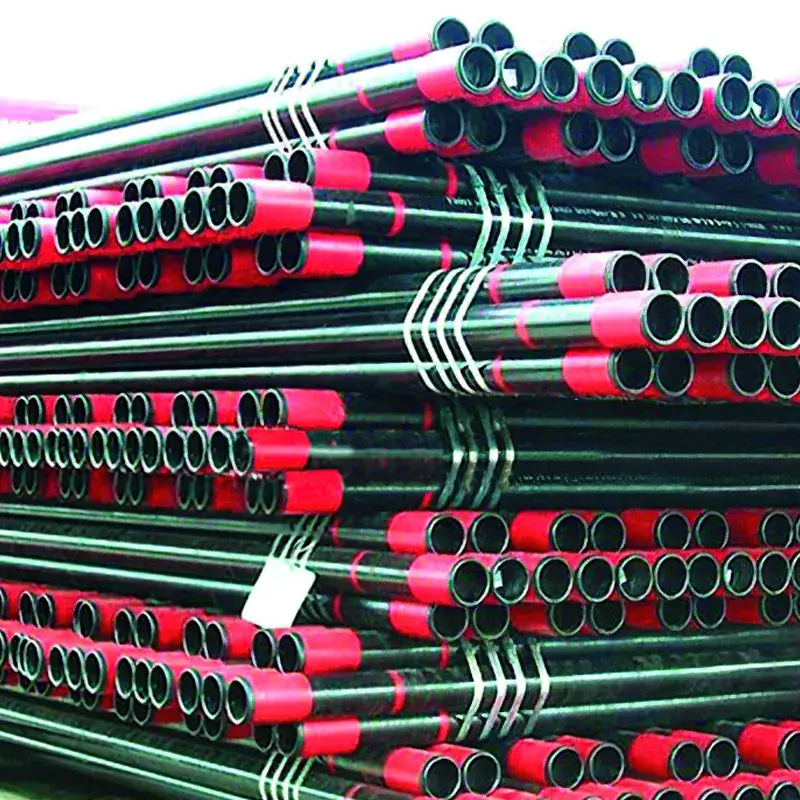
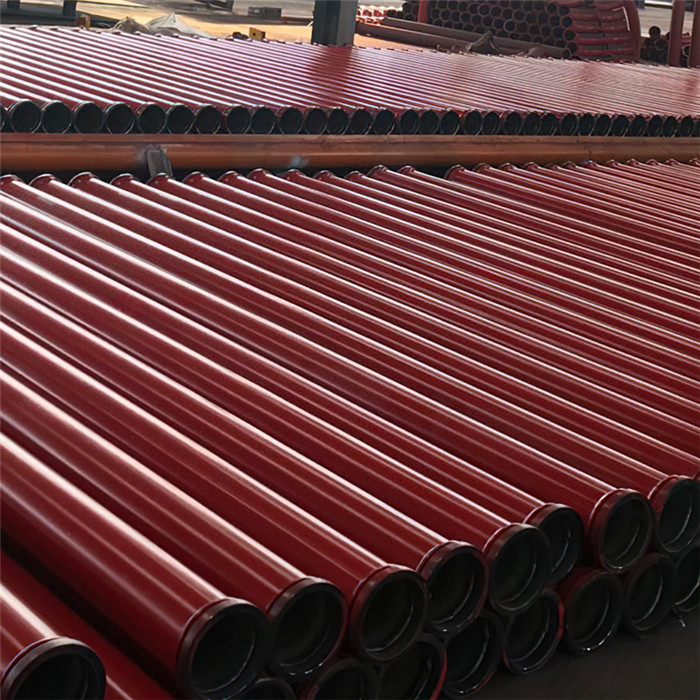
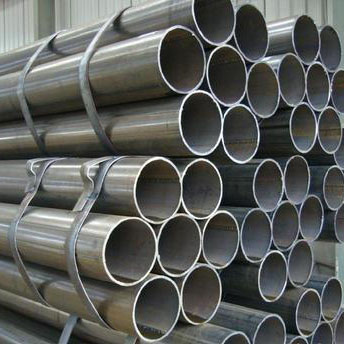
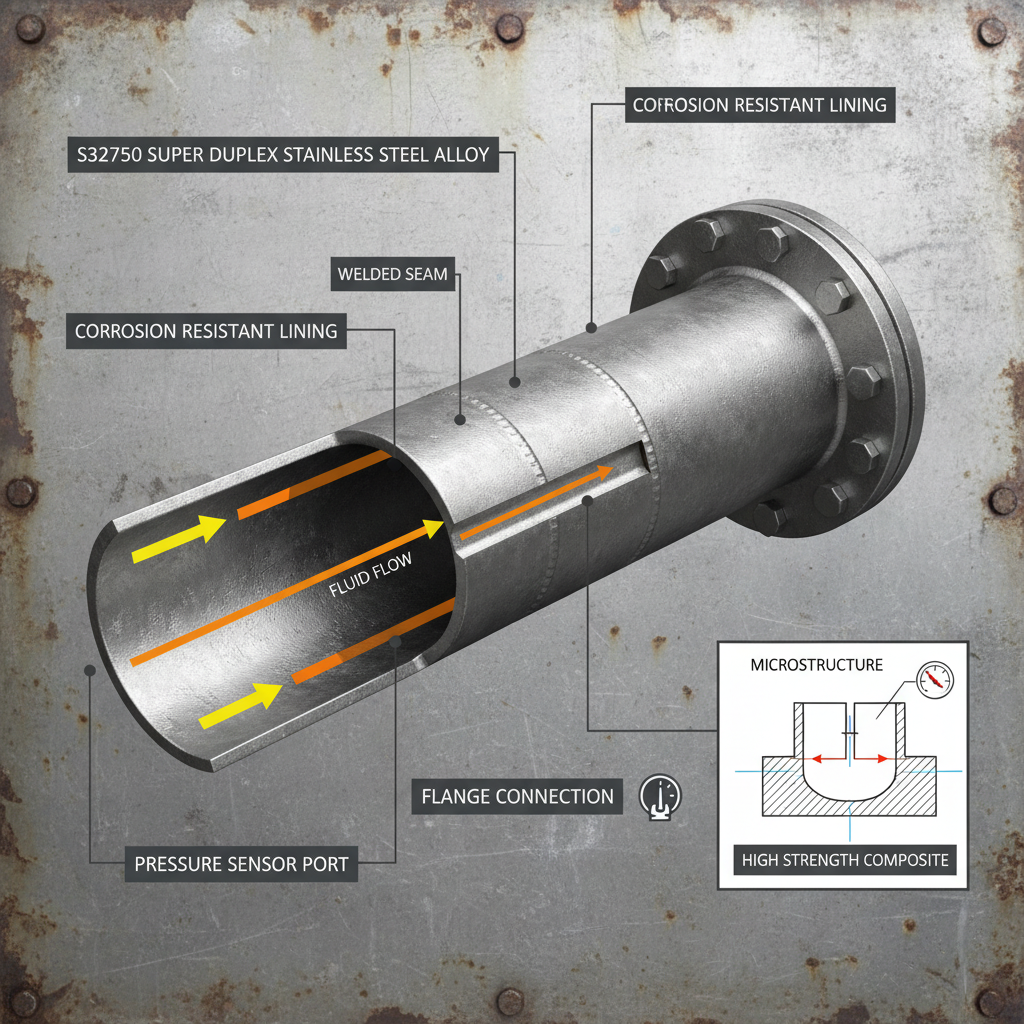
Simply put, a 20 ft metal pipe is a steel cylinder approximately 20 feet (6.1 meters) in length, designed for fluid transport, structural applications, or protective housing of cables and other materials. It’s often manufactured from carbon steel, stainless steel, or coated variants, depending on its intended environment.
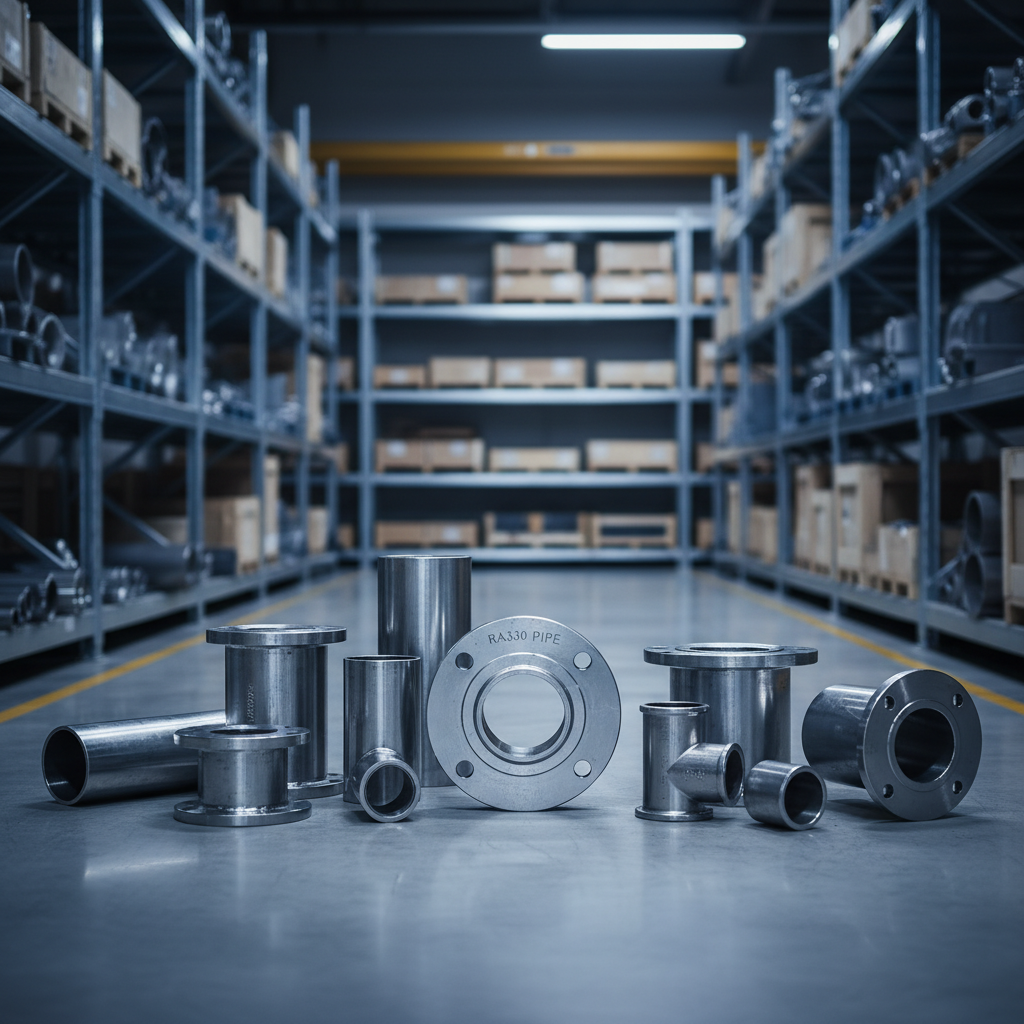
In practical terms, you’ll find these pipes in industries from oil and gas offshore rigs to municipal water systems and even modular construction units. Its manageable length balances ease of handling with functional reach, making it a production and logistics favorite.
Key Qualities of 20 ft Metal Pipes
Durability
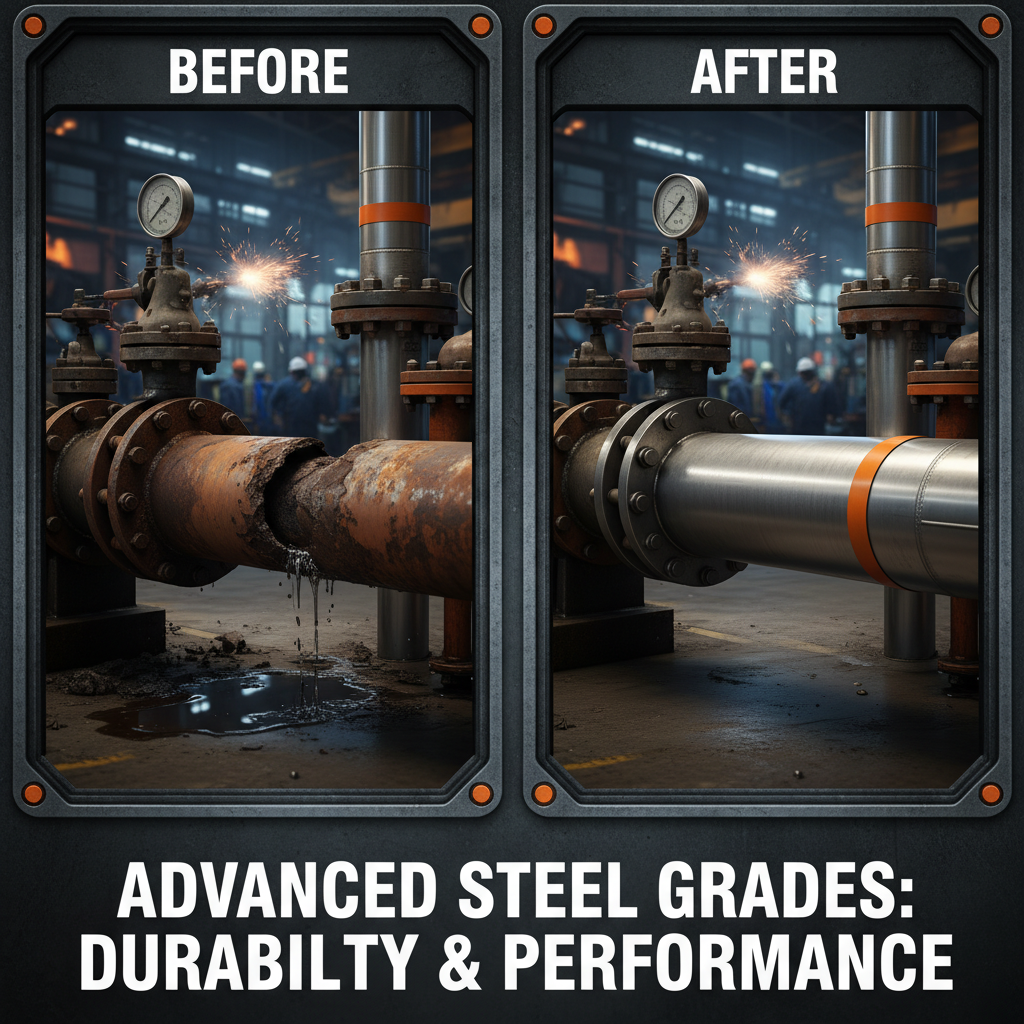
Steel, by nature, offers excellent strength and resilience. These pipes endure high pressures and environmental stressors. Thanks to modern coatings and fabrication techniques, they've become resistant to corrosion and wear, extending service lives by decades.
Scalability and Modular Use
Because 20-foot sections are a 'sweet spot'—neither too long to be unwieldy nor too short to be inefficient—they’re easy to combine in scalable systems. For example, long-distance pipelines commonly connect multiple units in series, simplifying repair and customization.
Cost Efficiency
Standard lengths lead to economies of scale in production and transportation. Bulk shipping reduces freight costs, and uniform dimensions streamline installation teams' work, often translating into project savings.
Versatility
From industrial process piping to infrastructure framing or even temporary shelters, the 20 ft metal pipe adapts well. Many engineers appreciate its familiarity in design plans and field deployment—in many ways, it's a "go-to" for a range of technical needs.
Product Specification: 20 ft Metal Pipe Basic Table
| Specification | Detail |
|---|---|
| Length | 20 feet (6.1 meters) |
| Diameter Range | 2" to 48" (nominal pipe size) |
| Material | Carbon Steel, Stainless Steel, Galvanized Steel |
| Wall Thickness | Schedule 10 to Schedule 160 |
| Coating Options | Epoxy, Polyethylene, Zinc (galvanized), Fusion Bonded |
| Typical Weight | Varies from 50 lbs/ft to 350 lbs/ft depending on size & thickness |
| Standards | ASTM A53, API 5L, ISO 3183 |
How Are 20 ft Metal Pipes Used Around the World?
Consider the oil and gas sector in the Middle East and Russia, where miles of 20 ft metal pipes form the backbone of pipeline networks. In Southeast Asia, rapidly growing cities rely on these pipes within their water distribution systems to ensure clean water access, a critical factor highlighted by the United Nations' Sustainable Development Goals.
Post-disaster zones in the Caribbean and Pacific Islands often use modular 20 ft steel pipes to restore damaged water lines quickly. You might find them repurposed as frames for temporary housing in humanitarian missions, an inventive “sidewalk” solution born from necessity.
Mini takeaway: Their consistent size and strength create a reliable “currency” for infrastructure, no matter the region.
Vendor Comparison: Leading 20 ft Metal Pipe Suppliers
| Supplier | Material Options | Lead Time | Customization | Regional Availability |
|---|---|---|---|---|
| Global Steel Corp. | Carbon, Stainless, Galvanized | 2-4 weeks | Full industrial specs | North America, Europe, Asia |
| Asia Steel Works | Carbon, Epoxy-coated | 3-6 weeks | Limited thickness options | Asia-Pacific |
| EuroPipes Ltd. | Stainless, Galvanized Steel | 1-3 weeks | Highly customizable surface treatments | Europe |
The Lasting Benefits of Investing in 20 ft Metal Pipes
Materially, they promise long service life, reducing the frequency and costs of replacement. Environmentally, modern coatings and manufacturing processes minimize harmful waste and allow for better recyclability compared to older piping options.
On a social level, having reliable pipes supports safer drinking water and cleaner energy transportation, contributing to health and economic stability. Many engineers I’ve spoken to emphasize how a trusted metal pipe supplier feels like a project partner rather than just a vendor – that reliability inspires confidence behind even the most ambitious builds.
What Does the Future Hold?
Future developments are inspiring: ultralight alloys combined with smart coatings promise pipes that resist corrosion better and require less energy to produce. Digital twins and IoT sensors embedded in or alongside pipes allow for predictive maintenance, reducing costly downtime.
Incorporating sustainability, manufacturers are exploring recycled steel blends and greener coating methods aligned with international carbon neutrality goals. I find it quite fascinating how an industry so grounded in physical metal is embracing innovation so swiftly.
Overcoming Obstacles in Pipe Application
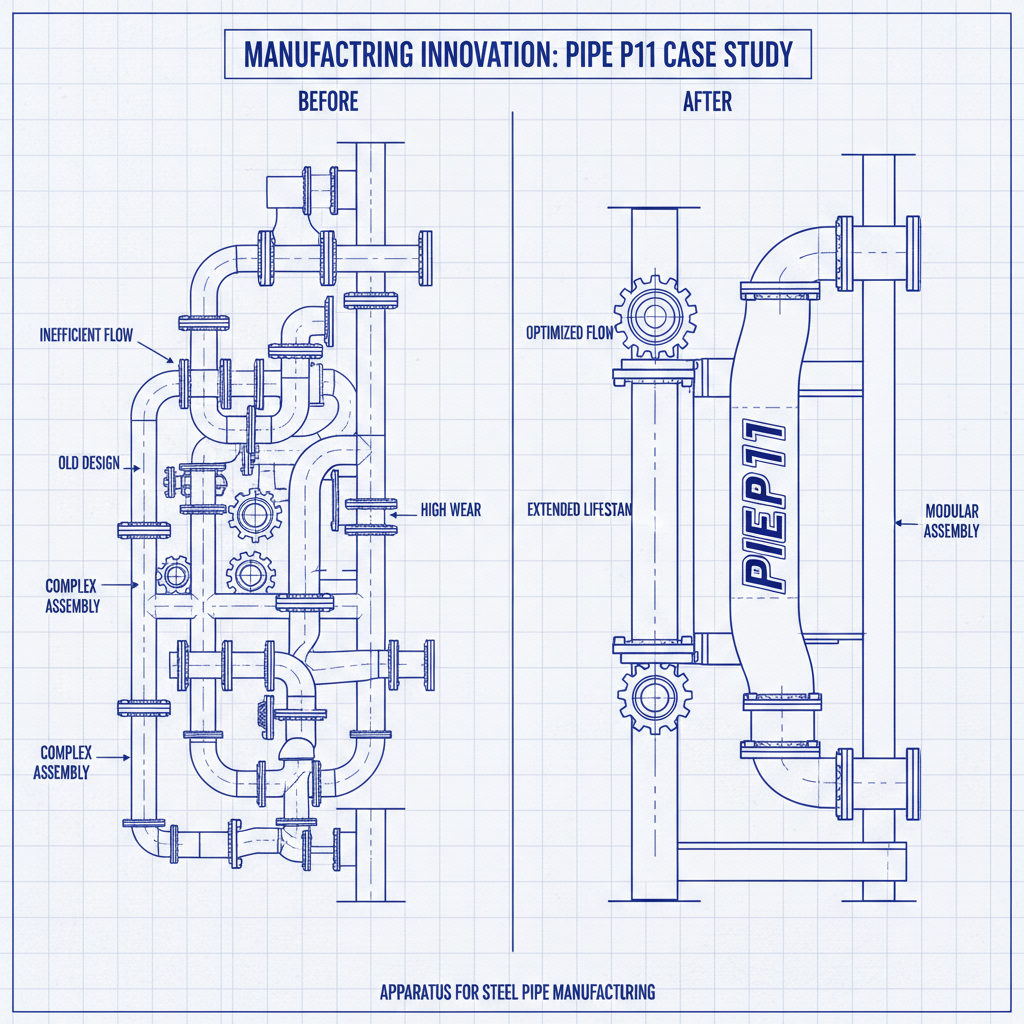
Logistic hurdles still linger, especially in remote regions where transporting 20 ft long segments is tough. Some projects experiment with modular joint designs to ease transport and onsite assembly. Additionally, despite advances in coatings, unexpected corrosion remains a threat in harsh chemical environments, necessitating ongoing inspection regimes.
It’s not a silver bullet, but ongoing R&D and more collaborative vendor-client relationships seem set to reduce these issues over time.
FAQ: 20 ft Metal Pipe Essentials
- How long will a 20 ft metal pipe typically last in industrial applications?
- With proper maintenance and quality coatings, these pipes can last 30 to 50 years or more. Environmental factors like soil acidity or marine exposure influence longevity, so tailored treatments are essential.
- Can I use 20 ft metal pipes for water and gas transmission simultaneously?
- Generally, pipes are specified for a particular medium due to safety and contamination risks. You’d want separate piping systems designed to industry codes for each application.
- Is transportation of these pipes expensive?
- While bulk shipments cut per-unit costs, the 20 ft length does impose some transport limitations. Advanced logistics providers and regional suppliers help keep shipping manageable and affordable.
- Are there eco-friendly alternatives to steel pipes?
- Yes, materials like HDPE and fiber-reinforced plastics exist, but steel remains preferred for strength and durability in high-pressure or extreme environments.
- How do I verify supplier compliance with international standards?
- Always request certification documents (ASTM, API, ISO) and consider third-party inspections. Vendors like those in our comparison table emphasize transparency and traceability.
Final Thoughts & Next Steps
When considering infrastructure development or industrial expansion, the humble 20 ft metal pipe deserves a serious look. Its blend of durability, versatility, and cost-effectiveness underpins many of the world's critical systems quietly yet robustly.
Curious to explore what options fit your project? Visit our website: https://www.world-steelmaterial.com to connect with suppliers and learn more about how these pipes can serve your specific needs.
References:
1. World Steel Association (worldsteel.org) — Annual steel statistics
2. United Nations Sustainable Development Goals (sdgs.un.org)
3. ASTM International Standards (astm.org)
Post time: Nov . 27, 2025 04:10
 English
  Arabic
  Bengali
  China
China  French
  German
  Hausa
Hausa  Indonesian
  Italian
  Japanese
  Javanese
  Malay
Malay  Persian
  Portuguese
  Punjabi
  Russian
  Spanish
  Swahili
  Telugu
  Vietnamese