

Understanding the 20mm Metal Pipe: Small Diameter, Big Impact
At first glance, a 20mm metal pipe might strike you as just another industrial component — a slim cylinder of steel or alloy, nothing flashy. Yet, the humble 20mm metal pipe plays a surprisingly pivotal role across industries worldwide, from infrastructure and manufacturing to humanitarian efforts and cutting-edge engineering projects. Whether you’re involved in building resilient water systems or fabricating mechanical assemblies, grasping the essentials of this small-diameter pipe unlocks meaningful benefits. Reliable, versatile, and cost-effective, it’s a core material that quietly scaffolds much of modern industry and development worldwide.
In today’s globally interconnected economy, knowing how these pipes work and where they fit matters — for engineers, procurement officers, and even aid organizations. So, here’s a friendly, practical dive into the world of 20mm metal pipes, where their impact truly outweighs their size.
Global Context: Why 20mm Metal Pipes Matter in Today’s World
The global metal pipe market is expected to grow steadily, driven by urbanization, industrial expansion, and heightened infrastructure needs — with small diameter pipes like the 20mm variant playing a crucial role. According to the International Organization for Standardization (ISO) and reports from the World Bank, durable piping solutions are vital in ensuring clean water access, gas distribution, and efficient manufacturing worldwide.
Oddly enough, while massive pipelines get the headlines, 20mm metal pipes deftly tackle challenges in tight spaces, precision applications, and resource-sensitive settings. For example, rural water supply projects or remote industrial sites require pipes that don’t just deliver fluid but withstand harsh conditions and are easy to transport and install.
However, challenges arise in sourcing pipes that meet durability standards without overshooting budgets, especially in humanitarian contexts. That's where understanding the specifications and strengths of 20mm pipes helps decision makers avoid costly mistakes.
Mini takeaway: Though small, 20mm metal pipes are mighty—vital for global infrastructure, bridging gaps where larger pipes can’t easily serve.
Defining the 20mm Metal Pipe
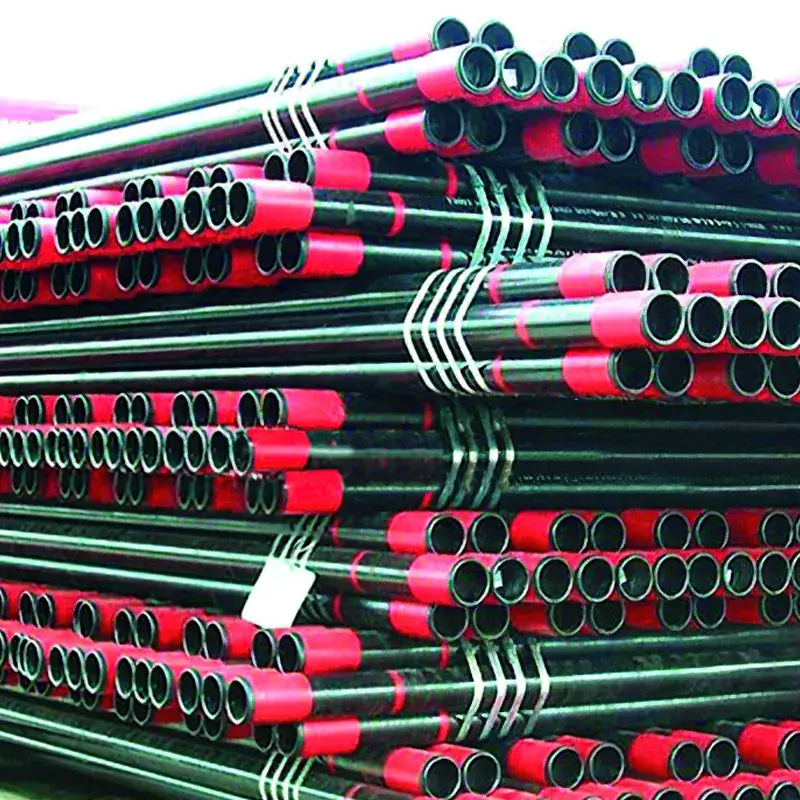
In simple terms, a 20mm metal pipe is a cylindrical tube with an outside or nominal diameter of 20 millimeters, primarily made from metals such as steel, stainless steel, or sometimes aluminum. It’s often used for fluid or gas conveyance, mechanical protection, or structural purposes in tightened or specialized spaces.
Unlike larger pipes, these smaller pipes balance compact size with appreciable strength. They connect to a world of modern needs — from delivering potable water to supporting machinery frames and wiring conduits. For humanitarian agencies, especially, they offer reliable, modular solutions where rapid deployment and adaptability matter.
Key Features of the 20mm Metal Pipe
1. Durability & Corrosion Resistance
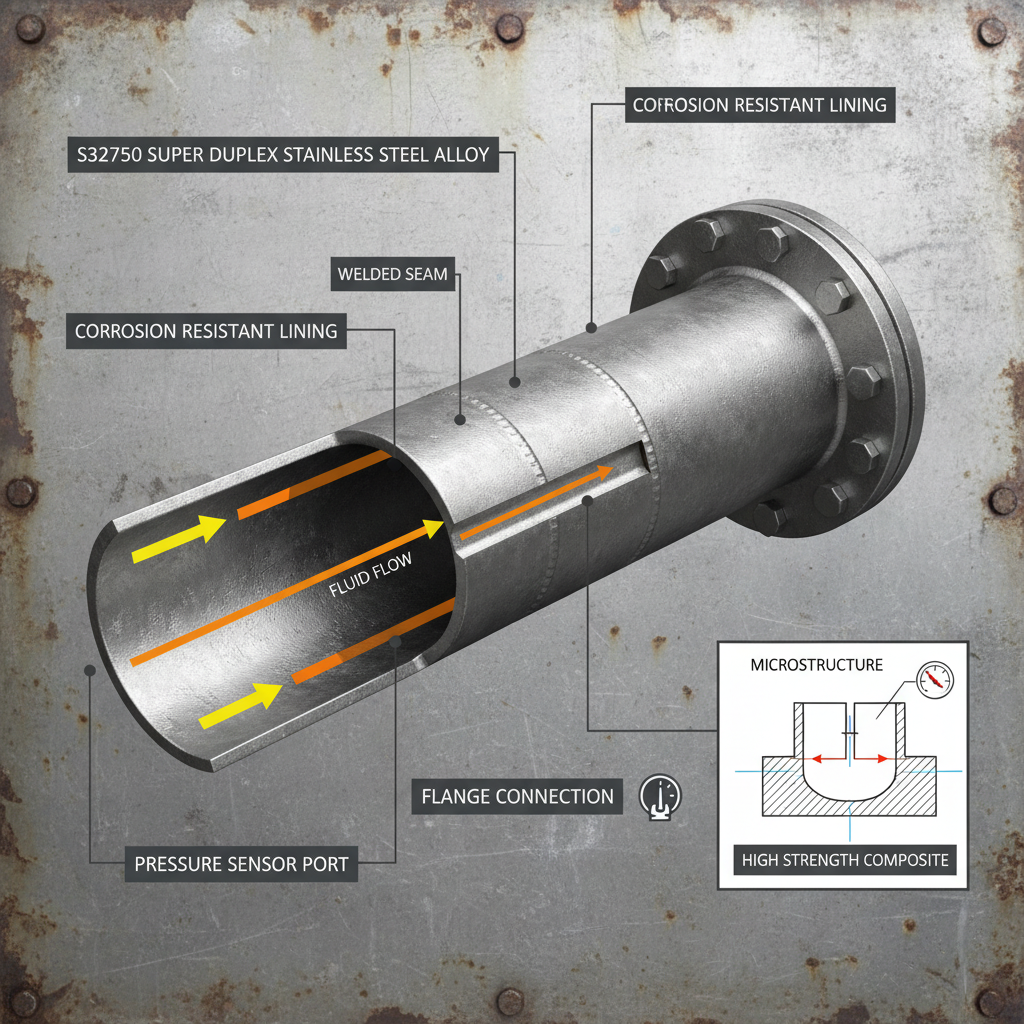
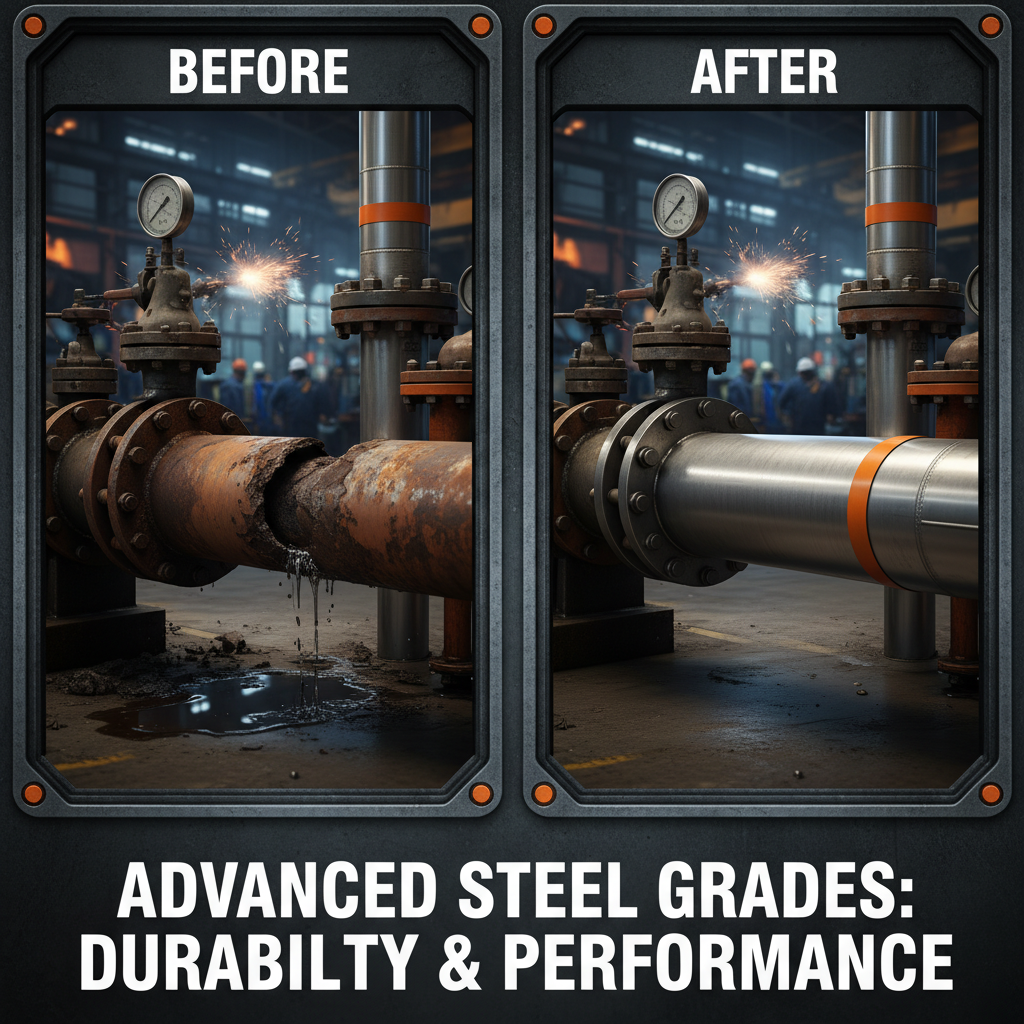
Metal pipes come in various alloys; stainless steel 20mm pipes, for example, resist rust and chemical attack, extending service life in diverse environments. This means less maintenance and fewer replacements in the long run.
2. Precision & Consistency
Manufacturers adhere to strict ISO standards ensuring consistent dimensions, wall thickness, and tensile strength. This uniformity simplifies installation and integration with fittings and other components.
3. Versatility
Whether used in water delivery, HVAC systems, or mechanical assemblies, 20mm metal pipes fit multiple functions. Their small diameter allows use in tight spots without sacrificing flow rate or structural integrity.
4. Cost Efficiency
Using smaller metal pipes often means saving on raw materials and shipment costs. Additionally, ease of transport — thanks to manageable weight and size — helps cut logistical expenses.
5. Scalability
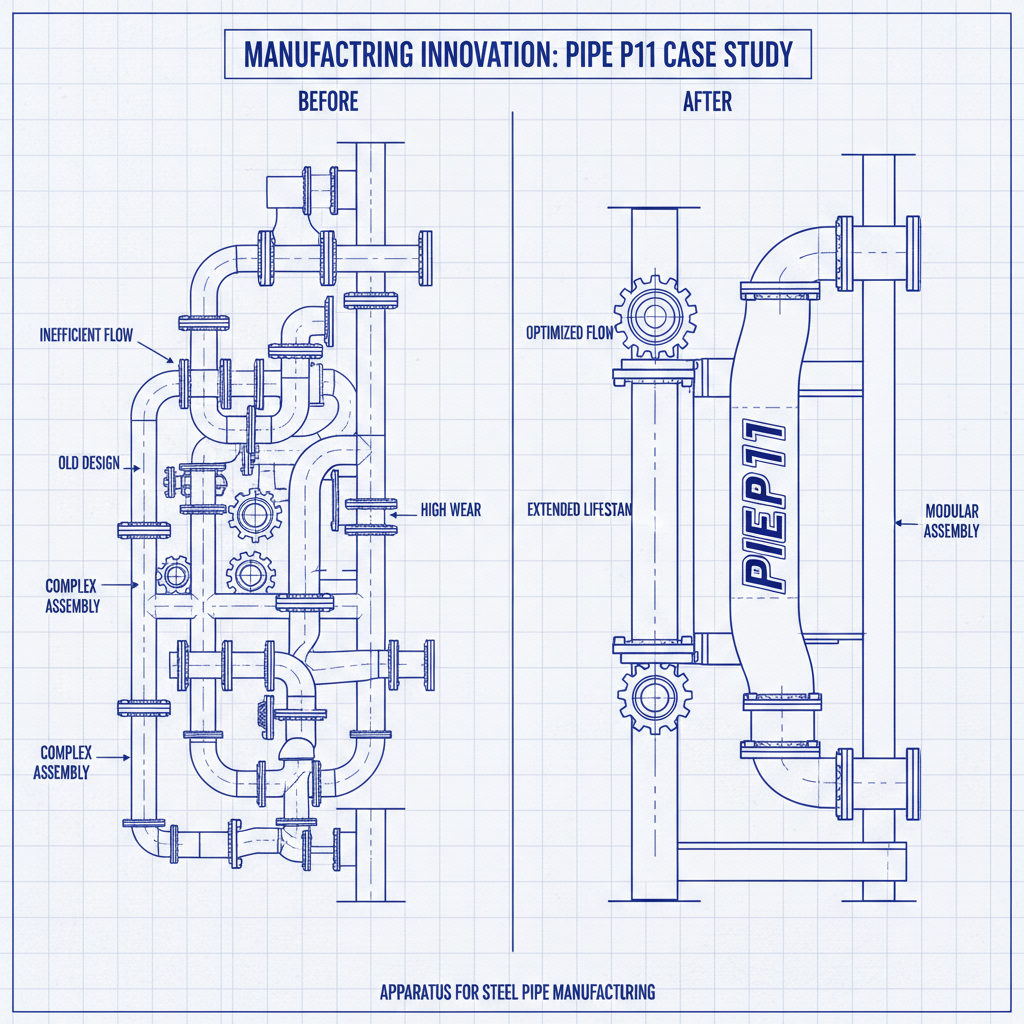
20mm pipes are easily combined into modular systems that can be expanded or modified, suiting both one-off projects and long-term industrial setups.
Mini takeaway: Durability, adaptability, and accurate specs make 20mm metal pipes a practical choice in many tough applications.
Global Applications & Use Cases for 20mm Metal Pipes
What’s fascinating is how widespread and varied usage is. In Asia and Africa alike, NGOs installing clean water systems rely heavily on 20mm pipes for their reliability and manageable sizing. Post-disaster zones see these pipes used to quickly reconstruct plumbing networks or temporary shelters with integrated utilities.
In Europe and North America, industries use them in automotive manufacturing lines, robotics, and even medical equipment frames — places where precision and small footprint count.
For instance, a mid-sized chemical plant in Germany employs stainless 20mm pipes for safe, efficient fluid transfer that withstands corrosive material. Meanwhile, in a remote Indonesian village, 20mm galvanized steel pipes are central to delivering clean water, proving indispensable to health outcomes and community trust.
Advantages & Long-term Value of 20mm Metal Pipe
- Economic Savings: Lower raw material use and easier transportation shrink project costs.
- Sustainability: Durable materials lead to less waste and support circular economy principles.
- Reliability: Sturdy construction reduces failures, ensuring safety and operational continuity.
- Emotional Impact: For emergency responders, a dependable pipe means fewer worries, better outcomes, and restored dignity for affected populations.
Long-term, investing in quality 20mm pipes creates trust between suppliers, installers, and end users — a subtle but crucial factor in any engineering ecosystem.
Future Trends & Innovations in the 20mm Metal Pipe Industry
Looking ahead, the 20mm metal pipe isn’t standing still. Innovations include lighter yet stronger metal alloys, such as duplex stainless steels, improving corrosion resistance without extra weight. Green manufacturing practices aim to lower carbon footprints during production and transport.
Digitally enhanced component tracking (such as embedded RFID chips inside pipes) is growing, allowing real-time monitoring of pipe health and lifecycle data. Automation in production lines also boosts quality and scalability, reducing human error and cost.
In sustainability terms, focus is increasing on materials that can be recycled easily without structural compromise — part of the broader effort to make industrial manufacturing greener.
Challenges & Practical Solutions
No product is perfect, and 20mm metal pipes face typical issues like susceptibility to certain chemical corrosion or the need for precise joining techniques to prevent leaks. Supply chain interruptions can also impact availability, especially in crisis zones.
Experts recommend:
- Careful selection of pipe alloys matched to chemical and environmental conditions.
- Use of modern welding and sealing methods for connections.
- Stockpiling and flexible sourcing strategies to mitigate supply risks.
With smart planning and appropriate tech, these challenges are manageable rather than dealbreakers.
Frequently Asked Questions About 20mm Metal Pipes
- What makes 20mm metal pipes better than larger diameter pipes in industrial setups?
- 20mm pipes offer greater flexibility for tight spaces and require less raw material, making them cost-effective while maintaining strength and flow for smaller-scale systems.
- How long can 20mm metal pipes last in harsh, outdoor conditions?
- Depending on material and protective coatings, they can last 20–50 years or more, especially if stainless steel or galvanized, which resist corrosion significantly.
- Are 20mm metal pipes suitable for potable water applications?
- Yes, provided they meet sanitary standards like NSF/ANSI certifications—common for stainless steel or appropriately coated pipes.
- How do NGOs typically source 20mm pipes for international projects?
- NGOs often work with global suppliers who provide compliance certification and handle logistics, sometimes using hub warehouses to speed distribution.
Product Specification Table
| Specification | Details |
|---|---|
| Outer Diameter | 20 mm (±0.1 mm) |
| Wall Thickness | 2.0 mm standard (varies 1.5–3.0 mm) |
| Material | Carbon Steel, Stainless Steel (304, 316), Galvanized Steel |
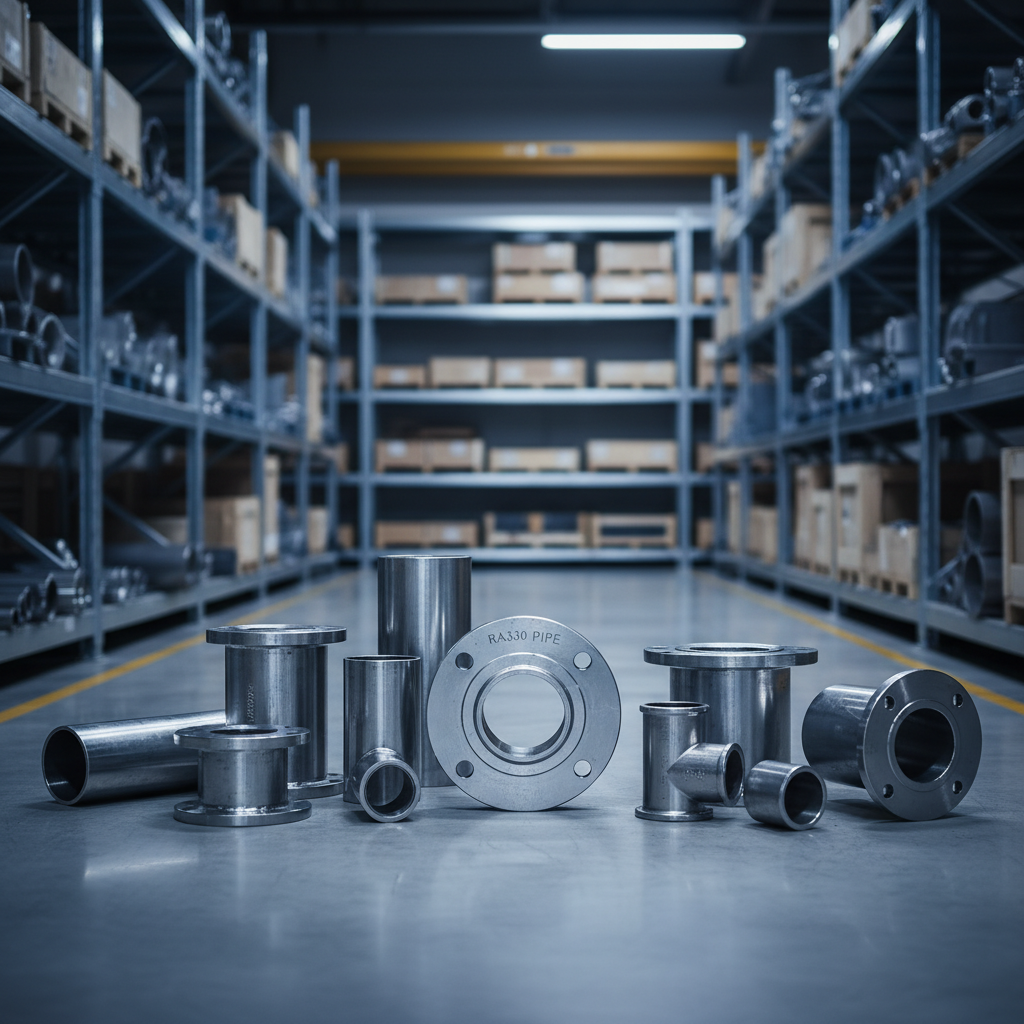
| Length | 6 meters standard or custom cut |
| Pressure Rating | Up to 16 bar (varies by material/thickness) |
| Finish | Mill finish, polished, or coated options |
Vendor Comparison of Popular 20mm Metal Pipe Suppliers
| Supplier | Material Range | Lead Time | Price Range (per meter) | Certifications |
|---|---|---|---|---|
| SteelPro Global | Carbon, Stainless Steel (304,316) | 2-3 weeks | $3.50 - $5.00 | ISO 9001, ASTM |
| PipeTech Supplies | Galvanized Steel, Carbon Steel | 1-2 weeks | $2.75 - $4.20 | ISO 14001, CE |
| AquaLine Metals | Stainless Steel, Specialty Alloys | 3-4 weeks | $5.00 - $7.50 | ISO 9001, NSF |
Conclusion: Why Understanding 20mm Metal Pipes Pays Off
In real terms, the 20mm metal pipe embodies a blend of practicality, durability, and cost-efficiency that many often overlook. Whether you’re an engineer designing a compact water filtration unit, or an NGO planning rapid deployment for a disaster zone, it offers solutions that balance precision with adaptability. As technological and sustainability trends shape future designs, staying informed about this essential building block will continue to provide competitive advantages and tangible benefits.
Curious to explore more? Don’t hesitate to visit our resource hub at 20mm metal pipe for detailed specifications, product options, and supplier contacts tailored to your needs.
Mini takeaway: Understanding the details of 20mm metal pipes is more than a technical exercise — it’s a gateway to smarter, safer, and sustainable infrastructure worldwide.
References:
Post time: Nov . 27, 2025 06:40
 English
  Arabic
  Bengali
  China
China  French
  German
  Hausa
Hausa  Indonesian
  Italian
  Japanese
  Javanese
  Malay
Malay  Persian
  Portuguese
  Punjabi
  Russian
  Spanish
  Swahili
  Telugu
  Vietnamese