

Understanding the Role of 2 Inch Metal Pipe in Today’s Industries
The humble 2 inch metal pipe may seem like a small, technical component, but its impact is far-reaching and global. From plumbing to oil and gas transport, to infrastructure, understanding the standards and uses of this common piping size is critical for engineers, manufacturers, and even humanitarian agencies operating worldwide. These pipes serve as the veins of modern infrastructure—literally carrying fluids, gases, and sometimes electrical conduits across vast distances.
Why does this matter globally? Well, as urbanization continues and industries grow, the demand for reliable, durable pipes of standardized size is soaring. Using a 2 inch metal pipe ensures interoperability, safety, and efficiency across borders and projects. It’s also easier for maintenance, replacements, and scalability when these components fit a global norm.
The Global Context: Why 2 Inch Metal Pipe is a Backbone of Industry
Globally, metal pipes—including the 2 inch diameter pipes—are a critical segment of the steel and construction industry. According to the International Organization for Standardization (ISO), the global steel pipe market size was valued at over $170 billion in 2022, projected to rise steadily with infrastructure developments (1). 2 inch metal pipes are often specified in residential, commercial, and industrial projects because they're robust enough for moderate fluid flow yet manageable for installation.
In developing countries, such pipes are essential to expanding clean water access and wastewater management, key United Nations Sustainable Development Goals (UN SDG 6). However, challenges such as corrosion, supply chain instability, and fluctuating steel prices can affect availability and cost. Hence, engineers and procurement teams increasingly look for optimized specs and trustworthy suppliers.
Defining the 2 Inch Metal Pipe
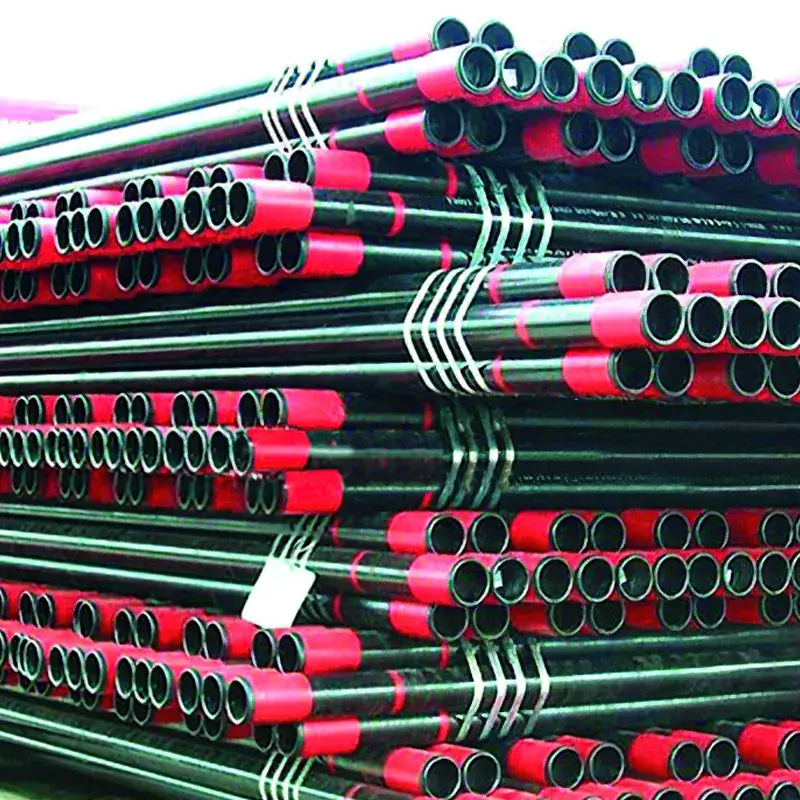
Put simply, a 2 inch metal pipe refers to a hollow cylindrical tube made typically from steel, stainless steel, or sometimes galvanized metal, with an outer diameter (OD) close to 2 inches. In industry terms, this size strikes a balance between strength and flexibility for various applications.
Modern industries rely on these pipes not only for liquid and gas transport but also for structural framing, conduit systems, and protective casings. Given the material strength, pipes of this size can endure high pressures and harsh environments, making them especially valuable in oil, gas, and chemical sectors as well as humanitarian and emergency relief operations.
Key Characteristics of 2 Inch Metal Pipes
- Outer Diameter (OD): Approximately 2 inches (50.8 mm), though wall thickness varies by specification.
- Material: Commonly carbon steel, stainless steel, or galvanized steel.
- Wall Thickness (Schedule): Varies (e.g., Schedule 40, 80), impacting strength and weight.
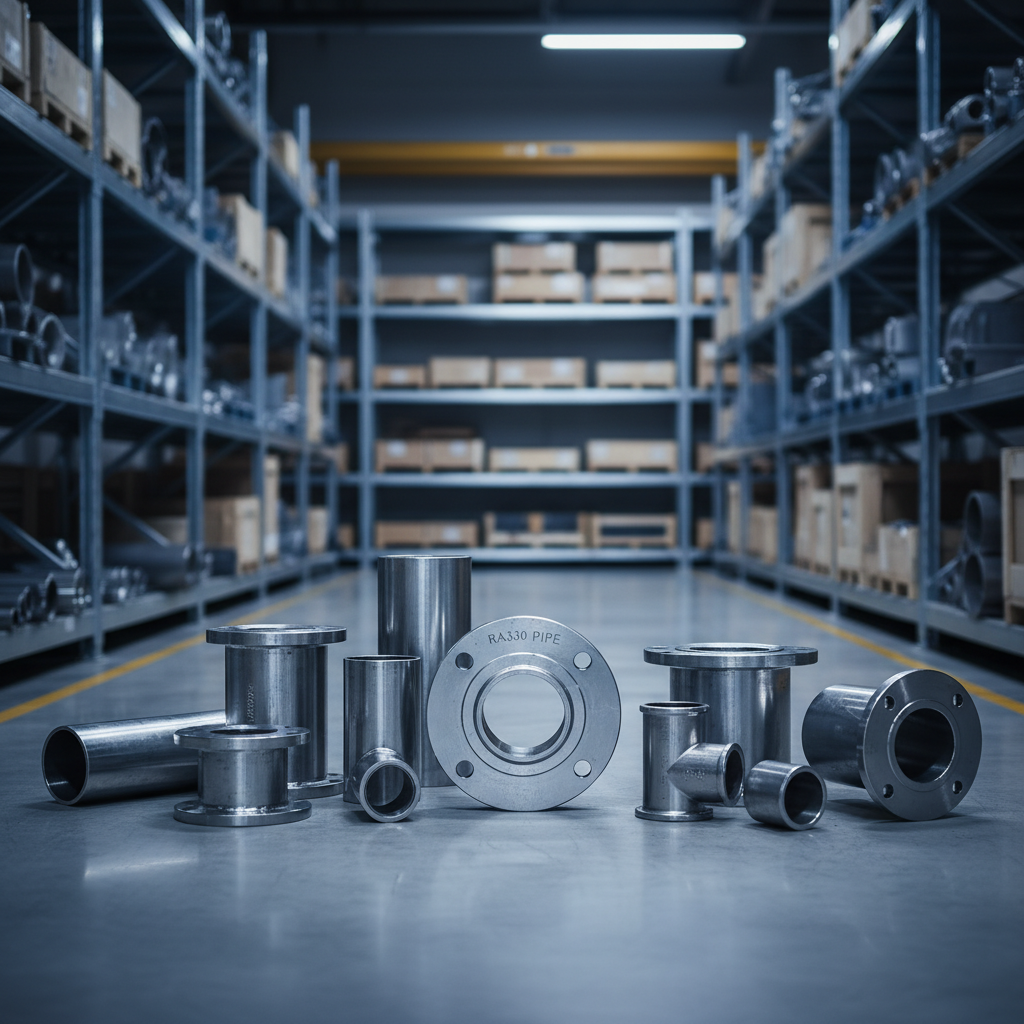
- End Types: Plain ends, threaded, beveled, or grooved, depending on connection needs.
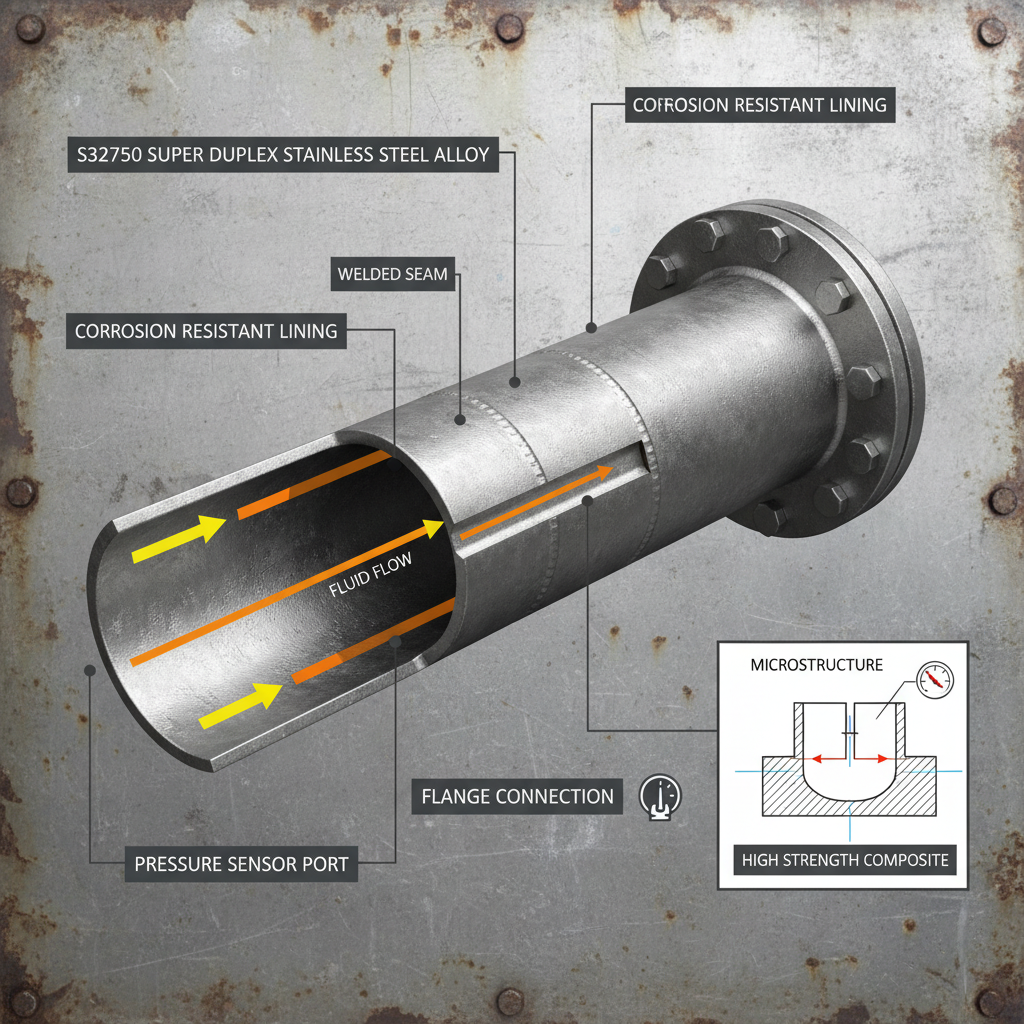
- Corrosion Resistance: Depending on coating or alloy used.
The Core Features That Make 2 Inch Metal Pipes Reliable
Durability and Strength
The steel composition and diameter together create a pipe strong enough to resist mechanical stress and pressure changes. Because many pipelines carry hazardous or precious fluids under pressure, the pipe's reliability is non-negotiable. Many engineers I’ve talked with swear by Schedule 80 pipes at this size for industrial environments.
Scalability and Compatibility
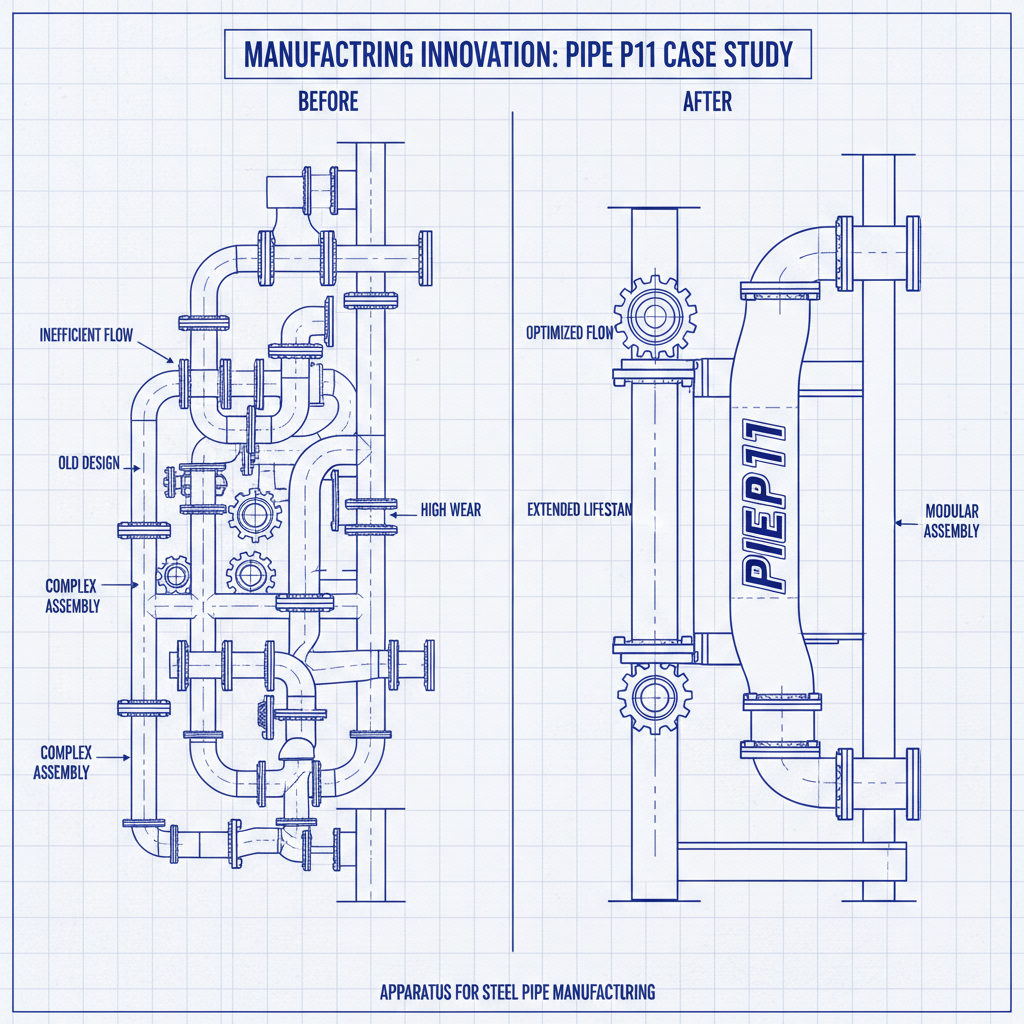
Standardized sizes allow 2 inch metal pipes to slip seamlessly into modular systems and long networks. This means that whether you're building a small water line or a complex refinery conduit, these pipes fit a global puzzle piece—reducing engineering headaches and keeping costs manageable.
Cost Efficiency
When looking at procurement, the 2 inch metal pipe offers a sweet spot. It’s not too small to limit flow and not too large to inflate costs unnecessarily. Plus, steel pipes generally benefit from lasting operational lifespans, making them a good investment.
Corrosion Resistance
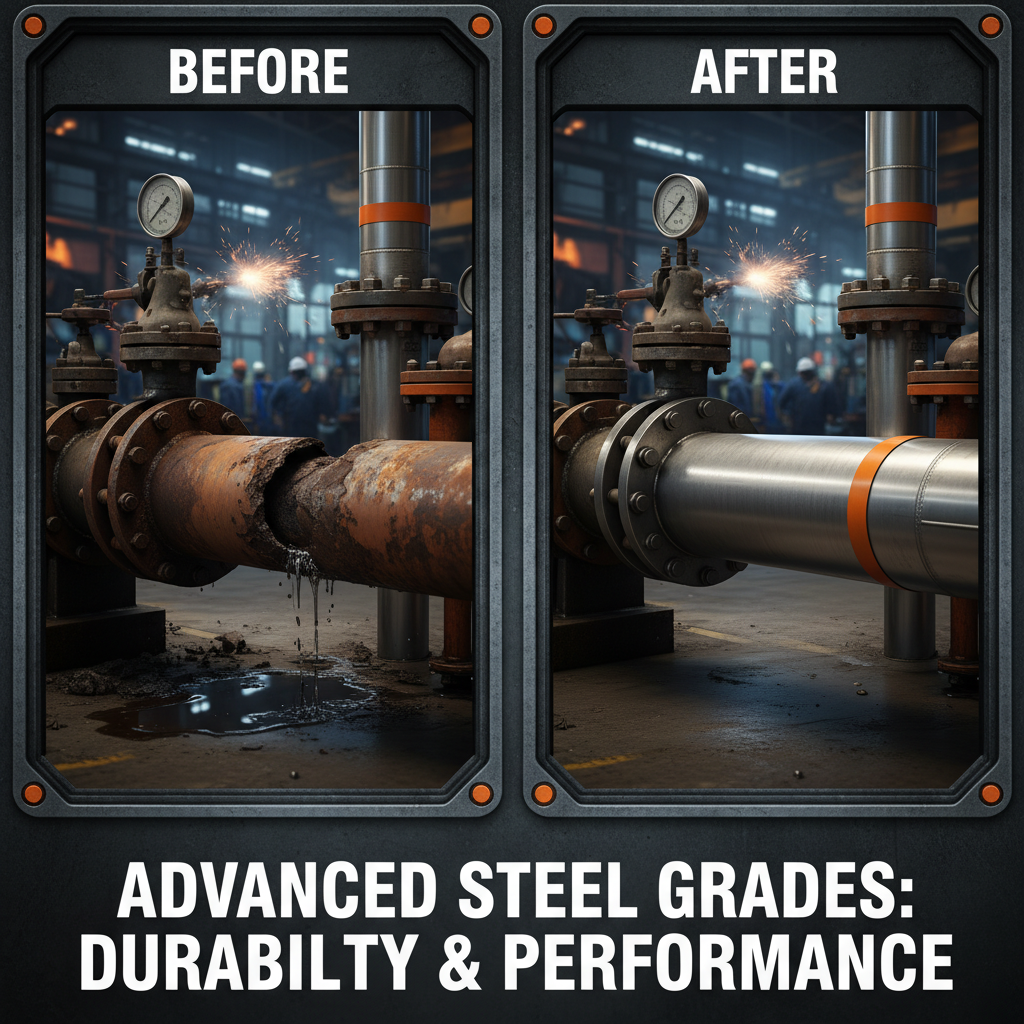
Depending on material and treatment — say, galvanized coating or stainless steel alloy — corrosion resistance can be optimized, extending the pipe's service life in aggressive environments.
Global Applications & Use Cases
You’d be surprised how common 2 inch metal pipes are across continents and industries:
- Water Supply Networks: Urban centers rely heavily on these pipes for managing pressurized potable water systems.
- Oil and Gas: Pipelines often utilize 2 inch pipes for branch lines, fueling stations, and refinery segments.
- Fire Protection Systems: In commercial buildings worldwide, 2 inch piping is integral to sprinkler systems.
- Humanitarian Relief: In post-disaster zones, temporary water and sanitation setups require readily available, durable piping solutions — 2 inch metal pipes fit the bill reliably.
For example, in the 2023 cyclone relief efforts in Southeast Asia, NGOs consistently deployed modular water purification units connected via 2 inch metal pipes — effective, easy to handle, and compatible with locally sourced fittings.
Mini Takeaway
Knowing the specs and flexibility of 2 inch metal pipe gives project managers and field engineers an edge in selecting the right components that are proven worldwide for critical infrastructure.
Advantages and Long-Term Value
There’s more to these pipes than just size. They deliver cost savings due to longevity, easy installation, and maintenance. Beyond the numbers, they provide a sense of security and trust — knowing that a pipeline won’t fail is priceless. Friendly to replace parts, these pipes also reduce downtime and environmental risks.
Emotionally, communities served by reliable water and gas lines enjoy enhanced dignity and safety. Industries gain smoother operations, reducing costly emergency repairs. It’s a chain reaction of trust and innovation.
Future Trends Shaping 2 Inch Metal Pipes
Frankly, as industries push toward greener operations, new materials and coatings emerge. Smart pipes with embedded sensors for pressure and corrosion monitoring are on the rise—digital transformation in a pipe!
Manufacturers experiment with eco-friendly alloys and better coating tech to fight corrosion sustainably. Automation in the supply chain also ensures faster delivery times for these often urgent components.
Challenges and How Industry Addresses Them
Of course, there are hurdles. Corrosion, supply delays, and installation difficulties remain. However, innovations like advanced anti-corrosive coatings and just-in-time logistics help. Engineers have adopted training programs focused on correct welding and fitting techniques to reduce on-site failures.
It’s odd but true that a plain pipe’s performance often boils down to the quality of installation and material specs adherence.
Product Specification Table: Typical 2 Inch Metal Pipe
| Attribute | Specification | Notes |
|---|---|---|
| Outer Diameter (OD) | 2.375 inches (60.3 mm) | Standard for nominal 2-inch pipes |
| Wall Thickness | Schedule 40 (0.154") / Schedule 80 (0.218") | Choose by pressure and strength needs |
| Material | Carbon Steel, Stainless Steel, Galvanized | Varies by application environment |
| Length | 20 feet (standard) | Can be cut or welded to length |
| Coating | Galvanized, Epoxy, None | Depends on corrosion requirements |
Vendor Comparison: Leading Suppliers of 2 Inch Metal Pipes
| Vendor | Material Options | Pricing (per foot) | Lead Time | Global Shipping |
|---|---|---|---|---|
| SteelWorks Inc. | Carbon, Galvanized | $3.50 | 2 weeks | Yes |
| Global Pipes Ltd. | Stainless Steel, Carbon Steel | $4.20 | 3 weeks | Yes (select countries) |
| Metro Steel Supplies | Galvanized only | $3.00 | 1 week | Domestic only |
FAQ: Common Questions About 2 Inch Metal Pipes
Q1: What materials are typically best for 2 inch metal pipes used outdoors?
A: For outdoor use, galvanized steel and stainless steel are preferred due to their superior corrosion resistance. Galvanized coatings protect carbon steel, while stainless steel offers inherent rust resistance — ideal for humid or corrosive environments.
Q2: Can 2 inch metal pipes be easily joined with plastic pipes?
A: Yes, with the proper fittings and adapters, 2 inch metal pipes can connect to plastic polyethylene (PE) or PVC pipes. Transition couplings designed for dissimilar materials ensure leak-proof and flexible connections.
Q3: How long do 2 inch steel pipes typically last in industrial applications?
A: Depending on environment and coating, their lifespan ranges from 20 to 50+ years if properly maintained. Regular inspection for corrosion and mechanical damage is key to longevity.
Q4: Are 2 inch metal pipes suitable for potable water supply?
A: Absolutely, especially stainless steel and certified galvanized pipes are compatible with potable water systems. However, local codes and standards should always be verified to ensure compliance.
Q5: Where can I find reliable suppliers for 2 inch metal pipes internationally?
A: Suppliers like SteelWorks Inc. and Global Pipes Ltd. offer international shipping, but always check lead times and shipping policies. It’s also smart to source from local distributors when possible to reduce delays.
Conclusion & Next Steps
In summary, the trusty 2 inch metal pipe provides a foundation—quite literally—for countless industrial and humanitarian projects around the world. Durable, cost-effective, and standardized, these pipes ensure safe transport of water, gas, and other fluids vital to our way of life. As materials and tech innovations march forward, these pipes will only become smarter and more sustainable.
Curious to explore your options or source quality 2 inch metal pipes for your next project? Visit our website: 2 inch metal pipe and start building your future infrastructure today.
Mini Reflection
It’s somewhat humbling how something as “simple” as a 2 inch metal pipe quietly supports vast, life-changing systems worldwide. Every time you turn on a tap or see a fire sprinkler system, there's likely one of these modest pipes doing its job behind the scenes.
References
Post time: Nov . 27, 2025 08:50
 English
  Arabic
  Bengali
  China
China  French
  German
  Hausa
Hausa  Indonesian
  Italian
  Japanese
  Javanese
  Malay
Malay  Persian
  Portuguese
  Punjabi
  Russian
  Spanish
  Swahili
  Telugu
  Vietnamese