

Understanding 2 Metal Pipe: Why it Matters Globally
Metal pipes are the unsung heroes shaping infrastructure worldwide, and when we talk about 2 metal pipe, we're diving into a versatile category crucial for countless applications. From delivering water to powering industry, understanding this topic goes way beyond just the pipes themselves — it shapes economies, safeguards communities, and supports sustainable development.
Globally, infrastructure is a massive priority. According to the United Nations, over 2 billion people lack access to safely managed drinking water, and metal piping solutions play a key role in addressing that gap. On top of that, metal piping systems in energy, manufacturing, and transport sectors keep the wheels of modern society turning. So, why focus on 2 metal pipe? Because these pipes — often referring to specific types, dimensions, or dual-layered metal constructions — offer unique benefits in durability, cost-efficiency, and application flexibility.
Let's break down why this isn't just an industrial afterthought but a vital piece affecting billions worldwide.
Global Context: The Broad Reach of 2 Metal Pipe
Metal piping is everywhere — but its global footprint expands as populations grow and industries shift. The World Bank estimates infrastructure investment to surpass $94 trillion by 2040, with metal piping forming the backbone of many projects. Whether it’s oil and gas pipelines in the Middle East, water systems in Africa, or HVAC conduits across European skyscrapers, 2 metal pipe products adapt to diverse environments and demands.
However, challenges abound. Corrosion, supply chain disruptions, and climate-driven wear threaten long-term viability. These issues call for pipes that aren’t just cheap but engineered intelligently — to last longer, resist tougher environments, and fit specialized needs.
What Does “2 Metal Pipe” Mean?
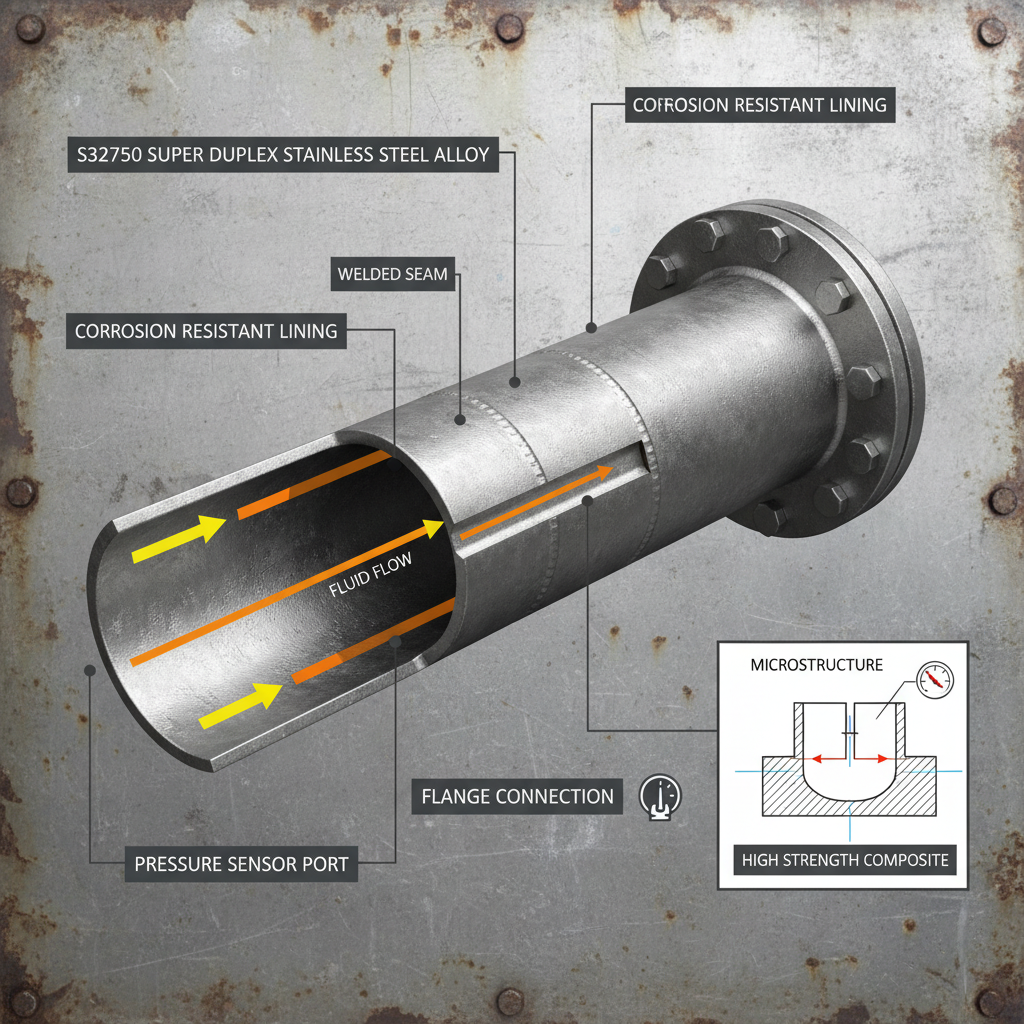
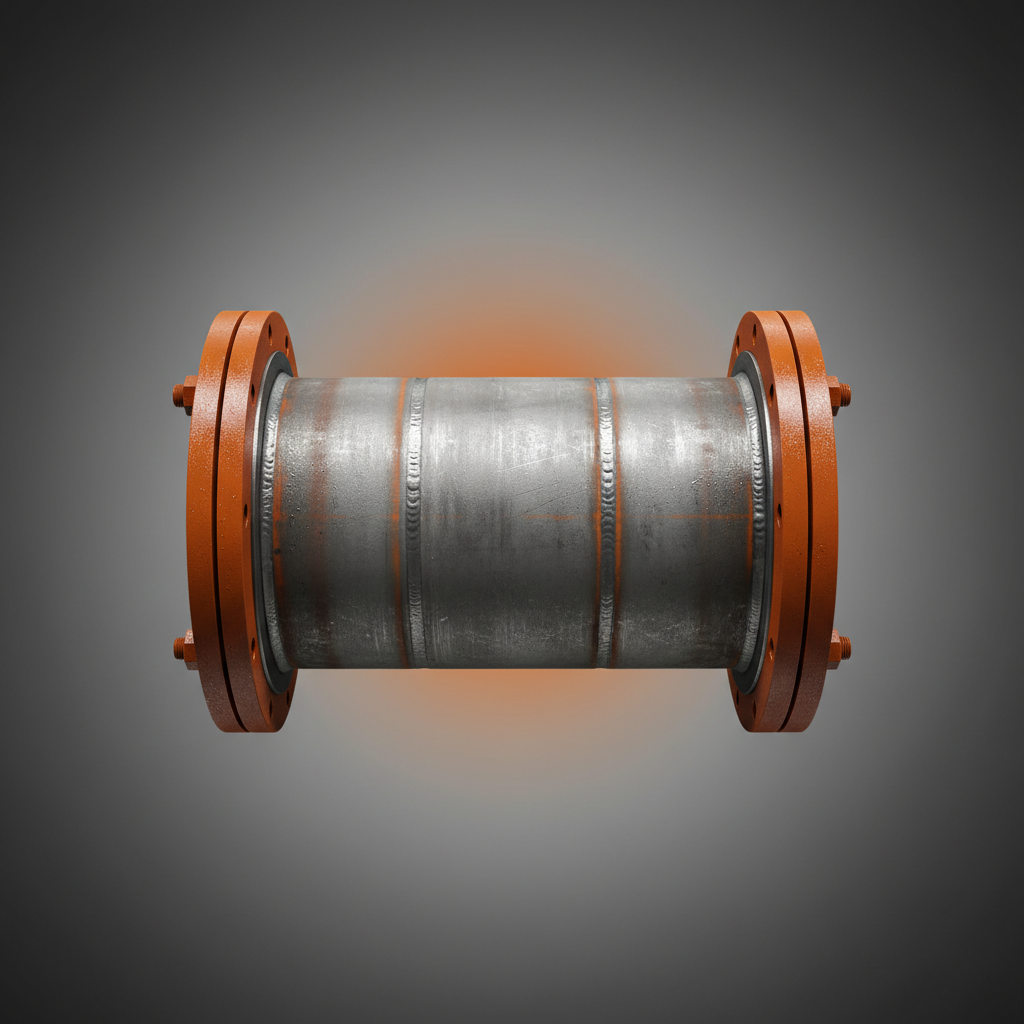
Put simply, 2 metal pipe often refers to a piping system composed of two specific metal layers or a manufactured pipe combining two metal types for greater strength and resistance. Think of it as a hybrid that merges the best properties of its elements — like stainless steel’s corrosion resistance paired with carbon steel’s strength.
In industries like oil and gas, construction, and water management, this dual-metal design helps address complex needs: corrosion protection on the outside, structural support inside. It’s a smart evolutionary step from single-metal piping, especially in demanding environments.
Key Components and Factors in 2 Metal Pipe Design
1. Durability and Corrosion Resistance
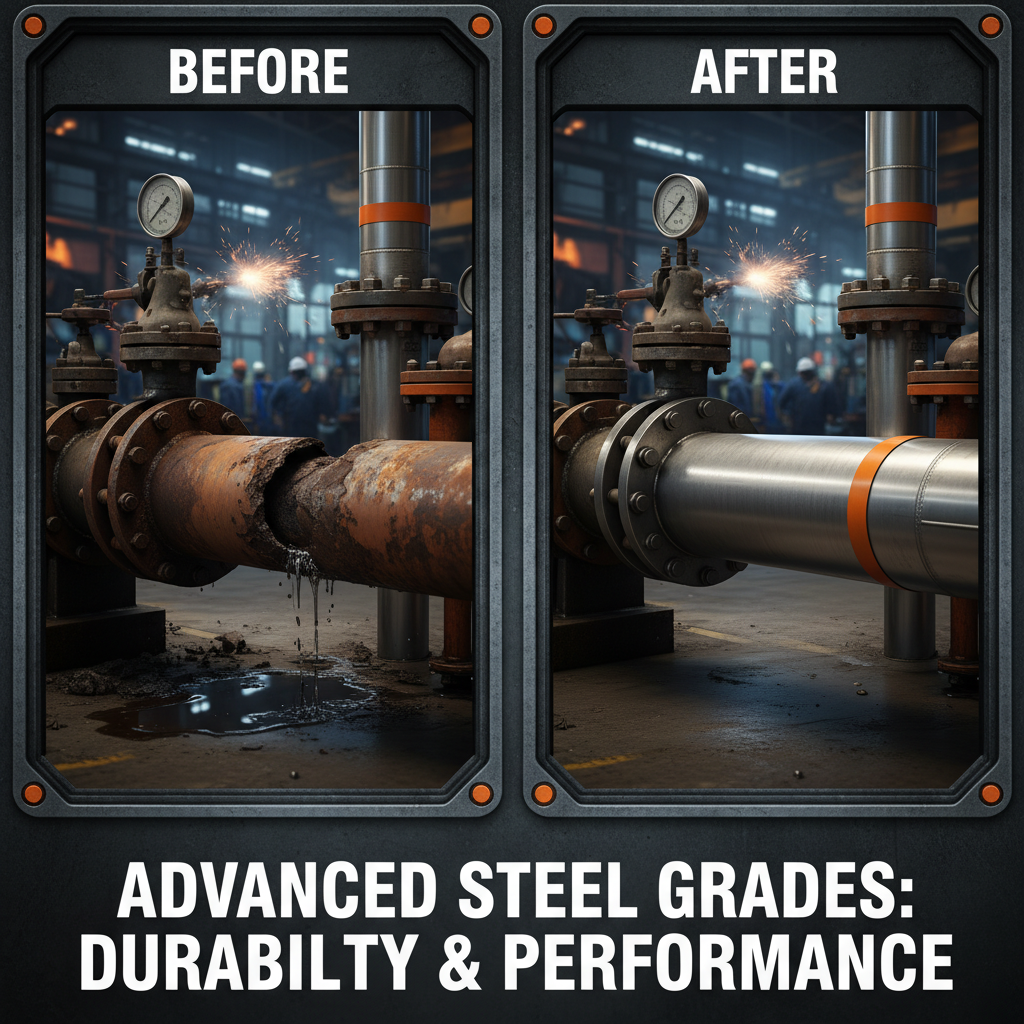
Perhaps the biggest asset of 2 metal pipe systems is their increased lifespan, especially in harsh environments. When one metal resists rust but lacks strength, and another offers rigidity but corrodes easily, combining them covers weaknesses of each.
2. Structural Strength and Flexibility
Depending on the metals used, these pipes can handle greater pressure and mechanical stress. For example, combining ductile metals improves toughness, essential for pipelines that endure shifts or vibrations.
3. Cost Efficiency
Although generally pricier upfront than single-metal pipes, dual-metal variants can reduce long-term replacement and maintenance costs, making them smart investments in the bigger picture.
4. Application-Specific Customization
The ability to tailor metal combinations to specific chemical or temperature challenges means these pipes don't have to fit a “one size fits all” mold. Industries from chemical plants to food processing can optimize piping material for their unique needs.
5. Environmental Resistance
Extra layers can shield pipes from temperature extremes, UV exposure, or aggressive fluids — key in climates ranging from Arctic to desert.
Product Specification Table for Typical 2 Metal Pipe
| Specification | Description | Typical Value |
|---|---|---|
| Outer Layer Material | Stainless Steel Grade 304 | Corrosion resistant |
| Inner Layer Material | Carbon Steel | High strength |
| Diameter Range | Nominal pipe size | 1” to 48” |
| Pressure Rating | Max operating pressure | Up to 2500 psi |
| Temperature Range | Operating temperatures | -40°C to 400°C |
Where in the World Are 2 Metal Pipe Systems Making an Impact?
The versatility of 2 metal pipe products means no shortage of real-world examples. In the Middle East, oil extraction demands pipelines resistant to corrosive sulfur compounds and extreme heat. Here, their strength ensures safety and efficiency. African water infrastructure projects prioritize durability and low maintenance, where corrosion-resistant pipes reduce costly replacements, even in rural or disaster-prone areas.
Oddly enough, even the cold climates of Canada and Russia rely on these pipes within their vast pipelines, to manage freezing conditions without brittleness. And don’t overlook urban construction — European metro systems and high-rise buildings use dual-metal pipes for HVAC and fire suppression systems ensuring regulatory safety compliance and longevity.
If you want an idea of customized integration, check out 2 metal pipe suppliers that tailor solutions for your locale.
Why Invest in 2 Metal Pipe? Advantages and Lasting Value
- Cost Savings Over Time: Less frequent maintenance and replacements shrink total lifecycle costs.
- Environmental Sustainability: Durable pipes mean less waste — an important factor amid tightening global environmental policies.
- Safety and Trust: Robust pipes reduce risk of leaks and accidents, safeguarding people and ecosystems.
- Innovation and Adaptability: Custom metal blends open doors to use in emerging technologies and unconventional environments.
- Social Impact: In humanitarian settings, reliable piping supports clean water delivery, improving health and dignity.
Frankly, the emotional payoff here is significant — knowing infrastructure won’t fail during critical moments builds trust among communities and investors alike.
What’s Next? Future Trends in 2 Metal Pipe Technologies
Looking ahead, the pipe industry is embracing innovation. Nanocoatings enhancing further corrosion resistance, smart sensors embedded in pipes for real-time integrity monitoring, and greener manufacturing methods all appear on the horizon.
Additionally, automation in fabrication and digital twins for pipeline management create leaner, more precise operations. Policy trends favoring sustainability push manufacturers to develop alloys with recycled metals or reduced environmental footprint — a challenge and an opportunity.
Common Challenges and Smarter Solutions
Despite their many benefits, 2 metal pipes come with hurdles. For one, welding two metals can be tricky — dissimilar metals have different heat tolerances, risking weak joints. Also, cost can be a barrier for small-scale projects.
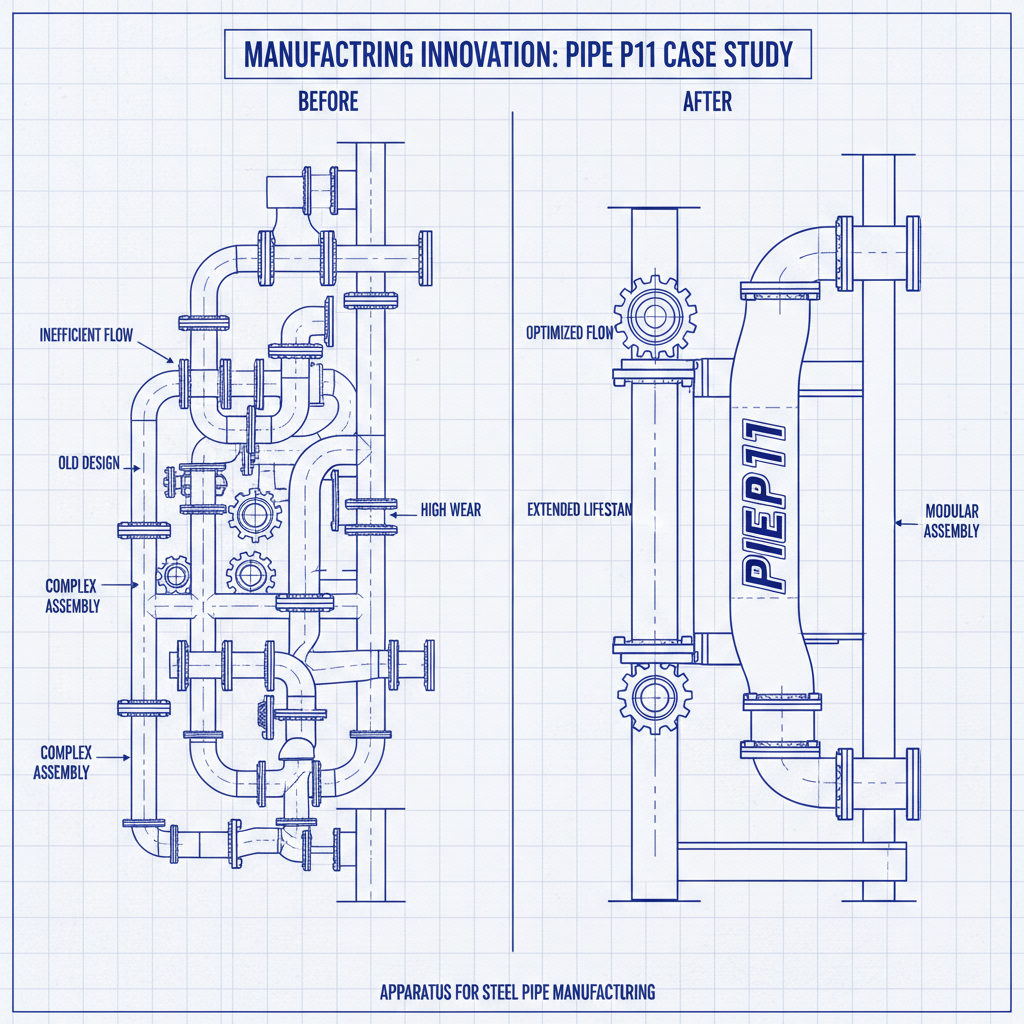
Innovative welding processes like friction stir welding and advanced coatings help tackle these challenges, alongside modular piping systems that reduce onsite labor. Choosing suppliers with technical expertise ensures optimized implementation and fewer headaches downstream.
Vendor Overview: Comparing Leading 2 Metal Pipe Providers
| Vendor | Range of Products | Customization | Lead Time | Quality Certifications |
|---|---|---|---|---|
| SteelSmith Co. | Carbon/stainless blends | High customization available | 4-6 weeks | ISO 9001, API 5L |
| MetalWorks Global | Wide alloys including duplex | Moderate customization | 6-8 weeks | ISO 14001, PED |
| PipeForge Ltd. | Standard carbon & stainless | Limited customization | 2-4 weeks | ISO 9001 |
Frequently Asked Questions About 2 Metal Pipe
Q1: How does a 2 metal pipe differ from traditional single-metal pipes?
A: Two metal pipes combine two different metals, leveraging complementary properties like corrosion resistance and strength. This dual-layer construction extends lifespan and improves performance in harsh settings.
Q2: Are 2 metal pipes suitable for potable water systems?
A: Absolutely. Many dual-metal pipes use stainless steel on the inside to prevent rusting and contamination, making them safe and durable for drinking water transport.
Q3: What industries benefit the most from 2 metal pipe technology?
A: Oil & gas, chemical processing, water treatment, HVAC, and construction industries gain the most, due to the demanding operational conditions requiring increased durability and resistance.
Q4: Can 2 metal pipes be recycled easily?
A: While more complex than single-metal pipes, recycling is possible. Advances in metal separation technologies are improving recyclability in line with environmental goals.
Q5: How can small businesses source 2 metal pipe solutions internationally?
A: Many suppliers offer export services and technical consulting. It’s wise to work with vendors experienced in international logistics and certification compliance to smooth the process.
Conclusion: Embracing the Long-Term Benefits of 2 Metal Pipe
In many ways, 2 metal pipe systems embody the perfect balance of tradition and innovation. Combining metals to overcome singular weaknesses proves to be an elegant engineering solution with pragmatic global benefits — from saving costs, reducing environmental impact, to enhancing safety and enabling complex applications.
Whether you’re investing in infrastructure, upgrading industrial equipment, or tackling humanitarian projects, 2 metal pipes bring proven value and growing future relevance. Sounds like a no-brainer — and frankly, that’s why we keep an eye on these critical components.
Want to learn more about specific products and suppliers? Visit our comprehensive resource hub: 2 metal pipe
References:
1. United Nations Water, www.unwater.org
2. World Bank Infrastructure Report 2023, worldbank.org
3. ISO Standards for Steel Pipes, iso.org
Post time: Nov . 27, 2025 10:30
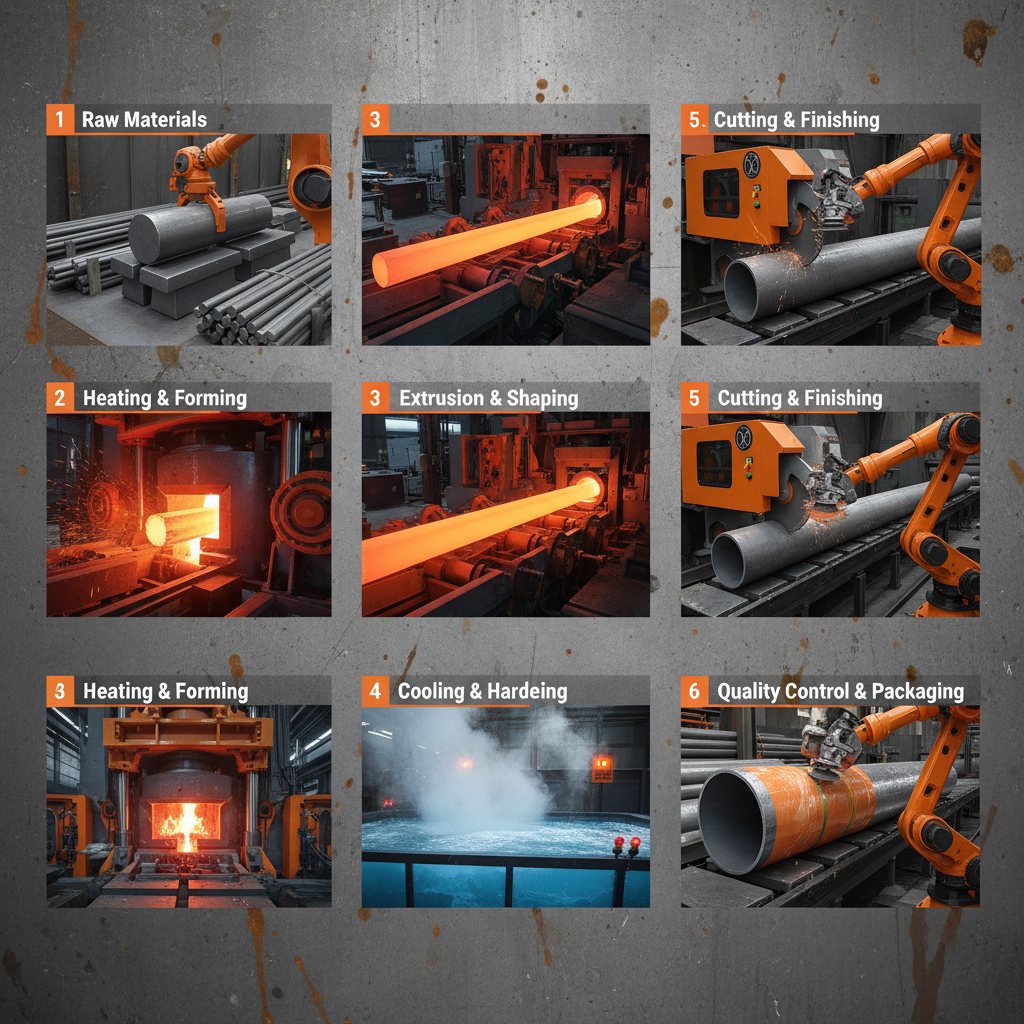
 English
  Arabic
  Bengali
  China
China  French
  German
  Hausa
Hausa  Indonesian
  Italian
  Japanese
  Javanese
  Malay
Malay  Persian
  Portuguese
  Punjabi
  Russian
  Spanish
  Swahili
  Telugu
  Vietnamese