

Understanding EN 10216-2 Pipe Dimensions: Why It Matters Worldwide
If you've ever dealt with industrial piping—whether in oil refineries, power plants, or even large water systems—you know there’s a lot riding on getting the pipe specs just right. That's where EN 10216-2 pipe dimensions come into the picture. This European standard isn’t just a set of numbers; it shapes manufacturing precision and safety on a global scale. Understanding these pipe dimensions means better structural integrity, easier maintenance, and ultimately, safer and more reliable infrastructure.
So why should someone outside the steel or construction industries care? Well, pipes aren’t just industrial—they carry water to homes, fuels to vehicles, and chemicals that keep economies humming. A tiny miscalculation can ripple into costly failures or hazardous spills. As infrastructure expands worldwide, knowing the ins and outs of standardized pipe dimensions becomes a sort of passport for quality and interoperability. Don’t underestimate the humble pipe’s global footprint.
The Global Landscape: Why EN 10216-2 Pipe Dimensions Are More Relevant Than Ever
Over 60% of global industrial steel production goes into pipes and tubes, says the World Steel Association.[1] Europe’s EN 10216-2 standard plays a big part because it provides uniform criteria for seamless, non-alloy steel pipes designed to withstand pressure. In a world where industries like oil and gas, chemical processing, and power generation are booming, the demand for pipes that meet consistent quality checks feels almost urgent.
The challenge? Different countries and industries have their own slightly different standards — so pipes built in Asia might not match perfectly with European or American designs. EN 10216-2 acts as a benchmark, ensuring pipes meet crucial thickness, diameter, and material specs. Frankly, it’s like having everyone speak the same engineering language on a massive global project.
Breaking Down EN 10216-2 Pipe Dimensions in Plain Terms
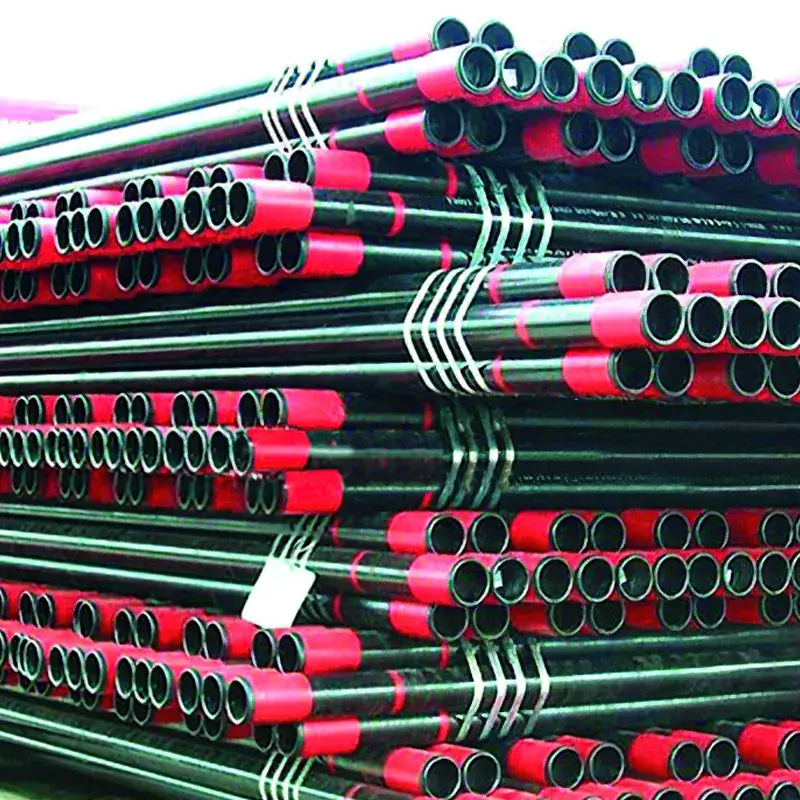
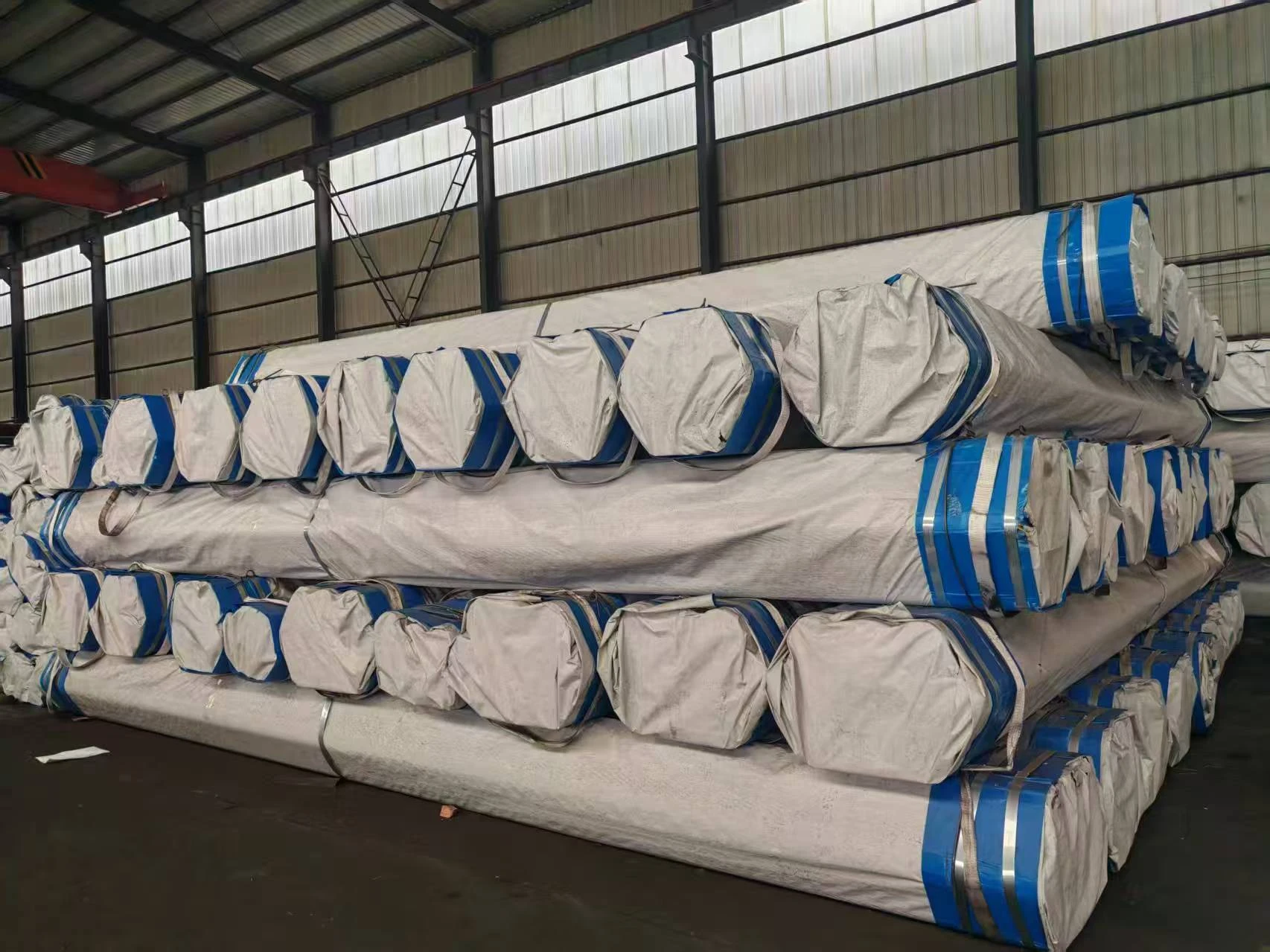
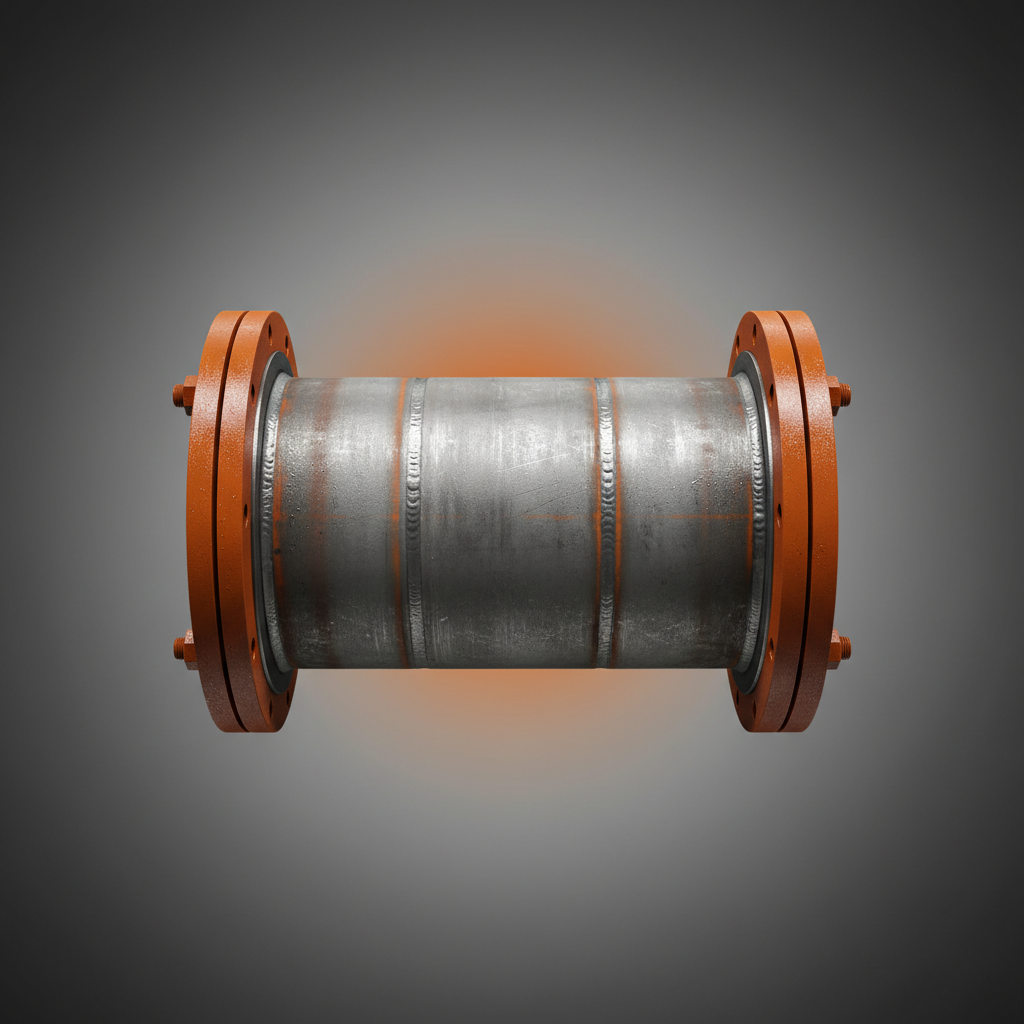
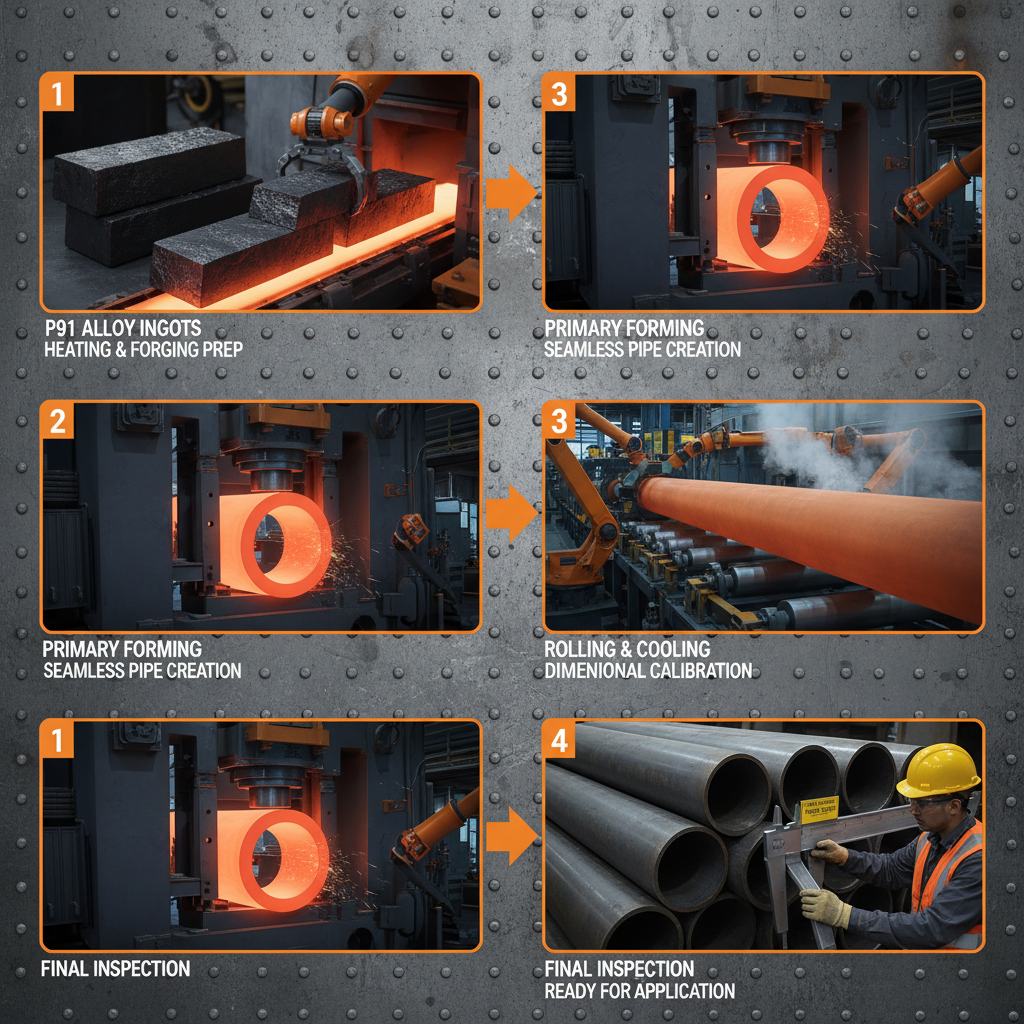
At its simplest, EN 10216-2 pipe dimensions define the precise measurements, including outer diameter and wall thickness, for seamless steel pipes intended for pressure systems. Unlike welded pipes, these pipes are made from a single piece of steel, which generally means better strength and fewer weak spots.
So, when an engineer references EN 10216-2, they're checking if the pipe:
- Has been manufactured to specific tight dimensional tolerances.
- Meets material composition and mechanical strength requirements.
- Is suitable for high-pressure industrial applications.
This standard connects tightly to modern industry by ensuring piping can safely handle everything from gas and steam to water and oil. It also reflects humanitarian needs—think: clean water systems in developing regions or disaster relief infrastructure—where reliable pipes mean lives, not just profits.
Core Factors Defining EN 10216-2 Pipe Dimensions
1. Seamless Construction for Durability
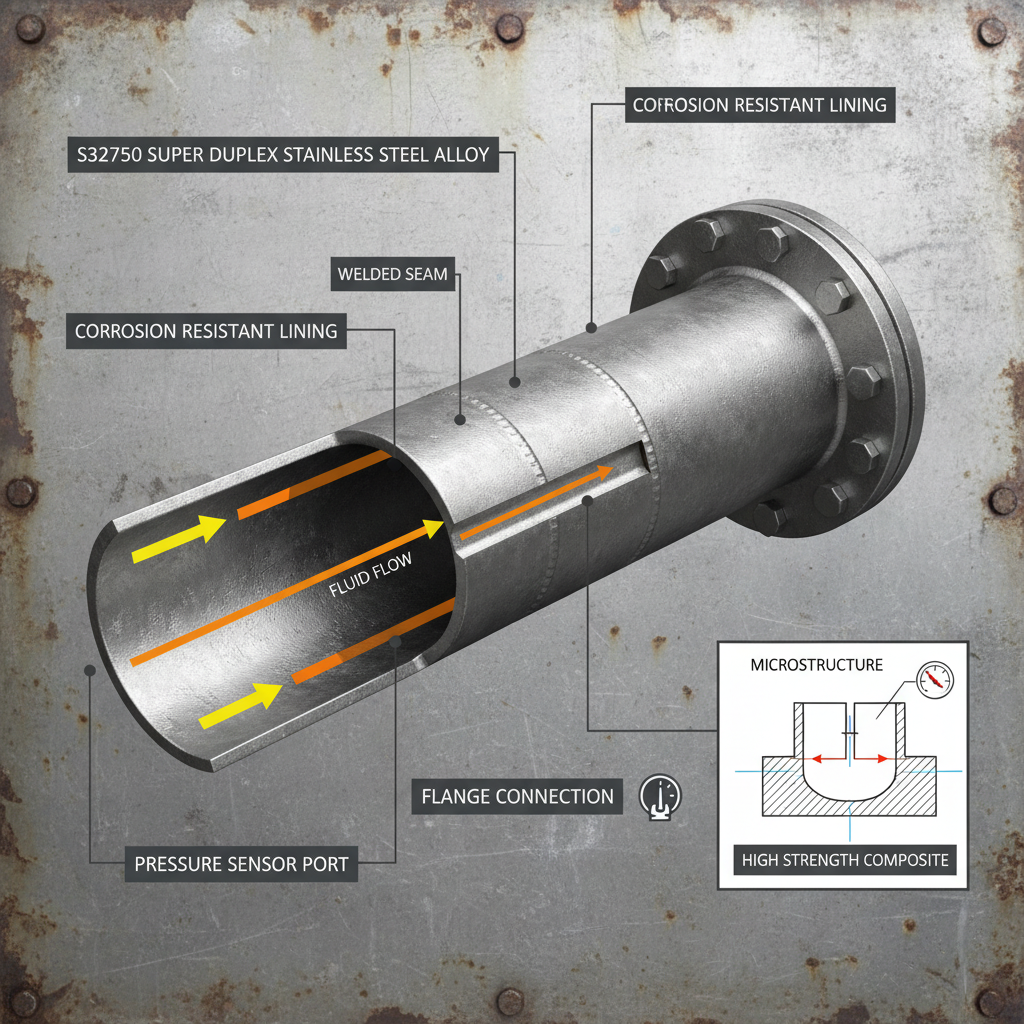
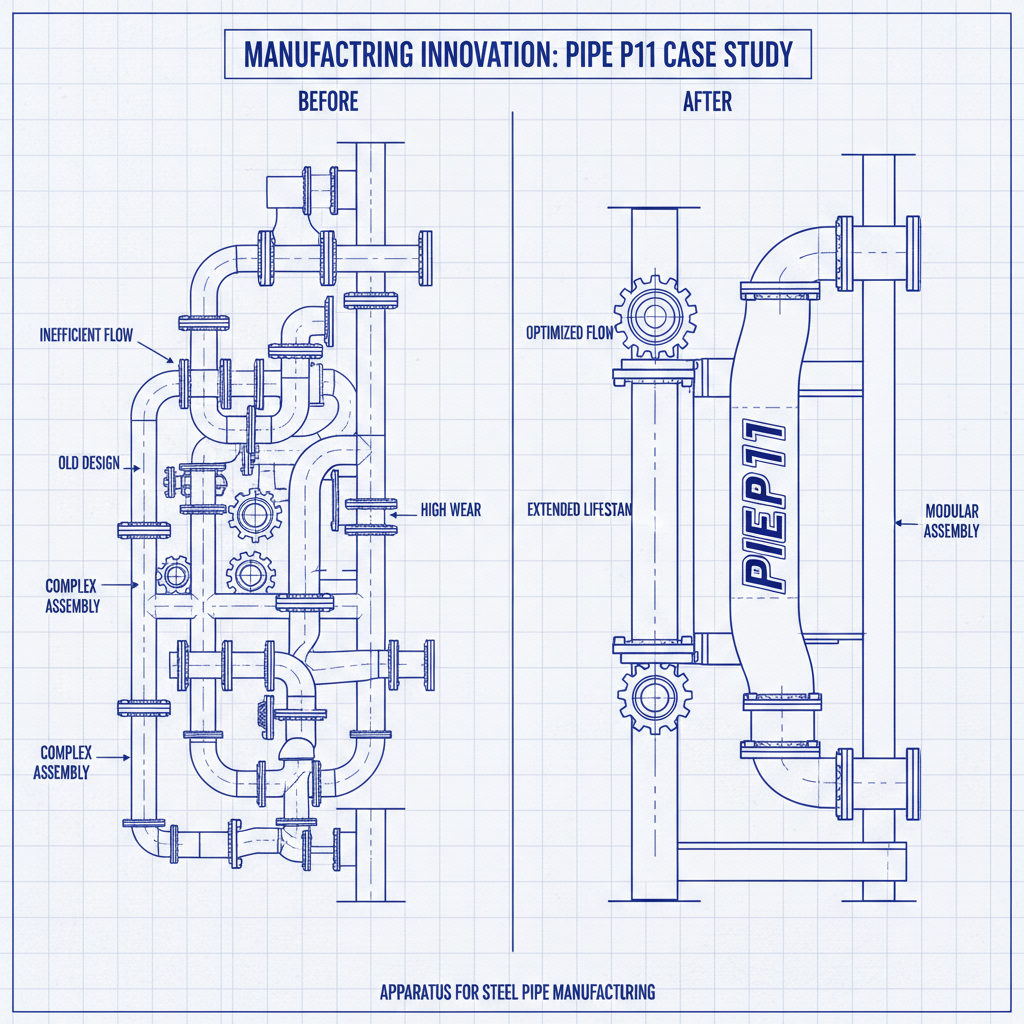
The pipes defined under this standard are made without welding. This eliminates potential weak points and improves durability, especially under high-pressure conditions. Many engineers swear by seamless pipes for longevity, even if the initial cost is slightly higher.
2. Precise Outer Diameter and Wall Thickness
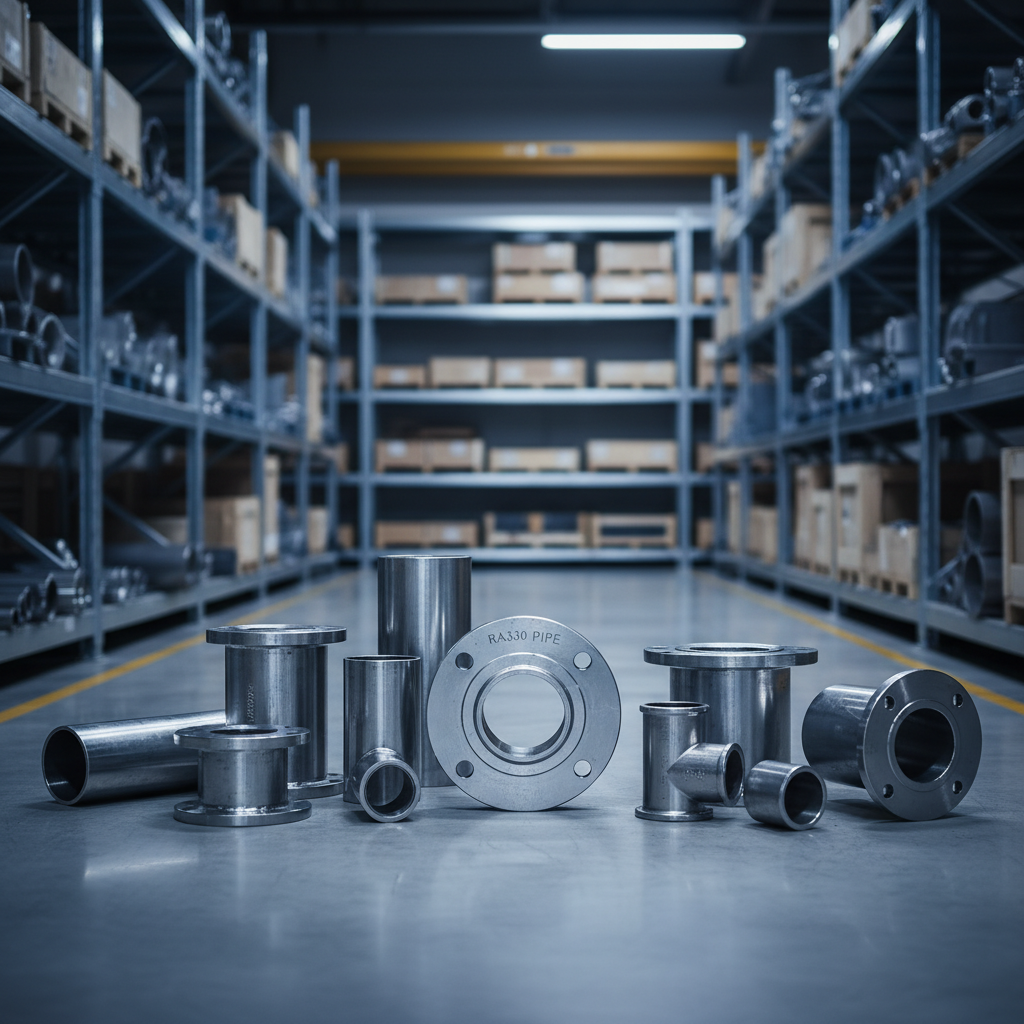
The standard meticulously specifies dimensions to keep pipes consistent across batches and suppliers. This uniformity means easier fittings, less leakage, and trusted performance.
3. Material Quality and Composition
EN 10216-2 restricts the type of non-alloy steel used. This ensures mechanical properties like tensile strength and elongation meet industry demands. For instance, pipes that need to carry hot steam won't suddenly fail because the material can’t stand the heat.
4. Testing and Compliance Protocols
Beyond dimensions, the pipes undergo chemical, mechanical, and non-destructive tests to certify safety. It’s like a rigorous safety net, catching flaws before they cause real issues.
5. Pressure and Temperature Ratings
Knowing exactly what pressure and temperature a pipe can handle without deforming is key. EN 10216-2’s dimensioning feeds directly into pressure vessel calculations, giving engineers peace of mind.
Mini takeaway: EN 10216-2 pipe dimensions are the backbone of reliable pipe manufacturing, balancing strength, safety, and uniformity in one solid package.
EN 10216-2 Pipes in Action: Global Applications and Industry Use Cases
From refinery pipelines in the North Sea to water distribution grids in urban China, EN 10216-2 pipes are quietly doing their job. They’re prevalent in:
- Oil and Gas: High-pressure pipelines transporting crude and natural gas.
- Power Plants: Steam pipes in thermal plants where consistent pressure resistance is critical.
- Chemical Processing: Pipes carrying reactive substances that require stable, corrosion-resistant alloys.
- Water Treatment: Large-scale water and wastewater pipelines ensuring safe drinking water supply.
- Disaster Relief Projects: Temporary infrastructure where quickly deployable, durable pipes ensure water and energy access.
In Russia’s remote oil fields or post-disaster relief efforts in South Asia, durable piping must be reliable, easy to replace, and uniform enough to connect on-site — EN 10216-2 helps standardize these variables.
Quick Product Specification Table: Typical EN 10216-2 Pipes
| Specification | Typical Range | Remarks |
|---|---|---|
| Outer Diameter (mm) | 21.3 – 530 | Standardized dimensions for seamless pipes |
| Wall Thickness (mm) | 2.0 – 40.0 | Varies by pressure rating and diameter |
| Material Grade | P235GH, P265GH, P355NH, etc. | Non-alloy steel grades for pressure purposes |
| Max Operating Temperature | Up to 570°C | Depends on material grade |
| Max Operating Pressure | Up to 100 bar | Based on thickness and diameter |
Vendor Comparison for EN 10216-2 Pipes
| Vendor | Certification | Delivery Speed | Customization Options | Pricing |
|---|---|---|---|---|
| EuroSteel Pipes | ISO 9001, PED Compliant | 2-3 weeks | Custom lengths & grades | Mid-Range |
| GlobalPipe Solutions | ISO 14001, ASTM Compatible | 1-2 weeks | Standard grades only | High-End |
| SteelWorks International | EN 10216-2 Verified | 3-4 weeks | Wide customization + testing | Competitive |
The Real-World Advantages of EN 10216-2 Pipe Dimensions
Why do so many industries gravitate to pipes with EN 10216-2 conformity? Well, the benefits stack up:
- Cost Efficiency: Avoid costly downtime with pipes that fit perfectly the first time.
- Longevity & Safety: Seamless pipes reduce the chance of leaks or blowouts, protecting personnel and equipment.
- Sustainability: Better material quality means less waste and longer lifecycle.
- Global Interoperability: One set of standards makes worldwide projects smoother to manage.
- Trust & Reputation: Many engineering teams only specify EN 10216-2 pipes because their clients demand proven safety and quality.
Where Are EN 10216-2 Pipe Dimensions Heading? Trends and Technologies
The industrial world isn’t standing still. In fact, many experts see EN 10216-2 evolving with innovations like:
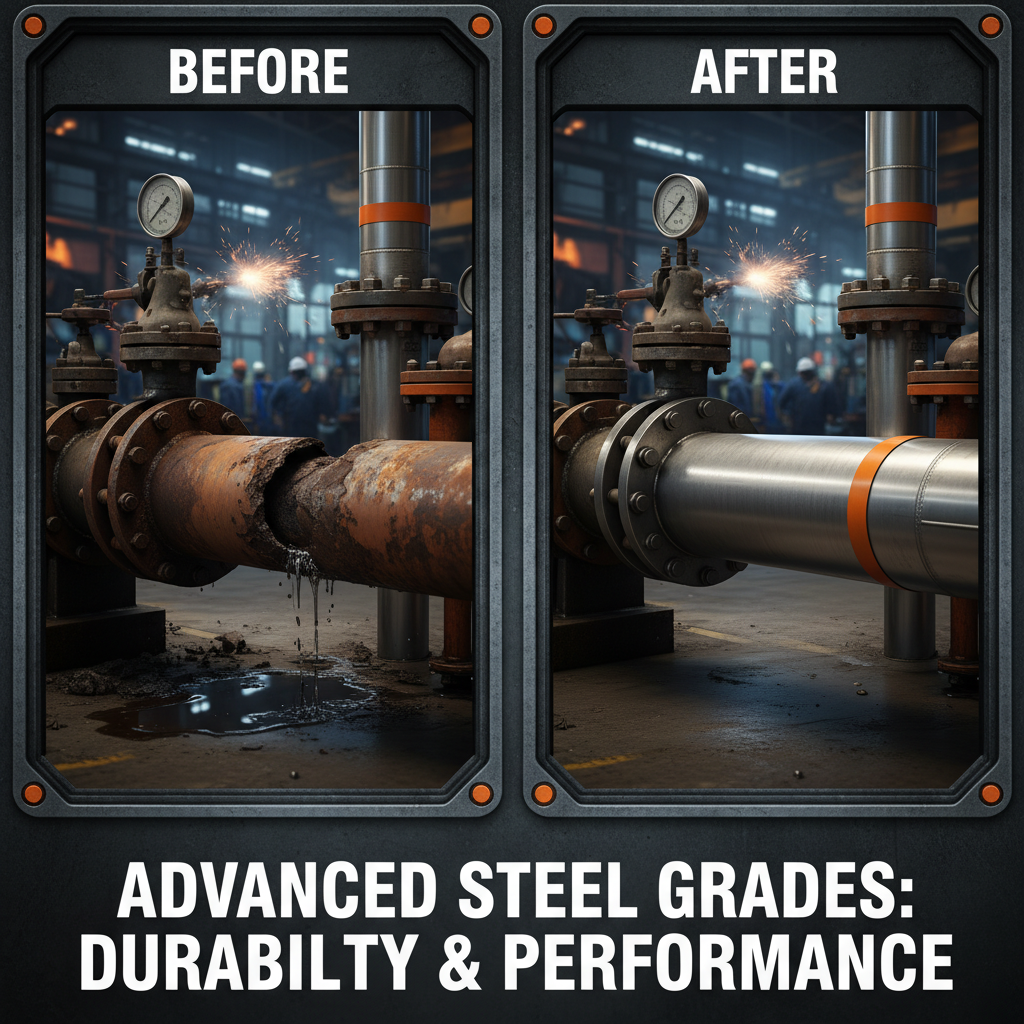
- Advanced Metallurgy: New steel alloys improve corrosion resistance and temperature tolerance.
- Digital Quality Control: AI-powered inspection systems enhancing compliance checks.
- Green Energy Applications: Pipes optimized for hydrogen transport and other clean fuels.
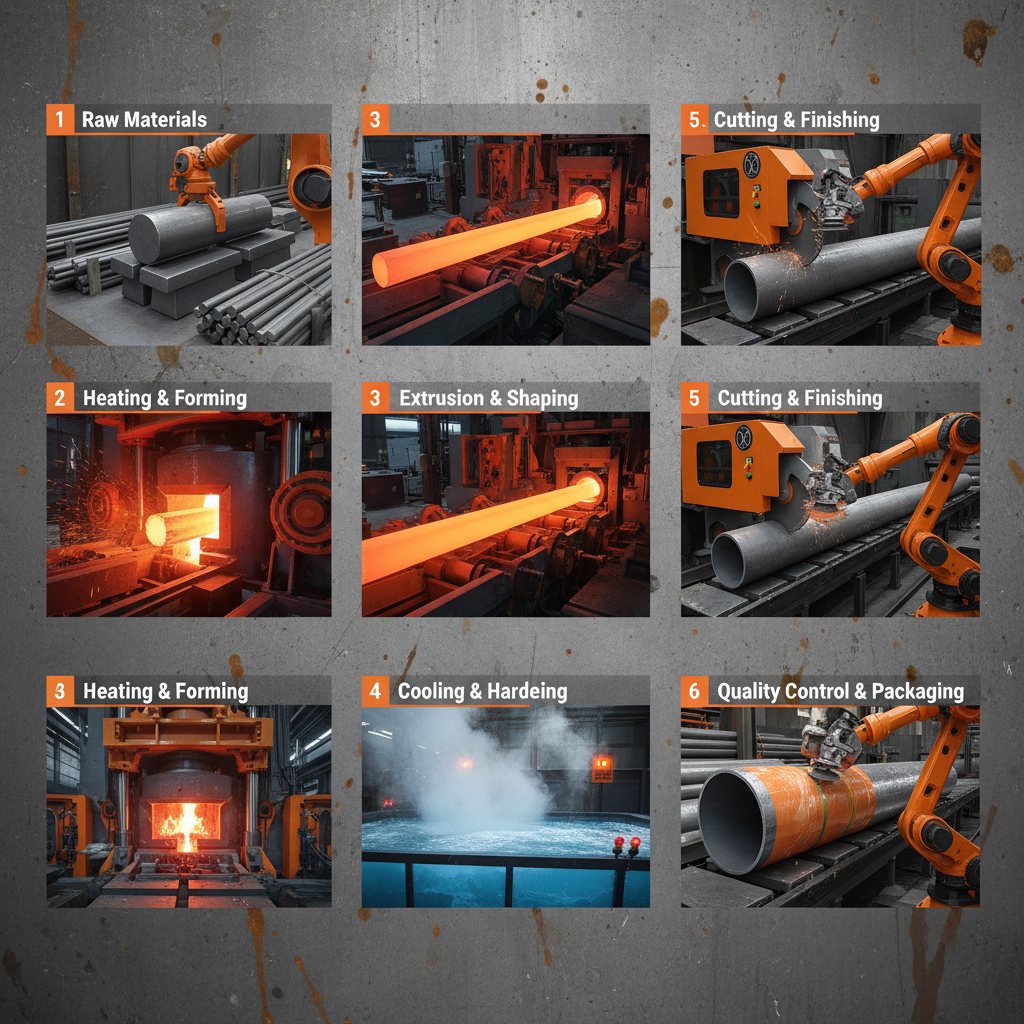
- Automation in Manufacturing: Robotics increasing precision and reducing human error.
It feels like these standards will continue to be a foundation for both safety and innovation in the decades ahead.
Facing Challenges: How to Overcome Limitations
Despite all the benefits, things aren’t always smooth. For instance:
- Cost Barrier: Seamless pipes can be more expensive upfront than welded alternatives.
- Supply Delays: High demand means longer lead times sometimes.
- Regional Variability: Not all markets fully recognize EN 10216-2, complicating international projects.
Experts recommend proactive inventory management, choosing established suppliers, and advocating for standardized global codes to ease these bottlenecks. Sometimes, a little industry clout helps push things forward faster than expected.
FAQ: Your Questions on EN 10216-2 Pipe Dimensions Answered
Q1: What is the difference between EN 10216-2 and other pipe standards?EN 10216-2 specifically covers seamless non-alloy steel pipes for pressure purposes, focusing on material grade and precise dimensions. Other standards might cover welded pipes or different alloys. Choosing EN 10216-2 ensures you get pipes tested and guaranteed for high-pressure industrial use.
Q2: How critical are pipe dimensions in industrial safety?Extremely critical. Proper outer diameter and wall thickness ensure the pipe can handle the required pressure without failure. Pipes not matching standard dimensions risk leaks or bursting, which can have severe safety and environmental consequences.
Q3: Can EN 10216-2 pipes be customized for specific projects?Yes, many vendors offer custom lengths, wall thicknesses, and grades within the EN 10216-2 standard to suit particular industrial needs. Customization helps fit pipes perfectly into unique systems without compromises.
Q4: How long do seamless pipes last in harsh environments?With proper material grade selection and maintenance, seamless pipes adhering to EN 10216-2 can last decades—even in corrosive or high-temperature settings—making them a trusted choice for critical infrastructure.
Q5: Where can I find detailed EN 10216-2 pipe dimensions?The full dimension charts and grades are published officially in the EN 10216-2 standard. You can also explore detailed specs and order information at suppliers like en 10216 2 pipe dimensions, which host technical datasheets and charts.
In Conclusion: Why EN 10216-2 Pipe Dimensions Are a Smart Investment
To wrap up, mastering EN 10216-2 pipe dimensions isn’t just about ticking boxes — it’s about ensuring safety, reliability, and interoperability in a world that never pauses. From mega infrastructure projects to essential utilities, pipes built to these standards support economic growth and human well-being globally.
If you’re looking to procure pipes or understand your next industrial project better, remember that investing in certified, correctly dimensioned pipes pays dividends time and again.
Need to learn more? Visit us at https://www.world-steelmaterial.com — your go-to source for the most up-to-date specs and suppliers.
References
- World Steel Association, “Steel’s Environmental and Economic Role,” 2023.
- European Committee for Standardization, EN 10216-2: Seamless steel tubes for pressure purposes, 2018.
- International Organization for Standardization (ISO), Industrial piping standards overview, 2022.
Post time: Nov . 30, 2025 00:40
 English
  Arabic
  Bengali
  China
China  French
  German
  Hausa
Hausa  Indonesian
  Italian
  Japanese
  Javanese
  Malay
Malay  Persian
  Portuguese
  Punjabi
  Russian
  Spanish
  Swahili
  Telugu
  Vietnamese