

Understanding EN 10216-5 Pipe Dimensions: Why They Matter Globally
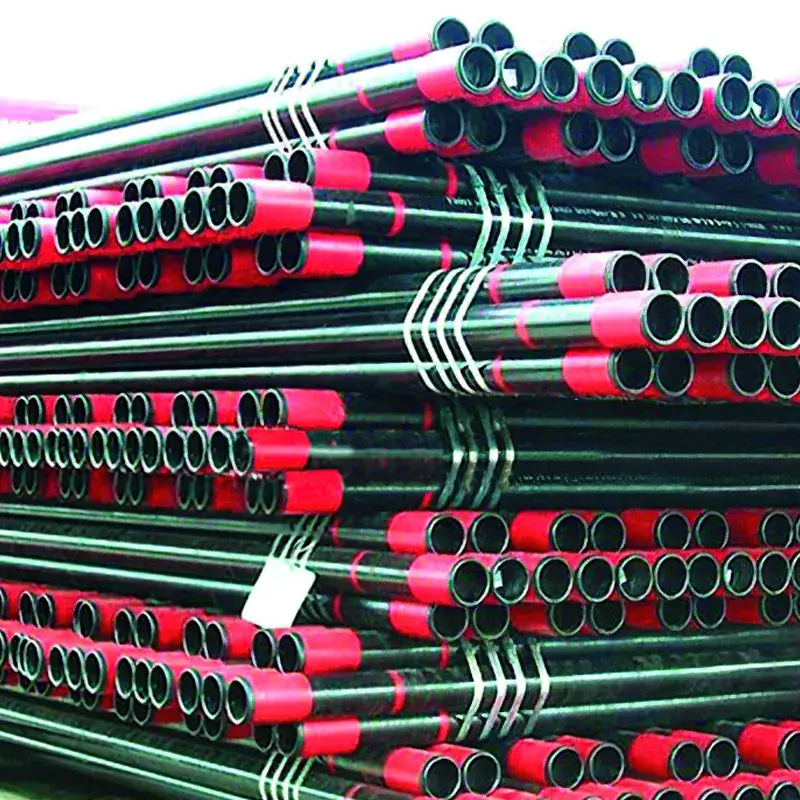
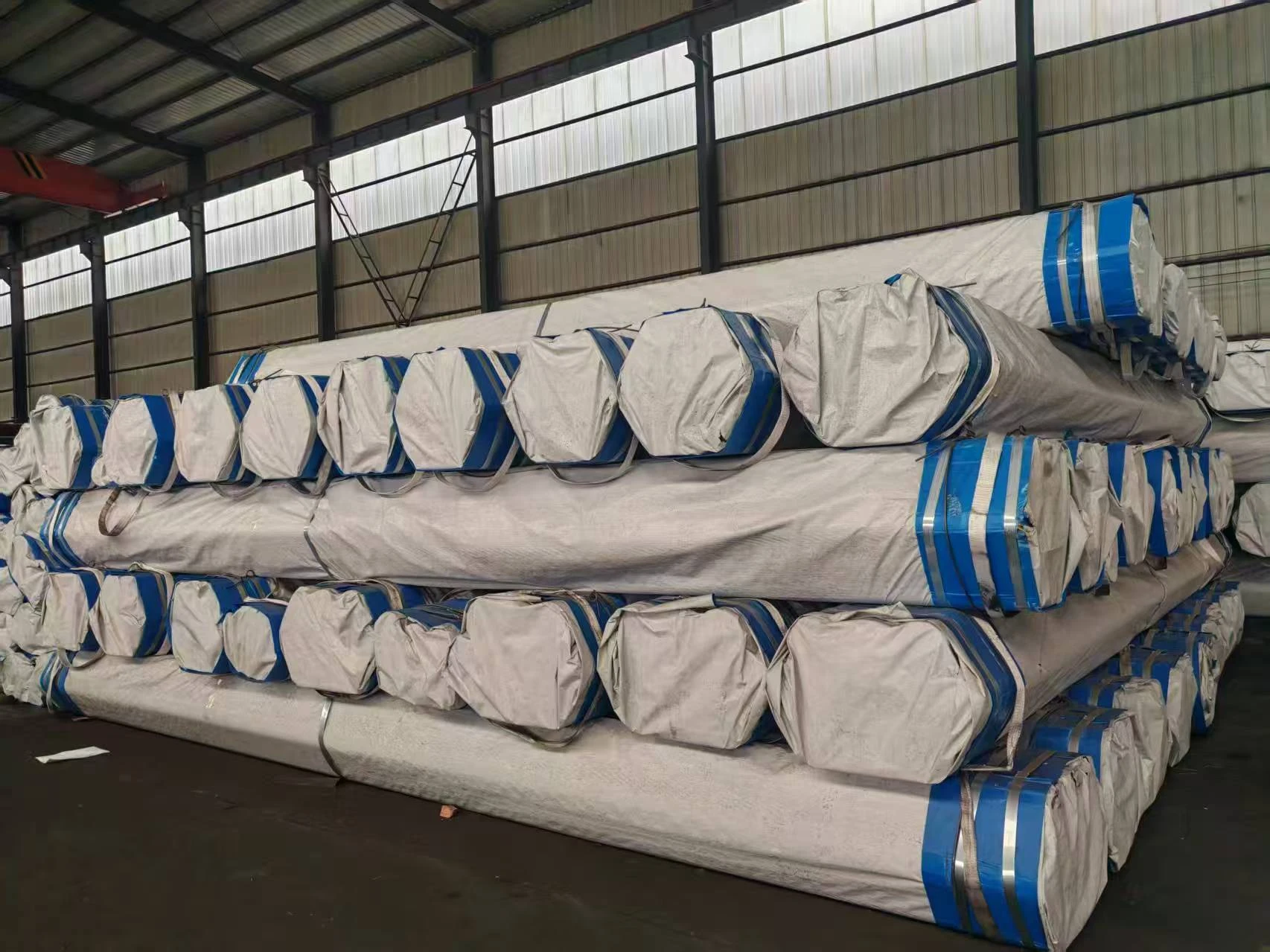
If you’re in the steel, oil, or infrastructure industries, the term EN 10216-5 pipe dimensions likely pops up more often than you’d like — and for good reason. These specifications define the dimensions and tolerances for seamless steel pipes intended mainly for high-temperature use. While that sounds technical (and it is, of course), understanding these standards has profound global importance. Why? Because pipes that meet EN 10216-5 specifications power everything from energy grids to water supplies and factory infrastructure worldwide. Their precise dimensions ensure safety, efficiency, and longevity — all critical for massive projects that span continents and affect millions. And frankly, in today’s world with its aging infrastructure and push toward sustainability, knowing these pipe dimensions inside and out can save companies heaps in maintenance costs and environmental impact.
Mini takeaway: EN 10216-5 pipe dimensions are more than measurements; they're a backbone to vital industries that keep the wheels of modern life turning.
The Global Relevance of EN 10216-5 Pipes
The global steel pipe market is expected to grow steadily — estimated to reach over $150 billion by 2027, according to a recent Statista report. Much of that growth leans on standardized products like those defined by EN 10216-5, which harmonize manufacturing so international projects don’t stumble over incompatible parts. Organizations like the ISO and the European Committee for Standardization (CEN) push these standards to help industries streamline procurement and improve safety worldwide. The challenge many infrastructure developers face is a lack of uniformity — without standards, pipes might not fit or withstand pressures, risking catastrophic failure.
Industry stats also show roughly 30% of pipeline failures globally result from dimensional and material mismatches, not unexpected given the sheer volume of pipe installed each year. So when engineers specify EN 10216-5 pipe dimensions, they reduce risky guesswork and ensure resilience, especially in high-temperature or high-pressure environments like power plants or chemical factories.
Learn more about EN 10216 5 pipe dimensions from specialists.
Mini takeaway: Global infrastructure projects thrive on EN 10216-5’s exacting norms to reduce risk, boost efficiency, and save costs.
Decoding EN 10216-5 Pipe Dimensions
In simple terms, EN 10216-5 pipe dimensions specify the external diameter, wall thickness, and tolerances for seamless steel pipes made from certain steel grades resistant to high temperatures. The “5” in the standard refers to the specific part of the EN 10216 series that deals with seamless pipes for pressure purposes and elevated temperature service. Think of it as a rulebook for pipe makers and buyers that outlines exactly how thick or wide a pipe should be, so it fits perfectly into your project.
These pipes are often used in industries where safety margins are tight — petrochemical, thermal power stations, and even aerospace components. The standard guarantees that pipes can withstand particular mechanical stress and temperature ranges without failure. From a humanitarian or industrial perspective, their reliability ensures essential services, like gas transport or clean water delivery, keep running or can be rapidly restored after disasters.
Mini takeaway: EN 10216-5 pipe dimensions are precise guidelines ensuring pipes don't just fit, but perform safely under tough conditions.
Key Components That Define EN 10216-5 Pipes
1. Dimensional Accuracy
The crux of EN 10216-5 is strict control over the pipe’s outside diameter and wall thickness. Tolerances are tight, often within fractions of a millimeter, which is crucial to make sure pipes fit with coupling equipment without leaks or weak points.
2. Material Grade & Quality
The pipes conform to specific steel grades like P235GH or P265GH, known for good weldability and durability at elevated temperatures. These grades also align with chemical and mechanical properties that the standard specifies — not just shape, but substance.
3. Mechanical Properties
The pipes must hold up to tensile, impact, and hardness tests. High-pressure environments demand robustness; these specs give confidence they won't fail under strain.
4. Surface Finish & Testing
Surface quality is regulated to avoid imperfections, and non-destructive testing (NDT) like ultrasonic or hydrostatic tests are mandatory to detect internal flaws.
5. Heat Treatment Protocols
Many EN 10216-5 compliant pipes undergo specific heat treatments to improve strength or ductility, depending on the application.
Mini takeaway: EN 10216-5’s details paint a full picture: it's never just size, but quality and integrity that matter.
Practical Applications: The Real-World Reach of EN 10216-5 Pipes
Across Europe, Asia, and North America, these pipes underpin crucial facilities:
- Power generation plants: Boilers and heat exchangers need piping that can handle extreme heat and pressure.
- Chemical processing: Smooth internal surfaces and precise dimensions facilitate safe transport of reactive fluids.
- Oil & Gas transmission: High-strength pipes withstand harsh environments offshore or underground.
- Disaster relief infrastructure: Temporary power or water systems installed after emergencies often depend on modular pipes matching EN 10216-5.
For instance, in post-earthquake reconstruction efforts in Japan, rapid deployment of EN 10216-5 pipes allowed restoration of heating systems in record time — a testament to standardization making a difference beyond boardrooms.
Mini takeaway: EN 10216-5 pipes are silent workhorses in sectors from energy to crisis response, demonstrating their versatility.
Advantages and Long-Term Value of Standardized Pipes
Choosing pipes adhering to EN 10216-5 means embracing:
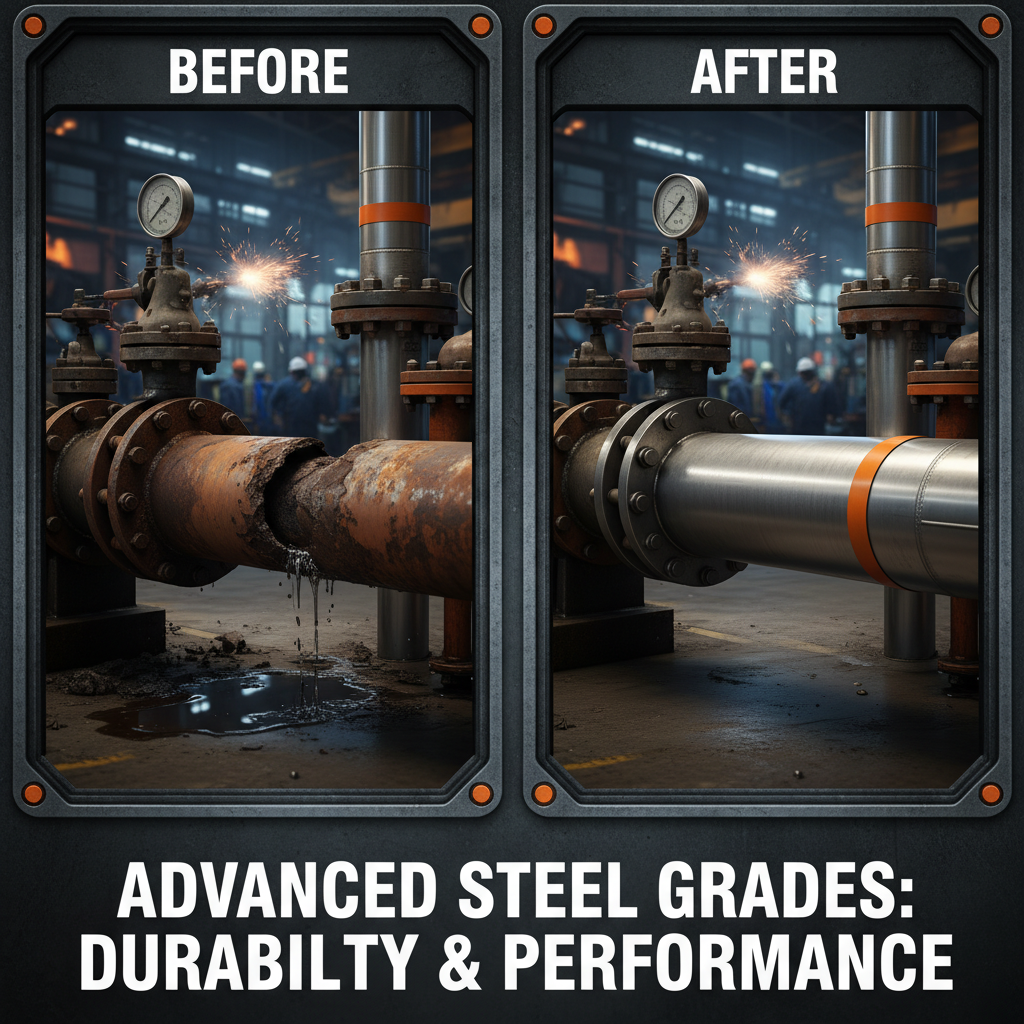
- Cost Efficiency: Lower maintenance and fewer failures save money over pipelines’ lifespan.
- Sustainability: Durable pipes reduce waste and environmental risks from leaks or ruptures.
- Safety and Trust: Precise dimensions and testing build reliance for critical infrastructure.
- Innovation compatibility: Conforms to protocols easing integration with new tech, like smart pipeline monitoring.
From an emotional angle, choosing EN 10216-5 products signals commitment to quality and public wellbeing — crucial for companies building reputations in sensitive sectors.
Mini takeaway: EN 10216-5 pipes aren’t just steel — they’re investments in performance, safety, and sustainability.
Future Trends in Pipe Dimensions and Industry Standards
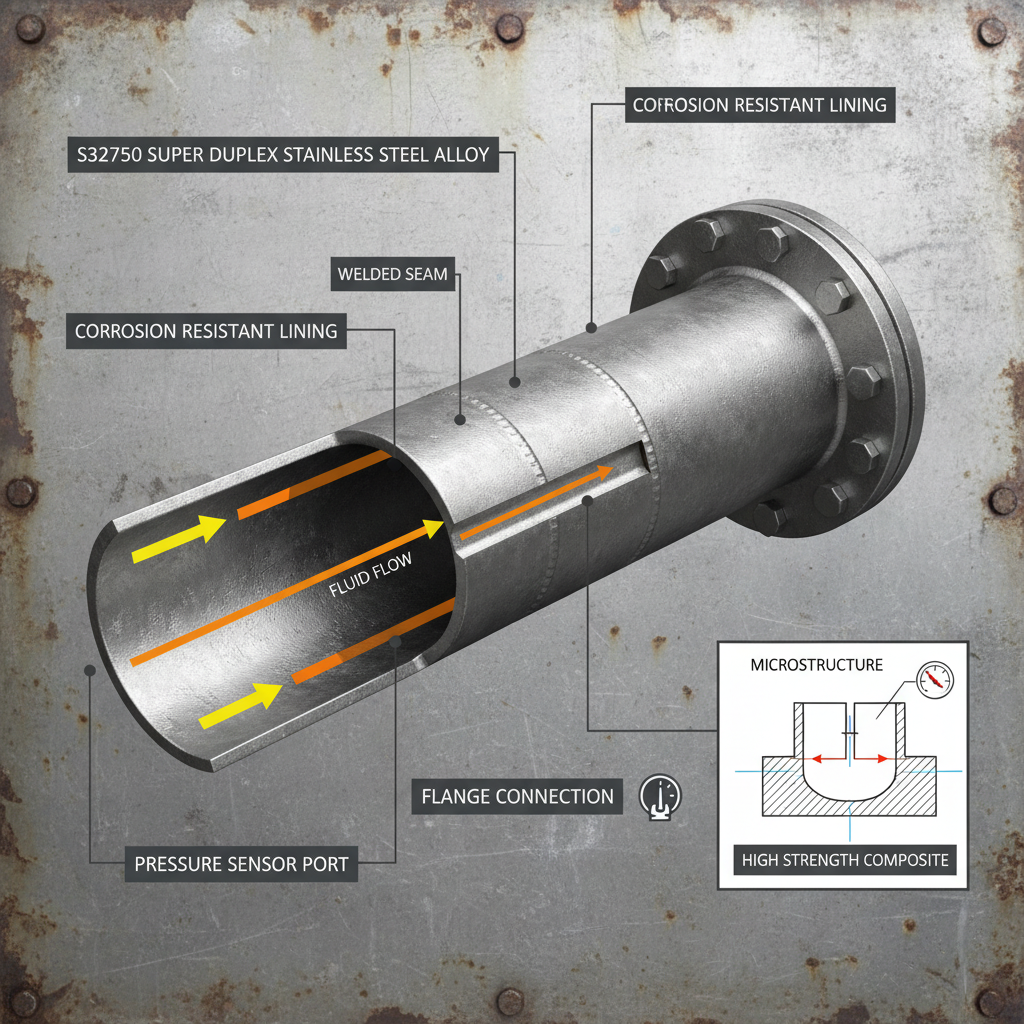
The industry isn’t standing still. Increasingly, green steel production methods aim to reduce carbon footprints of these pipes. I’ve noticed a growing interest in integrating sensors directly within pipes to measure stress or corrosion, leveraging digital transformation — partly pushed by European Green Deal policies.
Material innovations, such as high-entropy alloys or composite claddings, might soon complement or evolve the existing EN 10216-5 pipe dimensions, especially as extreme operating environments become more common in offshore and renewable sectors.
Automation in manufacturing is also improving tolerance precision — meaning tighter dimensions but greater consistency and lower costs.
Mini takeaway: The next generation of EN 10216-5 pipes is poised to marry tradition with tech for smarter, greener infrastructure.
Challenges & Solutions in Adopting EN 10216-5 Pipes
Despite the benefits, challenges persist:
- Cost Barriers: Initial investment for high-quality pipes may be steeper, which can deter smaller firms.
- Supply Chain Limitations: Lead times or sourcing issues can slow projects relying on exact dimensions.
- Technical Expertise: Not all engineering teams are fully versed in interpreting EN 10216-5 specs or testing protocols, risking non-compliance.
Experts recommend early collaboration with certified vendors and investing in staff training to minimize pitfalls. Digital documentation and traceability via blockchain are beginning to help validate pipe provenance and specs.
Mini takeaway: What looks rigid on paper — EN 10216-5 — demands flexible, smart management to realize full value in practice.
Product Specification Table: Typical EN 10216-5 Pipe Dimensions & Grades
| Pipe Diameter (mm) | Wall Thickness (mm) | Steel Grade | Max Service Temp (°C) |
|---|---|---|---|
| 21.3 - 114.3 | 2.3 - 8.0 | P235GH | 450 |
| 127.0 - 219.1 | 3.2 - 10.0 | P265GH | 500 |
| 219.1 - 406.4 | 6.0 - 16.0 | P295GH | 550 |
Comparing Leading EN 10216-5 Pipe Vendors
| Vendor | Material Range | Certification | Lead Time | Price Range |
|---|---|---|---|---|
| SteelGlobal Ltd. | P235GH, P265GH | ISO 9001, PED | 4-6 weeks | $$$ |
| EuroPipes Inc. | P235GH, P295GH | ISO 14001, PED | 3-5 weeks | $$ |
| Global SteelWorks | Wide grades incl. P265GH, P295GH | ISO 9001, PED, API | 6-8 weeks | $$$$ |
FAQ: Frequently Asked Questions About EN 10216-5 Pipe Dimensions
- What is the maximum operating temperature for pipes under EN 10216-5?
- The maximum service temperature generally depends on the steel grade used but typically ranges up to 550°C for higher grades like P295GH. Always check product documentation for exact limits related to your application.
- Can EN 10216-5 pipes be used for low-temperature applications?
- While the standard primarily targets high-temperature applications, the pipes can sometimes be used at lower temperatures if mechanical properties and testing requirements are met. However, other standards might better suit cryogenic services.
- How do I verify the dimensions and quality of EN 10216-5 pipes upon delivery?
- Request mill test certificates (MTC) that confirm compliance with the required dimensions, grades, and testing (e.g., hydrostatic and NDT). Physically measuring diameters and wall thickness on arrival is also standard practice.
- Are customized pipe dimensions possible under the EN 10216-5 standard?
- The standard sets specific dimension ranges but allows some tolerance variations if agreed between buyer and supplier. For special cases, suppliers can offer pipes customized within certain limits while maintaining certification.
- Where can I find reliable suppliers for EN 10216-5 pipes?
- Look for vendors certified by ISO 9001 and PED, with a proven track record in your region. Local distributors or established steel companies such as those listed above are good starting points.
Conclusion: Why Choosing EN 10216-5 Pipe Dimensions Pays Off Long-Term
EN 10216-5 pipes are much more than specified dimensions — they’re lifelines that keep industries safe, efficient, and sustainable. From power stations humming into the night to water systems running after a natural disaster, knowing how to select, verify, and apply these pipes means fewer headaches and greater trust in your projects. With their growing market importance and evolving innovation, investing time in understanding en 10216 5 pipe dimensions is definitely a smart move. So, next time you spec out your pipeline needs, remember that those millimeters and grades go a long way — your engineers will thank you.
Visit our website to explore quality EN 10216-5 pipes and expert advice.
1. Wikipedia: Steel Pipe
2. ISO Standards on Steel Pipes
3. European Steel Industry Overview
Post time: Nov . 30, 2025 02:30
 English
  Arabic
  Bengali
  China
China  French
  German
  Hausa
Hausa  Indonesian
  Italian
  Japanese
  Javanese
  Malay
Malay  Persian
  Portuguese
  Punjabi
  Russian
  Spanish
  Swahili
  Telugu
  Vietnamese