

Understanding EN 10216 Pipe Dimensions: Why They Matter in a Connected World
If you’ve ever wondered what keeps the oil flowing, the gas traveling safely underground, or the water circulating through vast networks, it’s often thanks to a simple yet crucial standard — EN 10216 pipe dimensions. Globally, the demand for reliable, standardized steel pipes is only growing as industries scale, infrastructure ages, and sustainability becomes non-negotiable. Knowing the ins and outs of these dimensions isn’t just for pipe manufacturers or engineers—it reverberates through sectors like energy, construction, and even humanitarian aid.
So, why does it matter? For one, it ensures compatibility and safety. For another, it optimizes cost and resource use. And on the big-picture level, it helps unify global projects, streamline supply chains, and enable faster responses to crises or innovations. Hold on to that thought, because as we dig deeper, you’ll see EN 10216 pipe dimensions are far more than dry specs — they're the backbone of many modern marvels.
Global Context: EN 10216 Pipe Dimensions and Industry Scale
Take a moment to consider this: according to the International Energy Agency, the pipeline transportation system moves over 70% of the world’s oil and gas. But such massive infrastructure depends on strict adherence to standards. EN 10216, governed by the European Committee for Standardization, sets the bar for seamless interoperability with its precise pipe dimensions for seamless steel tubes.
Without standardization, think of the endless complications — mismatched fittings, structural weaknesses, costly replacements. In many emerging economies gearing up to build or upgrade energy and water networks, these issues can delay projects by months or even years.
It’s not surprising that organizations like ISO and the United Nations Industrial Development Organization stress harmonization of such standards to promote global industrial growth and sustainable development.
Mini takeaway: EN 10216 pipe dimensions offer a unifying framework critical to expanding infrastructure responsibly and efficiently worldwide.
What Exactly Are EN 10216 Pipe Dimensions?
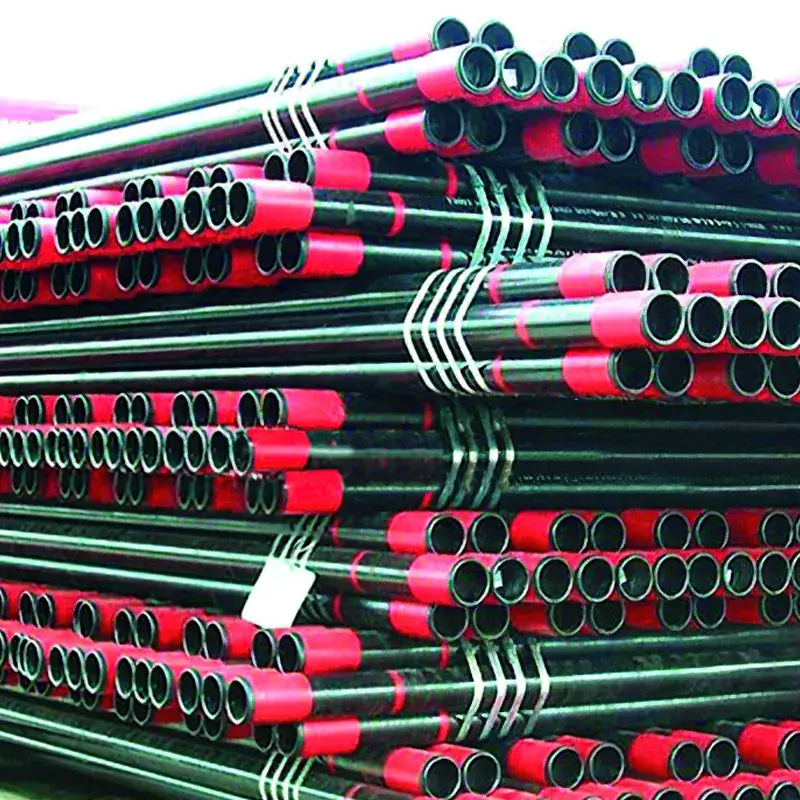
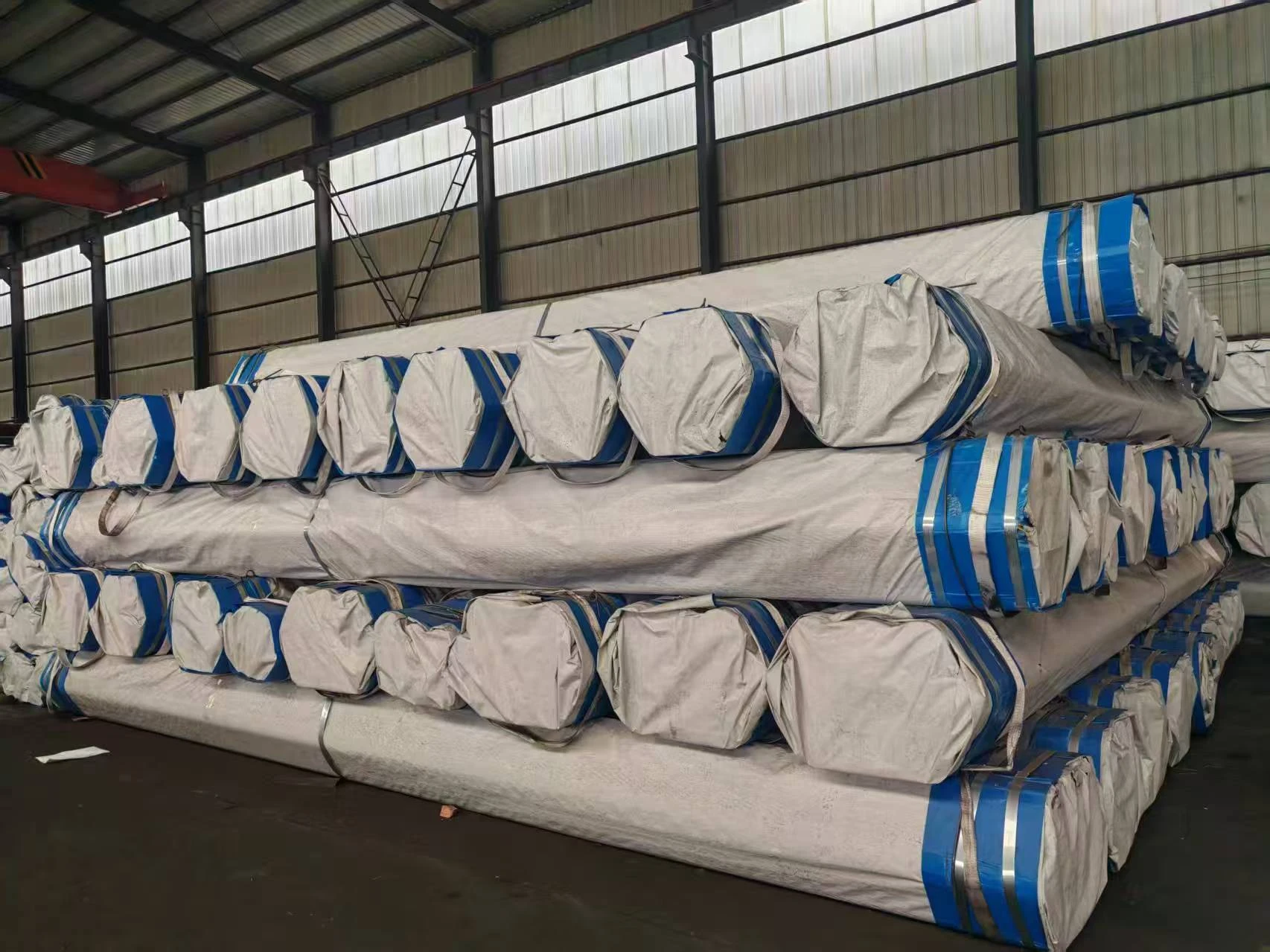
In plain English: EN 10216 defines the exact measurements and tolerances for seamless steel pipes used primarily to transport fluids and gases under pressure. It covers variables like diameter, wall thickness, and length, ensuring every pipe fits as expected wherever it’s used. This standard focuses on carbon steel pipes, which are prized for strength and durability.
Why does this matter for modern industries? Because seamless pipes—unlike welded variants—offer superior resistance to pressure, corrosion, and temperature fluctuations. They’re vital in sectors like oil and gas extraction, chemical plants, power stations, and even heating systems.
Oddly enough, these pipes also sneak into humanitarian efforts—for instance, delivering potable water to resettlement camps or rebuilding infrastructure after natural disasters. It’s all about doing more with less risk.
Key Factors Influencing EN 10216 Pipe Dimensions
1. Durability and Strength
Pipes must withstand massive internal pressures and external stresses. EN 10216's dimensional accuracy directly correlates to the pipe's mechanical strength — a slightly off wall thickness can become a point of failure down the line.
2. Compatibility and Interchangeability
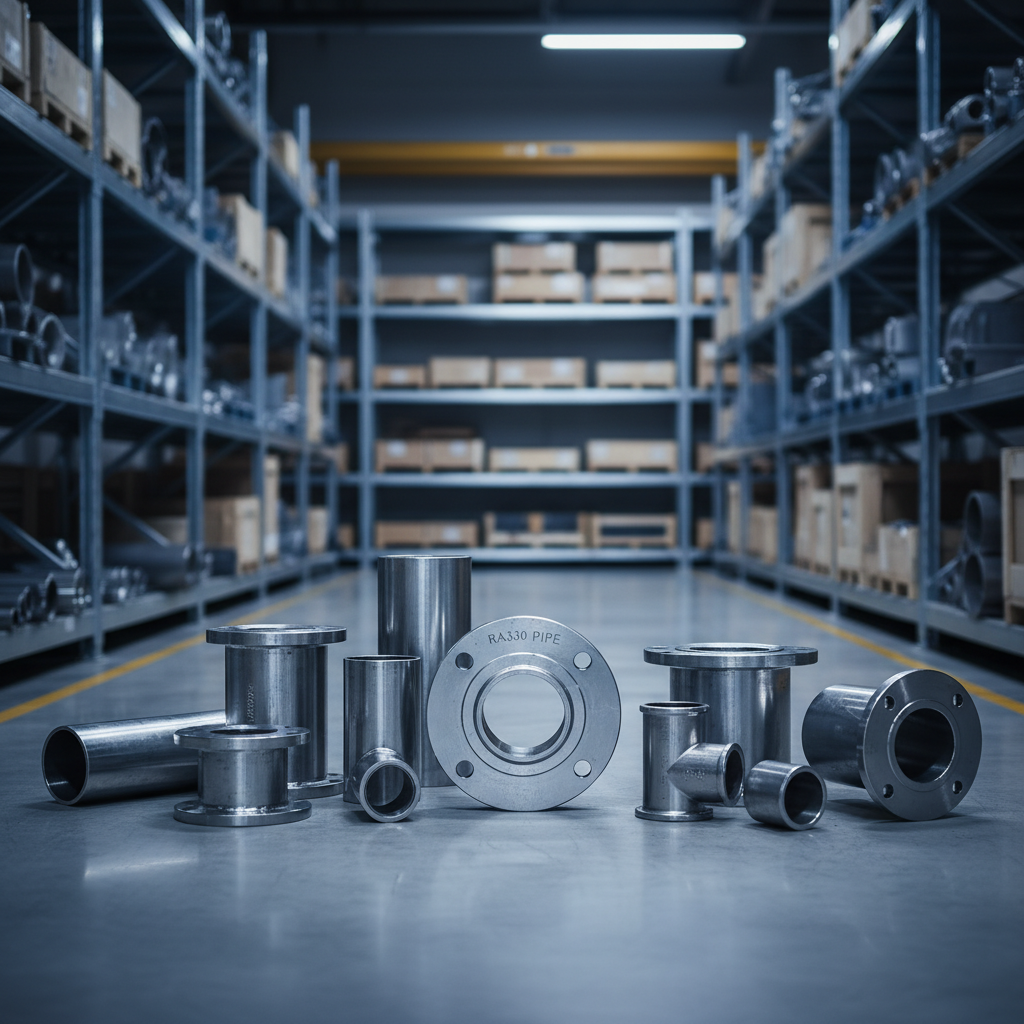
Thanks to standardized dimensions, pipes from different manufacturers can be joined seamlessly, avoiding costly custom fittings or reworks.
3. Cost Efficiency
Precise measurements reduce material waste and unnecessary over-engineering, leading to more budget-friendly projects.
4. Safety Regulations Compliance
In industries dealing with hazardous substances, meeting exact standards isn’t negotiable. EN 10216 dimensions help meet legal frameworks across countries.
5. Longevity and Maintenance
Pipes dimensioned properly wear evenly, reducing inspection and replacement cycles—good news for operators juggling budgets and safety.
6. Scalability
The standard allows pipes to be specified and sourced easily in a range of sizes, supporting everything from small-scale projects to massive pipelines.
Mini takeaway: These core factors combine to make EN 10216 pipes reliable components that stand up to practical, economic, and regulatory challenges.
Real-World Applications of EN 10216 Pipe Dimensions
You’ll find these steel pipes buried beneath cities or spanning continents. In the Middle East, massive oil export pipelines rely heavily on EN 10216 specs to uphold integrity during extreme heat. In Europe, district heating systems depend on standard pipe dimensions for efficiency and easy replacement.
Oddly enough, they’re even in disaster areas. For example, after the 2015 Nepal earthquake, NGOs used standardized pipes to quickly restore water systems—time was crucial, and having standard-size pipes meant faster deployment and fewer glitches.
Major industrial zones in China and India expanding chemical plants consistently turn to these pipes to guarantee safe transport of volatile compounds. And with growing focus on green hydrogen infrastructure, this isn’t just a current fixture; it’s tomorrow’s necessity.
Product Specification Table: Typical EN 10216 Pipe Dimensions & Properties
| Parameter | Range / Value | Notes |
|---|---|---|
| Outer Diameter (mm) | 10.2 to 610 | Standard range for seamless carbon steel pipes |
| Wall Thickness (mm) | 1.6 to 40 | Varies by pipe diameter and pressure class |
| Length (m) | Up to 12 meters | Custom lengths possible on request |
| Material | Carbon steel grades (P235GH, P265GH, P355NH, etc.) | Conforms to EN 10216-2 for elevated temperature service |
| Testing | Hydrostatic, ultrasonic, PMI | Assures pipe integrity and suitability |
Comparing Top Vendors for EN 10216 Pipes
| Vendor | Range of Sizes | Material Grades Offered | Lead Time | Certifications |
|---|---|---|---|---|
| Steelyard Pipes Inc. | 12–610 mm OD | P235GH, P355NH | 4–6 weeks | ISO 9001, API 5L |
| Global Steel Tubes | 10.2–508 mm OD | P235GH, P265GH, P355NH | 3–5 weeks | ISO 14001, EN 10204 |
| EuroPipe Solutions | 20–610 mm OD | P355NH, P460NL1 | 5–7 weeks | ISO 9001, PED Certified |
Advantages and Long-Term Value of Using EN 10216 Pipes
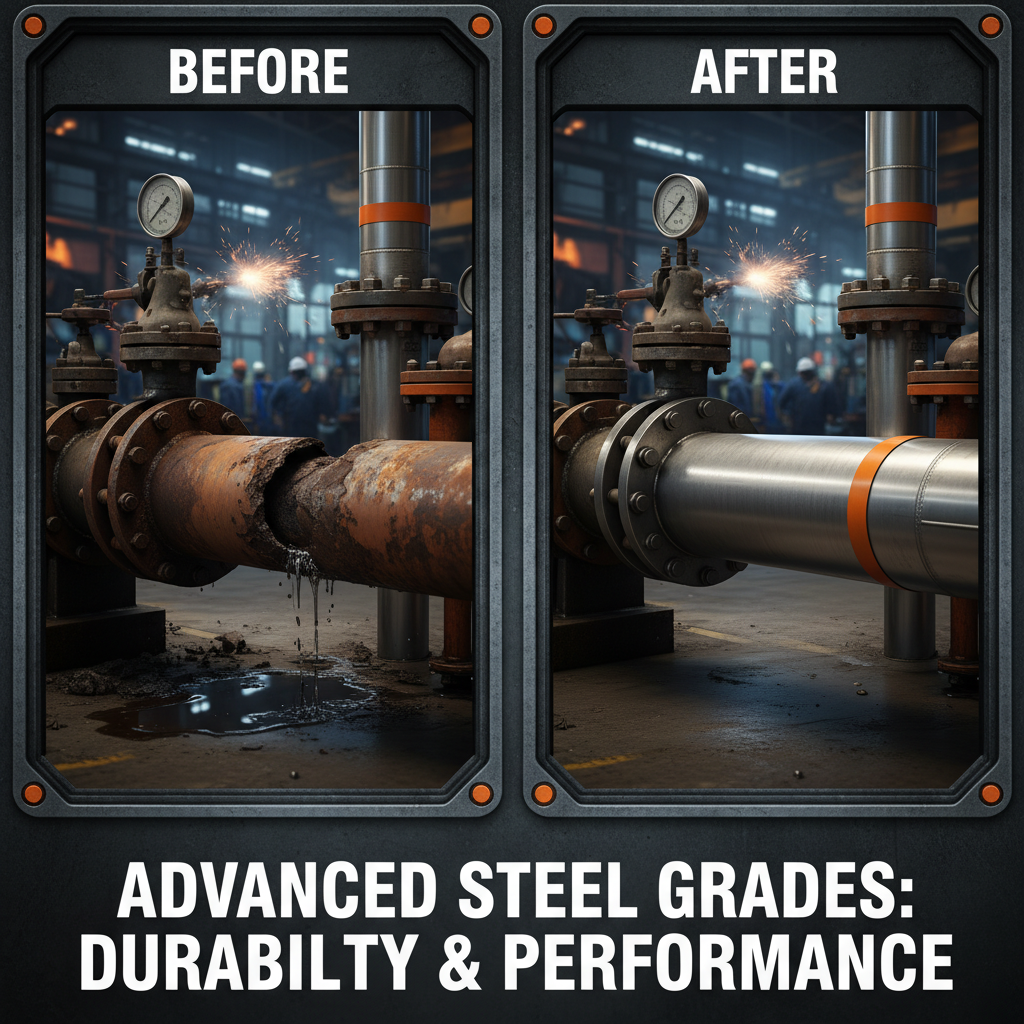
It might sound obvious but having a pipe that ticks all the right boxes for durability, precision, and compliance saves everything from headaches to lives. These pipes minimize leakage risks, reduce breakdowns, and keep production steady. If you're responsible for infrastructure longevity, it’s an emotional relief to know your materials are up to the task, backed by tight specs reinforced by EN 10216.
There’s an environmental angle too: by avoiding over-specification, companies prevent excessive use of steel, lowering carbon footprints. And by adhering to a known standard, long-term maintenance is simplified — standard parts mean quicker repairs and less waste.
Emerging Trends: Where EN 10216 Pipe Dimensions Are Headed
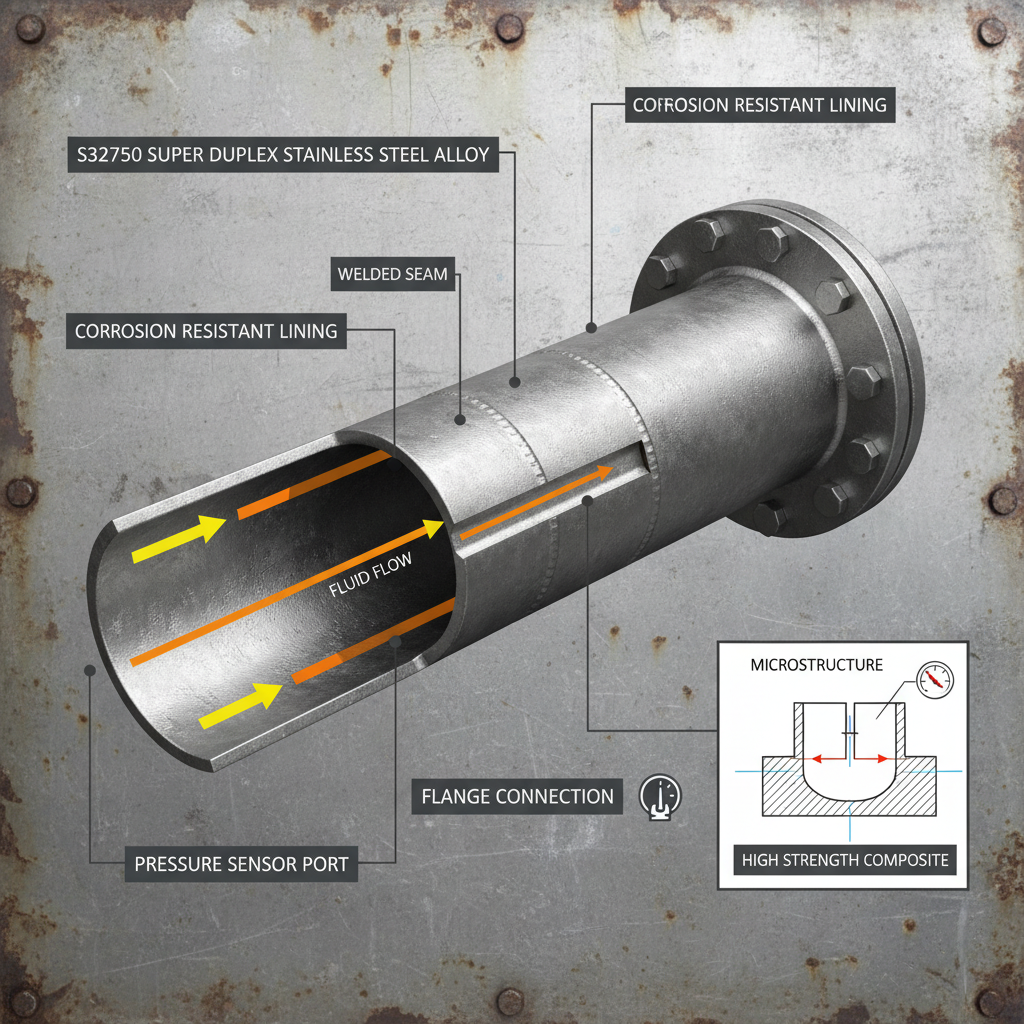
The future is interesting. As industries pivot towards cleaner energy, we see pipes designed for green hydrogen transport or CO2 sequestration needing refined specs. Materials research is pushing boundaries—think corrosion-resistant alloys or composite linings combined with EN 10216 dimensional rules.
Add the rise of Industry 4.0: pipelines equipped with sensors for real-time monitoring require pipes precisely manufactured for embedded tech. Sustainability frameworks push suppliers to adopt traceability tied to EN 10216. It’s a neat intersection of tradition and innovation.
Challenges and How Industry Innovators Are Solving Them
Despite its benefits, implementing EN 10216 can be tricky in regions with less developed supply chains or where counterfeit materials sneak in. Testing capabilities might lag, and sometimes specs are misunderstood, leading to costly errors.
However, a growing number of companies now invest in advanced quality control (non-destructive testing, 3D scanning) and partner with certified manufacturers abroad. Training technical staff on EN 10216 details also cuts errors.
I’ve noticed more open-source databases cropping up, helping engineers verify pipe dimensions and choose materials confidently — a sign that collaboration and transparency are picking up pace.
FAQs: What People Ask About EN 10216 Pipe Dimensions
Q1: What are the main differences between EN 10216 and other pipe standards?
EN 10216 specifically covers seamless carbon and alloy steel tubes for pressure purposes, often focusing on European market requirements. Other standards, like ASTM or API, have slightly different scopes or testing methods; choosing depends on project location and application.
Q2: How do EN 10216 pipe dimensions affect installation time?
When pipe dimensions conform tightly to EN 10216, fittings and connections align without unexpected gaps or adjustments, reducing on-site delays and rework — a practical way to save time and money.
Q3: Can EN 10216 pipes be customized for unusual project needs?
Absolutely. While the standard defines typical ranges, many manufacturers offer customization on length, wall thickness, or alloy composition to suit specialized environments or pressures.
Q4: Are EN 10216 pipes recyclable and environmentally friendly?
Yes. Carbon steel pipes standardized by EN 10216 are usually recyclable at end-of-life. Plus, adherence to efficient dimensioning reduces waste during production, contributing positively to sustainability goals.
Q5: Where can I find official EN 10216 pipe dimension tables for project planning?
You can start with EN 10216 pipe dimensions resources or official publications from European standardization bodies. Always verify with certified suppliers too.
Conclusion: Why EN 10216 Pipe Dimensions Still Matter
EN 10216 pipe dimensions form a quiet but critical cornerstone in industrial reliability and project efficiency worldwide. From oil rigs to urban infrastructure, from post-disaster water systems to cutting-edge green energy, understanding and using these standards correctly delivers safety, durability, and peace of mind.
If you’re involved in specifying or sourcing steel pipes, it’s worth diving into these dimensions—and for those just exploring, it’s reassuring to know they’re backed by decades of engineering know-how.
Visit our website for more information and access to comprehensive EN 10216 resources: https://www.world-steelmaterial.com.
References
Post time: Nov . 30, 2025 04:05
 English
  Arabic
  Bengali
  China
China  French
  German
  Hausa
Hausa  Indonesian
  Italian
  Japanese
  Javanese
  Malay
Malay  Persian
  Portuguese
  Punjabi
  Russian
  Spanish
  Swahili
  Telugu
  Vietnamese