

Understanding EN 10216-1 Pipe Dimensions: Why It Matters Globally
EN 10216-1 pipe dimensions—sounds like a mouthful, right? Yet, behind this standard lies a critical piece of modern engineering, impacting industries worldwide, from energy to construction. These specifications define seamless steel pipes primarily used under pressure, crucial in pipelines carrying oil, gas, or water. Grasping the significance of these dimensions isn’t just about steel or blueprints—it’s about reliability, safety, and efficiency on a global scale. Why is this so important? To put it simply: The global infrastructure we rely upon depends heavily on pipes that meet standardized dimensions and mechanical properties. Flaws in pipe sizing or specs result in costly failures or hazards. Governments, engineers, and manufacturers lean heavily on EN 10216-1 to ensure consistency—helping keep oil flowing, cities running, and industries humming. A key benefit of understanding these pipe dimensions is cost efficiency in manufacturing and maintenance. Properly standardized pipes mean fewer headaches in design, better interchangeability, and faster project completion. Also, they help cut down on wastage and safety risks—a win-win all around. ---The Global Context: EN 10216-1 Pipe Dimensions and Worldwide Industrial Needs
If you peek at global industry statistics from the International Energy Agency or ISO, you’ll see an ever-increasing push for standardized materials. According to recent ISO reports, the steel pipe market continues to grow by roughly 4% annually, fueled by infrastructure upgrades and energy sector expansions worldwide. Countries from Germany to India rely on products meeting EN 10216-1 pipe dimensions. Why? These specifications help confront challenges such as varying environmental stresses, harsh climates, and diverse pressure requirements. For example, pipelines in colder regions like Scandinavia demand pipes with specific tolerances and thicknesses to avoid brittleness—something EN 10216-1 clearly outlines. In a nutshell, the standard fills a real-world gap—making sure pipes aren’t just sized arbitrarily but designed for real operating conditions globally. ---What Exactly Are EN 10216-1 Pipe Dimensions?
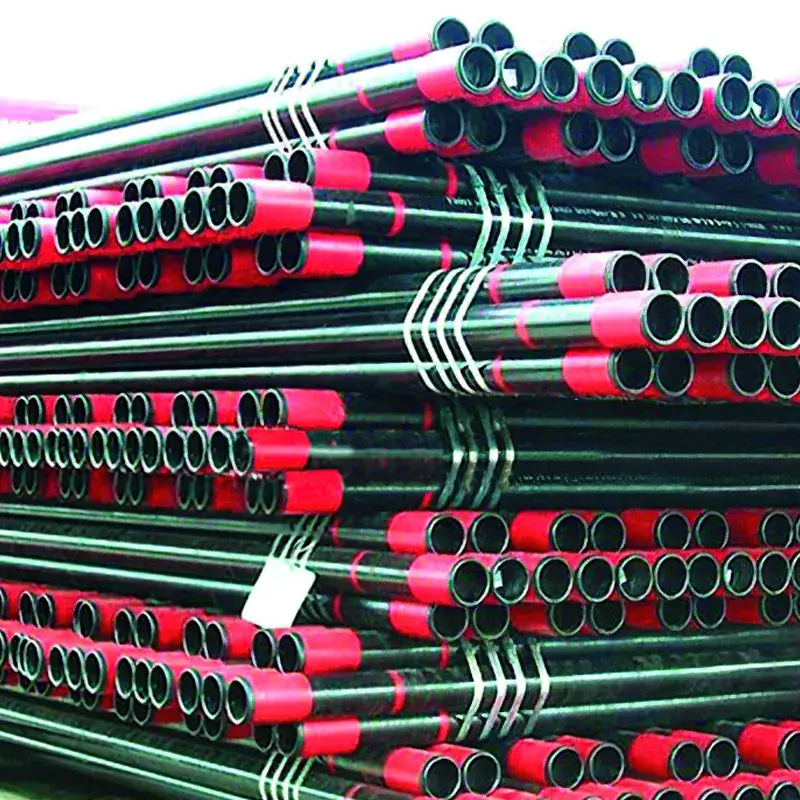
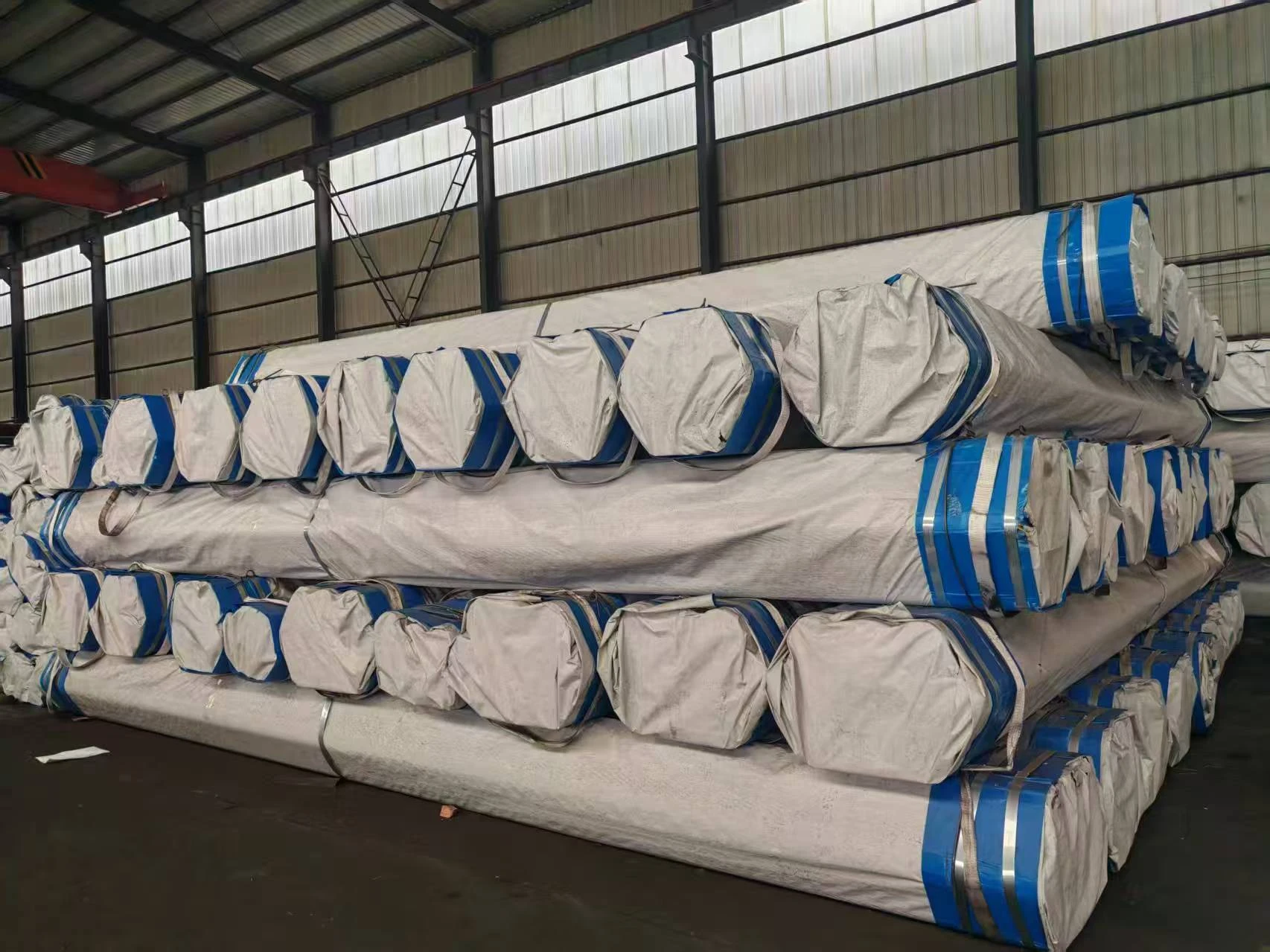
Pulling it back a little: EN 10216-1 is a European Norm (EN) standard for seamless steel tubes used for pressure purposes. The “pipe dimensions” part refers to detailed physical properties like outer diameter, wall thickness, and tolerances. Think of it as a recipe book ensuring every pipe made under this banner has predictable, tested specifications. These pipes must also meet mechanical properties like tensile strength, ensuring they hold under pressure without deforming or failing. By adhering to EN 10216-1, manufacturers guarantee that these pipes can be seamlessly integrated into complex systems—from oil refineries to power plants—without surprises. ---Core Components of EN 10216-1 Pipe Dimensions
1. Dimension and Tolerances:
Central to the standard are the precise measurements of the pipe's diameter and wall thickness. For example, the outer diameter might be specified with a tolerance of ±1%, and the wall thickness with defined upper and lower limits to ensure interchangeability.2. Mechanical Properties:
This includes tensile strength, yield strength, and elongation. Pipes must withstand operational pressures without failure, meaning they undergo rigorous testing to meet these criteria.3. Chemical Composition:
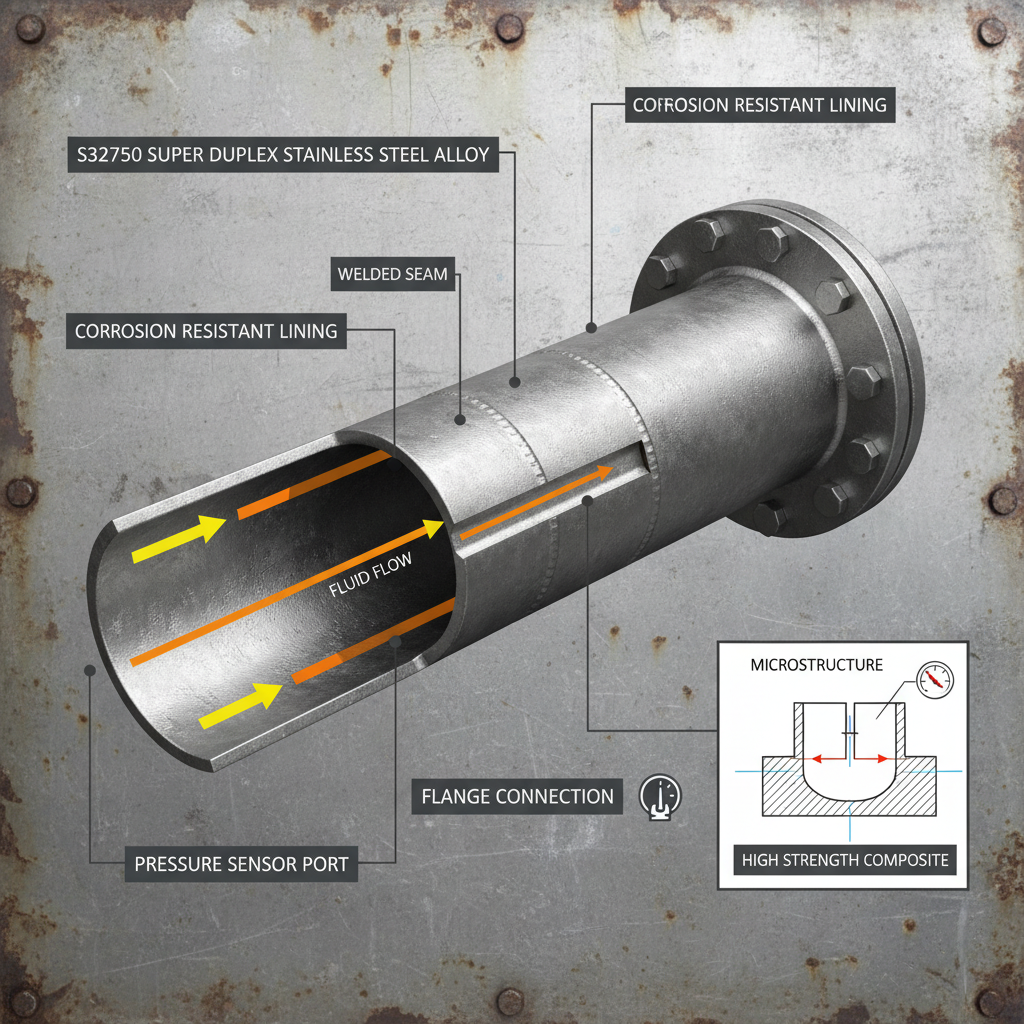
The steel grade, often carbon-manganese or other alloy steels, is controlled to achieve desired properties, such as corrosion resistance and weldability.4. Testing Requirements:
Non-destructive testing such as ultrasonic or eddy-current checks ensure pipes are free from defects. Additionally, hydrostatic testing confirms pipes can handle the required pressure.5. Surface Condition:
Pipes must have smooth surfaces and may require protective coatings depending on application. These elements come together to form a robust framework, enabling engineers to select pipes confidently for the demands of their projects. Mini Takeaway: EN 10216-1 pipe dimensions are not just about size — they’re about ensuring compatibility, strength, and longevity across industries. ---Real-World Uses of EN 10216-1 Pipes Across the Globe
The global impact of pipes conforming to EN 10216-1 spans several sectors:- Oil and Gas: In harsh environments like North Sea drilling platforms, these pipes handle extreme pressure and corrosive materials.
- Energy Sector: Power plants rely on these pipes to transport steam and water safely at high pressures.
- Construction and Infrastructure: Urban heating systems and water supply networks often use these seamless pipes to avoid leaks and corrosion.
- Disaster Relief & Remote Zones: In places like Southeast Asia prone to flooding, pipelines built according to these specs ensure rapid deployment and durability under rough conditions.
The Long-Term Benefits of Using EN 10216-1 Standard Pipes
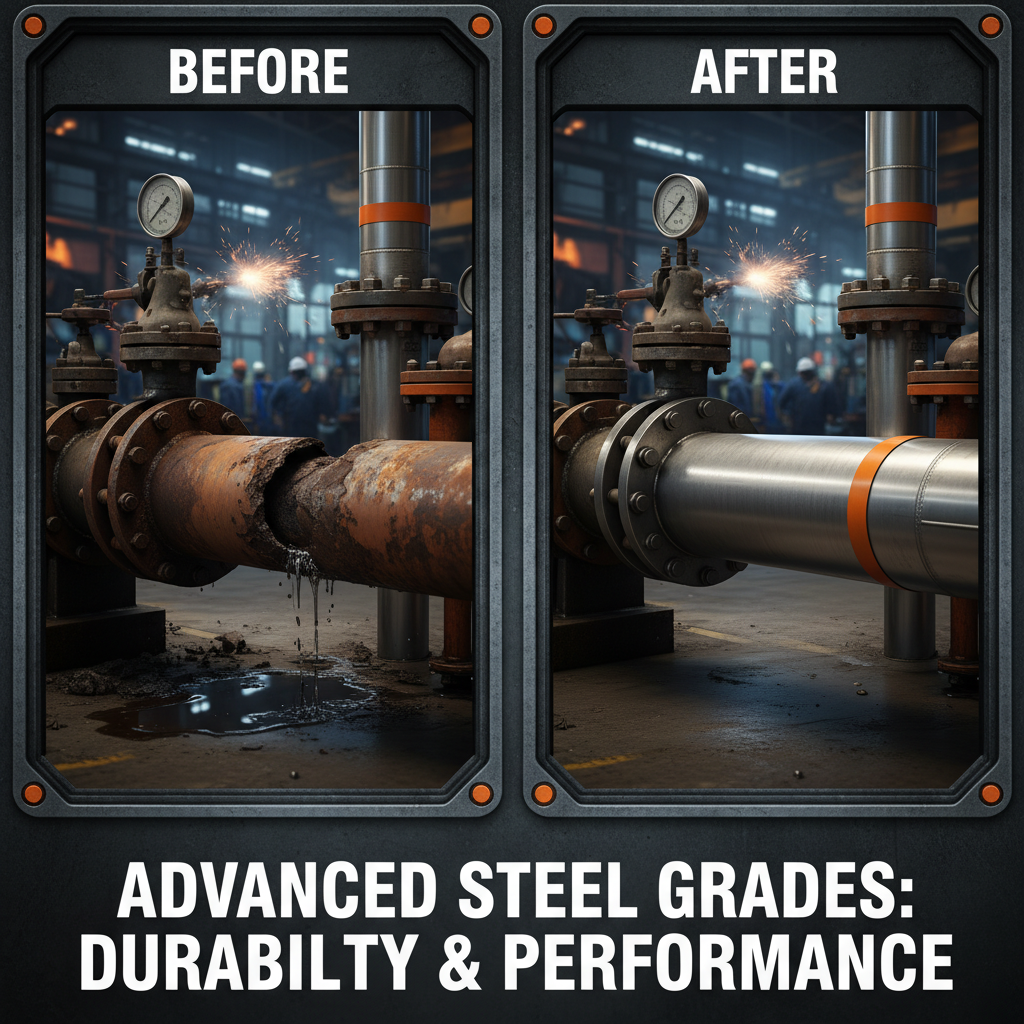
Why do so many engineers swear by pipes following this standard? - Cost efficiency: Uniform sizing means easier sourcing and reduced inventory complexity. - Safety: Pipes designed to handle specific loads reduce the risk of catastrophic failure. - Sustainability: Long-lasting pipes reduce replacement frequency, cutting resource waste. - Trust and reliability: Using a recognized standard reassures stakeholders of quality. - Innovation: Enables integration with emerging technologies thanks to standardized interfaces. Emotional benefits here shouldn’t be overlooked: safety in communities, dignity in ensuring clean water, and trust in the industrial systems that underpin modern life. ---Emerging Trends & Innovations in Pipe Standards
The future looks interesting. Some trends shaping the evolution of EN 10216-1 and related specs: - Green energy compatibility: Pipes optimized for hydrogen transport and biofuels. - Smart monitoring: Embedded sensors for real-time condition monitoring on pipelines. - Advanced materials: Use of micro-alloyed steels offering higher strengths and corrosion resistance. - Digital twin technology: Virtual replicas for stress testing and lifecycle predictions, cutting risk. - Automation: Enhanced manufacturing precision and inspection routines ensure tighter tolerances. All these advancements promise to carry EN 10216-1 pipes well into the next decade’s infrastructure demands. ---Common Challenges and How Experts Tackle Them
No standard is perfect. Some issues with EN 10216-1 pipes include: - Cost vs. performance: Higher specs increase price—balancing this is key. - Supply chain bottlenecks: Demand sometimes outpaces availability of certified pipes. - Regional discrepancies: Variations in interpretation or enforcement across countries. Solutions? Engineers recommend: - Early supplier engagement to ensure availability. - Modular design approaches allowing for some flexibility. - Continuous staff training on standard updates. I’ve noticed in projects that close collaboration between fabricators and clients often prevents headaches down the line—sort of a “team sport” approach. ---EN 10216-1 Pipe Dimensions: A Quick FAQ
Q1: What exactly differentiates EN 10216-1 pipes from other steel pipes?EN 10216-1 pipes are seamless steel tubes designed to meet strict pressure-bearing and mechanical standards, unlike some welded pipes which may be less uniform or suited for lower pressures. Q2: Can EN 10216-1 pipes be used in highly corrosive environments?
Yes, but often combined with surface treatments or specific steel grades designed within the standard’s options to improve corrosion resistance. Q3: How do I verify if a pipe meets EN 10216-1 dimensions?
Pipes typically come with certification documents verifying compliance, including tests and inspection reports. Physical measurements can also be compared with defined tolerances. Q4: Are these pipes compatible internationally?
EN 10216-1 is a widely recognized European standard but accepted globally, often harmonized with ISO equivalents, facilitating international projects. Q5: What's the typical lifespan of these pipes under normal conditions?
While variable, they generally last decades if properly maintained, thanks to their mechanical properties and quality controls. ---
Practical Specifications for EN 10216-1 Pipes
| Property | Range / Value | Details |
|---|---|---|
| Outer Diameter | 6 mm – 168.3 mm | Standard pipe sizes |
| Wall Thickness | 1.6 mm – 20 mm | Depending on class and design |
| Steel Grades | P235GH, P265GH, 10CrMo9-10 | Common industrial materials |
| Tensile Strength | ≥ 410 MPa | Varies by grade |
| Test Pressure | Up to 60 bar | Hydrostatic test standard |
Vendor Comparison Snapshot: Choosing the Right EN 10216-1 Pipe Supplier
| Vendor | Certification | Delivery Time | Price Range | Extra Services |
|---|---|---|---|---|
| SteelTube Co. | EN 10216-1, ISO 9001 | 2-3 weeks | Mid-Range | Custom cutting, testing |
| EuroPipes Ltd. | EN 10216-1, PED Approved | 4-5 weeks | Premium | Full certification pack |
| Global Steel Tubes | EN 10216-1, API Spec | 1-2 weeks | Budget | Bulk discounts |
Bringing It All Together
EN 10216-1 pipe dimensions might first feel like an obscure technical detail, but they sit at the heart of vital industrial systems worldwide. Their precise specifications, rigorous testing, and wide acceptance ensure pipelines are safe, durable, and cost-effective. Whether it’s an energy company in Norway, a water utility in Spain, or infrastructure rebuilding after a natural disaster, these pipes are silently holding things together. Feeling ready to dive deeper? For detailed specs, ordering options, or technical support, visit en 10216 1 pipe dimensions. ---References
Post time: Nov . 29, 2025 23:05
 English
  Arabic
  Bengali
  China
China  French
  German
  Hausa
Hausa  Indonesian
  Italian
  Japanese
  Javanese
  Malay
Malay  Persian
  Portuguese
  Punjabi
  Russian
  Spanish
  Swahili
  Telugu
  Vietnamese