

The API 5LX52 Specification: A Global Steel Standard That Shapes Industry and Innovation
In the sprawling world of steel manufacturing and pipeline construction, the API5LX52 specification is something of a quiet titan. It’s one of those technical standards that engineers, fabricators, and project managers nod to with respect — and for good reason. While it might sound like a string of letters and numbers to most people, understanding the API5LX52 spec is essential for ensuring efficient, safe, and durable pipelines that keep energy flowing worldwide. Its global relevance becomes obvious once you dig into the details.
Why does this matter? Because pipelines built to this standard affect everything from oil and gas transport to infrastructure resilience, in countries grappling with energy demands and environmental challenges. Knowing what API5LX52 brings to the table translates to better planning, longer-lasting projects, and smoother supply chains — all critical as the world pivots to more sustainable energy solutions.
Global Context: Why API5LX52 Specification Is a Backbone of Energy Infrastructure
Let’s put things in perspective. According to the International Organization for Standardization and the United Nations Conference on Trade and Development (UNCTAD), over 80% of global energy infrastructure relies on pipe systems compliant with stringent standards like API5LX. The “52” grade is particularly popular for medium-to-high strength applications, balancing durability and cost-efficiency.
One challenge the industry faces is matching material strength with long-term environmental exposure — think corrosive soil, temperature shifts, and internal pipeline pressures that can stress even the sturdiest steel. The API5LX52 specification helps tackle these by defining material chemistries and mechanical properties that suit a wide range of conditions, so pipelines don’t prematurely wear out or jeopardize safety.
Mini takeaway: API5LX52 steel pipes are an unsung hero in global energy transport, helping to maintain resilient and cost-effective infrastructure amid complex environmental pressures.
Breaking Down the API5LX52 Specification: What Does It Really Mean?
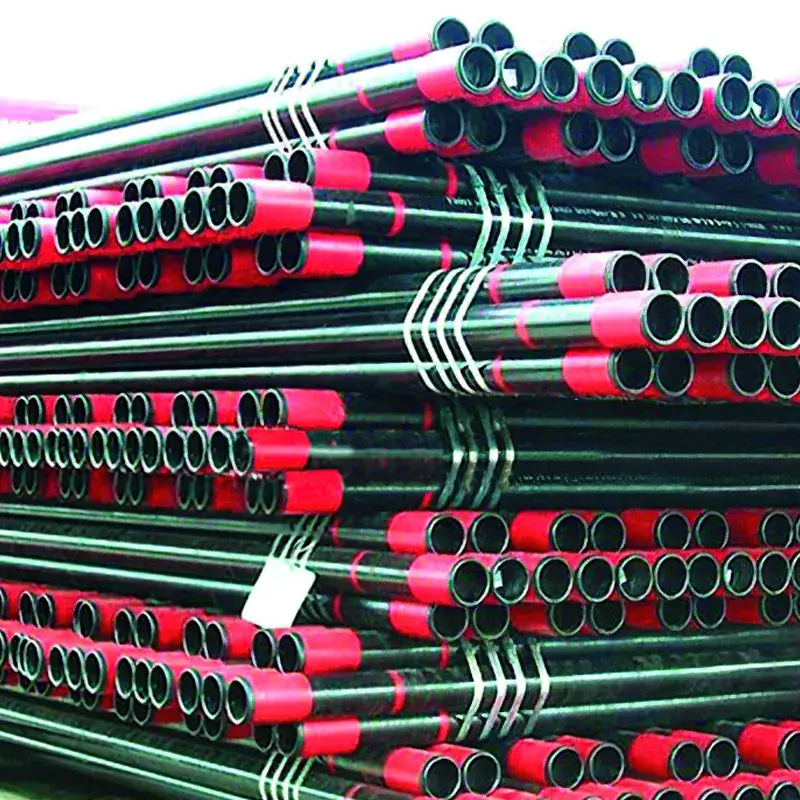
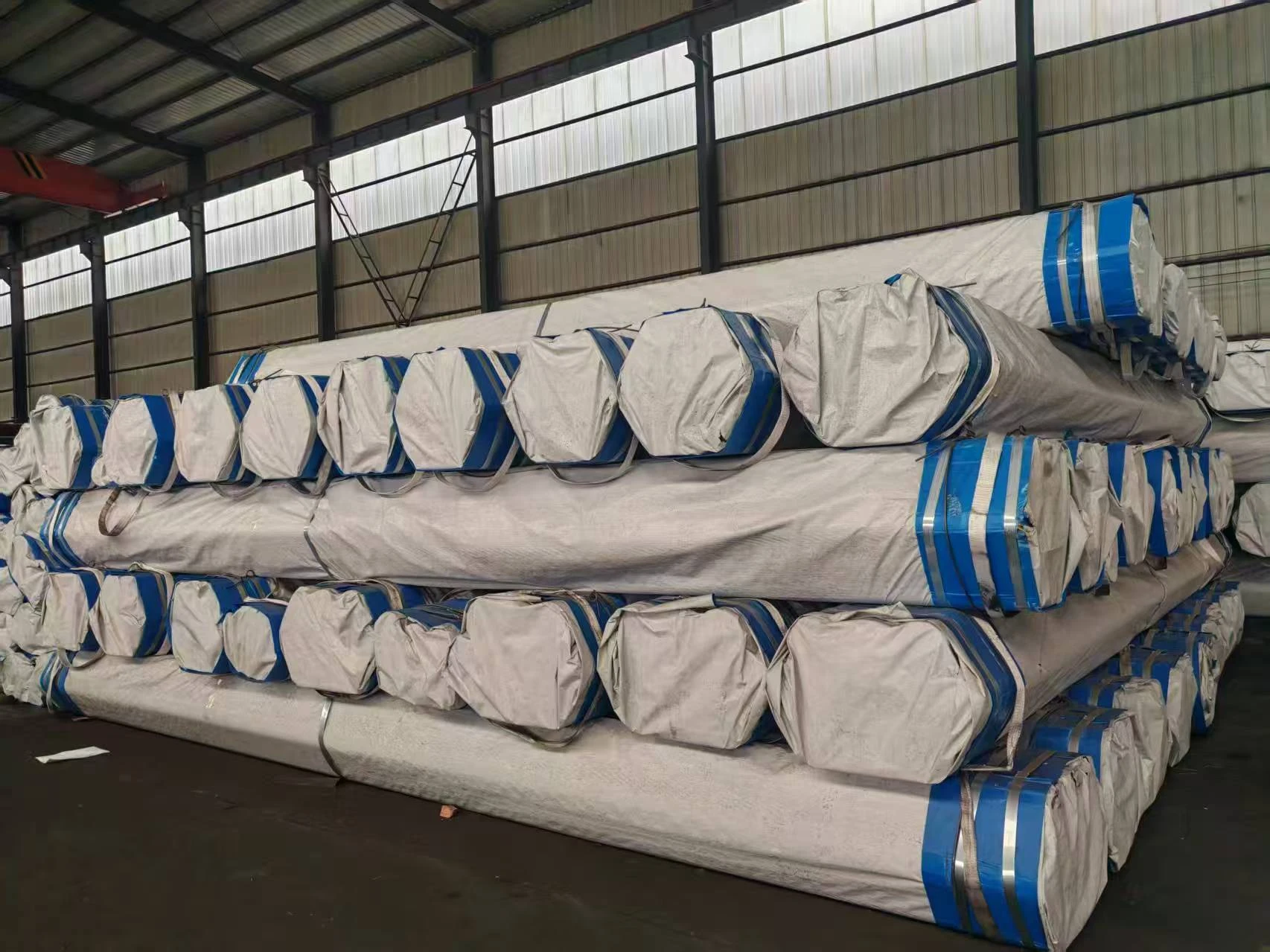
Simply put, API5LX52 is a standardized grade within the API 5L specification, governing line pipes for use primarily in pipeline transportation systems in the petroleum and natural gas industries.
The “API” part stands for the American Petroleum Institute — the body that sets these industrial standards. “5L” refers explicitly to line pipe standards. And “X52” indicates the grade’s minimum yield strength, which is roughly 52,000 psi (pounds per square inch). It’s a sweet spot in the spectrum of steel pipe grades: stronger than standard options but without the cost and brittleness of higher grades.
This specification covers:
- Chemical composition to guarantee consistent quality.
- Mechanical properties such as tensile strength and toughness.
- Manufacturing testing standards, including dimension tolerances and impact tests.
In modern contexts, this spec isn’t just about math and metallurgy — it supports reliable energy delivery and even humanitarian efforts by providing robust pipelines for disaster relief fuel supplies and remote installations.
Core Components of the API5LX52 Specification and Their Importance
1. Durability and Strength
The fundamental attribute of API5LX52 steel is its yield strength. At 52,000 psi, it’s strong enough to withstand typical operating pressures and environmental stresses, yet it retains enough ductility to avoid cracking. That balance is critical in preventing leaks or failures, especially in high-pressure pipelines transporting oil or gas across challenging terrains.
2. Chemical Composition Control
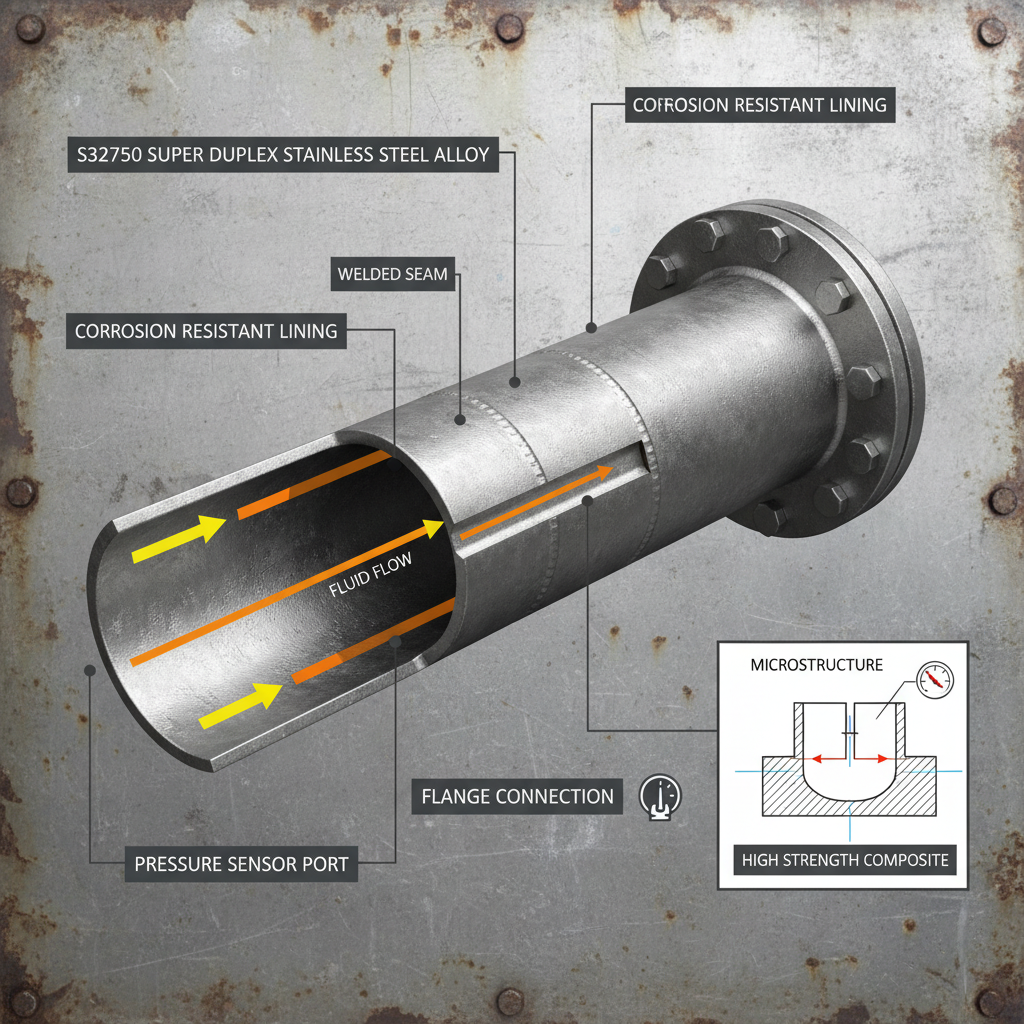
These pipes have tightly controlled chemical compositions. Elements like carbon, manganese, and sulfur are regulated to optimize weldability and corrosion resistance, which are huge concerns in corrosive underground or subsea environments.
3. Manufacturing and Testing Procedures
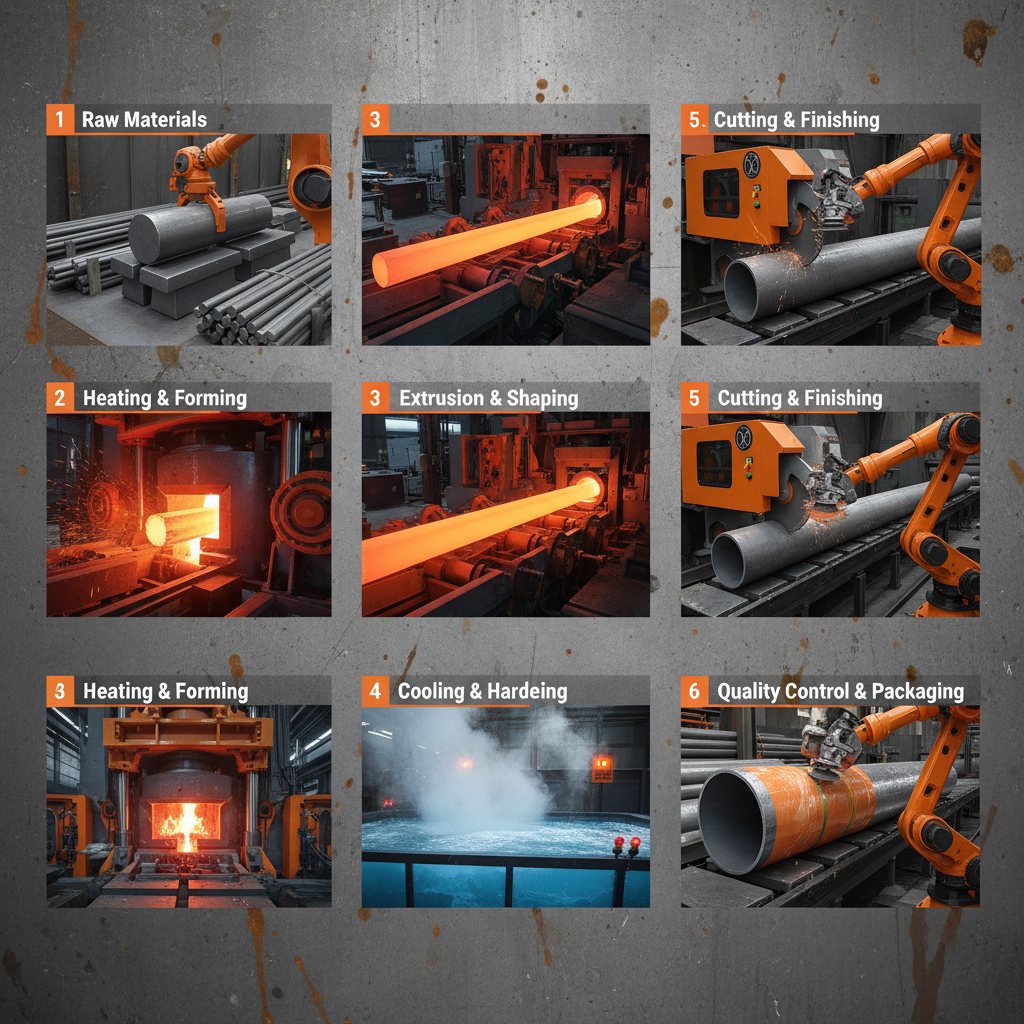
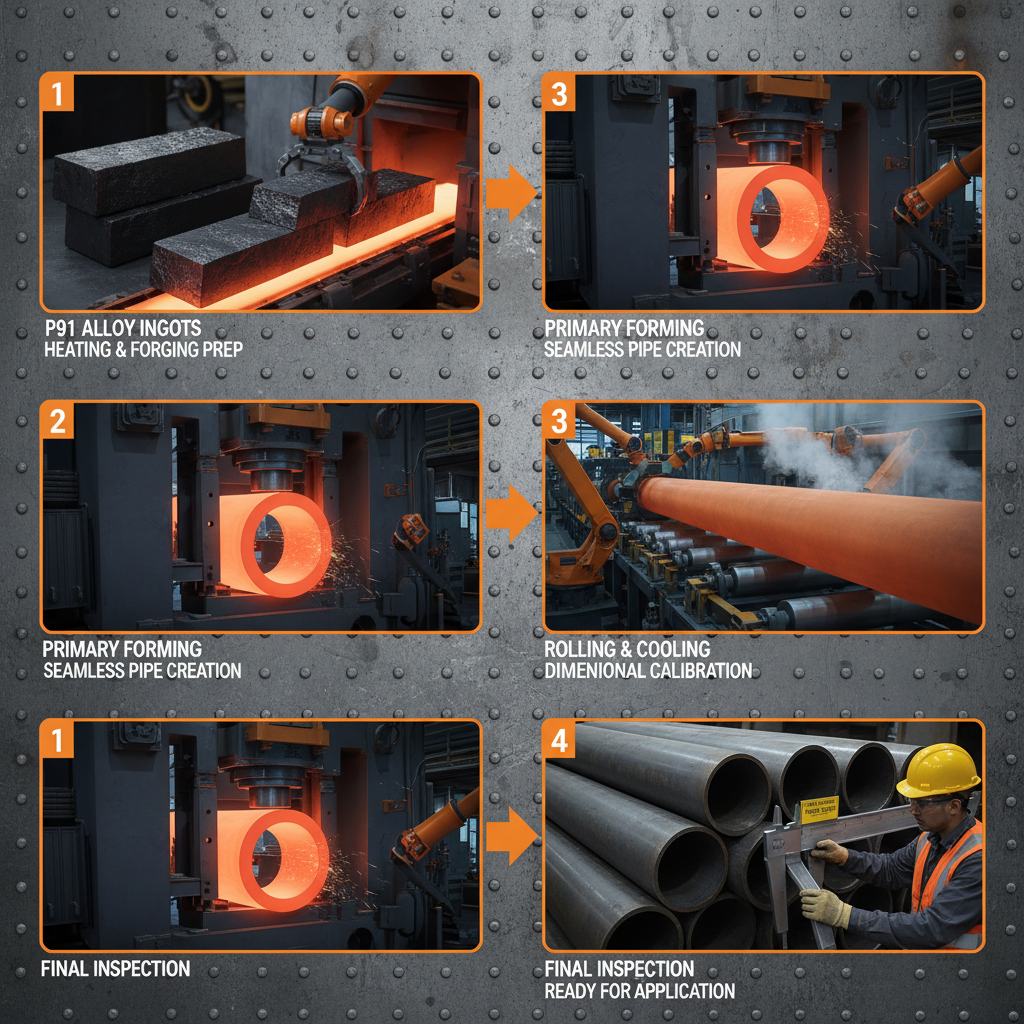
API5LX52 pipes undergo rigorous heat treatment and non-destructive testing (NDT) protocols such as ultrasonic or radiographic tests to ensure they meet mechanical and dimensional standards. Many engineers say this phase is what really separates quality pipe from the rest.
4. Versatility in Application
This grade suits both onshore and offshore pipelines, accommodating a range of diameters and wall thicknesses. It balances performance and cost so well that it’s the default choice for many pipeline operators worldwide.
5. Welding Compatibility
Because pipelines are constructed in long stretches, efficient welding practices are essential. API5LX52 pipes are designed with consistent microstructures to ensure strong, defect-free welds, a vital feature to maintain long-term structural integrity.
Mini takeaway: A deep dive into API5LX52 reveals a careful calibration of chemistry, mechanics, and production — all geared to meet the real-world demands of pipeline infrastructure.
Global Applications: Where and How API5LX52 Pipes Are Making a Difference
The API5LX52 specification finds its way into numerous industries and regions worldwide. Major applications include:
- Oil & Gas Pipelines: From the vast pipeline networks in North America to emerging projects in Africa and Asia, these pipes are the backbone of energy transport.
- Water Transfer & Utilities: Increasingly, API5LX52 pipes are used in water transmission systems, benefiting from their durability and cost advantages.
- Post-Disaster Relief: Agencies deploy modular pipeline systems using API5LX52 grade steel for rapid fuel and water supply restoration after natural disasters.
- Remote Industrial Zones: Mining and chemical industries in remote locations use these pipes to ensure reliable supply chains under tough environmental conditions.
For example, in the Alaskan oil pipeline network, using API5LX52 steel greatly improved resistance to brittle fracture during freezing winters, while in the Middle East, it helped reduce overall project costs without compromising performance.
Advantages and Long-Term Impact of Choosing API5LX52 Pipes
On the surface, the appeal of the API5LX52 pipe boils down to:
- Cost-Efficiency: It offers high strength without the premium cost of ultra-high-strength grades.
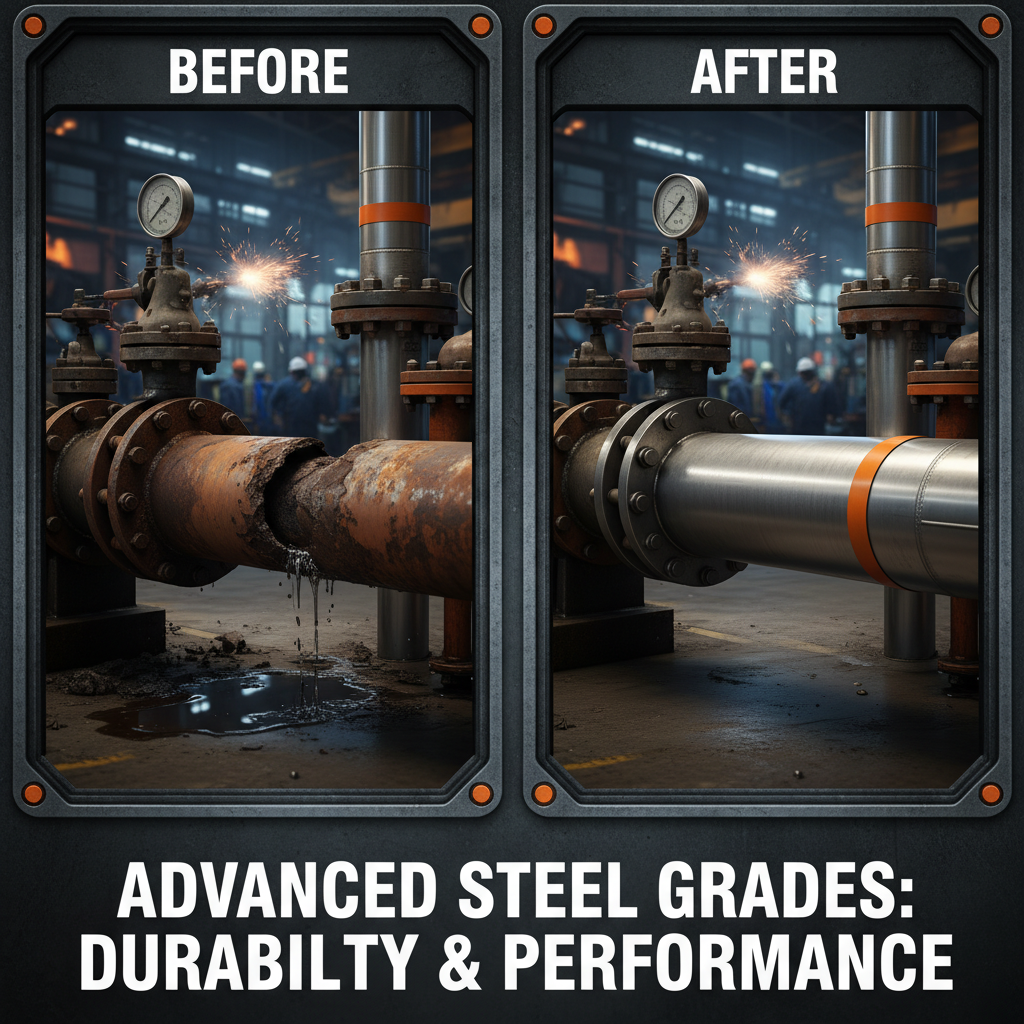
- Reliability & Safety: Fewer failures mean less downtime and lower maintenance costs.
- Sustainability: Longer lifecycle and recyclability aid in reducing environmental footprints.
- Trust and Innovation: Endorsed by international standards and backed by decades of field experience.
But beyond numbers, these pipes bring peace of mind to operators, protect ecosystems from leaks, and can even impact social welfare by enabling reliable access to fuels and water.
Specification Summary: Essential API5LX52 Pipe Properties
| Property | Value / Range | Notes |
|---|---|---|
| Minimum Yield Strength | 52,000 psi (360 MPa) | Key mechanical requirement |
| Tensile Strength | 60,000 - 75,000 psi | Varies by pipe thickness |
| Carbon Content | ≤ 0.28% | Affects weldability |
| Impact Testing Temp. | -20°C (minimum) | Ensures toughness in cold climates |
| Pipe Diameter Range | 4” to 48” (approx.) | Flexible for various projects |
Vendor Comparison: Top API5LX52 Steel Pipe Suppliers
| Supplier | Country | Typical Lead Time | Price Range (USD/ton) | Quality Certifications |
|---|---|---|---|---|
| Global Steel Pipe Co. | USA | 4-6 weeks | $800 - $980 | API Q1, ISO 9001 |
| Asia Pipe Masters | South Korea | 5-7 weeks | $750 - $920 | API Q1, ISO 14001 |
| EuroPipe Systems | Germany | 6-8 weeks | $830 - $1,000 | API Q2, ISO 9001 |
Looking Forward: Future Trends Affecting API5LX52 Specification and Pipeline Construction
The pipe industry is never static. Advances in materials science are pushing the bar on strength and corrosion resistance. For example, some manufacturers are experimenting with low-carbon micro-alloy steel enhancements that could improve toughness without increasing weight. There is also growing interest in integrating digital monitoring tools into pipelines to detect stress or leaks early — smart steel, if you will.
Environmental regulations are tightening, too, nudging companies to emphasize sustainable production and recyclability, which plays well with API5LX52’s relatively low carbon content. One can’t ignore the broader energy transition either, where pipelines must adapt to transporting hydrogen or biofuels — requiring evolved specifications but built on sturdy foundations like API5LX52.
Overcoming Challenges in API5LX52 Pipeline Projects
Despite its strengths, deploying API5LX52-grade pipes does come with hurdles. For instance, logistical delays in sourcing quality steel can hold up projects, especially in remote areas. Welding these pipes correctly demands trained specialists, and sometimes budget constraints push operators to consider lower-grade, riskier alternatives.
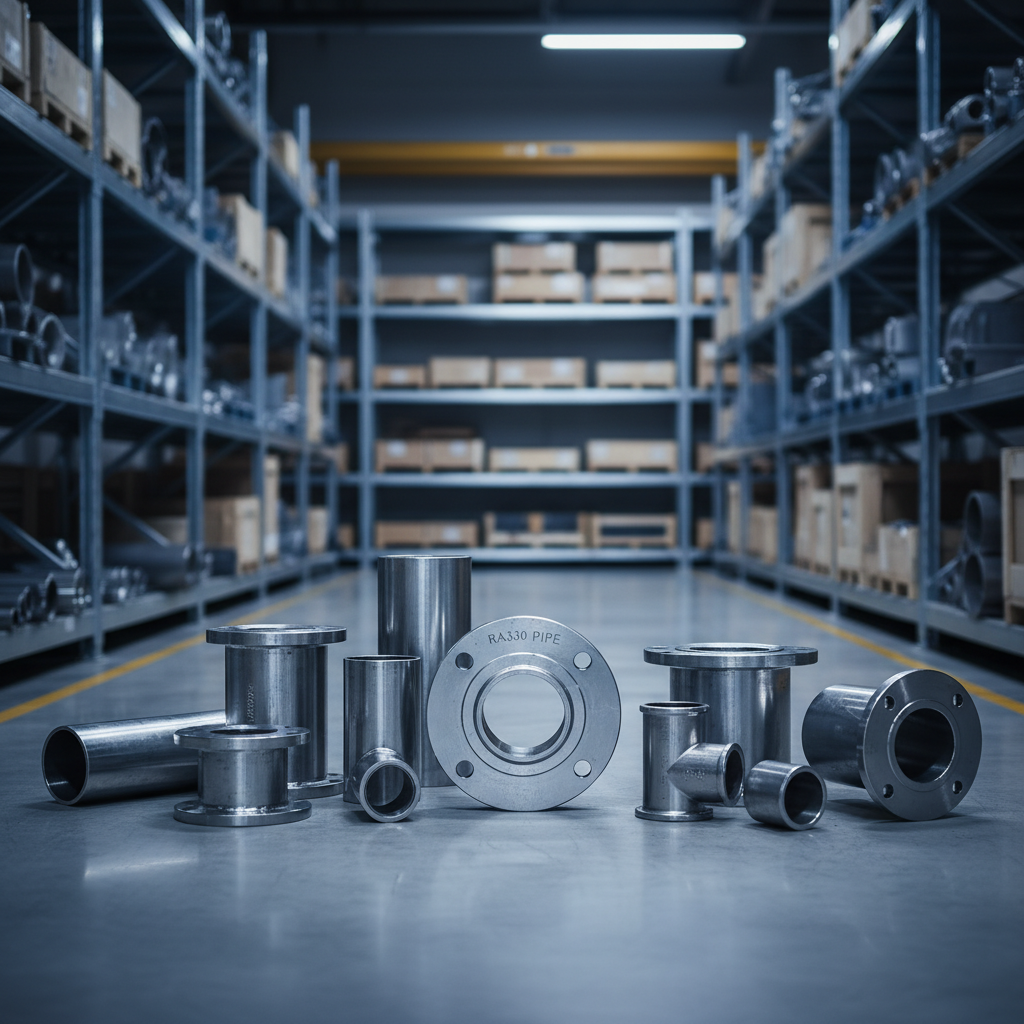
Innovations such as modular pipeline systems and automated welding robots are proving effective solutions. Additionally, suppliers offering localized stockpiles of API5LX52 pipes and training programs help alleviate many of these pains, ensuring projects stay on track and aligned with safety standards.
FAQ: Practical Questions About API5LX52 Specification
Q1: What is the main advantage of API5LX52 over lower-grade pipeline steel?
A1: API5LX52 offers higher yield strength (52,000 psi) compared to lower grades, meaning it can handle greater pressures and harsher environments. This translates to thinner, lighter pipes for the same performance, reducing costs and improving durability.
Q2: How does API5LX52 specification affect welding procedures?
A2: The chemical composition of API5LX52 steel is controlled to ensure good weldability and minimize risks of cracking. However, proper welding procedures, including preheating and using compatible filler materials, are still essential to maintain structural integrity.
Q3: Can API5LX52 pipes be used for offshore applications?
A3: Yes, API5LX52 pipes are commonly used offshore due to their strength and toughness, especially if they meet additional impact testing requirements suited for cold and corrosive marine environments.
Q4: How do I choose a reliable supplier for API5LX52 steel pipes?
A4: Look for suppliers with recognized quality certifications (API Q1/Q2, ISO 9001), good reviews on delivery reliability, and capacity to provide testing documentation. Comparing price and lead times, as shown in the vendor table above, can also help.
Q5: Is API5LX52 specification suitable for hydrogen pipelines?
A5: While API5LX52 is a solid foundation, hydrogen transport requires additional material considerations due to embrittlement risks. Specialized grades or certifications might be necessary alongside API5LX52 properties.
Wrapping It Up: Why API5LX52 Specification Still Matters
All in all, the API5LX52 specification remains a sort of sweet spot in pipeline steel – resilient, cost-effective, and tested over decades. It underpins energy infrastructure stretching from deserts to icy tundras, supporting global demands and innovative futures alike.
For businesses looking to invest in high-quality pipeline materials or simply getting into the nitty-gritty of industry standards, mastering the API5LX52 specification unlocks a world of reliability and performance.
Feeling ready to dive deeper or source your next batch of pipes? Visit our website at https://www.world-steelmaterial.com — because quality starts with knowing what the standards truly mean.
References:
Post time: Nov . 29, 2025 21:30
 English
  Arabic
  Bengali
  China
China  French
  German
  Hausa
Hausa  Indonesian
  Italian
  Japanese
  Javanese
  Malay
Malay  Persian
  Portuguese
  Punjabi
  Russian
  Spanish
  Swahili
  Telugu
  Vietnamese