

Understanding API5L Pipe Specification: Why It Matters Worldwide
The API5L pipe specification might sound like something only pipe engineers care about, but it actually plays an essential role in our global infrastructure. Pipes that meet API5L standards ensure reliable transportation of oil, gas, and water, which are vital for energy and municipal needs everywhere. With rising demand for energy security, environmental safety, and efficiency, knowing what API5L entails is more than just technical jargon — it’s understanding a piece of the world’s backbone.
Why does this matter globally? Well, oil and gas pipelines span countries and continents. If those pipes fail, the consequences ripple beyond local networks to global markets, environments, and even politics. In short, comprehending api5l pipe specification helps industries build safer, more durable infrastructure.
Introduction: The Global Context of API5L Pipe Standards
Globally, the energy sector accounts for roughly 10% of GDP in many countries, with pipelines being a cost-effective way to move hydrocarbons long distances. According to the International Energy Agency (IEA), pipelines transport more than 60% of global natural gas. But pipeline safety and longevity heavily depend on the pipe quality itself — where API5L standards step in.
Challenges such as corrosion, mechanical stress, and environmental harshness complicate pipeline construction and operation. Many countries grapple with aging infrastructure or extreme climates, bolstering the need for universally accepted standards that API5L provides.
To sum up this context: using pipes that meet API5L specs means the industry can better meet demands while reducing the risks and costs associated with leakage, ruptures, or downtime.
What Exactly Is API5L Pipe Specification?
API5L is a technical specification developed by the American Petroleum Institute (API) that sets the requirements for the manufacturing of steel pipes used in the petroleum and natural gas industries. Simply put, it outlines what quality, dimensions, and properties pipes should have to be reliable under pressure, temperature changes, and complex field conditions.
Think of it as a trusted benchmark — like ISO but specifically for pipes. From the thickness and diameter to the steel grade and testing regime, API5L is a comprehensive guide ensuring these pipes won’t let you down when you’re hundreds of miles offshore or deep underground.
Mini Takeaway:
API5L doesn’t just define pipe sizes — it’s about consistent quality and safety across global projects, a cornerstone for modern industry and critical infrastructure.
Core Components of API5L Pipe Specification
1. Material Grade and Strength
API5L classifies pipe steel grades (like X42, X52, X65) based on yield strength. Higher grades signify pipes that can withstand more pressure and stress. This choice impacts project costs and safety margins directly.
2. Dimensions and Tolerances
The specs strictly control pipe diameter, wall thickness, and length to ensure pipes fit together seamlessly. For example, small deviations can cause leaks or fitting troubles.
3. Testing and Inspection
Includes hydrostatic tests, non-destructive examination, and chemical composition checks. These confirm a pipe meets toughness and corrosion resistance standards critical in harsh environments.
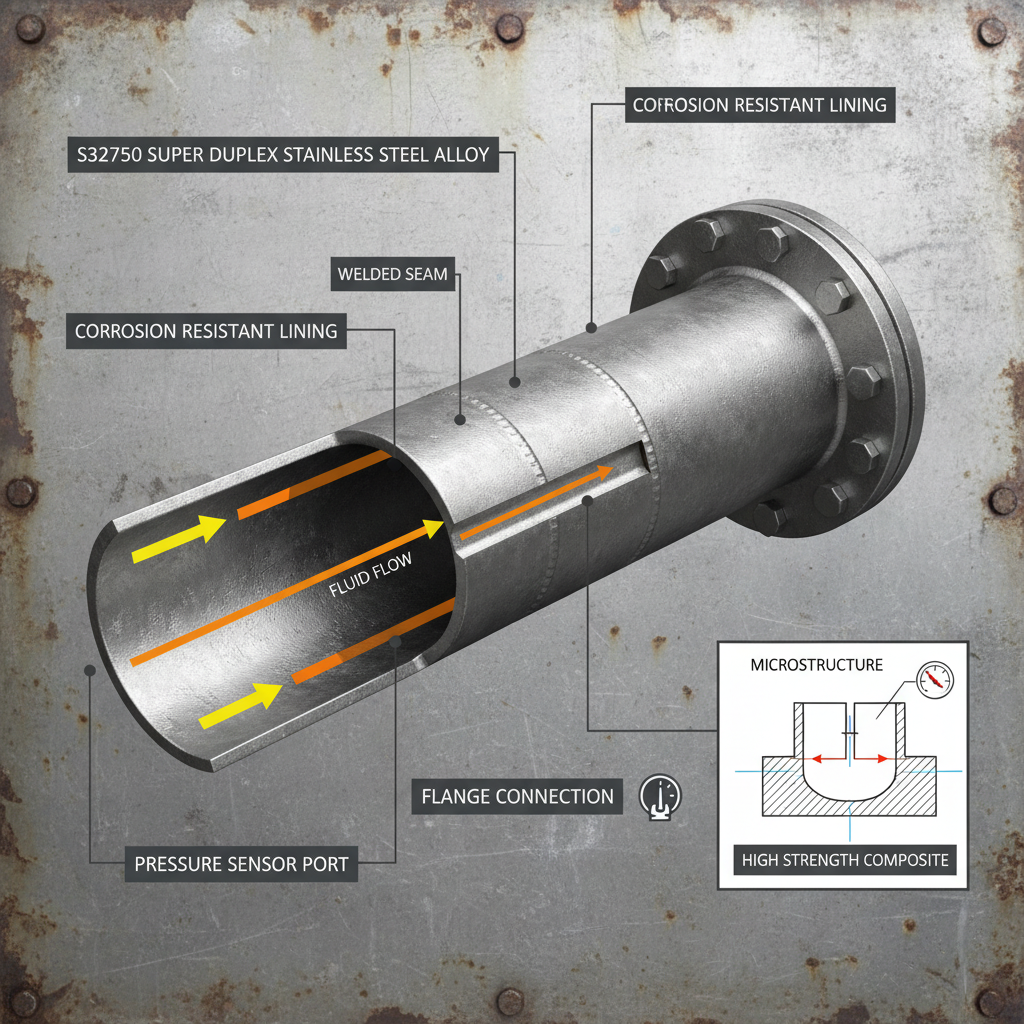
4. Corrosion Resistance and Coatings
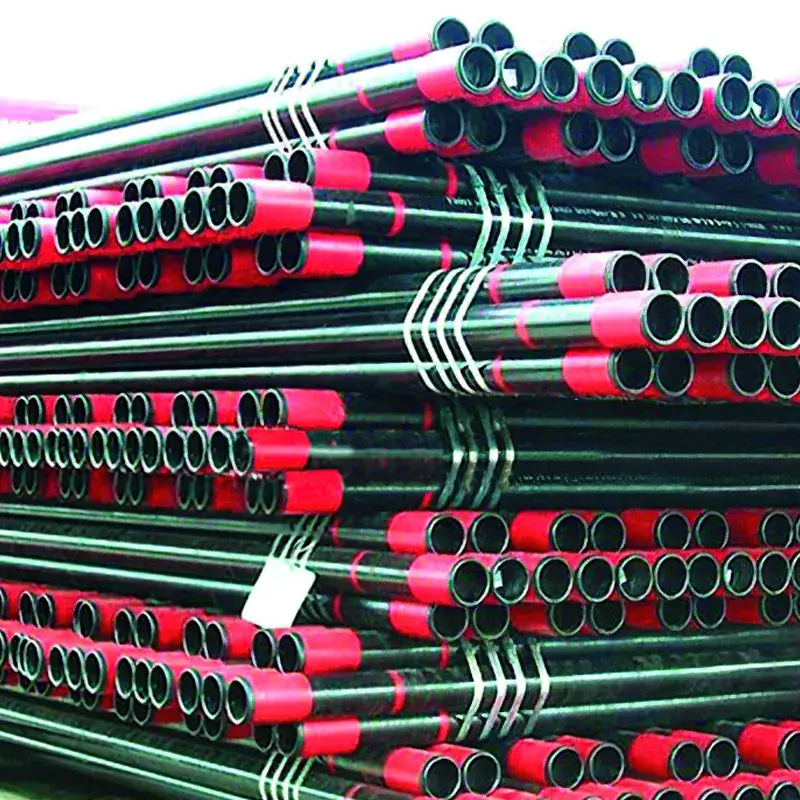
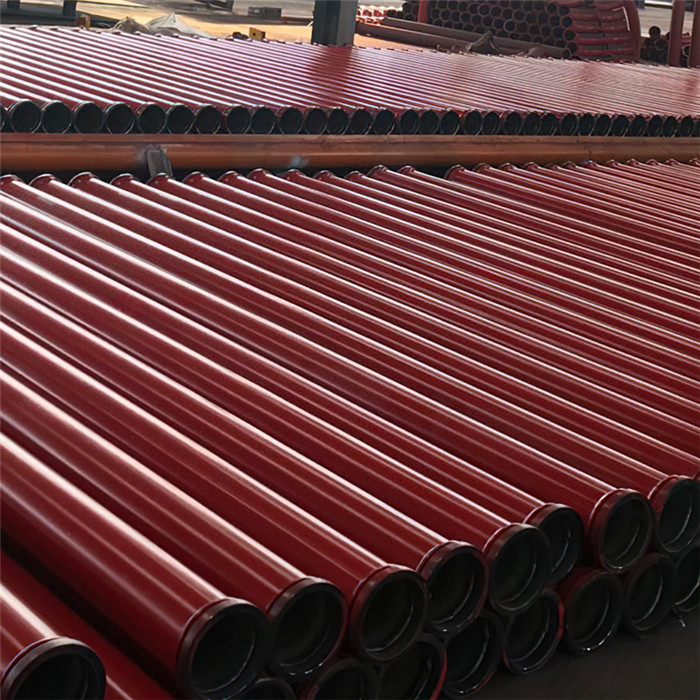
API5L pipes often require anti-corrosive coatings, either epoxy or polyethylene, to extend lifespan, especially for subsea or underground pipelines.
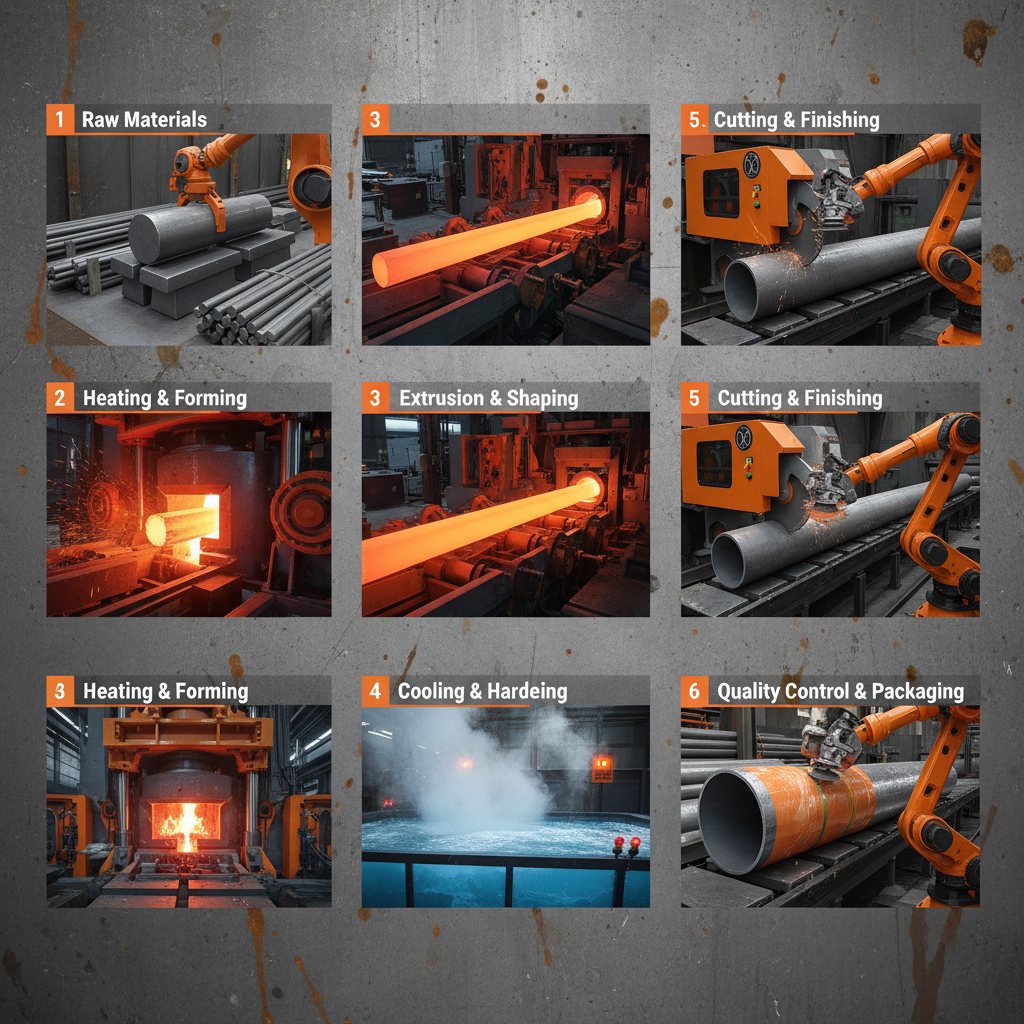
5. Manufacturing Process
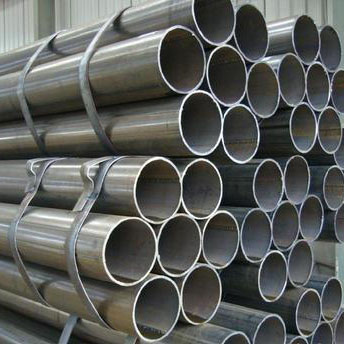
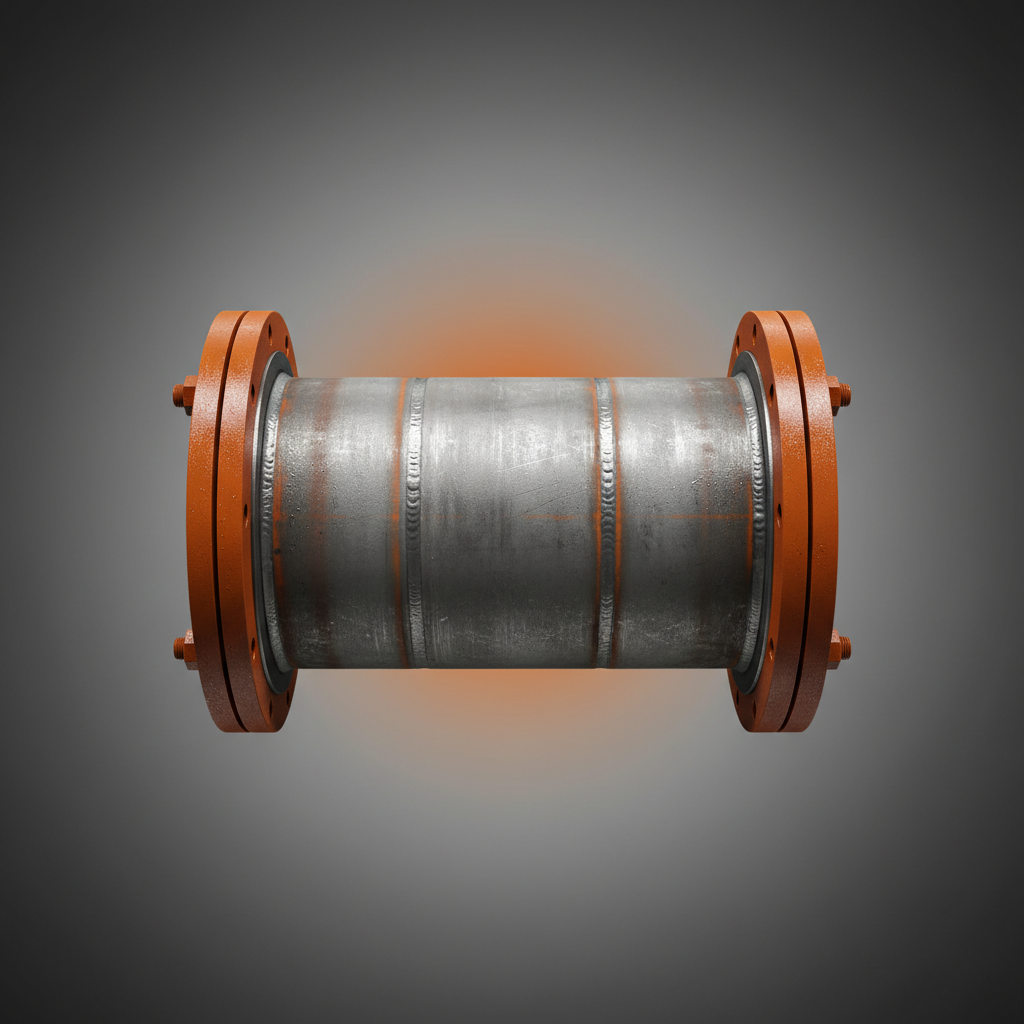
API5L covers whether a pipe is seamless or welded, with distinct rules for each. The manufacturing type influences cost, strength, and suitability.
Summary of Core Components:
- Material strength classification ensures pipelines hold under pressure.
- Precision in dimensions prevents leaks and assembly issues.
- Thorough testing guarantees reliability.
- Coatings combat corrosion for longer service life.
- Manufacturing methods adapt pipes to different project needs.
Specifications for Common API5L Pipes
| Specification | Typical Range / Value | Notes |
|---|---|---|
| Material Grade | X42, X52, X56, X60, X65 | Higher number = higher strength |
| Pipe Type | Seamless / Welded | Depending on application |
| Outer Diameter | 2" to 48" (50mm to 1200mm) | Standard API sizes |
| Wall Thickness | 0.15" to 1.0" (4mm to 25mm) | Varies by grade and duty |
| Coating | PE, Epoxy, Bituminous | Anti-corrosion |
| Testing | Hydrostatic, UT, PMI (Ultrasonic, Positive Material ID) |
Quality control |
Where Is API5L Pipe Specification Used Globally?
API5L pipes power projects worldwide — from the American shale fields to Siberian gas pipelines, to the complex network beneath the North Sea. Due to their reliability, these pipes are favorites for:
- Oil and gas transmission pipelines
- Water distribution networks
- Infrastructure in earthquake-prone zones requiring extra strength
- Industrial sectors needing high-pressure fluid transport
In remote industrial zones — say, the deserts of the Middle East or Arctic tundra — having pipes that meet precise specifications can literally mean the difference between a stable operation or costly shutdown due to failure. During post-disaster relief, quick deployment of piping infrastructure adhering to API5L specs ensures the rapid restoration of fuel or water supplies.
Mini Takeaway:
API5L’s global relevance isn’t theoretical — it underpins critical infrastructure from energy hubs to humanitarian efforts, which take nothing for granted.
Advantages and Long-Term Value of Following API5L Specifications
The benefits of pipes meeting API5L are both tangible and far-reaching:
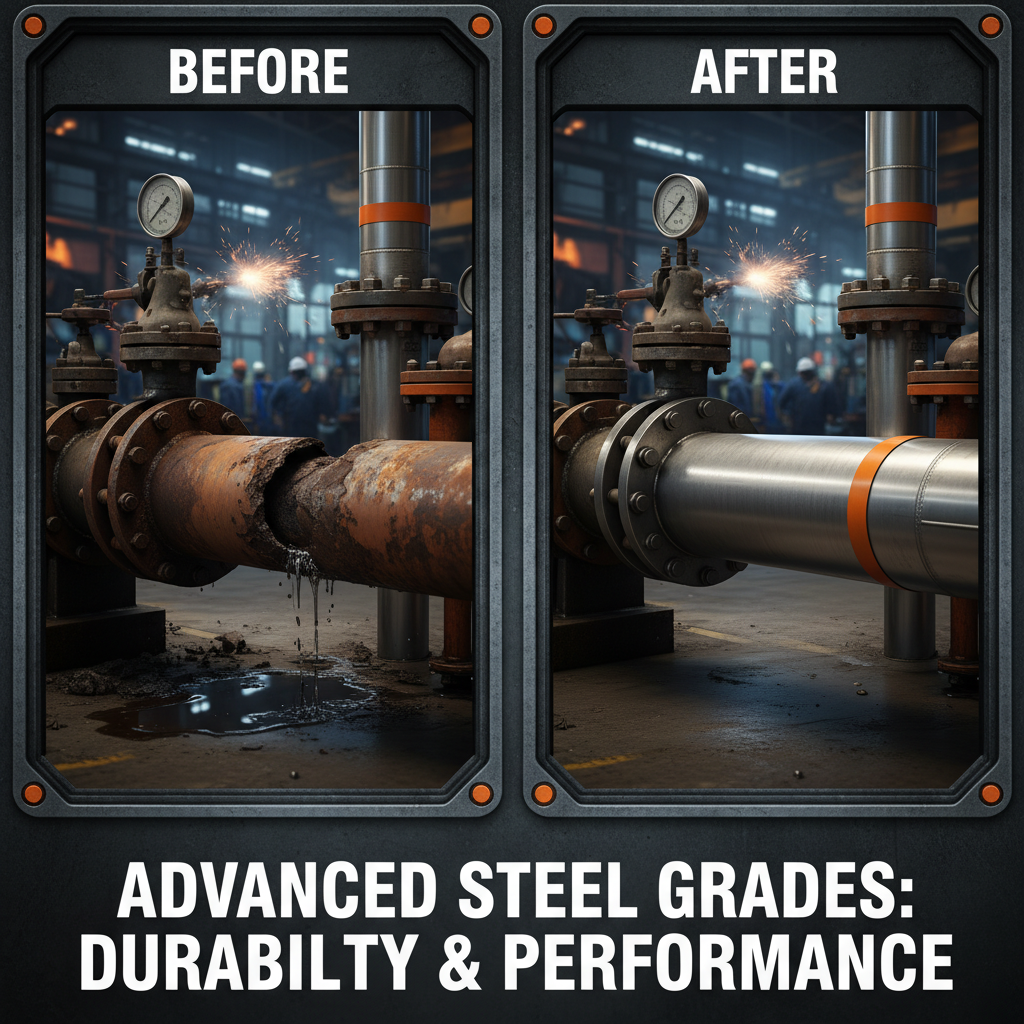
- Cost Efficiency: Fewer failures mean less downtime, repairs, and environmental remediation expenses.
- Safety and Trust: Properly graded pipes minimize risk of leaks or catastrophic faults — often a matter of life and death.
- Environmental Sustainability: Longer-lasting pipelines reduce waste and disturbance to ecosystems.
- Innovation Friendly: API5L standards evolve, supporting use of newer materials and coatings.
It’s hard to overstate how much engineers appreciate pipes that “just work” over decades, sometimes buried kilometers underground, without problems. There’s a kind of quiet dignity in that reliability.
Looking Ahead: Future Trends in API5L Pipe Specification
The world is shifting. Green energy and carbon neutrality goals push pipeline tech toward:
- New Materials: Steel alloys that resist hydrogen embrittlement or allow higher pressure.
- Digital Monitoring: Pipes embedded with sensors to detect microfractures early.
- Automated Manufacturing: Robotic welders ensuring perfect seams to reduce human error.
- Better Coatings: Biodegradable or self-healing layers extending lifetime.
Frankly, it feels like the API5L specs will keep growing alongside technologies like AI-enabled predictive maintenance, changing how pipelines are designed and inspected.
Common Challenges & Practical Solutions
The biggest hurdles with API5L pipe specification often involve cost, adaptation to extreme environments, and logistics such as transport and installation challenges. For example:
- Cost vs. Performance: Higher-grade pipes cost more; balance comes by analyzing total lifecycle costs.
- Extreme Climate Impact: Cold-induced brittleness in Arctic pipelines is managed by choosing appropriate steel grades (X65+).
- Pipeline Integrity Monitoring: Sensors combined with regular inspection patrols help detect issues early, despite remote locations.
Many engineers suggest a holistic approach — careful planning, strong supplier partnerships, and leveraging advances in material science to stay ahead.
Vendor Comparison: Popular API5L Pipe Suppliers
| Vendor | Product Range | Quality Certifications | Lead Time | Notable Clients |
|---|---|---|---|---|
| SteelCo Pipes | X42-X65 Seamless & Welded | API Q1, ISO 9001 | 4-6 weeks | Shell, ExxonMobil |
| GlobalPipe Ltd. | X52-X80 Welded Pipes | API 5L, ISO 14001 | 6-8 weeks | BP, Chevron |
| Pipeline Masters | X42-X70, Coated Pipes | API Q1, ISO 45001 | 5-7 weeks | Total, Enbridge |
Frequently Asked Questions About API5L Pipe Specification
- What makes API5L pipes better than regular steel pipes?
- API5L pipes are manufactured to strict industry standards that guarantee certain mechanical properties, dimensional consistency, and quality. Unlike generic steel pipes, they undergo rigorous testing to withstand high pressure and corrosive environments, making them ideal for oil and gas.
- How do I choose the right API5L pipe grade for my project?
- Consider the pressure, temperature, and environmental exposure your pipeline will face. Higher grades like X65 or X70 suit high-pressure systems, while lower grades work for less demanding needs. Consulting project engineers and referencing the api5l pipe specification documentation is essential.
- Can API5L pipes be used for water supply pipelines?
- Yes, many municipal water and wastewater pipes meet API5L standards because of their durability and corrosion resistance, but coatings and material grades might differ from petroleum-focused pipelines.
- Are API5L pipes eco-friendly or recyclable?
- API5L pipes are primarily steel, which is highly recyclable. Additionally, advances in coatings and manufacturing processes aim to reduce environmental footprints over the pipe’s lifetime.
- Where can I find trusted API5L pipe vendors?
- Look for suppliers with certifications like API Q1 and ISO 9001. The vendors compared above are good starting points, but always verify references and reviews before purchasing.
Conclusion: Why Investing in API5L Pipes Pays Off
In the long haul, using pipes that conform to API5L pipe specification means fewer surprises, longer pipeline lifetimes, lower maintenance costs, and safer operations. Whether you’re running a refinery, setting up a water network, or building a remote gas pipeline, it’s clear: adhering to API5L standards remains a cornerstone of industrial reliability worldwide.
For more detailed information and product sourcing, visit our website and explore extensive resources on API5L pipes and related materials.
Quick Reflection:
Standards like API5L remind us that infrastructure often hides in plain sight — quietly delivering energy and water that keep cities alive. Next time you fill your tank or wash a glass of water, consider the steel pipe beneath, engineered with tremendous precision and care.
References:
1. Wikipedia: API 5L
2. American Petroleum Institute
3. International Energy Agency Reports
Post time: Nov . 29, 2025 19:55
 English
  Arabic
  Bengali
  China
China  French
  German
  Hausa
Hausa  Indonesian
  Italian
  Japanese
  Javanese
  Malay
Malay  Persian
  Portuguese
  Punjabi
  Russian
  Spanish
  Swahili
  Telugu
  Vietnamese