

Understanding the API X52 Specification: Why It Matters Worldwide
If you’ve ever worked with pipeline steels or construction materials, the term API X52 specification probably rings a bell. But why should anyone beyond the petrotechnical or pipeline industry care? Well, globally, API X52 steel grades play a quiet but essential role in everything from reliable energy transport to safeguarding infrastructures in disaster-prone zones. Understanding this specification isn’t just a techie’s fix; it’s a gateway to grasping durability, sustainability, and safety in critical structural applications.
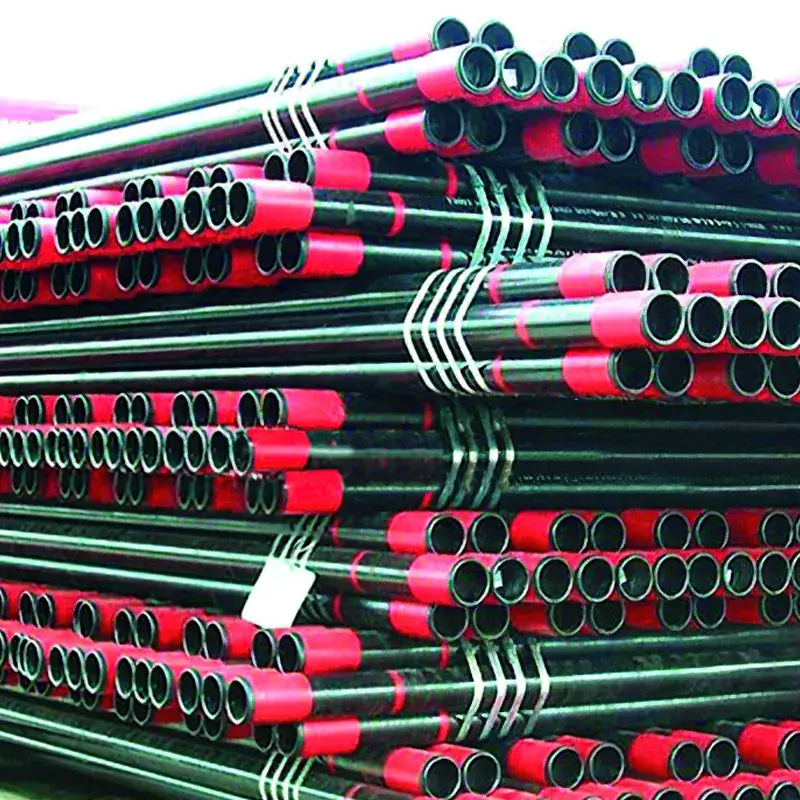
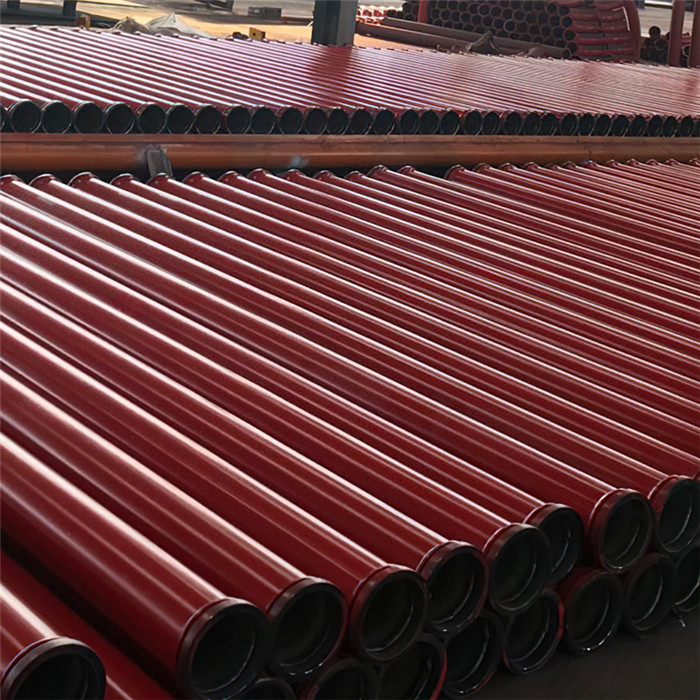
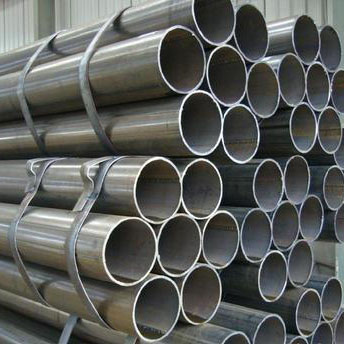
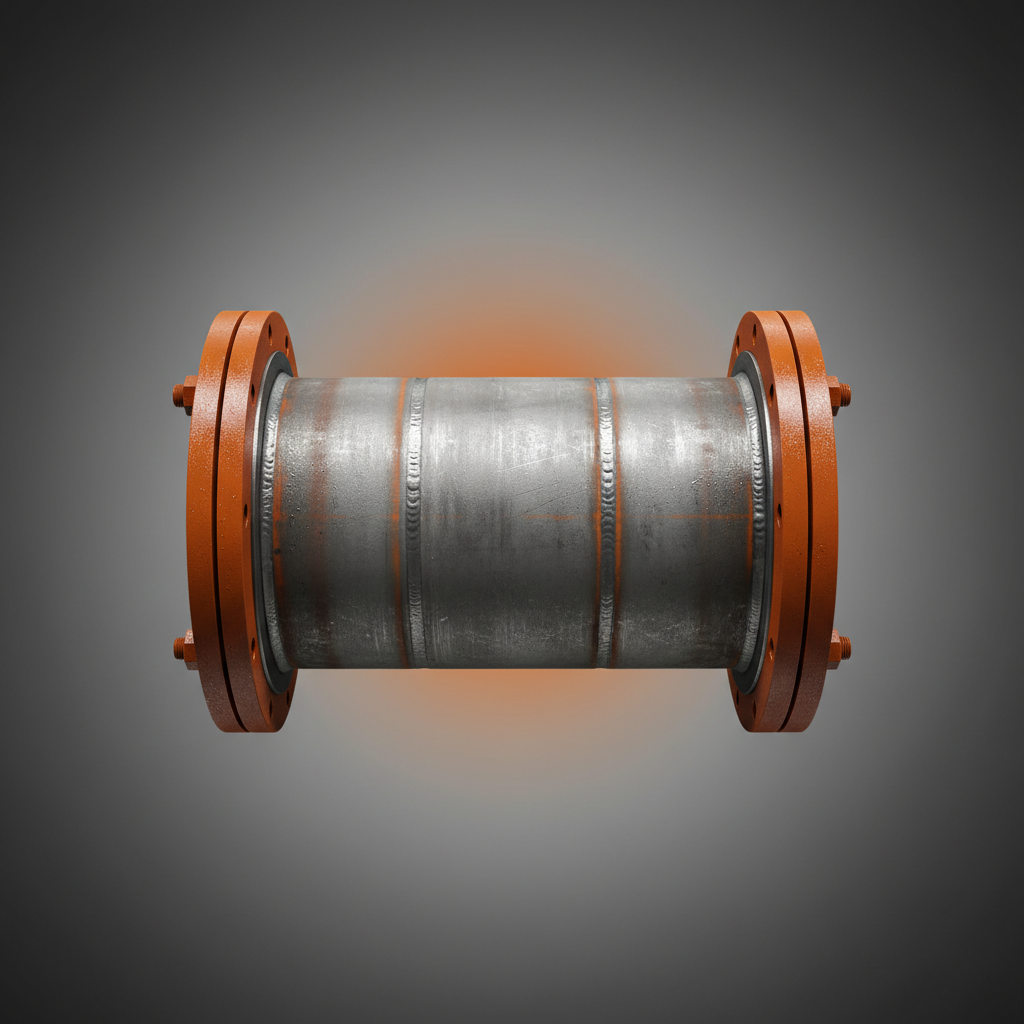
In a nutshell, the API X52 specification ensures particular standards in grade, strength, and toughness for steel pipes. These pipes often carry natural gas and liquids worldwide, which directly impacts economies, environmental safety, and human security.
The Global Importance of API X52 Specification: Energy, Safety, and Progress
To put it bluntly, efficiency in energy transport is almost the lifeblood of modern economies. According to the International Energy Agency (IEA), global natural gas consumption is projected to grow by 1.4% annually through 2024, emphasizing the need for robust pipeline materials. That’s where API X52 steel pipes come in — ensuring pipelines endure harsh environments while maintaining structural integrity.
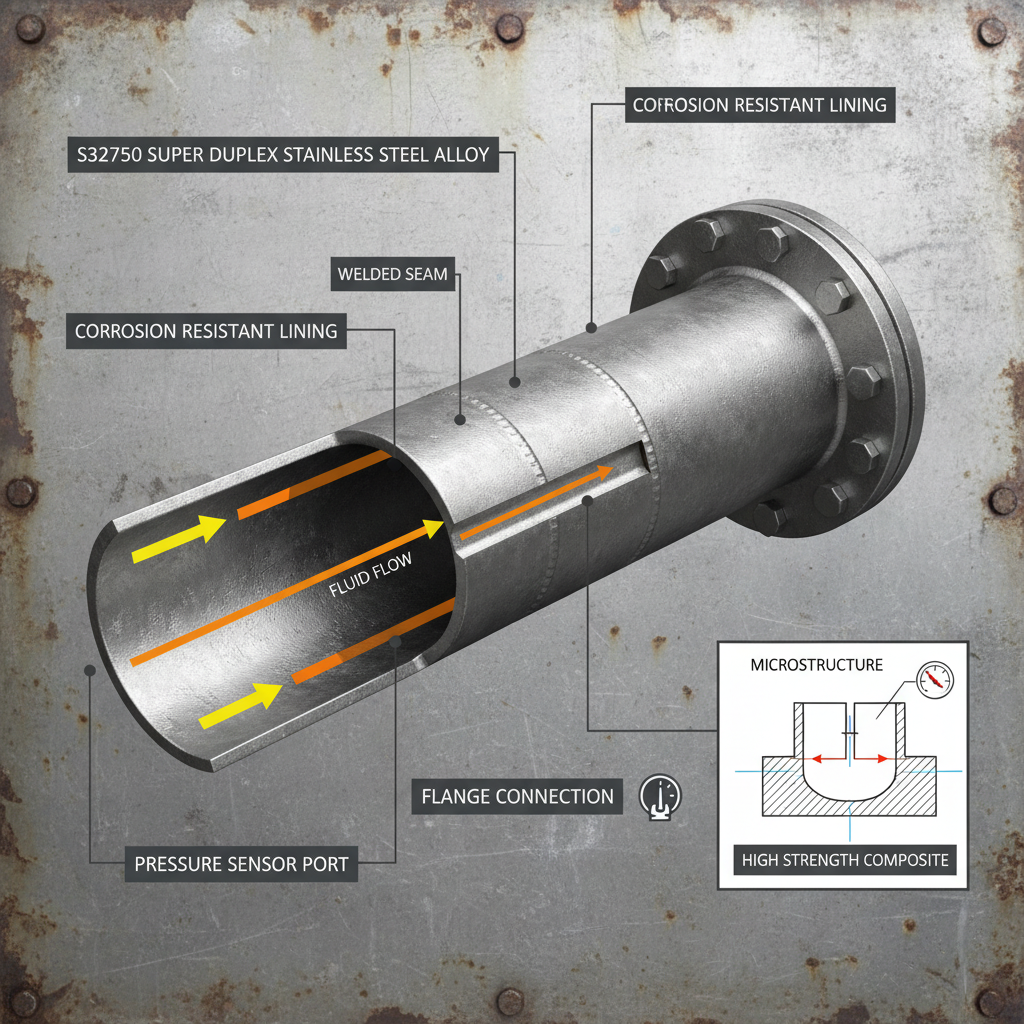
Some challenges these pipes address include resistance to internal pressure variations, corrosion, and external stresses from soils or seismic activity. The api x52 specification explicitly outlines the chemical composition and mechanical properties that the steels must meet.
Oddly enough, even small deviations from these standards could mean catastrophic leaks or failures — environmental disasters waiting to happen. So, while often overlooked by the public, achieving and understanding the API X52 specification is a global safety and sustainability challenge.
What Exactly Is API X52 Specification?
At its core, API X52 is a designation by the American Petroleum Institute (API) for grade X52 steel, primarily used in line pipes. “X52” denotes the minimum yield strength—in this case, around 52,000 psi (pounds per square inch). This metric helps engineers determine if a steel pipe can withstand internal pressures during transport.
The api x52 specification covers more than strength, including chemical makeup, toughness, and manufacturing processes. It’s like a quality stamp that the steel is fit for intended uses, whether that’s under the ocean floors or buried beneath cities.
In humanitarian and industrial contexts, having clear standards like API X52 is essential for projects ranging from energy pipelines in developing countries to sturdy frameworks in earthquake zones.
Core Components of API X52 Specification
1. Durability and Strength
Yield strength of around 52,000 psi means these pipes can tackle pretty high pressure from natural gas or liquids without deforming. That durability is critical, especially in pipelines stretching hundreds of miles.
2. Chemical Composition
The spec sets limits on carbon, manganese, sulfur, phosphorus, and other elements to optimize toughness and corrosion resistance. For example, keeping sulfur low reduces brittle failures.
3. Toughness and Impact Resistance
API X52 pipes must maintain toughness even at lower temperatures, so sudden weather changes or deepwater conditions don’t lead to cracks.
4. Manufacturing and Quality Control
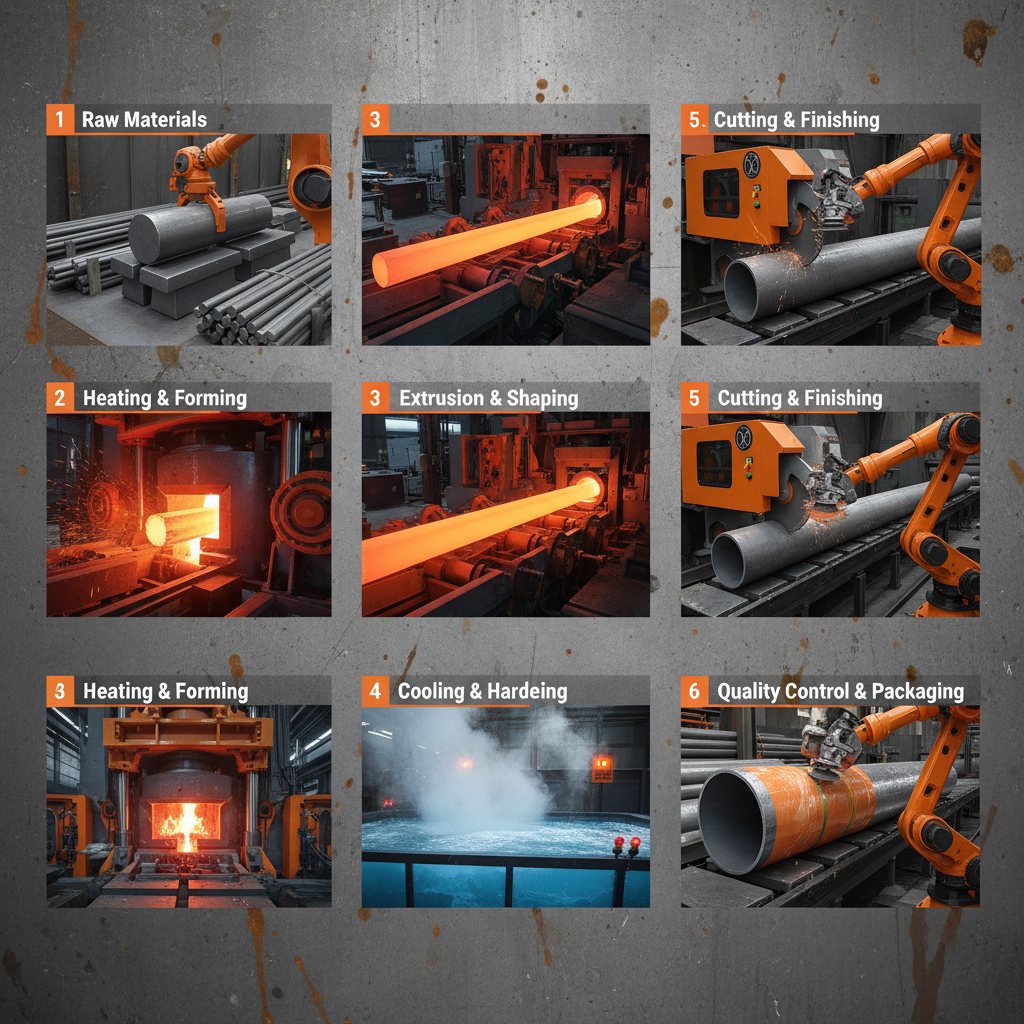
Stringent heat treatments and welding criteria ensure each pipe conforms exactly to what engineers expect on paper — a no-compromise factor in real-world usage.
5. Dimensional Accuracy
Precise dimensional requirements allow seamless connection of pipes on-site, reducing costly delays.
Typical API X52 Pipe Specification Table
| Property | Requirement | Unit |
|---|---|---|
| Minimum Yield Strength | 52,000 | psi |
| Tensile Strength | 60,000 - 80,000 | psi |
| Carbon Content (max) | 0.26 | % |
| Manganese Content | 1.4 - 1.6 | % |
| Impact Toughness (Charpy) | Minimum 27 J at -20°C | Joules |
How Is API X52 Utilized Around the World?
API X52 pipes are global workhorses. From North America where vast natural gas fields rely on them to supply cities, to Middle Eastern desert pipelines transporting crude oil, their presence is literally underground. Interestingly, developing countries expanding their energy infrastructure also trend toward API standards because it’s a globally recognized and trusted quality measure.
In post-disaster reconstruction — say after a hurricane or earthquake — having API X52 grade steel pipes ready for pipeline repairs or replacement can speed recovery enormously. NGOs and industrial outfits often turn to these standards to ensure any materials used don’t fail prematurely under extreme conditions.
Another realistic use case: in remote industrial zones, where transporting materials can be tricky, selecting pipes that meet the api x52 specification ensures less hassle with maintenance or replacements for years.
Comparing Leading Suppliers of API X52 Pipes
| Vendor | Certification | Lead Time | Global Reach | Customization Options | Price Range |
|---|---|---|---|---|---|
| SteelWorks International | API Spec 5L, ISO 9001 | 4-6 weeks | North America, Europe, Asia | Diameter, thickness, coatings | $$$ |
| Global Pipe Solutions | API Spec 5L, ISO 14001 | 3-5 weeks | Asia, Middle East, Africa | Coatings, inspection, grade variations | $$ |
| TechMetals Corp. | API Spec 5L certified | 5-7 weeks | Global | Full bespoke options | $$$$ |
Why Choose API X52 Pipes? The Long-Term Advantages
- Cost Efficiency: Their strength-to-weight ratio means you can use thinner pipes without losing safety, cutting material costs.
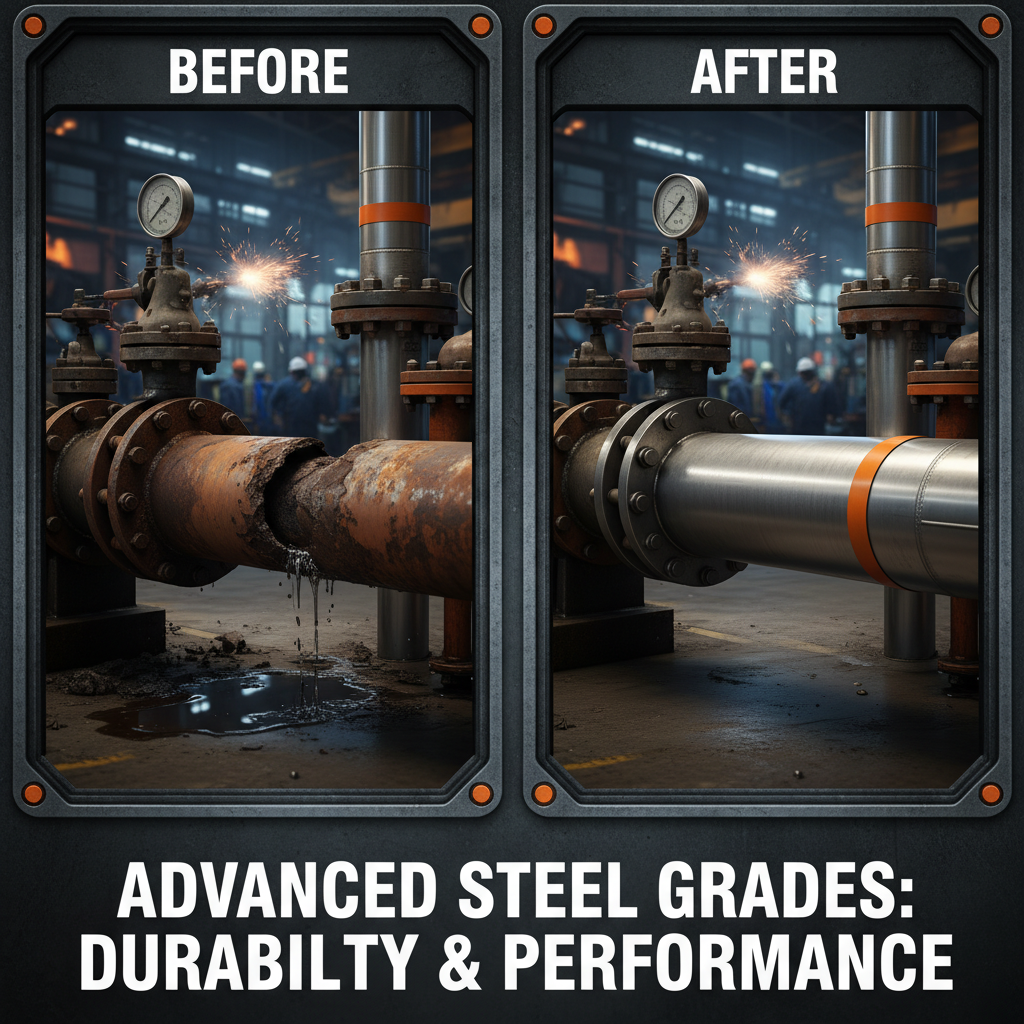
- Sustainability: Longer life cycles and resistance to corrosion helps reduce waste and replacement frequency.
- Reliability: Reduced risk of ruptures means fewer environmental and economic risks tied to energy transport.
- Safety: Meeting API X52 ensures compliance with international codes, keeping communities safer.
- Innovation: Developing steels that meet this spec drives improvements in metallurgy and engineering.
Engineers often say that the security of a pipeline network can be traced back to specs like API X52 — and it’s true. It’s about trust; when every joint, every weld, every stretch of pipe is certified strong, we sleep better.
Emerging Trends and Innovations in the API X52 Specification Space
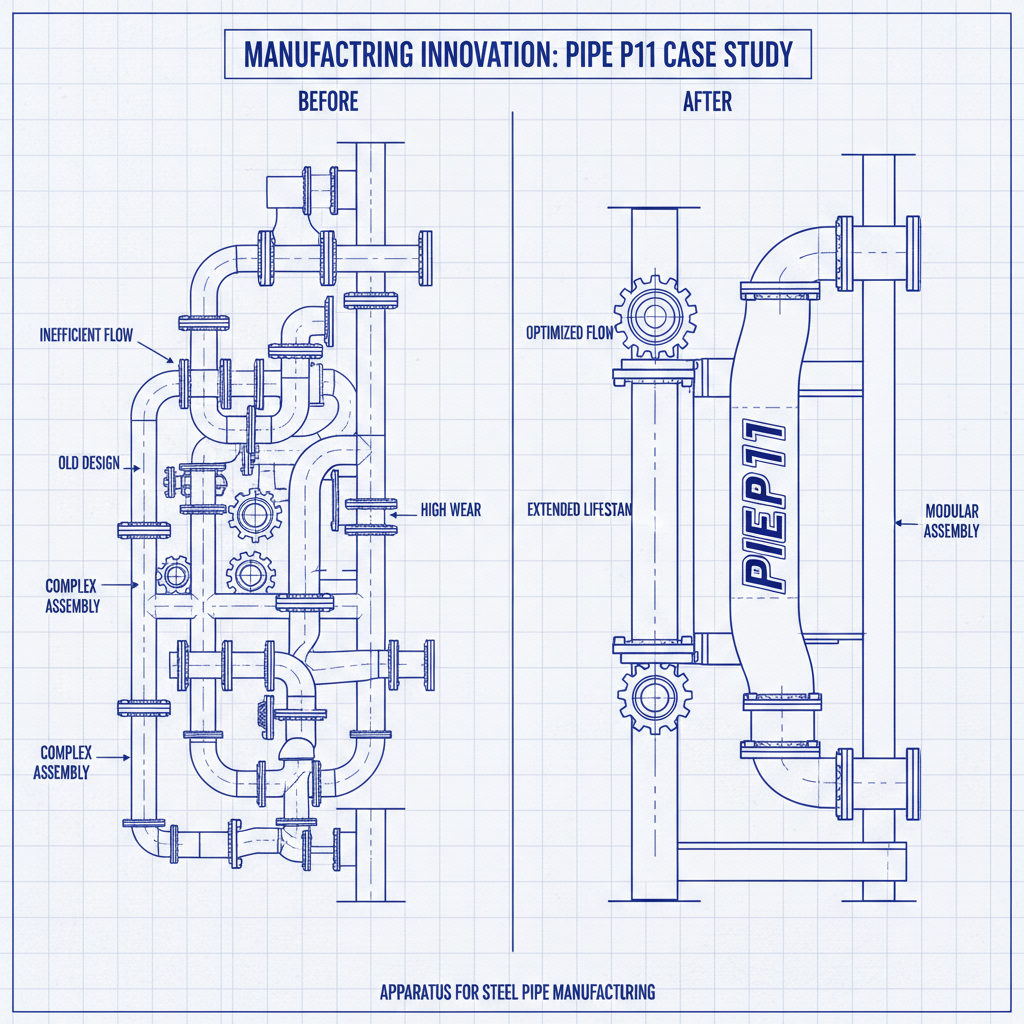
Like everything else, materials science is evolving — smart coatings for corrosion resistance, digital non-destructive testing (NDT), and automation in pipe manufacturing are changing the game.
There’s also growing pressure for “green” steel production to reduce carbon footprints, aligning with international ISO sustainability guidelines. Plus, integration of sensors in pipes for “smart pipeline” monitoring ensures API X52 pipes won’t just be strong, but smart too.
Challenges Faced and How Experts Are Overcoming Them
That said, producing steel that hits all API X52 marks consistently is tough. Variations in raw materials or processing can lead to flaws. Also, transport and handling in remote areas sometimes damage pipes before installation.
Innovative solutions include more rigorous factory inspections, better logistics planning, and automation in welding to tighten quality. Collaborative efforts between vendors and end-users focus on training and capacity building — a move that’s starting to gain traction especially in developing markets.
Frequently Asked Questions About API X52 Specification
Q1: What industries benefit most from API X52 pipes?
A: Predominantly, the oil and gas sectors use API X52 pipes for transportation of natural gas and oil. But the specification also finds use in water and sewage pipelines, and sometimes in structural projects requiring high-strength steel.
Q2: How does API X52 compare to other steel grades like X42 or X60?
A: Each “X” grade signifies a different minimum yield strength—X42 (42,000 psi), X52 (52,000 psi), and X60 (60,000 psi). The choice depends on operating pressures and safety factors in a project.
Q3: Are API X52 pipes suitable for cold climates?
A: Yes, the specification requires adequate toughness at sub-zero temperatures, making X52 pipes suitable for cold or arctic regions.
Q4: How can I verify if a supplier’s pipes meet API X52 specification?
A: Check for third-party certifications such as API Spec 5L compliance, ISO 9001 quality management, and request detailed chemical and mechanical test reports.
Q5: What environmental benefits does API X52 pipe usage bring?
A: Their durability reduces pipeline leaks and failures, decreasing potential spills and environmental contamination, supporting greener, safer energy transport.
In Closing: Why the API X52 Specification Is a Smarter Choice
If you’re navigating the complexities of pipeline or structural projects, the api x52 specification offers a practical, proven benchmark that balances performance, safety, and cost. Deploying materials meeting this standard means thinking long-term about reliability and environmental responsibility. Frankly, it’s hard to go wrong with a specification trusted worldwide for decades.
So, next time you hear “API X52,” remember it’s not just an alphanumeric code — it’s a global promise of quality. Want to learn more or explore compatible products? Visit our website: https://www.world-steelmaterial.com
References:
Post time: Nov . 29, 2025 18:20
 English
  Arabic
  Bengali
  China
China  French
  German
  Hausa
Hausa  Indonesian
  Italian
  Japanese
  Javanese
  Malay
Malay  Persian
  Portuguese
  Punjabi
  Russian
  Spanish
  Swahili
  Telugu
  Vietnamese