

What’s the api spec 5l specification for line pipe — and why should you care?
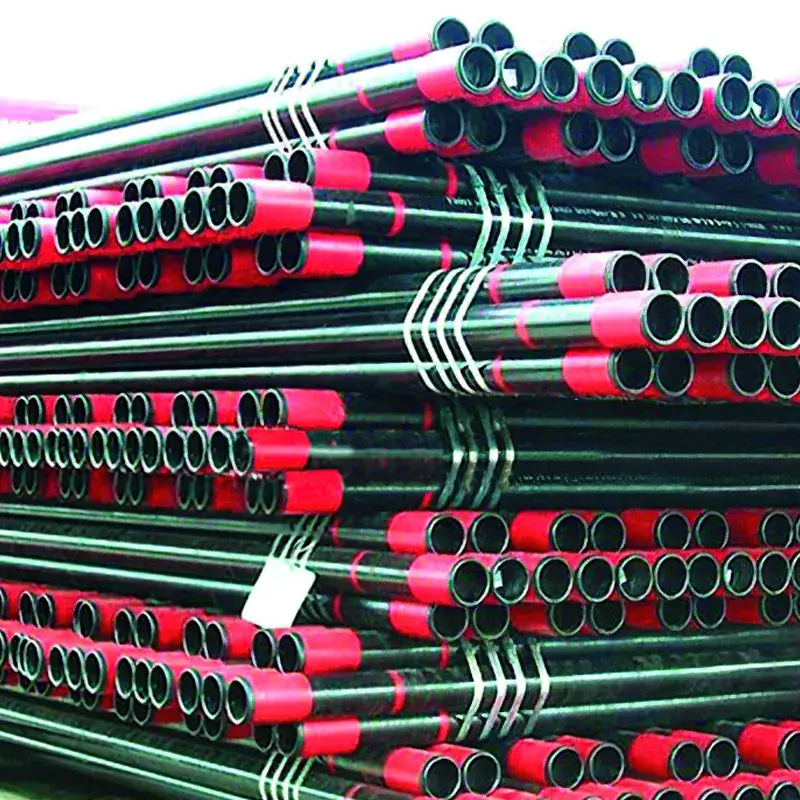
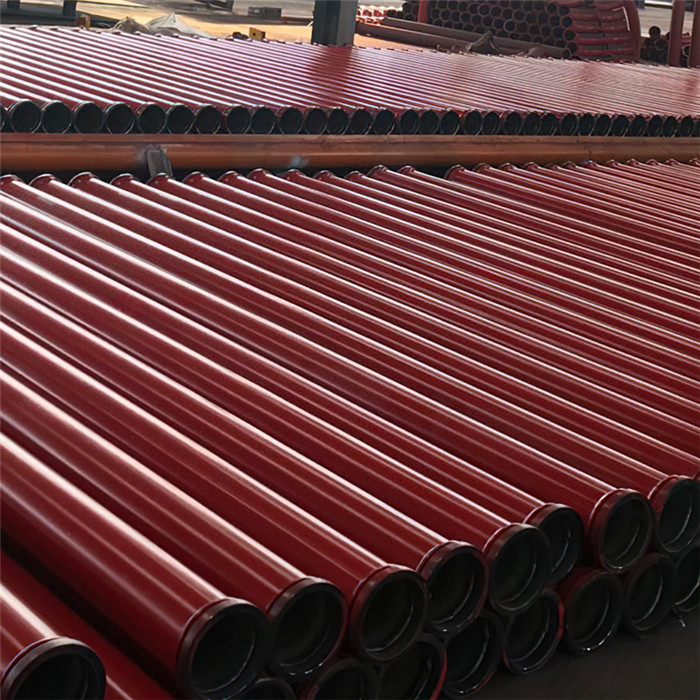
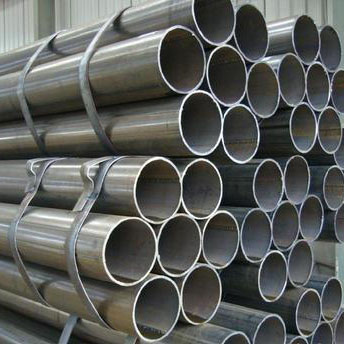
At its core, the api spec 5l specification for line pipe sets the global industry standard for manufacturing and testing steel pipes used in pipelines. These pipes aren't just any metal tubes; they are the very veins through which billions of barrels of oil, natural gas, and other critical fluids flow daily worldwide. The specification ensures these pipes meet rigorous quality, durability, and safety metrics to perform reliably over decades — especially in tough environments.
Understanding this standard is not just for engineers or steel manufacturers; it's a keystone to global energy infrastructure, economics, and safety. Ultimately, it impacts everything from gas heating your home to the integrity of complex oil transport networks.
Global Context: Why api spec 5l specification for line pipe matters more than ever
Let's zoom out for a moment. The International Energy Agency reported that as of 2023, around 70% of global crude oil movement depends on pipeline transport. According to the UN’s Sustainable Development Goals, infrastructure resilience is paramount for long-term energy security and environmental protection. So, when pipeline steel fails, the consequences ripple — literal spills, disruptions, and environmental harm.
Yet, the world is changing fast. Pipelines now extend into more hostile terrains — arctic zones, deepwater seabeds, and seismic regions — requiring standards like the api spec 5l specification to evolve correspondingly. It tackles challenges around corrosion, stress resistance, and weldability, all while pushing for innovation in sustainability.
Defining the api spec 5l specification for line pipe in plain English
Simply put, the api spec 5l specification defines quality standards for carbon steel line pipes used in transporting gas, water, and oil. Put down the jargon: it’s like a recipe book for making pipes that won’t crack, rust quickly, or buckle under pressure.
Developed by the American Petroleum Institute (API), it covers grades, dimensions, manufacturing methods, testing procedures, and marking requirements. This ensures pipes can be uniformly trusted, regardless of manufacturer or location — pretty crucial when you’re dealing with thousands of kilometers of pipeline.
In humanitarian terms, think of how clean water pipelines in disaster-prone regions need to be leak-proof — API Spec 5L’s principles apply there too.
Key Components of the api spec 5l specification for line pipe
1. Material Grades & Chemical Composition
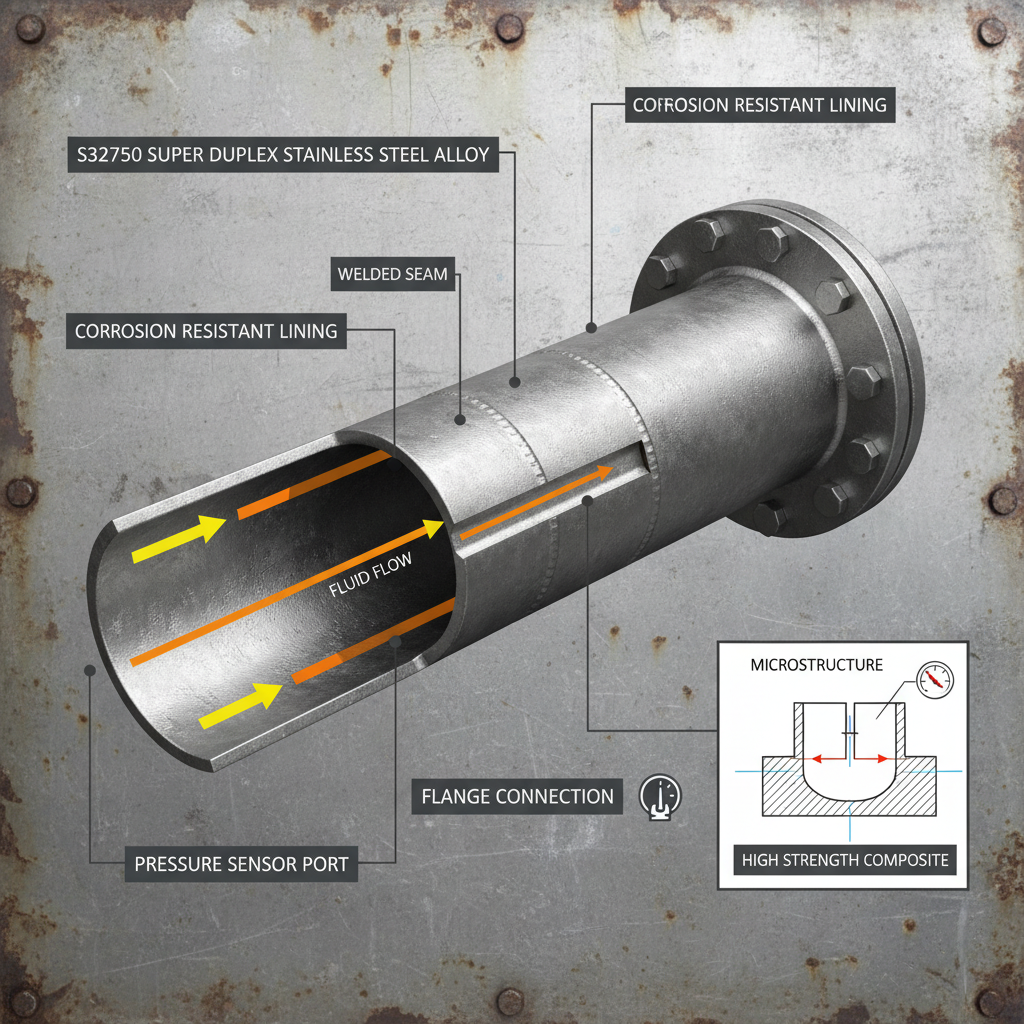
This spec details the allowable steel grades, from standard carbon steels (like Grade B) to higher-strength alloys (such as X70 and X80). The chemical composition controls carbon content and alloying elements to balance strength, ductility, and weldability.
2. Mechanical Properties
Parameters like tensile strength, yield strength, and impact resistance guarantee the pipe won't snap under stress or extreme temperatures.
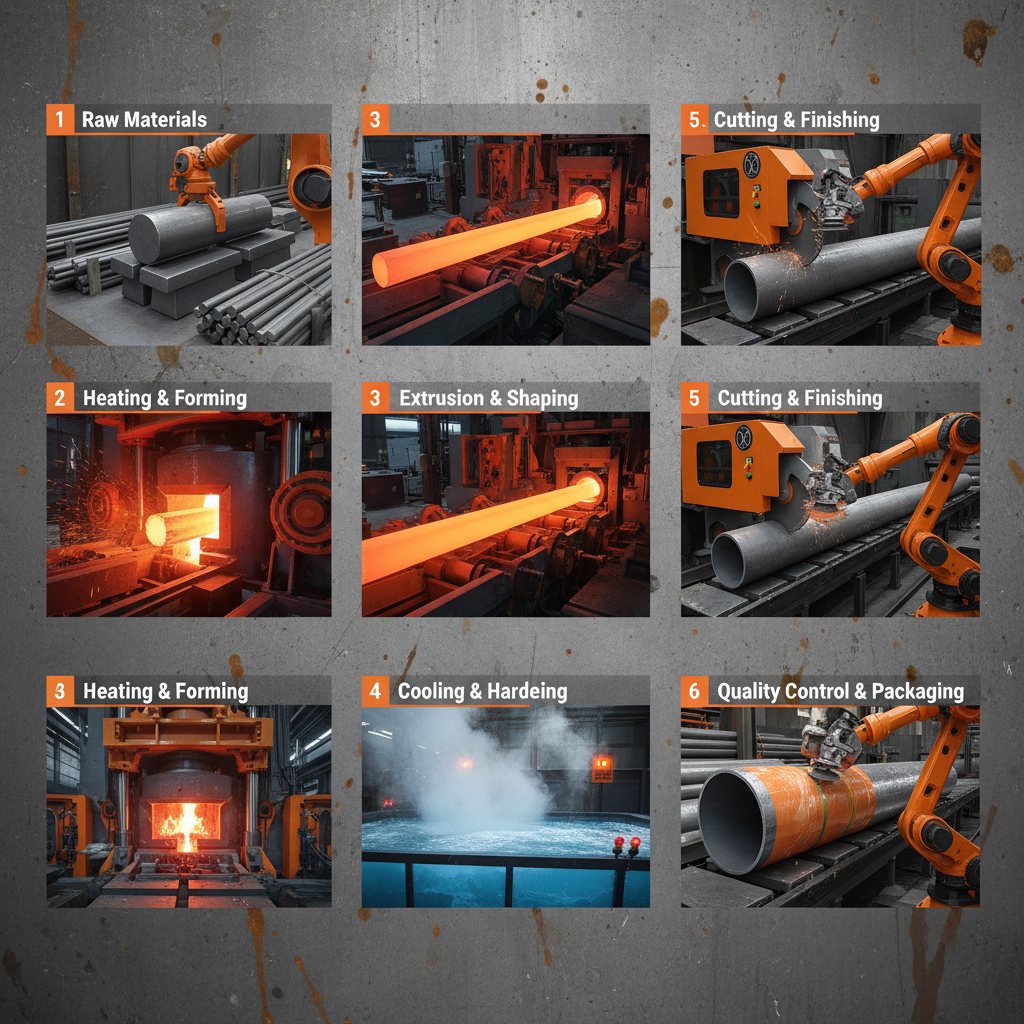
3. Manufacturing Techniques
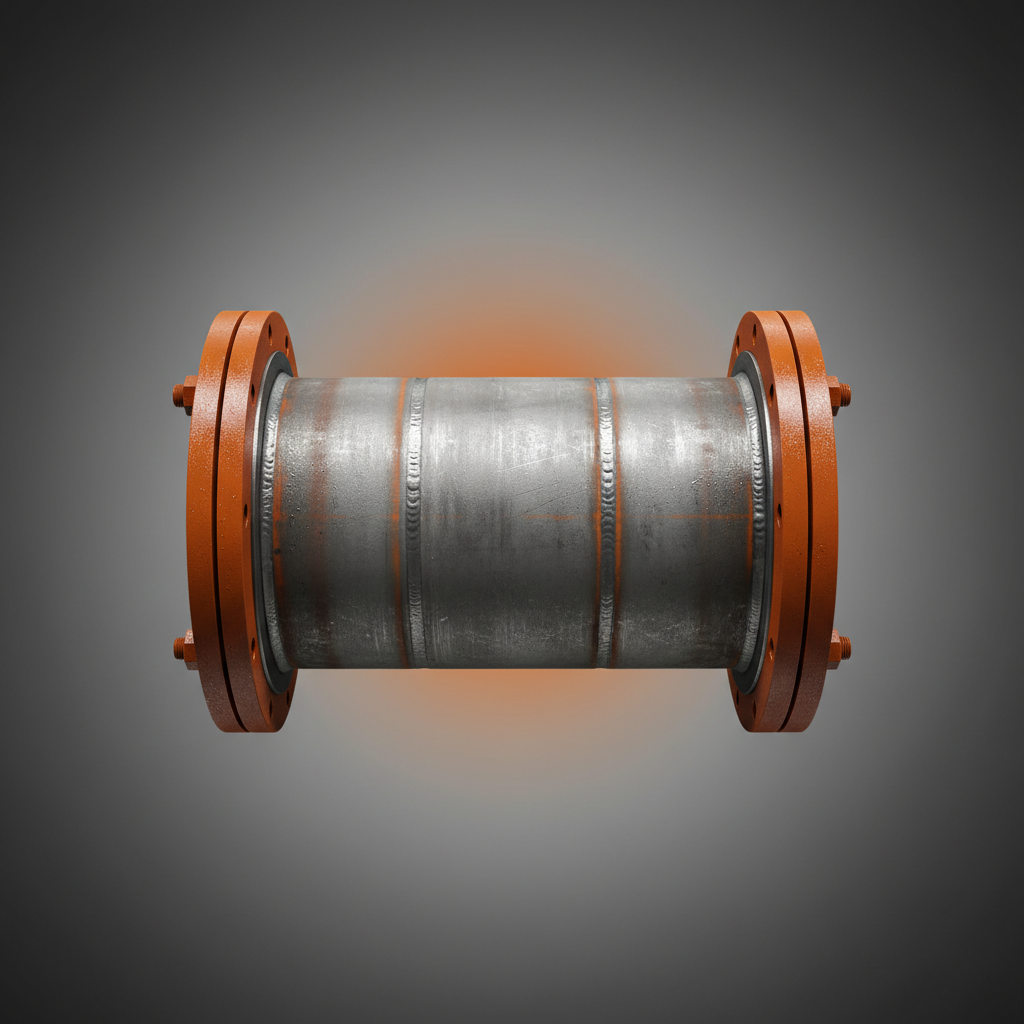
The spec allows various pipe-making methods: seamless, electric resistance welded (ERW), or spiral welded, each with pros and cons depending on size and use-case.
4. Testing & Inspection Protocols
Non-destructive testing, hydrostatic pressure tests, and microstructural inspections verify integrity before the pipe enters service.
5. Size & Dimensional Tolerances
It standardizes outer diameters, wall thicknesses, and lengths to ensure compatibility during pipeline assembly.
Typical specifications for API Spec 5L Line Pipe
| Attribute | Typical Range / Values | Notes |
|---|---|---|
| Pipe Size (OD) | NPS 1/8" to NPS 48" | Covers small to large-diameter pipes |
| Wall Thickness | 0.109" to 3.50" | Dependent on pressure class |
| Grades | A, B, X42, X52, X56, X60, X65, X70, X80 | Higher grade = higher strength |
| Tensile Strength | 60,000 to 95,000 psi (approx.) | Varies by grade |
| Manufacture | Seamless & Welded (ERW, SAW) | Standardized methods |
How & where is API Spec 5L applied around the world?
Globally, oil and gas pipelines in North America, the Middle East, Russia, and Asia heavily rely on API Spec 5L. It also appears in lesser-known sectors:
- Water pipelines in urban infrastructure, meeting strict safety codes.
- Compressed natural gas (CNG) lines in emerging markets for cleaner energy supply.
- Mining industries using slurry lines requiring abrasion-resistant pipe grades.
Take the Nord Stream pipeline in Europe — a massive energy artery — where API Spec 5L pipes bootstrapped the project’s resilience against underwater pressures and corrosion. And in post-disaster zones, rapid pipeline restorations follow these specifications to restore communities’ lifelines swiftly and safely.
The real perks: advantages and long-term impact of API Spec 5L pipes
Why go through all this trouble with specs and stringent testing? The benefits tell you why:
- Cost Efficiency: By minimizing defects and failures, companies save millions on maintenance and downtime.
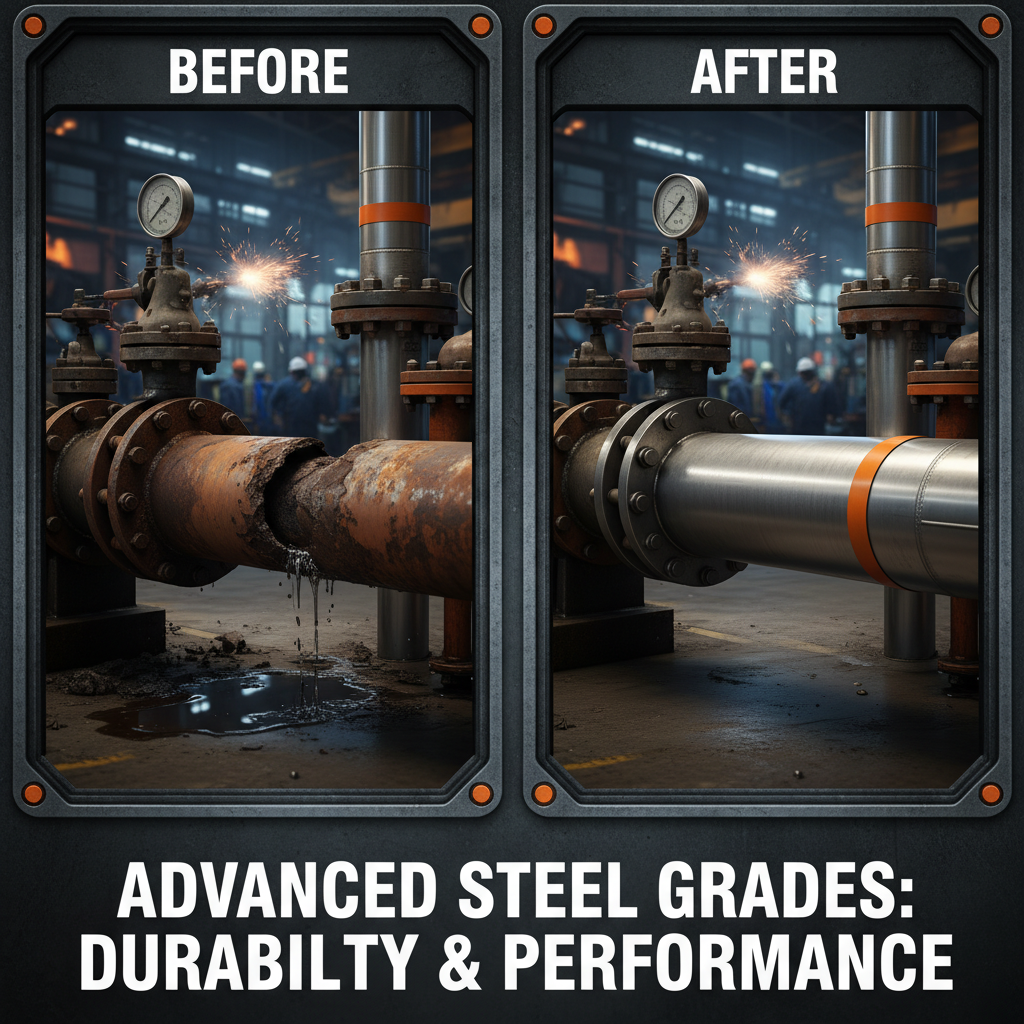
- Environmental Safety: Prevents leaks and spills through strong material integrity.
- Reliability: Assures decades-long performance under diverse conditions.
- Innovation Friendly: Encourages adoption of new materials and processes like thermomechanical processing.
- Social Impact: Reliable pipelines mean accessible energy and clean water for millions.
On a human level, these advantages translate into real comfort, security, and even dignity. After all, no one likes waking up to a cold shower or worrying about fuel shortages.
Emerging trends shaping the future of line pipe specifications
The pipeline world isn’t standing still. Here’s what’s ahead:
- Green Energy Pipelines: With hydrogen and biofuels gaining traction, pipe specs are adapting for new corrosive substances.
- Digitalization & Smart Monitoring: Sensors embedded in pipes to track stress and corrosion in real-time.
- Advanced Materials: Using microalloy steels and composite linings to boost strength while lowering weight.
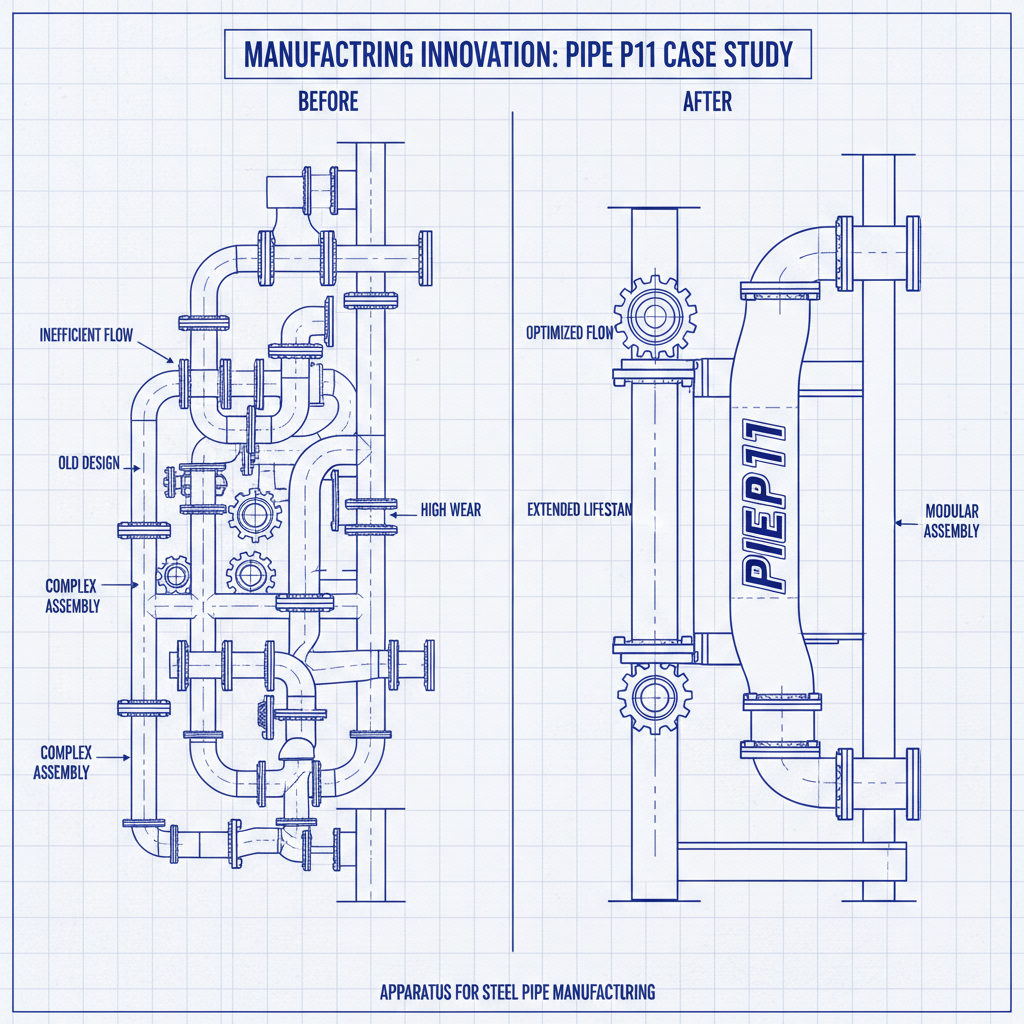
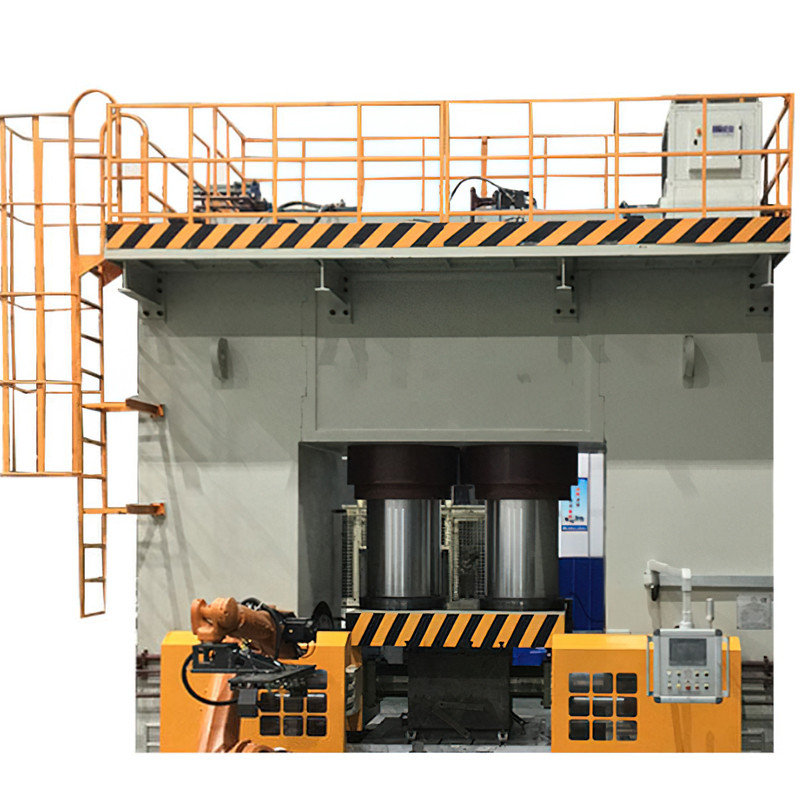
- Automation in Manufacturing: Robotics and AI improving weld precision and quality control.
These shifts keep the API Spec 5L specification relevant and evolving — no easy feat in a field rooted deeply in tradition.
Common bumps in the road and savvy solutions
Despite its rigor, implementing API Spec 5L pipes isn’t always smooth:
- Challenge: Securing consistent global quality when supply chains span continents.
Solution: Certified suppliers and traceability logistics help maintain standards. - Challenge: Corrosion in harsh environments.
Solution: Protective coatings, cathodic protection, and smart inspections. - Challenge: Welding difficulties on high-grade pipes.
Solution: Specialized welding procedures and better welder training.
Vendor comparison for API Spec 5L line pipes
| Vendor | Manufacturing Method | Grade Range | Typical Delivery Time | Certifications |
|---|---|---|---|---|
| GlobalSteel Corp. | Seamless & ERW | Grade B to X80 | 6-8 weeks | API 5L, ISO 9001 |
| PipesPlus Industries | Spiral Welded, SAW | Grade A to X70 | 8-10 weeks | API 5L, ISO 14001 |
| SteelLine Solutions | ERW, Seamless | Grade B to X70 | 5-7 weeks | API 5L, ISO 9001 |
FAQ: Common questions about api spec 5l specification for line pipe
Q1: What is the difference between API Spec 5L Grade B and X70?
API 5L Grade B is a standard carbon steel grade suitable for low to medium pressure pipelines, while X70 is a higher-strength microalloy steel designed for high-pressure, more demanding applications.
Q2: Can API 5L pipes be used for water pipelines?
Yes, API 5L pipes are commonly used for transporting oil, gas, and water, provided they meet the required corrosion resistance and local regulatory standards.
Q3: How important is manufacturing method on pipe quality?
Very important. Seamless pipes generally have superior pressure resistance and lower defect rates compared to welded pipes, but welding technologies have advanced significantly to close this gap.
Q4: Are API Spec 5L pipes recyclable?
Absolutely. Steel from these pipes can be recycled multiple times without loss of strength, making it a sustainable choice in pipeline construction.
Wrapping it up: The lasting impact of API Spec 5L line pipe standards
In real terms, the api spec 5l specification for line pipe isn’t just a technical manual — it’s the unseen guardian of infrastructure critical for daily life and global industry. From advanced manufacturing to future-ready innovation, its role is only growing. For anyone involved in pipeline construction, maintenance, or procurement, understanding API Spec 5L translates directly into reliability, safety, and cost savings.
Curious for more? Explore in-depth specs, updates, and supplier options at api spec 5l specification for line pipe.
References
Post time: Nov . 29, 2025 16:45
 English
  Arabic
  Bengali
  China
China  French
  German
  Hausa
Hausa  Indonesian
  Italian
  Japanese
  Javanese
  Malay
Malay  Persian
  Portuguese
  Punjabi
  Russian
  Spanish
  Swahili
  Telugu
  Vietnamese