

Understanding ASME SA213: The Backbone of High-Temperature Alloy Pipes
When you first hear ASME SA213, it might sound like just another technical standard buried in engineering manuals. But, frankly, it’s much more than that—it’s a critical specification that drives the quality, safety, and reliability of alloy steel pipes used around the world. These pipes operate at high temperatures and are part of countless industrial systems, from power plants to chemical refineries, and even pharmaceutical manufacturing. Given how integral these components are to critical infrastructure, understanding ASME SA213 matters globally—especially when safety and performance under stress can't be compromised.
Global Context: Why ASME SA213 is Crucial in Industries Worldwide
Today’s industrial landscape is evolving rapidly. According to the International Energy Agency, global industrial output is expected to grow markedly over the next decade, and this means more demand for high-performance materials. Alloy steel pipes conforming to ASME SA213 are designed specifically to withstand higher temperatures and pressures, which are common in energy generation, oil and gas, and manufacturing sectors.
Moreover, the ISO sets rigorous benchmarks for material quality that ASME SA213 often aligns with, ensuring consistency across borders. This standard tackles the critical challenge many industries face: how to maintain safety and integrity in extreme operational environments without sacrificing cost effectiveness.
What is ASME SA213? A Simple Definition
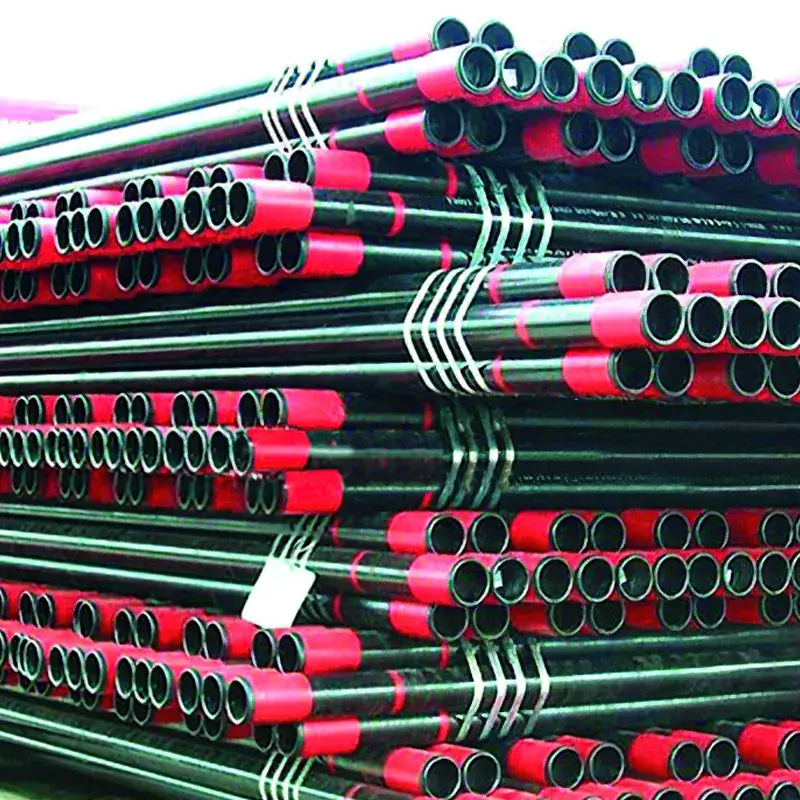
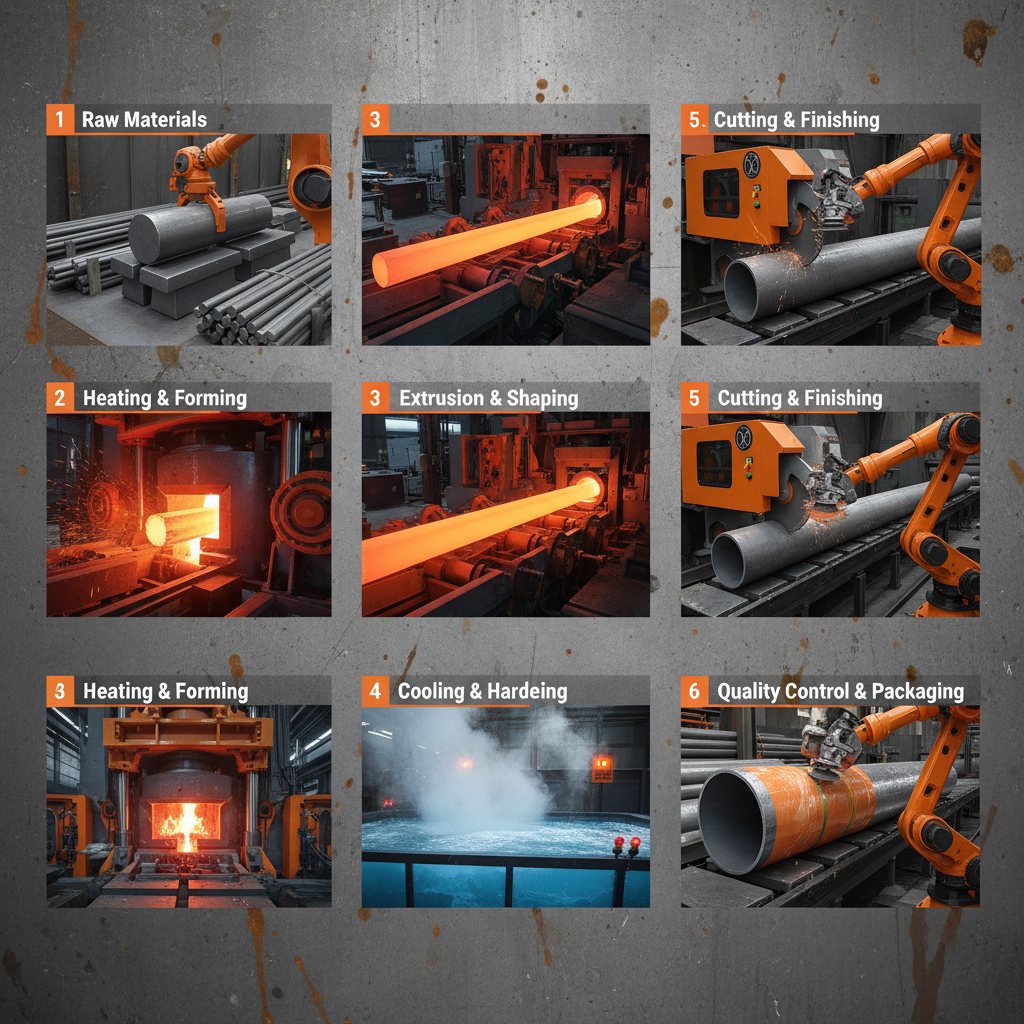
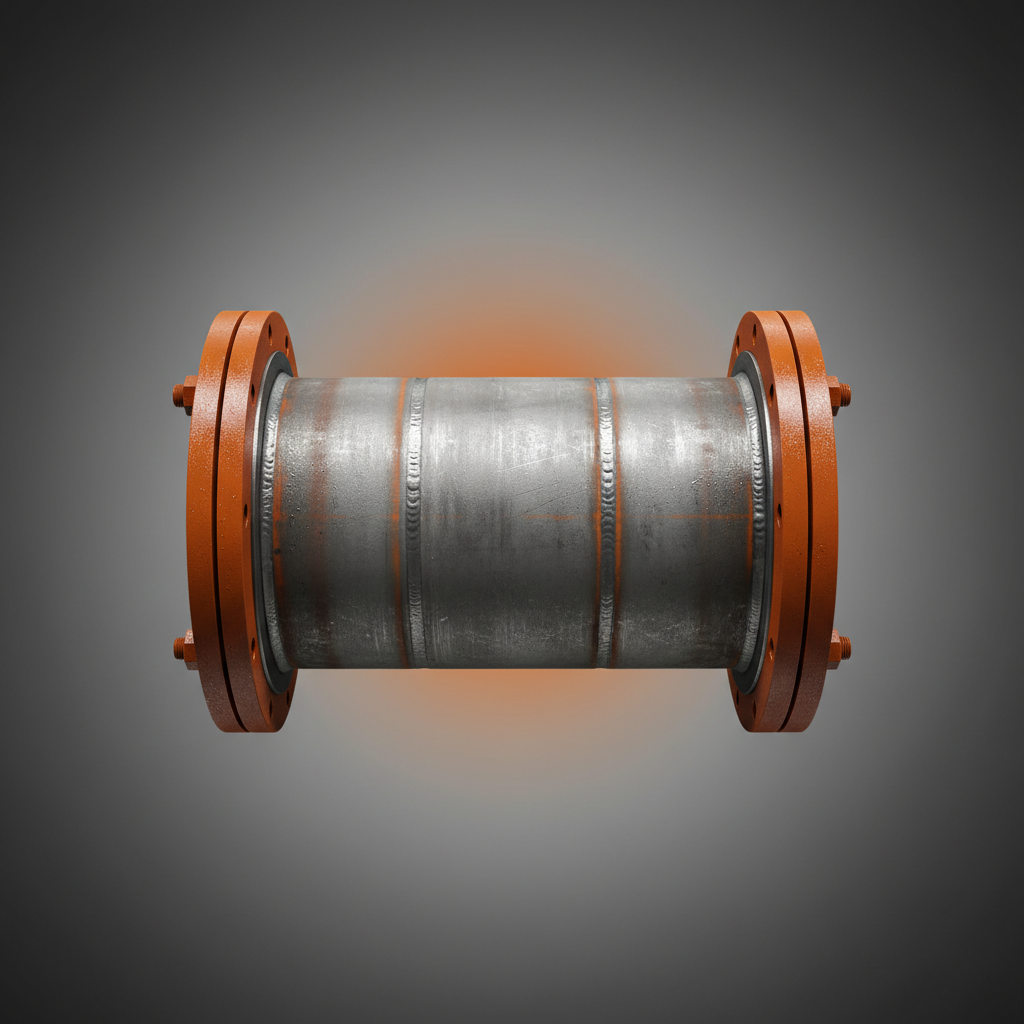
At its core, ASME SA213 is a specification set by the American Society of Mechanical Engineers (ASME) that defines requirements for seamless and welded alloy steel tubes used for high-temperature service. These tubes are not your everyday pipes; they have to meet strict chemical composition, heat treatment, mechanical properties, and testing mandates.
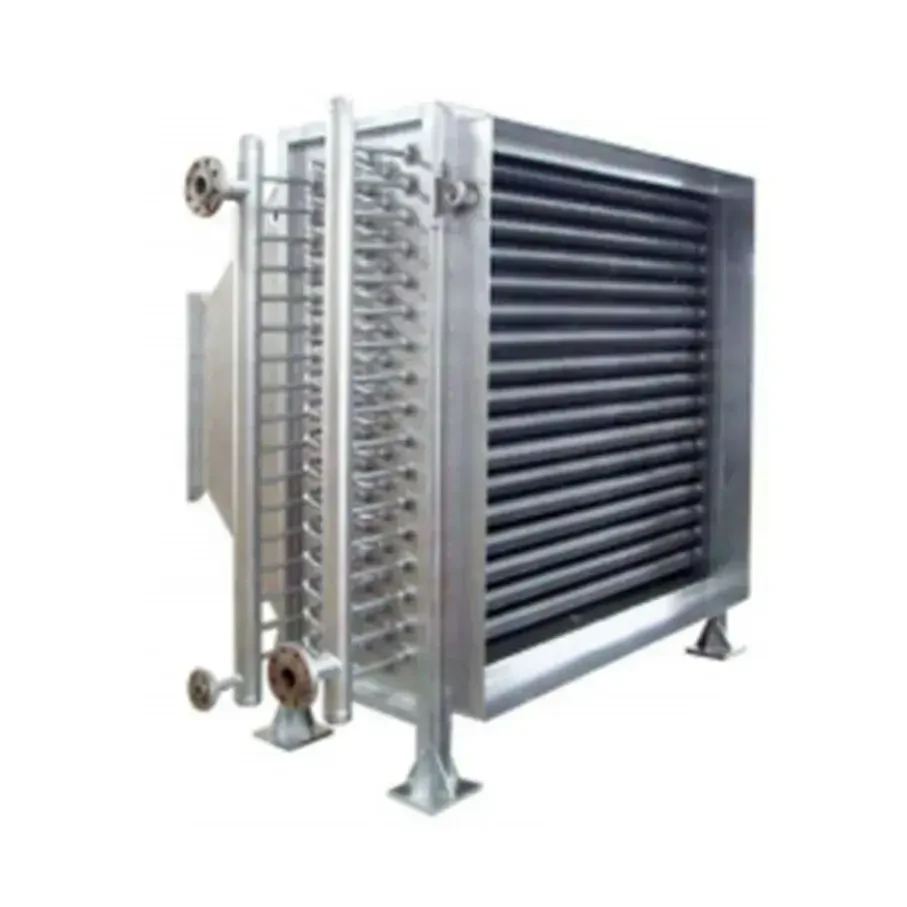
Simplifying further: if industries need pipes that operate reliably at elevated temperatures—think boilers, superheaters, heat exchangers—these tubes must comply with ASME SA213 standards to ensure durability and safety. And that’s not theoretical—without these standards, catastrophic failures or costly downtime could become a frequent nightmare.
Key Components of ASME SA213
Chemical Composition
Ensures the right balance of alloying elements like chromium, molybdenum, and nickel for required performance. This mix determines corrosion resistance and tensile strength.
Mechanical Properties
Tests for tensile strength, yield strength, and elongation guarantee pipes won’t deform or break under pressure or heat.
Heat Treatment Procedures
Critical for optimizing metallurgical structure—with treatments such as annealing or normalizing to enhance mechanical characteristics.
Testing and Inspection
Includes non-destructive testing like eddy current or ultrasonic inspections to detect flaws invisible to the naked eye.
Dimensions and Tolerances
Strict size and thickness guidelines ensure pipes fit perfectly into complex systems without compromising flow or pressure containment.
Certification and Traceability
Every pipe batch must come with paperwork proving compliance, which is vital in regulated industries.
Mini Takeaway: ASME SA213 is no guesswork—it’s a comprehensive checklist to assure quality and performance where it matters most.
Global Applications & Use Cases of ASME SA213 Pipes
- Power Plants: Boiler tubes and heat exchangers must endure continuous cycles of high heat and pressure.
- Chemical Processing: Corrosive environments call for chemically resistant alloy tubes.
- Oil & Gas Industry: Pipelines and refinery equipment rely on these materials for safety and efficiency.
- Petrochemical Manufacturing: Facilities handling volatile compounds require robust pipework.
- Pharmaceutical and Food Processing: Strict hygiene and corrosion resistance standards demand ASME SA213 alloy piping.
For instance, during a major refinery upgrade in the Middle East, engineers switched to pipes meeting ASME SA213 to withstand intense operational stress. This significantly reduced maintenance costs and downtime over two years.
Advantages & Long-Term Value of ASME SA213 Pipes
The benefits are tangible. Cost efficiency arises from longer service life and less frequent replacements. Sustainability comes from material efficiency and reduced waste due to fewer failures. Social impact might be subtle but crucial — safer plants and facilities mean safer communities.
Emotionally, these pipes inspire confidence. Engineers and plant managers often say it “feels right” knowing your infrastructure adheres to such a trusted standard. It’s an investment not just in equipment, but in peace of mind.
Technical Specifications of Popular ASME SA213 Grades
| Grade | Material Type | Minimum Tensile Strength (MPa) | Max Operating Temp (°C) | Common Application |
|---|---|---|---|---|
| T22 | Chromium-Molybdenum Alloy Steel | 415 | 600 | Boiler Tubing |
| T91 | Chromium-Molybdenum-Vanadium Steel | 585 | 650 | Superheater Tubing |
| TP304H | Austenitic Stainless Steel | 515 | 870 | Heat Exchanger Tubes |
Vendor Comparison Table for ASME SA213 Alloy Steel Tubes
| Vendor | Certification | Lead Time | Pricing | Customer Service |
|---|---|---|---|---|
| SteelWorks Inc. | ISO 9001, ASME | 4-6 weeks | $$$ (Premium) | Excellent, 24/7 Support |
| Global Alloys | API, ASME | 3-5 weeks | $$ (Mid-Range) | Good, Email Response |
| Metallurgy Solutions | ASME only | 6-8 weeks | $ (Economical) | Average, Limited Support |
Future Trends & Innovations in ASME SA213 Pipes
Green energy initiatives are pushing manufacturers to develop tubes with better thermal efficiency and carbon footprint. There’s also innovation around automated quality inspections using AI-powered ultrasonic testing to reduce human error.
Material science advances—for instance, nano-coatings and modified alloys—are aimed at extending pipe life even further, particularly for extremely corrosive environments. Digital transformation means more traceability and lifecycle monitoring via IoT sensors embedded in piping systems.
Challenges & Solutions
Common issues with ASME SA213 tubes include long lead times and difficulties sourcing very specialized grades. Cost can also be a hurdle for smaller projects.
However, modular production techniques and global vendor networks are helping solve supply bottlenecks. Plus, the rise of third-party testing labs grants buyers more confidence in third-party validation—an important factor when trusting something as critical as high-temperature alloy pipes.
Frequently Asked Questions About ASME SA213
- Q: What industries require ASME SA213 certified pipes most frequently?
- A: Primarily power generation, petrochemical, and oil & gas sectors where high-temperature conditions demand alloy steel tubing that meets ASME SA213 specifications for safety and durability.
- Q: How long do ASME SA213 pipes typically last in service?
- A: While it varies by operating conditions, these pipes often last 15–30 years, provided they are properly maintained and operated within recommended temperature and pressure limits.
- Q: Are ASME SA213 pipes compatible with green energy applications?
- A: Yes, especially in thermal power plants utilizing renewable fuels, and emerging technologies like concentrated solar power, where high-temperature alloy steel tubes maintain system integrity.
- Q: How can companies ensure their ASME SA213 pipe purchase complies with standards?
- A: By requesting mill test reports, certifications, and third-party inspection certificates before purchase, and choosing vendors with proven compliance and traceability.
Conclusion: Building Future-Ready Infrastructure with ASME SA213
Ultimately, ASME SA213 is more than a spec—it's a guarantee. It safeguards industries against operational risks and costly failures in high-temperature environments. Investing in pipes that meet this standard means investing in longevity, reliability, and peace of mind. For companies aiming for long-term success in industrial or energy sectors, understanding and applying ASME SA213 is indispensable.
Ready to elevate your piping systems? Visit our website: https://www.world-steelmaterial.com for expert guidance and certified material options.
It’s kind of fascinating how a technical document like ASME SA213 quietly supports the technological and economic structures we all depend on every day.
References:
Post time: Dec . 08, 2025 01:00
 English
  Arabic
  Bengali
  China
China  French
  German
  Hausa
Hausa  Indonesian
  Italian
  Japanese
  Javanese
  Malay
Malay  Persian
  Portuguese
  Punjabi
  Russian
  Spanish
  Swahili
  Telugu
  Vietnamese