

Stainless Steel Heat Exchanger Tubes is a key solution in the industry, specifically within sectors like chemical processing, power generation, and HVAC systems. This article explores how World Steel Material supports professionals with durable, high-performance products, and explains why this product is an ideal choice for businesses operating in these demanding environments.
Table of Contents
- Stainless Steel Heat Exchanger Tubes Overview
- Benefits & Use Cases of Stainless Steel Heat Exchanger Tubes
- Cost, Maintenance & User Experience
- Sustainability & Market Trends
Stainless Steel Heat Exchanger Tubes Overview
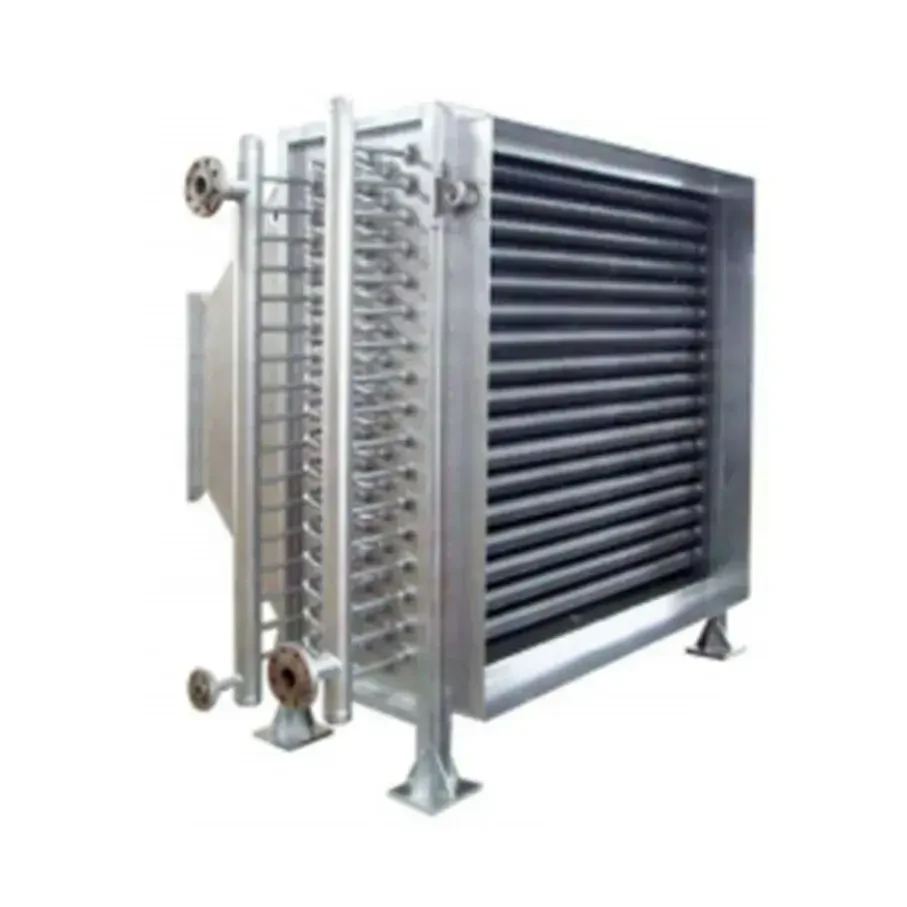
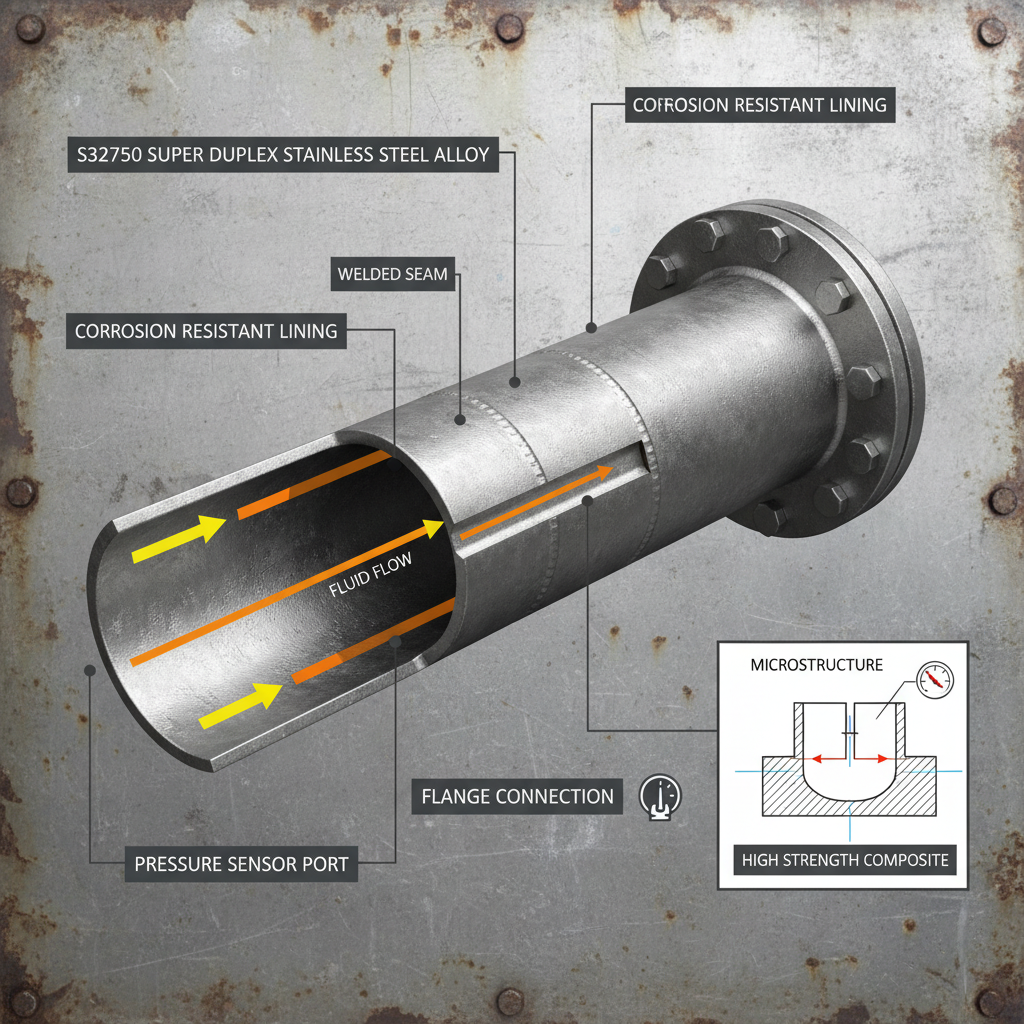
If you’re a decision maker in heavy industry or manufacturing, Stainless Steel Heat Exchanger Tubes are probably on your radar. Essentially, these tubes serve as the backbone in heat exchange systems — transferring heat efficiently between fluids without mixing them. Thanks to stainless steel’s corrosion resistance and mechanical strength, these tubes last longer and perform better than many alternatives.
From a technical standpoint, the tubes are crafted from alloys like 304, 316, and their variants, each offering slightly different resistance levels to chemicals, temperature, and pressure. For instance, 316 stainless steel tubes are preferred in marine or chemical facilities for their higher resistance to chloride corrosion.
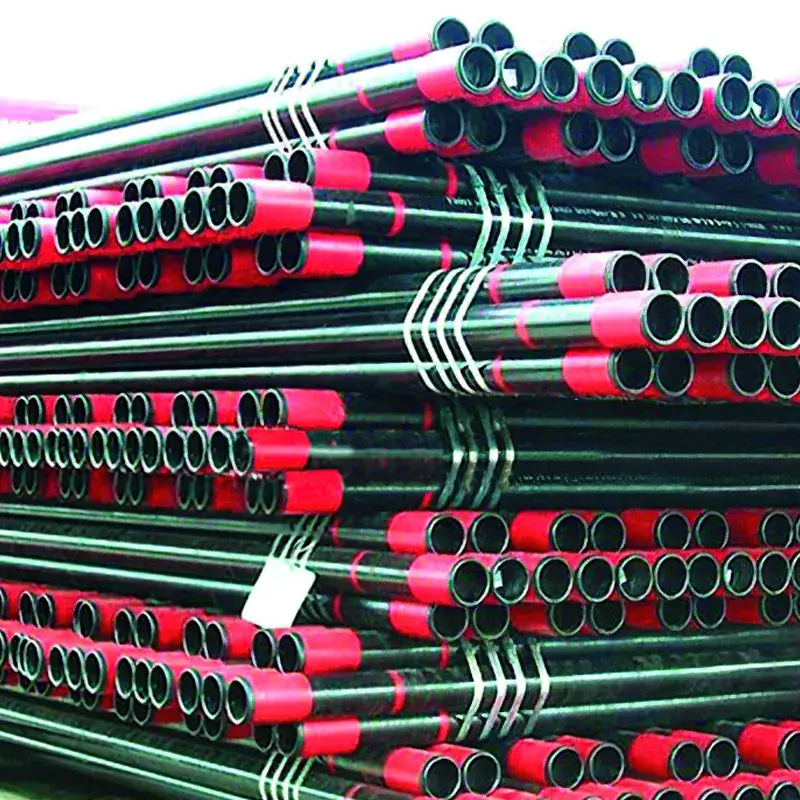
Oddly enough, I noticed that many engineers lean on customized tube sizes and wall thicknesses. World Steel Material caters to this by manufacturing tubes from small diameters for precision equipment to large-diameter tubes used in power plants. Their careful quality control and adherence to ASTM standards ensure each batch performs consistently.
| Specification | Details |
|---|---|
| Material Grades | 304, 316, 304L, 316L |
| Outer Diameter Range | 6 mm – 76 mm |
| Wall Thickness | 0.5 mm – 3.0 mm |
| Length | Up to 12 meters (customizable) |
| Testing Standards | ASTM A312 / A789, EN 10216 |
Benefits & Use Cases of Stainless Steel Heat Exchanger Tubes
In real terms, the appeal of stainless steel tubes shines in industries where uptime and reliability are non-negotiable. Think oil refineries where harsh chemicals can wear down lesser materials, or in power plants where tubes endure high temperature cycles daily.
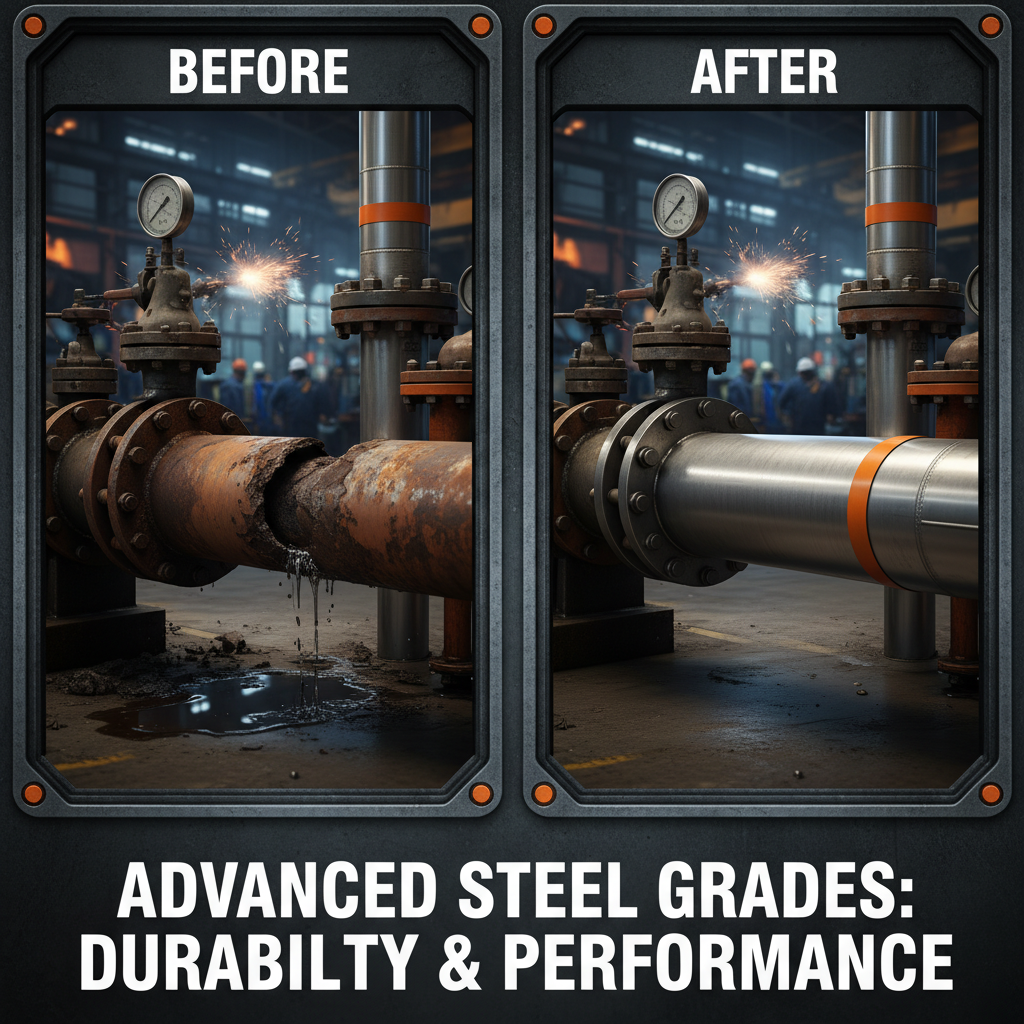
The tubes’ corrosion resistance means fewer shutdowns for tube replacement and maintenance—saving both time and operational costs. You’ll find them widely used in condensers, boilers, chillers, and evaporators.
World Steel Material’s tubes also have a competitive edge due to their smooth, clean finishes and precise dimensional tolerances. This ensures better heat transfer efficiency and reduces fouling inside the tubes. Several customers reported up to a 15% efficiency gain after switching from carbon steel tubes.
Moreover, the flexibility in alloy choices means businesses can tailor solutions for environments with aggressive fluids or extreme pressures — quite critical when scaling operations or upgrading existing equipment.
Cost, Maintenance & User Experience
Frankly, cost considerations often leave decision makers torn between upfront expenses versus long-term value. Stainless steel heat exchanger tubes might carry a premium price compared to carbon steel or copper, but that’s usually offset by longer service life and less downtime.
Many industry experts have highlighted that total cost of ownership (TCO) ends up being lower, especially in corrosive or high-temperature applications. Less frequent replacements, reduced repairs, and better thermal efficiency all contribute here.
One notable World Steel Material client, a large HVAC contractor, shared that their maintenance team experienced a 40% reduction in tube-related interventions since adopting these stainless steel tubes. This naturally improves operational confidence.
The tubes’ maintenance is pretty straightforward too—thanks to the stainless steel’s resistance to scaling and rust, cleaning cycles can be spaced out more liberally without risking performance loss.
Sustainability & Market Trends
Sustainability is no longer an afterthought; it’s central in all industrial equipment purchasing decisions. Stainless steel itself is highly recyclable, and many producers source scrap content to reduce environmental impact.
Additionally, improved efficiencies from stainless steel heat exchanger tubes help facilities cut down on energy consumption, which aligns perfectly with global decarbonization goals. Regulatory frameworks in Europe, North America, and parts of Asia are increasingly favoring such sustainable material choices.
Industry reports predict steady growth in stainless steel tube demand, particularly in petrochemical and renewable energy sectors over the next decade. Oddly enough, innovations like advanced surface treatments and hybrid alloy blends are making these tubes even more attractive.
| Vendor | Material Quality | Customization Options | Lead Time | After-Sales Support |
|---|---|---|---|---|
| World Steel Material | Premium ASTM-certified alloys | Diameter, thickness, length, surface finish | 2-4 weeks (typical) | Dedicated technical support, inspection reports |
| Competitor A | Good quality, mostly 304 grade | Limited sizes, fixed specs | 4-6 weeks | Basic customer service |
| Competitor B | Mixed alloy quality | Custom orders possible but slow | 5-8 weeks | Limited post-sale support |
Frequently Asked Questions about Stainless Steel Heat Exchanger Tubes
- What is Stainless Steel Heat Exchanger Tubes and how does it work?
- These tubes are stainless steel pipes designed specifically for transferring heat between two fluids within a heat exchanger assembly. Their corrosion resistance and thermal conductivity allow efficient heat transfer without contamination — keeping the fluids separate while enabling energy exchange.
- What are the main benefits of using Stainless Steel Heat Exchanger Tubes in industrial applications?
- Key benefits include excellent corrosion resistance, high mechanical strength under pressure, enhanced thermal performance, and longer service life — all contributing to reduced maintenance and downtime costs.
- How does Stainless Steel Heat Exchanger Tubes compare to traditional alternatives?
- Compared to carbon steel or copper tubes, stainless steel options outperform in chemical resistance and durability. They also avoid issues like scaling and pitting, improving overall system reliability.
- What industries can benefit most from Stainless Steel Heat Exchanger Tubes implementation?
- Prominent sectors include chemical manufacturing, oil and gas refining, power generation, HVAC, and marine systems. These tubes excel in corrosive or high temperature environments common to these industries.
Conclusion on Stainless Steel Heat Exchanger Tubes from china
Choosing the right stainless steel heat exchanger tubes can dramatically affect operational efficiency, cost savings, and equipment lifespan. World Steel Material’s offering stands out with its quality, customization, and support — making it a trusted partner in demanding industrial settings.
- Recap the value of Stainless Steel Heat Exchanger Tubes: durability, performance, and sustainability.
- - Visit our website: https://www.world-steelmaterial.com
In the end, investing in quality stainless steel tubes isn’t just smart engineering — it’s a commitment to ongoing operational excellence.
Post time: Dec . 07, 2025 19:55
 English
  Arabic
  Bengali
  China
China  French
  German
  Hausa
Hausa  Indonesian
  Italian
  Japanese
  Javanese
  Malay
Malay  Persian
  Portuguese
  Punjabi
  Russian
  Spanish
  Swahili
  Telugu
  Vietnamese