

Steel Mechanical Tubing: Backbone of Modern Industry and Infrastructure
When you think of steel mechanical tubing, it might bring to mind cold, heavy pipes used in factories or sprawling construction sites. But frankly, it’s so much more than that—it’s a linchpin of countless industries worldwide, quietly supporting everything from skyscrapers to medical equipment, railways, and beyond. Understanding steel mechanical tubing isn’t just technical jargon; it offers insights into global economic growth, infrastructural resilience, and even humanitarian efforts.
Global Context: Why Steel Mechanical Tubing Matters
Steel mechanical tubing plays a vital role in global manufacturing, energy, transportation, and construction sectors. According to the World Steel Association, over 1.8 billion tons of crude steel were produced worldwide in 2023, with a significant portion dedicated to tubular products. These tubes help meet demands for durability and precision in tough environments. Yet, challenges around sustainability and supply-chain reliability pose questions industries continuously address.
Oddly enough, the rise in urbanization combined with rapid industrial growth especially in Asia-Pacific and parts of Europe has increased demand for strong but lightweight tubing solutions. Even the United Nations highlights steel’s critical role in achieving sustainable infrastructure goals (UN Sustainable Development Goal 9). So, appreciating what steel mechanical tubing is and does can shine a light on economic development and environmental strategies alike.
Defining Steel Mechanical Tubing
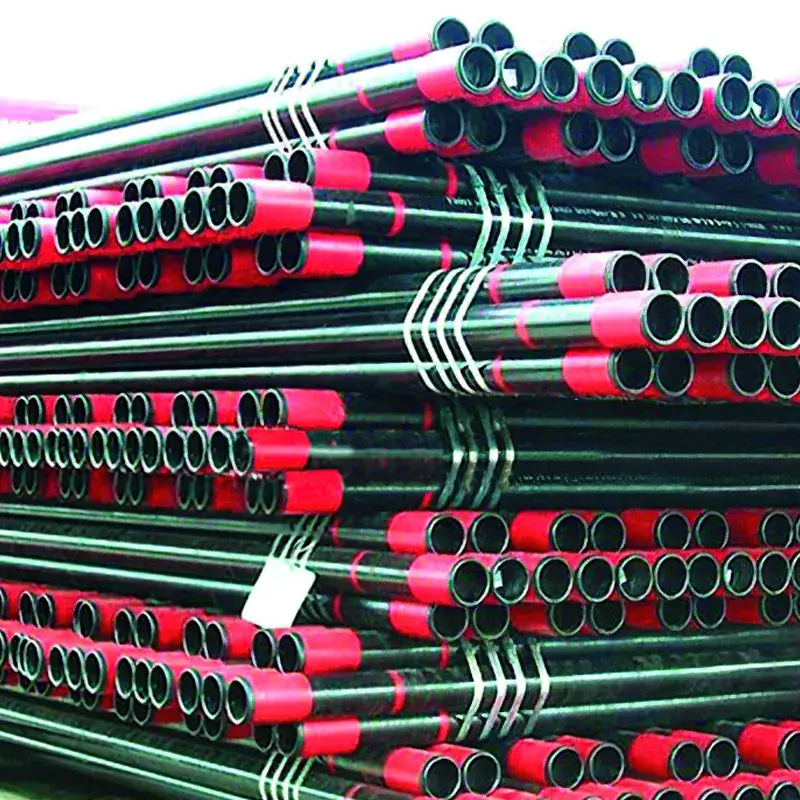
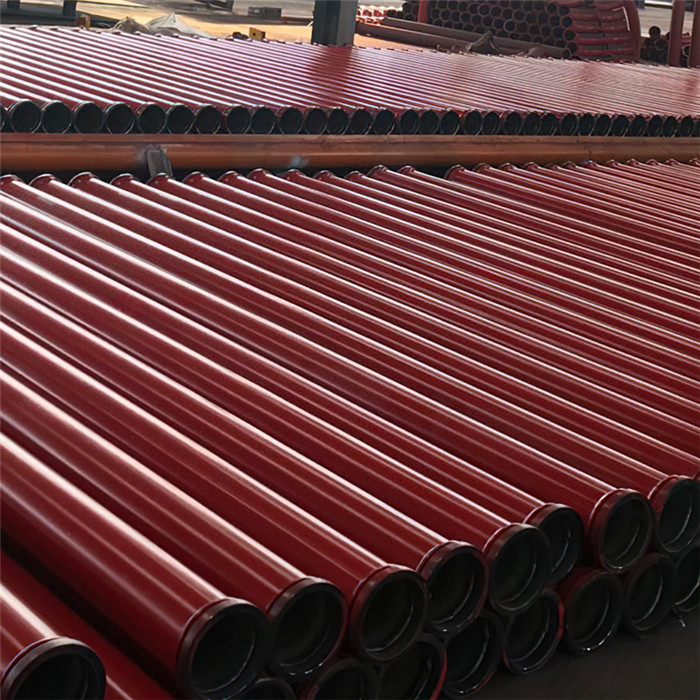
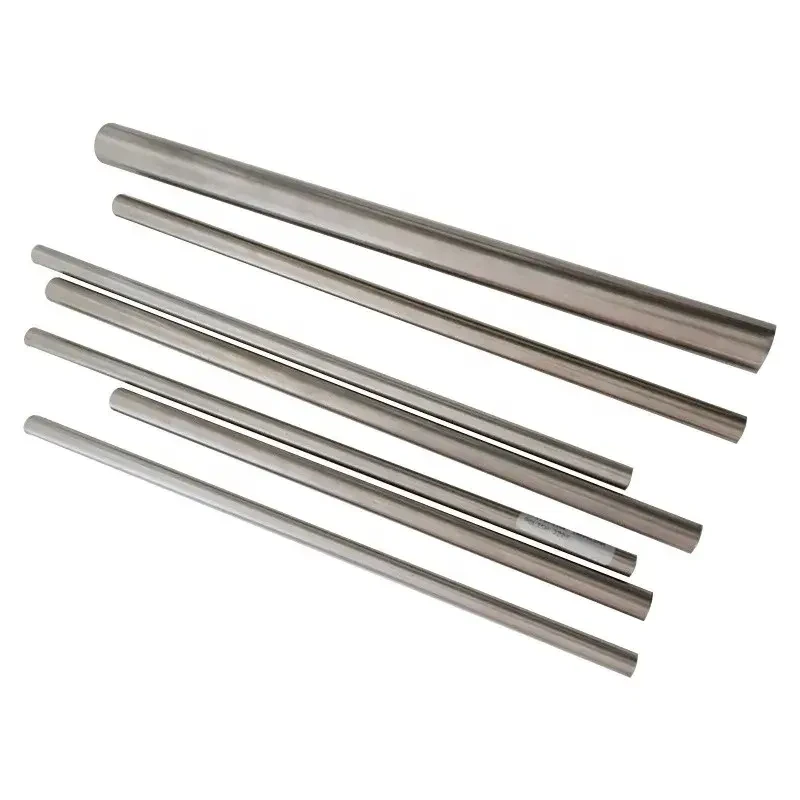
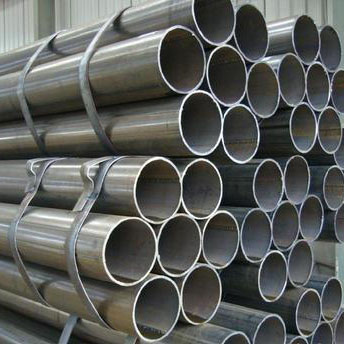
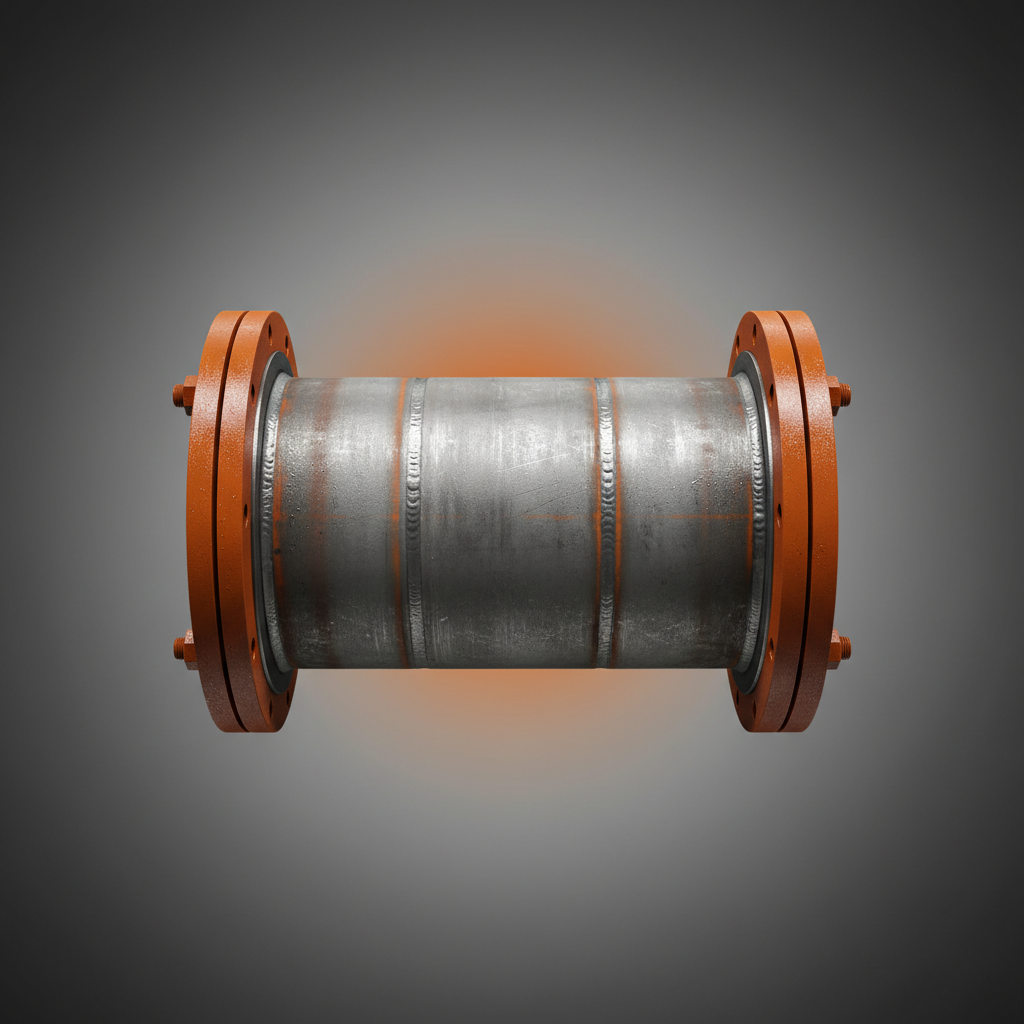
In simple terms, steel mechanical tubing is a hollow, cylindrical steel product engineered for mechanical or structural applications. Unlike general pipes used mainly for fluid conveyance, steel mechanical tubes are designed to handle stress, pressure, and impact while maintaining tight dimensional tolerances. These tubes often feature seamless or welded construction and come in many shapes—round, square, or rectangular.
Its importance stretches to industries like automotive manufacturing, HVAC systems, furniture, and agricultural machinery—not to mention humanitarian projects like fast-deploy shelters or modular housing frameworks. So it’s not just a metal tube; it’s a foundation for technological and social advancement.
Core Components & Key Factors of Steel Mechanical Tubing
Durability and Strength
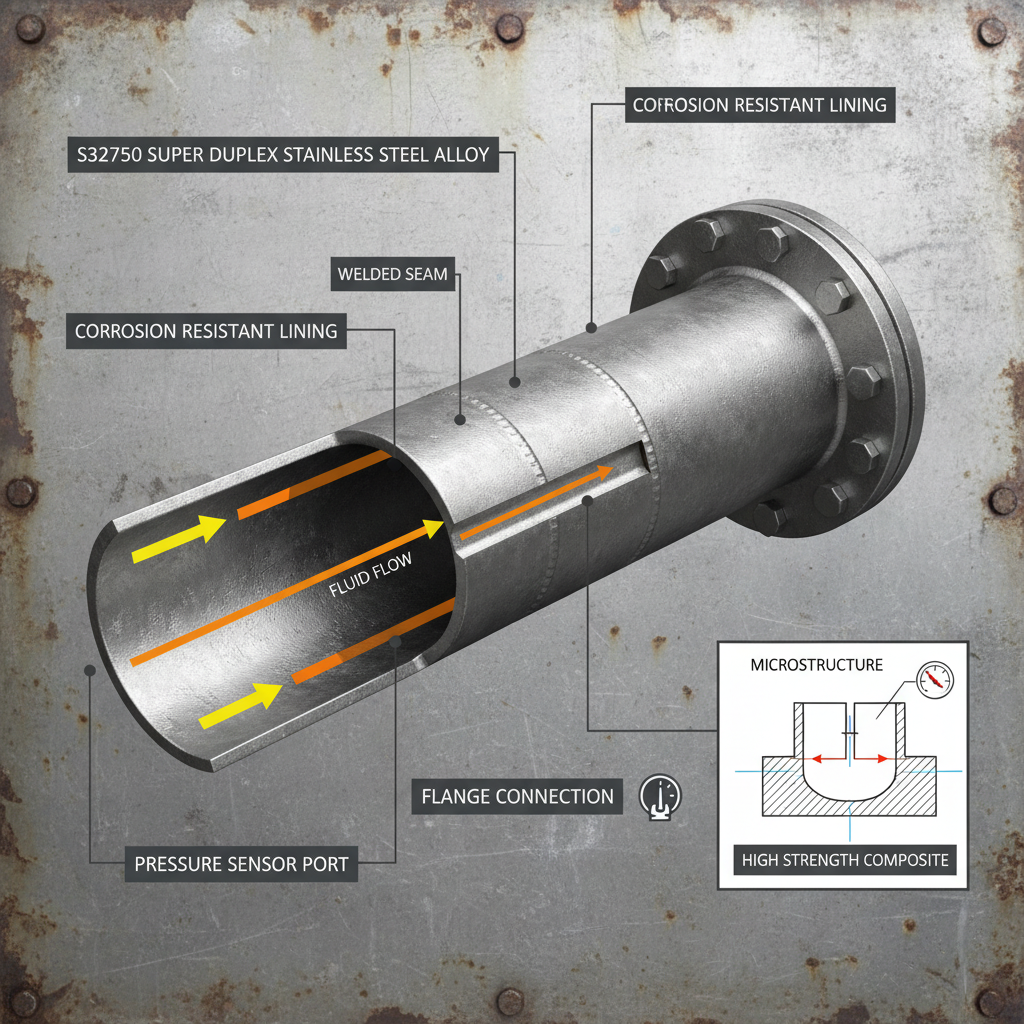
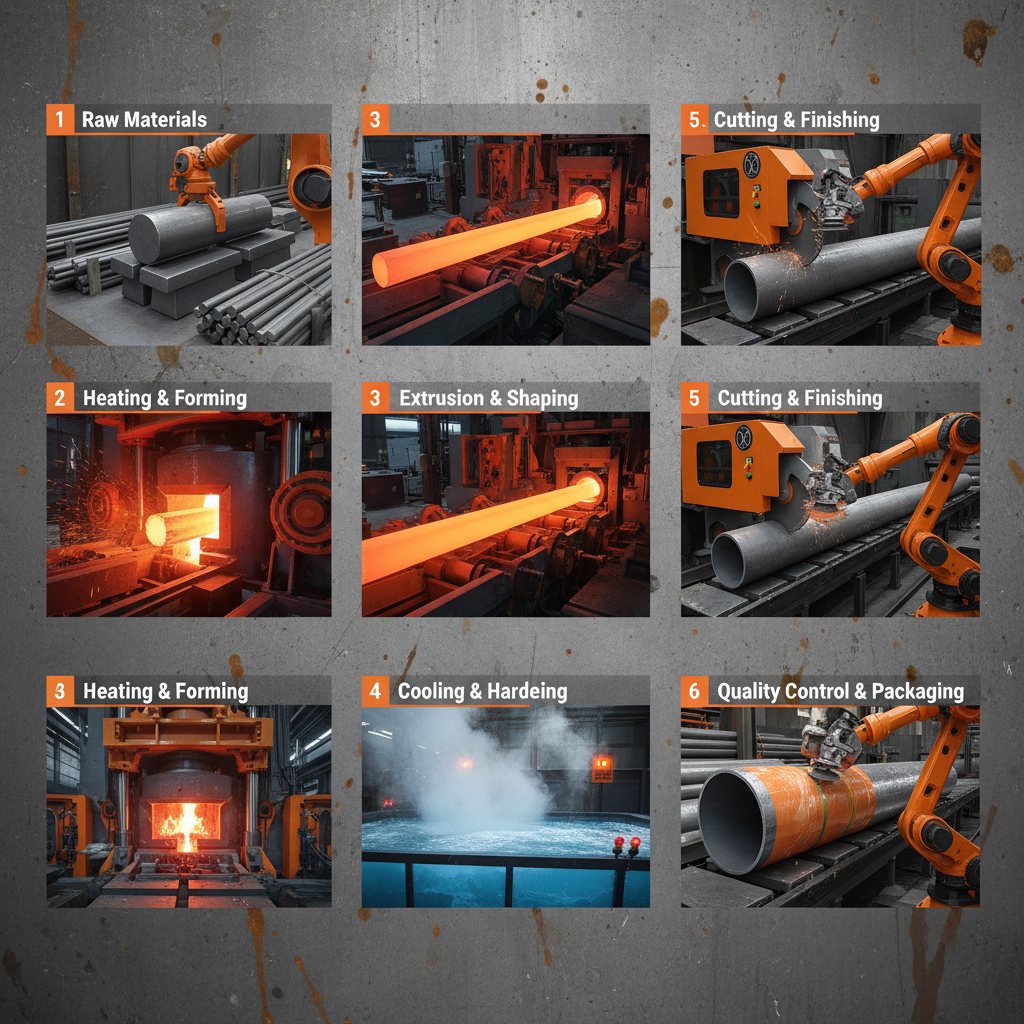
Mechanical tubing must withstand considerable loads and resist deformation. Alloying elements and heat treatment processes help achieve this, making the tubing resilient against impact, corrosion, and fatigue in harsh environments.
Precision and Dimensional Consistency
For mechanical applications, exact dimensions matter. Deviations can cause malfunction or assembly issues, so manufacturing tolerances are kept minimal—critical for automotive or aerospace parts.
Versatility in Shape and Size
Depending on the application, tubing comes in various profiles—round for fluid or structural needs, rectangular or square for frames needing extra rigidity. This adaptability means mechanical tubing appears everywhere from bikes to massive cranes.
Cost Efficiency and Availability
Despite quality demands, cost remains a practical consideration. The steel industry balances alloy complexity with volumes to keep these tubes affordable and widely available globally—vital for large projects where budgets are tight.
Environmental Impact
With increasing emphasis on sustainability, recycled steel content and eco-friendly manufacturing processes enhance steel tubing’s green credentials. Lifecycle assessments often show steel’s recyclability as a key advantage over other materials.
Product Specification Table: Common Steel Mechanical Tubing Types
| Specification | Seamless Tubing | Welded Tubing |
|---|---|---|
| Wall Thickness | 0.5 - 25 mm | 0.4 - 20 mm |
| Diameter Range | 6 - 500 mm | 10 - 600 mm |
| Tensile Strength | ≥ 420 MPa | ≥ 380 MPa |
| Common Materials | Carbon steel, Alloy steel | Carbon steel, Stainless steel |
| Applications | Automotive, aerospace, oil & gas | Construction, furniture, pipelines |
Global Applications & Use Cases of Steel Mechanical Tubing
Steel mechanical tubing’s reach is truly global. In Europe and North America, it's heavily used in automotive manufacturing—forming chassis, suspensions, and exhaust systems. In Asia-Pacific, the construction boom means steel mechanical tubes support everything from high-rise buildings to industrial plants. You might not realize it, but post-disaster relief operations in regions prone to earthquakes or floods rely on modular housing frames made with steel mechanical tubing for rapid shelter deployment.
In agricultural zones of Africa and South America, rinse-cycle irrigation systems and machinery frames often incorporate these tubes, helping improve productivity with minimal maintenance. Even futuristic tech industries designing robots or automated machinery choose mechanical tubing for strength-to-weight balance.
Mini takeaway: Steel mechanical tubing’s global footprint is diverse and essential, underpinning industries from humanitarian relief to precision engineering.
Advantages & Long-Term Value
- Cost-effectiveness: Steel’s abundance and recyclability make mechanical tubing an economically sound choice for large scale projects.
- Reliability: It withstands stress, vibration, and environmental factors, ensuring structural safety and longevity.
- Sustainability: High recycled content reduces carbon footprint—important for companies committed to green initiatives.
- Social Impact: Enables safer housing and infrastructure in vulnerable communities, imbuing dignity and security.
- Innovative Potential: Compatible with digital manufacturing and emerging smart materials to boost industrial efficiency.
So yeah, it’s not just metal tubes; it’s trust built into projects and communities at scale.
Vendor Comparison: Leading Steel Mechanical Tubing Suppliers
| Vendor | Material Grades | Delivery Times | Sustainability Initiatives | Global Reach |
|---|---|---|---|---|
| GlobalSteel Corp | Carbon, Alloy, Stainless | 2-4 weeks | 70% recycled steel content | Europe, Asia, Americas |
| SteelWorks International | High-strength alloys | 1-3 weeks | ISO 14001 certified plants | Global |
| EcoTube Ltd | Recycled carbon steel | 3-5 weeks | 100% recycled materials focus | Europe, North America |
Future Trends & Innovations in Steel Mechanical Tubing
The future looks pretty exciting. Automation and Industry 4.0 principles are reshaping production—laser cutting, additive manufacturing hybridized with steel tubes, and AI-enabled quality control improve precision and reduce waste. Environmentally, green steel production—using hydrogen reduction and electric arc furnaces—promises to lower CO2 emissions drastically. Digital twins of steel components can predict failure before it happens, bringing new layers of safety and cost savings.
Moreover, stronger composite coatings and smart materials will enhance corrosion resistance and functional integration, especially in infrastructure tied to renewable energy, like offshore wind farms. So steel mechanical tubing is evolving well beyond just a structural element—it’s becoming a smart component in global sustainability goals.
Challenges & Expert Solutions
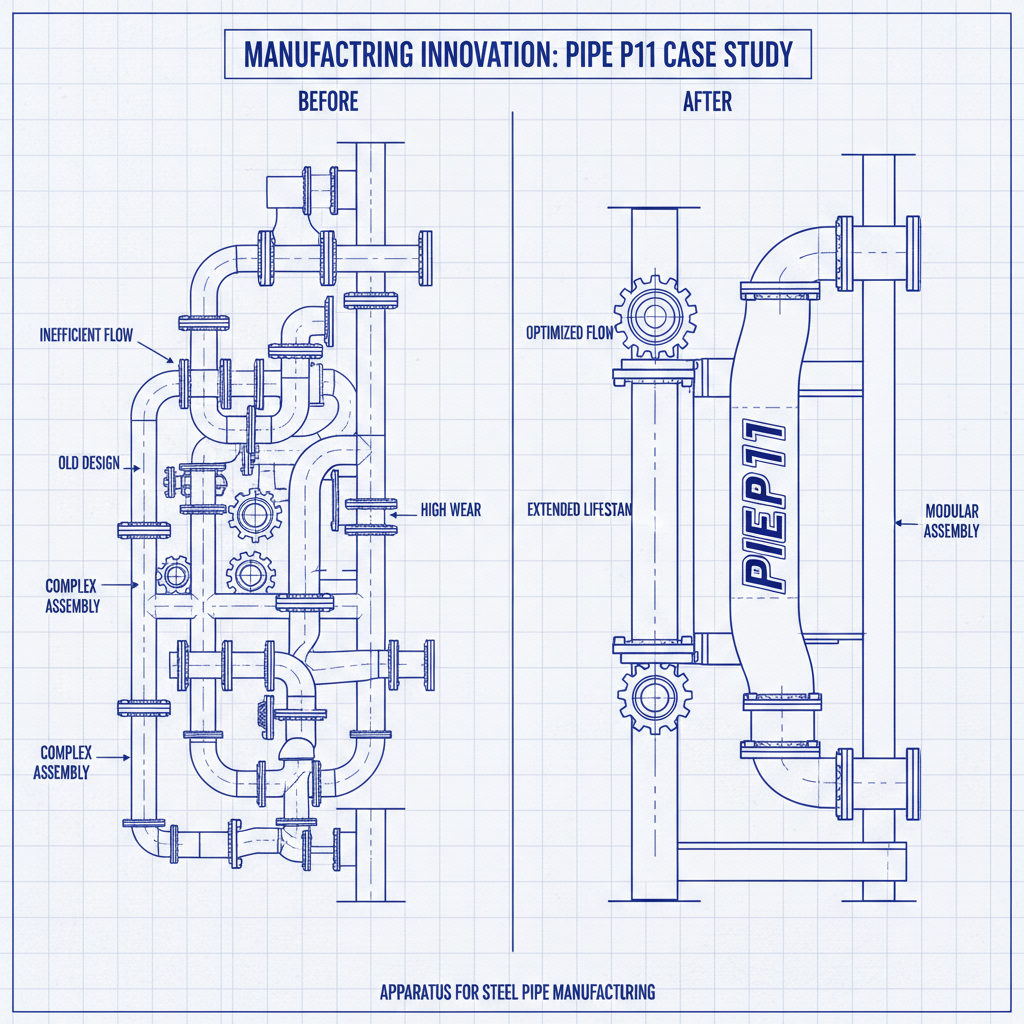
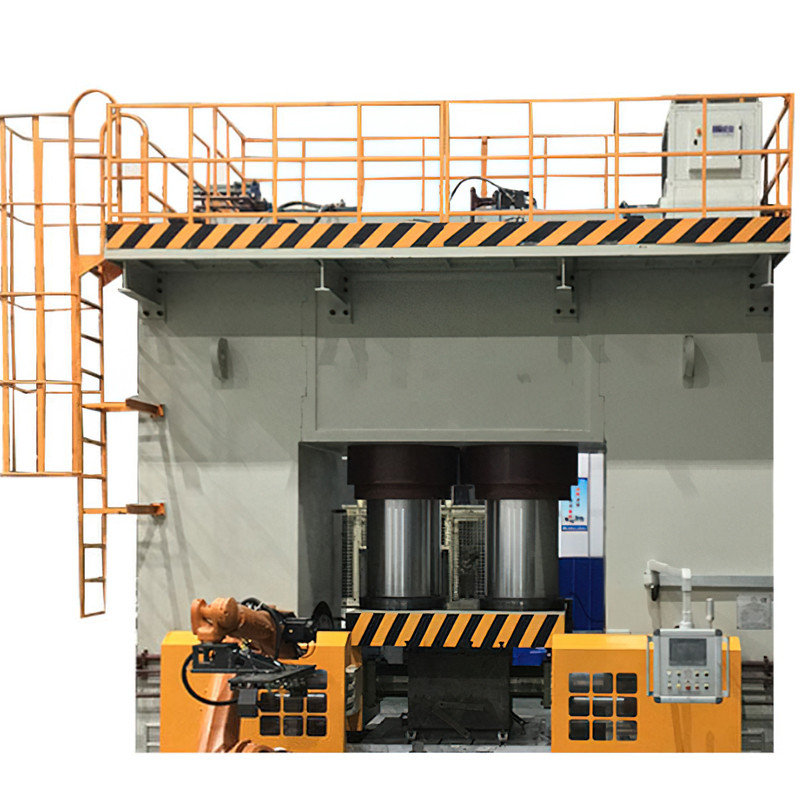
No industry is without challenges. For steel mechanical tubing, supply fluctuations and raw material costs occasionally disrupt projects. Plus, some older manufacturing methods can be energy-intensive. But innovative solutions—like near-net-shape forging and closed-loop recycling systems—help optimize resources.
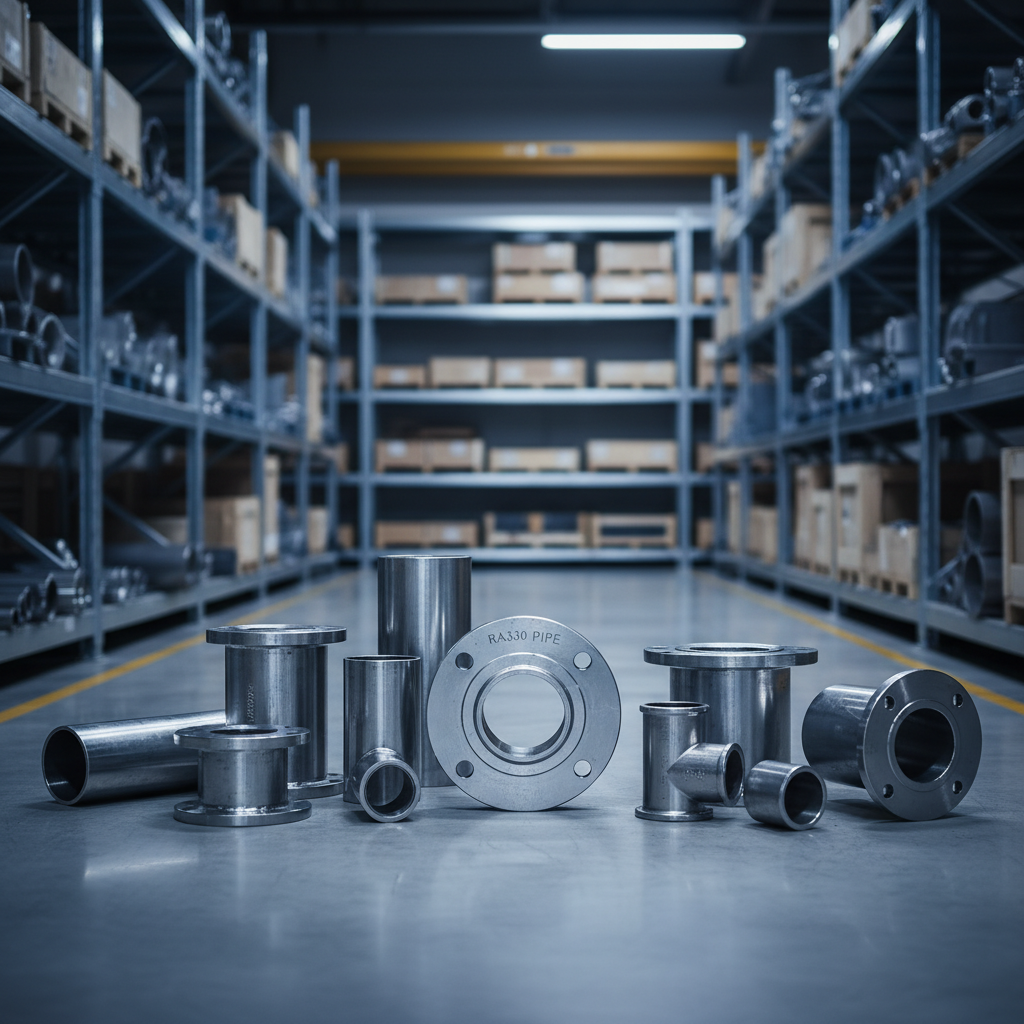
Also, the complexity of global logistics means suppliers who offer flexible inventory and rapid delivery services (like those you find on steel mechanical tubing supply platforms) can mitigate delays. Industry collaboration on standardization and certification enhances trust and consistent quality.
FAQ: Your Steel Mechanical Tubing Questions Answered
- What distinguishes mechanical tubing from regular steel pipe?
- Mechanical tubing is tailored for load-bearing and structural applications with precise tolerances, whereas regular steel pipes often focus on fluid conveyance. Tubing materials and finishes are designed to withstand stress and impact.
- How durable is steel mechanical tubing in harsh environments?
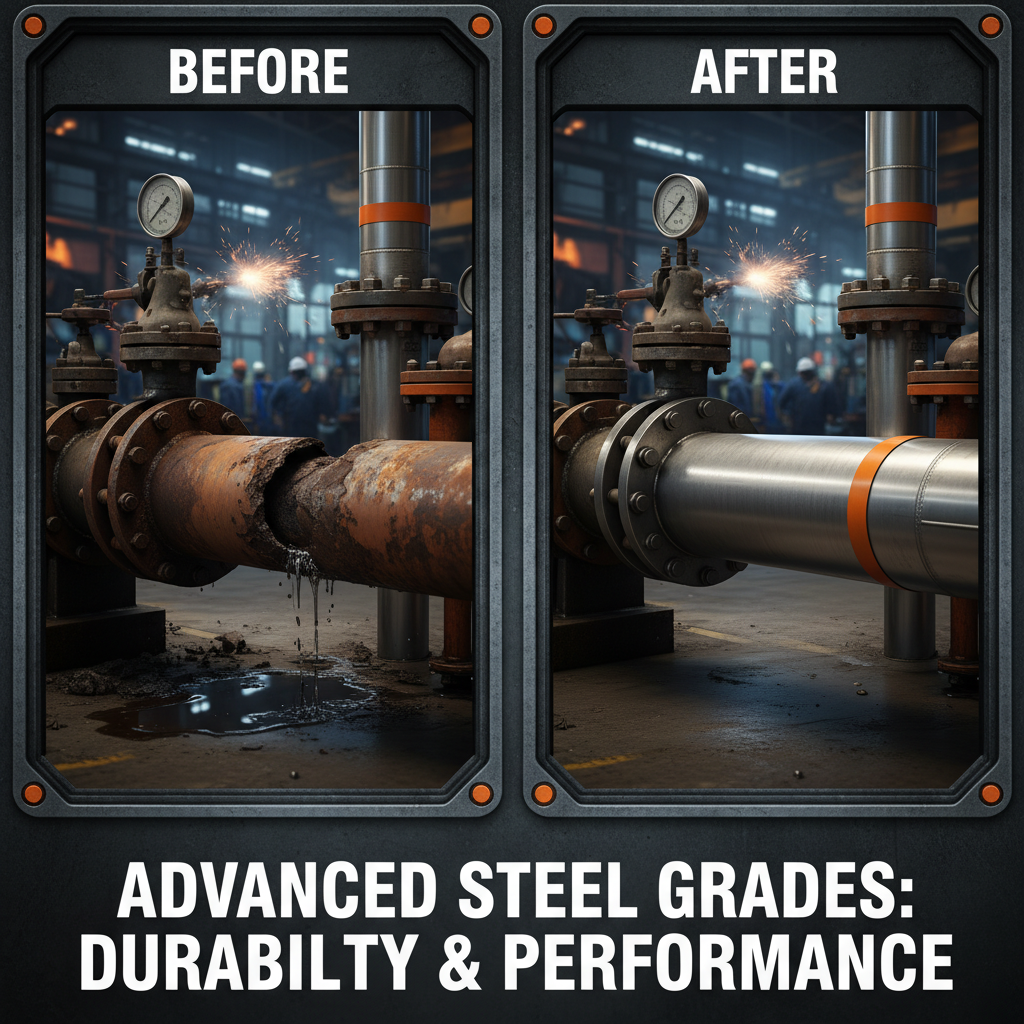
- With proper alloy selection and coatings, mechanical tubing resists corrosion, fatigue, and impact for decades—even in demanding industrial or outdoor conditions.
- Is steel mechanical tubing recyclable?
- Yes! Steel is one of the most recycled materials globally. Mechanical tubing typically contains high recycled content, making it environmentally friendly and cost-efficient.
- Can NGOs source mechanical tubing for rapid housing constructions internationally?
- Absolutely. Many international suppliers specialize in export-ready steel mechanical tubing, with customizable sizes and certifications to meet humanitarian project needs.
- Are there standards that steel mechanical tubing must meet?
- Yes, international standards such as ISO 657, ASTM A513, and EN 10305 define quality, dimensions, and mechanical properties for tubing, ensuring reliability and interchangeability.
Conclusion: Why Steel Mechanical Tubing is a Strategic Investment
Steel mechanical tubing quietly supports modern industry and infrastructure on a global scale. Its blend of strength, precision, cost-effectiveness, and sustainability potential make it a critical component for builders, engineers, and innovators alike. If you’re involved in any sector requiring dependable metal frameworks or mechanical parts, understanding and sourcing quality steel mechanical tubing should be a top priority.
Curious to see how steel tubing can strengthen your next project? Visit our website: https://www.world-steelmaterial.com to explore options, get technical assistance, and secure reliable supply chains.
Reflecting on this topic, I’m reminded how often the simplest steel component quietly shapes our daily lives—from shelter to transport to industry. It feels like a tiny yet powerful thread weaving together innovation and societal resilience.
References
Post time: Dec . 08, 2025 04:10
 English
  Arabic
  Bengali
  China
China  French
  German
  Hausa
Hausa  Indonesian
  Italian
  Japanese
  Javanese
  Malay
Malay  Persian
  Portuguese
  Punjabi
  Russian
  Spanish
  Swahili
  Telugu
  Vietnamese