

Understanding ASTM A335 P9: The Workhorse Alloy in Industrial Piping
Having spent over a decade working around steel mills and industrial plants, I can say one thing for sure about ASTM A335 P9: it’s one of those quietly essential materials that doesn’t get the limelight it deserves. You won’t find it showcased in flashy ads, but if your plant runs steam, heat exchangers, or power generation equipment, there’s a good chance this alloy steel pipe is silently doing the hard work.
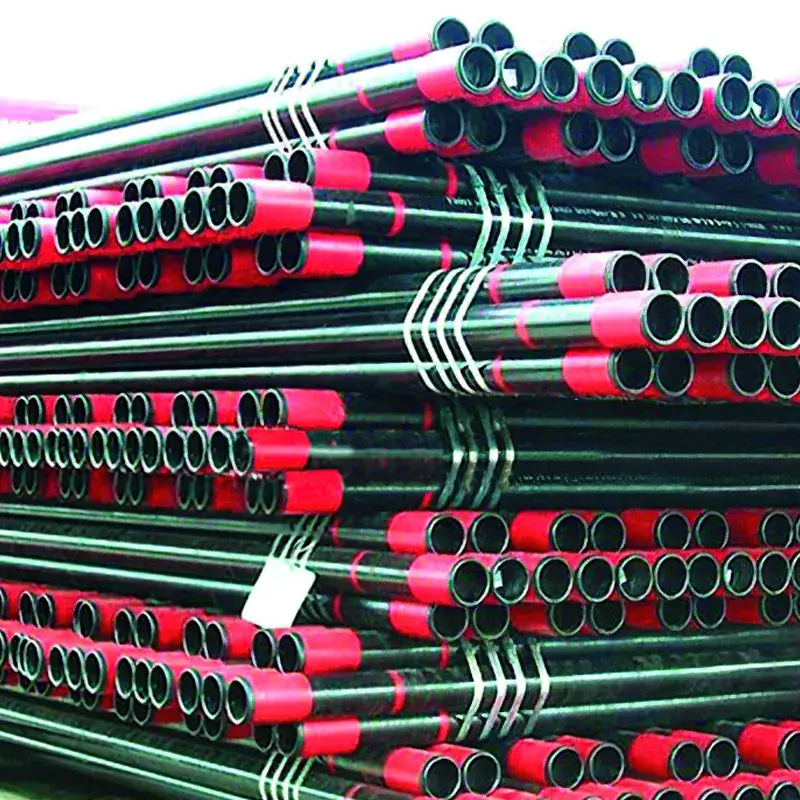
Now, what exactly is ASTM A335 P9? In real terms, it’s a seamless ferritic alloy steel pipe designed to handle elevated temperature service. The "P9" grade is especially notable for its chromium-molybdenum (Cr-Mo) alloying, which gives it excellent strength and creep resistance at high temperatures—fluent in heat, tough under pressure, and dependable in demanding environments.
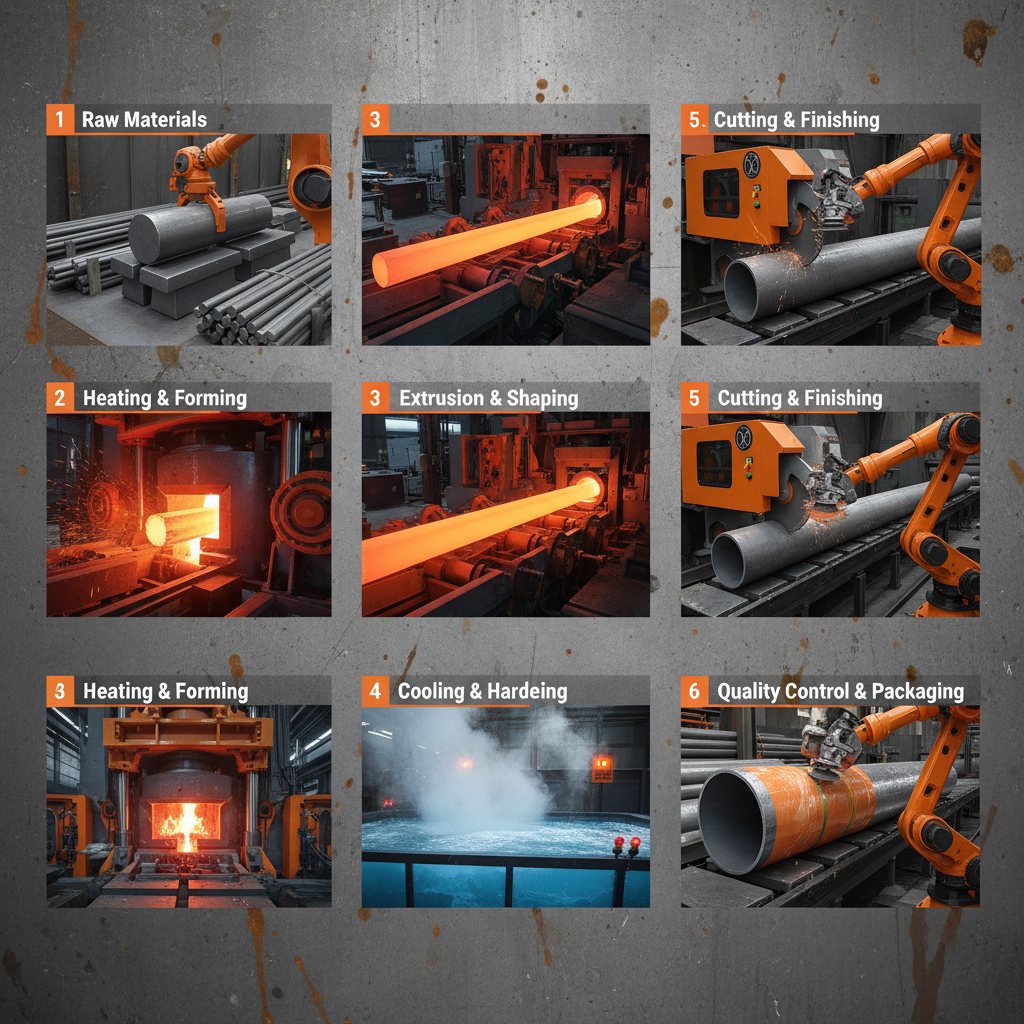
Oddly enough, despite being a “standard” product, there’s quite a bit more nuance here than the specification sheet might imply. When I first started, I’ve seen variation in heat treatment practices across vendors impact performance meaningfully. That’s why, beyond just looking at chemical composition, the manufacturing process and post-production testing speak volumes.
| Property | Value / Range |
|---|---|
| Chemical Composition (wt%) | C: 0.05-0.12, Mn: 0.30-0.60, P: ≤0.025, S: ≤0.025, Cr: 1.97-2.37, Mo: 0.87-1.13 |
| Tensile Strength | ≥490 MPa (minimum) |
| Yield Strength | ≥275 MPa (minimum) |
| Elongation | ≥20% |
| Hardness | ≤197 HB |
| Temperature Range Suitability | Up to 600°C (1112°F) |
The alloy’s main claim to fame, as many engineers say, is its combination of toughness and thermal resistance. Essentially, it stands up to high-temperature creep and stress better than plain carbon piping. This makes it popular in petrochemical plants, power stations, and anywhere you find superheated steam looping through massive pipe systems.
I remember a project where a customer needed piping that could stand continuous operation near 570°C — and frankly, the ASTM A335 P9 was the go-to. The supplier had to ensure the exact heat treatment cycle to meet creep rupture strength requirements, and there was extensive testing involved. That sense of precision is crucial — materials like this aren’t just bought off a shelf without serious quality checks.
| Vendor | Heat Treatment Quality | Delivery Lead Time | Price Competitiveness | Testing & Certification |
|---|---|---|---|---|
| SteelForge Inc. | Excellent (normalized + tempering) | 4-6 weeks | Mid-range | Comprehensive (UT, PMI, hardness) |
| HeatLife Metals | Good (annealed) | 6-8 weeks | Competitive | Standard (tensile, chemical analysis) |
| PowerPipe Solutions | Very Good (special heat cycles) | 3-5 weeks | Higher end | Enhanced (creep testing available) |
Customization? Absolutely. The piping can be ordered in a variety of sizes and wall thicknesses depending on the specific application, and you can even specify additional testing requirements. This flexibility is something I appreciate because no two industrial setups are exactly the same.
In recent years, the demand for materials like ASTM A335 P9 has grown modestly alongside stricter emissions regulations and the rise of supercritical power plants. As operating temperatures push higher, alloys with excellent creep strength become more critical. It’s funny – despite all the advances in composite materials and alloys out there, the chromium-molybdenum steels keep proving their worth.
Of course, proper installation and routine inspections remain key. The best material in the world can only perform if it’s handled with care — stress corrosion cracking can’t be overlooked, even in these high-spec pipes.
So, if you’re in the market for something that blends thermal durability with mechanical reliability, and frankly, if you want peace of mind that your piping won’t call it quits prematurely, ASTM A335 P9 should figure prominently in your specs.
In the end, working with materials like ASTM A335 P9 reminds me how every pipe in a plant has a story — it might not shout about its toughness, but it sure earns its keep quietly, day in and day out.
- ASTM International, Specification A335-20a, Standard Specification for Seamless Ferritic Alloy-Steel Pipe for High-Temperature Service
- “High Temperature Steels and Alloys,” ASM Handbook Volume 1: Properties and Selection: Irons, Steels, and High-Performance Alloys
- Internal vendor datasheets and field reports, 2020-2023
Post time: Dec . 08, 2025 07:00
 English
  Arabic
  Bengali
  China
China  French
  German
  Hausa
Hausa  Indonesian
  Italian
  Japanese
  Javanese
  Malay
Malay  Persian
  Portuguese
  Punjabi
  Russian
  Spanish
  Swahili
  Telugu
  Vietnamese