

Understanding A53 Pipe: Why It Matters in Today’s Industry
Steel pipes may not be the first thing that springs to mind when we think about infrastructure or industrial growth, yet the a53 pipe is one unsung hero quietly shaping global development. From massive oil and gas pipelines spanning continents to small-scale water systems in rural towns, these pipes are everywhere — and their importance spans far beyond simple metal tubes. Understanding what an a53 pipe is, where it’s used, and why it’s preferred in so many sectors unlocks insights not only into manufacturing but also larger themes like sustainability, safety, and economic resilience.
Globally, steel pipeline usage has been increasing steadily. The World Steel Association notes that the steel demand for pipeline construction is expected to grow by roughly 2-3% annually due to aging infrastructure and expanding energy needs. Yet challenges like corrosion, weight, cost, and installation complexity persist. The a53 pipe, with its blend of strength and versatility, addresses many of these effectively.
Mini takeaway: The a53 pipe isn’t just another pipe — it’s a foundational element supporting global economies, infrastructure, and even humanitarian efforts.
A53 Pipe in Context: Global Relevance and Industry Challenges
When we talk about pipes used for transporting fluids or gases, standards mean everything. The ASTM A53 specification — where the term “a53 pipe” originates — is one of the most widely recognized standards worldwide. It specifies the chemical composition, mechanical properties, and dimensions of the pipe to ensure reliability across sectors.
Consider this: in 2021, the United Nations Environment Programme (UNEP) highlighted that sustainable infrastructure development is key to achieving multiple SDGs (Sustainable Development Goals), notably clean water and clean energy. Reliable piping systems like the a53 pipe contribute directly to both, by enabling affordable water delivery and safely transporting fuels.
Yet, challenges remain — many parts of the world face pipeline failures that compromise safety or ecology. This often boils down to choosing the right material and ensuring quality standards are maintained.
Defining A53 Pipe: What Is It Really?
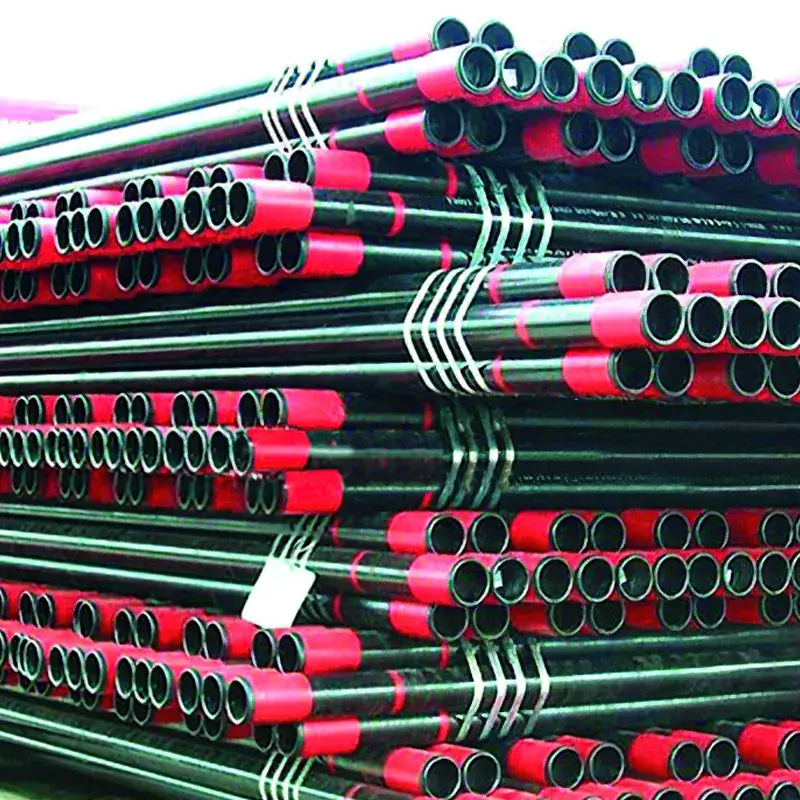
At its core, an a53 pipe is a carbon steel pipe conforming to ASTM Specification A53. It’s designed primarily for mechanical and pressure applications but is also suitable for general structural use. Here’s the kicker: it’s versatile, economical, and relatively simple to work with, making it a go-to choice across industries.
The pipes come in various grades (A, B, and sometimes C), with Grade B being more common due to better tensile strength. Thickness varies as well—commonly referred to as Schedule 40, 80, etc.—indicating wall thickness for pressure requirements.
Why does this matter outside manufacturing floors? Because wherever you have pipelines, whether delivering drinking water, carrying steam in power plants, or moving oil offshore, a53 pipe often forms the backbone.
Mini takeaway:
- A53 pipe = standard carbon steel pipe known for strength, economy, and versatility.
- Widely used for mechanical, pressure, and structural applications.
Key Characteristics That Define A53 Pipe
1. Durability and Strength
An a53 pipe's carbon steel composition provides a sterling balance between toughness and cost. It's capable of withstanding pressures and stresses typical in industrial environments, all while maintaining structural integrity over years.
2. Cost Efficiency
Compared to stainless steel or alloy pipes, a53 pipes are relatively affordable, making them a favorite for large infrastructure projects where budgets matter.
3. Ease of Fabrication and Welding
Manufacturers and onsite engineers appreciate a53 pipes because they’re easy to weld, cut, and thread, speeding up installation without sacrificing quality.
4. Versatility in Applications
They come in multiple sizes and wall thicknesses, fitting everything from gas lines to scaffolding. This adaptability is something many engineers value.
5. Industry Standard Compliance
ASTM compliance ensures users worldwide trust the a53 designation, facilitating international trade and project standardization.
| Attribute | Specification |
|---|---|
| Material | Carbon Steel |
| Grades | A, B, C (Grade B most common) |
| Dimensions | NPS 1/8" to 26" diameter |
| Wall Thickness | Schedule 40, 80, others |
| Applications | Mechanical, structural, pressure pipelines |
| Standards | ASTM A53 / API 5L (comparable in some cases) |
How Is the A53 Pipe Used Around the World?
The beauty of the a53 pipe lies in its global adaptability. From Texas oilfields to European municipal water lines and the vast energy grids in Asia, the usage spans a dizzying scope. Oddly enough, post-disaster reconstruction often depends on reliable, readily available components, and a53 pipes have stepped up here too.
For example:
- Oil & Gas: Pipelines transporting crude and refined products use a53 pipes especially where pressure and temperature ratings fall within its range.
- Water Supply: Many local water agencies rely on it for distribution networks because it's durable and cost-effective.
- Construction & Scaffolding: The pipes often double as structural elements during building phases or temporary bracing.
- Energy Plants: Steam lines and cooling water systems in power plants regularly utilize a53 pipe grades.
Roughly speaking, about 35% of steel pipes worldwide correspond to ASTM grades like a53, a testimony to their widespread acceptance.
Mini takeaway:
A53 pipe isn’t just an industrial workhorse; it’s a global enabler for energy, water, and infrastructure projects—often in remote or challenging environments.
Advantages & the Long Haul: Why A53 Pipes Remain a Top Choice
It’s not just about meeting a technical checklist. The a53 pipe brings tangible economic and social benefits, making it a wise long-term investment.
- Cost Savings: Initial and maintenance costs tend to be lower compared to specialty alloys.
- Reliability: The mechanical properties mean fewer failures and safer operations.
- Sustainability: Steel is recyclable. Plus, the long lifespan reduces resource waste.
- Social Impact: Reliable infrastructure powered by a53 pipes means safer drinking water, steady energy — all things that improve quality of life.
Many engineers I’ve talked to emphasize the ‘trust factor’—knowing a53 pipes have proven themselves over decades helps when signing off on major projects.
What’s Next? Innovations and Trends Affecting A53 Pipe Use
The old reliable steel pipe is far from obsolete. In fact, several exciting trends are shaping its future:
- Green Steel Production: Efforts to slash carbon footprints in steelmaking have direct impacts on a53 manufacturing.
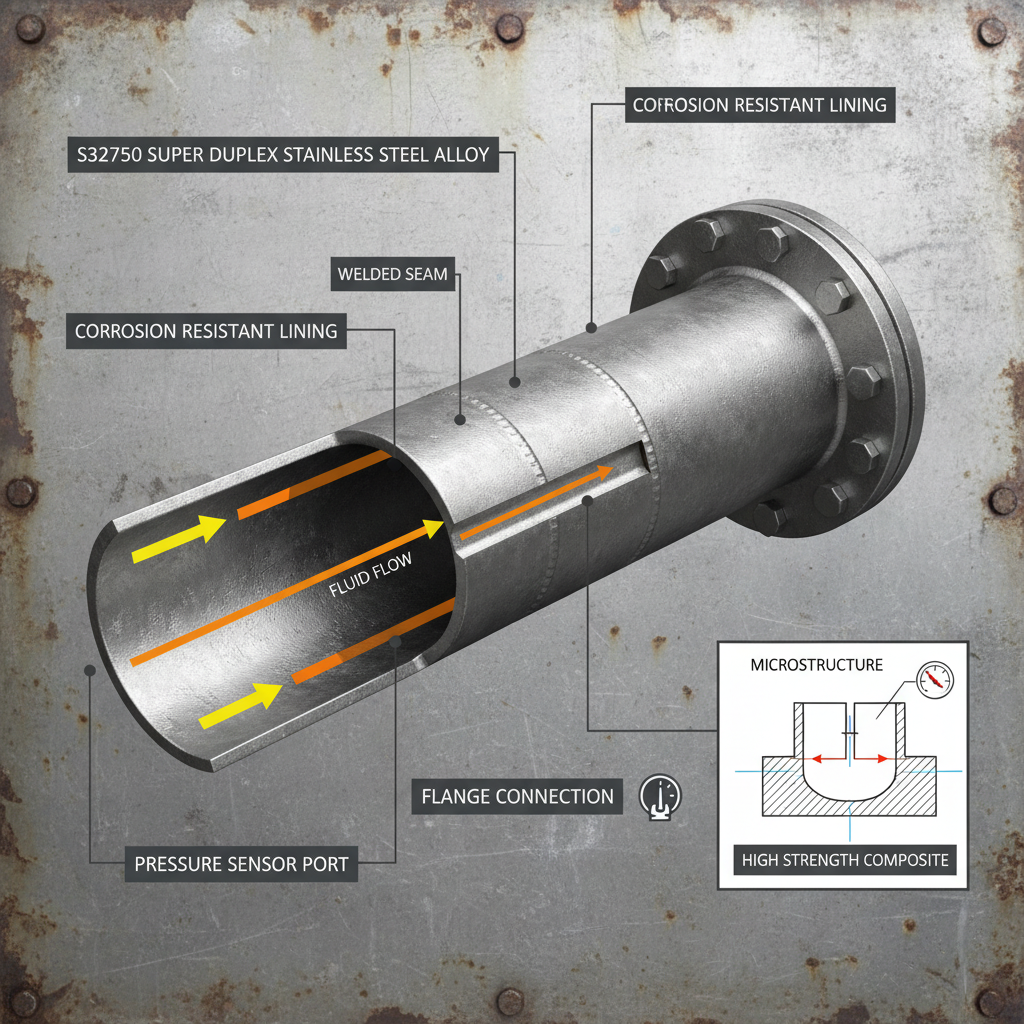
- Enhanced Coatings & Linings: New anti-corrosion technologies extend lifespan and applicability, especially in harsh environments.
- Digital Monitoring: Installing sensors on pipelines made from a53 pipe allows real-time pressure and stress tracking — crucial for predictive maintenance.
- Policy Shifts: International standards are evolving to promote sustainable infrastructure, pushing manufacturers to innovate on specs.
While some might imagine futuristic materials like composites replacing steel, the reality is a53 pipe remains firmly entrenched due to its balance of performance and cost-effectiveness.
Challenges & Smarter Solutions in A53 Pipe Usage
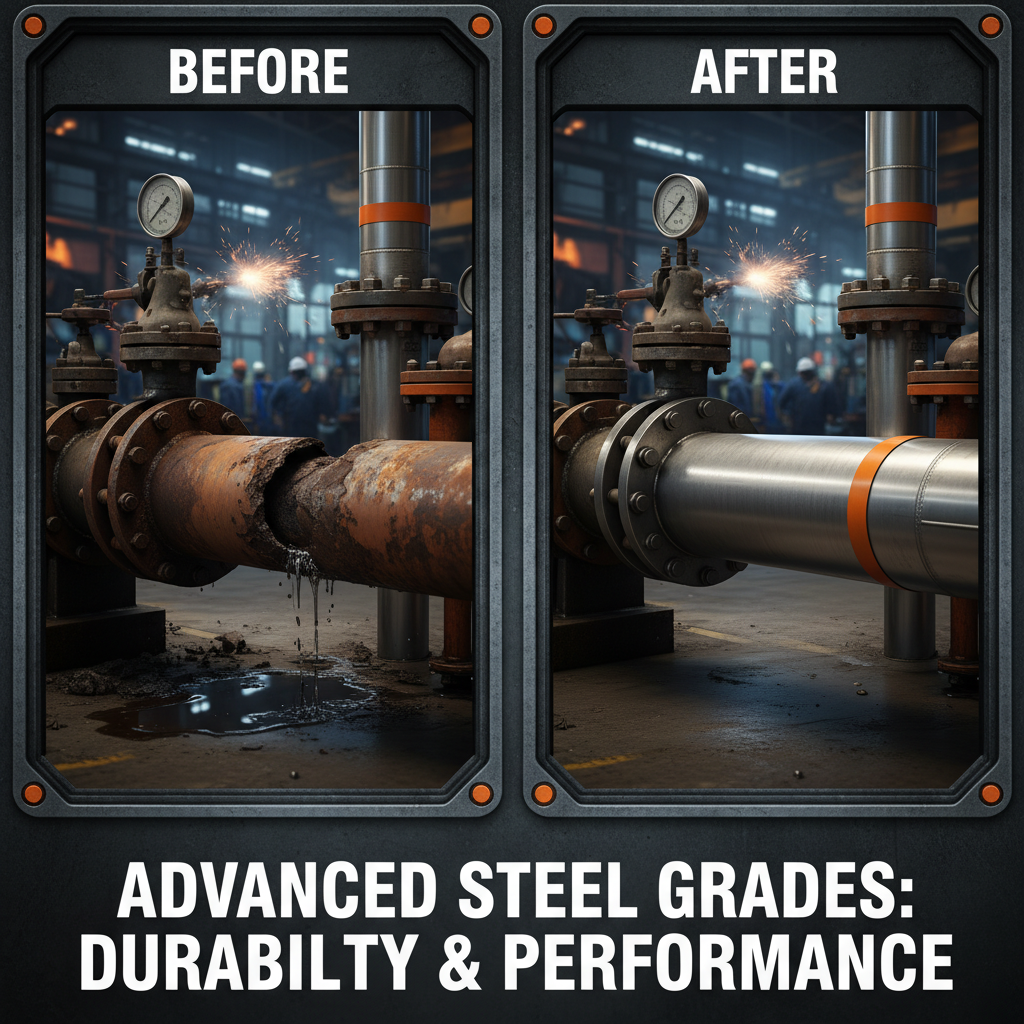
Naturally, no product is perfect. For a53 pipes, issues like corrosion, especially in marine or acidic environments, can limit performance. Welding mishaps and inconsistent manufacturing quality have also caused headaches.
However, innovative companies are addressing these through:
- Applying proprietary coatings and cathodic protection systems.
- Stringent quality control aligned with ISO and ASTM standards.
- Training programs for welders and installers focused on best practices.
In some cases, engineers combine a53 pipes with supplementary materials or use hybrid pipeline designs to extend utility.
Frequently Asked Questions About A53 Pipe
- Q: What makes a53 pipe preferred over other carbon steel pipes?
- A53 pipes conform to a specific ASTM standard ensuring quality in terms of mechanical properties and dimensions. This standardization offers users confidence in application, reducing uncertainty compared to non-standardized pipes.
- Q: Can a53 pipes be used for high-pressure steam lines?
- Generally, Grade B a53 pipes can handle moderate pressure steam lines but always verify maximum temperature and pressure against pipe specs. For very high pressures or temperatures, specialty pipes might be better suited.
- Q: How does the scheduling (Schedule 40 vs 80) affect pipe performance?
- Schedule indicates wall thickness. Higher schedule numbers (like 80) mean thicker walls, which support higher pressures but add weight and cost. Choice depends on application requirements.
- Q: Are a53 pipes recyclable?
- Yes, steel from a53 pipes can be recycled, supporting sustainability initiatives, and reducing environmental footprint.
- Q: How do companies ensure the quality of imported a53 pipes?
- Reliable vendors provide mill test reports, comply with ASTM standards, and offer traceability. Third-party inspections and certifications also bolster confidence.
Vendor Comparison: Choosing the Right A53 Pipe Supplier
| Vendor | Certification | Product Range | Lead Time | Export Experience |
|---|---|---|---|---|
| Global Pipe Co. | ISO 9001, ASTM compliant | NPS 1/8" to 24", Grades A, B | 2-3 weeks | Strong, 50+ countries |
| SteelWorks Intl. | ASTM, API 5L | NPS 1/2" to 26", Grades B, C | 3-4 weeks | Moderate, regional |
| Eastern Metal Corp. | ISO 14001, ASTM | NPS 3/8" to 20", Grade B | 1-2 weeks | Growing presence in Asia |
Wrapping Up: Why the A53 Pipe Still Holds Strong
Looking back, it’s clear that the a53 pipe is a quietly powerful component in global industry. Its combination of standardization, cost-effectiveness, and adaptability explain why it remains a staple from construction scaffolding to robust pipelines ferrying essential resources. Sure, alternatives exist, but few match its balance of qualities for large-scale projects.
If your next project calls for reliable steel pipe, you might want to keep the a53 pipe high on your list. Curious? Visit our website at a53 pipe for product details, expert advice, and sourcing options.
References
Post time: Nov . 30, 2025 15:20
 English
  Arabic
  Bengali
  China
China  French
  German
  Hausa
Hausa  Indonesian
  Italian
  Japanese
  Javanese
  Malay
Malay  Persian
  Portuguese
  Punjabi
  Russian
  Spanish
  Swahili
  Telugu
  Vietnamese