

Understanding ASTM A 106: A Global Standard with Practical Impact
If you’ve ever wondered why certain steel pipes seem better suited for pipelines, power plants, or industrial frameworks, ASTM A 106 is often a key piece of that puzzle. This specification might sound technical or dry at first blush, but globally it plays a critical role in ensuring reliability, safety, and efficiency in countless infrastructure projects around the world. Simply put, ASTM A 106 defines the standards for seamless carbon steel pipes primarily used in high-temperature service, and knowing it inside out helps engineers, fabricators, and project managers deliver durable, safe systems on time and under budget.
Why does this matter beyond the factory floor? Because infrastructure quality affects everything from energy supply reliability in Asia to safe water transport in North America and beyond. Delving into ASTM A 106 might feel like a niche technical topic, but in reality, it’s a backbone of modern industrial civilization.
The Global Relevance of ASTM A 106
To set the scene: according to the World Steel Association, global crude steel production exceeded 1.9 billion metric tons in recent years, with a notable chunk destined for pipe manufacturing (1). The Asian region leads demand, driven by booming energy, construction, and manufacturing sectors. Across the Middle East and Europe, stringent standards on pipe materials have propelled ASTM A 106’s widespread adoption. It’s not just about production; it’s about meeting safety regulations and sustainable practices compliant with ISO and API standards too.
But there’s a challenge: environments where equipment faces extreme temperatures or pressures demand pipes that won’t warp, corrode, or fail prematurely. ASTM A 106’s tight chemical and mechanical standards help address these challenges, ensuring the integrity of critical pipeline systems that carry natural gas, steam, or even petrochemicals. This specification, therefore, helps global industries sidestep costly accidents and downtime — a vital consideration when you think about the billions invested in infrastructure every year.
Mini Takeaway:
- ASTM A 106 is key in meeting global demand for high-quality, reliable carbon steel pipes used in demanding environments.
- It addresses safety, performance, and sustainability challenges central to industries worldwide.
What Is ASTM A 106? A Simple Definition
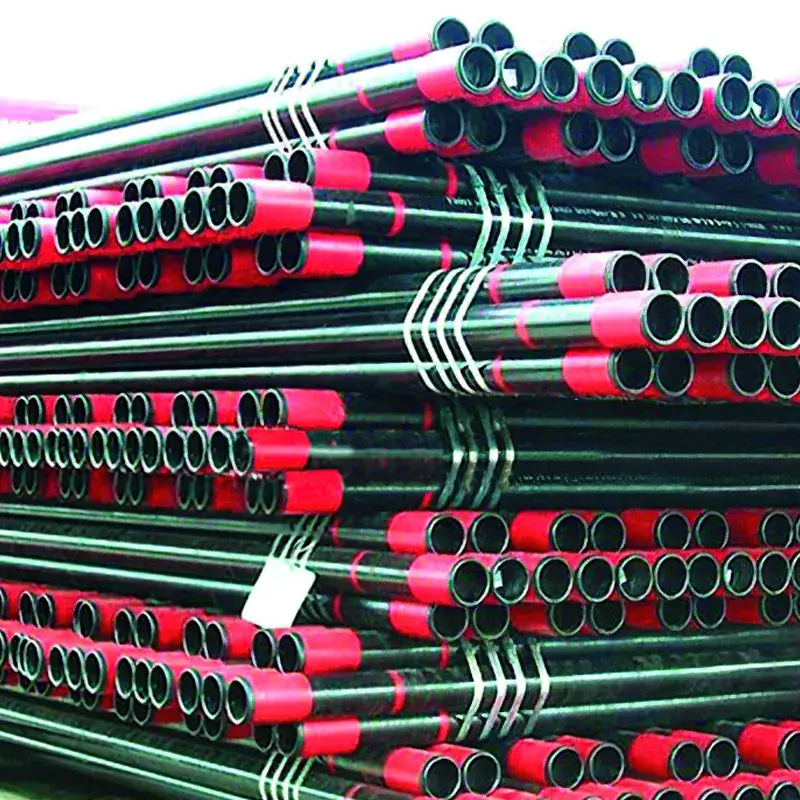
At its core, ASTM A 106 is a standard published by ASTM International covering seamless carbon steel pipes intended for high-temperature service. Let’s break that down:
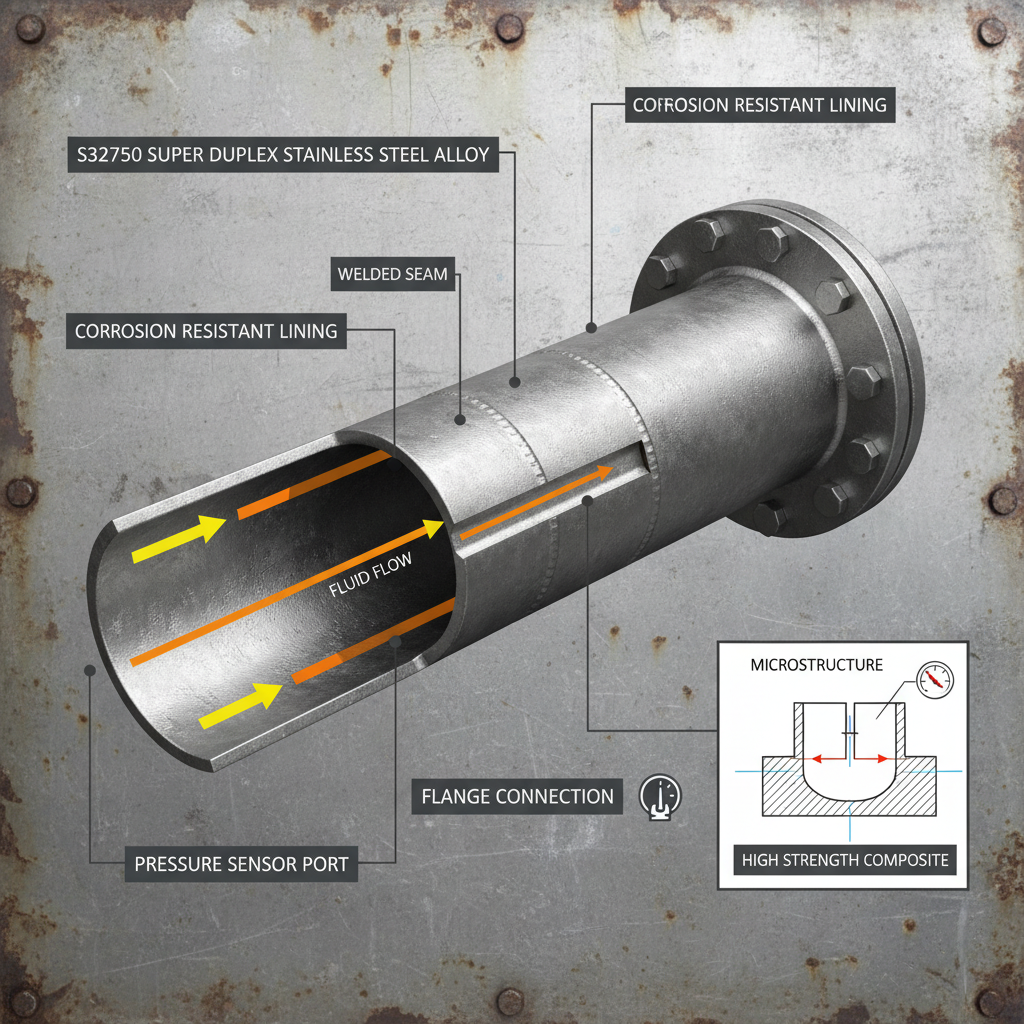
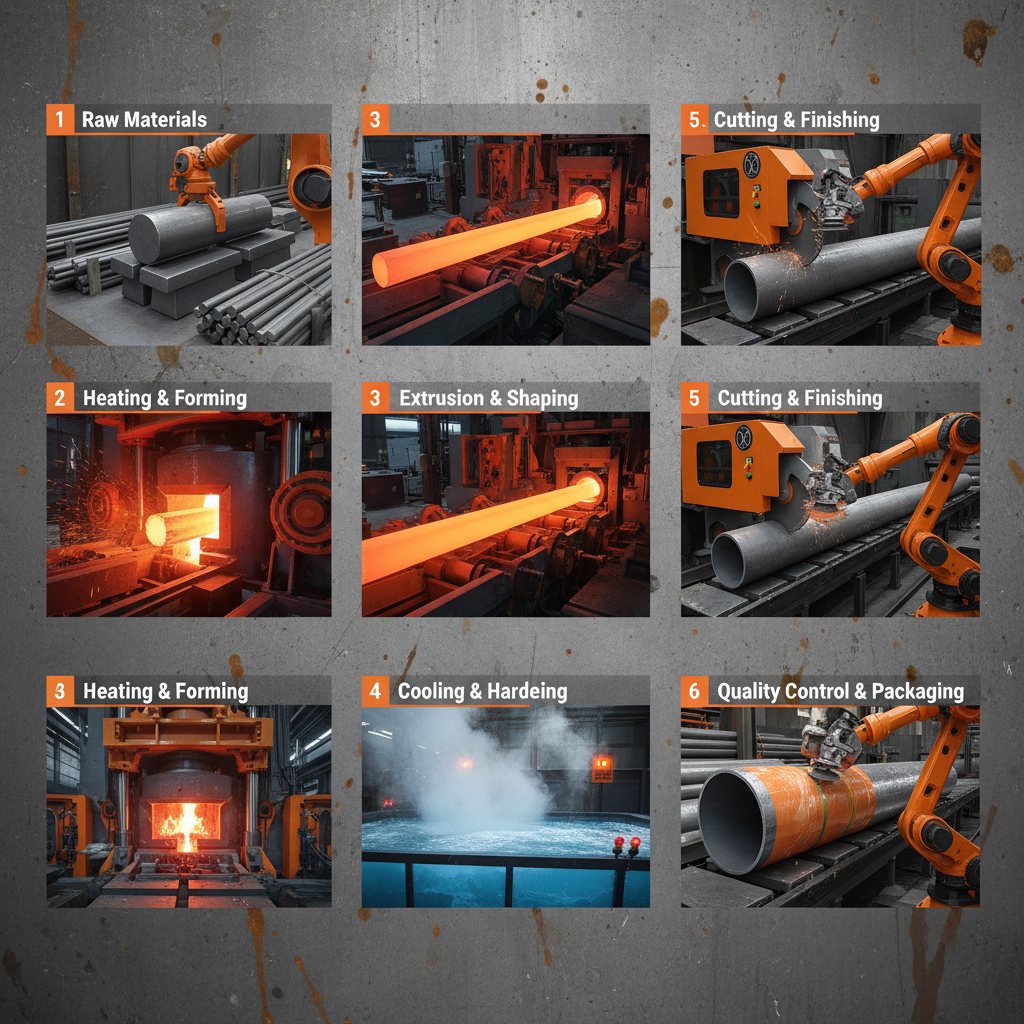
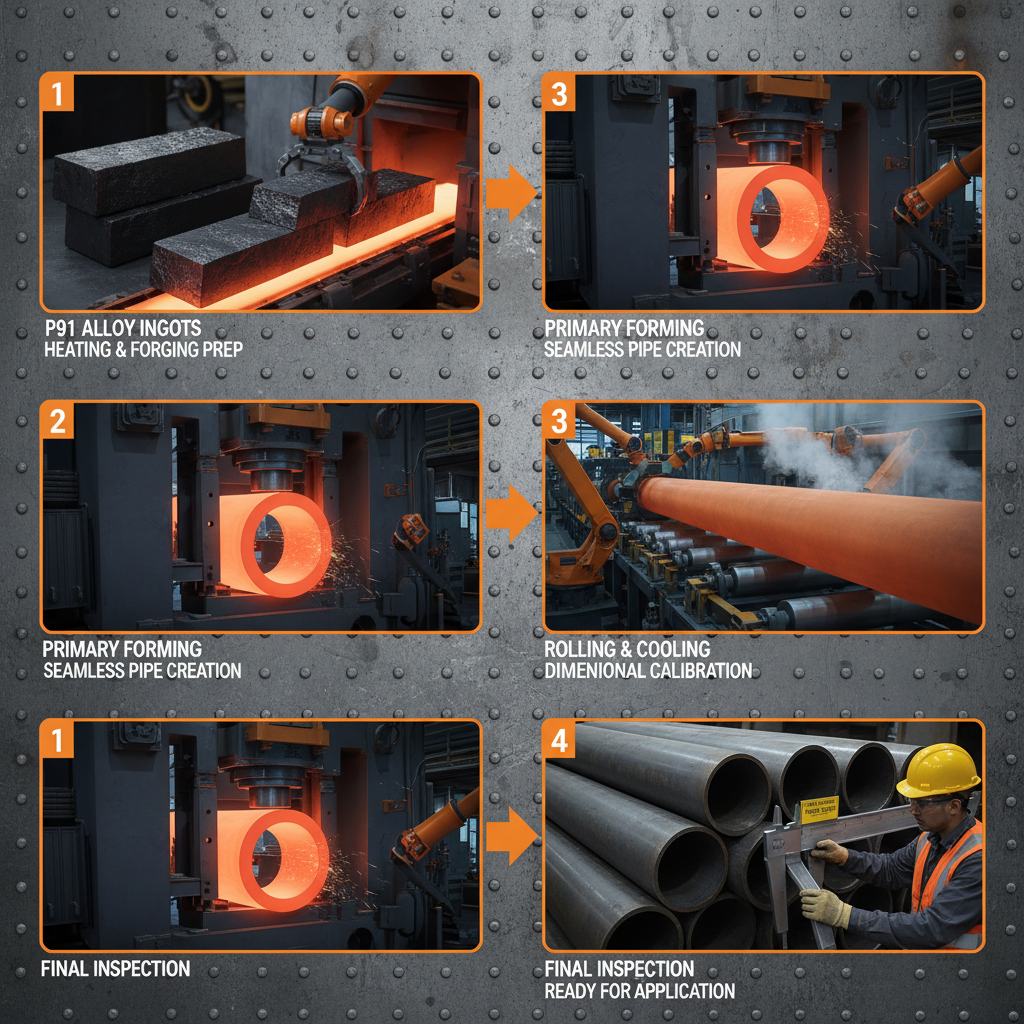
- Seamless: Pipes are made without welding seams, leading to higher strength and less chance of leaks.
- Carbon Steel: The primary material used — chosen for strength, affordability, and weldability.
- High-Temperature Service: Suitable for conditions where heat is a major factor, such as power plants or refineries.
In everyday industrial language, ASTM A 106 pipes are the trusted choice to transport steam, hot gases, and fluids without compromising structural integrity. This makes them indispensable in sectors ranging from energy generation to chemical processing, and sometimes emergency relief infrastructure too — think of temporary setups where reliability cannot be compromised.
Mini Takeaway:
- ASTM A 106 ensures pipes perform safely under heat and pressure.
- It is essential for critical industrial operations where failure is not an option.
Core Aspects of ASTM A 106 Pipes
1. Durability and Strength
The seamless design boosts tensile strength and reliability under pressure. Engineers appreciate this because it reduces maintenance needs and extends service life, especially in continuous-use settings.
2. Heat Resistance
ASTM A 106 pipes can withstand high temperatures without losing critical mechanical properties. This makes them perfect for boiler tubes or steam piping, where typical materials would soften or even deform.
3. Chemical Composition
The specification tightly controls elements like carbon, manganese, phosphorus, and sulfur to guarantee uniform quality. This consistent chemistry is what keeps the pipes from becoming brittle or prone to corrosion.
4. Versatility in Sizing and Grades
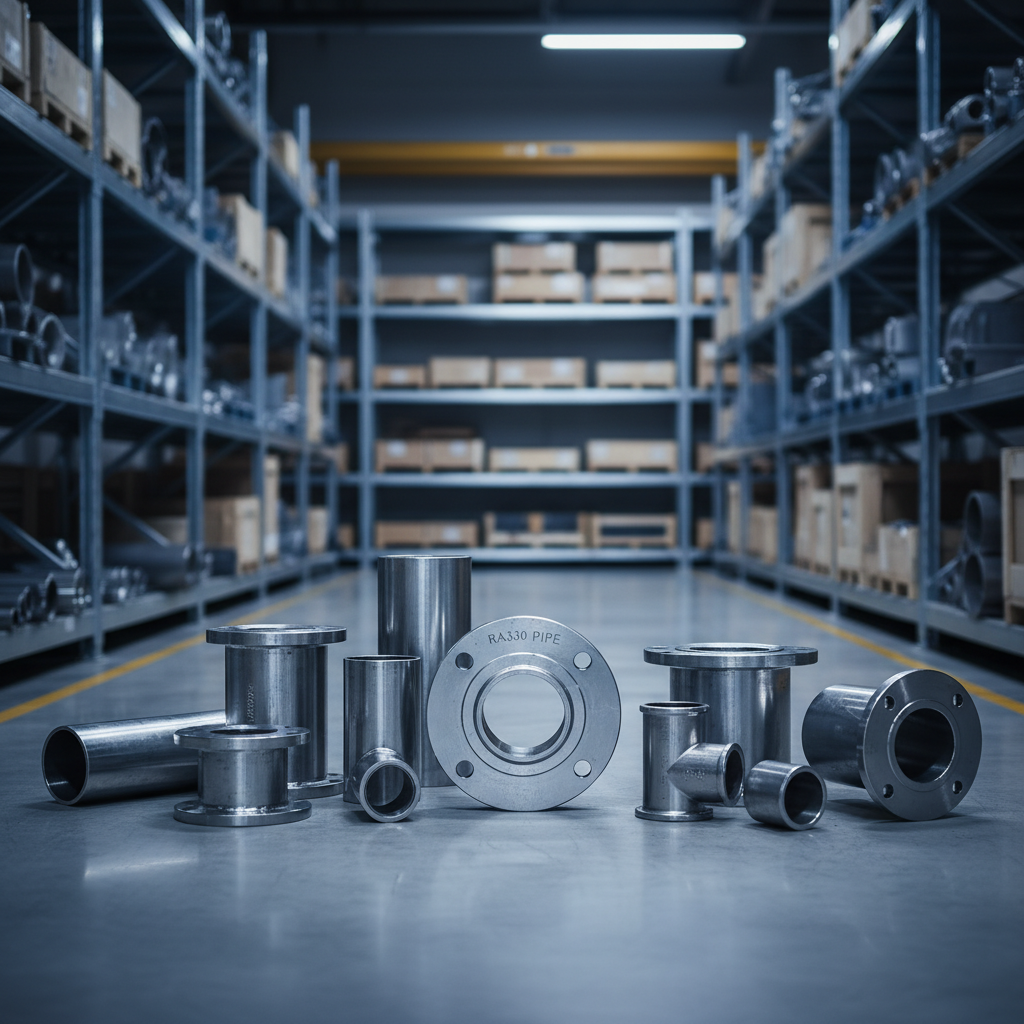
These pipes come in different grades (A, B, and C) and sizes, allowing customization for projects requiring anything from light to heavy-duty usage. This range is quite broad and something many engineers find especially useful.
5. Weldability and Fabrication
Because of their controlled composition, ASTM A 106 pipes can be welded and formed without cracking — a big plus for custom installations or retrofitting existing systems.
Mini Takeaway:
- ASTM A 106 pipes balance toughness, heat resistance, and chemical stability.
- They’re flexible enough to fit varied industrial use cases.
How ASTM A 106 Pipes Power Real-World Industries
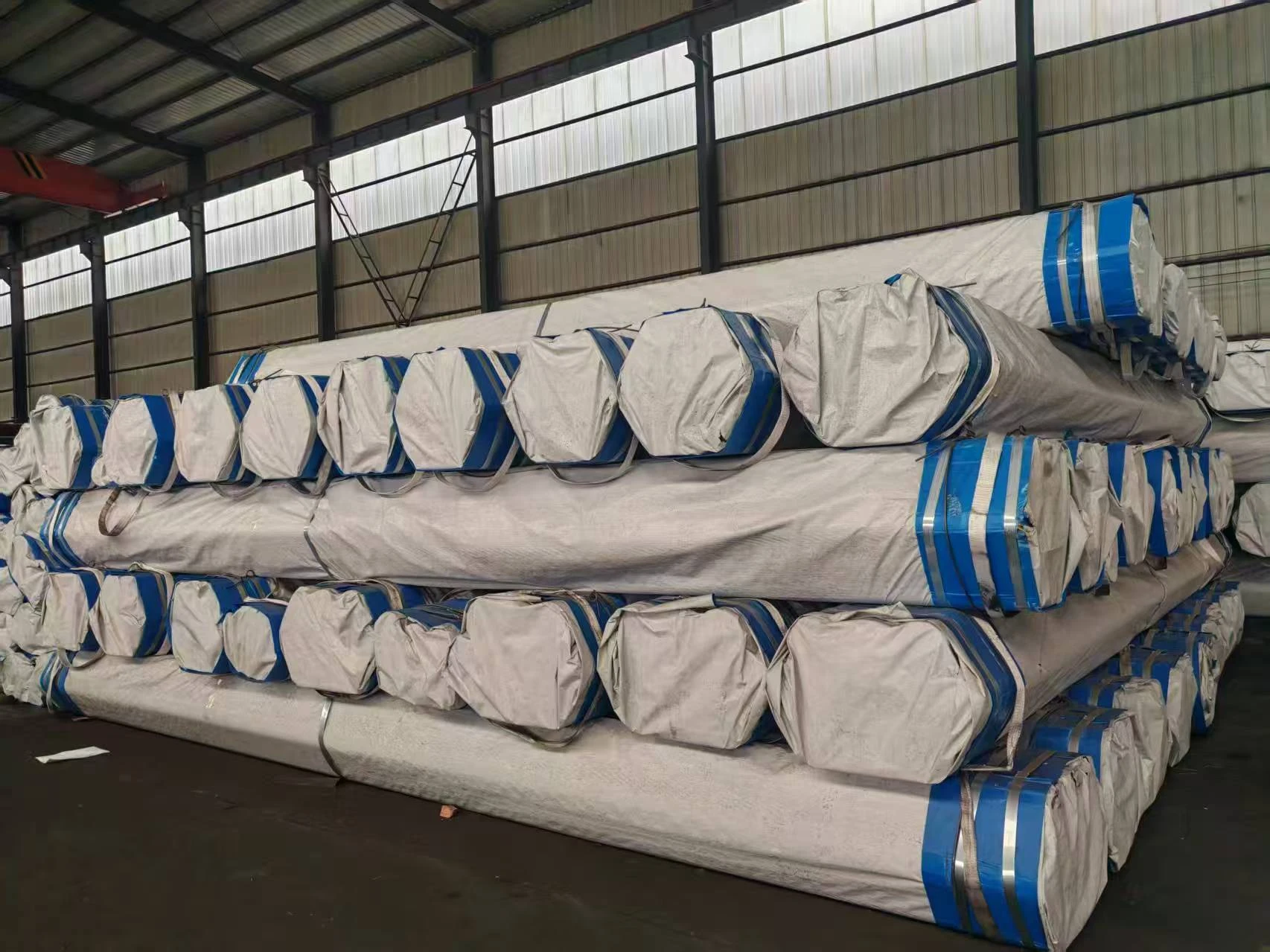
The application spectrum is pretty wide and impressive. Fast-moving energy sectors in the Middle East and Asia rely heavily on these pipes to build pipelines that move oil and natural gas for thousands of kilometers. Many plants in Europe and North America integrate ASTM A 106 seamless pipes into pressure vessels and boilers.
Thinking beyond energy, in remote industrial zones where maintenance is challenging and replacement costly, these pipes offer longevity and peace of mind. Oddly enough, some humanitarian aid programs use pipes meeting ASTM A 106 to set up temporary water distribution networks after natural disasters — their durability and heat tolerance make them more reliable than cheaper alternatives.
| Specification | Details |
|---|---|
| Grades Available | A, B, and C |
| Sizes | OD 0.5" to 24"+ |
| Wall Thickness | Schedule 10 to Schedule 160 |
| Max Operating Temp | ~450°C (842°F) |
| Material | Carbon Steel (Seamless) |
Mini Takeaway:
- ASTM A 106 pipes shine in large-scale energy and heavy industry worldwide.
- Their robustness makes them suitable even for emergency and remote applications.
Comparing Leading Vendors of ASTM A 106 Pipes
| Vendor | Certifications | Lead Time | Customization | Global Reach |
|---|---|---|---|---|
| SteelMasters Inc. | ISO 9001, API | 4-6 weeks | Full Custom specs | North America, Europe |
| PipeWorks Global | ISO 14001, ASTM | 6-8 weeks | Limited customization | Asia, Middle East |
| Global Pipes Ltd. | API, ISO 9001 | 3-5 weeks | Standard range only | Worldwide |
Advantages and Long-Term Value of ASTM A 106 Pipes
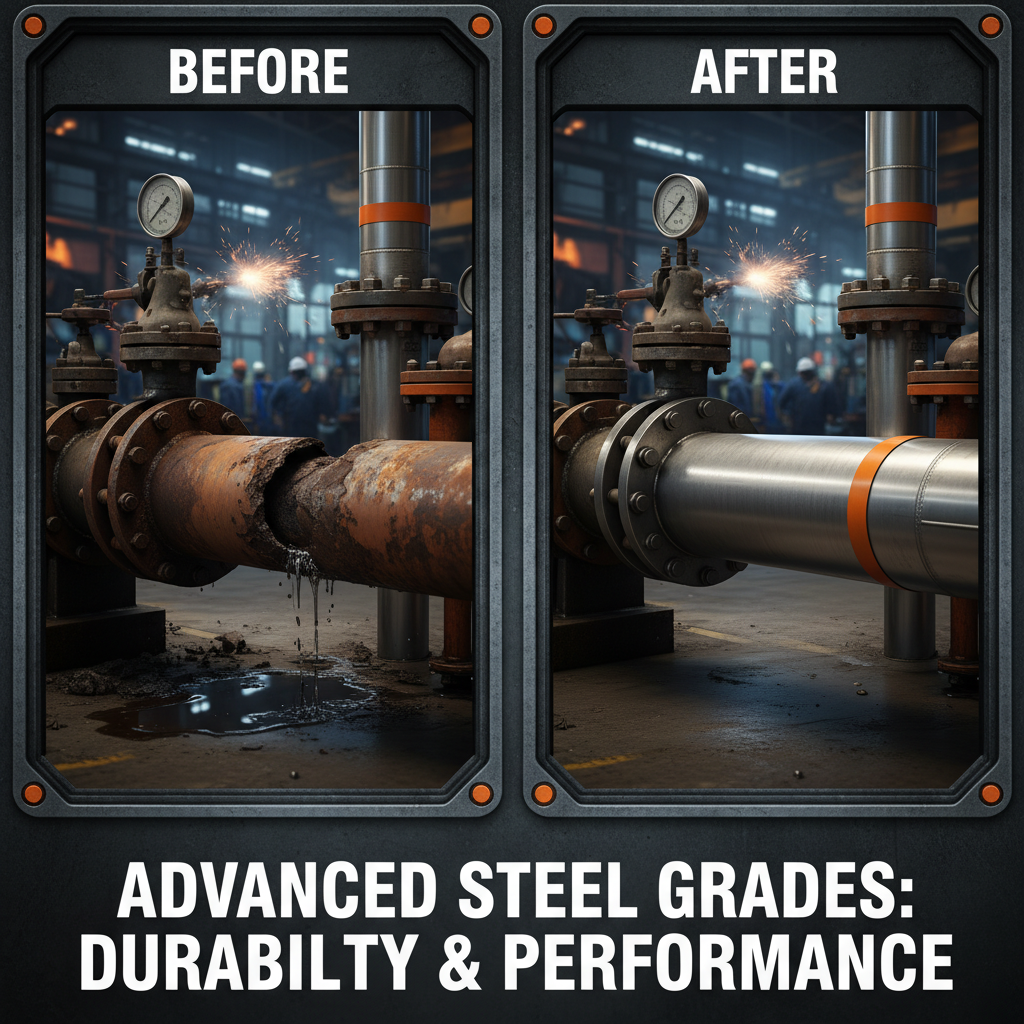
In practical terms, using ASTM A 106 pipe means fewer headaches down the line. The material consistency reduces surprises in the field — no unexpected cracks, no accelerated corrosion, no inconsistent weld behavior.
Cost-wise, investing in pipes that meet ASTM A 106 is a trade-off that pays off: fewer shutdowns, less rework, and higher confidence in meeting safety audits. And frankly, safety matters beyond numbers — it protects lives, preserves reputations, and builds trust with communities near infrastructure projects.
From a sustainability standpoint, these pipes’ longevity contributes to less frequent replacement, which means fewer raw materials consumed over decades. There’s a subtle but powerful social impact here — infrastructure that lasts supports economic stability and better quality of life.
Looking to the Future: Innovation Around ASTM A 106
The future of pipes under ASTM A 106 is intertwined with trends like digital quality control, enhanced steel alloys, and greener manufacturing practices. Researchers explore carbon steel variants with finer grain structures or added microalloying elements to push strength limits without boosting costs. Automation in pipe fabrication means improved weld precision and defect detection, making failure even less likely.
On the policy front, global moves towards sustainability are encouraging manufacturers to reduce emissions related to pipe production and offer better recycling programs. In some regions, smart piping systems with embedded sensors — using ASTM A 106 pipes as the physical backbone — are emerging, merging traditional materials with Industry 4.0 capabilities.
Challenges and Solutions in ASTM A 106 Usage
Even with its benefits, ASTM A 106 pipes aren’t a silver bullet. Challenges include susceptibility to certain corrosion types when exposed to harsh chemicals, and limited use in very low-temperature environments. Another practical hurdle is the supply chain bottleneck — securing certified ASTM A 106 pipes can sometimes be delayed by raw material shortages or international shipping issues.
Experts recommend protective coatings or cathodic protection systems to counteract corrosion risks. Plus, alternate grades or complementary standards might be selected when temperature or chemical exposure exceed ASTM A 106’s designed limits.
For the supply chain, forward planning with trusted vendors, and considering regional sourcing where possible, helps minimize operational disruptions.
FAQs: Your Burning Questions About ASTM A 106
- What distinguishes ASTM A 106 from other pipe standards?
- ASTM A 106 focuses on seamless carbon steel pipes for high-temperature service, offering superior strength and heat resistance compared to welded or lower-spec pipes. It is widely accepted for critical applications where safety and longevity are key.
- Can ASTM A 106 pipes be used in corrosive chemical environments?
- Generally, it depends. ASTM A 106 pipes are not inherently corrosion-resistant to all chemicals, so additional coatings or specific alloys may be necessary for harsh environments.
- How do I verify a vendor’s pipes meet ASTM A 106 standards?
- Request mill test reports (MTRs) or certificates of compliance specifying ASTM A 106 conformity. Reliable vendors will provide detailed documentation and certifications.
- Are there size limitations for ASTM A 106 pipes?
- ASTM A 106 covers sizes from about 0.5 inch outside diameter to over 24 inches, offering a wide range for diverse industrial needs.
- Is ASTM A 106 suitable for low-temperature or cryogenic applications?
- Not typically. For very low temperatures, other specifications that address brittleness concerns are recommended.
Wrapping It Up: The Long-Term Payoff of ASTM A 106 Pipes
In summary, ASTM A 106 is far more than a dry technicality. It’s a global cornerstone enabling safer, more efficient, and more sustainable infrastructure worldwide. Whether you’re in oil and gas, chemical processing, or emergency water systems after a disaster, this specification underpins confidence. And in a world where infrastructure quality often translates directly into social impact, that’s a payoff well worth investing in.
If you’re considering your next big project and want reliable pipes that meet rigorous standards, visit our website to explore top ASTM A 106 products and vendors with proven global track records.
References
Post time: Nov . 30, 2025 16:55
 English
  Arabic
  Bengali
  China
China  French
  German
  Hausa
Hausa  Indonesian
  Italian
  Japanese
  Javanese
  Malay
Malay  Persian
  Portuguese
  Punjabi
  Russian
  Spanish
  Swahili
  Telugu
  Vietnamese