

Understanding A106 Pipe: The Unsung Hero of Industrial Piping
The a106 pipe might sound like industry jargon, but in reality, it plays a massive role in energy transport, infrastructure, and even humanitarian aid worldwide. Why does it matter so much? Because without reliable pipework — like the a106 seamless carbon steel pipe — our global economy would literally slow down. From oil refineries to thermal power plants, this pipe is the quiet workhorse. Knowing its benefits and applications helps engineers, purchasing managers, and even project planners make smarter decisions — especially when long-term safety and efficiency are on the line.
A Snapshot: Why the World Depends on Reliable Pipes
Consider this: according to the International Energy Agency (IEA), more than 40% of the world’s energy infrastructure depends on robust pipeline systems for transportation and processing. That means pipes like the a106 pipe are more than metal tubes; they’re the veins of global industry. Yet, challenges like corrosion, pressure inconsistencies, and material fatigue persist — which is why standards and specifications matter.
Mini takeaway: The a106 pipe is central to global infrastructure, helping industries deliver vital resources efficiently and safely.
What Exactly Is an A106 Pipe?
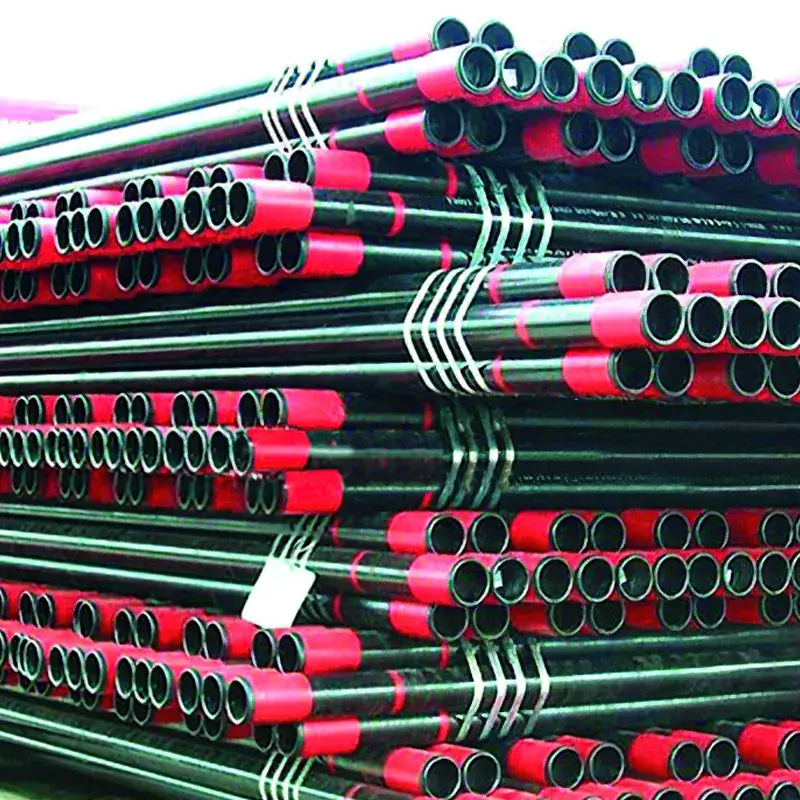
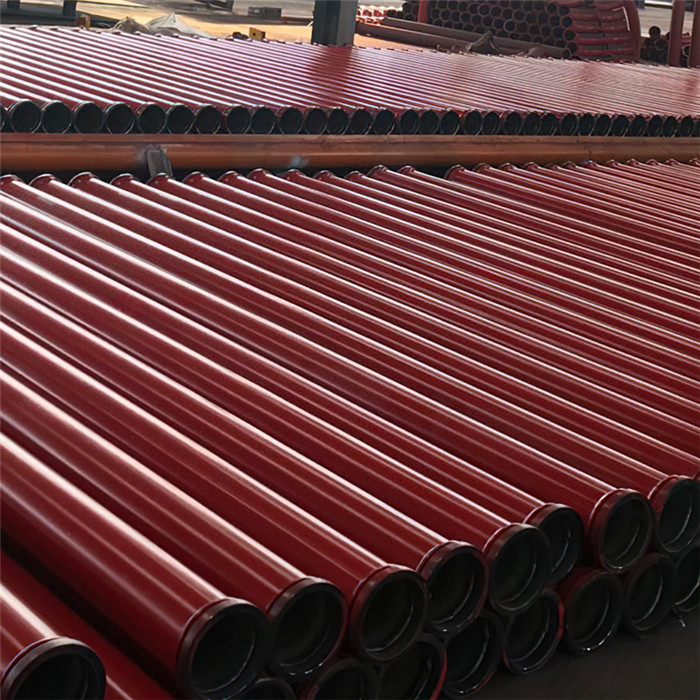
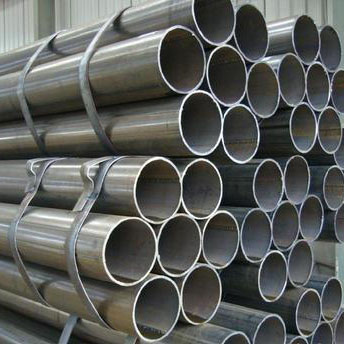
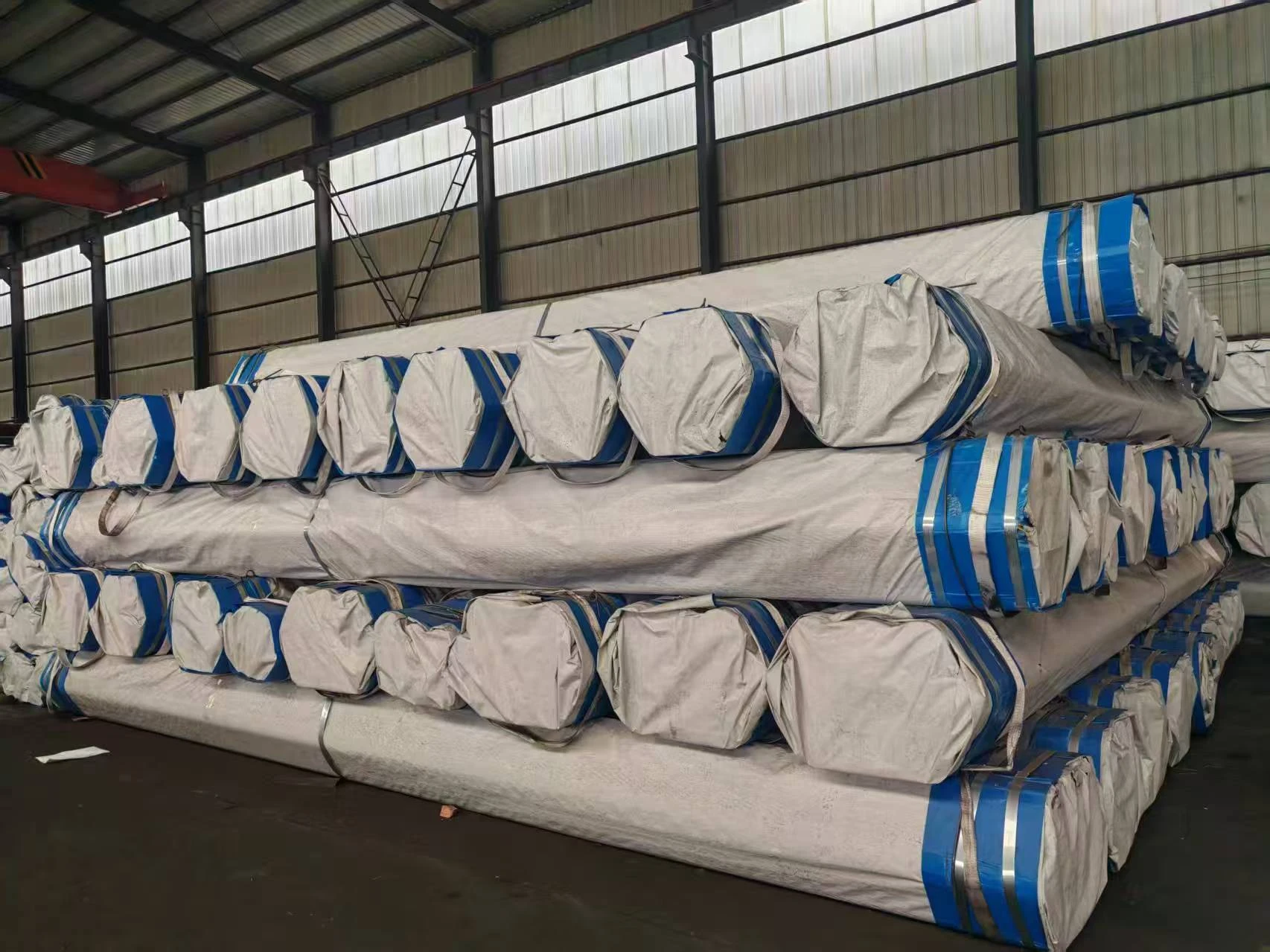
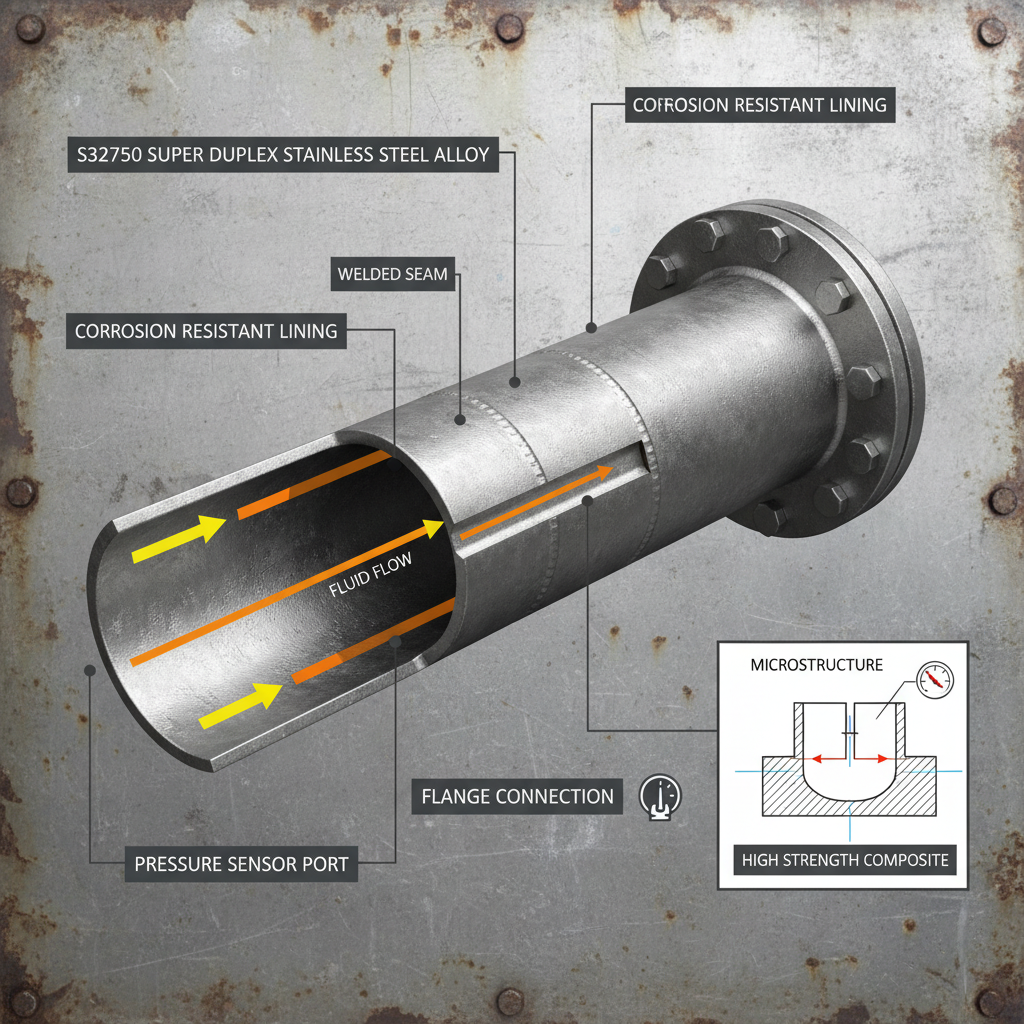
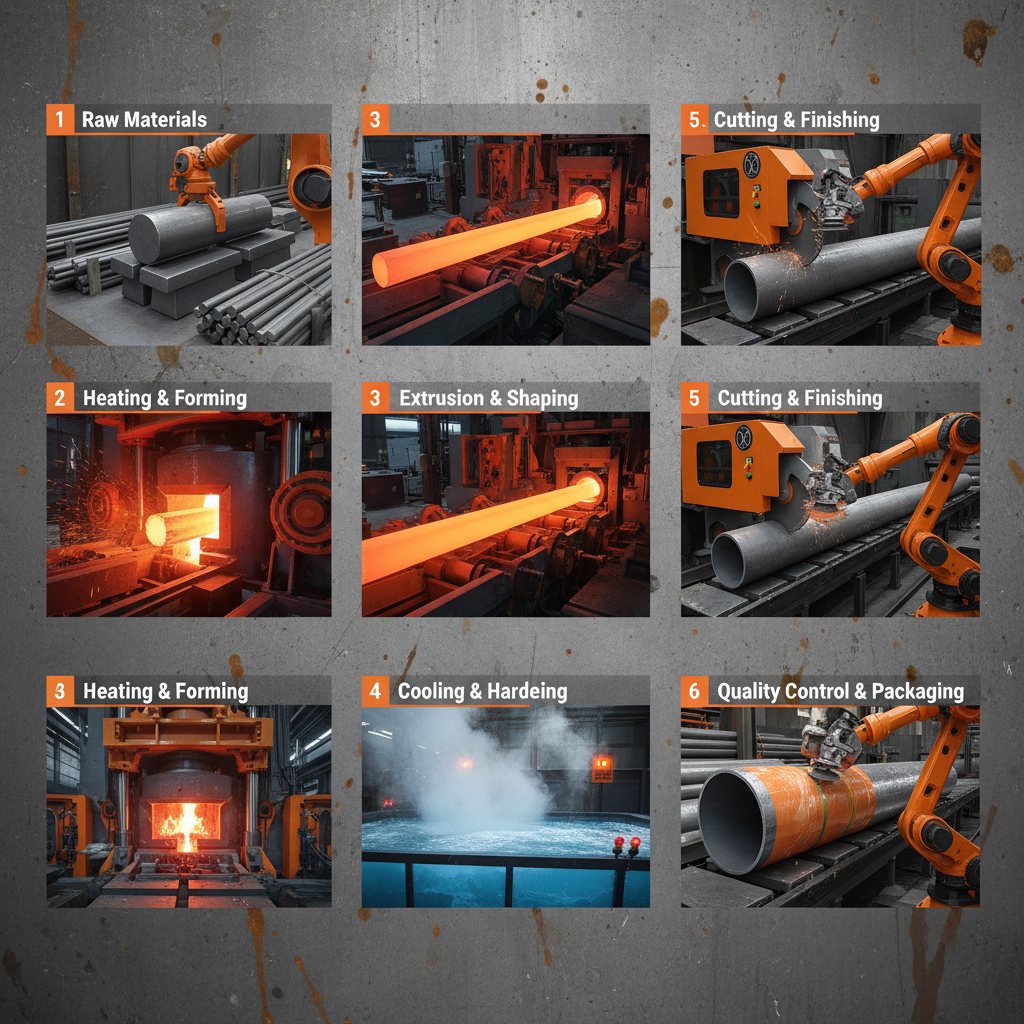
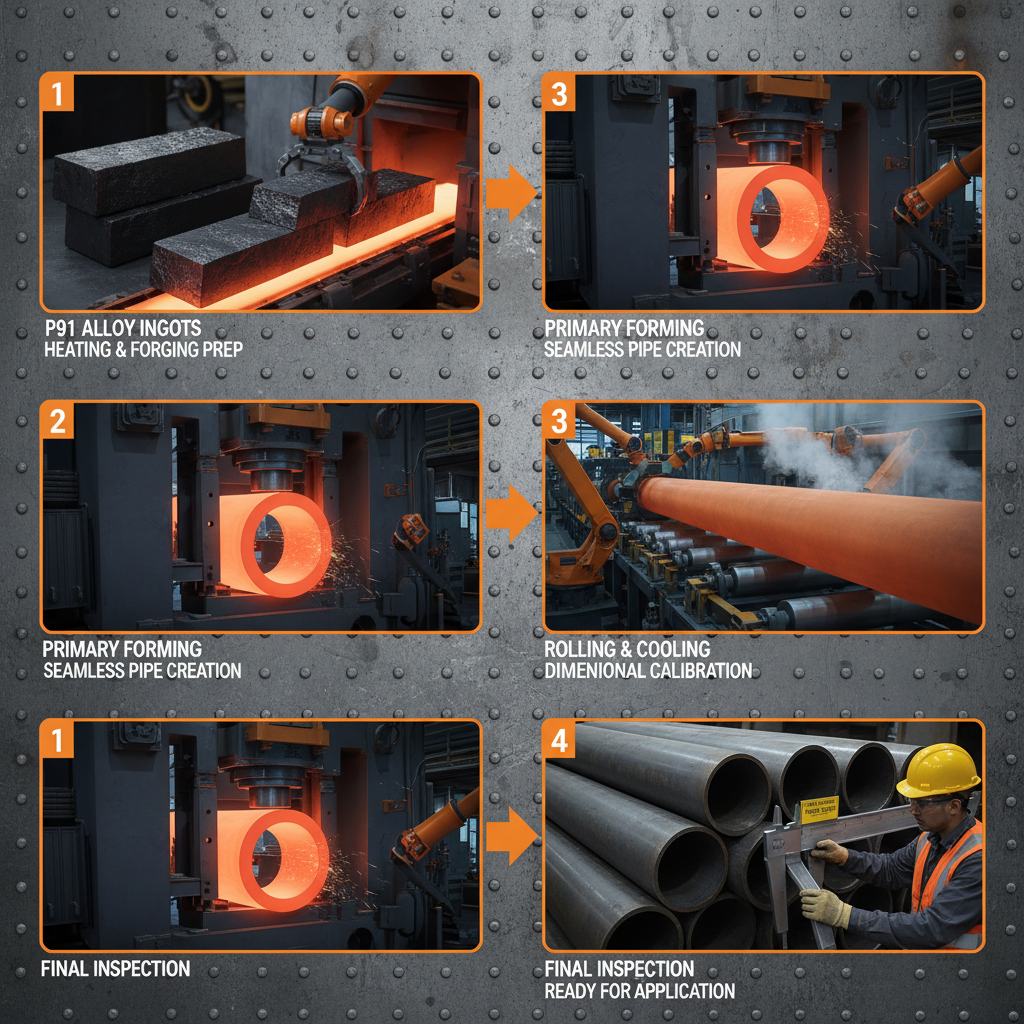
For starters, a106 pipe refers to a specification set by ASTM (American Society for Testing and Materials) for seamless carbon steel pipes intended for high-temperature service. Simply put, these pipes are forged without welds and engineered to transport fluids and gases at high pressures and temperatures. This seamless design means fewer weak points—which translates to better durability under demanding conditions.
Industries from petrochemical giants to power generation plants rely on A106 because it conforms to rigorous mechanical and chemical properties. In humanitarian contexts too, such as building remote energy or water systems, using sturdy piping like a106 ensures long-lasting infrastructure where resources and repairs are scarce.
Mini takeaway: A106 pipe stands for a specific steel pipe grade defined for harsh and hot operating environments, essential in heavy-duty industries worldwide.
Core Features That Make A106 Pipes Worth Choosing
1. Durability Under Pressure and Heat
A key selling point is how A106 pipes endure elevated temperatures up to 750°F and still maintain structural integrity. This is thanks to their seamless design plus carefully controlled chemical compositions (mostly carbon and manganese with trace elements). So, when the refinery heats up, the pipes don’t simply give up.
2. Versatile Size Range
A106 pipes come in varied diameters and thicknesses, allowing flexibility whether you’re dealing with small-scale fluid delivery or massive pipeline networks. They’re produced in three grades (A, B, and C), each with slightly different tolerances adapting to pressure and temperature needs.
3. Corrosion Resistance
While not stainless steel, the A106 pipe’s composition and heat treatments enhance its corrosion resistance in oil & gas environments, especially when paired with proper coatings or cathodic protection.
4. Cost Efficiency
Compared to alloy or stainless pipes, seamless carbon steel A106 pipes balance budget and performance intricately. Many engineers find it an affordable solution that doesn’t compromise safety on long-term projects.
5. Compliance & Testing Standards
Each pipe batch undergoes strict testing—hydrostatic, ultrasonic, and sometimes spectrometry—to ensure defect-free formation. This guarantees supply chain reliability and peace of mind for critical applications.
| Specification | Details |
|---|---|
| Material Type | Carbon Steel, Seamless |
| Grades | A, B, C (different tensile strengths) |
| Diameter Range | 1/8" - 48" nominal pipe size (NPS) |
| Operating Temp. | Up to 750°F (399°C) |
| Common Applications | Oil, gas, steam, water line transport |
| Testing | Hydrostatic test, non-destructive testing (NDT) |
Mini takeaway: A106 pipes are resilient, flexible, and standardized for industrial reliability at a reasonable cost.
Real-World Usage: How A106 Pipes Keep Industry Flowing
From sprawling Middle Eastern oil fields to remote hydroelectric plants in South America, a106 pipes are the backbone. Think of massive projects such as the Kazakhstan Caspian pipeline or Texas refineries — they rely on A106 seamless pipes to withstand high pressures and temperatures day in, day out.
Even NGOs involved in rebuilding infrastructure after natural disasters need reliable piping that can quickly integrate into temporary solutions — here, a106’s quick availability and durability are vital. Industrial zones, particularly those in Asia’s fast-growing economies, use these pipes extensively in chemical processing and thermal plants.
For instance, a client story from an Indian power plant mentioned how a106 pipe’s capacity to endure extended thermal cycles without warping saved them costly downtime. These pipes literally keep economies humming and provide the hidden safety net safety inspectors trust.
Mini takeaway: Whether in harsh deserts, humid rainforests, or urban centers, a106 pipes form the trusted veins of essential infrastructure.
Advantages & Long-Term Impact: Beyond Metal and Specs
- Cost Savings: By minimizing failures and maintenance needs, operators save hundreds of thousands overall.
- Sustainability: Longer pipe life reduces waste and the need for replacements, contributing to greener industrial practices.
- Safety & Trust: Reducing leak risks enhances worker protection and environmental compliance.
- Innovation Support: Compatibility with modern coatings and sensors fits the Industry 4.0 push.
- Societal Benefits: In developing regions, durable pipeline infrastructure supports clean water and energy access — essential for health and dignity.
In addition, many engineers remark on how having a trusted standard like A106 simplfies procurement and project planning — when things are uncertain, in real terms, you want something that simply works.
Glancing Ahead: Innovations in Pipe Technology
The future for A106 pipes is fascinating. New factory automation techniques mean pipes with fewer defects and improved mechanical properties. Additionally, smart coatings that resist corrosion for decades are becoming standard, cutting downtime even further.
Also, with rising emphasis on sustainability, hybrid piping systems that combine carbon steel with composite liners or sensors to monitor flow and strain online are gaining traction. The integration of Internet of Things (IoT) tech into piping infrastructure could revolutionize maintenance schedules — from reactive to predictive.
Plus, carbon footprint reporting standards are pressuring manufacturers to optimize raw materials and energy use — influencing future iterations of pipe specification too.
Tackling Challenges: What Holds A106 Pipes Back and How to Fix It
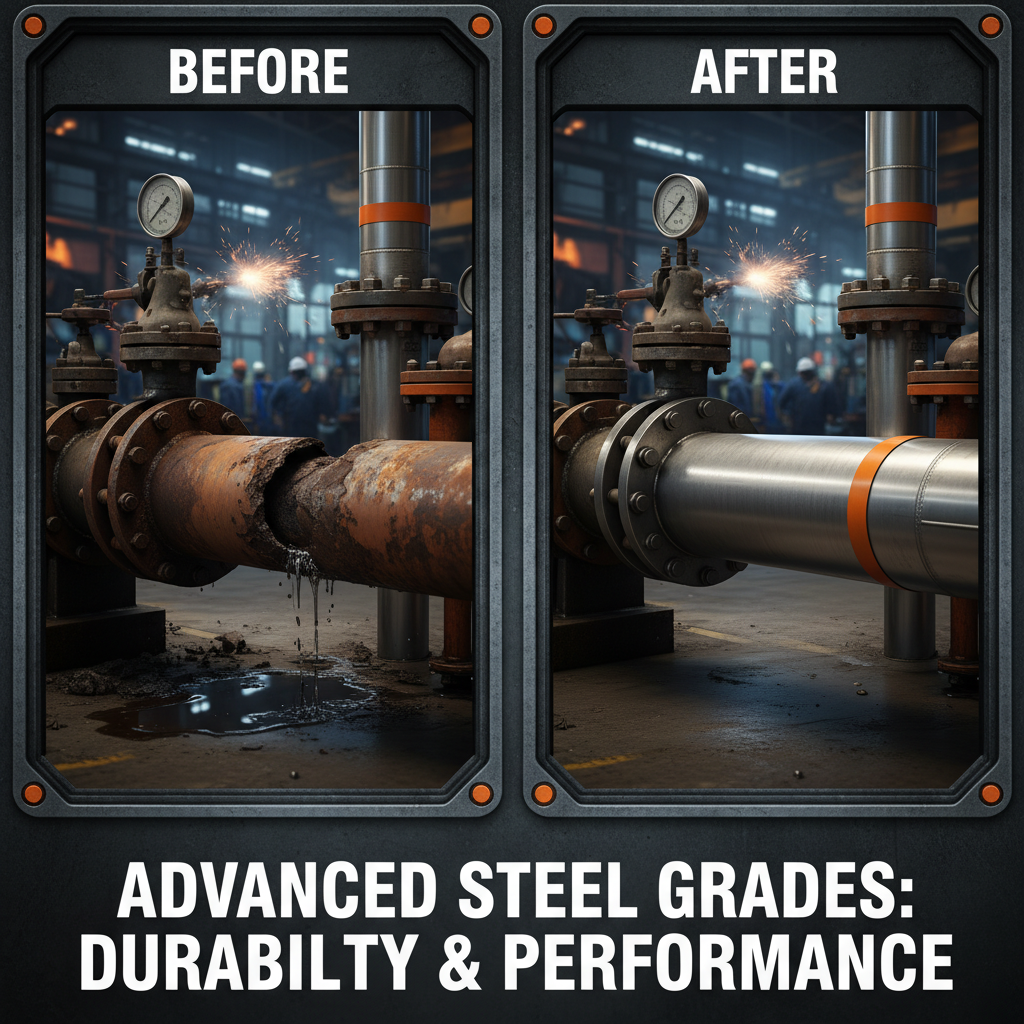
Despite its many strengths, A106 piping isn’t without drawbacks. Its carbon steel nature means it’s susceptible to pitting corrosion if not properly coated, especially in aggressive chemical environments. Also, welding these pipes requires skilled labor to avoid introducing weaknesses.
Experts recommend using high-quality coatings, cathodic protection, and precise welding protocols to mitigate these risks. Furthermore, ongoing research into surface treatments and alloy tweaks is promising for pushing the material limits further.
Vendor Comparison: Choosing the Right A106 Pipe Supplier
| Supplier | Quality Certifications | Price Range | Delivery Time | Special Services |
|---|---|---|---|---|
| Global Pipes Co. | ISO 9001, API 5L | $$ | 2-3 weeks | Custom lengths, pipe bending |
| Metallurgix Ltd. | ISO 14001, ASTM A106 Certified | $$$ | 1 week | Urgent delivery, in-house testing |
| SteelFlow Inc. | API 5L, ISO 9001, OHSAS | $ | 3-4 weeks | Technical support, piping design |
Frequently Asked Questions About A106 Pipe
Q1: What makes A106 pipe suitable for high-temperature applications?
A106 pipes are seamless carbon steel pipes designed with specific chemical and mechanical properties to withstand elevated temperatures—up to roughly 750°F. Their seamless structure avoids weld seams, which are common weak points in other pipes, ensuring reliability when used in steam, gas, or hot liquid transport.
Q2: Can A106 pipes be used in corrosive environments?
While they have decent resistance due to their carbon steel composition and heat treatment, A106 pipes generally require protective coatings or cathodic protection in highly corrosive settings. For extremely corrosive fluids, stainless steel or alloy pipes might be better alternatives.
Q3: How do I choose between Grade A, B, and C A106 pipes?
The grades relate primarily to tensile strength and toughness. Grade B is often preferred for its balance between strength and ductility. Grade C offers higher strength but is less ductile and harder to weld. Your choice depends on the mechanical demands of your project.
Q4: Are A106 pipes easy to customize or fabricate on site?
Yes, they can be cut, bent, or welded on site, but it requires skilled labor and proper equipment to maintain integrity. Many suppliers offer pre-customized lengths or shapes to simplify installation.
Q5: How does choosing A106 piping affect project costs?
Using A106 pipes generally lowers upfront costs versus alloys while maintaining performance for most high-temp projects. Additionally, their durability minimizes maintenance expenses, offering a good lifecycle cost balance.
Wrapping Up: The Heartbeat of Efficient Infrastructure
So, there you have it: the a106 pipe isn’t just another steel pipe. It’s a carefully standardized product designed to meet tough industrial demands around the globe. From massive oil pipelines to remote power plants, its seamless strength and thermal resistance keep energy and resources flowing reliably. By choosing the right specification and trusted supplier, you’re investing in infrastructure that’s safe, cost-effective, and built for tomorrow.
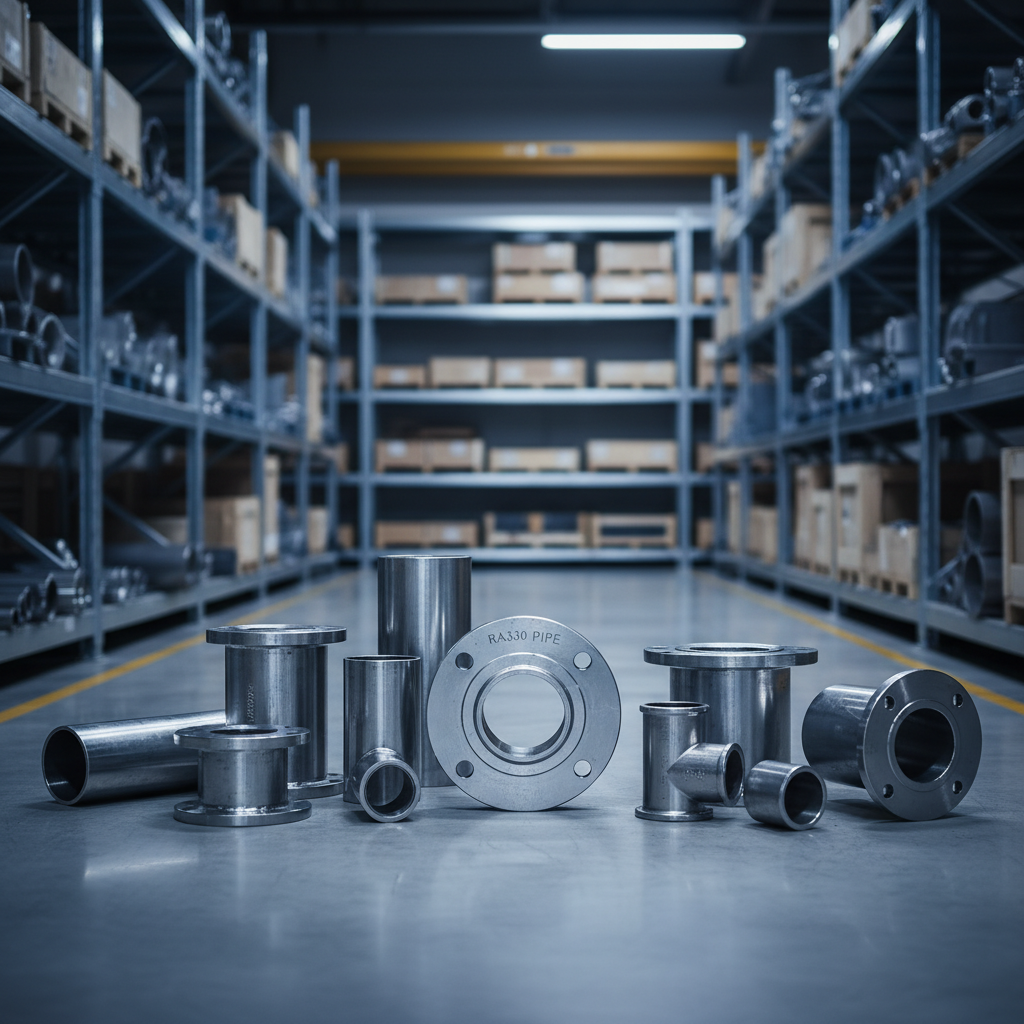
If you want to learn more or check current inventories, head over to https://www.world-steelmaterial.com — your go-to source for high-quality a106 pipes and technical support.
In the end, it’s crazy how something as unassuming as a steel pipe impacts so much of our daily lives...
References
Post time: Nov . 30, 2025 18:35
 English
  Arabic
  Bengali
  China
China  French
  German
  Hausa
Hausa  Indonesian
  Italian
  Japanese
  Javanese
  Malay
Malay  Persian
  Portuguese
  Punjabi
  Russian
  Spanish
  Swahili
  Telugu
  Vietnamese