

Understanding SA 106 Gr B: A Critical Steel Grade in Global Industry
If you've ever dabbled in industrial materials or construction, chances are you've bumped into the term SA 106 Gr B. But what is it exactly, and why does it matter, not just locally but across the globe? Simply put, SA 106 Gr B is a high-temperature carbon steel pipe specification that's a workhorse in the oil and gas, power generation, and petrochemical industries worldwide. Understanding this material helps engineers, project planners, and supply chain pros ensure safety, durability, and efficiency across demanding operations.
In a world rushing towards industrial growth and sustainable energy infrastructure, the reliability of materials like SA 106 Gr B plays a pivotal role. It’s not just about steel pipes — it’s about trust and endurance in the systems societies depend on daily.
The Global Landscape: Why SA 106 Gr B Remains Indispensable
It might surprise some that steel production and specifications like SA 106 Gr B have a direct bearing on global economic stability. The International Organization for Standardization (ISO) and World Steel Association data confirm the steady growth in demand for high-grade carbon steel piping, closely tied to expanding energy infrastructure projects in Asia, Middle East, and North America.
Meanwhile, United Nations energy reports highlight ongoing challenges in pipeline safety and efficiency — here, the choice of material, including SA 106 Gr B, can be a matter of environmental protection as much as cost savings. The problem? Corrosion resistance, temperature tolerance, and weldability demands often conflict in many steel grades. SA 106 Gr B addresses these challenges head-on, offering a balanced solution suitable for critical high-pressure and high-temperature systems.
Mini takeaway: SA 106 Gr B’s blend of mechanical properties and chemical composition makes it a kind of Swiss Army knife for industrial piping worldwide.
What Exactly Is SA 106 Gr B?
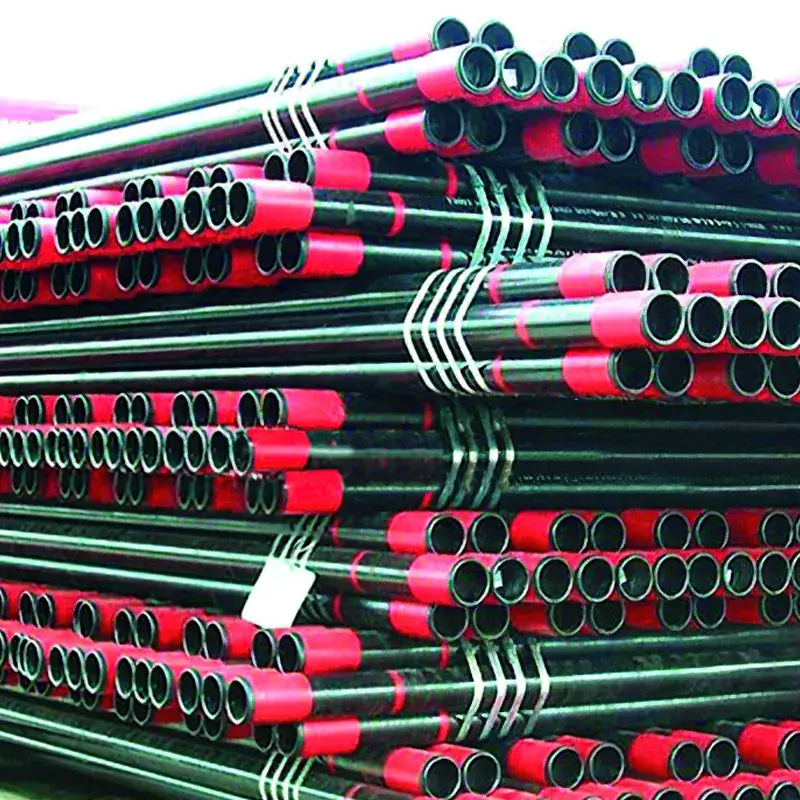
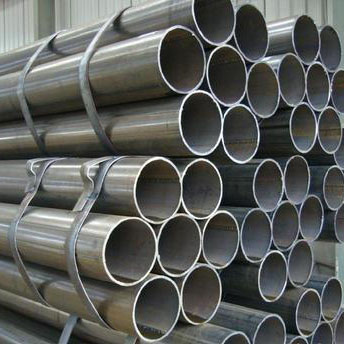
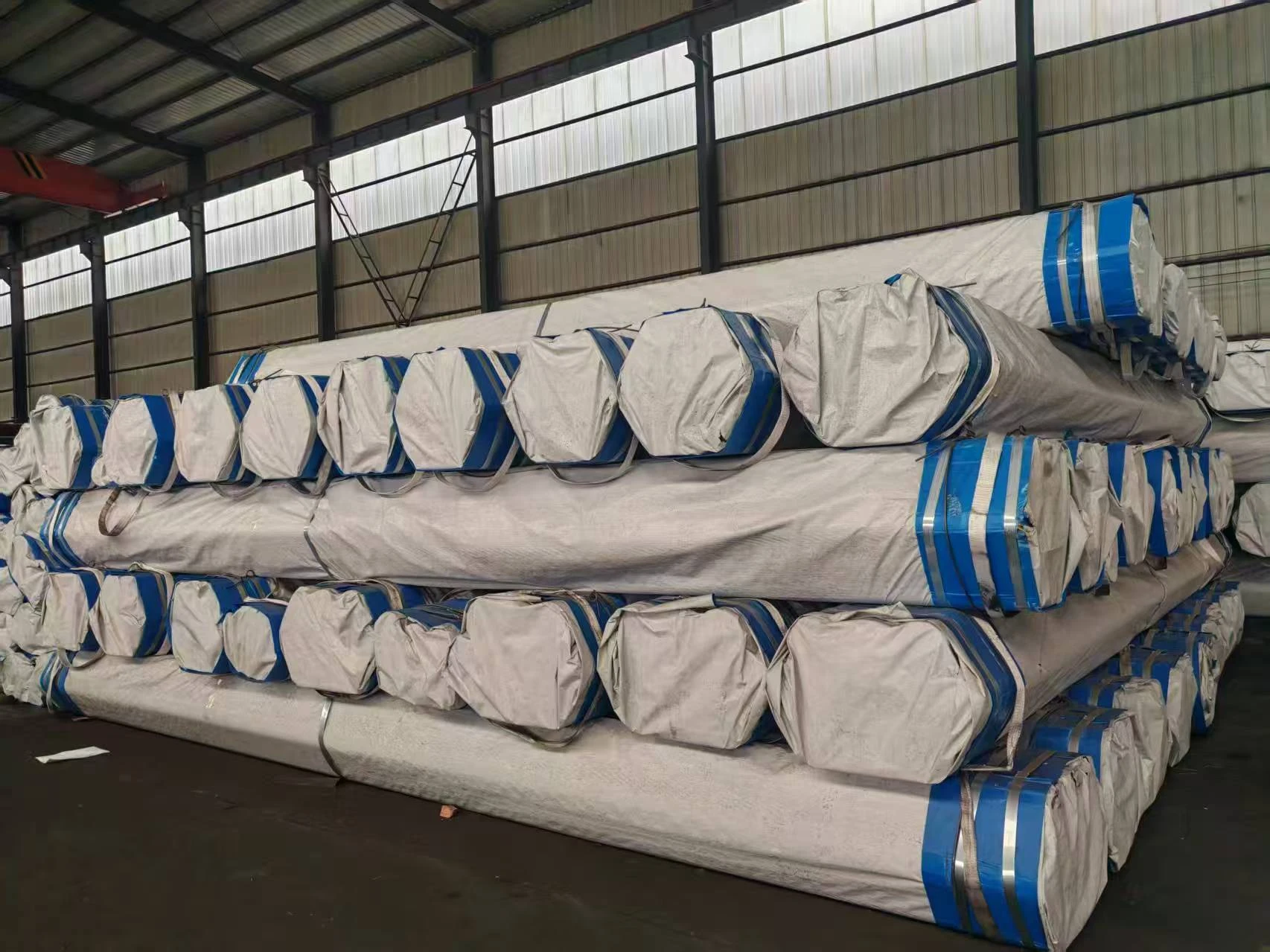
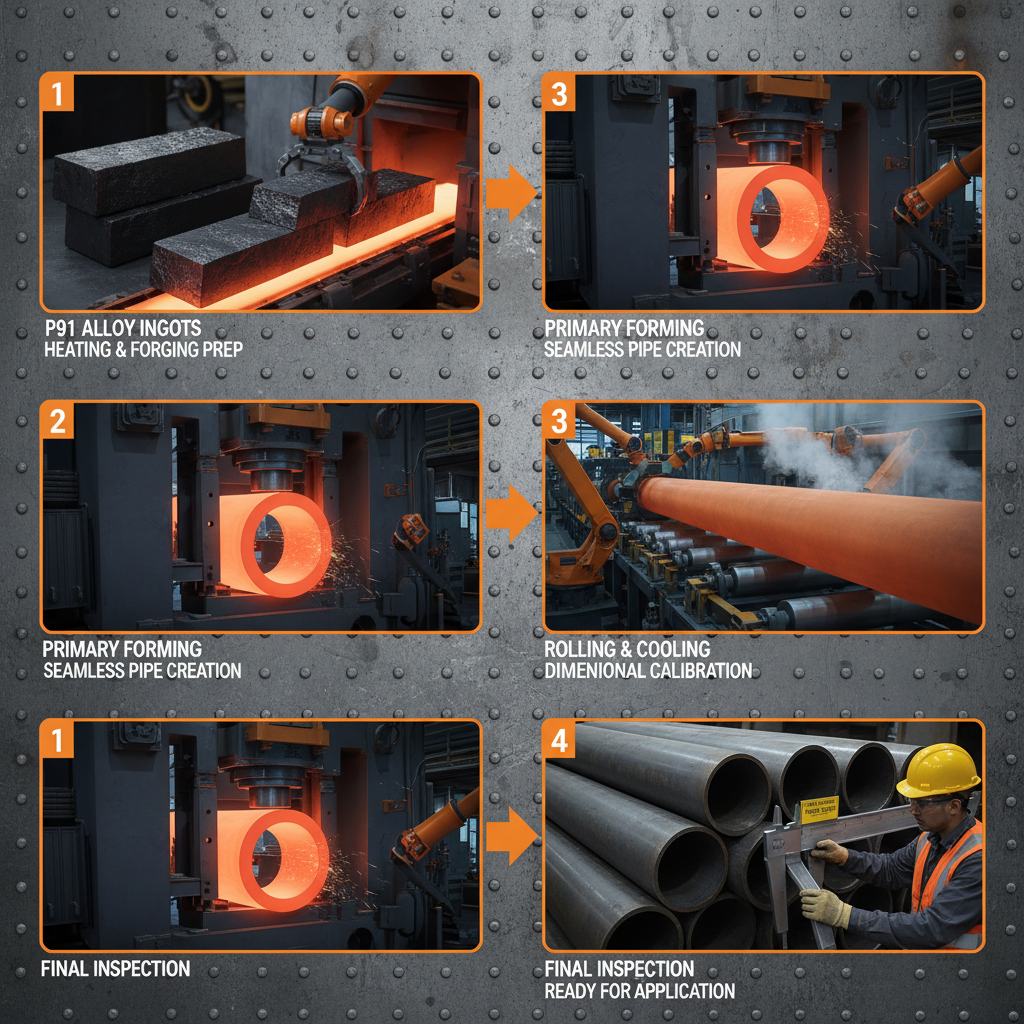
SA 106 Gr B is a specification defined under ASTM standards for seamless carbon steel pipes intended primarily for high-temperature service. Breaking that down, it’s a type of steel pipe — seamless to avoid weak points — designed to operate under heat, pressure, and corrosive environments commonly found in refineries or power plants.
In practical terms, industries rely on this grade because it ticks boxes like safety, longevity, working temperature range (up to approximately 600°C), and weld compatibility. It’s not just about strength; it’s about how the material behaves under stress and over time.
Humanitarian efforts too, such as delivering reliable infrastructure in remote or disaster-affected areas, benefit from materials that combine availability with versatility — and SA 106 Gr B pipes fit that bill.
Key Components Making SA 106 Gr B Stand Out
1. Durability
The carbon steel used ensures good resistance to cracking and fatigue — necessary features when the pipes carry volatile fluids under fluctuating pressures.
2. Temperature Tolerance
Designed to handle temperatures up to 600°C (roughly 1100°F), SA 106 Gr B supports energy generation and chemical processes without degrading prematurely.
3. Chemical Composition
This grade contains controlled amounts of carbon, manganese, phosphorus, and sulfur— a recipe balancing strength and weldability.
4. Seamless Construction
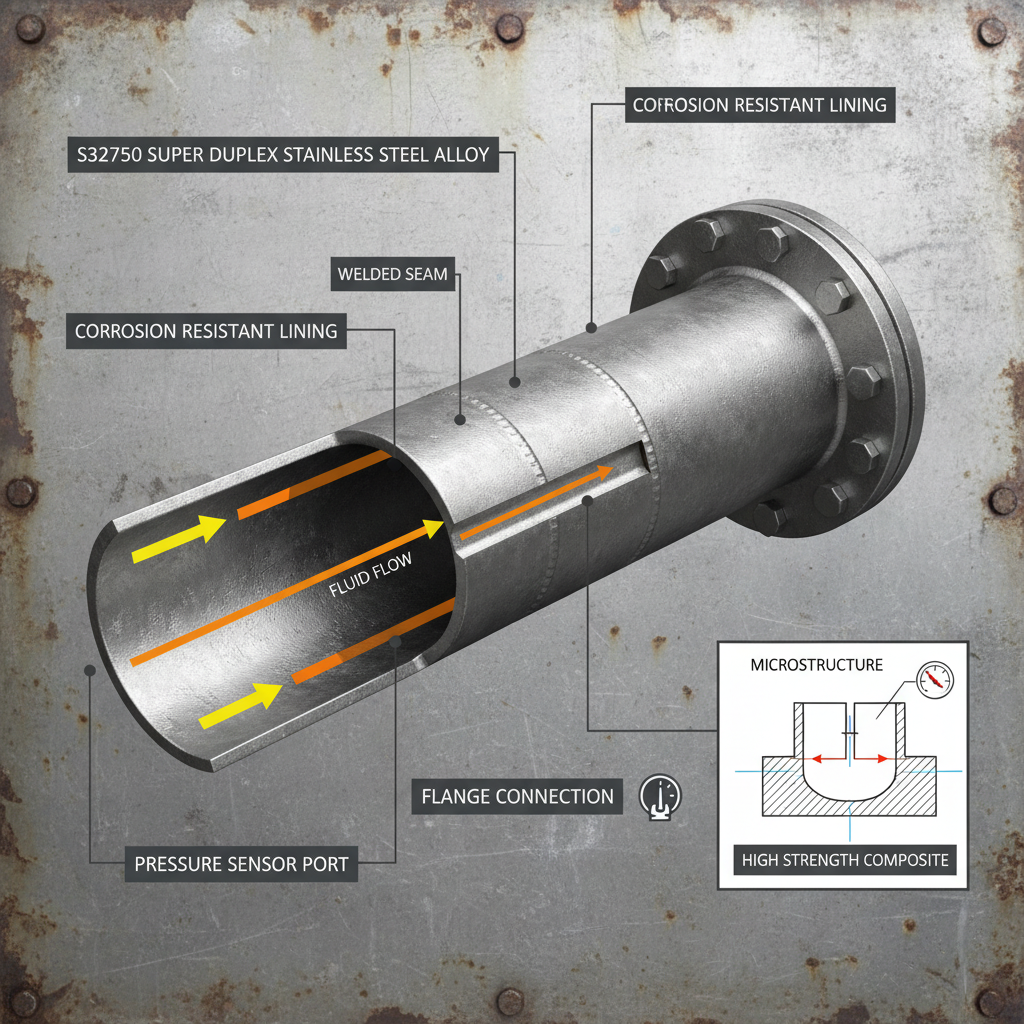
Unlike welded pipes, the seamless nature reduces weak points, minimizing failure risks during high-stress operations.
5. Fabrication and Welding Ease
Its mechanical properties ensure it can be welded and formed without additional pre- or post-heat treatments in many cases.
6. Corrosion Resistance (Moderate)
Though it’s a carbon steel grade and not stainless, its properties allow moderate resistance when properly maintained or coated.
| Property | Value | Unit |
|---|---|---|
| Carbon content (max) | 0.30 | % |
| Tensile Strength | 415 Min | MPa |
| Yield Strength | 240 Min | MPa |
| Operating Temperature | Up to 600 | °C |
| Pipe Type | Seamless |
Where SA 106 Gr B Pipes Make a Difference Globally
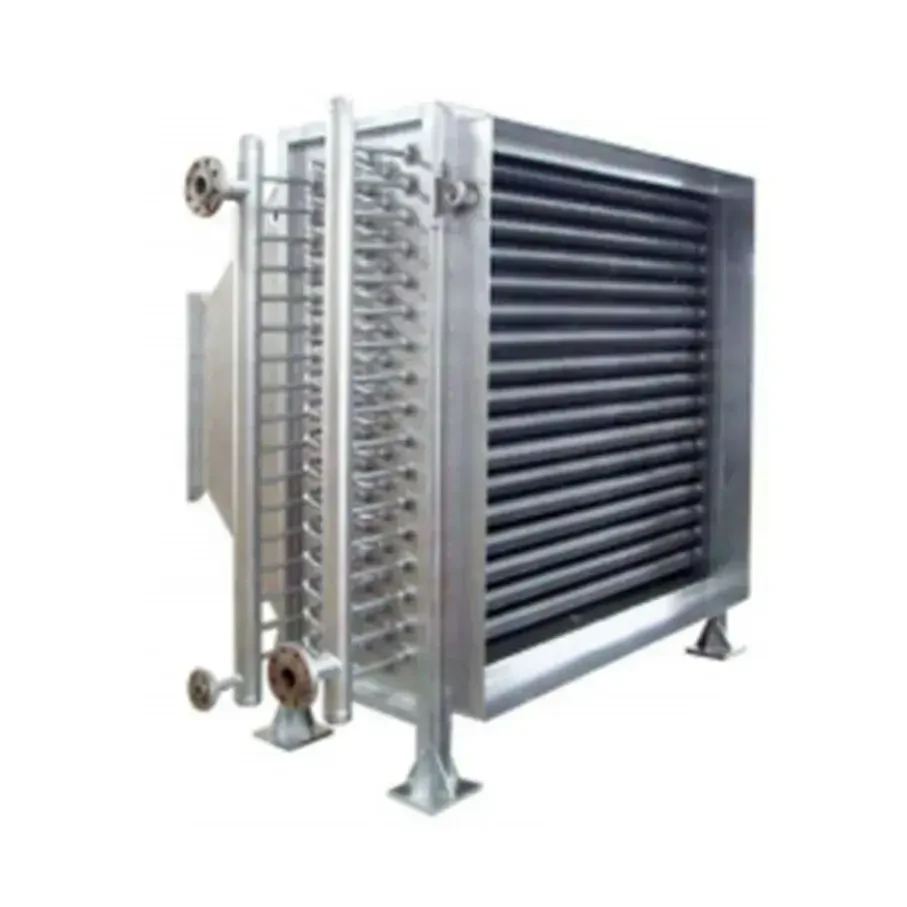
From Saudi Arabia’s sprawling oil fields to power plants in the American Midwest, SA 106 Gr B finds purpose. Industrial plants needing dependable heat transfer equipment use these pipes broadly.
- Oil & Gas Industry: Critical for natural gas transportation and refining operations.
- Power Utilities: Steam power plants rely on SA 106 Gr B for boilers and heat exchangers.
- Chemical Plants: Used in high-temperature corrosive processing lines where safety is paramount.
- Infrastructure Projects: In developing or disaster-affected regions, SA 106 Gr B supports rebuilding energy and water delivery systems.
Oddly enough, many engineers in remote industrial zones praise SA 106 Gr B for its consistent performance even when environmental control is minimal.
Mini takeaway: This steel grade’s versatility lets it bridge gaps between cutting-edge technology and rugged, real-world field demands.
Advantages & The Long-Term Value of SA 106 Gr B
When a pipeline fails, it risks not just dollars but environmental damage and lives. Using SA 106 Gr B provides peace of mind with these tangible benefits:
- Cost Efficiency: Long life reduces replacement frequency, lowering overall CAPEX.
- Sustainability: Less maintenance means less downtime and waste.
- Trust & Safety: Proven mechanical properties enhance compliance with safety regulations.
- Social Impact: Supporting stable energy delivery and industrial processes fuels economic growth globally.
And from the emotional viewpoint, it feels good to know that the infrastructure you build on won’t just collapse after a few years — there’s something about reliability that inspires confidence.
Emerging Trends & Innovations Around SA 106 Gr B
The industry isn’t standing still. Smart coatings aimed at dramatically extending service life and corrosion resistance are now compatible with SA 106 Gr B. Meanwhile, advanced computational modeling helps pipe designers simulate wear and stress with precision, reducing over-engineering and costs.
Green energy pushes are also reshaping the market. From hydrogen transport readiness to compatibility with biofuels, manufacturers tweak the chemistry and treatments applied to these pipes.
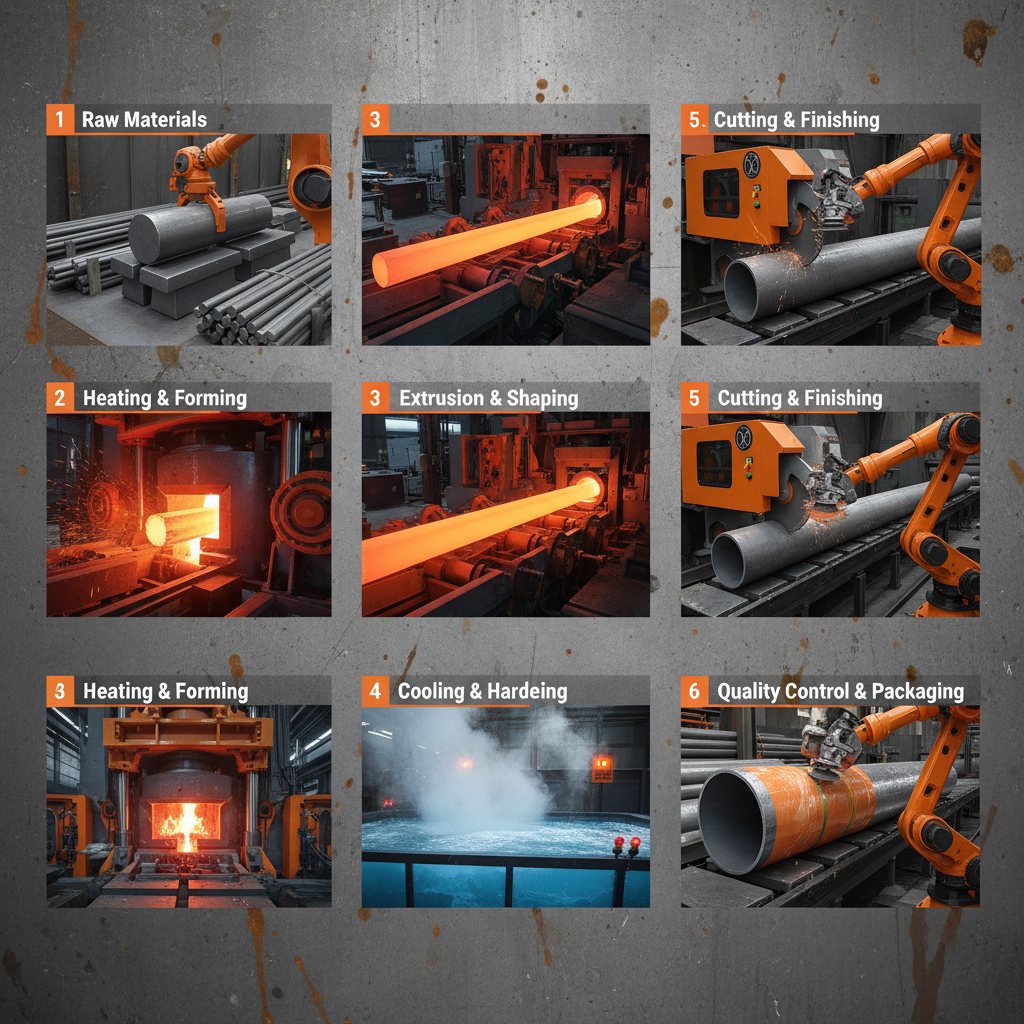
Automation in fabrication plants promises higher precision and shorter lead times, which in turn means less waiting and more reliable supply chains.
Challenges & Smart Solutions
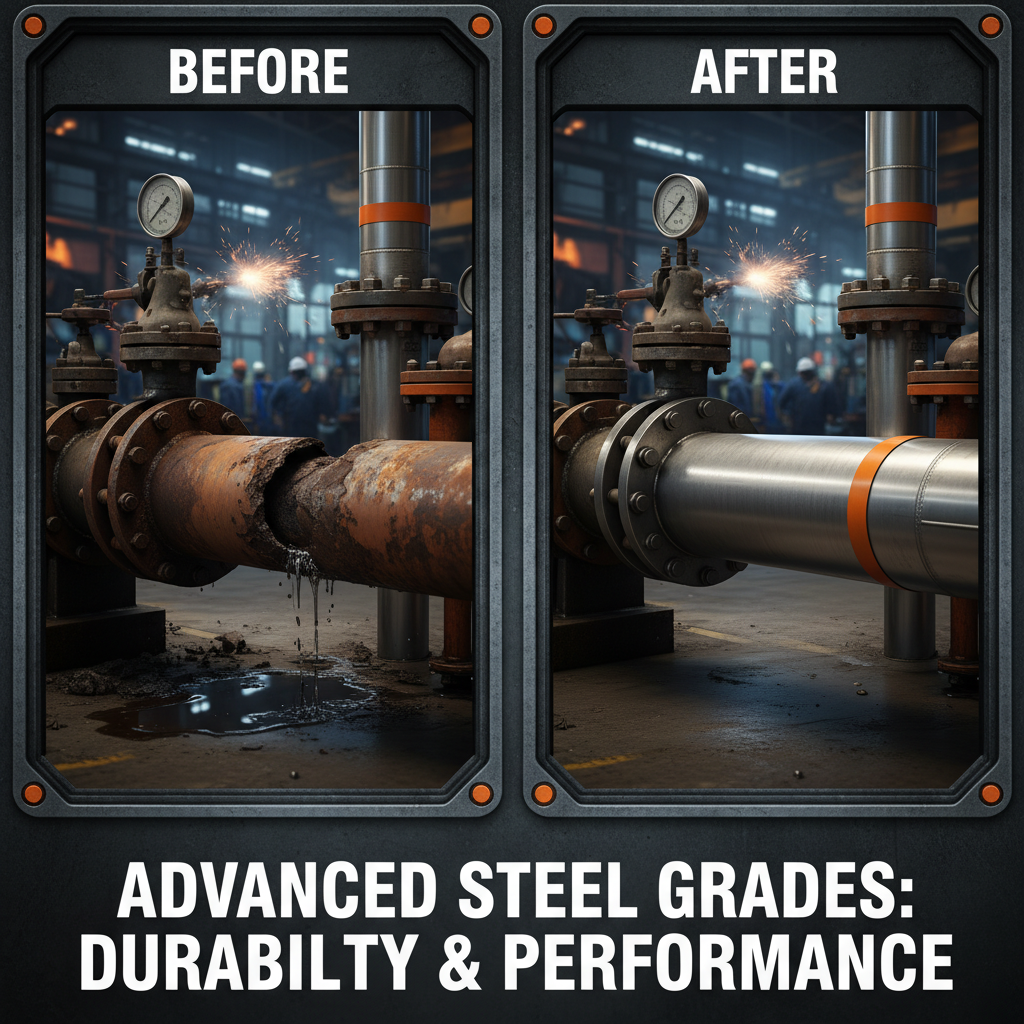
No material is perfect. SA 106 Gr B, being carbon steel, faces corrosion risks if not adequately protected. Its maximum operating temperature can also pose limits in the ever-growing demand for super-heated environments.
The solution? Proper surface treatments, coatings, and regular inspection regimes are critical. Sometimes upgrading to specialized alloys or duplex stainless steels makes sense, but cost-wise, SA 106 Gr B remains a sweet spot for many projects.
Many suppliers now bundle pipes with targeted maintenance plans or digital monitoring to catch issues early — an approach that’s seeing greater adoption.
FAQ: Common Questions About SA 106 Gr B
- What applications is SA 106 Gr B best suited for?
- Primarily, it’s used in high-temperature, high-pressure service like oil refineries, power plants, and chemical processing units. Its seamless construction ensures good structural integrity.
- Can SA 106 Gr B pipes be welded easily?
- Yes, one of the advantages is its good weldability without extensive pre-heating in many cases, making on-site fabrication faster and safer.
- How long does SA 106 Gr B typically last in service?
- With proper maintenance and coating, these pipes can last decades in typical industrial environments. However, exact service life depends on operational conditions.
- Is SA 106 Gr B suitable for importing into international projects?
- Definitely. Since it conforms to international standards (ASTM), it’s widely accepted across borders, though always check local regulations and certifications.
- How does SA 106 Gr B compare to other steel grades?
- Compared to cheaper carbon steels, it offers better temperature resistance and durability. Versus stainless or alloy steels, it is more cost-effective but less corrosion-resistant.
Conclusion: Why SA 106 Gr B Still Deserves the Spotlight
In the whirlwind of steel grades and materials, SA 106 Gr B keeps a steady presence — a reliable, cost-effective, and versatile choice for piping in some of the world's most demanding industrial environments. Its balance of mechanical properties, fabricability, and availability makes it indispensable for engineers and planners aiming to build infrastructure that lasts.
For those curious to explore or source SA 106 Gr B pipes, I suggest visiting the comprehensive supplier network at www.world-steelmaterial.com where you can find detailed product info, vendor comparisons, and industry insights.
| Vendor | Country | Price Range (USD/ton) | Lead Time | Certifications | Strengths |
|---|---|---|---|---|---|
| SteelPro Industrial | USA | $1100 - $1300 | 2 weeks | ASTM, ISO 9001 | Fast delivery, extensive stock |
| Global Steel Hub | China | $900 - $1100 | 4 weeks | ISO 14001, ASTM | Competitive pricing, OEM services |
| EuroMetal Express | Germany | $1200 - $1400 | 3 weeks | EN 10216-2, ISO 9001 | High-quality control, premium product |
So, whether you’re building a high-pressure steam line in Kazakhstan or upgrading refinery piping in Texas, understanding and choosing the right SA 106 Gr B material can be the difference between smooth operations and costly delays.
References
Post time: Nov . 30, 2025 20:10
 English
  Arabic
  Bengali
  China
China  French
  German
  Hausa
Hausa  Indonesian
  Italian
  Japanese
  Javanese
  Malay
Malay  Persian
  Portuguese
  Punjabi
  Russian
  Spanish
  Swahili
  Telugu
  Vietnamese