Understanding A 106 GR B: Why It Matters Globally
If you’ve ever dabbled in the steel or oil industry, you’ve probably bumped into the term
a 106 gr b. It’s a standard specification that’s more than just letters and numbers—it’s a backbone material in pipelines and industrial applications worldwide. Why should you care? Because whether you’re managing infrastructure in booming urban centers or working on critical energy projects in remote areas, understanding this grade means knowing what holds those systems together safely, reliably, and efficiently.
Globally, industries like energy and construction demand materials that can withstand harsh conditions and high stress. According to ISO and ASTM standards, ensuring materials like a 106 grade B steel pipe meet precise criteria directly affects everything from environmental safety to operational uptime. The stakes are high. Failures can mean costly downtime or, worse, environmental catastrophes. So knowing the specs, the advantages, and where these pipes fit in the worldwide puzzle is vital.
Mini takeaway: A 106 GR B isn’t just a steel grade—it’s one of the unsung heroes keeping vital infrastructure running across the globe.
The Global Context: Why A 106 GR B Is Under the Spotlight
Steel manufacturing is one of the world’s largest industrial sectors. The World Steel Association reported global crude steel production exceeded 1.8 billion tonnes in recent years, underscoring the massive scale at which steel is produced and used.
1 Of this, manufacturing steel pipes to specific standards like
a 106 gr b addresses the critical need for robust transportation of fluids—like oil, water, and gas—that keep economies humming.
Yet, challenges persist. With growing population and energy needs, pipelines often face harsher conditions—extreme temperatures, pressures, and sometimes corrosive environments. Here, a 106 grade B pipe’s defined chemical and mechanical properties help tackle these challenges without sacrificing cost-effectiveness. It’s sort of the workhorse steel standard that balances performance and affordability.
What Exactly Is A 106 GR B?
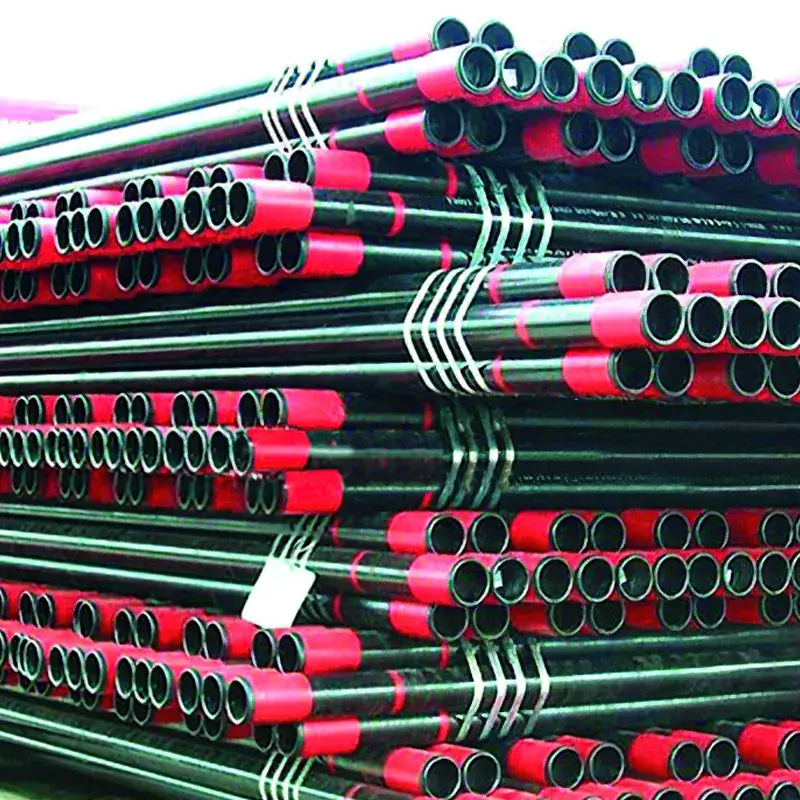
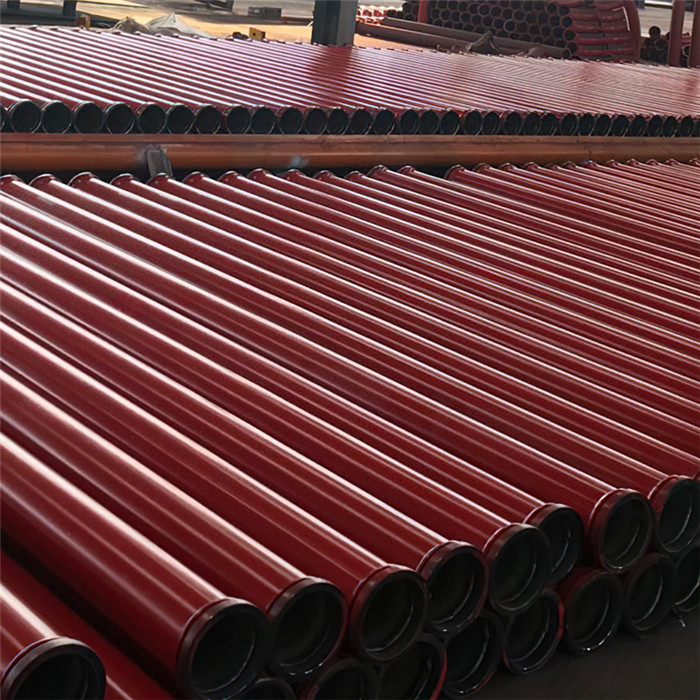
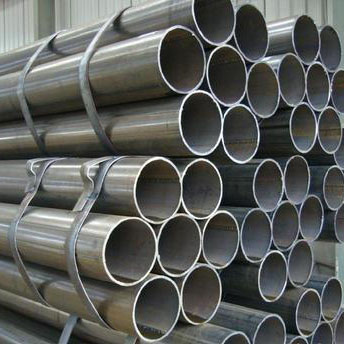
At its simplest, ASTM A106 Grade B represents a seamless carbon steel pipe standard primarily used for transporting fluids under high temperatures and pressures. The “Grade B” denotes a certain balance of chemical composition and mechanical properties within ASTM A106 specifications, ensuring pipes have guaranteed tensile strength and ductility.
It’s not just jargon. In real terms, a 106 grade B pipe is the choice when engineers need steel that can soldier through steam, water, and oil lines safely. It’s a material quietly supporting everything from refining plants to refineries and electric utility distribution.
Mini takeaway: A 106 GR B is the reliable “pipe steel” trusted by engineers for decades when pressure and temperature aren’t to be messed with.
Core Factors Behind A 106 GR B’s Popularity
1. Durability and Strength
A 106 GR B pipe is tested to ensure a minimum tensile strength of 60,000 psi and yield strength of at least 35,000 psi. That’s tough stuff, capable of resisting wear and tear—even in industrial environments with considerable thermal stress.
2. Temperature Resilience
These pipes perform reliably in high-temperature conditions, sometimes up to 450°C (roughly 840°F). This makes them ideal for steam and hot oil transport without losing integrity.
3. Seamless Construction
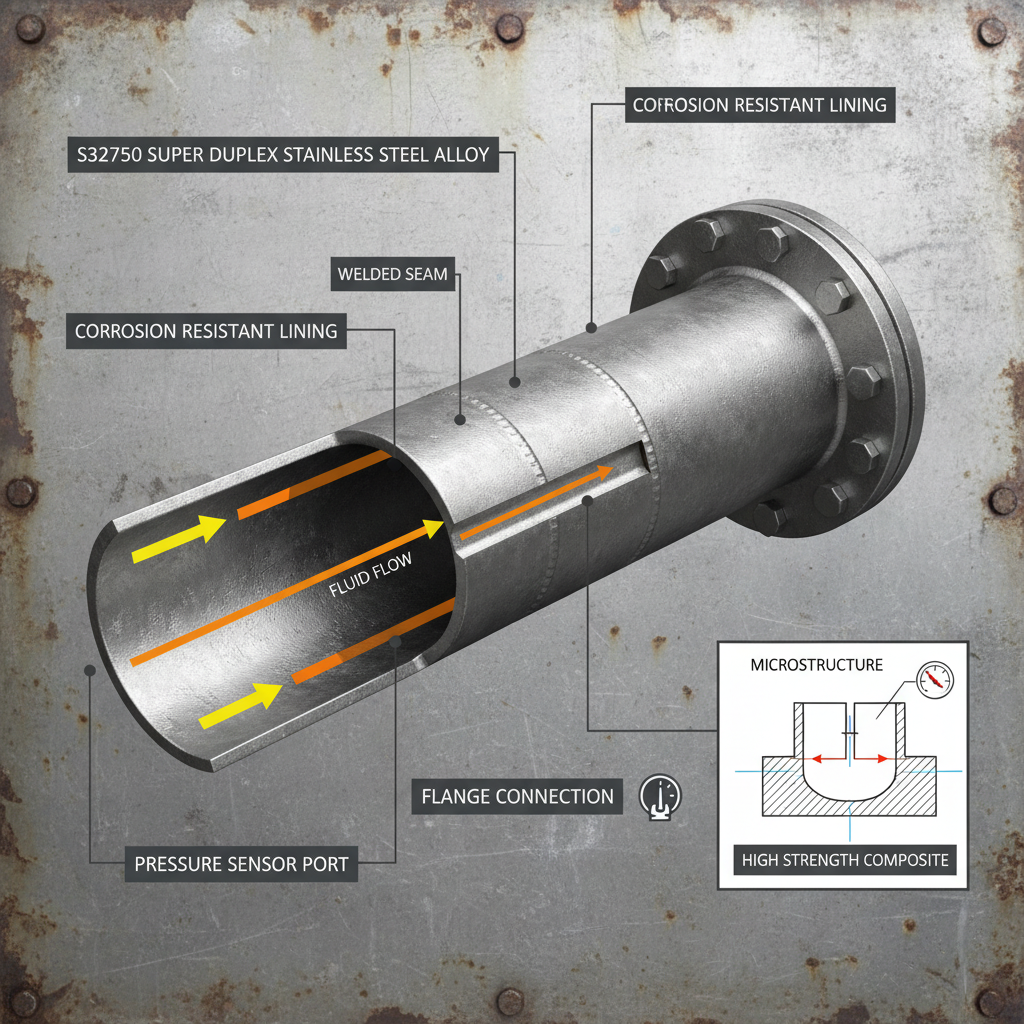
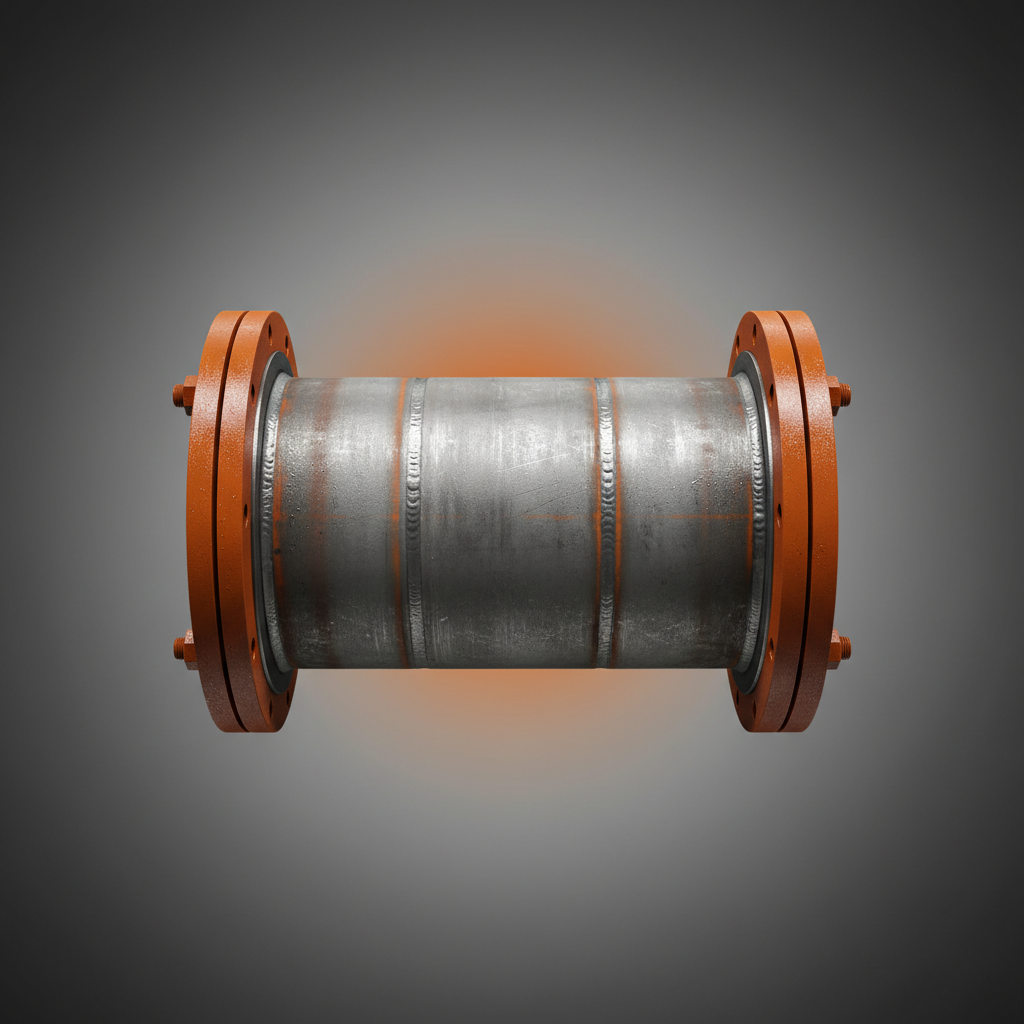
Because it is seamless, the risk of weld defects is eliminated. This uniformity enhances pressure handling and reduces leak possibilities. Engineers often highlight this as a major safety factor.
4. Corrosion Resistance
While not stainless, proper coatings and treatments pair with 106 GR B to slow corrosion—critical when pipelines run underground or in moist conditions.
5. Cost Efficiency
Compared to advanced alloy pipes, A106 GR B pipes are cost-effective to produce and procure, offering robust performance without hefty price tags.
Table 1: Typical Specifications of ASTM A106 Grade B Pipe
| Property |
Value |
Unit |
| Minimum Tensile Strength |
60,000 |
psi |
| Minimum Yield Strength |
35,000 |
psi |
| Max Operating Temperature |
450 |
°C |
| Carbon Content (typical) |
0.30 |
% |
Mini takeaway: The combination of strength, temperature tolerance, and seamless construction makes A106 GR B the “go-to” for demanding pipe applications.
Worldwide Applications: Where Does A 106 GR B Shine?
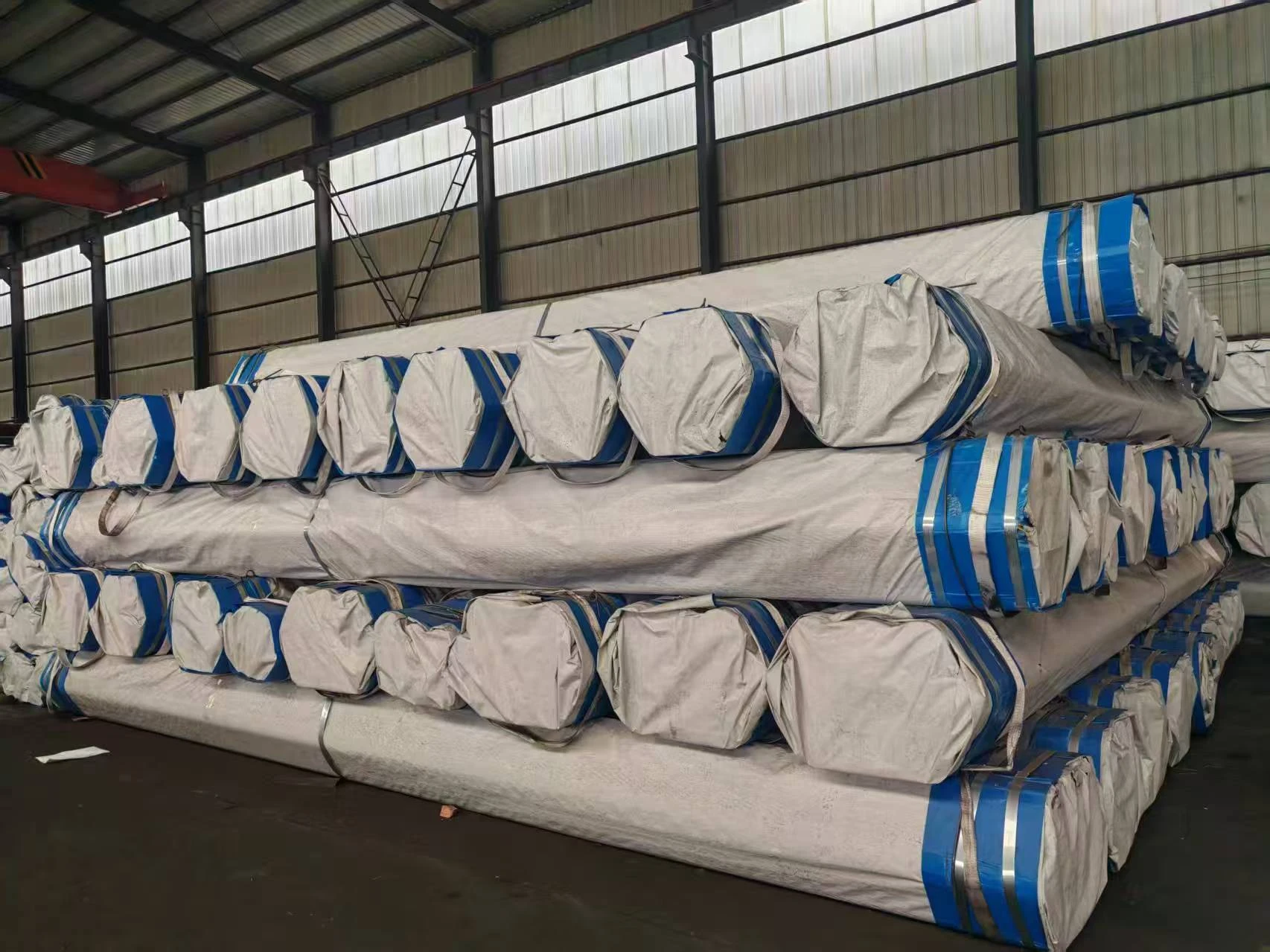
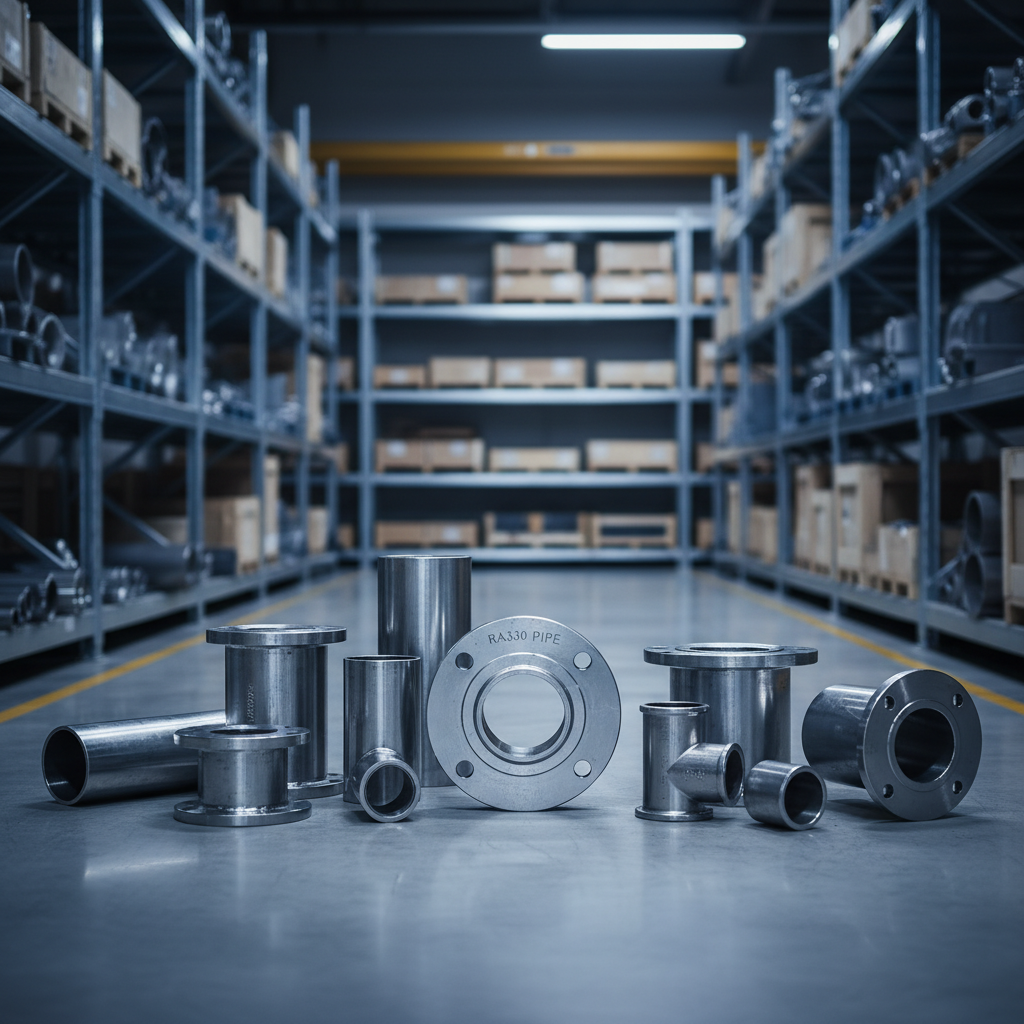
You’ll find A106 Grade B pipes in hot water transmission, refineries, power generation plants, and even chemical processing industries. Regions with heavy infrastructure demands such as North America, Europe, and parts of Asia rely heavily on this standard.
For example, after the 2010 earthquake in Haiti, pipelines constructed with A106 GR B standards helped rebuild critical water and oil systems quickly and safely. Similarly, in remote industrial zones of Russia and Canada, these pipes withstand extreme cold and pressure, proving their mettle again and again.
Most oil and gas companies openly prefer this steel grade due to clear ASTM certification, giving project managers peace of mind.
Vendor Comparison Table
| Supplier |
Product Range |
Certification |
Lead Time |
Typical Price (USD) |
| Global Steel Supply Co. |
A106 GR B Pipes, Various Sizes |
ASTM A106 Certified |
4 weeks |
$120-$150/ton |
| SteelWorks Ltd. |
Custom Length Pipes and Fittings |
ISO 9001 + ASTM |
6 weeks |
$130-$160/ton |
| Prime Metals Inc. |
Standard & Premium Grades |
ASTM + API Certified |
3-5 weeks |
$125-$155/ton |
Mini takeaway: Choosing the right supplier balances lead time, certification, and price—but knowing what you want upfront can make the difference.
Advantages & Why Long-Term Value Counts
With A106 GR B pipes, you’re essentially buying safety, longevity, and trust. The cost efficiency is significant when you look beyond just sticker price: the durability reduces frequent replacements, while seamless design lowers maintenance risks, especially in critical infrastructure.
There’s also an emotional factor — you want to know the pipeline won’t fail, especially when human lives and environment are at stake. Engineers often talk about the peace of mind that comes with tried and tested materials, and frankly, that trust is invaluable.
Sustainability? While carbon steel pipes aren’t inherently green, their recyclability and longevity fit into circular economy models better than some alternatives.
What's Next? Future Trends Around A 106 GR B
Oddly enough, the future of a 106 grade B pipes might not lie just in the steel itself but the smart coatings and digital monitoring systems paired with them. Automated leak detection, IoT sensors embedded for real-time data, and improved anti-corrosion tech are trending. Some vendors are experimenting with nano-coatings to extend lifespan even further.
Green energy projects also might impose stricter requirements on steel standards, pushing incremental improvements in chemical composition and manufacturing precision. Worldwide, stricter environmental regulations are nudging this direction.
Challenges & How Industry Experts Are Tackling Them
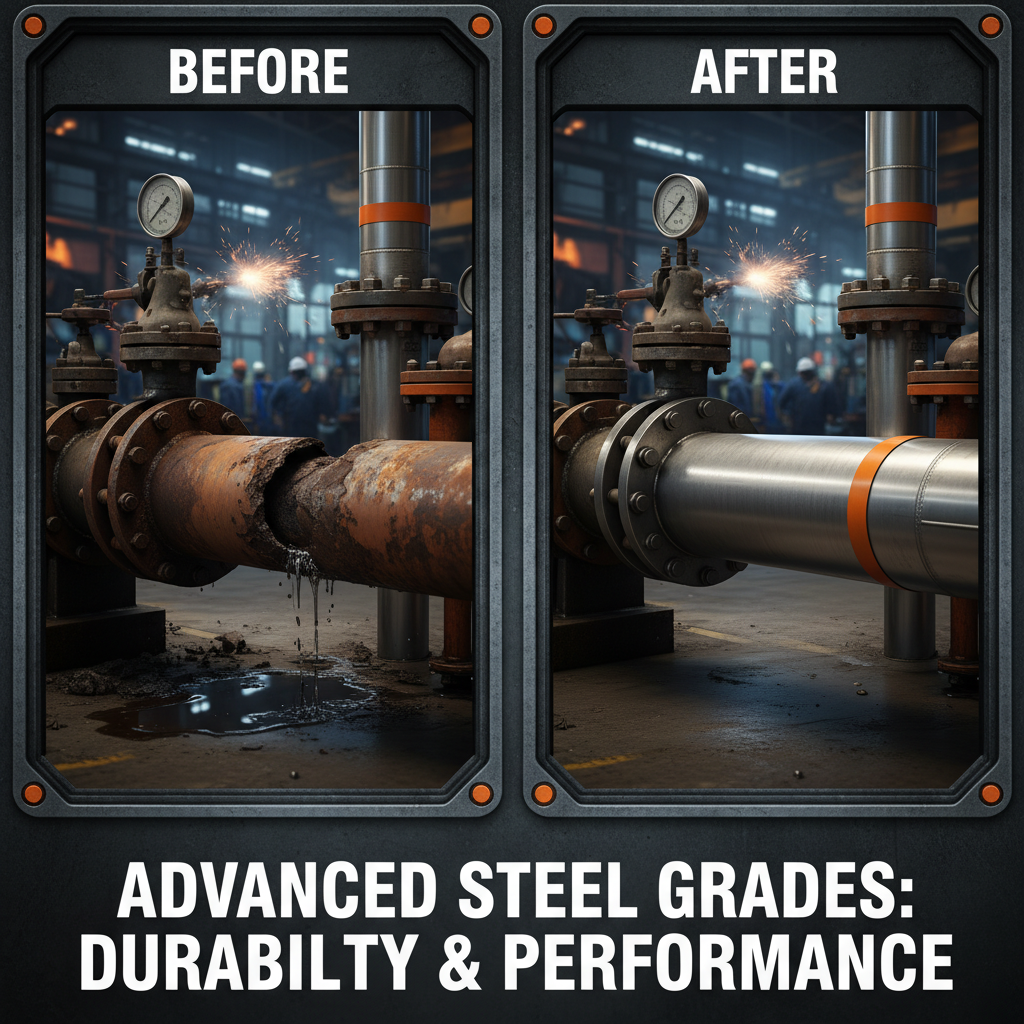
No product is perfect. A common limitation of 106 GR B steel pipes is susceptibility to corrosion without extra protection. This is a big deal in salty or acidic environments. The traditional fix? Coatings and cathodic protection.
Another challenge is quality inconsistency in less regulated markets. Experts suggest specifying certified suppliers and insisting on traceability documentation. Plus, ongoing material testing—ultrasound or magnetic inspections—has become routine.
FAQs About a 106 GR B
- Q: What applications are best suited for ASTM A106 Grade B pipes?
A: They’re ideal for high-temperature and high-pressure fluid transport, often used in oil refineries, power plants, and chemical industries.
- Q: Can A106 GR B pipes handle cold climates effectively?
A: While strong, standard A106 Grade B pipes have limited cold temperature toughness. For arctic temps, special considerations or alternative materials might be needed.
- Q: How does seamless pipe construction improve safety?
A: Seamless pipes have no welded joints, reducing potential weak spots prone to leaks or ruptures under pressure.
- Q: Are these pipes environmentally friendly?
A: They’re recyclable and long-lasting but require coatings to prevent rust, which adds to environmental impact. Their durability helps offset some concerns.
- Q: How do NGOs source these materials internationally?
A: Typically through certified vendors with export capabilities. Clear specifications and import compliance are key — working with specialized suppliers ensures smooth supply chains.
Final Thoughts: Why A 106 GR B Still Holds Its Ground
Over decades, A106 GR B pipes have quietly stayed a cornerstone of industrial infrastructure. Their balance of affordability, strength, and reliability makes them a default choice worldwide—even as new materials emerge. If you’re in projects that demand steady performance at affordable cost, it feels hard to beat.
If you want to explore certified suppliers or find more detailed info, do visit
a 106 gr b resource hubs — there’s a world of specs, datasheets, and supplier listings waiting.
Keep an eye on innovations around coating and digital monitoring—these will only add to the grade’s value, keeping it relevant well into the future.
---
References
- World Steel Association – Global Steel Production Data
- ASTM A106 Wikipedia Entry
- ISO Steel Pipe Standards


 English
  Arabic
  Bengali
  China
China  French
  German
  Hausa
Hausa  Indonesian
  Italian
  Japanese
  Javanese
  Malay
Malay  Persian
  Portuguese
  Punjabi
  Russian
  Spanish
  Swahili
  Telugu
  Vietnamese