

Understanding ASTM A 106 Gr B: The Backbone of Modern Industrial Piping
If you've ever wondered what keeps hot water, natural gas, or steam flowing safely in massive industrial plants, oil refineries, and power stations, the answer often traces back to a critical material standard: ASTM A 106 Gr B. At heart, this isn’t just another technical jargon; it’s a globally respected specification for carbon steel pipes, an unsung hero in infrastructure that powers economies worldwide.
Globally, the demand for high-integrity piping solutions is surging. According to the International Energy Agency (IEA), in 2023, industrial pipeline infrastructure projects ballooned by nearly 8%, propelled by energy transition and industrial expansion in emerging markets. But these pipelines need to withstand harsh pressures, extreme temperatures, and corrosive environments — that's where ASTM A 106 Gr B shines.
Mini takeaway: Understanding ASTM A 106 Gr B helps engineers and procurement specialists ensure resilient, cost-effective piping that’s vital for safe and continuous industrial operation.
The Global Importance of ASTM A 106 Gr B in Industry
In a world where energy, manufacturing, and water treatment sectors keep scaling rapidly, material failure is not an option. Pipes specified under ASTM A 106 Grade B provide a benchmark for quality carbon steel piping that can handle high temperatures and pressures without compromising durability. For instance, the United Nations Industrial Development Organization (UNIDO) cites that reliable piping reduces operational downtime by up to 15%, which is huge when you think about multi-billion-dollar processing plants.
However, challenges persist—many existing pipeline systems still suffer from corrosion and material fatigue leading to leaks, accidents, or costly repairs. The standardized quality of ASTM A 106 Gr B mitigates these risks by offering a tested specification that manufacturers and engineers can trust. Frankly, it's one way the industry tries to balance the scale between rapid industrialization and safety.
What Exactly Is ASTM A 106 Gr B?
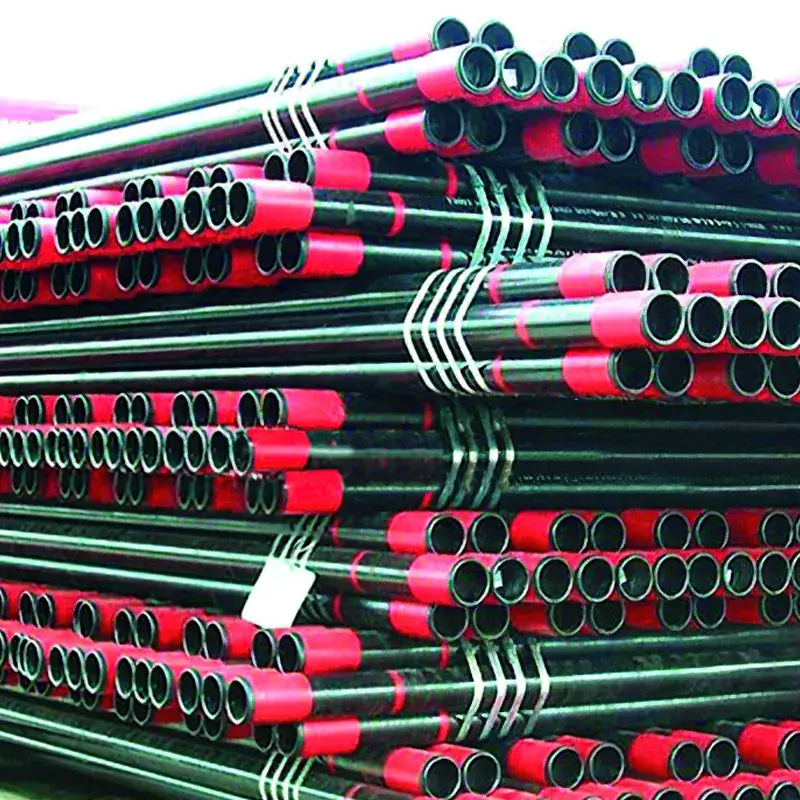
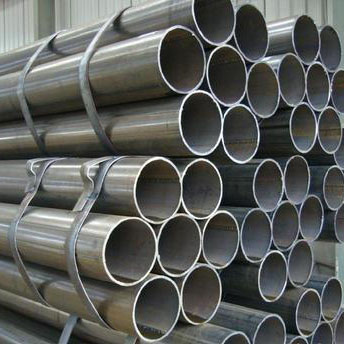
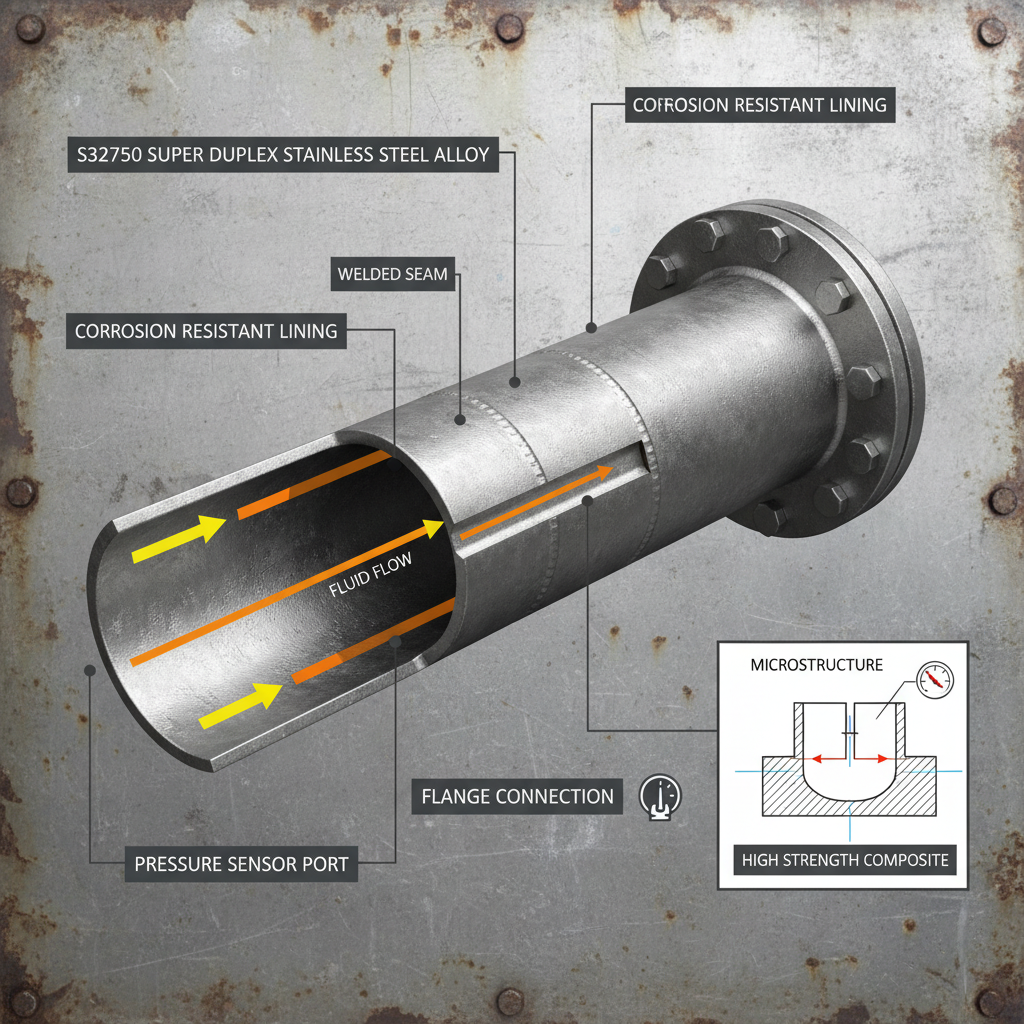
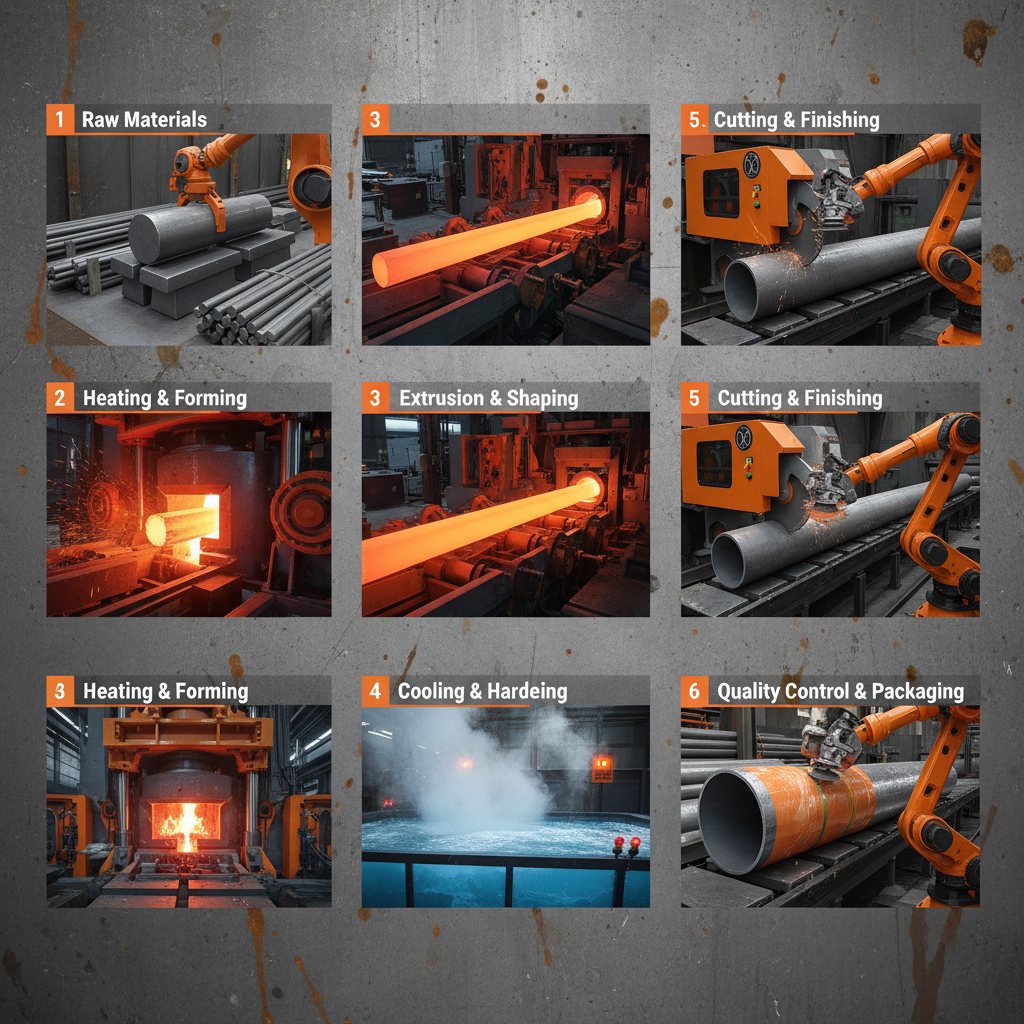
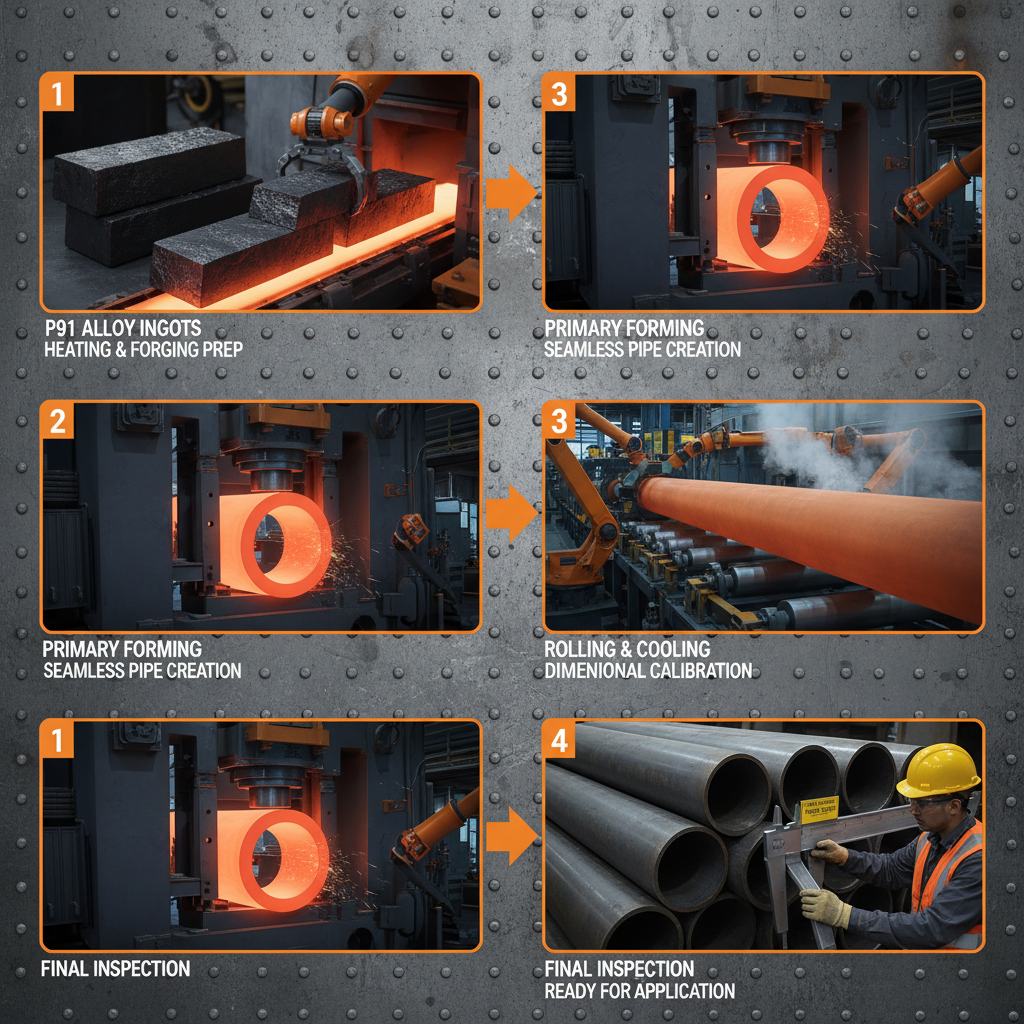
In plain terms, ASTM A 106 Grade B is a specification set by ASTM International that covers seamless carbon steel pipe for high-temperature service. “Grade B” refers to the material’s minimum tensile strength of approximately 60 ksi (kilopounds per square inch) and its chemical composition tailored for high-temperature resistance. These pipes are typically seamless, meaning they have no longitudinal welds, resulting in a cleaner and stronger product.
The pipes are typically used in oil and gas industries, refineries, power plants, and hydrocarbon transportation. Oddly enough, their role extends beyond industrial sites—they support facilities that provide clean water or generate electricity, indirectly impacting humanitarian and environmental stability.
Mini takeaway: ASTM A 106 Gr B means robust, tested steel pipe designed to take the heat and pressure in critical industrial settings, where failure is not an option.Key Characteristics of ASTM A 106 Grade B Pipes
1. Durability & Mechanical Strength
ASTM A 106 Grade B steel pipes are built to withstand thermal stresses and pressures that can reach over 3,000 psi in operational contexts. Their seamless design eliminates potential weak points—something engineers consistently emphasize when safety margins are tight.
2. Heat Resistance
The pipes are suitable for elevated temperature environments (up to about 750°F or 400°C), which makes them valuable in steam, oil, and gas industries where thermal stability is crucial.
3. Corrosion Resistance
While not stainless steel, ASTM A 106 Gr B pipes possess moderate corrosion resistance—usually enhanced with coatings or cathodic protection in particularly harsh environments.
4. Weldability & Fabrication
One practical benefit is their excellent weldability thanks to controlled chemical composition. Fabricators appreciate this because it allows for seamless system integration and modifications onsite.
5. Availability & Cost Efficiency
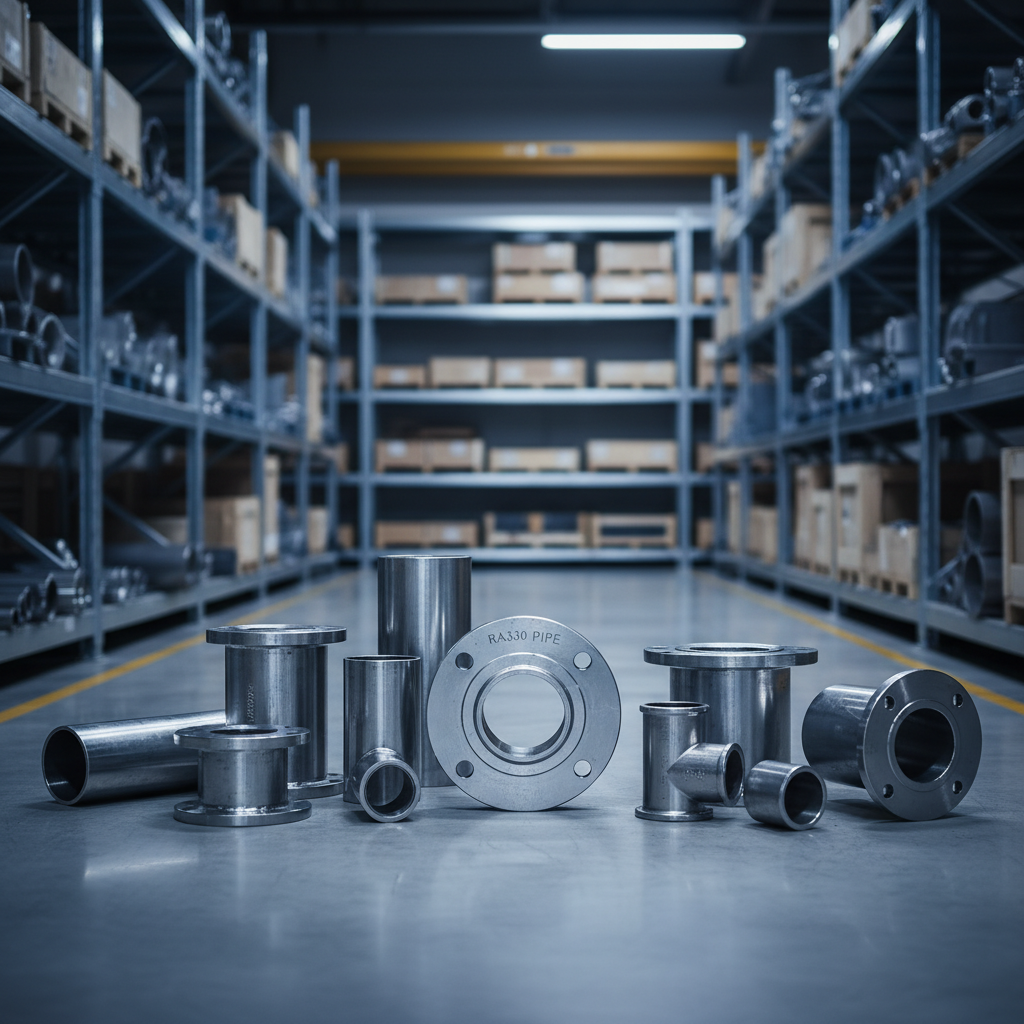
Since ASTM A 106 Grade B pipes are widely standardized, they are commercially available globally at a competitive price point compared to alloys or stainless options.
Common Applications Across the Globe
Industries worldwide put ASTM A 106 Gr B pipes to work. For example:
- Oil and Gas: Transporting crude oil and natural gas through pipelines that traverse deserts, mountains, and seashores.
- Power Generation: Steam piping in both fossil-fuel and nuclear power plants.
- Chemical Plants: Transfer lines for hot liquids and gases where temperature stability is key.
- Water Treatment Facilities: High-pressure water transport systems.
In regions prone to natural disasters, durable piping like ASTM A 106 Gr B can support essential services during recovery phases. NGOs and governments often specify these pipes for rebuilding critical infrastructure in places like Southeast Asia and the Middle East.
Mini takeaway: ASTM A 106 Grade B steel pipes are versatile heroes quietly running the veins of global industry and infrastructure—whether in bustling cities or remote industrial zones.Advantages & Long-Term Value of ASTM A 106 Gr B Pipes
User trust in ASTM A 106 Gr B boils down to tangible benefits. Firstly, the cost-to-performance ratio is excellent: they offer mechanical strength close to some alloy steels at a fraction of the price. Secondly, the pipes contribute to sustainability. Their long service life with proper maintenance means less frequent replacements, minimizing resource use and waste.
Beyond numbers, there’s an emotional confidence factor—many engineers and plant managers mention that specifying these pipes “just feels right” because of decades of verified performance. Knowing that your infrastructure is backed by a widely accepted standard fosters trust among engineers, inspectors, and investors alike.
Product Specification Table
| Specification | ASTM A 106 Gr B |
|---|---|
| Material Type | Carbon Steel (Seamless) |
| Tensile Strength | 60 ksi (min) |
| Yield Strength | 35 ksi (min) |
| Max Operating Temp | 750°F (400°C) |
| Corrosion Resistance | Moderate (requires protection) |
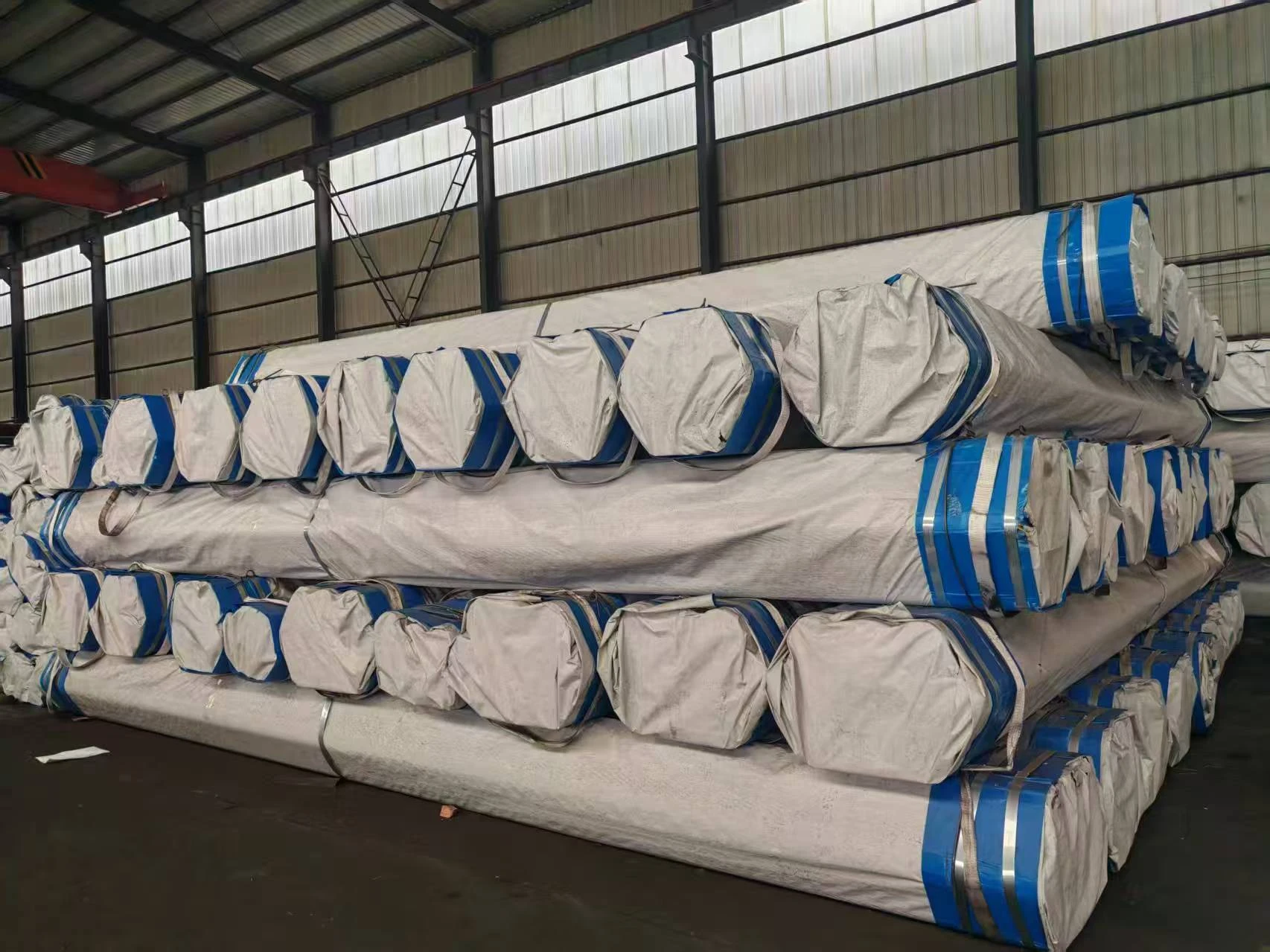
| Standard Lengths | 21 ft, 40 ft, customizable |
| Weldability | Excellent |
Vendor Comparison: Selecting the Right ASTM A 106 Gr B Supplier
| Vendor | Certifications | Global Reach | Lead Time (Standard Order) | Price Range |
|---|---|---|---|---|
| SteelPro Industries | ISO 9001, ASTM Certified | North America, Europe | 3-5 weeks | $$$ |
| Global Pipes Ltd | ISO 14001, ASTM Certified | Asia, Africa, South America | 4-6 weeks | $$ |
| Metal Works Corp | ASTM, API Certified | Global | 2-4 weeks | $$$ |
| Eastern Steel Solutions | ISO 9001 Certified | Europe, Asia | 5-7 weeks | $ - $$ |
Looking Ahead: Future Trends Affecting ASTM A 106 Gr B Usage
The piping industry is far from static. The push towards green energy—be it hydrogen transport, geothermal plants, or carbon capture—and digitalization is redefining how pipes like ASTM A 106 Grade B are designed and used.
Material scientists are experimenting with new coatings to improve corrosion resistance without compromising weldability, while automation in fabrication facilities promises tighter tolerances and quicker turnaround times. It’s worth noting the role of sustainability standards pushing suppliers to minimize carbon footprints during manufacturing — an interesting challenge for carbon steel enthusiasts.
Challenges & Solutions in Applying ASTM A 106 Gr B Pipes
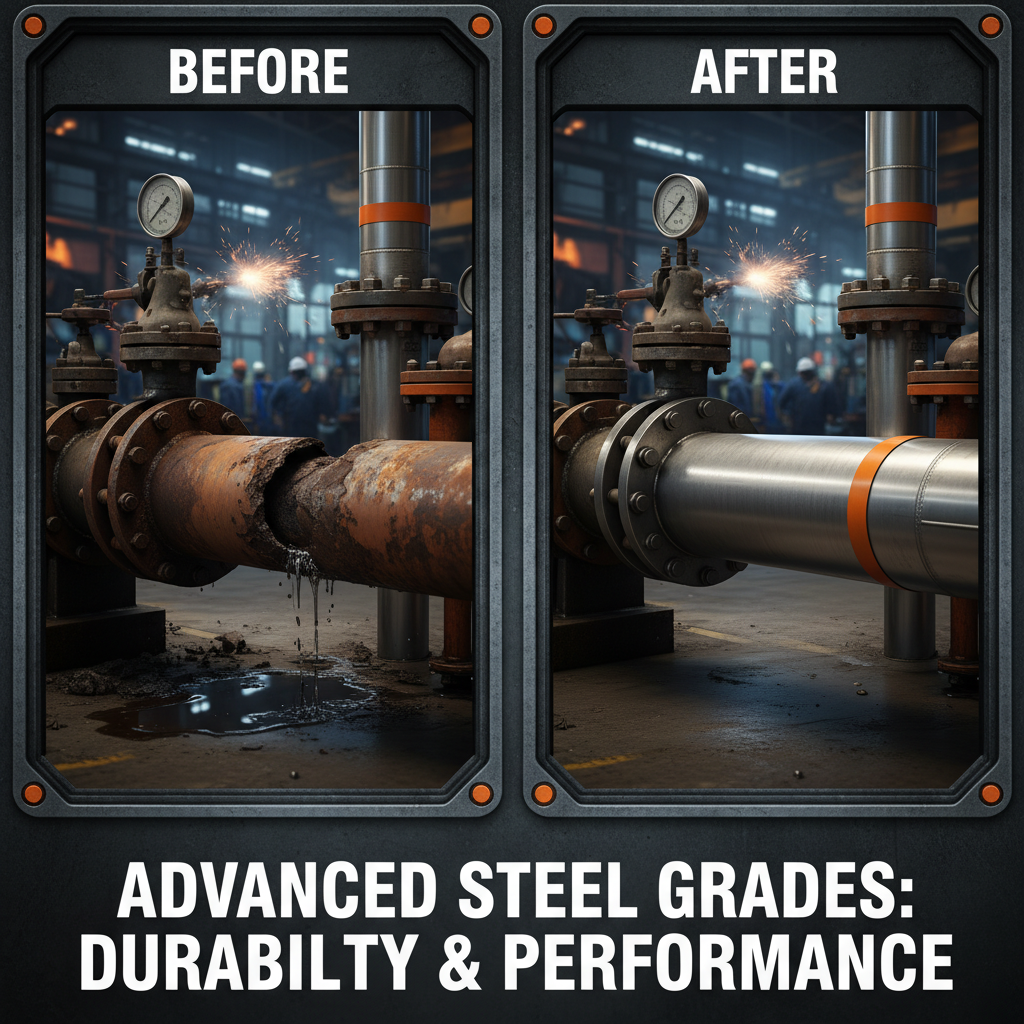
Like everything, it’s not perfect. The moderate corrosion resistance requires consistent maintenance and protective layers—something that if ignored can cause premature failures. There’s also the balance between procurement cost and higher alloy steel that might offer superior longevity but at a significant price hike.
Innovative practices, such as use of advanced coatings, ultrasonic non-destructive testing (NDT) for early defect detection, and collaboration between manufacturers and end users to tailor pipe dimensions and wall thicknesses, help to address these challenges.
Frequently Asked Questions About ASTM A 106 Gr B
Q1: What makes ASTM A 106 Gr B pipes suitable for high-temperature applications?
A1: These pipes are manufactured from carbon steel with carefully controlled chemical compositions that provide strength and stability at elevated temperatures — often up to 750°F (400°C). Their seamless construction further supports resistance to thermal stress and pressure.
Q2: Can ASTM A 106 Grade B pipes be welded easily in the field?
A2: Yes. They are designed with weldability in mind, with low carbon content levels enabling smooth welding without preheating in many cases, making onsite fabrication manageable and safe.
Q3: How long do ASTM A 106 Gr B pipes last in industrial use?
A3: With proper maintenance and protection, these pipes can easily last several decades — often 30 years or more — serving safely under specified temperature and pressure ratings.
Q4: Are ASTM A 106 Gr B pipes eco-friendly?
A4: While carbon steel isn’t inherently “green,” these pipes are recyclable and their long service life reduces waste. Advances in coating technology and production efficiencies also help lower environmental impact.
Q5: How do international projects source ASTM A 106 Gr B pipes?
A5: Global suppliers often offer ASTM-certified pipes that comply with international quality standards, making importation straightforward. Coordination with trusted vendors who understand shipping requirements and certifications is crucial.
Wrapping Up: The Lasting Value of ASTM A 106 Gr B Pipes
To sum it up, ASTM A 106 Grade B pipes have quietly earned their reputation as reliable workhorses of high-temperature and pressure industrial piping. For engineers, procurement managers, or anyone involved in infrastructure projects, choosing the right pipe means balancing durability, cost, and performance — which this grade does quite well.
Curious to explore more or get a quote? Visit https://www.world-steelmaterial.com and discover how ASTM A 106 Gr B can fit your next project’s needs.
Mini takeaway: Whether building new plants or upgrading systems, ASTM A 106 Gr B pipes remain a trusted, versatile staple — quietly holding everything together, one weld at a time.
References
Post time: Nov . 30, 2025 23:25
 English
  Arabic
  Bengali
  China
China  French
  German
  Hausa
Hausa  Indonesian
  Italian
  Japanese
  Javanese
  Malay
Malay  Persian
  Portuguese
  Punjabi
  Russian
  Spanish
  Swahili
  Telugu
  Vietnamese