

Understanding ASTM A53 Pipe: The Backbone of Modern Infrastructure
When you hear “ASTM A53 pipe,” what comes to mind? For many, it’s just another technical standard buried deep in industry manuals. But in reality, ASTM A53 pipe quietly powers a huge chunk of global infrastructure — from water delivery systems to oil and gas pipelines. Its importance is massive, and understanding it isn't just for engineers; it’s vital for those interested in how materials shape our world.
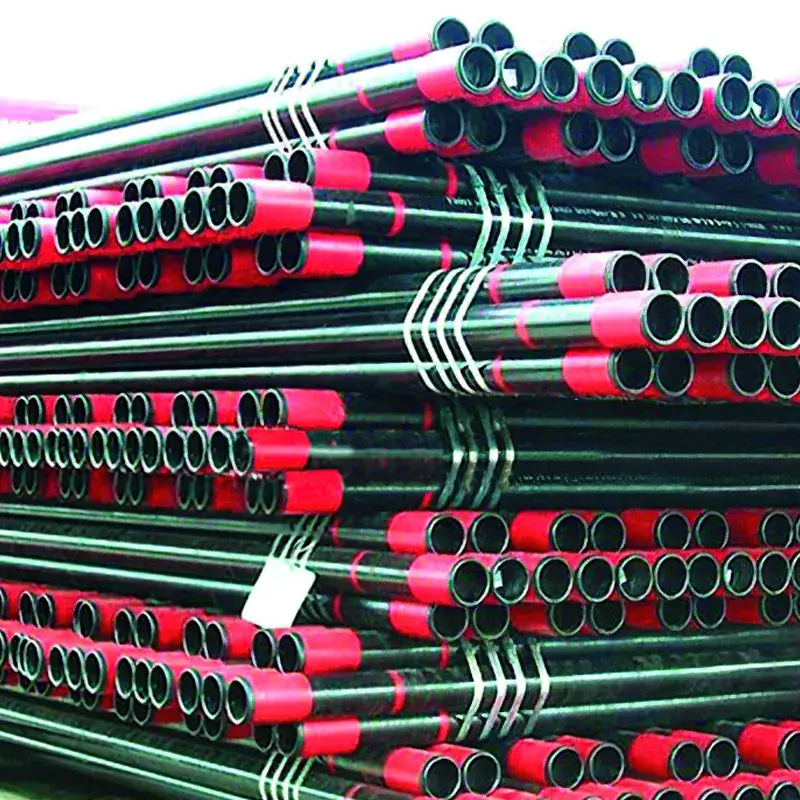
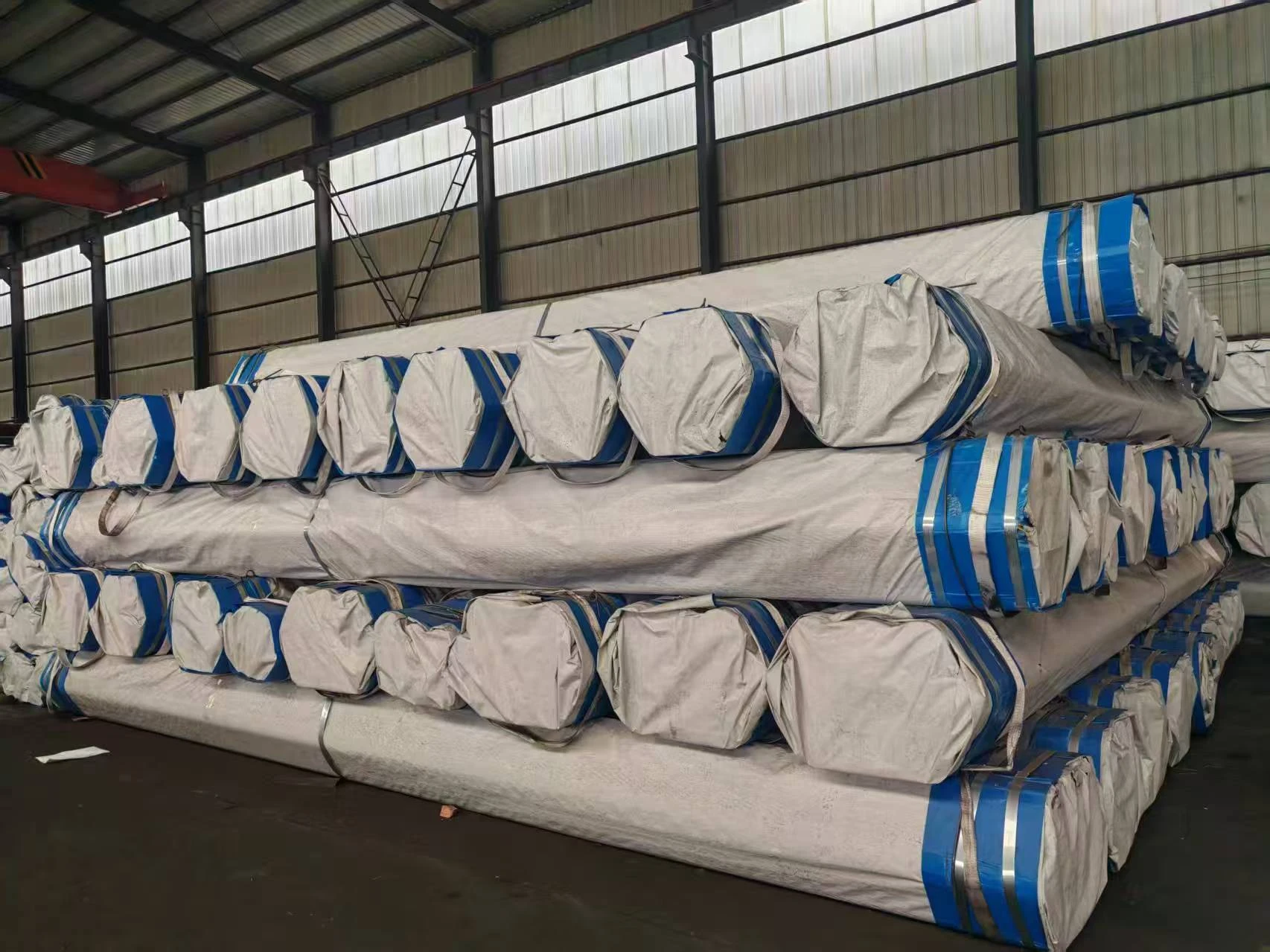
So what is ASTM A53 pipe, anyway? Simply put, it’s a specification for carbon steel pipe used predominantly in mechanical and structural applications. Think of it as the sturdy, reliable tubing you can depend on when building everything from skyscrapers to rural irrigation networks. The global demand? Immense. According to the World Steel Association, nearly 1.8 billion metric tons of steel were produced worldwide in 2023, and pipes like ASTM A53 represent a significant slice of that volume.
Why does this matter globally? Well, as urban populations balloon and industries expand, the need for robust, cost-effective piping grows too. From sustainable water management projects in South Asia to energy distribution lines in North America, understanding ASTM A53 pipe ties directly into building resilient, scalable infrastructures that serve billions.
The Global Relevance of ASTM A53 Pipe
The steel pipe market is a cornerstone of industrial activities across all continents. Data from the United Nations Industrial Development Organization (UNIDO) shows that over 60% of steel produced globally ends up in infrastructure projects, many involving pipes for water, gas, and structural purposes. ASTM A53 pipe, with its combined strength and versatility, addresses problems like pipeline longevity, structural safety, and ease of installation on a global scale.
Consider the challenge: many developing nations face unreliable water systems and energy distribution networks suffering from corrosion or mechanical failure. ASTM A53 pipes, being carbon steel for moderate strength and affordable production, help bridge this gap. They offer an economical yet sturdy choice compared to exotic alloys or composite materials — critical as billions aim for improved living standards worldwide.
Definition and Meaning: What Exactly Is ASTM A53 Pipe?
ASTM A53 is a standard specification set by ASTM International that covers carbon steel pipes primarily for mechanical and pressure service, and also used for ordinary structural purposes. The specification divides the pipe into two types—Type F (furnace butt-welded), Type E (electric-resistance welded), and Type S (seamless)—and two grades — Grade A and Grade B — depending on mechanical properties.
Put simply, ASTM A53 pipe is a type of steel pipe that can be welded or seamless and is typically used where durability and strength matter but extreme corrosion resistance is not as critical. This makes it ideal for applications like steam, water, gas, and air lines, as well as structural uses like scaffolding or guard rails.
In humanitarian contexts, such pipes support the rapid construction of water distribution and energy lines in developing areas or disaster zones, helping restore basic services quickly and safely.
Key Features of ASTM A53 Pipe
1. Durability
These pipes are built to withstand pressures and resist wear over long periods — a must for infrastructure that’s expected to last decades. Engineers often praise ASTM A53 pipes for their tensile strength, which can range roughly from 40,000 to 60,000 psi depending on the grade.
2. Versatility
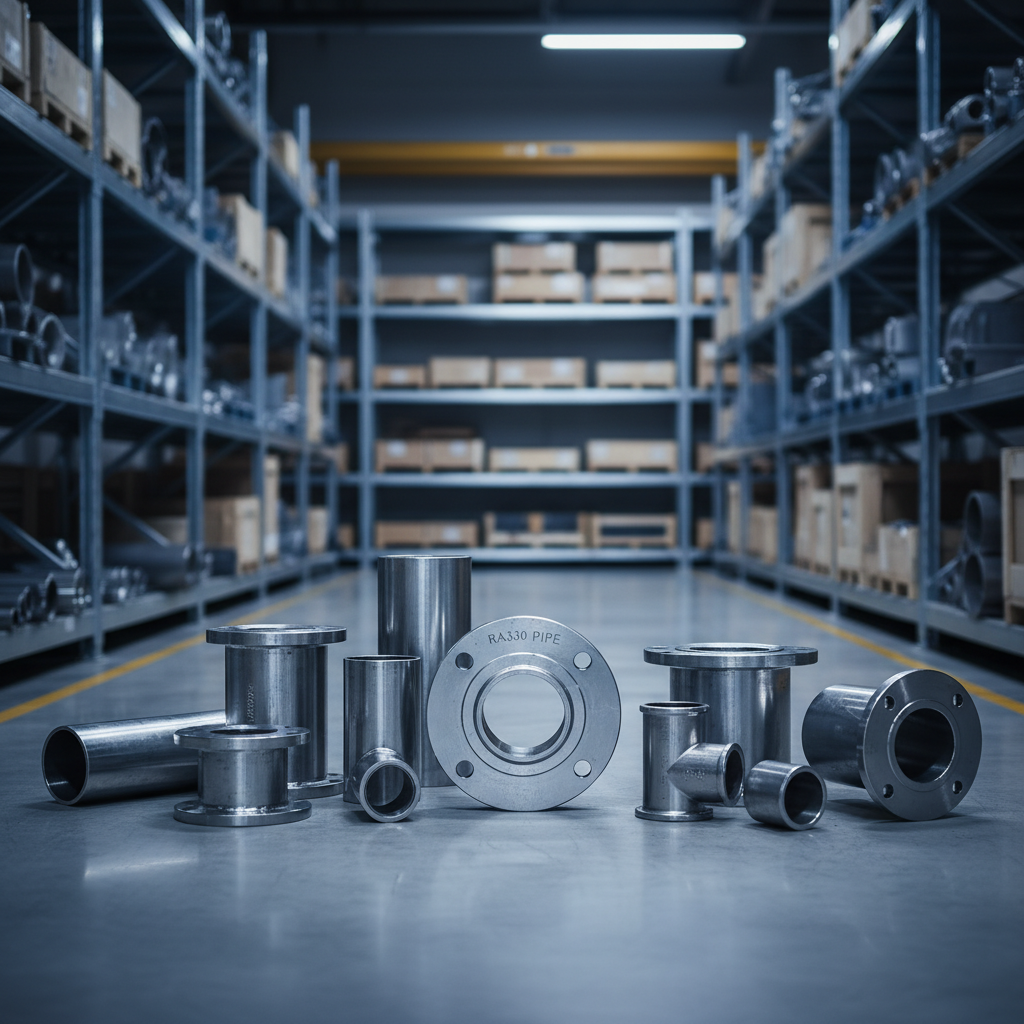
The specification covers a variety of manufacturing methods and sizes, from 1/8 inch to 26 inches in diameter, making it adaptable for multiple industries, from construction to oil and gas.
3. Cost Efficiency
Compared to stainless steel or coated pipes, ASTM A53 offers a reasonable balance between cost and mechanical performance, ideal for large projects under budget constraints.
4. Easy Installation and Maintenance
Weldability and consistent dimensions make these pipes user-friendly on-site, meaning lower labor costs and faster project completion.
5. Structural Capability
Beyond fluid transport, ASTM A53 pipes serve as structural components, supporting frameworks without requiring specialized reinforcement, which excites many civil engineers.
ASTM A53 Pipe in Action: Real-World Applications
- Water and Steam Systems: Used widely in municipal water lines, boilers, and steam systems because of its pressure-resistance.
- Oil and Gas Industry: Ideal for transporting oil and natural gas over medium distances due to its strength and weldability.
- Construction: Structural supports in scaffolding, fencing, and building frames, especially where budget constraints meet safety standards.
- Post-Disaster Relief: Quick-deploy pipelines and structural frameworks in areas impacted by hurricanes or earthquakes.
- Remote Industrial Zones: Mines and factories in remote locations where logistical simplicity is key often lean on ASTM A53 pipes.
Advantages and Long-Term Value of Using ASTM A53 Pipe
Cost savings is the obvious advantage — ASTM A53 pipes are generally cheaper than many alternatives but still provide excellent reliability. More importantly, using these pipes can mean fewer breakdowns and lower maintenance costs, translating to real-world savings and peace of mind.
From a sustainability perspective, steel is 100% recyclable without loss of quality, which underpins many “green” construction projects today. Using ASTM A53 pipes fits into circular economy models that many companies now target.
Beyond numbers, there's also a trust factor: thousands of projects worldwide rely on these pipes, creating a proven track record. Some engineers I know call this “infrastructure with integrity” — an emotional nudge we engineers rarely mention in reports but feel deeply.
ASTM A53 Pipe Product Specification Table
| Specification | Grade A | Grade B |
|---|---|---|
| Tensile Strength (psi) | 48,000 (minimum) | 60,000 (minimum) |
| Yield Strength (psi) | 30,000 (minimum) | 35,000 (minimum) |
| Manufacturing Types | Furnace butt-welded, Electric-resistance welded, Seamless | Same as Grade A |
| Typical Applications | Low-pressure steam, water, gas lines | High-pressure service, structural applications |
Vendor Comparison: Choosing Your ASTM A53 Pipe Supplier
| Vendor | Range of Sizes | Price Range | Lead Time | Certifications |
|---|---|---|---|---|
| SteelCo International | 1/8" – 24" | $$ | 2–3 weeks | ASTM, ISO 9001 |
| Global Pipes Ltd. | 1/4" – 26" | $$$ | 4–5 weeks | ASTM, API, ISO |
| Metro Steel Solutions | 1/8" – 20" | $ | 1–2 weeks | ASTM only |
Looking Ahead: Trends Shaping the Future of ASTM A53 Pipe
Frankly, the industry hasn’t stood still. The push for sustainability means that recycled steel content in ASTM A53 pipes is increasing, and manufacturers are seeking greener processes. Digital tracking of product batches (blockchain, anyone?) and advanced testing modalities are making quality control tighter seamlessly.
Also, integration with emerging green-energy infrastructure such as hydrogen pipelines is in progress, requiring tweaks to the standard but opening new frontiers. Automation in manufacturing and smart sensors to detect corrosion early are exciting glimpses of what’s to come.
Challenges and Practical Solutions
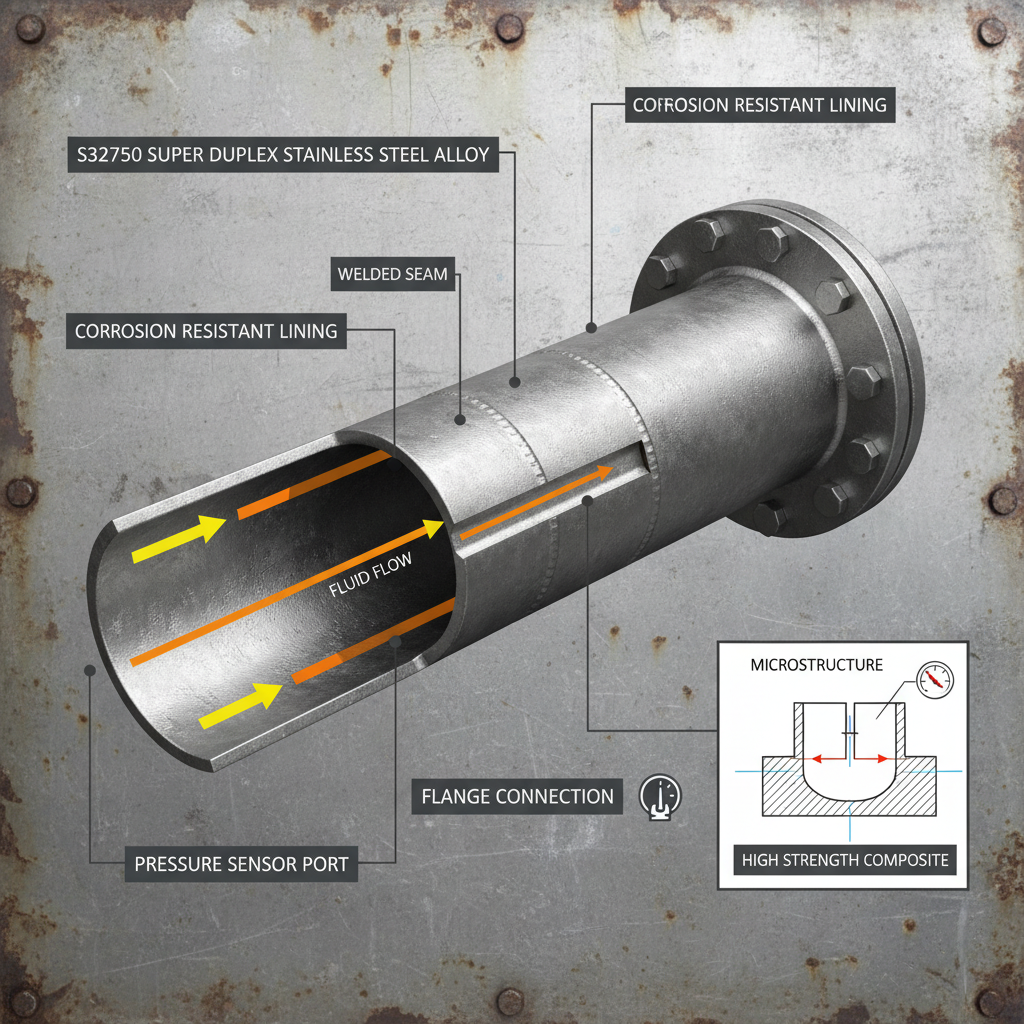
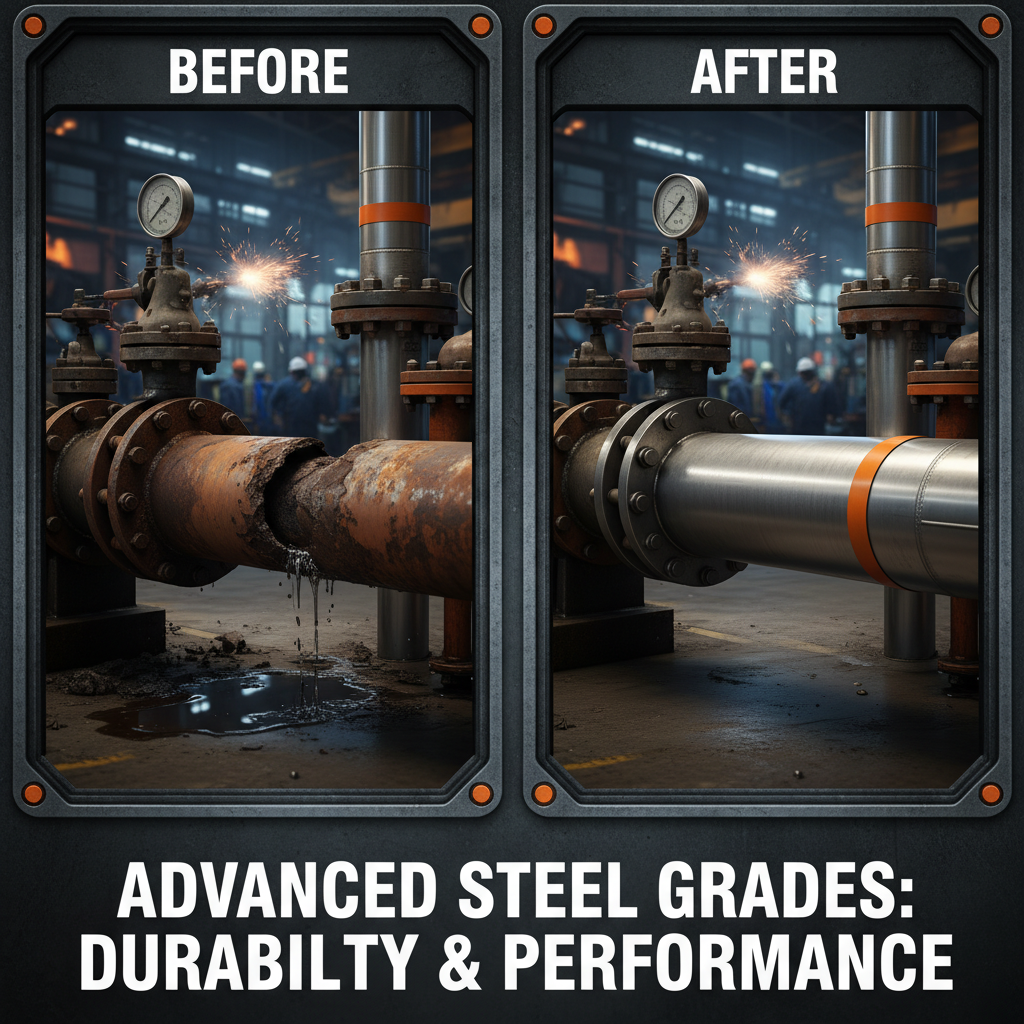
No product is perfect, and ASTM A53 pipe is no exception. For instance, its moderate corrosion resistance means it’s not the best choice for highly corrosive environments without additional coatings or cathodic protection. Also, supply chain disruptions sometimes lead to fluctuating lead times and costs.
One innovative approach has been combining ASTM A53 pipes with polymer linings or fusion bonding to extend lifespan. Another is localizing manufacturing, reducing dependency on far-flung suppliers, which some governments are encouraging.
FAQ: Common Questions About ASTM A53 Pipe
- Q: What makes ASTM A53 pipe preferable for structural applications?
- A: Its good balance of strength and flexibility allows it to bear loads while resisting deformation. This is critical in scaffolding or guardrails where safety is a priority but cost must be controlled.
- Q: Can ASTM A53 pipe be used for potable water systems?
- A: Generally, yes, but the pipes should have appropriate coatings or linings to prevent contamination and corrosion since the standard pipe itself isn’t corrosion-resistant inherently.
- Q: How does Type E compare to Type S in terms of welding?
- Type E is electric-resistance welded and usually less expensive, while Type S (seamless) tends to be stronger and better for high-pressure applications but costs more.
- Q: Are ASTM A53 pipes suitable for outdoor exposure?
- They can be, but require protective coatings or galvanization to avoid rust and degradation over time, especially in climates with high humidity or pollution.
Conclusion: Why ASTM A53 Pipe Remains Essential
All things considered, ASTM A53 pipe continues to be a foundational material for building the world we live in—quietly supporting energy grids, water systems, and buildings. Its mix of performance, affordability, and versatility keeps it a favorite across industries and regions alike. If you want to dive deeper, find suppliers and technical resources, check out our detailed guide on ASTM A53 pipe for specs, sourcing, and case studies.
Stick with reliable materials, and your project will thank you later.
References
Post time: Dec . 01, 2025 01:00
 English
  Arabic
  Bengali
  China
China  French
  German
  Hausa
Hausa  Indonesian
  Italian
  Japanese
  Javanese
  Malay
Malay  Persian
  Portuguese
  Punjabi
  Russian
  Spanish
  Swahili
  Telugu
  Vietnamese