

SA106: Understanding the Backbone of Industrial Steel Piping
Steel piping plays a quietly vital role across the globe — from powering factories to connecting cities through pipelines. One name that often crops up in technical specs and project blueprints is SA106. But what exactly is SA106, why is it so crucial, and how does it fit into our modern industrial landscape? Today, we’ll unpack this seemingly obscure term to show you that beneath that acronym lies a powerhouse standard critical for energy, manufacturing, and infrastructure worldwide.
The Global Stage: Why Steel Piping Standards Like SA106 Matter
According to the World Steel Association, over 1.8 billion metric tons of steel are produced annually, with a substantial percentage dedicated to pipes and tubes for industries such as oil, gas, and power generation. The UN’s sustainable development goals emphasize reliable infrastructure and clean energy, both demanding high-quality materials that perform consistently under stress. SA106 steel pipes meet this need squarely — they’re crafted to handle high temperatures and pressures, reducing downtime and accidents in critical systems.
Oddly enough, while steel pipes like SA106 often go unnoticed in everyday life, they quietly ensure our energy flows uninterrupted and that installations survive harsh conditions reliably. However, many projects in developing regions face challenges when sourcing certified piping materials due to costs or lack of standards awareness — something SA106’s global availability starts to address.
What Is SA106? A Simple Definition
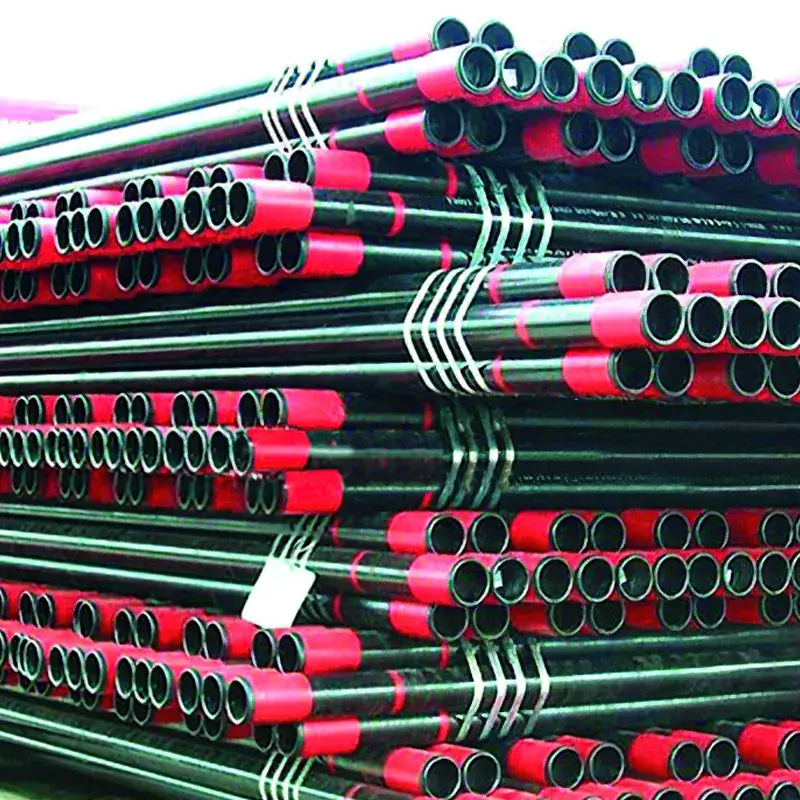
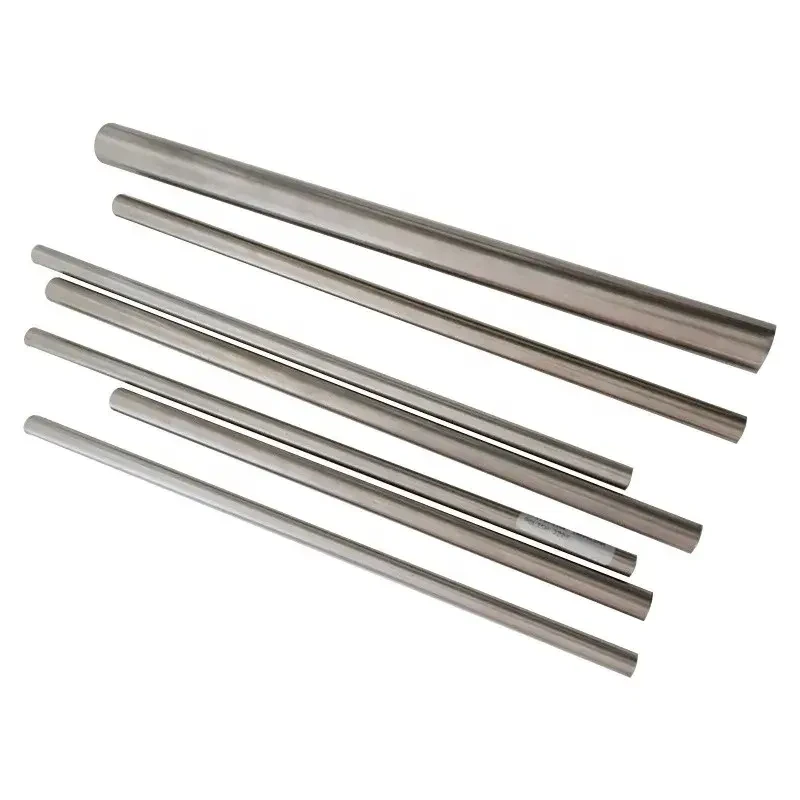
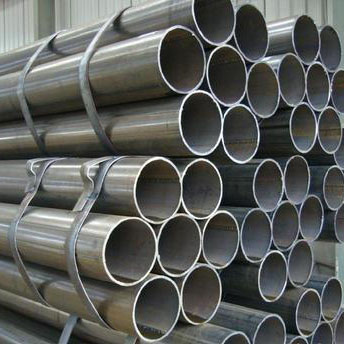
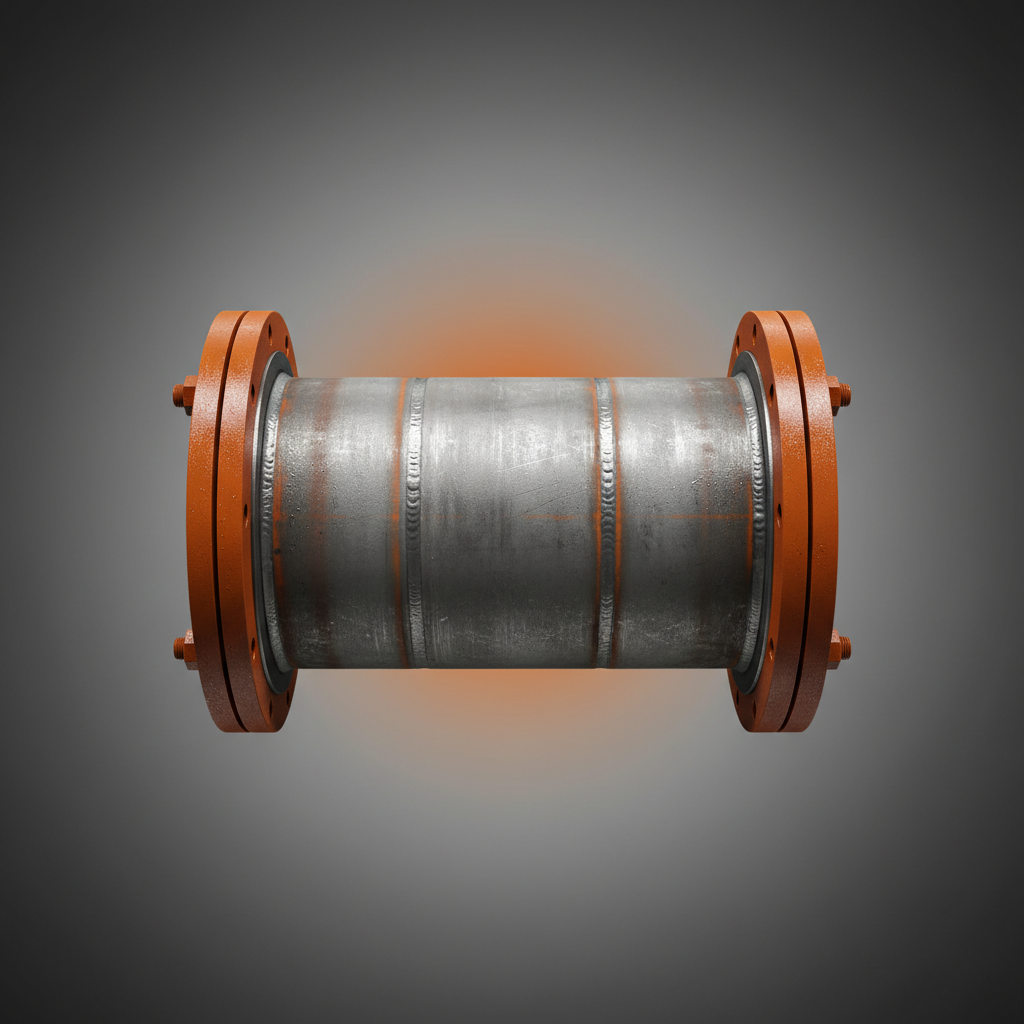
SA106, officially known as ASTM A106, is a standard specification for seamless carbon steel pipe used primarily at high temperatures. The “106” series (Grades A, B, and C) defines characteristics like chemical composition, mechanical properties, and testing criteria so that any pipe labeled SA106 adheres to a recognized performance baseline.
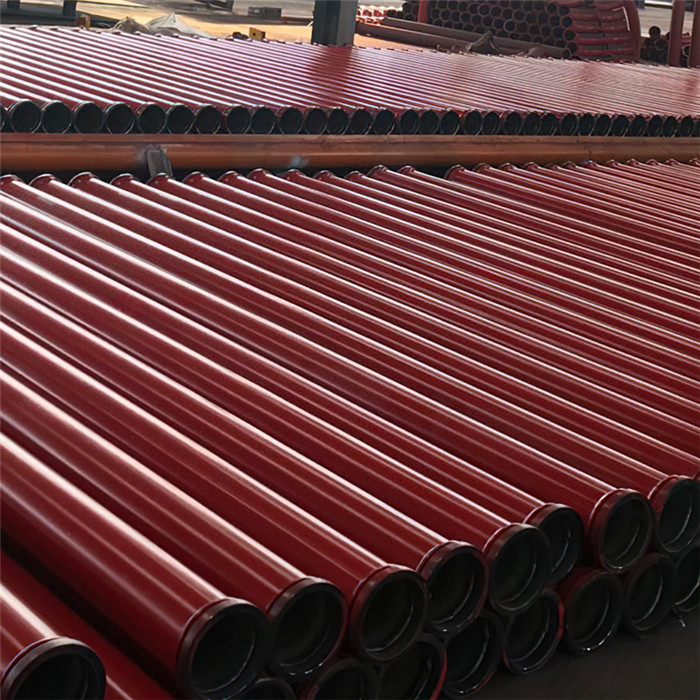
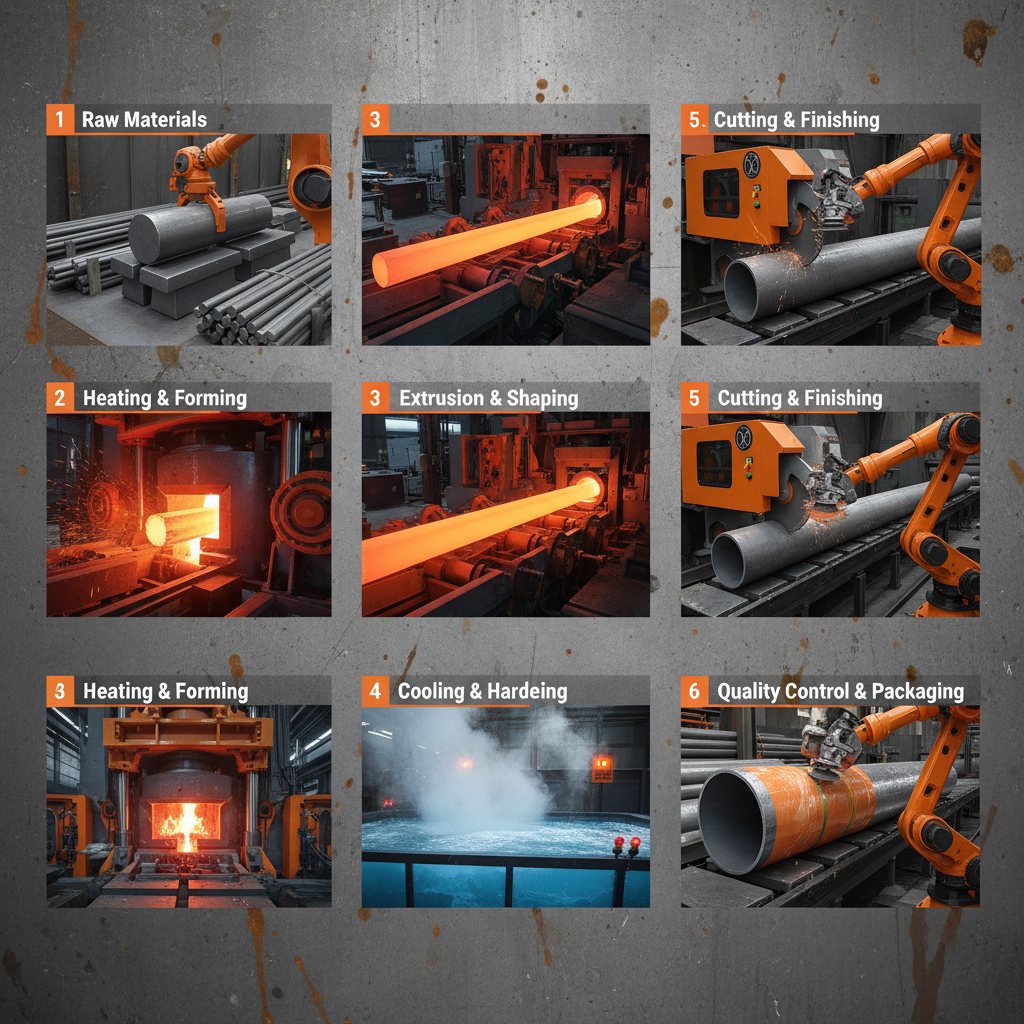
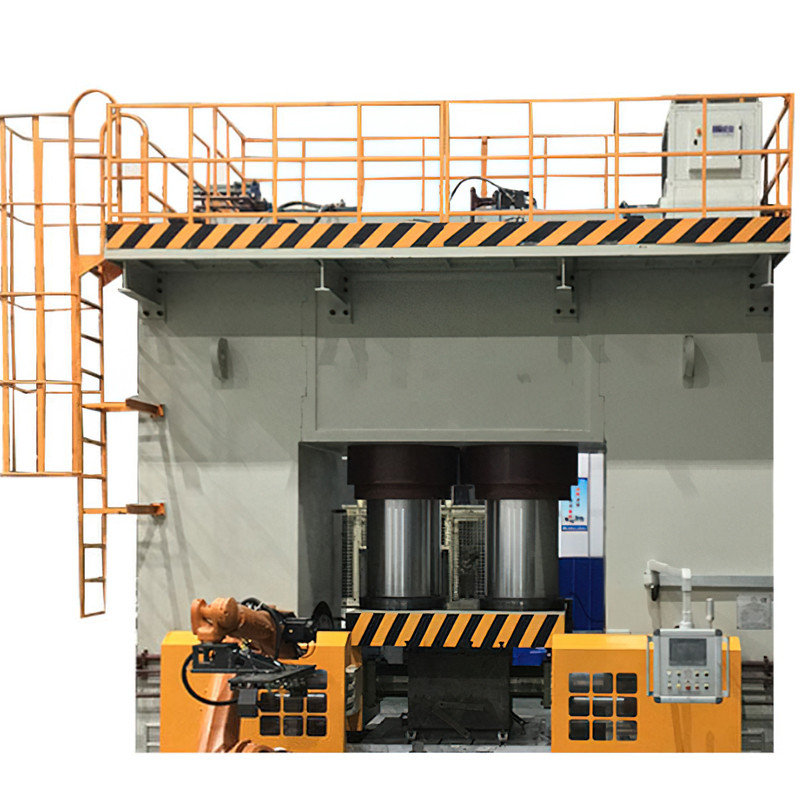
In practical terms, SA106 pipes are seamless, forged steel pipes — meaning no welding seams — which gives them enhanced strength and resistance to heat and pressure. Industries rely on these pipes for transporting fluids and gases in refinery units, power plants, and even chemical plants. It’s the kind of industrial workhorse standard that quietly underpins infrastructure worldwide.
Why This Matters in Modern Industry
Imagine a power plant’s steam lines failing under heat or pressure fluctuations — that’s not just downtime, that’s potentially hazardous. SA106’s specifications strive to prevent that by demanding rigorous testing and sturdy materials. Plus, the pipes’ heat resistance aligns well with trends toward higher efficiency plants that run at elevated temperatures. It’s a classic case where having an industry-agreed standard avoids guesswork and builds trust.
Core Components That Define SA106 Steel Pipes
1. Chemical Composition
The grade of SA106 steel pipes is largely dictated by their chemical makeup. Carbon content is kept within limits (usually around 0.25–0.35%), with elements like manganese, phosphorus, sulfur, and silicon carefully controlled. This balance ensures a steel that’s tough, ductile, yet not brittle under stress.
2. Seamless Manufacturing
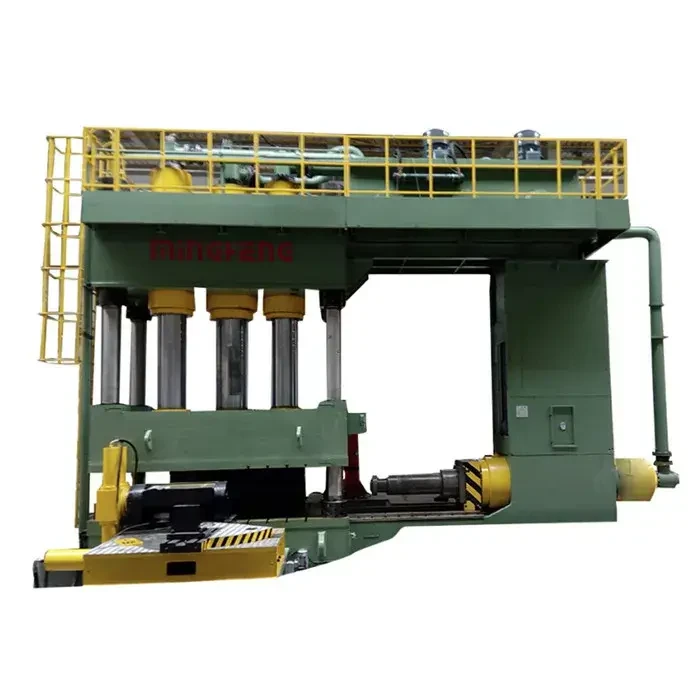
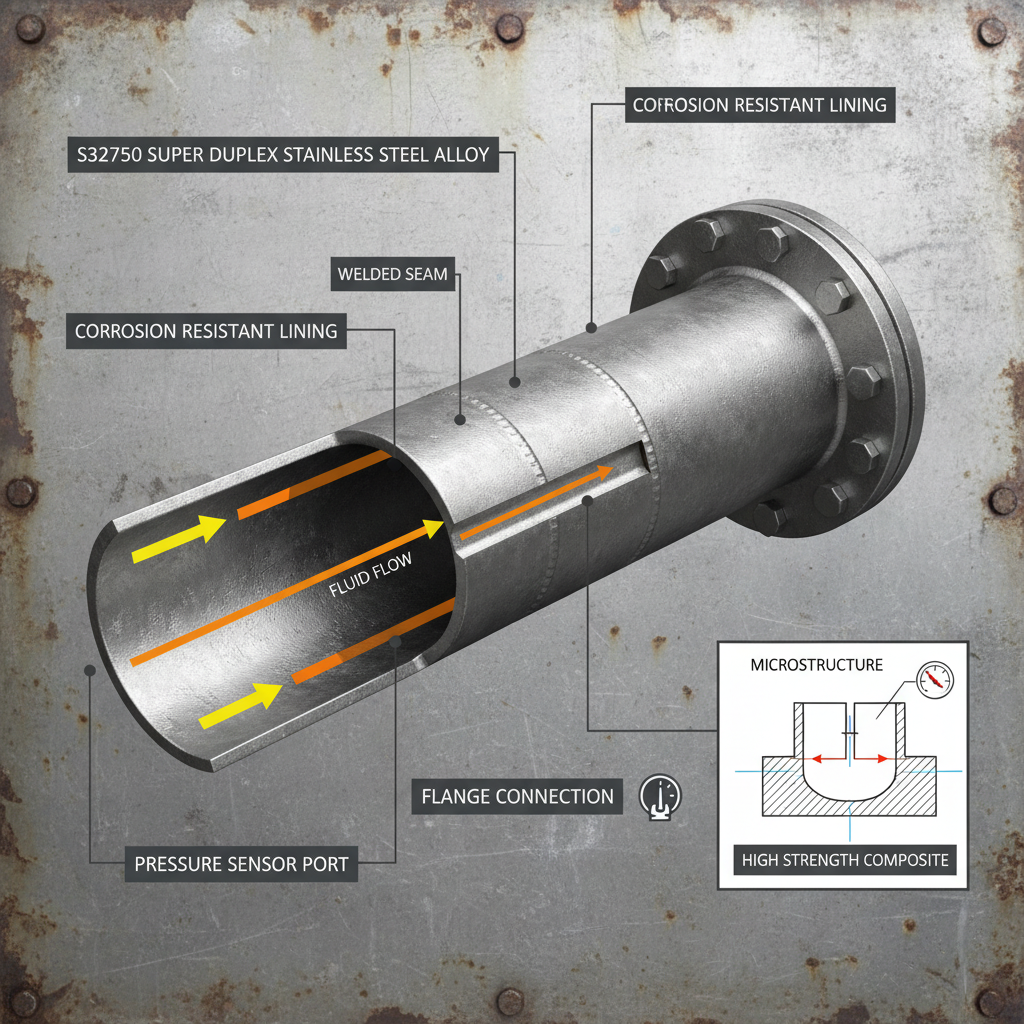
Unlike welded pipes where seams could be weak points, SA106 pipes are seamless. This means they’re extruded rather than rolled, giving a more consistent strength profile — crucial when pipes are under pressure and extreme heat.
3. Mechanical Properties
Tests like tensile strength, yield strength, and elongation must meet minimum thresholds. For example, Grade B SA106 pipe typically demands a tensile strength of around 60,000 psi. These standards ensure pipes won’t easily deform or crack during use.
4. Temperature Endurance
SA106 pipes are especially valuable for applications involving heat — rated for use up to roughly 427°C (around 800°F). This is why power plants and refineries favor them to transport superheated steam or hot chemicals.
5. Size and Dimensional Standards
SA106 pipes come in multiple sizes and thicknesses, typically following specifications like ASME B36.10M for carbon steel. This variation helps engineers pick the right pipe for flow requirements without over-engineering.
SA106’s Real-World Applications Across Regions and Industries
Oddly enough, you’ll find SA106 pipes in a variety of places—from North American oil refineries to European power plants, and even Asian chemical processing units. In the Middle East’s desert environment, their heat endurance keeps pipelines safe; in Northern Europe’s cold climates, their toughness resists brittleness.
Some key sectors benefiting from SA106 pipes:
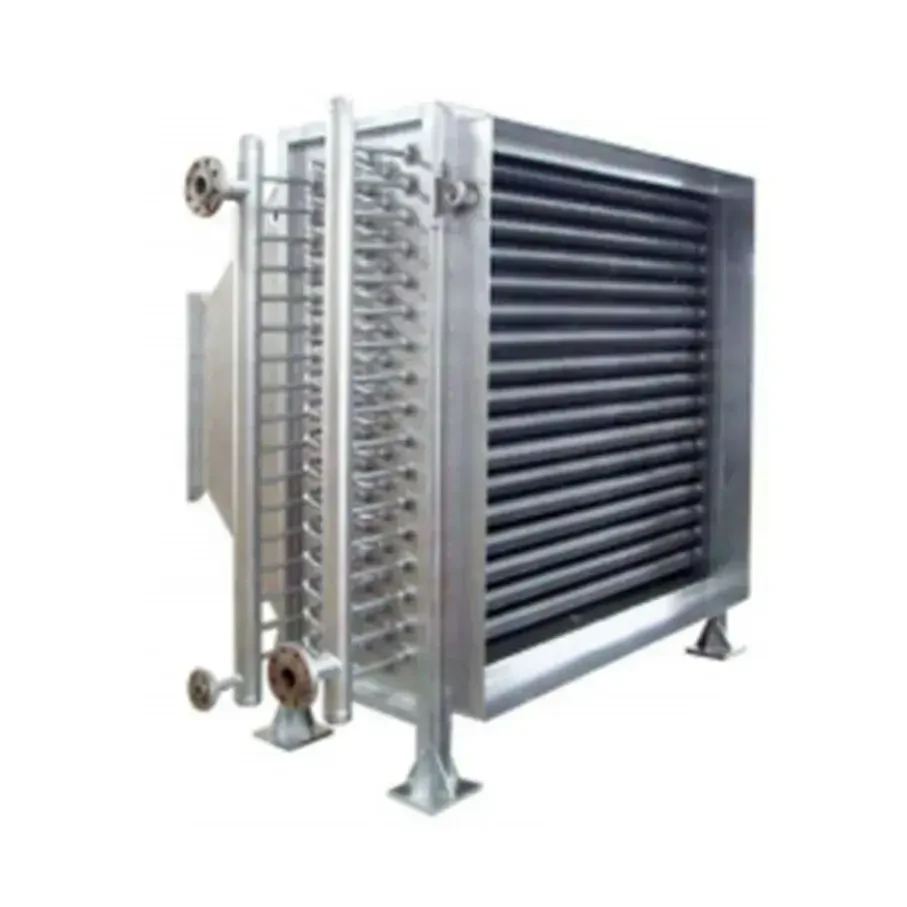
- Energy and Power Generation: Steam lines, heat exchangers, and boiler tubes.
- Petrochemical and Refinery Plants: Transporting crude oil, gas, and chemicals under high pressure.
- Industrial Manufacturing: Process piping for chemicals and fluids.
- Infrastructure Projects: High-temperature pipelines in urban heating systems.
A fascinating example: In post-disaster relief scenarios where quick repairs to heating or industrial plants are needed, pre-stocked SA106 pipes allow fast, reliable restoration—cutting downtime and restoring power to communities faster.
Product Specification Table for SA106 Pipe (Grade B)
| Property | Specification |
|---|---|
| Chemical Composition (Carbon %) | Max 0.30% |
| Tensile Strength | Minimum 60,000 psi |
| Yield Strength | Minimum 35,000 psi |
| Operating Temp. Max | 427°C (800°F) |
| Type | Seamless Carbon Steel Pipe |
| Sizes | 1/8" to 48" nominal diameter |
How SA106 Stands Out Among Steel Pipe Suppliers
| Vendor | Range & Grades | Global Reach | Certification & Testing | Pricing (Approx.) |
|---|---|---|---|---|
| Vendor A | SA106 Grade A/B in 1"–24" | North America, Europe | Fully ISO 9001 certified, NDT tested | $$$ |
| Vendor B | Full SA106 line up to 48" | Asia, Middle East | ASTM standard inspection, mill test certificates | $$ |
| Vendor C | Primarily SA106 Grade B | Global | In-house and third-party certified | $$$$ |
The Long-Term Value of SA106 Pipes: Beyond Numbers
At first glance, SA106 pipes might just seem like “steel tubes,” but really, they embody a balance of safety, cost-efficiency, and predictability. Choosing SA106 pipes means fewer maintenance headaches, lower risk of leaks or failures, and more confidence in structural integrity. This reliability can literally save lives, especially in high-stakes sectors like oil refineries or power stations.
Emotionally, it feels better knowing your refinery workers or infrastructure engineers can trust their equipment. From a sustainability standpoint, pipes that last long help reduce waste and inefficient replacements. So, it’s not just about dollars saved but also about aligning with broader trends towards responsible engineering.
Emerging Trends Shaping the Future of SA106 Steel Piping
As the world shifts toward greener energy and smarter infrastructure, SA106 pipes aren’t staying put. We’re seeing growing interest in:
- Higher strength steels and coatings: To reduce thickness while maintaining durability, cutting material use.
- Digital tracking and smart sensors: Embedding pipe monitoring to predict wear or corrosion early.
- Recycling and circular economy initiatives: Repurposing SA106 pipes to reduce raw steel demand.
- Enhanced welding techniques: Though SA106 is seamless, joined piping systems benefit from advanced weld monitoring for seamless integration.
Frankly, it feels like SA106 steels will remain core but evolve hand-in-hand with digital and sustainability advances, an exciting space to watch closely.
Common Challenges and How Experts Are Tackling Them
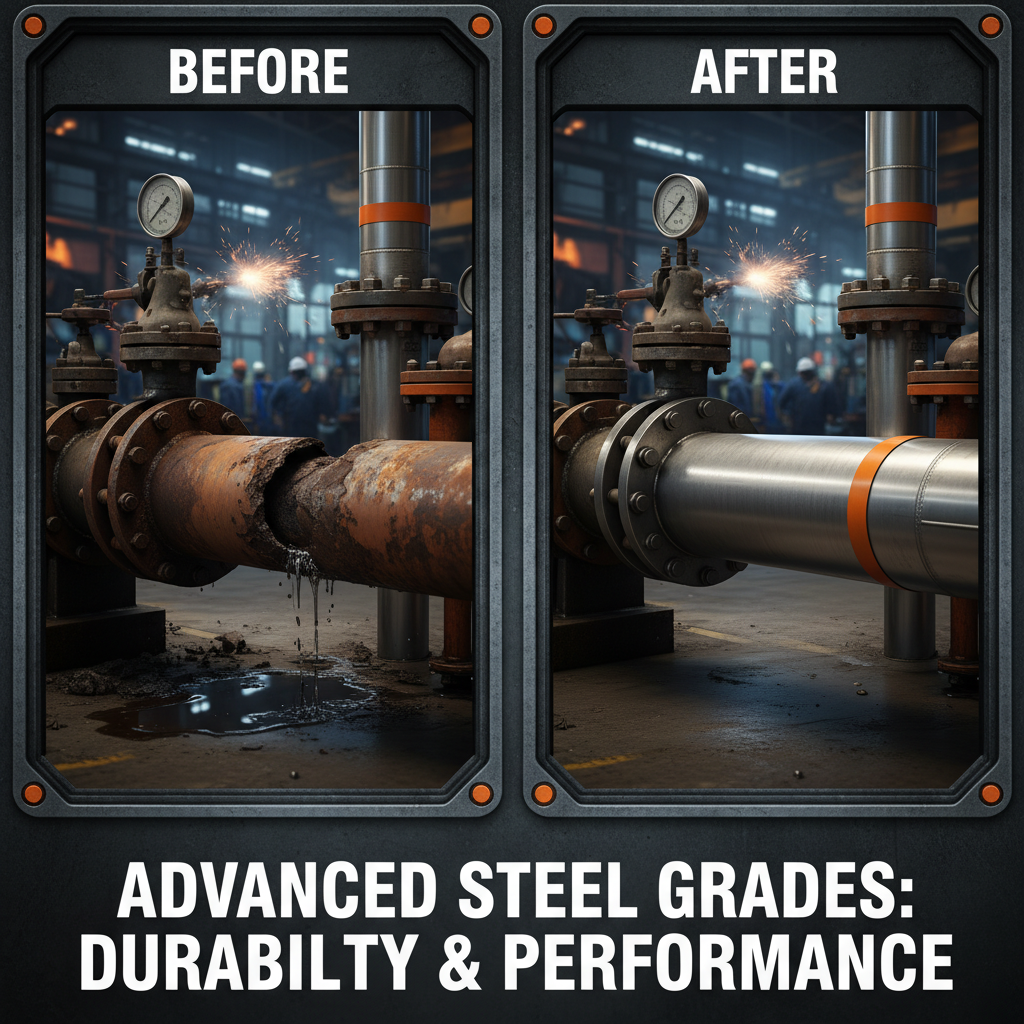
One issue with SA106 pipes, especially in older infrastructure, is corrosion — the enemy lurking silently. Even though they’re designed for heat, chemical exposure can degrade pipes faster than expected. This challenge prompts better protective coatings, cathodic protection, and regular inspections using ultrasonic or radiographic techniques.
Also, logistics in remote regions can delay delivery of certified SA106 material, forcing some projects to consider alternatives or substandard pipes. Industry bodies encourage partnerships with reliable vendors and pre-stocked inventories to prevent such bottlenecks.
Roughly, advanced metallurgy and quality assurance processes are key solutions — ensuring what’s delivered matches the strict requirements and lasts as intended.
FAQ: Frequently Asked Questions About SA106
- What grades does SA106 include and how do they differ?
- SA106 pipes come mainly in Grades A, B, and C. Grade B is most common, offering a good balance of strength and ductility. Grade C has higher tensile strength but is less widely used. The selection depends on operating conditions and engineering needs.
- Can SA106 pipes be used for high-pressure steam lines?
- Yes. SA106 pipes are often specified for steam lines because of their seamless construction and ability to handle high temperatures and pressures, making them suitable for boilers and heat exchangers in power plants.
- How do I ensure supplier reliability when buying SA106 pipes?
- Check certifications (ASTM, ISO), request mill test certificates, and verify third-party inspections. Working with established vendors who maintain quality control protocols helps avoid substandard materials.
- Is SA106 suitable for outdoor use in corrosive environments?
- SA106 pipes are carbon steel and not inherently corrosion resistant. For corrosive outdoor use, additional protective coatings or alternative alloys might be necessary to extend service life.
Wrapping It Up: Why SA106 Deserves a Spot on Your Project Specs
Steel pipes might not make headlines, but they’re literally the veins of modern industry, and SA106 represents a trusted standard in that space. Reliable, heat-resistant, and globally available, it solves real problems for power, petrochemical, and manufacturing plants everywhere.
Next time you’re specifying pipes, remember SA106’s proven track record and consider how it can cut risks and support sustainability. For more details and product options, feel free to visit sa106.
1. World Steel Association Annual Report, 2023
2. ASTM A106 Standard Specification, ASTM International
3. UN Sustainable Development Goals: Infrastructure & Industry
Post time: Dec . 01, 2025 02:50
 English
  Arabic
  Bengali
  China
China  French
  German
  Hausa
Hausa  Indonesian
  Italian
  Japanese
  Javanese
  Malay
Malay  Persian
  Portuguese
  Punjabi
  Russian
  Spanish
  Swahili
  Telugu
  Vietnamese