

Understanding Fire Fighting Pipe: An Essential Backbone of Fire Safety Worldwide
Fire fighting pipe might sound like a niche product, but its role against the backdrop of global safety and disaster management is immense. Fundamentally, these pipelines form the veins flowing water or suppressant agents throughout fire suppression systems — a critical mechanism that literally saves lives and property daily. As climate change feeds more frequent and intense fires globally, understanding the materials, specifications, and technologies behind fire fighting pipe isn’t just technical; it’s a necessary step for engineering resilience in growing urban and industrial landscapes.
The Global Context: Why Fire Fighting Pipes Matter Now More Than Ever
Fires, whether wildfires, industrial, or structural, are a universal hazard. The United Nations estimates that fire-related incidents cause tens of thousands of deaths and billions in property damage every year worldwide.1 Industrialized nations and emerging economies alike grapple with protecting expanding cities and remote industrial zones. The pipes that deliver water or suppression agents quickly and reliably during these emergencies are literally the lifelines. Yet, problems persist — corrosive environments, aging infrastructure, and supply chain issues challenge the effectiveness of fire fighting pipes globally.
Based on ISO standards for firefighting equipment, the quality and sustainability of firefighting pipe are critical. Combine this with increasing urban densification and heightened fire risks, and the challenge becomes evident: How do we develop pipe systems that are durable, easy to install, and maintain trust under pressure?
What Exactly Is a Fire Fighting Pipe?
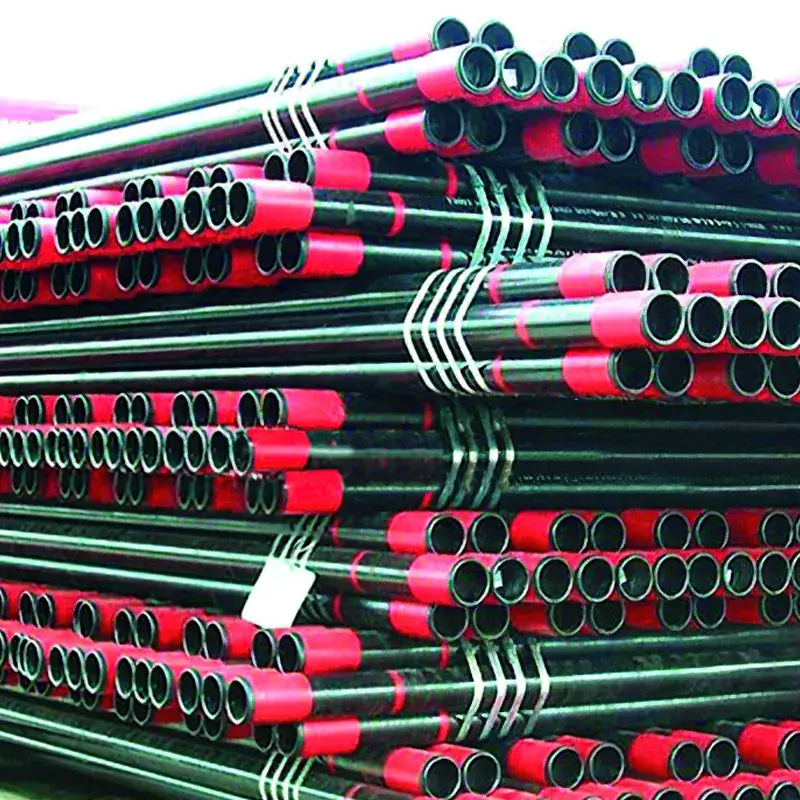
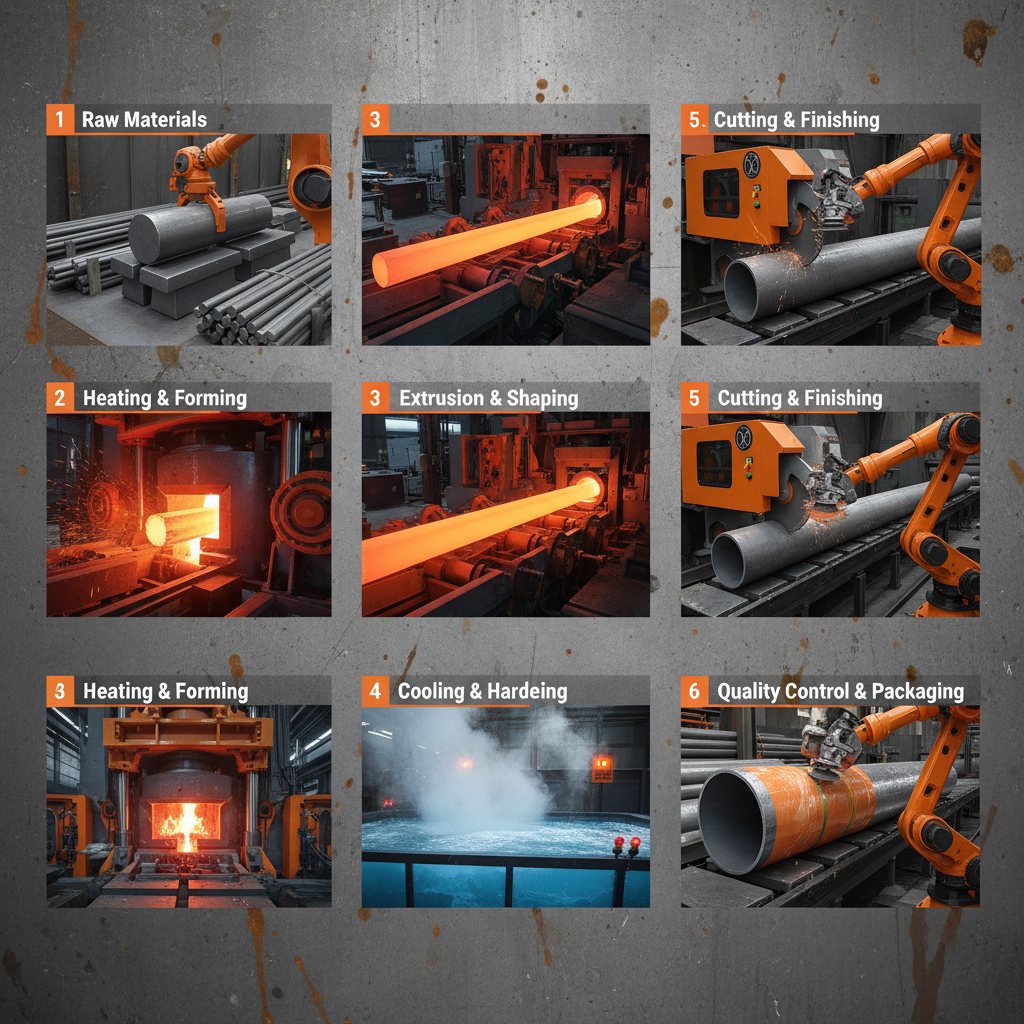
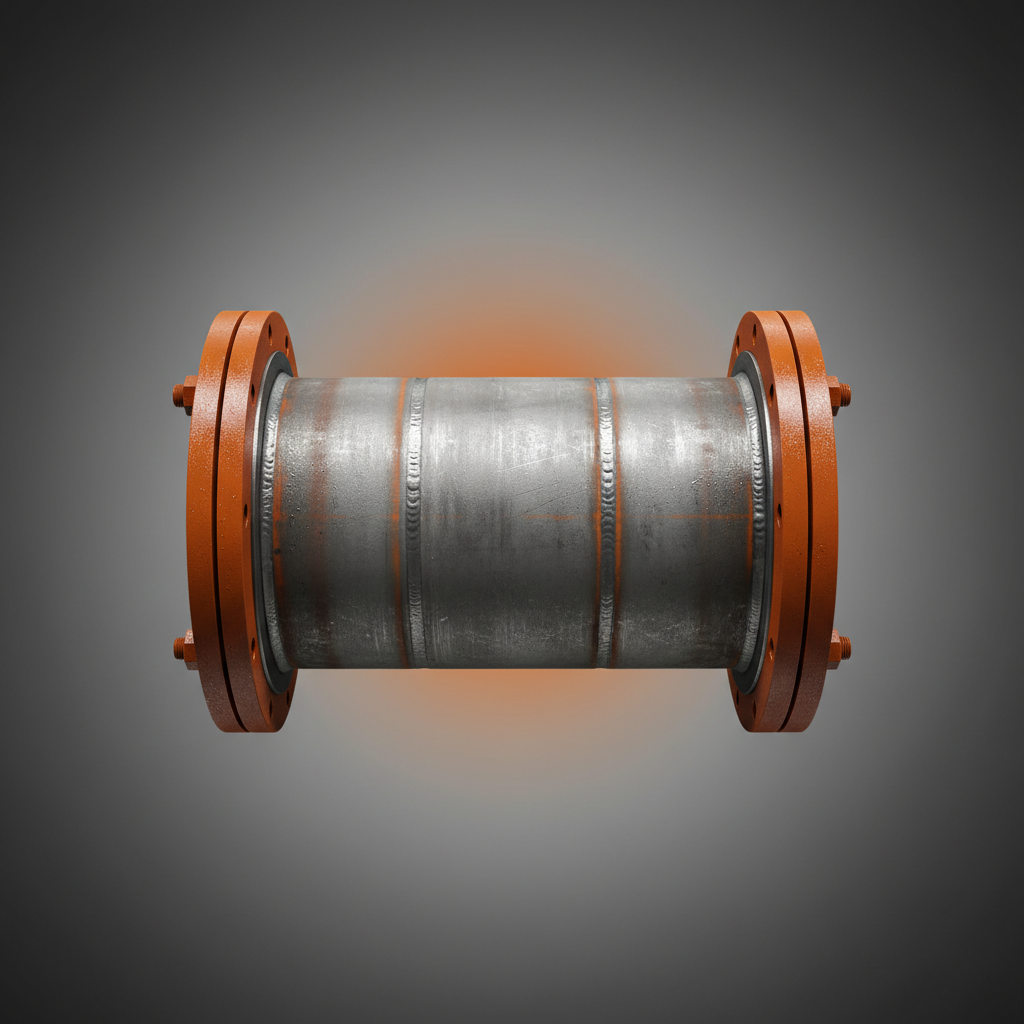
At its core, a fire fighting pipe is a dedicated pipeline designed to safely and effectively channel water or fire suppressant from a source to nozzles or sprinklers in buildings, ships, factories, and public spaces. Unlike everyday plumbing pipes, these have rigorous standards for pressure resistance, corrosion tolerance, and thermal stability.
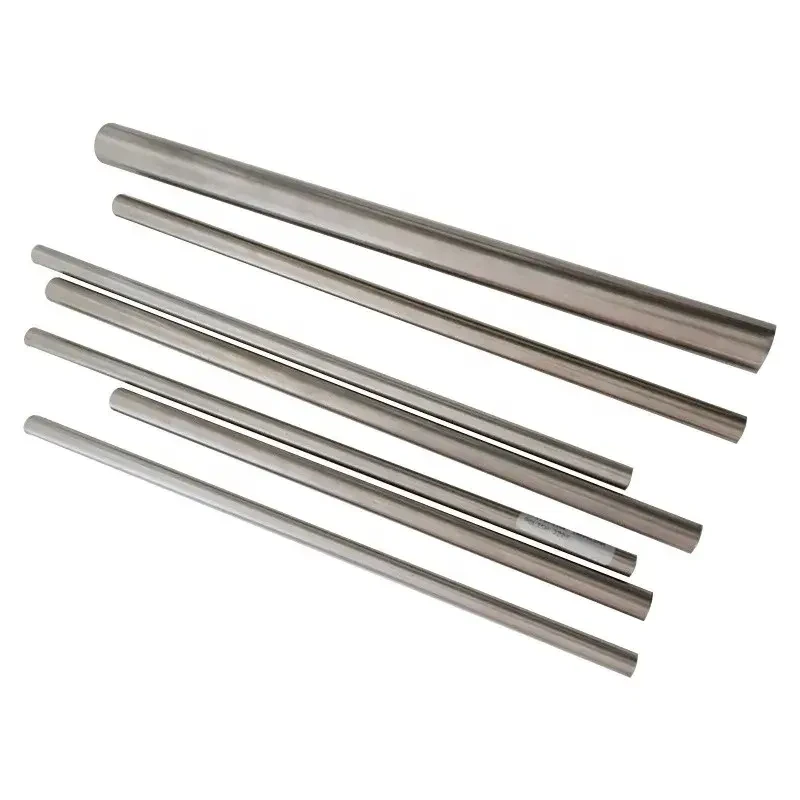
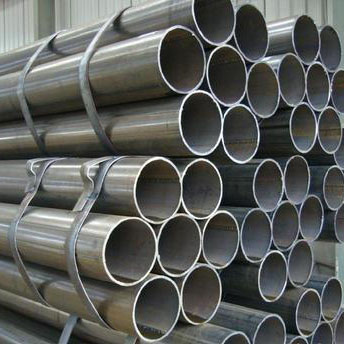
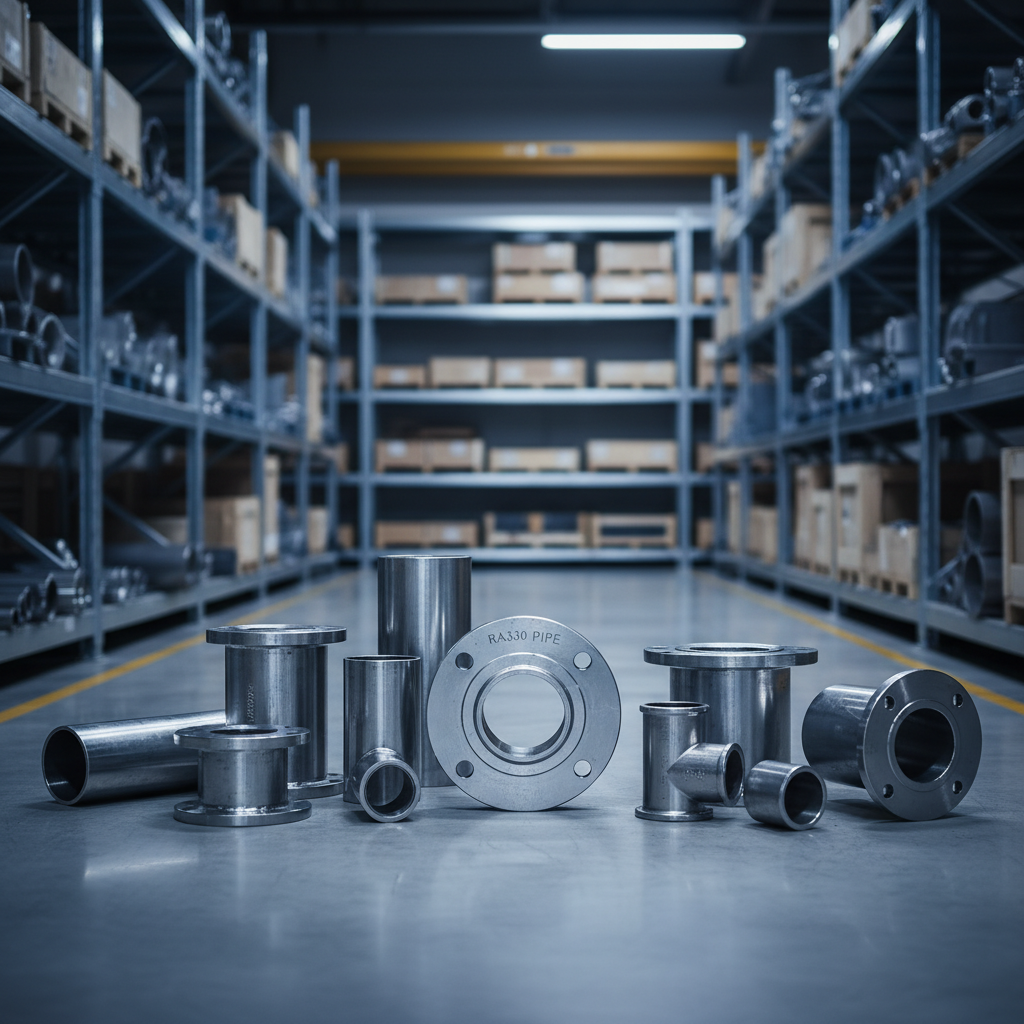
Mostly made from steel (both carbon and stainless variants), ductile iron, or sometimes innovative composites, these pipes interface directly with automatic fire suppression systems, manual hydrants, and industrial safety mechanisms. They are all about safeguarding life and assets — meaning specifications can be a matter of regulation as much as engineering choice.
Key Features That Define Effective Fire Fighting Pipes
Durability & Corrosion Resistance
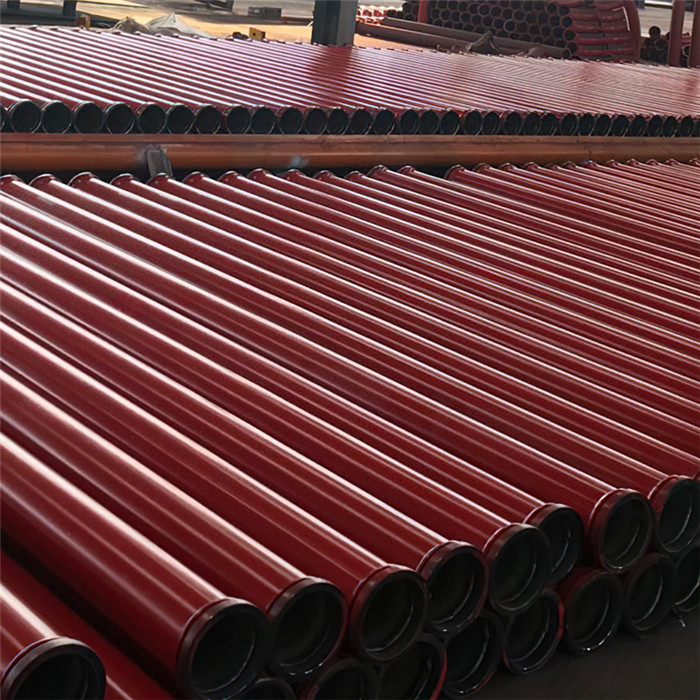
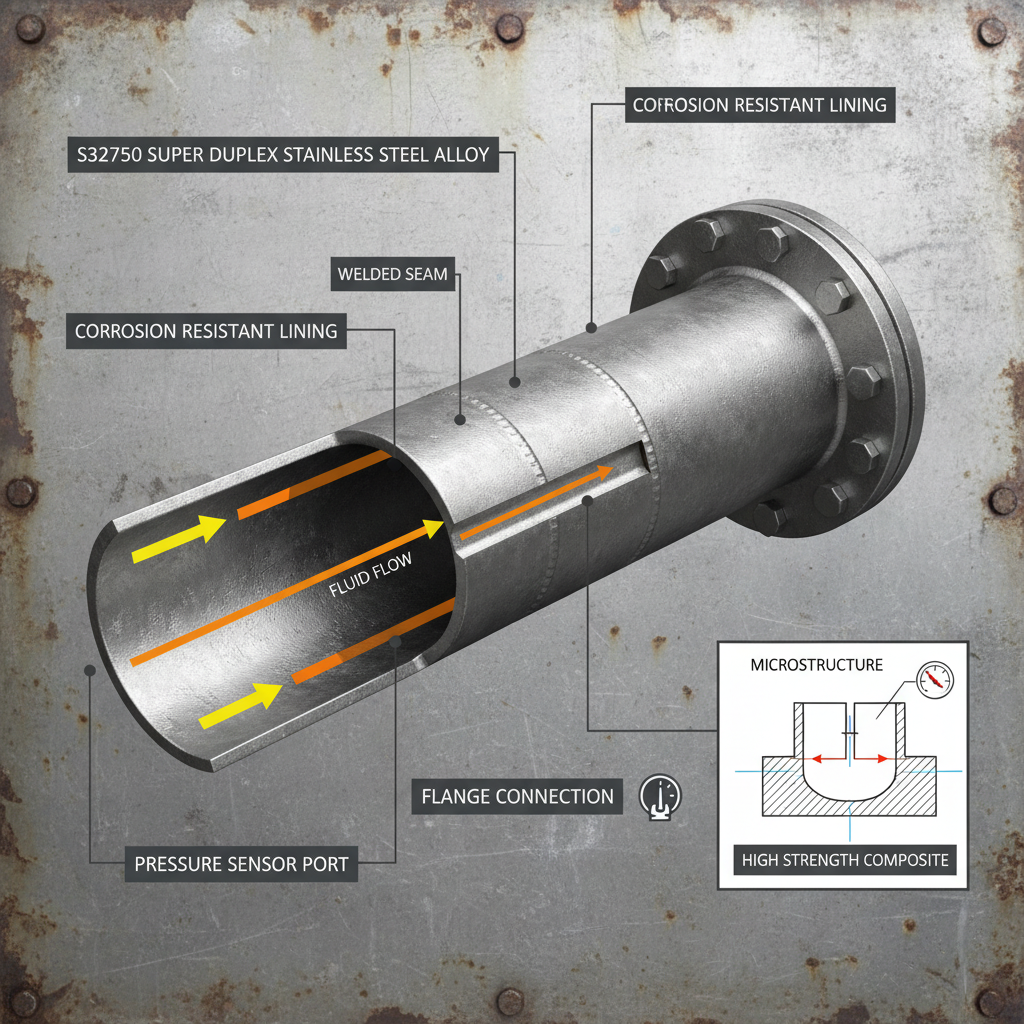
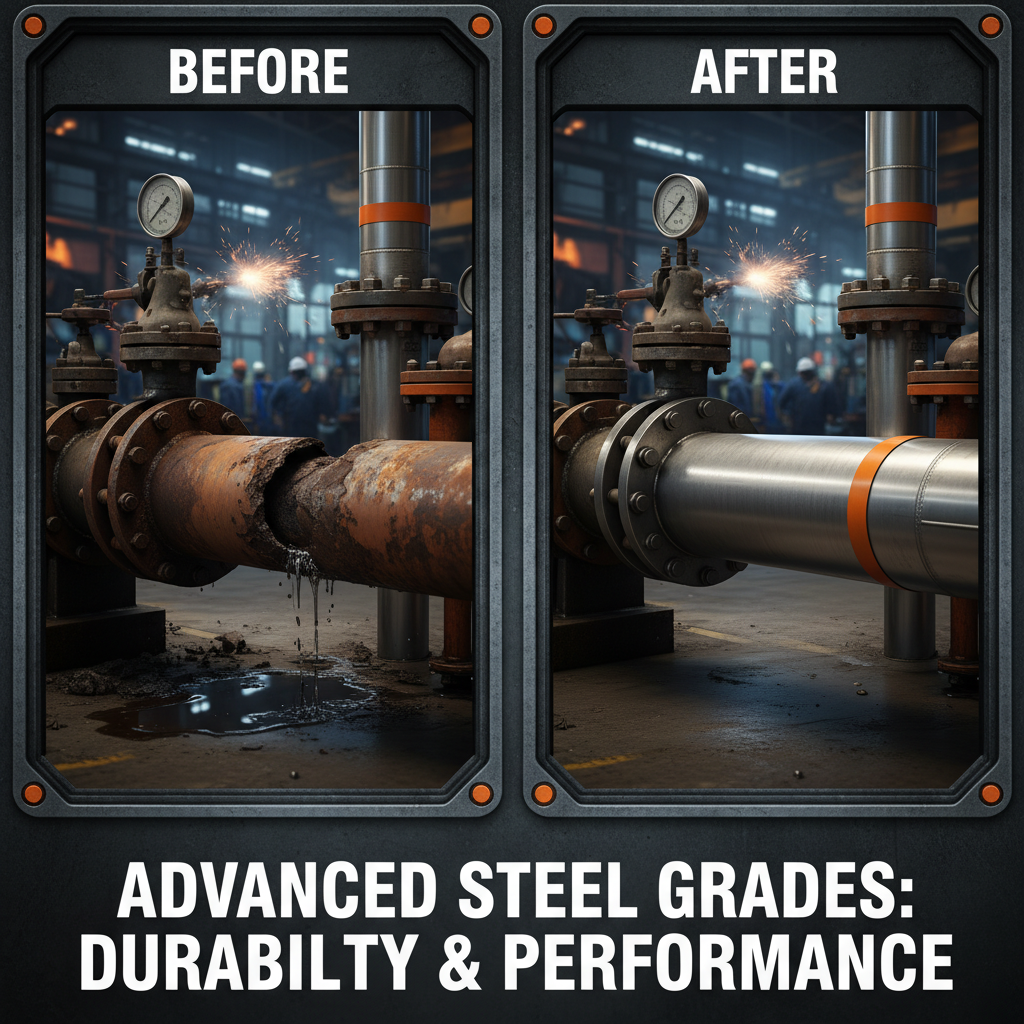
Fire fighting pipes must resist internal corrosion caused by stagnating water and chemical additives, as well as external threats like soil acidity and air pollution. Steel pipes often undergo galvanization or epoxy coatings for protection. This extends their service life and reduces failure risks during emergencies.
Pressure Capacity
Since firefighting needs can involve sudden water surges under high pressure, pipes are rated accordingly, typically between 6 to 20 bar or higher depending on applications. A pipe that bursts or leaks could be catastrophic.
Ease of Installation & Maintenance
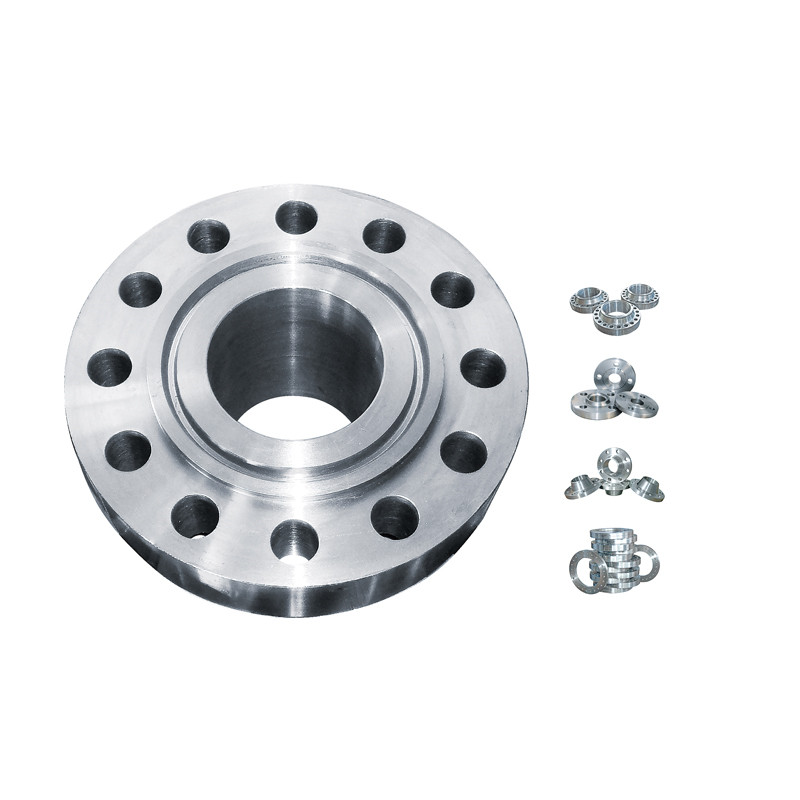
Modular joints, flanged connections, and lightweight materials help contractors deploy fire fighting pipe systems quickly — especially important in large buildings where time and space are limited.
Cost Efficiency
While not cheap, optimized manufacturing, local sourcing, and longer pipe lifespans reduce total cost of ownership. Many engineers note that initial costs pay off handsomely in reliability and lower maintenance.
Typical Product Specification Table
| Specification | Standard Range | Notes |
|---|---|---|
| Material | Carbon Steel, Ductile Iron, Stainless Steel | Varies by application and environment |
| Diameter | 25 - 300 mm (1" - 12") | Common sizes for industrial/commercial use |
| Pressure Rating | 6 - 20 bar (87 - 290 psi) | Depends on system requirements |
| Coating | Galvanized, Epoxy, Polyurethane | For corrosion and chemical resistance |
| Length | 6m standard, customizable | Modular for easy transport and assembly |
Fire Fighting Pipe Around the World: Real-World Use Cases
The story of fire fighting pipes is global — but also deeply local. In earthquake-prone Japan, resilient pipes help sprinkler systems endure seismic shocks without rupture. Fire fighting pipe networks in large cities like New York or Singapore must meet extremely tight standards and are routinely tested to meet ISO 6182 (fire protection piping systems).
Remote industrial sites, like offshore oil rigs or isolated mining operations, rely heavily on pipes that resist saltwater corrosion and vibration stress. Post-disaster scenarios, from California wildfires to Australian bushfires, reveal how swiftly deployable fire fighting pipe systems enable emergency teams to set up protection corridors and safeguard thousands of homes.
Comparing Top Suppliers of Fire Fighting Pipe
| Vendor | Material Options | Global Reach | Lead Time | Certifications |
|---|---|---|---|---|
| SteelCorp LTD | Carbon Steel, Galvanized Steel | North America, Europe | 4-6 weeks | ISO 9001, UL Listed |
| IronSafe Pipes | Ductile Iron, Epoxy Coated | Asia Pacific, Middle East | 3-5 weeks | ISO 6182, FM Approved |
| SafeFlow Solutions | Stainless Steel, Composite | Global | 6-8 weeks | ISO 9001, UL, FM |
Why Investing in Quality Fire Fighting Pipes Pays Off
It may be tempting for budget-conscious projects to choose cheaper or generic pipes, but the long-term value of certified, robust fire fighting pipe is undeniable. Beyond resisting wear and tear, these pipes foster trust that fire safety systems will work instantly when called upon. There’s a profound emotional reassurance in that reliability — whether you’re a building manager, firefighter, or occupant.
Financially, avoiding unexpected maintenance or worst-case failures saves enormous sums in downtime and reconstruction. Environmentally, more durable pipes also reduce the demand for replacement and manufacturing, aligning with sustainability goals increasingly adopted by governments and companies worldwide.
Emerging Trends in Fire Fighting Pipe Technology
- Green Materials: Manufacturers are experimenting with recycled steel and bio-based coatings to reduce environmental footprints.
- Smart Detection Integration: Embedded sensors in pipes can monitor pressure, temperature, and leaks in real-time, optimizing firefighting responses.
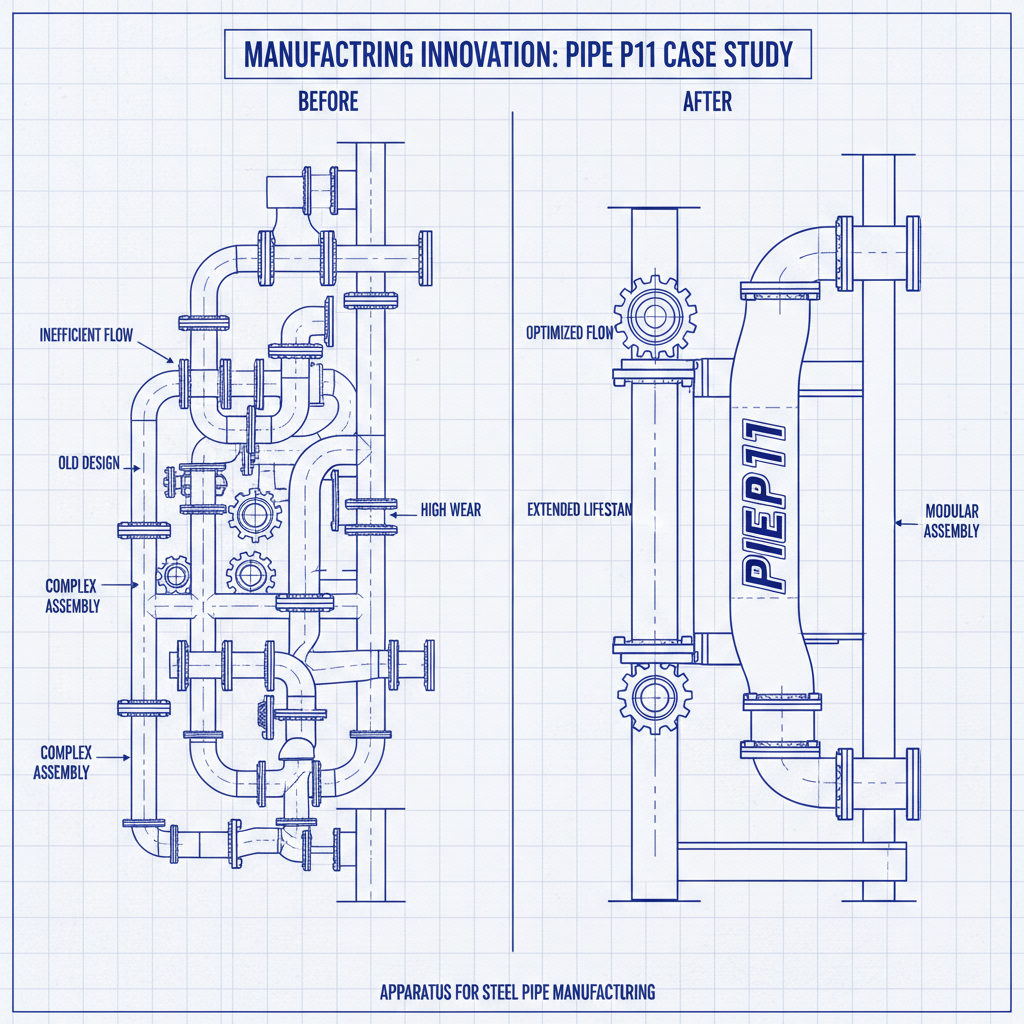
- Modular Lightweight Systems: Quick-assembly pipe sections help emergency teams deploy systems rapidly, especially in disaster zones.
Oddly enough, these innovations make fire fighting pipe not only a passive channel but an active part of intelligent safety networks.
Challenges and Their Practical Solutions
Fire fighting pipes must endure tough conditions, but problems like corrosion, connection leaks, and limited local supplier availability persist. Many report failures due to poor welding or incompatible joints.
The solution is twofold: adopting international standards rigorously and investing in local manufacturing and training. Industry groups push for better certification transparency, while innovative coatings now extend pipe lives beyond 50 years in some cases.
FAQs About Fire Fighting Pipe
1. What materials are most commonly used for fire fighting pipes?
Steel variants, particularly carbon steel and ductile iron, dominate due to their strength and durability. Stainless steel is preferred where corrosion is extreme. Some places start using composites for lighter-weight flexibility.
2. How often should fire fighting pipes be inspected and maintained?
Industry guidelines recommend at least annual inspections, focusing on joints, pressure tests, and corrosion levels. Regular maintenance can catch issues early, ensuring reliable operation in emergencies.
3. Are fire fighting pipes regulated internationally?
Yes, global standards like ISO 6182 and UL/FM approvals outline pressure ratings, materials, and installation processes to ensure safety and interoperability.
4. Can fire fighting pipes be retrofitted into older buildings?
Often yes, with careful design. Modern modular and flexible pipes can replace or supplement failing old systems while minimizing disruption.
5. How to select the right fire fighting pipe for a specific project?
Consider environmental exposure, pressure requirements, pipe length, and local regulations. Consulting with certified suppliers and engineers is key to avoid costly mistakes.
Conclusion: Building Safer Futures with Fire Fighting Pipes
Fire fighting pipes might be out of sight, but they are never out of mind — if you know what to look for. Their reliability underpins our confidence in managing fire risks in homes, factories, and critical infrastructure worldwide. Investing in quality materials, innovative technologies, and global standards isn’t just responsible; it’s an act of foresight.
If this has piqued your interest or you’re sourcing reliable fire fighting pipe solutions, be sure to visit our website for top products, expert insights, and certified compliance information.
References
Post time: Nov . 30, 2025 13:40
 English
  Arabic
  Bengali
  China
China  French
  German
  Hausa
Hausa  Indonesian
  Italian
  Japanese
  Javanese
  Malay
Malay  Persian
  Portuguese
  Punjabi
  Russian
  Spanish
  Swahili
  Telugu
  Vietnamese