

Understanding UL Pipe: What It Is and Why It Matters Worldwide
At first glance, UL pipe might sound like dry technical jargon—just another specification in the maze of industrial materials. But when you unpack it, you’ll quickly see it’s a quiet workhorse in countless industries, keeping things flowing safely and efficiently across the globe. From skyscrapers to remote infrastructure projects, UL-certified pipes ensure reliability, safety, and compliance with rigorous standards. Why does that matter? Because in a world increasingly focused on sustainability, safety, and resilient systems, knowing the ins and outs of UL pipe can make all the difference, whether you're an engineer, contractor, or supplier.
Mini takeaway: UL pipe isn’t just about pipes—it’s about trusted infrastructure foundations supporting modern life worldwide.
The Global Relevance of UL Pipe in Industry and Infrastructure
The global demand for reliable piping solutions continues to surge, especially in sectors like construction, oil and gas, water management, and electrical systems. According to the International Organization for Standardization (ISO), standardized product certifications such as UL (Underwriters Laboratories) are critical to ensuring consistent quality and safety across borders.
For example, the United Nations Environment Programme highlights that nearly 70% of new infrastructure investments in developing countries now require compliance with international safety standards to qualify for funding and support. This turns UL pipe certification into a vital stamp of confidence for builders and investors alike.
One big challenge UL pipes address is risk reduction: preventing leaks, bursts, or electrical failings that can cost lives and money. In harsh industrial environments or rapidly urbanizing regions, this reliability foundation is, frankly, non-negotiable.
Mini takeaway: UL pipe’s global footprint links not only to regulations but to tangible advancements in safety and efficiency across vital infrastructure.
What Exactly Is UL Pipe?
In simple terms, UL pipe refers to piping products that have been tested and certified by Underwriters Laboratories—a US-based global safety certification company. This certification ensures the pipe meets rigorous standards for performance, fire resistance, electrical insulation (where applicable), and durability.
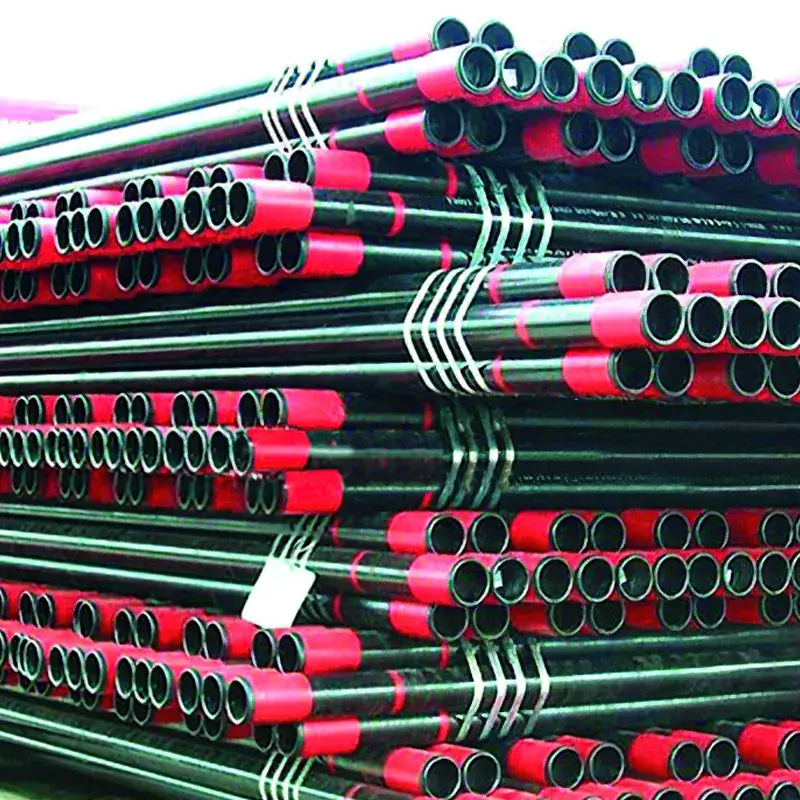
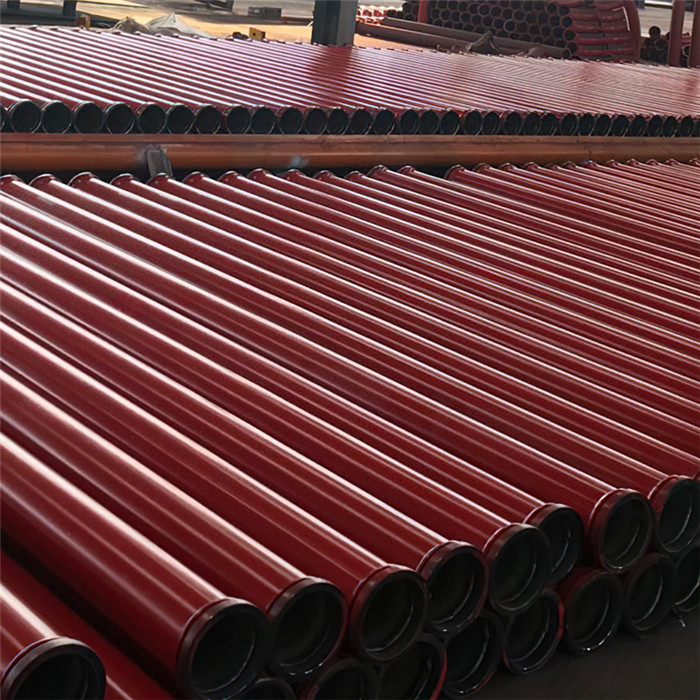
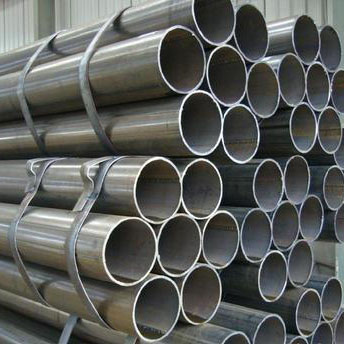
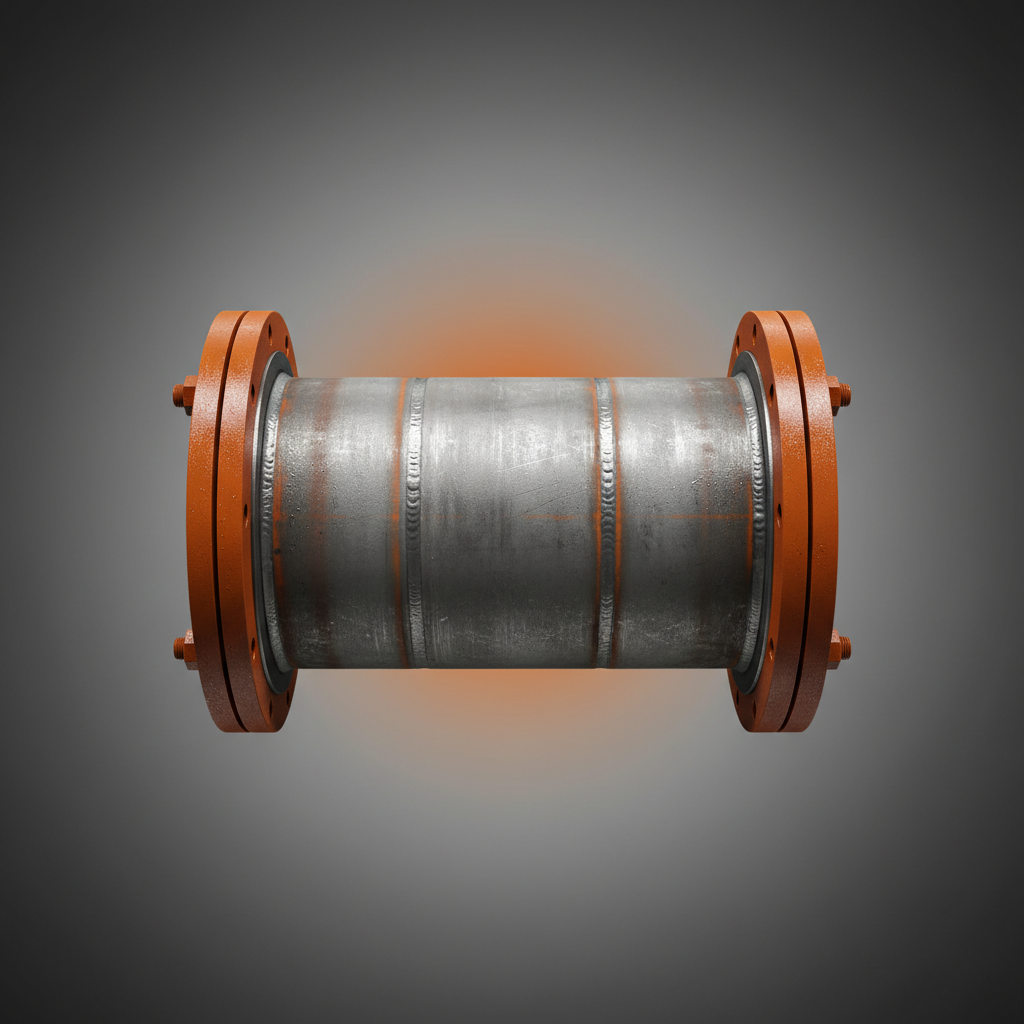
UL pipes can encompass a wide range: from electrical conduits that protect and organize wiring in buildings, to steel or plastic pipes used in plumbing, HVAC, or industrial transport of fluids and gases. The common thread is that UL certification offers a mark of trust and adherence to safety codes in increasingly complex installation environments.
More importantly, UL pipes connect to humanitarian and environmental goals. Durable, safe pipes mean fewer failures that disrupt water supply in drought-prone regions or reduce hazardous chemical leaks that damage ecosystems.
Core Components of UL Pipe You Should Know
1. Durability and Material Quality
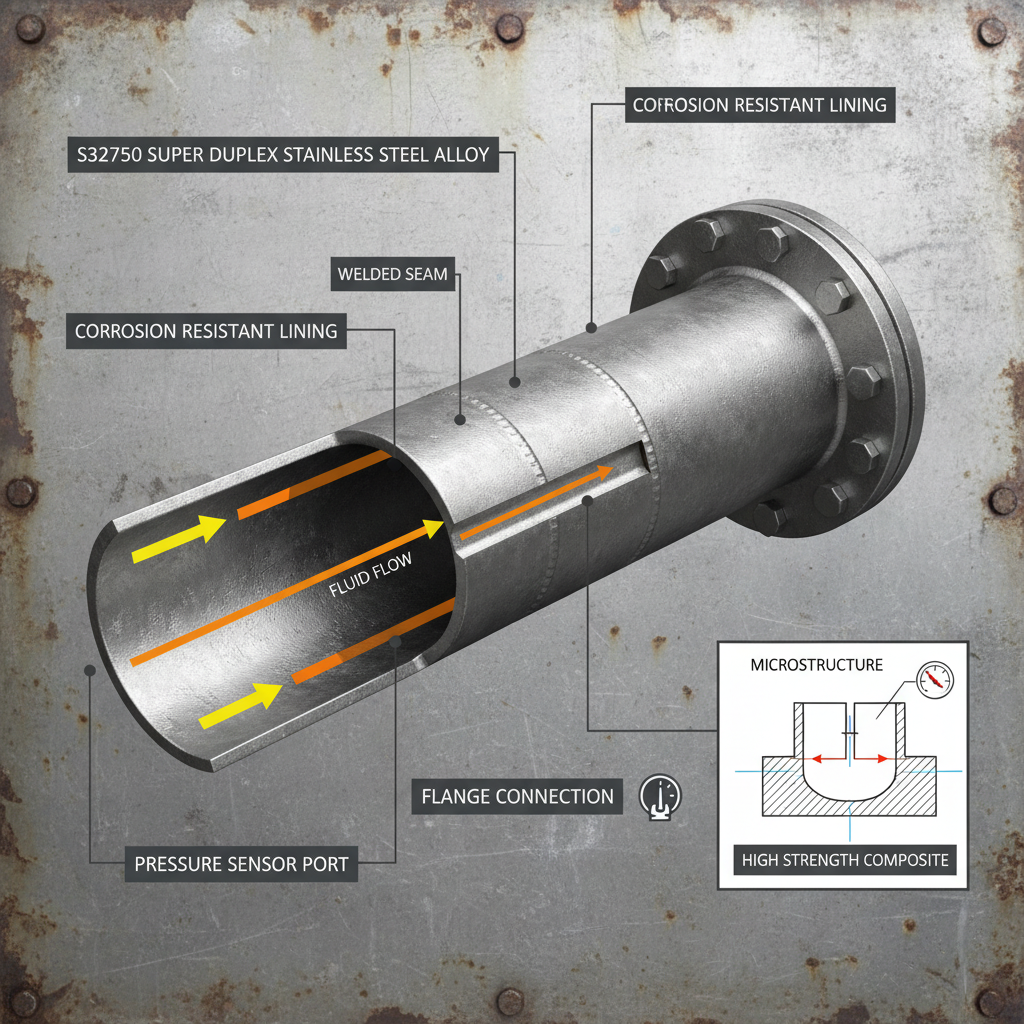
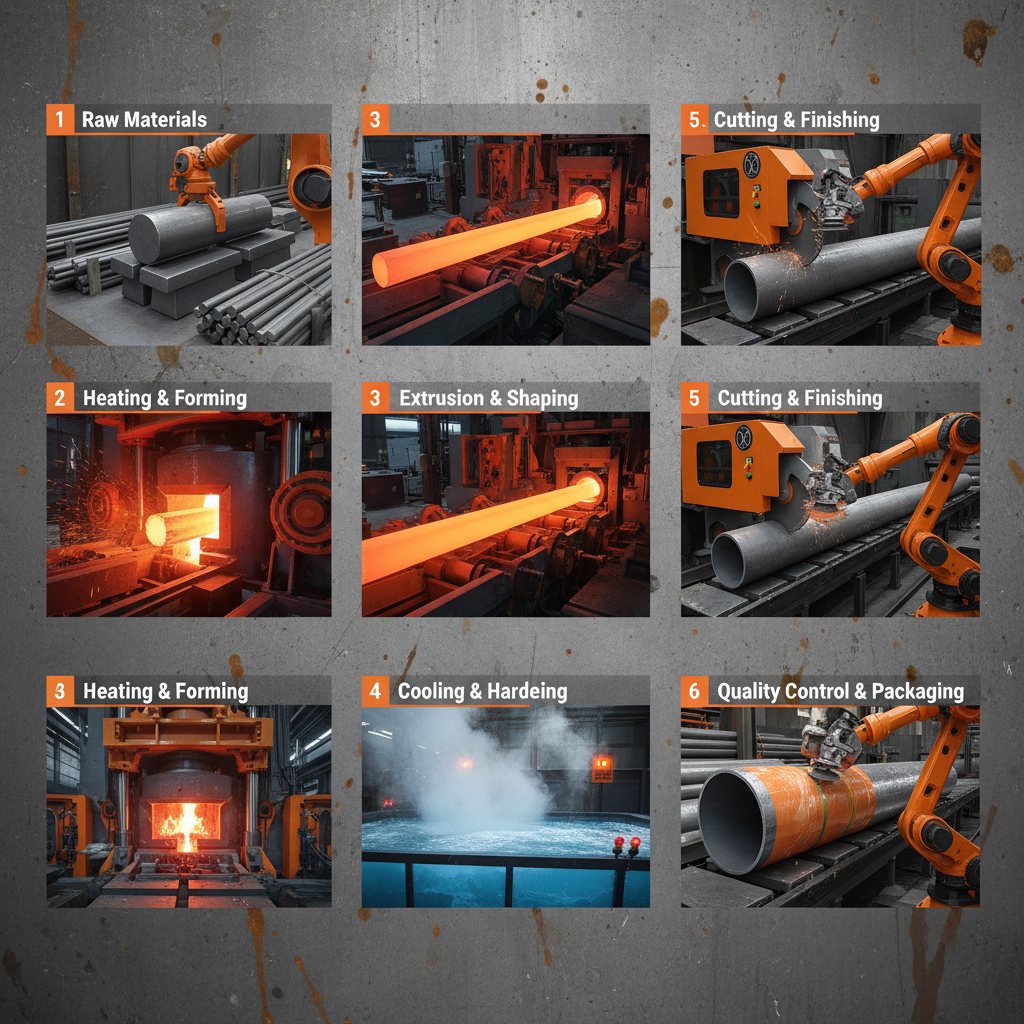
Durability often tops the must-have list when selecting pipes. UL pipes undergo testing for tensile strength, impact resistance, and corrosion tolerance. Depending on application, materials range from galvanized steel, PVC, CPVC to innovative composites—all verified to handle the stresses expected.
2. Fire and Electrical Safety
Electrical conduit pipes marked with UL certification demonstrate flame retardancy and insulation properties critical to preventing fires and electrical shorts. For example, fire-resistant conduit systems are mandatory in hospitals and high-rise buildings.
3. Compliance and Regulatory Alignment
UL certification matches global or local code requirements, making it easier for contractors and engineers to receive approvals—whether it’s the NEC (National Electrical Code) or international codes.
4. Ease of Installation and Scalability
UL pipes are designed not just for strength but for practical installation considerations—weight, ease of cutting and threading, fitting compatibility—which in fast-paced projects can speed up time-to-completion.
5. Environmental Resistance
Resistance to UV rays, chemicals, and temperature fluctuations ensures that UL pipes stand up to both indoor and outdoor harsh environments without premature aging.
Mini takeaway: UL certification isn’t just a label—it reflects a comprehensive assurance of material integrity, safety, and practical performance.
How UL Pipe Makes a Difference: Global Applications & Use Cases
It’s fascinating to see how UL pipe finds itself at the heart of some of the most critical projects worldwide.
- Post-disaster recovery: After hurricanes or earthquakes, quickly restoring safe drinking water and electrical systems hinges on certified pipes that won’t fail when stress is highest.
- Industrial complexes: In places like the Gulf Coast, where chemical plants demand strict safety controls, UL-certified pipes reduce costly shutdowns due to leaks or corrosion.
- Smart cities and infrastructure upgrades: Across Asia and Europe, UL pipes ensure the backbone of fiber optic and power conduits meet new digital infrastructure demands.
- Rural electrification: Programs in Africa and South America increasingly rely on UL-certified conduits for long-lasting, safe wiring installations in remote areas.
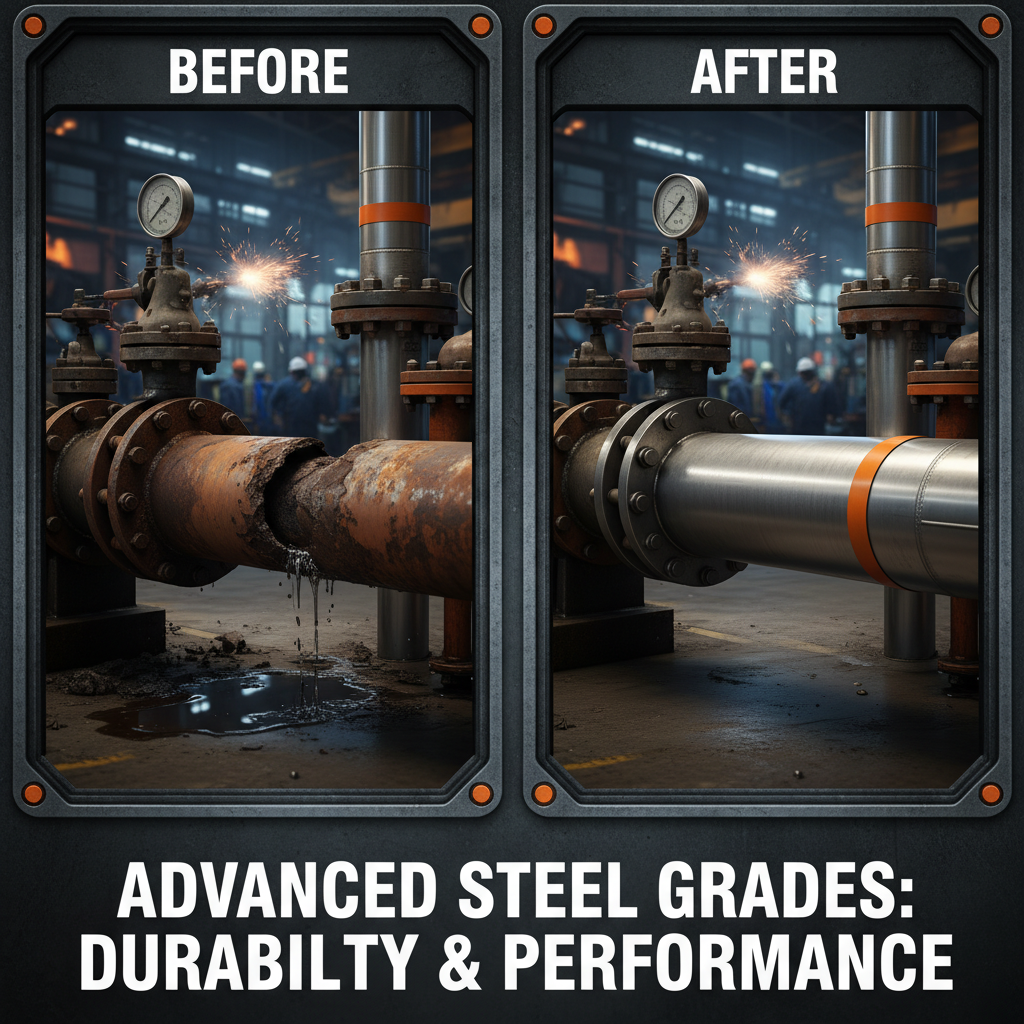
One real case: a California-based water utility replaced thousands of old pipes with UL-listed polyethylene pipes, improving leak resistance while meeting new fire safety codes. The result? Extended service lifespans and fewer emergency repairs.
UL Pipe: Why It’s Worth the Investment
Okay, so you might ask: "Is grabbing UL pipe just about ticking regulatory boxes?" Not at all. There's a lot of tangible, long-term value beneath that badge.
- Cost efficiency: Fewer failures mean less downtime, emergency fixes, and replacement costs. Over years, that’s real money saved.
- Sustainability: Durable pipes reduce waste and environmental impact. Plus, many UL pipe products incorporate recyclable or low-impact materials.
- Safety and trust: Knowing pipes meet strict standards provides peace of mind for builders, homeowners, and workers.
- Innovation-friendly: UL constantly updates criteria to incorporate new technologies—making UL pipe a gateway to cutting-edge materials.
At a personal level, when you think about the pipes hidden behind your walls or under roads, you realize these small components hold a lot of responsibility—quite literally the stuff that keeps cities running safely and smoothly.
Looking Ahead: Future Trends in UL Pipe Technology
The pipe industry isn’t standing still. I noticed a few emerging shifts:
- Green materials: Bioplastics and recycled resins are gaining traction, promising more eco-friendly UL-certified pipes.
- Smart pipes: Integration of sensors to monitor flow, pressure, and integrity in real-time is becoming feasible.
- Digital manufacturing: Additive manufacturing (3D printing) for customized UL pipes tailored to unique project specs.
- Regulatory evolution: Increasingly strict standards for environmental safety and fire retardancy ensure continuous innovation.
It feels like the next decade will bring a kind of “smart infrastructure plumbing” revolution—with UL pipe right at the center.
Current Challenges and How the Industry is Responding
Nothing is perfect. Some ongoing issues include:
- Cost barriers: High-quality UL pipes can be pricier upfront than uncertified competitors, a tough sell in budget-constrained markets.
- Supply chain hurdles: Global disruptions can delay access to certified materials.
- Knowledge gaps: Smaller contractors sometimes lack training on UL pipes’ value and installation best practices.
Solutions often come from education programs, improved sourcing strategies, and stronger partnerships—the kind of work that industry bodies and providers like ul pipe distributors actively promote.
Product Specification Snapshot
| Specification | Typical UL Pipe Range | Notes |
|---|---|---|
| Material Types | Galvanized Steel, PVC, CPVC, Polyethylene | Varies by application |
| Diameter Range | 12 mm to 600 mm | Custom sizes available |
| Pressure Rating | Up to 300 psi | Depends on material and wall thickness |
| Temperature Tolerance | -40°C to 120°C | Varies with type |
| Certifications | UL Listed, NEC Compliance | Critical for safety laws |
Vendor Comparison: Leading UL Pipe Manufacturers
| Vendor | Product Range | Price Level | Strengths | Warranty |
|---|---|---|---|---|
| SteelPipe Co. | Galvanized & Stainless Steel UL Pipes | Mid-High | Durability, wide diameter range | 10 years |
| PolyFlow Industries | PVC & CPVC UL Certified Pipes | Mid | Lightweight, corrosion-resistant | 7 years |
| EcoPipe Solutions | Recycled Composite UL Pipes | High | Sustainability focus, custom sizes | 12 years |
Frequently Asked Questions About UL Pipe
- What makes UL pipe different from regular piping?
- UL pipe undergoes rigorous testing for safety, durability, and compliance with electrical and fire codes, which regular piping often doesn’t meet. This makes UL pipe more reliable and trusted for critical applications.
- How long can UL pipe typically last in industrial environments?
- Depending on material and conditions, UL-certified pipes often last 20-50 years, thanks to their tested corrosion resistance and mechanical strength.
- Are UL pipes suitable for outdoor and harsh environments?
- Yes, UL pipes are often rated for resistance to UV exposure, extreme temperatures, and chemicals, making them suitable for diverse environments worldwide.
- Can UL pipes be customized for special project requirements?
- Many suppliers offer custom sizes, wall thicknesses, and materials within UL certification frameworks to meet unique project demands.
- Is buying UL pipe internationally complicated?
- While certification eases compliance, import regulations can vary. Partnering with experienced vendors or distributors, like those at ul pipe, helps navigate customs and certification paperwork efficiently.
Wrapping Up: Why UL Pipe Deserves Your Attention
Ultimately, UL pipe embodies the behind-the-scenes excellence that lets modern infrastructure come alive safely and sustainably. It’s more than just steel or plastic—the UL label is a pact of trust, a safety net supporting everything from your morning coffee’s electrical power to emergency water access in crisis zones.
If you care about lasting quality, minimizing risk, and meeting future-focused standards... well, UL pipe is the component worth knowing inside and out.
Ready to explore top-grade UL pipe solutions tailored for your next project? Visit our website at https://www.world-steelmaterial.com to browse products, get expert advice, and ensure your pipeline runs smoothly.
References:
1. International Organization for Standardization (ISO)
2. Underwriters Laboratories - Wikipedia
3. United Nations Environment Programme (UNEP)
Post time: Nov . 30, 2025 12:05
 English
  Arabic
  Bengali
  China
China  French
  German
  Hausa
Hausa  Indonesian
  Italian
  Japanese
  Javanese
  Malay
Malay  Persian
  Portuguese
  Punjabi
  Russian
  Spanish
  Swahili
  Telugu
  Vietnamese