

Understanding ASTM A106: The Backbone of Seamless Carbon Steel Pipes
When we talk about industrial pipeline materials, ASTM A106 is a name that keeps popping up. Globally, it's a staple for seamless carbon steel pipes used across countless industries, from oil and gas to power plants. Why does it matter? Because knowing the qualities and applications of ASTM A106 pipes can save costs, improve safety, and even boost sustainability in infrastructure projects worldwide.
The Global Importance of ASTM A106 in Industry
Globally, industries like oil refining, chemical manufacturing, and energy generation rely heavily on robust piping systems. According to ISO standards and World Steel Association reports, a large chunk of pipeline infrastructure around the world is made from carbon steels conforming to ASTM standards, with ASTM A106 being one of the most prominent. It addresses the challenge of transporting fluids and gases safely under various temperature and pressure conditions — a non-negotiable in global supply chains and ensuring operational continuity.
Especially in emerging economies where infrastructure development is surging, ASTM A106 pipes play a key role in making construction both economically feasible and technically sound. It’s a quiet hero you might say, holding together systems that power factories and cities.
Mini Takeaway:
- ASTM A106 steel pipes underpin critical infrastructure worldwide.
- They address safety and durability challenges in fluid transport.
- Understanding ASTM A106 helps optimize material choices for industrial projects.
What Exactly Is ASTM A106?
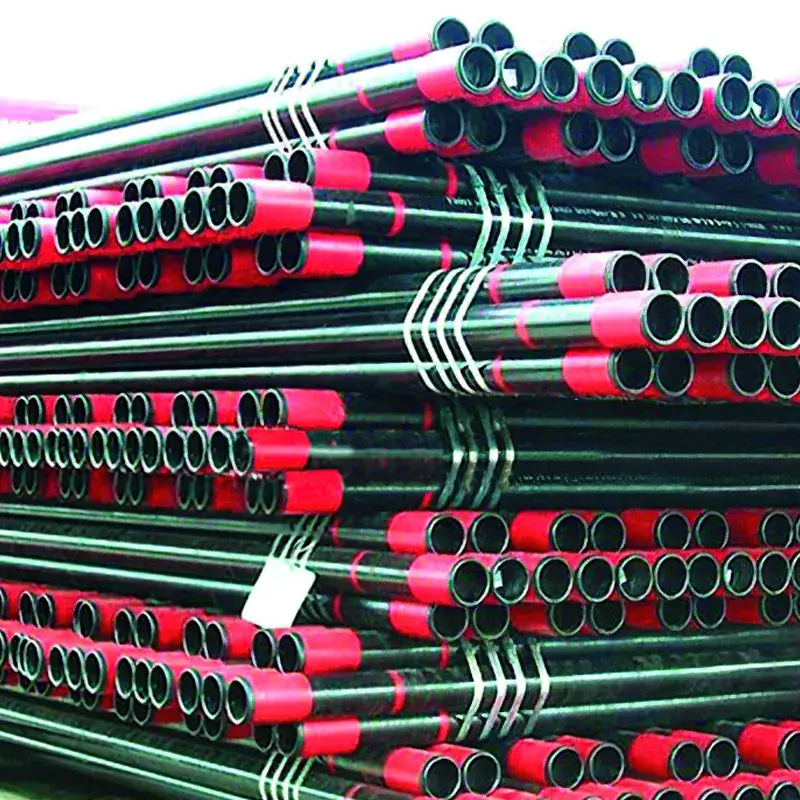
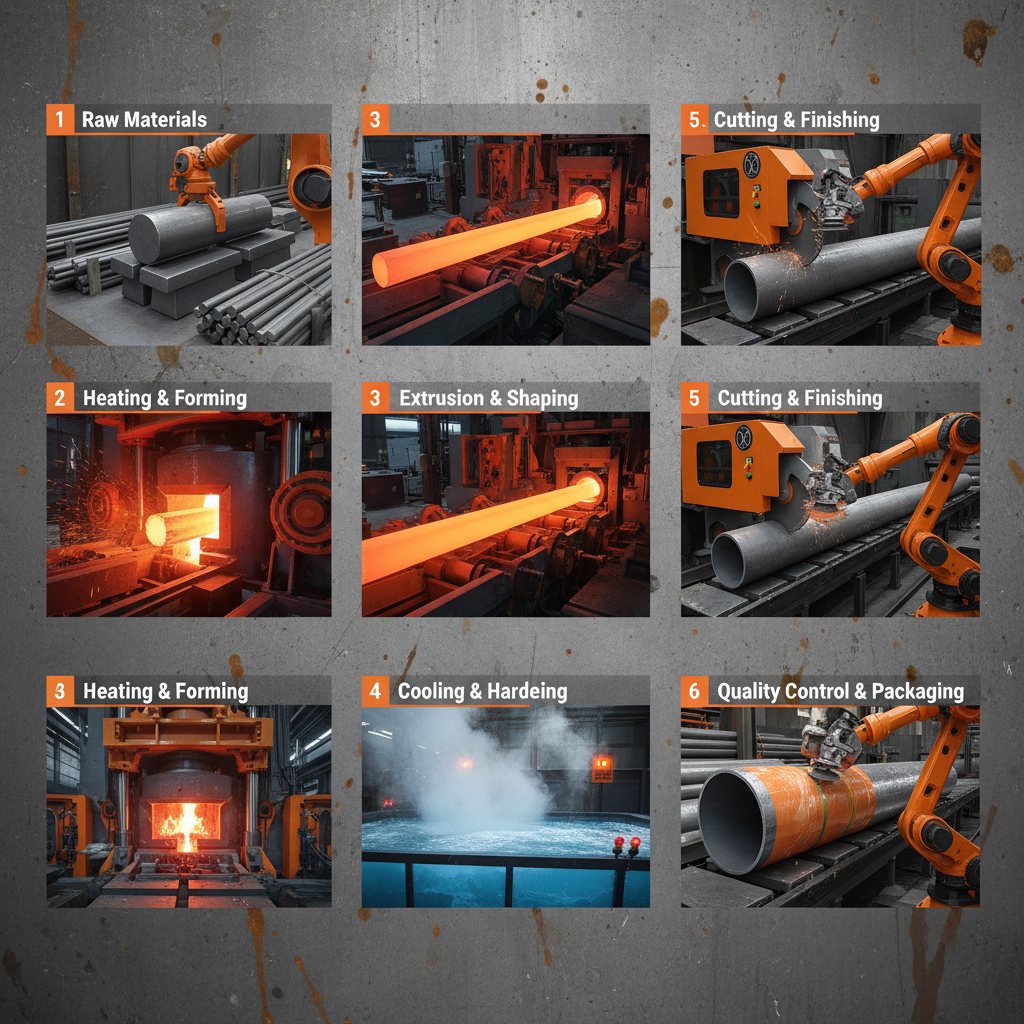
In layman’s terms, ASTM A106 is a standardized specification issued by ASTM International. It defines requirements for seamless carbon steel pipes designed for high-temperature service. These pipes are seamless, meaning they have no welds or joins, which gives them greater strength and reliability under stress. Typically used in systems piping for high-temperature environments, they support applications where corrosion resistance, tensile strength, and ductility are crucial.
This specification intersects modern industry’s needs with human safety concerns—it forms the backbone of energy systems, chemical processing, and other heavy industries, ensuring that fragile supply lines don’t snap under pressure.
Core Features of ASTM A106 Steel Pipes
1. Seamless Construction
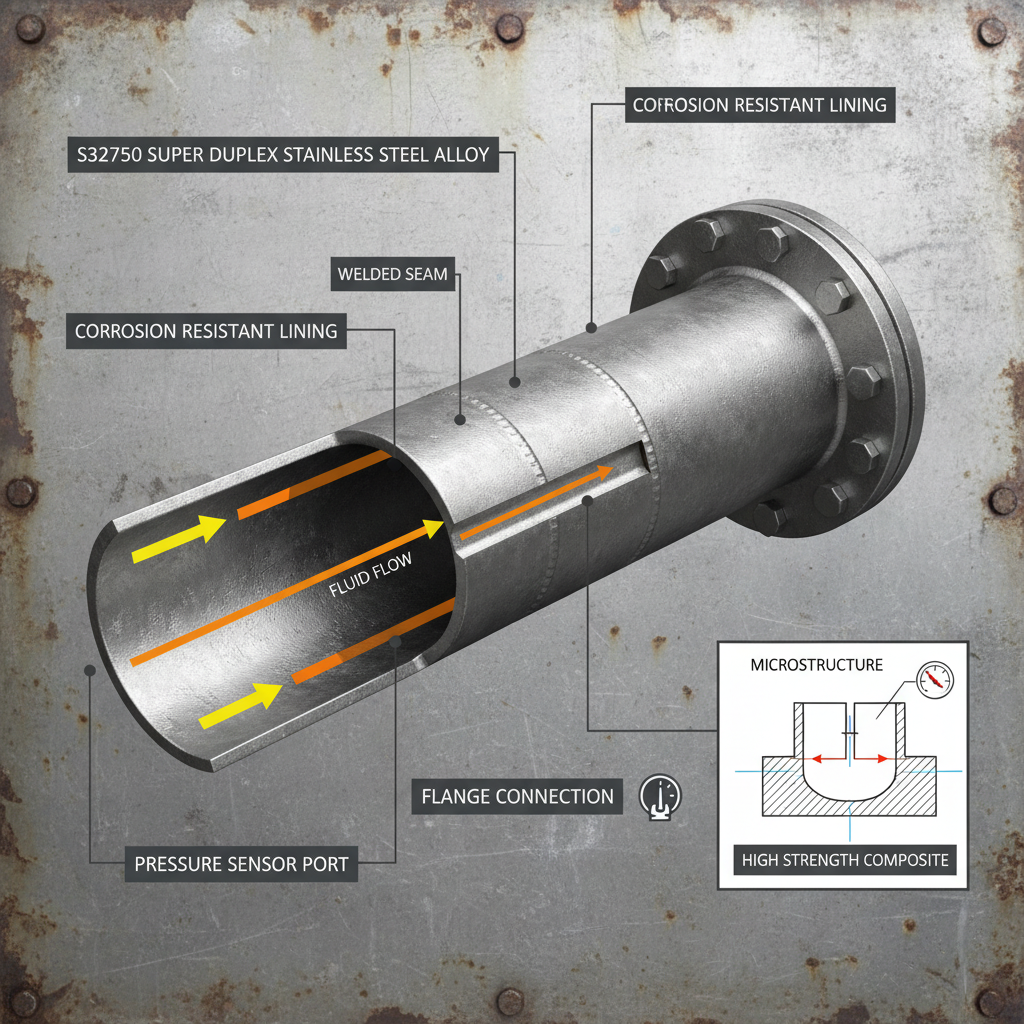
Being seamless implies no weld seams, offering superior mechanical properties versus welded pipes. This translates to better pressure endurance and a longer lifespan, quite the necessity for safety-critical pipelines.
2. High-Temperature Resistance
Designed for elevated temperatures (up to roughly 750°F or 400°C), these pipes are common in plants where heat and pressure are constant players and failures just can’t happen.
3. Chemical Composition & Grades
The specification includes three grades (A, B, and C), which vary in carbon content and mechanical properties. This lets engineers choose pipes tailored to specific strength and toughness requirements.
4. Versatility & Scalability
ASTM A106 pipes can be produced in a range of sizes, thicknesses, and lengths to match project scope — from small refinery repairs to giant pipeline networks. They are easy to join, bend, and fabricate.
5. Cost Efficiency
Compared to specialty alloys or stainless steels, carbon steel pipes under ASTM A106 strike a decent balance between price and durability, making them a popular choice globally.
Mini Takeaway:
- Seamless design boosts strength and reliability.
- High-temp tolerance is key for industrial service.
- Grades ensure material matches operational needs.
Where and How ASTM A106 Pipes Are Used Globally
ASTM A106 pipes find homes from the Gulf’s vast oil refineries to sprawling chemical complexes in Asia and Europe’s power stations. For example, many Middle Eastern petrochemical firms depend on ASTM A106 Grade B pipes to carry corrosive fluids safely. In North America, power plants lean on these pipes for steam transportation due to their heat resilience.
Interestingly, relief projects following natural disasters in Southeast Asia have also turned to ASTM A106 pipes for rebuilding damaged water and fuel supply networks fast. Their robustness makes them invaluable for restoring critical infrastructure where downtime costs lives.
Typical ASTM A106 Product Specifications
| Specification | Details |
|---|---|
| Material Type | Carbon Steel (Seamless) |
| Grades | A, B, C |
| Diameter Range | 1/8 inch to 48 inch |
| Pressure Rating | Up to 3,000 psi (varies by size and grade) |
| Temperature Range | Up to approx. 750°F (400°C) |
| Typical Uses | Transport of steam, water, oil, and gas |
How ASTM A106 Stacks Up Against Competitors
| Feature | ASTM A106 | API 5L | ASTM A53 |
|---|---|---|---|
| Seamless Pipe | Yes | Yes/No (both seamless and welded) | Yes/No (seamless and welded) |
| High Temp Service | Up to 750°F | Lower grade temp rating | Lower (~500°F) |
| Material Type | Carbon Steel | Carbon Steel, Line Pipe | Carbon Steel |
| Cost | Mid-range | Competitive | Lowest |
| Typical Industries | Power, Oil & Gas | Oil & Gas Pipeline | Construction, water lines |
The Advantages That Make ASTM A106 a Reliable Choice
Being predictable is half the battle, and ASTM A106 pipes deliver on that. Their fusion of cost-effectiveness, strength, and temperature resistance helps plants avoid costly downtime and maintain safety standards—something engineers swear by. Emotionally, operators find trust in their longevity and consistent quality, alleviating stress in high-stakes environments. Plus, the pipes’ ability to withstand thermal expansion and contraction enhances durability over decades, which frankly aligns with sustainability goals by reducing waste and replacements.
Emerging Trends and Innovations Around ASTM A106 Pipes
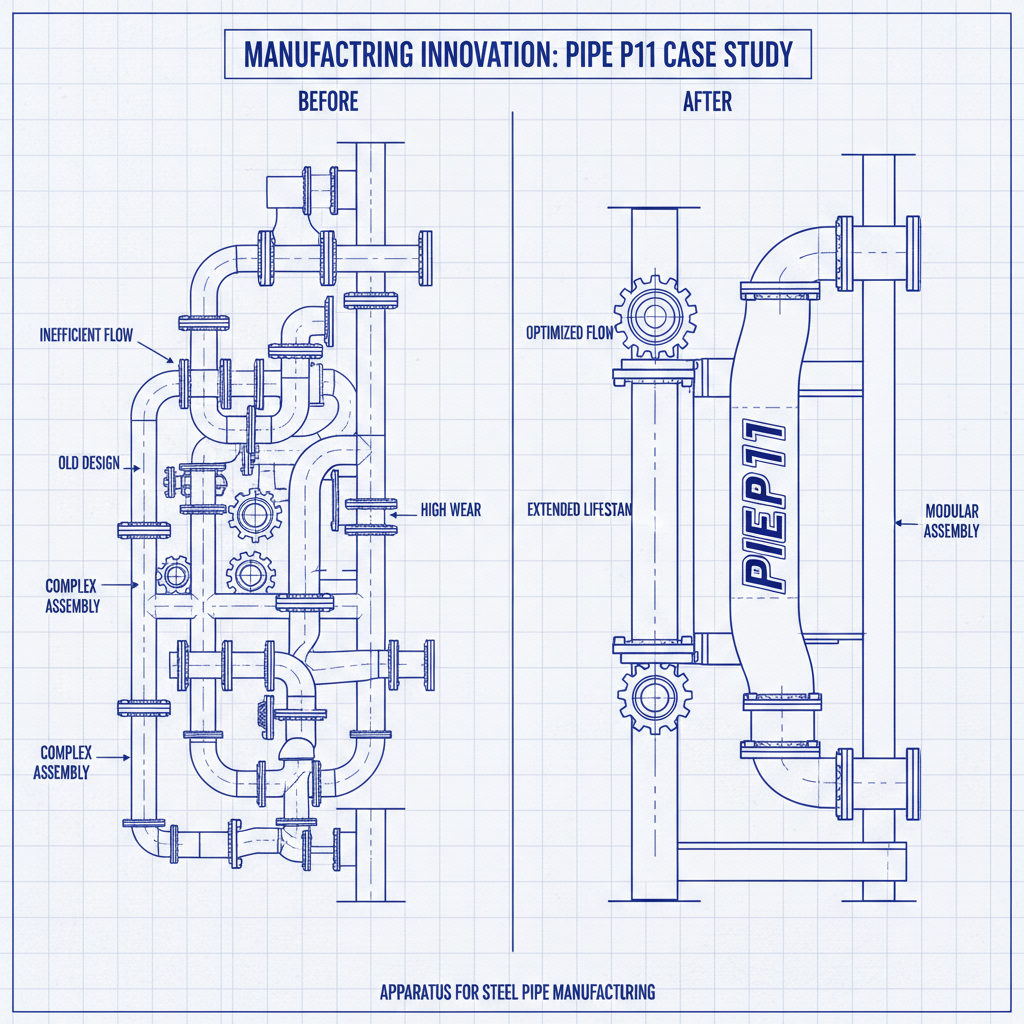
The steel industry isn’t sitting still. New coatings and alloying approaches are being developed to boost corrosion resistance and extend service life. Digital tools for real-time pipe condition monitoring, like embedded sensors, are becoming a thing. Oddly enough, automation in manufacturing seamless pipes helps achieve tighter tolerances, yielding less wastage. On the sustainability front, utilizing recycled steel and improving furnace efficiencies during production are gaining momentum. So, ASTM A106 pipes aren't just old workhorses but evolving components with a green edge ahead.
Challenges and How Suppliers Are Tackling Them
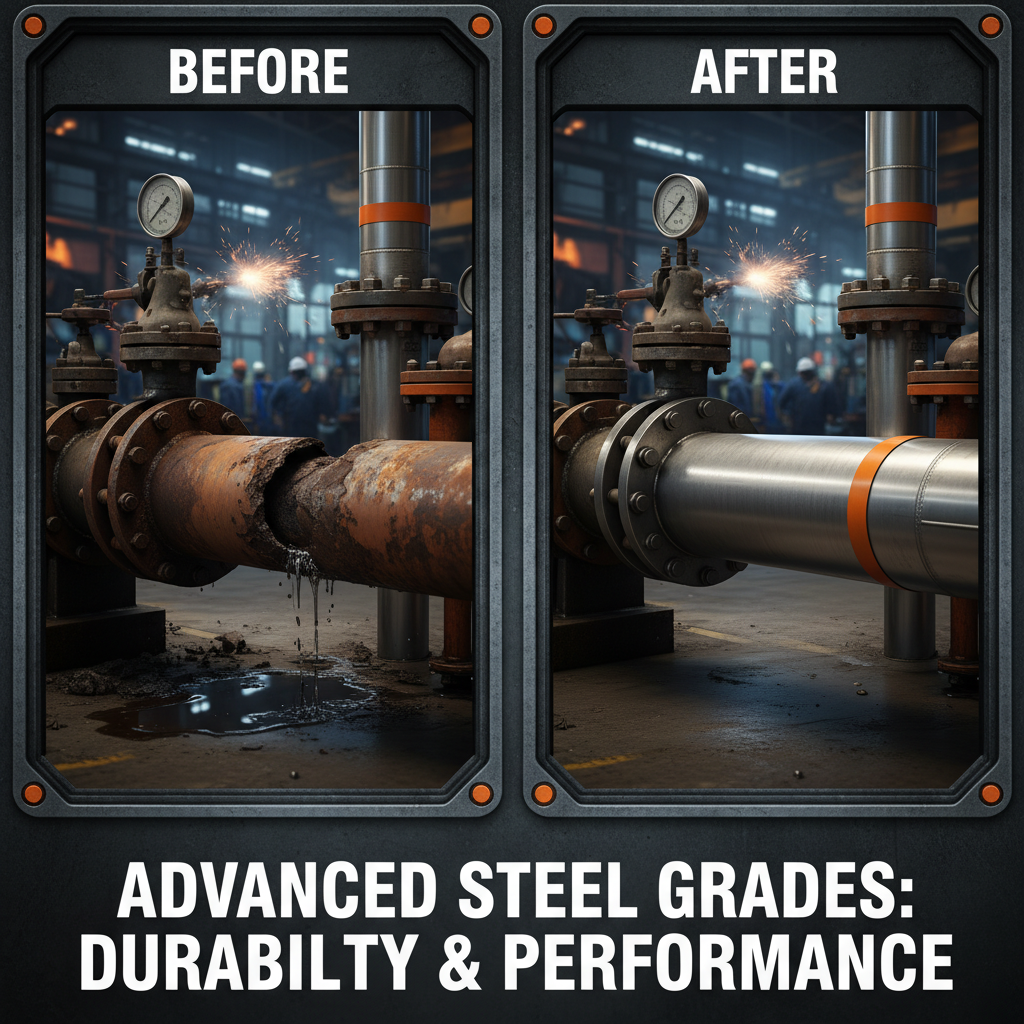
Sure, no product is perfect. ASTM A106 pipes, by nature of carbon steel, face challenges like corrosion in harsh environments and vulnerability to certain chemical exposures. To solve that, experts recommend protective linings, cathodic protection systems, or choosing higher-grade materials when needed. Logistics can also be tough because oversized pipes are heavy and cumbersome—advanced handling and shipping solutions mitigate damage risks. Manufacturers remain continuously vigilant, enhancing quality controls to keep failure rates down.
FAQ: Your Top Questions About ASTM A106 Pipes
1. What makes ASTM A106 better for high-temperature services compared to other pipe standards?
ASTM A106 pipes are specifically designed for seamless construction and chemical composition that tolerate high pressures at elevated temperatures, commonly up to 750°F. Other pipe standards might cover lower temperature ranges or welded pipes, which can be less reliable under such stress.
2. How long can ASTM A106 pipes last in industrial settings?
If properly maintained and protected against corrosion, these pipes can comfortably last several decades. Their seamless design helps prevent weak points that typically cause early failures.
3. Are ASTM A106 pipes suitable for transporting corrosive fluids?
While robust, carbon steel pipes like ASTM A106 have limited corrosion resistance. For highly corrosive substances, protective linings or alternative materials like stainless steel might be required.
4. Can ASTM A106 pipes be customized for unique project needs?
Absolutely. Pipes can be manufactured in various sizes, grades, and lengths to suit specific pressure and temperature requirements, with a good degree of flexibility for fabrication.
Conclusion: Why ASTM A106 Continues to Matter
To sum it all up, ASTM A106 seamless carbon steel pipes hold a solid spot in global industry thanks to their durability, versatility, and cost-effectiveness. They are quietly but critically supporting everything from power plants to disaster recovery pipelines. If you want to ensure your infrastructure meets proven standards and lasts the test of time, exploring the full range of ASTM A106 products makes perfect sense. For more insights and quality supplies, visit our website — your partner for dependable steel solutions.
References:
Post time: Nov . 30, 2025 10:25
 English
  Arabic
  Bengali
  China
China  French
  German
  Hausa
Hausa  Indonesian
  Italian
  Japanese
  Javanese
  Malay
Malay  Persian
  Portuguese
  Punjabi
  Russian
  Spanish
  Swahili
  Telugu
  Vietnamese