

Understanding 347 Stainless Steel Pipe: Properties, Applications & More
347 stainless steel pipe is a widely used austenitic stainless steel known for its exceptional resistance to sensitization, a type of corrosion that affects weldments. This makes it particularly valuable in high-temperature applications and corrosive environments. World-SteelMaterial.com is a leading supplier of high-quality 347 stainless steel pipes, catering to diverse industrial needs. Understanding the characteristics and benefits of this alloy is crucial for making informed material selection decisions. This article will cover everything from its composition and properties to its various applications and purchasing considerations.
Chemical Composition and Key Properties of 347 Stainless Steel
347 stainless steel distinguishes itself from standard 304 stainless steel through the addition of niobium (columbium). This addition significantly enhances its resistance to intergranular corrosion, especially in the heat-affected zone of welds. The typical chemical composition of 347 stainless steel is as follows: Carbon (C) ≤ 0.08%, Manganese (Mn) ≤ 2.00%, Silicon (Si) ≤ 1.00%, Chromium (Cr) 18.00 – 20.00%, Nickel (Ni) 11.00 – 13.00%, Niobium (Nb) 10 times Carbon content minimum, Sulfur (S) ≤ 0.03%, and Phosphorus (P) ≤ 0.045%. These elements contribute to its high strength, excellent ductility, and superb weldability. Furthermore, 347 exhibits remarkable resistance to oxidation at elevated temperatures.
Key Highlights: High chromium and nickel content provide exceptional corrosion resistance. The addition of niobium stabilizes the steel, preventing sensitization during welding.
347 Stainless Steel Pipe: Applications Across Industries
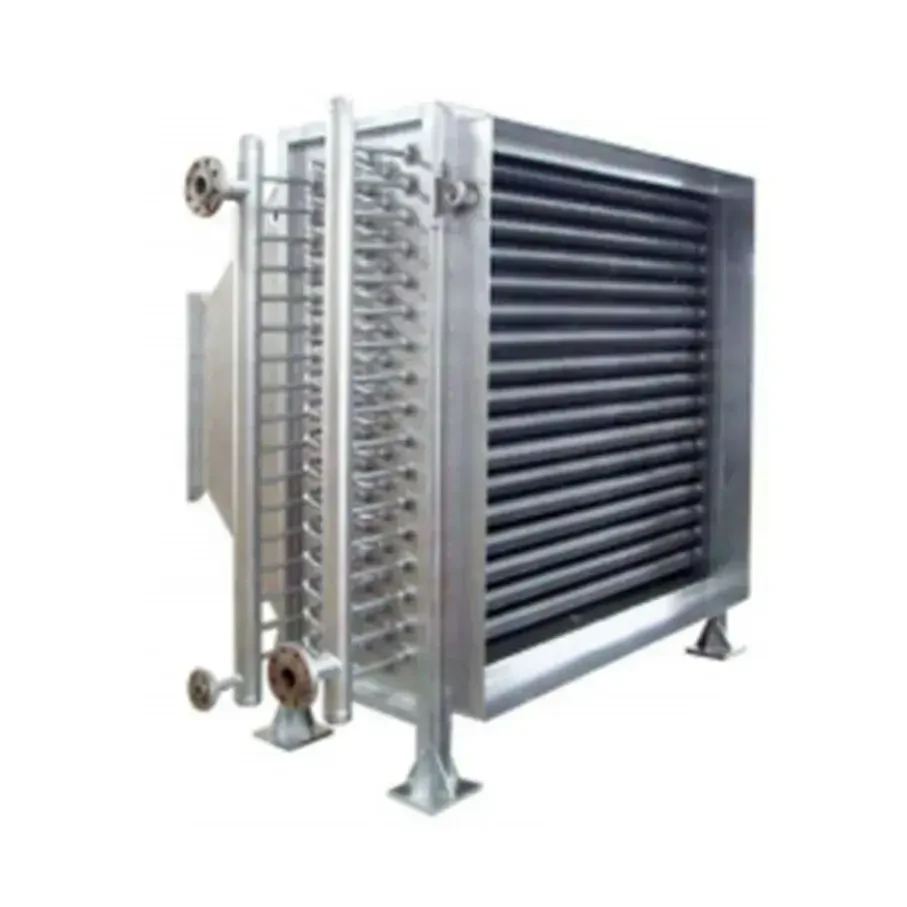
The unique properties of 347 stainless steel make it suitable for a broad spectrum of applications. The petrochemical industry heavily utilizes it in heat exchangers, condensers, and process piping due to its resistance to corrosion and high temperatures. Aerospace applications benefit from its strength-to-weight ratio and ability to withstand extreme conditions. Other key industries include power generation, chemical processing, and food & beverage processing. Specifically, it’s preferred for components in jet engines, furnace tubes, and expansion joints. You can find a wide range of 347 stainless steel pipe sizes and specifications at World-SteelMaterial.com.
Application Benefits:
• Exceptional resistance to sensitization and intergranular corrosion
• Excellent high-temperature strength
• Superior corrosion resistance in various environments
• Good weldability
347 vs. 316 Stainless Steel Pipe: A Comparative Analysis
While both 347 and 316 stainless steel offer excellent corrosion resistance, 347 stands out in applications where prolonged exposure to high temperatures and potential weld corrosion are concerns. 316 stainless steel typically contains molybdenum, which improves its resistance to chloride corrosion, but lacks the niobium stabilization of 347. This means 316 is susceptible to sensitization after welding, potentially leading to intergranular corrosion in elevated temperature environments. Choosing between the two depends on the specific application requirements; for critical high-temperature welds, 347 is generally the preferred choice.
Standard Sizes and Specifications of 347 Stainless Steel Pipe
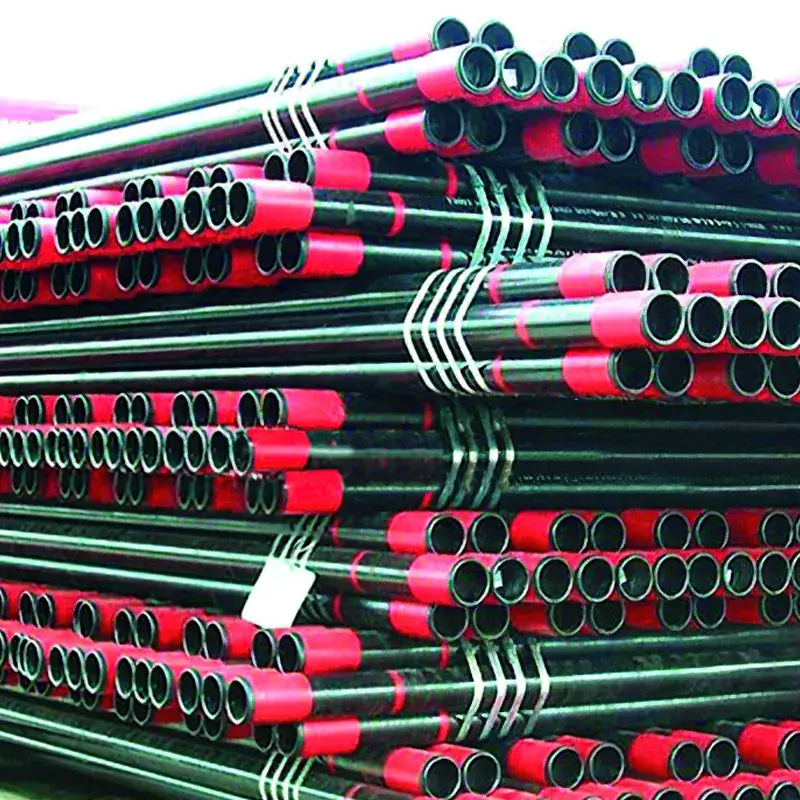
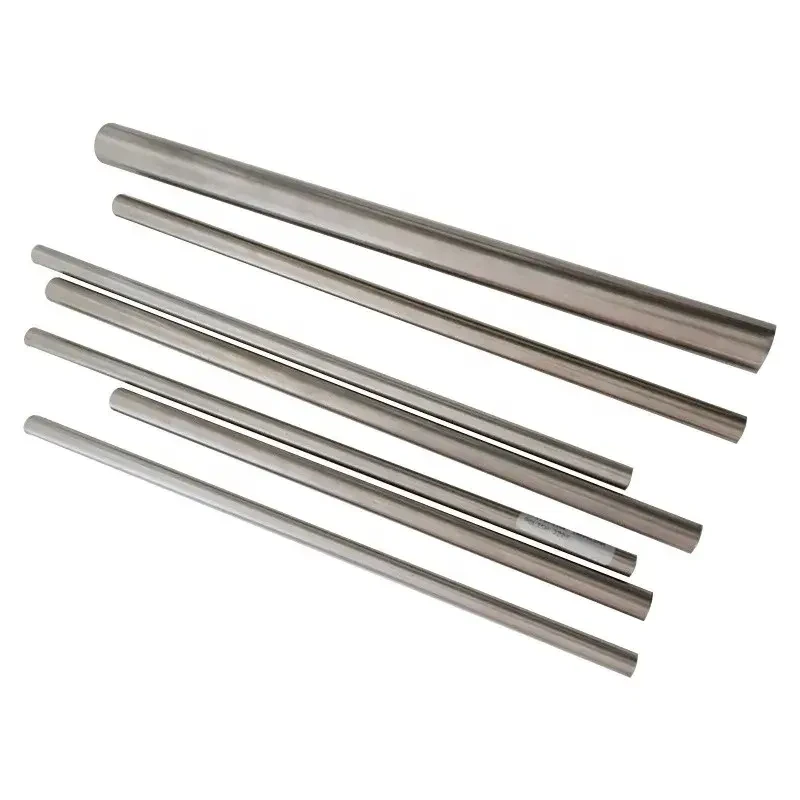
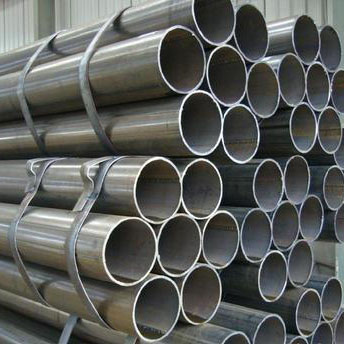
347 stainless steel pipes are available in a wide range of sizes, schedules, and finishes to meet specific project needs. Common sizes range from ½ inch to 24 inches in diameter. Schedules typically include 10S, 40S, and 80S, indicating wall thickness. Finishes can include mill finish, polished, and bright annealed. At World-SteelMaterial.com, we offer custom cutting and fabrication services to deliver pipes tailored to your exact specifications.
Conclusion: Choosing the Right 347 Stainless Steel Pipe
Investing in high-quality 347 stainless steel pipe is essential for ensuring the longevity and reliability of your projects. Its superior resistance to corrosion, particularly in high-temperature environments, makes it a cost-effective solution in the long run. World-SteelMaterial.com provides a comprehensive selection of 347 stainless steel pipes, backed by expert support and competitive pricing. Don’t compromise on quality – choose a trusted supplier and benefit from the exceptional properties of 347 stainless steel.
Frequently Asked Questions (FAQs)
What makes 347 stainless steel different from 304?
The key difference lies in the addition of niobium in 347 stainless steel. Niobium stabilizes the steel, preventing chromium carbide precipitation during welding, which leads to sensitization and intergranular corrosion. 304 stainless steel lacks this niobium stabilization, making it more susceptible to these issues, especially at elevated temperatures. While 304 is more cost-effective, 347 provides superior long-term performance in corrosive and high-temperature applications.
Is 347 stainless steel magnetic?
347 stainless steel is generally considered non-magnetic in its annealed condition. However, cold working, such as bending or forming, can induce some degree of magnetism due to changes in the steel's microstructure. The extent of magnetism will depend on the severity of the cold working. This slight magnetism typically doesn't affect its corrosion resistance or mechanical properties.
What are the common applications of 347 stainless steel in the aerospace industry?
347 stainless steel is widely used in aerospace for components requiring high strength and corrosion resistance at elevated temperatures. Common applications include exhaust manifolds, turbine blades, and jet engine components. Its ability to withstand extreme conditions and maintain structural integrity makes it a critical material in aircraft construction. You can explore detailed specifications and ordering information at World-SteelMaterial.com.
How should 347 stainless steel pipe be welded?
347 stainless steel is readily weldable using various techniques, including GTAW (Gas Tungsten Arc Welding), SMAW (Shielded Metal Arc Welding), and GMAW (Gas Metal Arc Welding). It’s recommended to use a compatible filler metal containing niobium to maintain the steel's corrosion resistance. Proper welding procedures, including preheating and post-weld heat treatment, may be necessary depending on the thickness of the material and the application requirements. Always consult a qualified welding professional for specific guidance.
Post time: Jan . 27, 2026 22:15
 English
  Arabic
  Bengali
  China
China  French
  German
  Hausa
Hausa  Indonesian
  Italian
  Japanese
  Javanese
  Malay
Malay  Persian
  Portuguese
  Punjabi
  Russian
  Spanish
  Swahili
  Telugu
  Vietnamese