

Understanding 330 Stainless Steel Tubing: A Comprehensive Guide
330 stainless steel tubing is a high-quality alloy renowned for its exceptional corrosion resistance, especially in harsh environments. It boasts excellent oxidation resistance at elevated temperatures and is commonly used in applications demanding durability and reliability. This article dives into the properties, applications, advantages, and considerations when choosing 330 stainless steel tubing, providing valuable insights for engineers, purchasers, and anyone interested in this versatile material.

Key Properties of 330 Stainless Steel Tubing
The unique characteristics of 330 stainless steel tubing stem from its composition, primarily featuring chromium, nickel, and a small amount of carbon. These elements work synergistically to provide impressive corrosion resistance, even in aggressive chemical environments. The addition of nickel substantially enhances the material’s ability to withstand oxidation at high temperatures, making it ideal for applications involving heat treatment processes. Its formability and weldability add to its appeal, allowing for intricate designs and reliable fabrication. It’s important to note that 330 stainless steel is not hardenable by heat treatment, however, cold working can increase its strength and hardness.
Key Highlights: Exceptional corrosion resistance, high-temperature oxidation resistance, good formability, and weldability.
Applications of 330 Stainless Steel Tubing
Due to its robust properties, 330 stainless steel tubing finds applications across various industries. It’s extensively utilized in the chemical processing industry for handling corrosive fluids and gases. In aerospace, its high-temperature strength and oxidation resistance make it suitable for exhaust systems and other critical components. The power generation sector employs it in heat exchangers and boiler tubing. Furthermore, its hygienic properties make it a good choice for pharmaceutical and food processing equipment. The demand for 330 stainless steel continues to grow as industries seek materials capable of withstanding extreme conditions.
Application Areas:
• Chemical Processing
• Aerospace
• Power Generation
• Pharmaceutical & Food Processing
330 Stainless Steel Tubing vs. Other Stainless Steel Grades
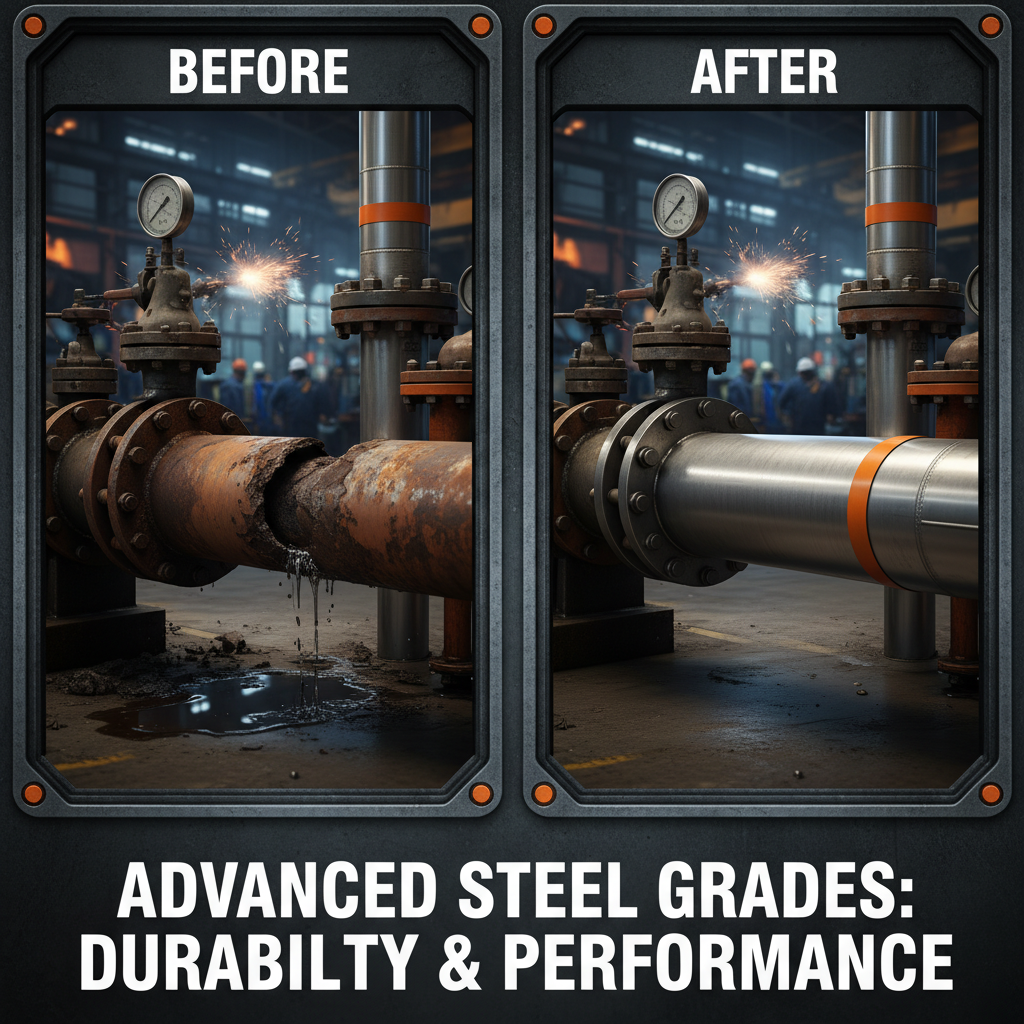
While many stainless steel grades offer corrosion resistance, 330 excels in specific areas. Compared to 304 stainless steel, 330 demonstrates superior oxidation resistance at elevated temperatures. It also outperforms 316 stainless steel in environments with high concentrations of chlorides. However, 316 often provides better resistance to pitting corrosion. The choice between these grades depends heavily on the specific application requirements and the nature of the corrosive environment. Selecting the right alloy ensures optimal performance and longevity.
Available Forms & Specifications of 330 Stainless Steel Tubing
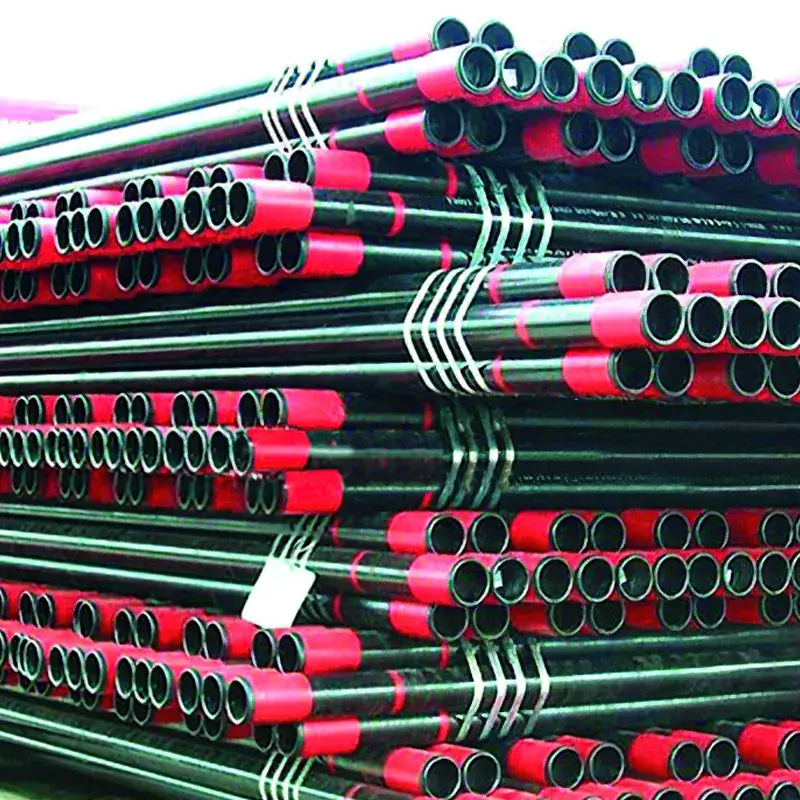
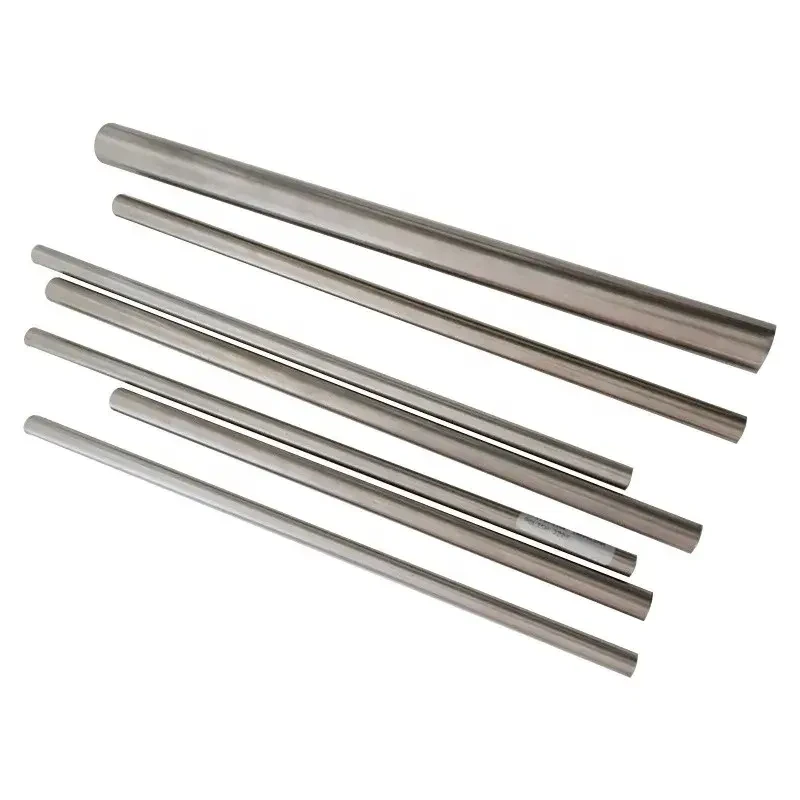
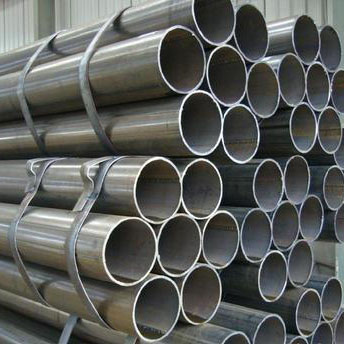
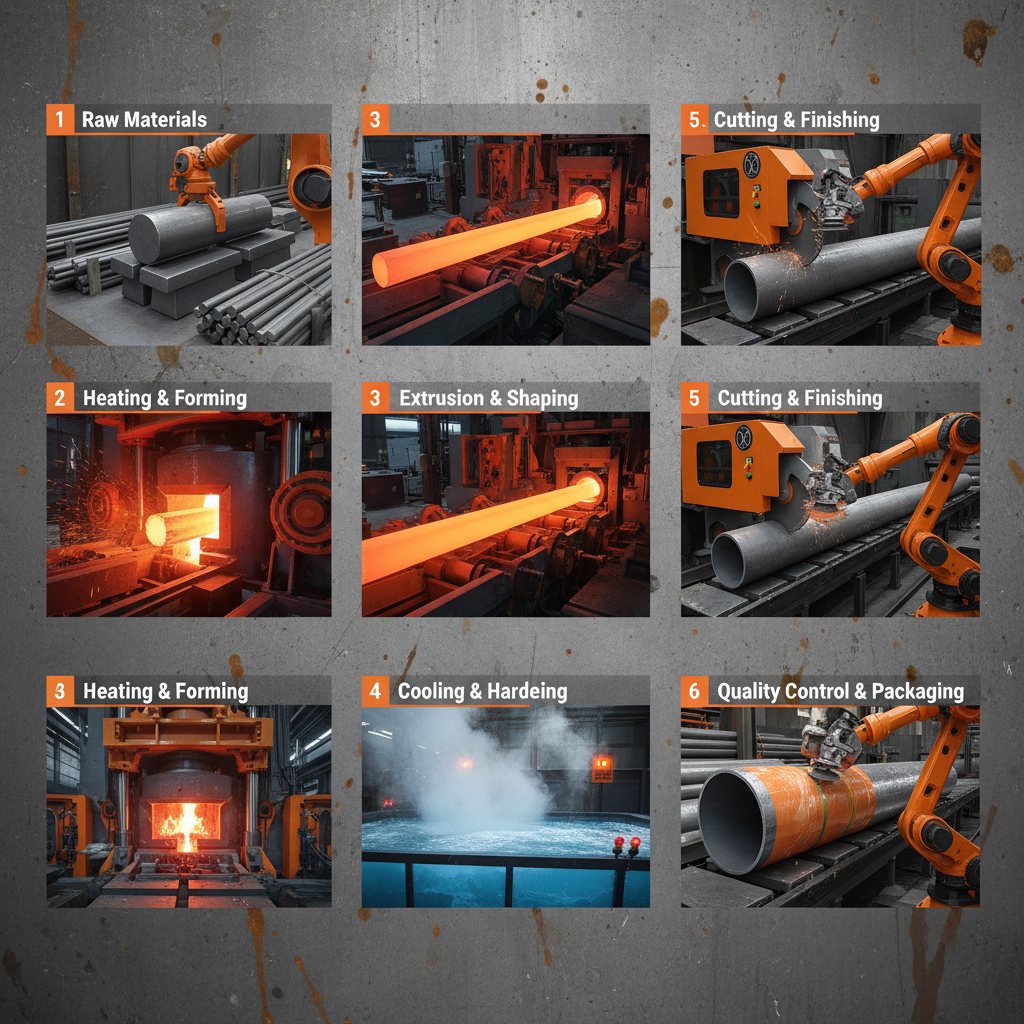
330 stainless steel tubing is available in various forms to meet diverse needs, including seamless and welded configurations. Wall thicknesses, diameters, and lengths can be customized based on project requirements. Common specifications include ASTM A312 and ASTM A249. Understanding these specifications is vital for ensuring compatibility and performance within your application. World Steel Material offers a wide range of sizes and configurations to suit your specific needs.

Conclusion: Choosing the Right 330 Stainless Steel Tubing
Selecting the appropriate 330 stainless steel tubing requires careful consideration of application requirements, environmental factors, and budget constraints. Its exceptional corrosion resistance and high-temperature performance make it a superior choice for demanding applications. By partnering with a reputable supplier like World Steel Material, you can ensure the quality, reliability, and longevity of your projects.
Frequently Asked Questions (FAQs)
What are the typical applications for 330 stainless steel tubing in the chemical industry?
330 stainless steel tubing is widely used in the chemical industry for transporting corrosive fluids, handling aggressive chemicals, and constructing heat exchangers. Its resistance to various acids, alkalis, and chlorides makes it ideal for these demanding applications. It’s frequently found in processing equipment, reactor vessels, and piping systems where corrosion resistance is paramount. The material's ability to withstand high temperatures also makes it suitable for processes involving heating and cooling.
How does 330 stainless steel tubing perform in high-temperature environments?
330 stainless steel exhibits exceptional high-temperature oxidation resistance due to its nickel content. It maintains its strength and integrity at elevated temperatures, making it suitable for applications like exhaust systems, furnace components, and heat exchangers. While it’s not as strong as some superalloys at extremely high temperatures, it provides a cost-effective solution for a wide range of high-temperature applications.
What is the difference between seamless and welded 330 stainless steel tubing?
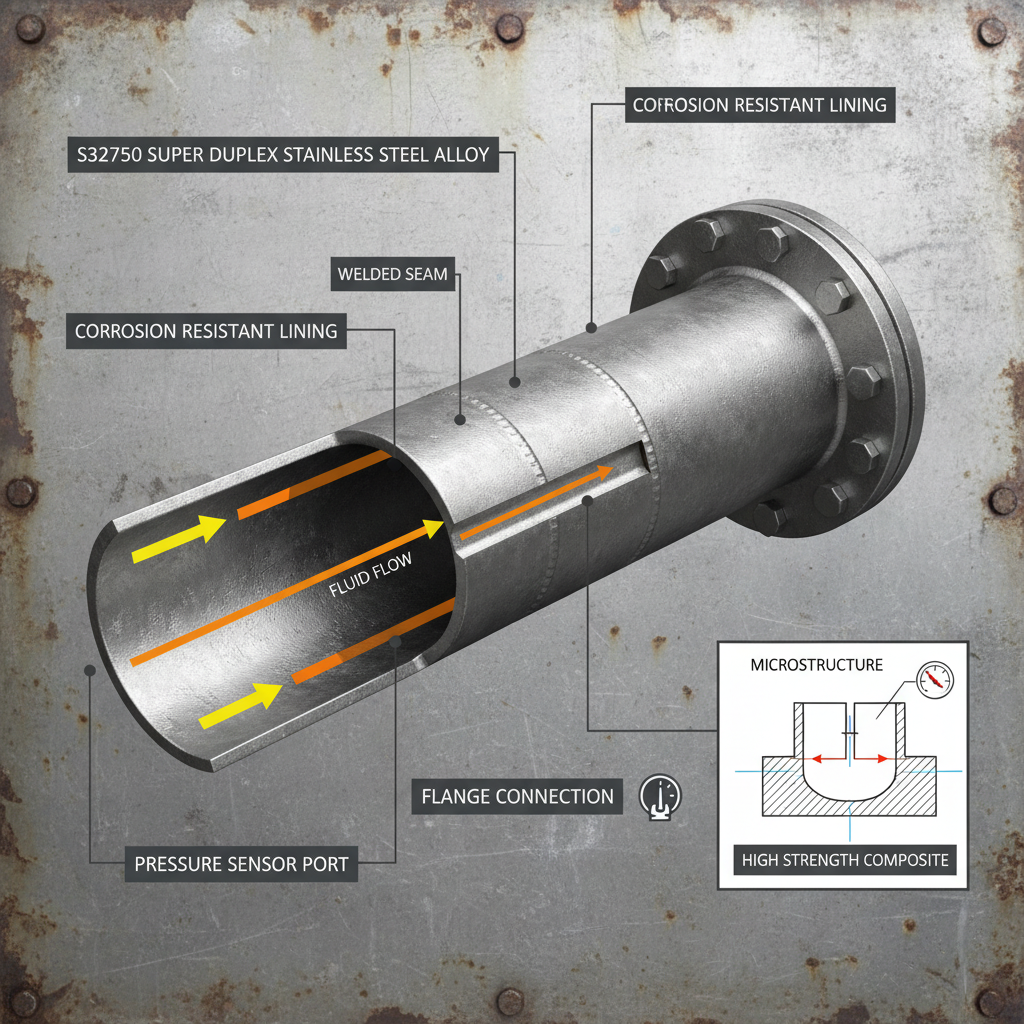
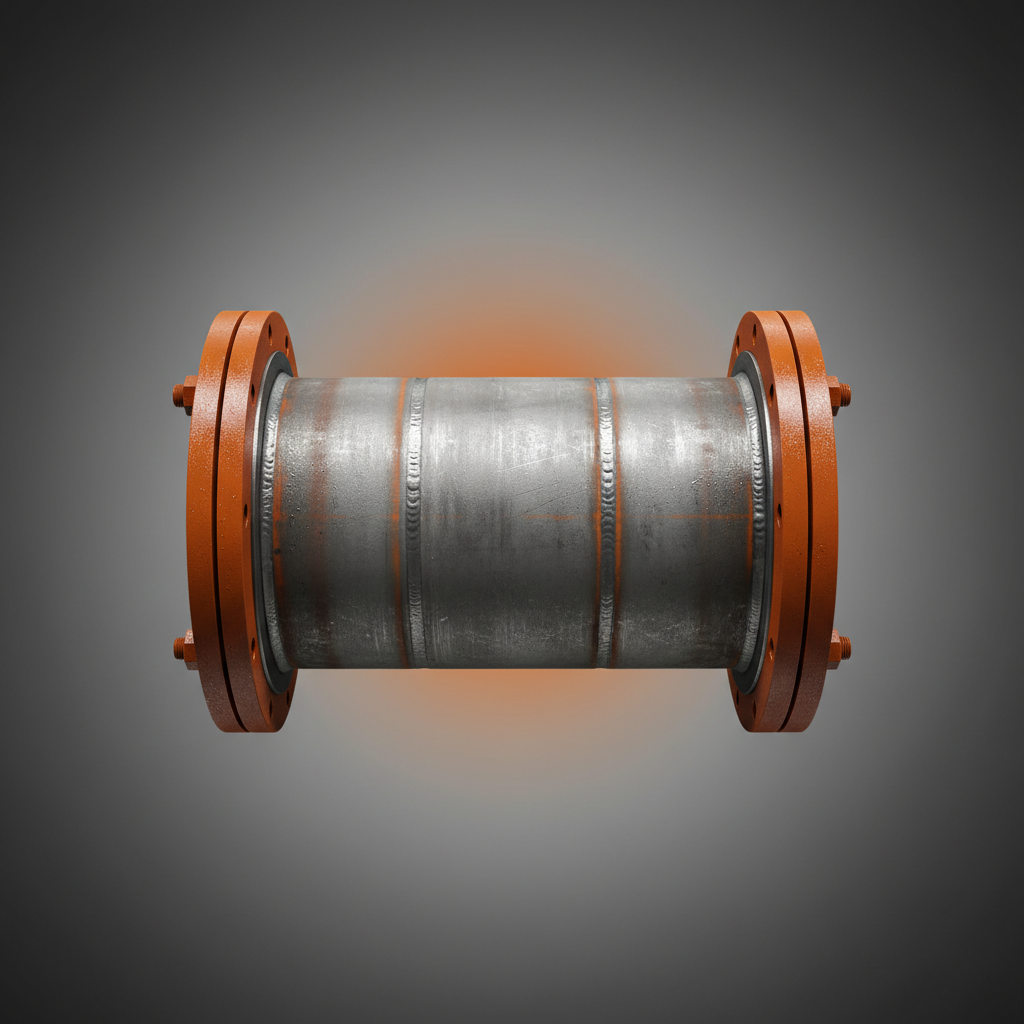
Seamless tubing is manufactured without a weld seam, offering superior strength and resistance to pressure. Welded tubing, on the other hand, is created by welding together a flat strip of stainless steel. While welded tubing is generally more cost-effective, it may have slightly lower strength and corrosion resistance in the weld area. The choice between seamless and welded tubing depends on the application's pressure, temperature, and corrosion requirements.
Can 330 stainless steel tubing be easily fabricated?
Yes, 330 stainless steel tubing is generally considered easily fabricated. It exhibits good formability, allowing it to be bent, flared, and shaped without significant difficulty. It’s also readily weldable using various standard welding techniques. However, proper welding procedures should be followed to maintain corrosion resistance and mechanical properties.
Post time: Jan . 27, 2026 19:45





 English
  Arabic
  Bengali
  China
China  French
  German
  Hausa
Hausa  Indonesian
  Italian
  Japanese
  Javanese
  Malay
Malay  Persian
  Portuguese
  Punjabi
  Russian
  Spanish
  Swahili
  Telugu
  Vietnamese