

Understanding Chrome Steel Tubes: Backbone of Modern Industry
Chrome steel tubes—sounds like a simple industrial component, right? But they’re much more than just metal pipes. Globally, these tubes serve crucial roles in sectors ranging from automotive manufacturing to large-scale infrastructure projects. With rising industrial demands and environmental pressures, understanding what chrome steel tubes bring to the table helps businesses innovate, cut costs, and build sustainably. Frankly, if you deal in materials engineering, manufacturing, or infrastructure, appreciating the value of chrome steel tubes is essential.
Global Context: Why Chrome Steel Tubes Matter Today
The global steel market was valued at approximately $1.1 trillion in 2023, with tubular steel products constituting a substantial fraction. According to the World Steel Association, tubes and pipes are vital for oil and gas exploration, water transport, and automotive sectors—industries that virtually power modern civilization. However, challenges persist with corrosion, weight, and cost-efficiency. Chrome steel tubes offer an answer by combining strength, corrosion resistance, and longevity, reducing maintenance and enhancing safety worldwide.
Consider this: infrastructure projects underpinned by chrome steel tube technologies tend to last longer and resist harsh climates better—this is invaluable, especially in regions prone to extreme weather or industrial corrosion.
Defining Chrome Steel Tube: What Are We Talking About?
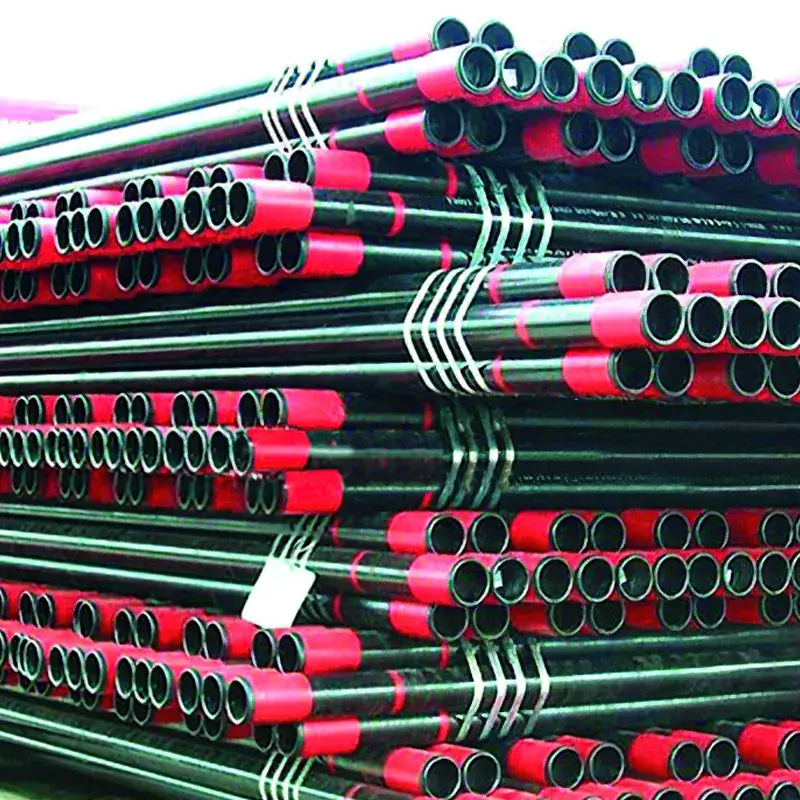
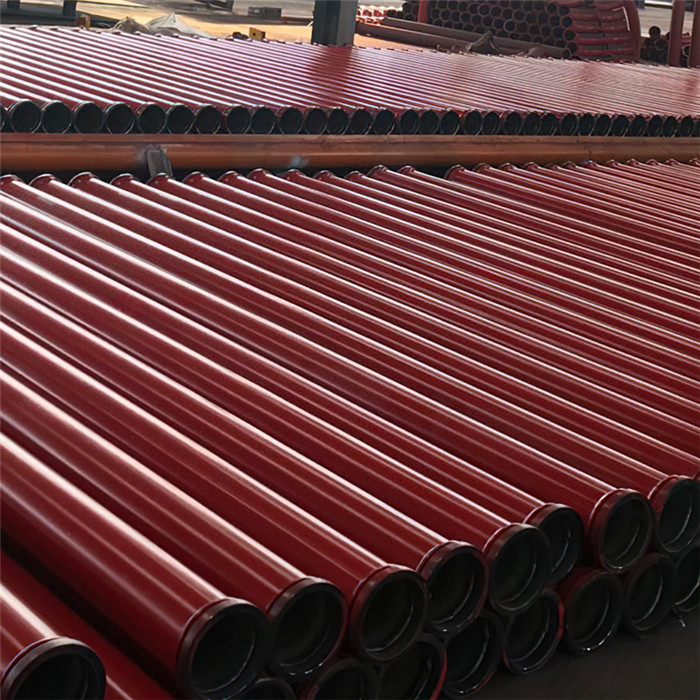
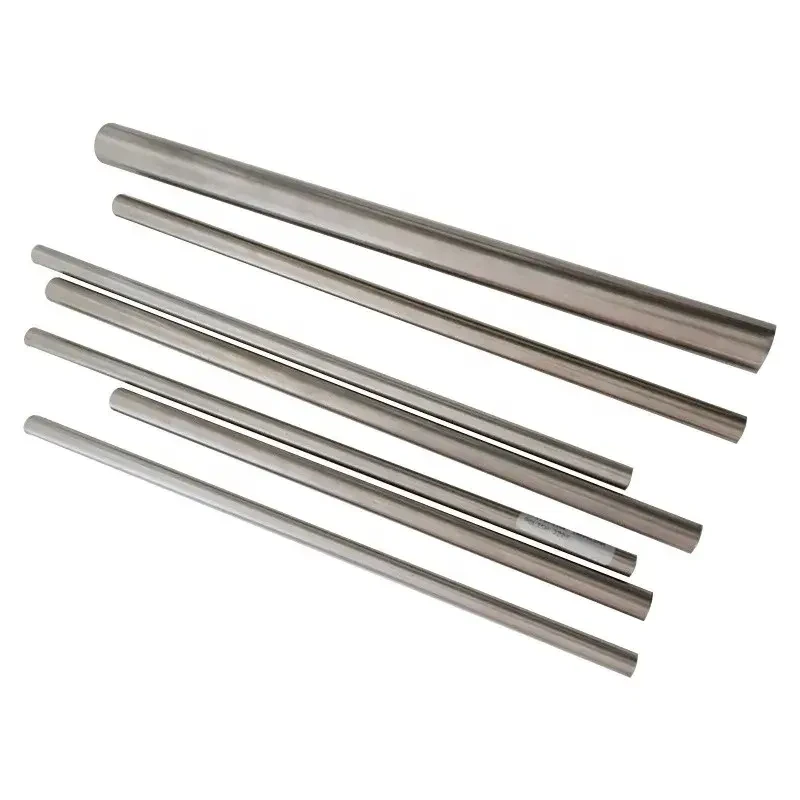
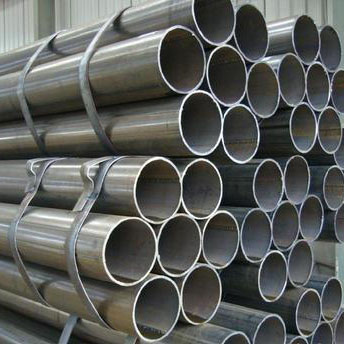
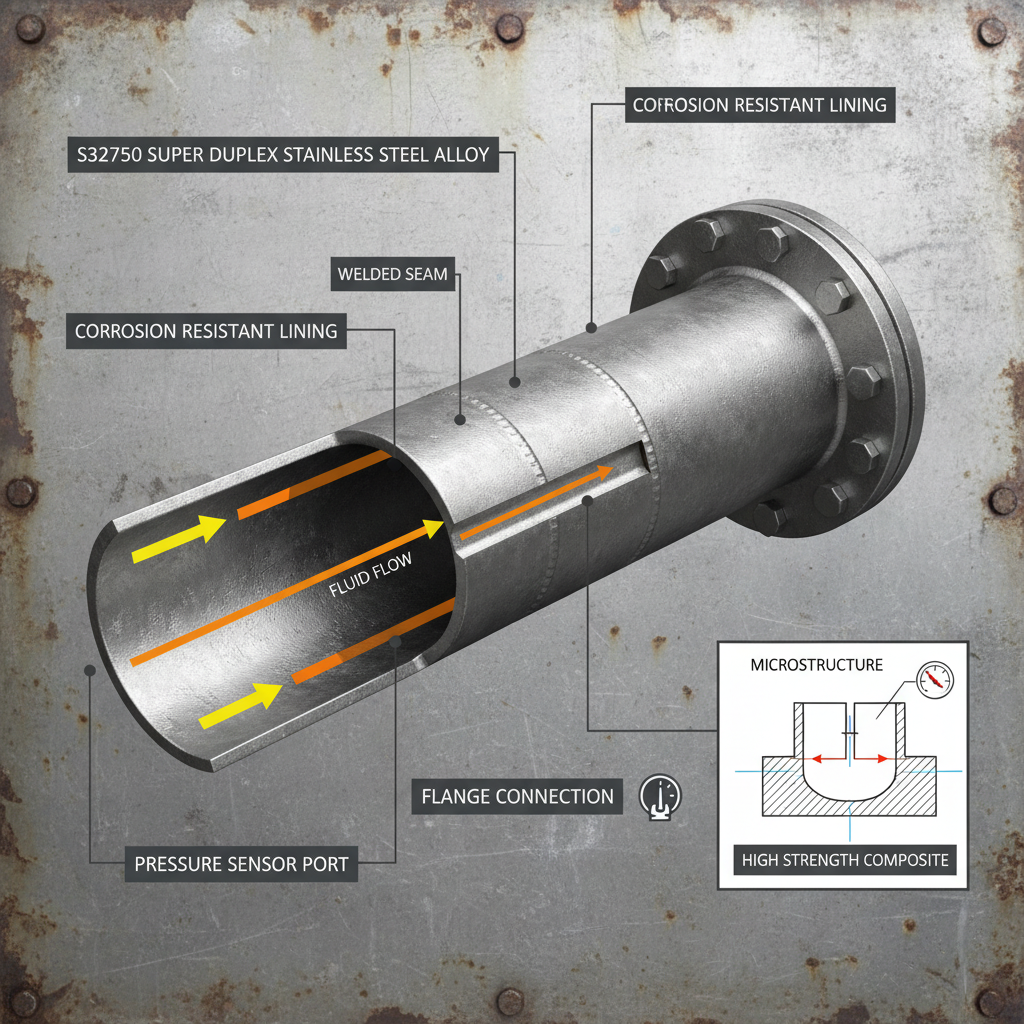
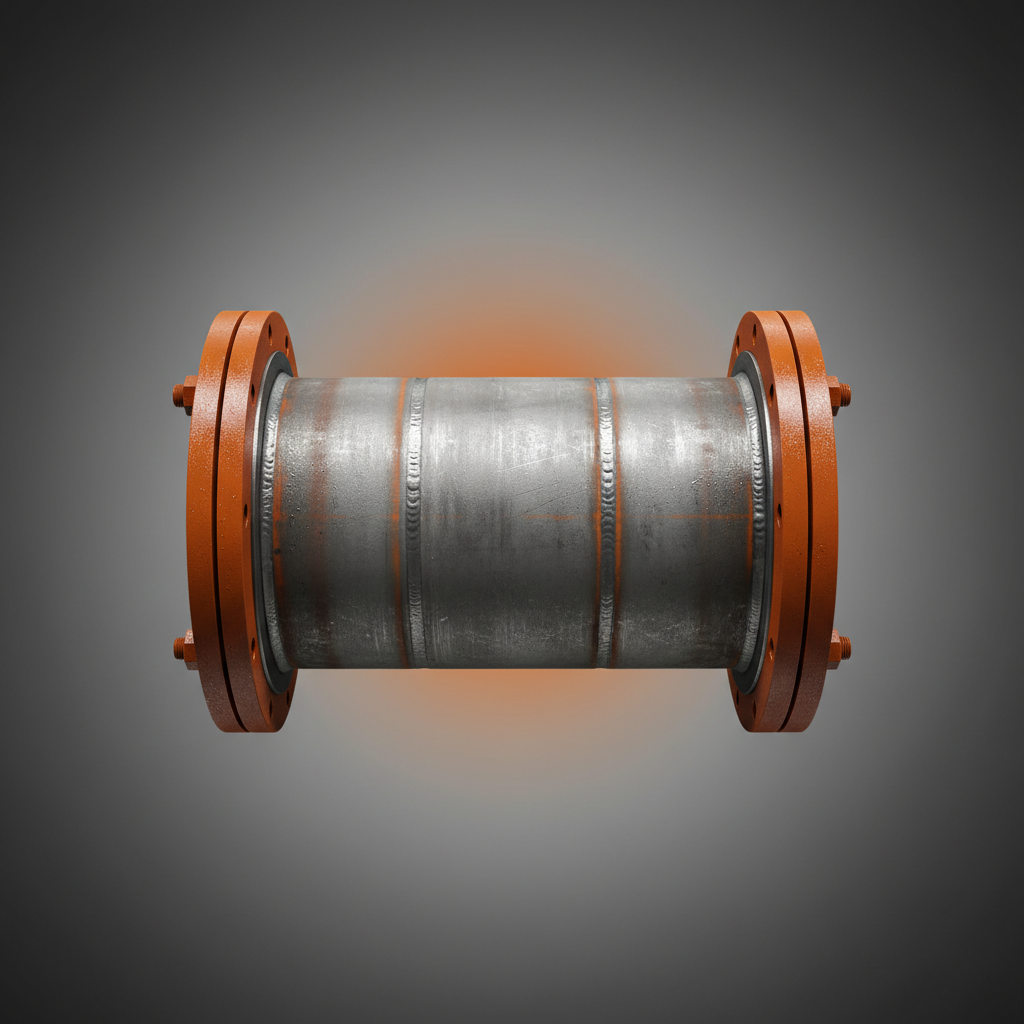
At its core, a chrome steel tube is a hollow cylindrical steel product alloyed with chromium, generally to the tune of 10–30%. Chromium enhances the steel’s durability and resistance to oxidation and wear. Unlike plain carbon steel tubes, chrome alloy variations offer improved tensile strength and corrosion resistance without an extreme weight penalty.
Put simply: It’s a tough, resilient pipe designed to endure both mechanical strain and corrosive environments—making it a staple in manufacturing and infrastructure.
Key Factors of Chrome Steel Tubes
1. Durability
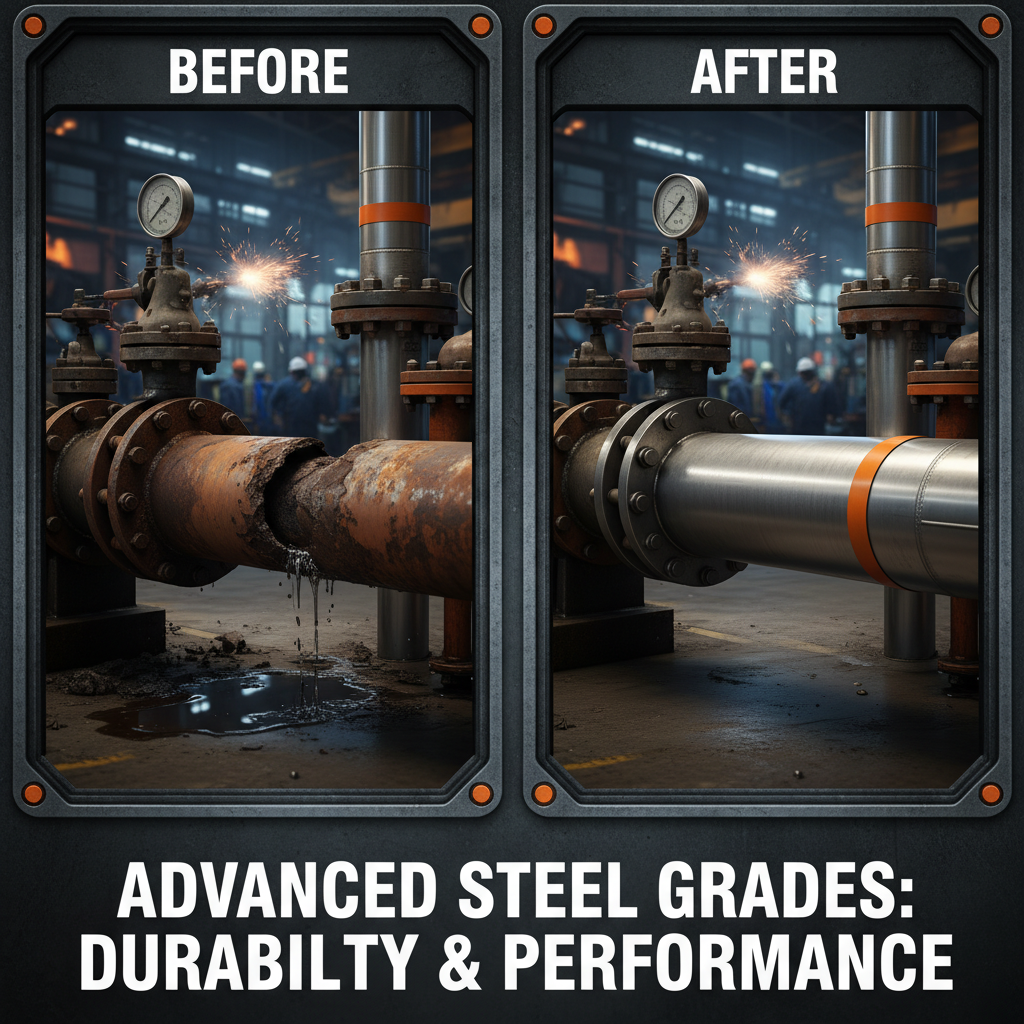
Due to chromium’s protective oxide layer formation, these tubes resist rust and degradation in environments ranging from humid coastal zones to chemical plants. This durability means longer service life and less downtime.
2. Weight-to-Strength Ratio
Many engineers appreciate how chrome alloys maintain strength without becoming unnecessarily heavy—a critical factor in automotive and aerospace applications where every pound counts.
3. Thermal Resistance
These tubes withstand high temperatures better than typical steel tubes, crucial for power plants and industrial machinery that operate under intense heat.
4. Scalability
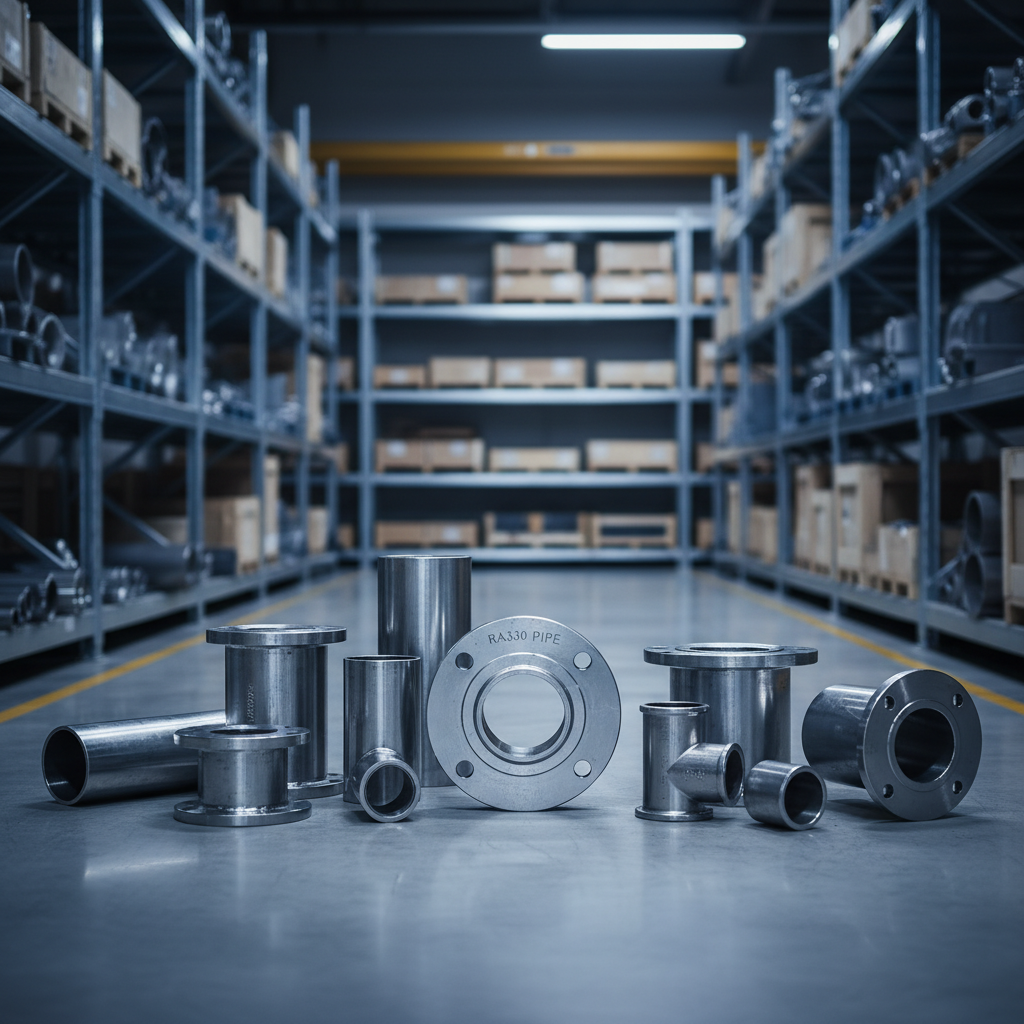
Chrome steel tubes come in a range of sizes and thicknesses, adaptable for multiple industrial scenarios—from small hydraulic piping to large structural columns.
Chrome Steel Tube Specifications
| Specification | Details |
|---|---|
| Material Grade | AISI 410, 420, 430 (Chrome steel alloys) |
| Chromium Content | 10–30% depending on grade |
| Outer Diameter | 6mm to 300mm |
| Wall Thickness | 1mm to 20mm |
| Surface Finish | Polished, matte, or coated |
| Typical Tensile Strength | 400–700 MPa |
Global Applications & Use Cases
Chrome steel tubes really shine in a diverse spread of industries and regions. In automotive manufacturing hubs across Germany and Japan, they form critical suspension and exhaust systems parts. Meanwhile, oil and gas pipelines stretching across harsh Siberian terrain rely on them to minimize corrosion-related failures.
Humanitarian groups have also embraced chrome steel tube-based modular shelters, which offer durable yet lightweight solutions during disaster relief, such as in post-earthquake Central Asia or typhoon-affected Southeast Asia. The combination of strength and corrosion resistance ensures safety and longevity where it is needed most.
Vendor Comparison: Chrome Steel Tube Suppliers
| Supplier | Product Range | Lead Time | Typical Pricing | Notable Strength |
|---|---|---|---|---|
| SteelPro Inc. | Wide (6mm-200mm) | 2-4 weeks | Mid-range | Custom coatings available |
| AlloyWorks Ltd. | Narrow (20mm-100mm) | 1-3 weeks | Competitive | Quick turnaround |
| GlobalMetal Corp. | Very Wide (6mm-300mm) | 3-6 weeks | Premium | Quality certifications (ISO 9001) |
Advantages & Long-Term Value
Choosing chrome steel tubes isn’t just a practical decision; it’s a strategic investment. Cost-wise, their longevity reduces replacement frequency and maintenance budgets—a real boon for infrastructure projects with limited operational windows. From a social angle, engineers trust these tubes to ensure safety and stability, fostering confidence in public works.
Environmentally, these tubes better resist corrosion, which diminishes waste and avoids toxic flaking over time compared to cheaper, lower-grade pipes. There’s something reassuring about materials that deliver both safety and sustainability. Innovation-wise, chrome steel tubes support new automated manufacturing processes due to their consistency and machinability.
Future Trends & Innovations
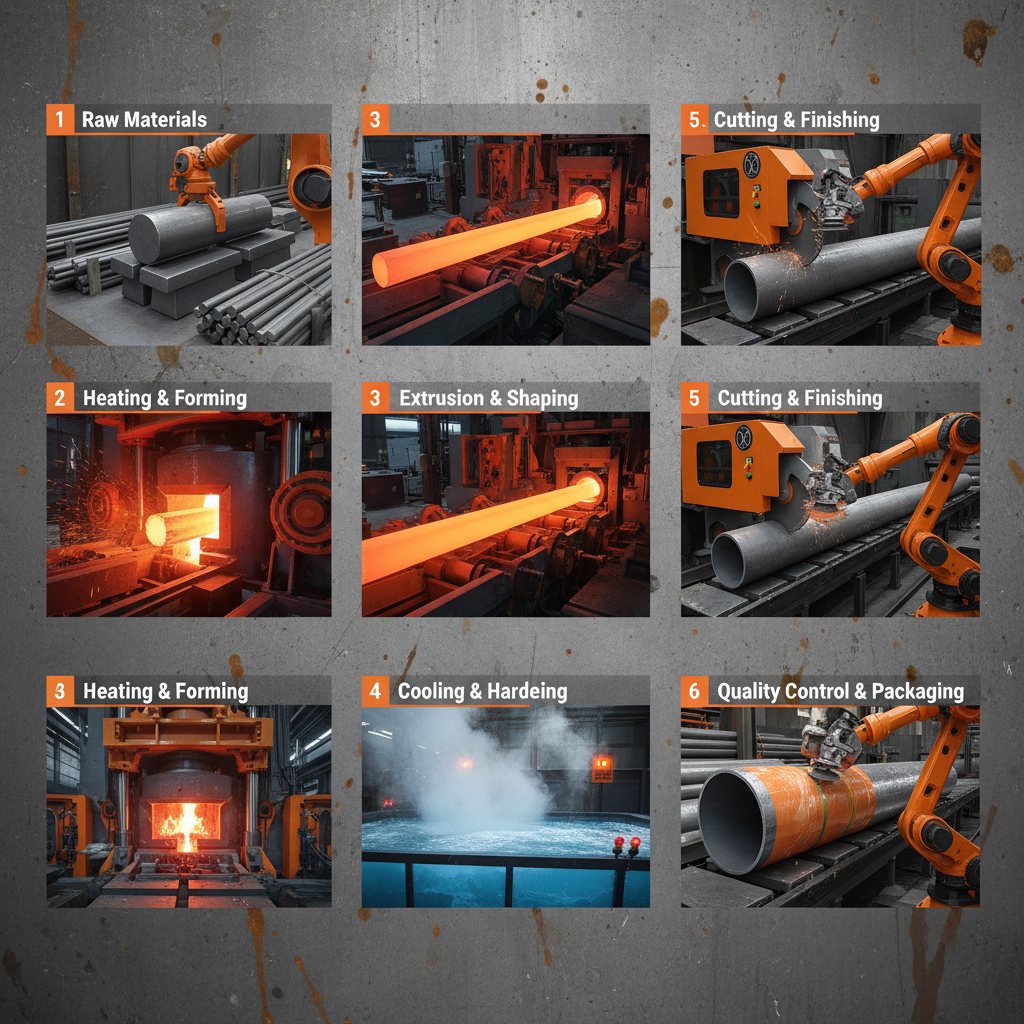
Looking ahead, the integration of chrome steel tubes with smart sensors for real-time monitoring is growing. Imagine pipelines that self-diagnose stress or corrosion before failure – reducing costly downtime. Also, eco-conscious production techniques using electric arc furnaces and recycled scrap steel align chrome tube manufacturing with global green energy goals.
Additive manufacturing and tailored alloy blends will customize tubes for extreme environments–think deep-sea exploration or space habitats. Overall, the chrome steel tube market is poised for digital transformation combined with sustainability, matching industrial needs with environmental responsibility.
Challenges & Solutions
Of course, no material is perfect. Chrome steel tubes sometimes face challenges such as higher upfront costs and specialized welding requirements. But these hurdles are addressed through improving supply chains, standardization, and workforce training.
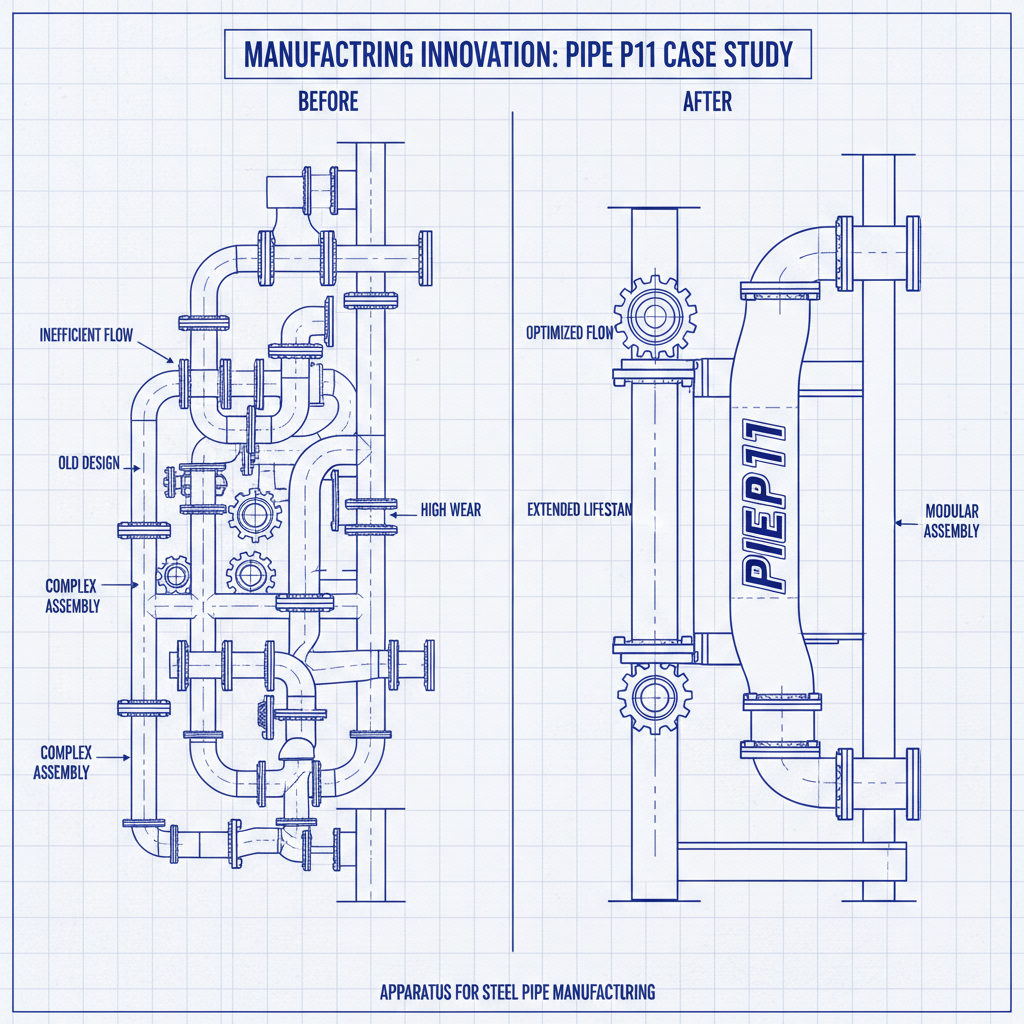
Using pre-fabrication and modular construction techniques can also mitigate installation challenges, speeding projects and reducing on-site errors. There’s a growing push towards better surface treatment methods (e.g., plasma coating) to further extend corrosion resistance beyond traditional limits.
FAQ: Frequently Asked Questions About Chrome Steel Tube
- Q: What factors influence the cost of chrome steel tubes?
A: Cost depends on chromium content, tube size, surface finish, and order volume. Higher chromium percentages and custom finishes add price. Shipping and supplier margins also shape final cost. - Q: How resistant are chrome steel tubes to chemical corrosion?
A: Very resistant compared to non-alloy steels. Chromium forms a protective oxide layer preventing oxidation even in acids, alkalis, and seawater, though very aggressive chemicals may require special coatings. - Q: Can chrome steel tubes be welded using standard techniques?
A: Yes, but welding requires appropriate filler materials and controlled heat input to avoid cracking. Many fabricators offer specialized welding services for these alloys. - Q: Are chrome steel tubes recyclable?
A: Absolutely. Steel, including chrome alloys, is highly recyclable without loss of properties, making tubes environmentally friendly choices in the long run. - Q: Where can I source quality chrome steel tubes internationally?
A: Suppliers like SteelPro Inc. and GlobalMetal Corp. export globally with quality certifications. You can also find international distributors and online marketplaces specializing in industrial metals.
Conclusion: Why Invest in Chrome Steel Tubes?
The long-term benefits of chrome steel tubes blend durability, safety, cost efficiency, and sustainability—a rare combo in any material. Whether your industry is automotive, oil and gas, or humanitarian infrastructure, these tubes stand up to the demands. If you want to explore how chrome steel tubes can transform your operations, visit our website: https://www.world-steelmaterial.com.
I suppose what feels most striking is how such a seemingly modest component plays an outsized role in shaping resilient industries and global infrastructure.
References
Post time: Dec . 06, 2025 01:35
 English
  Arabic
  Bengali
  China
China  French
  German
  Hausa
Hausa  Indonesian
  Italian
  Japanese
  Javanese
  Malay
Malay  Persian
  Portuguese
  Punjabi
  Russian
  Spanish
  Swahili
  Telugu
  Vietnamese