

Everything You Should Know About 430 Stainless Steel Pipe
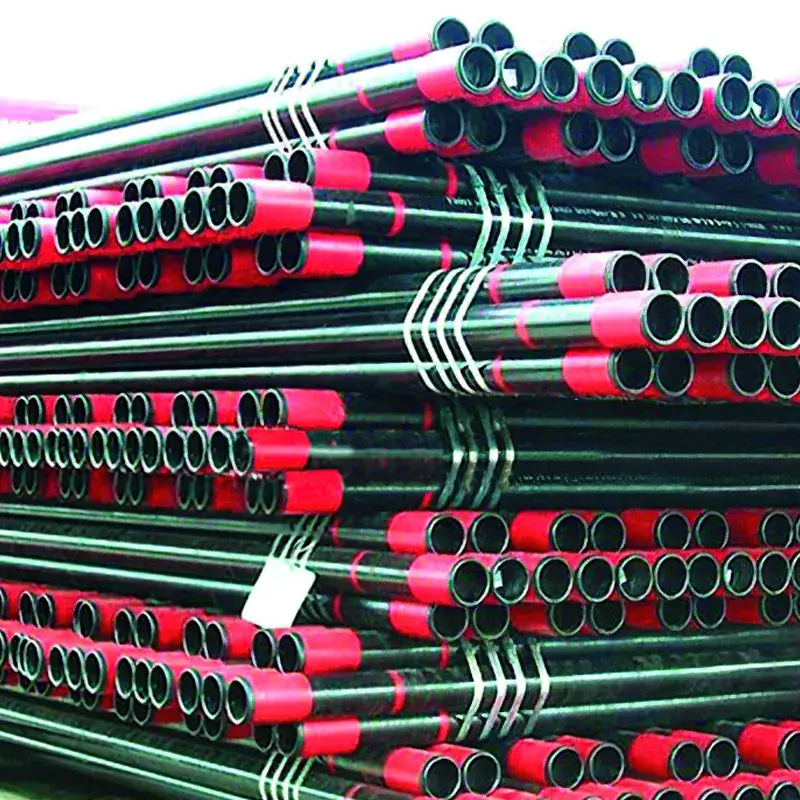
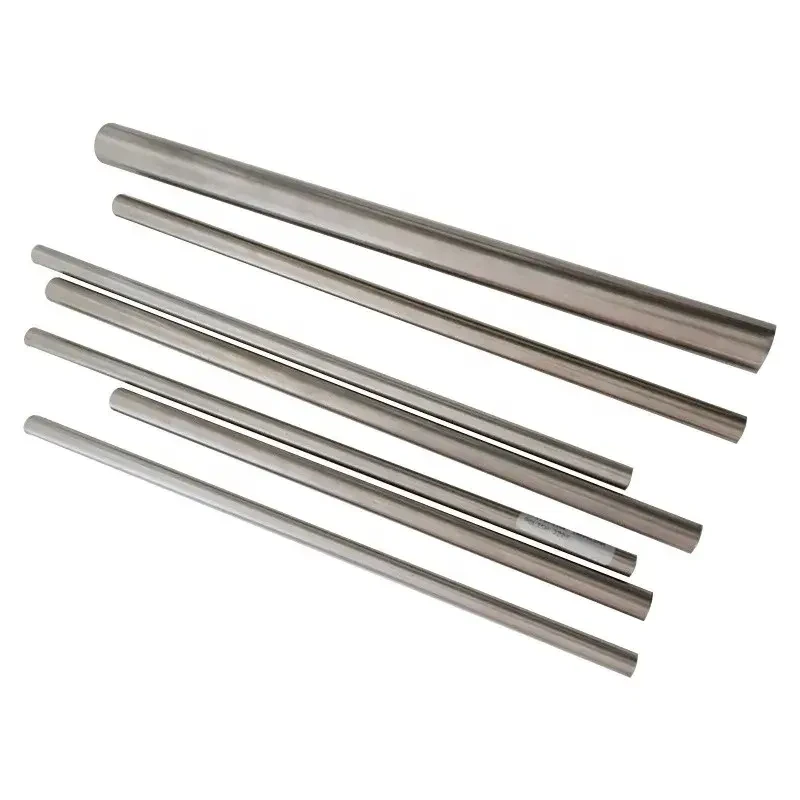
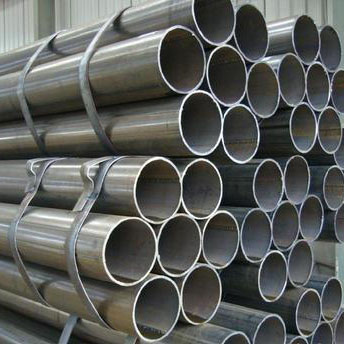
If you’ve been around the industrial equipment sector as long as I have, you quickly learn that not all stainless steel pipes are created equal — especially when it comes to 430 stainless steel pipe. Frankly, it’s one of those materials that quietly performs its duties without much fanfare, yet it’s a staple in so many demanding environments. I’ve worked closely with these pipes on projects ranging from HVAC ducts to automotive exhaust systems, and it always surprises me how its combination of corrosion resistance and formability fits so many needs.
For those who aren’t quite deep in the weeds: 430 stainless steel is a ferritic stainless steel known mainly for its high chromium content—usually around 16-18%. That gives it good resistance to oxidation and some scale resistance at moderately high temperatures. Its magnetic properties make it different from austenitic stainless steels like 304, and oddly enough, many engineers prefer 430 when they need something magnetic and moderately corrosion-resistant without driving costs sky-high.
| Property | Typical Value |
|---|---|
| Chromium Content | 16-18% |
| Carbon Content | ≤ 0.12% |
| Tensile Strength | 450 - 600 MPa |
| Yield Strength | 275 MPa minimum |
| Elongation | 22% minimum |
| Magnetic Properties | Magnetic |
| Corrosion Resistance | Good in mildly corrosive media |
I remember a recent job where a client needed corrosion-resistant pipes but could hardly stomach the premium for 304 or higher-grade stainless steel. We suggested 430 stainless steel pipes as a budget-friendly alternative, especially since the operating environment was primarily indoors with non-aggressive chemicals. The pipes performed admirably, saving costs without sacrificing quality. That’s kind of the hidden charm of 430—it strikes this practical balance.
Of course, where it falls short is in highly corrosive or marine environments. If your project swims too close to saltwater, I’d think twice. It’s also not quite as ductile or weldable as 304, which means fabrication shops have to handle it cautiously—fine, as long as you communicate your limits early on.
Testing-wise, 430 stainless steel pipes usually undergo standard tensile, bend, and corrosion tests per ASTM A312/A213 specs. It’s crucial to confirm these before purchase if you intend to rely on them in any critical applications. Material certifications can save headaches later.
| Vendor | Price Range (USD) | Availability | Customization Options | Delivery Time |
|---|---|---|---|---|
| World Steel Material | Medium | High | Cut to length, polish finish | 7-10 days |
| Global Metals Co. | Low to Medium | Moderate | Limited | 10-14 days |
| Ironclad Supplies | High | Low | Full custom fabrication | 5-7 days |
Now, can 430 stainless steel pipes be customized? Absolutely. While not as malleable as some austenitic steels, many vendors, including World Steel Material, offer cutting to length, annealing, and polishing services that bring out the best wear and corrosion resistance. Oddly enough, I’ve found that selecting a vendor who understands these pipes’ quirks can make a world of difference in final performance.
So in real terms, the trick is balancing cost, environment, and mechanical requirements. If you need a pipe that’s magnetic, relatively corrosion-resistant, and on the affordable side for general industrial use — 430 stainless steel pipe often fits the bill. Just don’t expect miracles in super harsh, salty, or chemical-heavy conditions. Many engineers I’ve known use it for kitchen equipment, automotive trims, and architectural details where moderate corrosion resistance is enough.
In my years working hands-on, I noticed that the simplicity and cost-effectiveness of 430 stainless steel pipe often gets overlooked — but it’s a reliable workhorse when paired with the right application.
For anyone looking to source these pipes, check out World Steel Material. Their quality control and customization options are solid, and frankly, they’ve been a go-to supplier for many of my projects with tight deadlines and budgets.
If you’d like to dive deeper, ASTM specifications like A312 for seamless and welded stainless steel pipes are a worthy read—and certainly part of the playbook when we specify these products.
Ultimately, the choice boils down to understanding your project's environment and demands. And if you ever find yourself debating between grades, remember: 430 stainless steel pipe has quietly earned its place in many industrial toolkits—not flashy, but dependable.
Quick takeaway: For practical, cost-conscious projects requiring moderate corrosion resistance and magnetic properties, 430 stainless steel pipe remains a smart, no-nonsense choice.
- ASTM A312 / A213 specifications for stainless steel pipes
- Corrosion resistance properties from ASM International
- Vendor reliability based on industry feedback and experience
Post time: Dec . 07, 2025 12:25
 English
  Arabic
  Bengali
  China
China  French
  German
  Hausa
Hausa  Indonesian
  Italian
  Japanese
  Javanese
  Malay
Malay  Persian
  Portuguese
  Punjabi
  Russian
  Spanish
  Swahili
  Telugu
  Vietnamese