

Understanding SA335 P91: The Backbone of High-Temperature Industrial Steel
If you're involved in heavy industry, power generation, or materials engineering, chances are you've heard about SA335 P91. This alloy steel grade may not sound flashy, but it plays a crucial role in some of the world’s most demanding environments. Basically, it’s a high-strength, heat-resistant material engineered for durability and performance under extreme conditions — think high pressure, intense heat, and corrosive environments often encountered in power plants or complex piping systems.
Why does that matter on a global scale? The demand for energy-efficient, reliable infrastructure is growing relentlessly. As industries push machinery to operate at higher temperatures to save fuel and reduce emissions, materials like SA335 P91 provide an irreplaceable solution. Knowing its properties and applications unlocks huge benefits, from improving safety to extending equipment lifespan — factors that affect costs, worker well-being, and even environmental impact.
Global & Industry Context
The power sector alone is a massive user of materials like SA335 P91. According to the International Energy Agency (IEA), global electricity demand is expected to grow roughly 2% yearly through 2030, with thermal power plants still providing a significant share. To operate these plants efficiently, boiler tubes and pipework must withstand incredibly high temperatures and pressures for thousands of hours. Here, traditional steels won’t cut it — failure risks skyrocketing costs or, worse, safety incidents.
Another challenge is meeting tightening environmental regulations. Power plants increasingly operate at ultra-supercritical steam conditions above 600°C to improve efficiency and reduce emissions. Materials used in these settings must resist creep (long-term deformation) and corrosion better than ever. SA335 P91, with its unique alloying and heat treatment, fits the bill. It brings a robust, cost-effective option that pushes industry limits without sacrificing reliability.
What is SA335 P91?
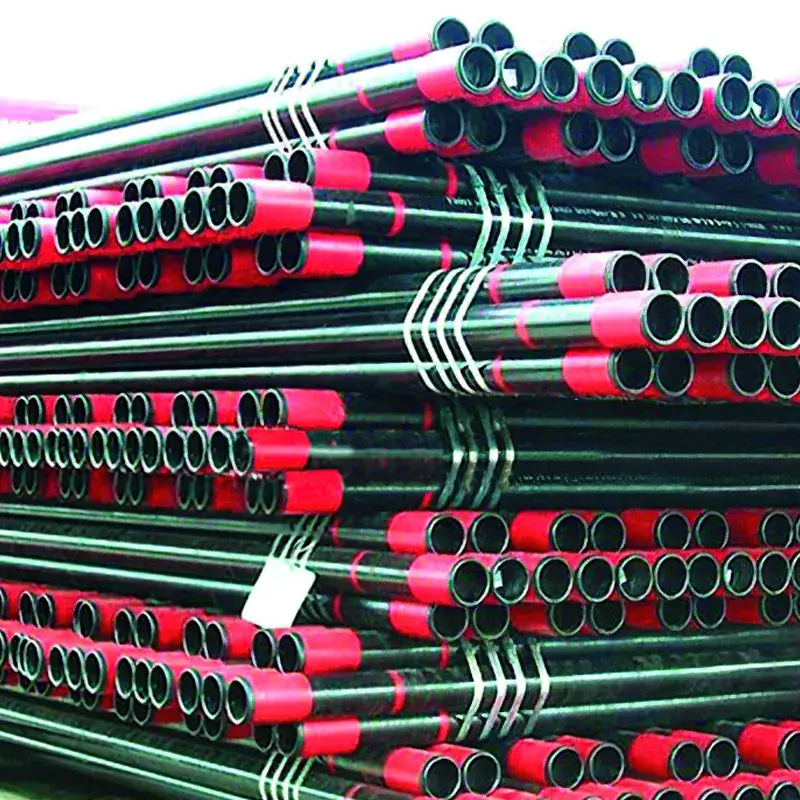
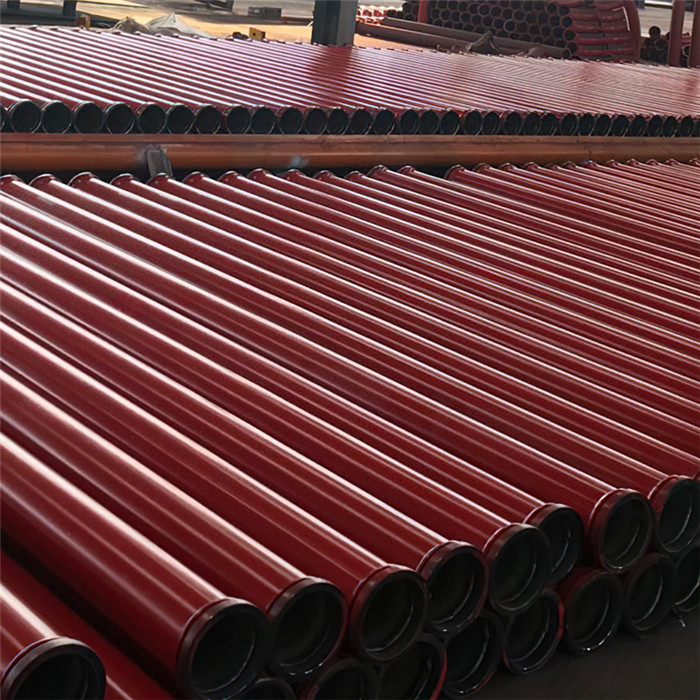
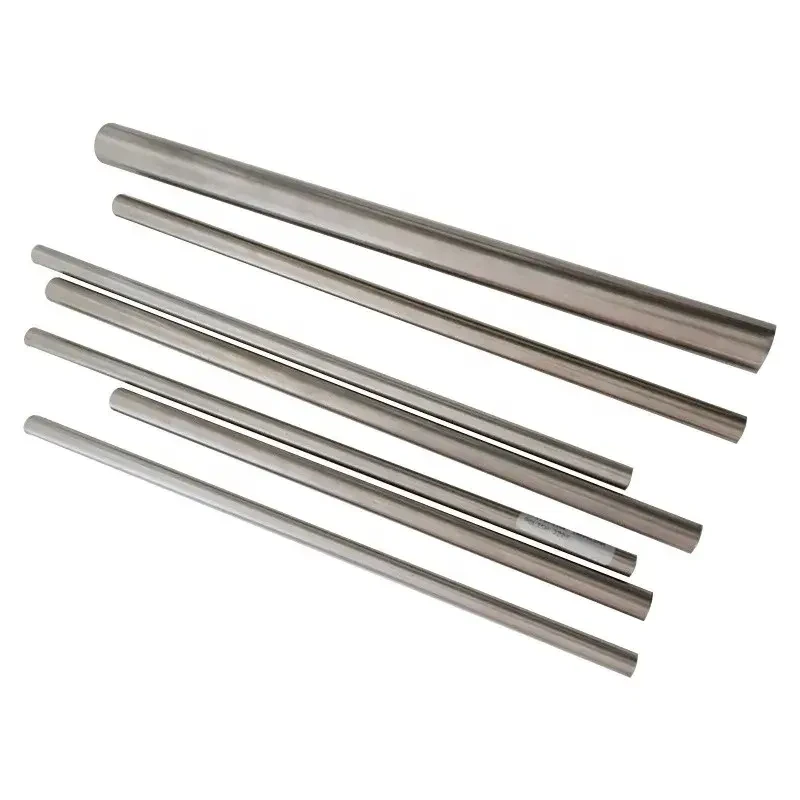
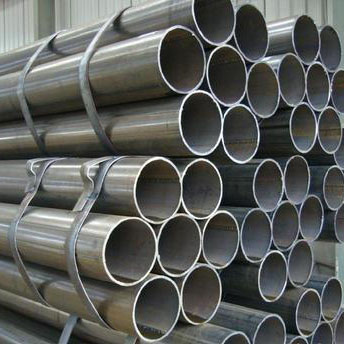
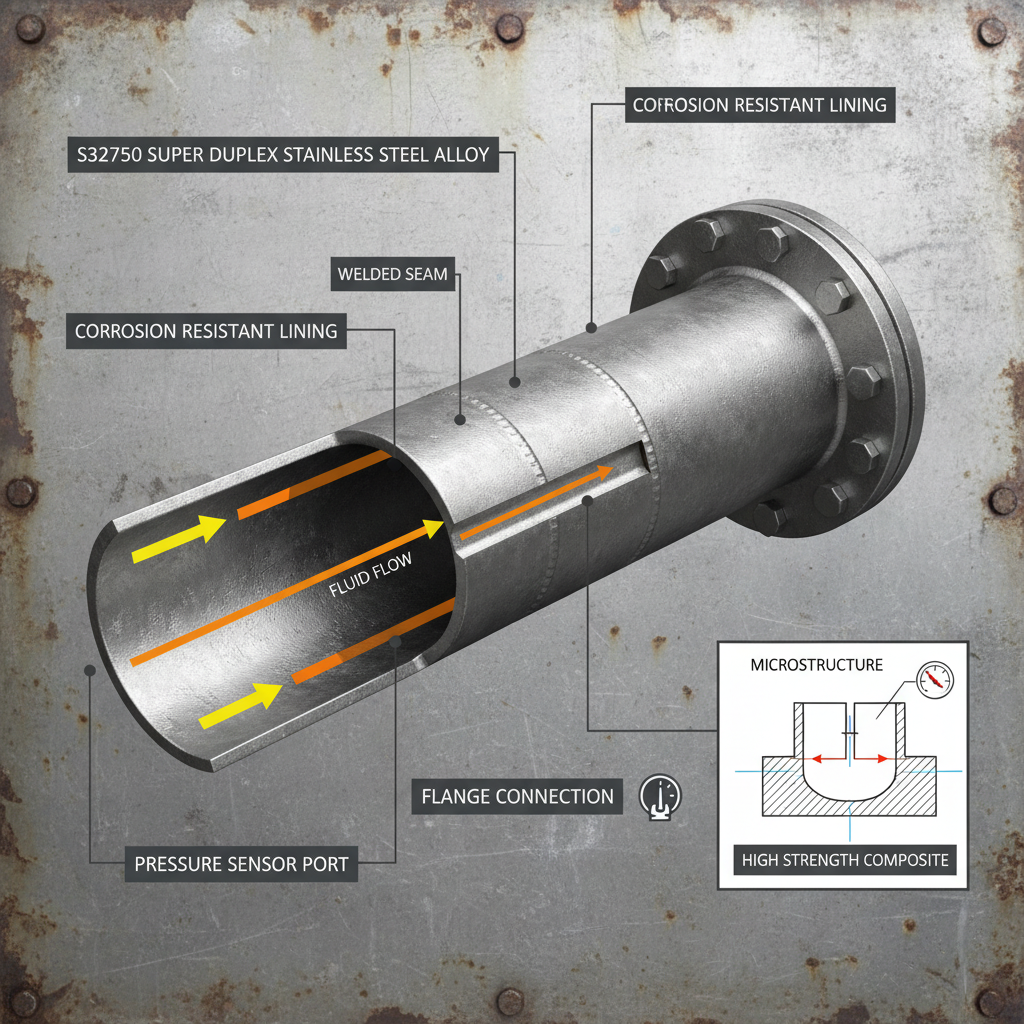
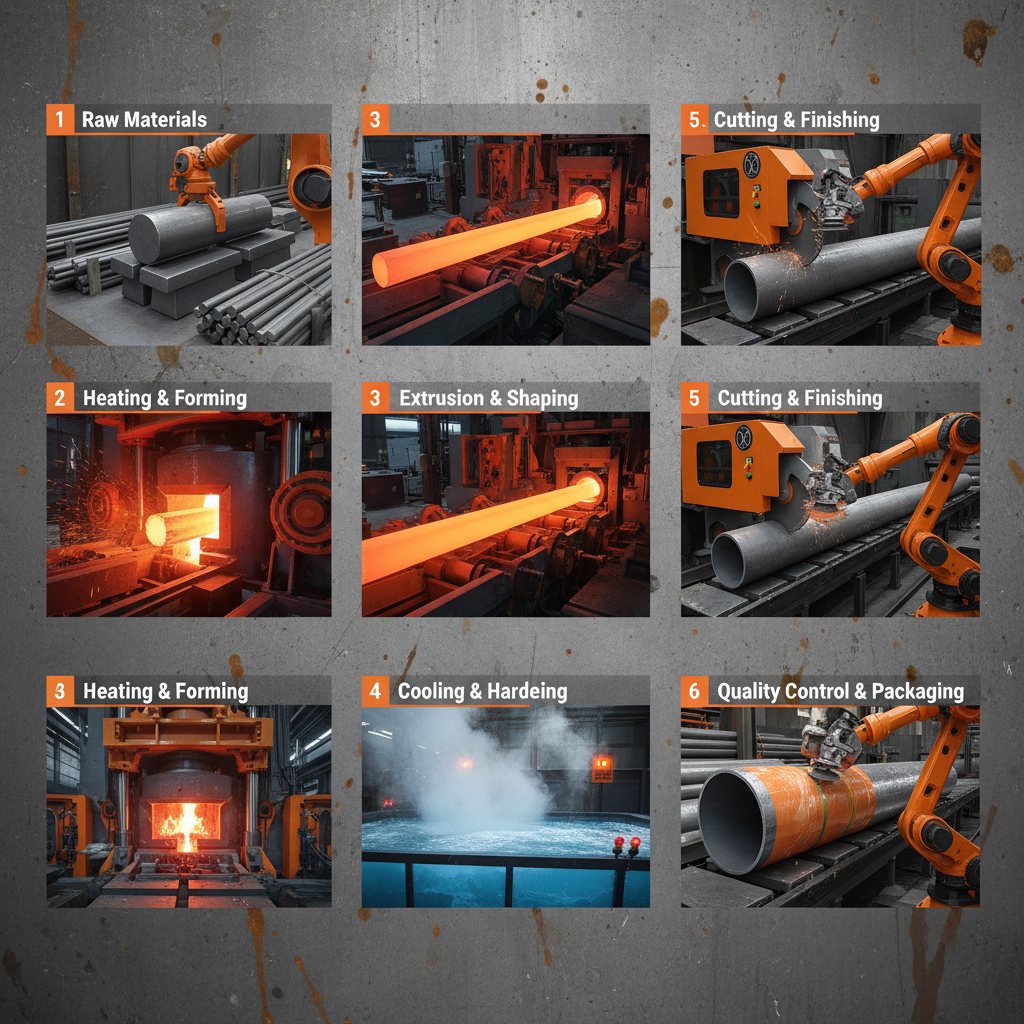
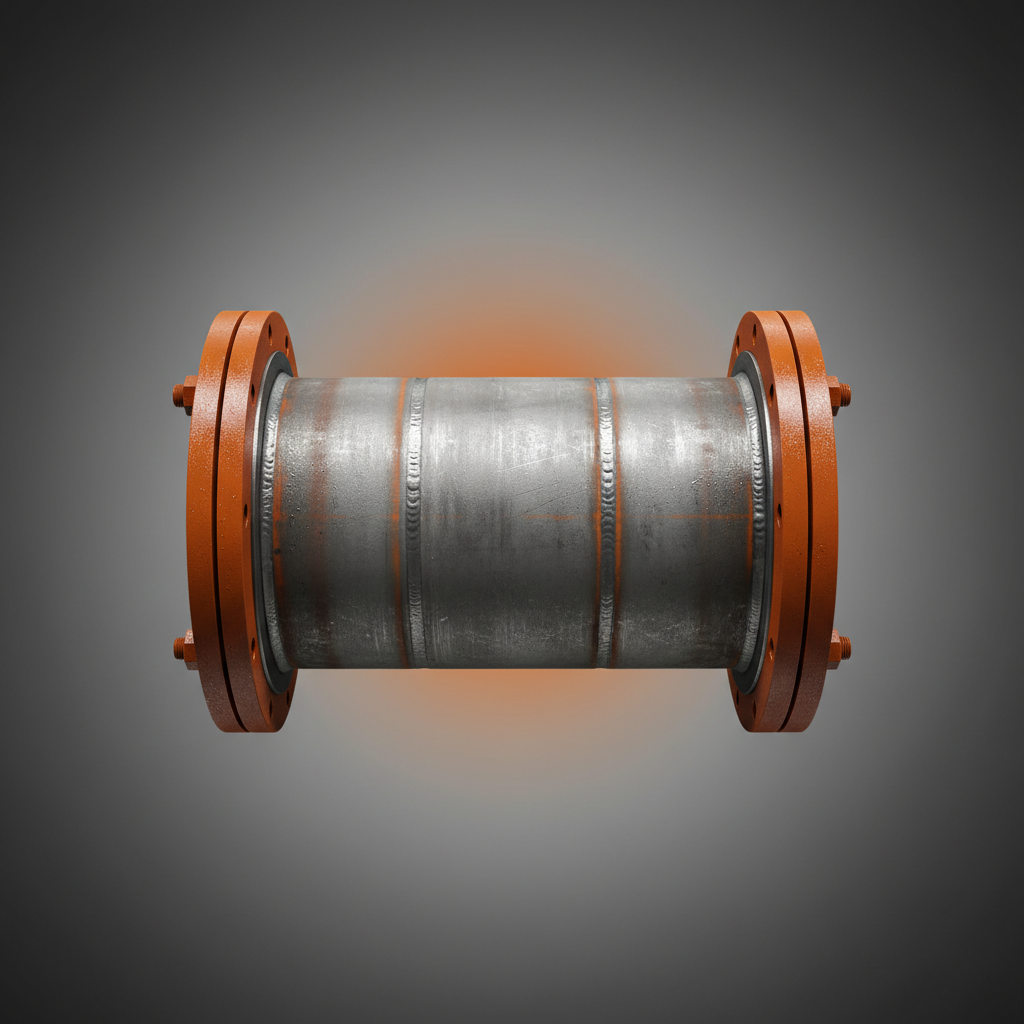
SA335 P91 is a standard specification set by ASTM International categorizing alloy steel seamless pipes, specifically designed for high-temperature service. It belongs to the family of chromium-molybdenum-vanadium (Cr-Mo-V) ferritic steels engineered to withstand pressures and temperatures up to 650°C (∼1200°F) and beyond.
In simpler terms, it's a type of steel pipe that won’t buckle or corrode under the punishing heat and stress typical of power plant furnaces, chemical processes, or oil refineries. Its composition — about 9% Chromium and 1% Molybdenum plus Vanadium — gives it its strength and heat resistance.
Oddly enough, despite being “just steel,” SA335 P91 supports huge global humanitarian needs, too. Reliable energy and industrial infrastructure underpin modern medical systems, water purification, and communication networks — all vital in crisis zones or developing countries.
Core Components & Key Factors
- Durability: SA335 P91 has excellent creep rupture strengths, which means it maintains integrity under stress and heat for long durations. This helps avoid breakdowns and costly shutdowns.
- Heat Resistance: The alloy stays stable at high temperatures (up to 650°C), resisting oxidation and nitriding better than conventional steels.
- Corrosion Resistance: Thanks to its chromium content and protective oxide layer, SA335 P91 effectively resists steam and oxidative corrosion common in boilers.
- Weldability: Engineers praise this grade for its ease of welding and joining without losing toughness — making on-site repairs or field fabrication feasible.
- Cost Efficiency: While not the cheapest, SA335 P91 balances price with performance, meaning fewer replacements and better overall lifecycle value.
Mini takeaway: SA335 P91’s combination of toughness, heat tolerance, and corrosion resistance makes it a trusted choice for demanding high-temperature piping.
Specifications at a Glance
| Property | Typical Value | Unit |
|---|---|---|
| Chemical Composition (Cr) | 8.5 - 9.5 | % |
| Tensile Strength (min) | 585 | MPa |
| Yield Strength (min) | 415 | MPa |
| Max Service Temp | 650 | °C |
Global Applications & Use Cases
SA335 P91 isn’t just in labs or thick manuals — it’s wherever robust, high-temperature piping is key. For example:
- In thermal power plants across Europe and Asia, SA335 P91 pipes are common for superheated steam lines, raising power plant efficiency while ensuring safety.
- The oil and gas industry relies on SA335 P91 grade pipes in refineries and petrochemical plants, where corrosive atmospheres and cyclic heating demand tough materials.
- Infrastructure projects in countries like India and China use it in combined cycle gas turbine (CCGT) plants to meet accelerating electricity goals sustainably.
- Even nuclear plants employ specialty variants due to the alloy’s resilience under radiation and extreme temperatures.
Mini takeaway: The versatility of SA335 P91 steel pipes means they’re an industrial workhorse across the globe — crucial for cleaner, safer energy everywhere.
Advantages & Long-Term Value
Choosing SA335 P91 for industrial piping brings several important benefits:
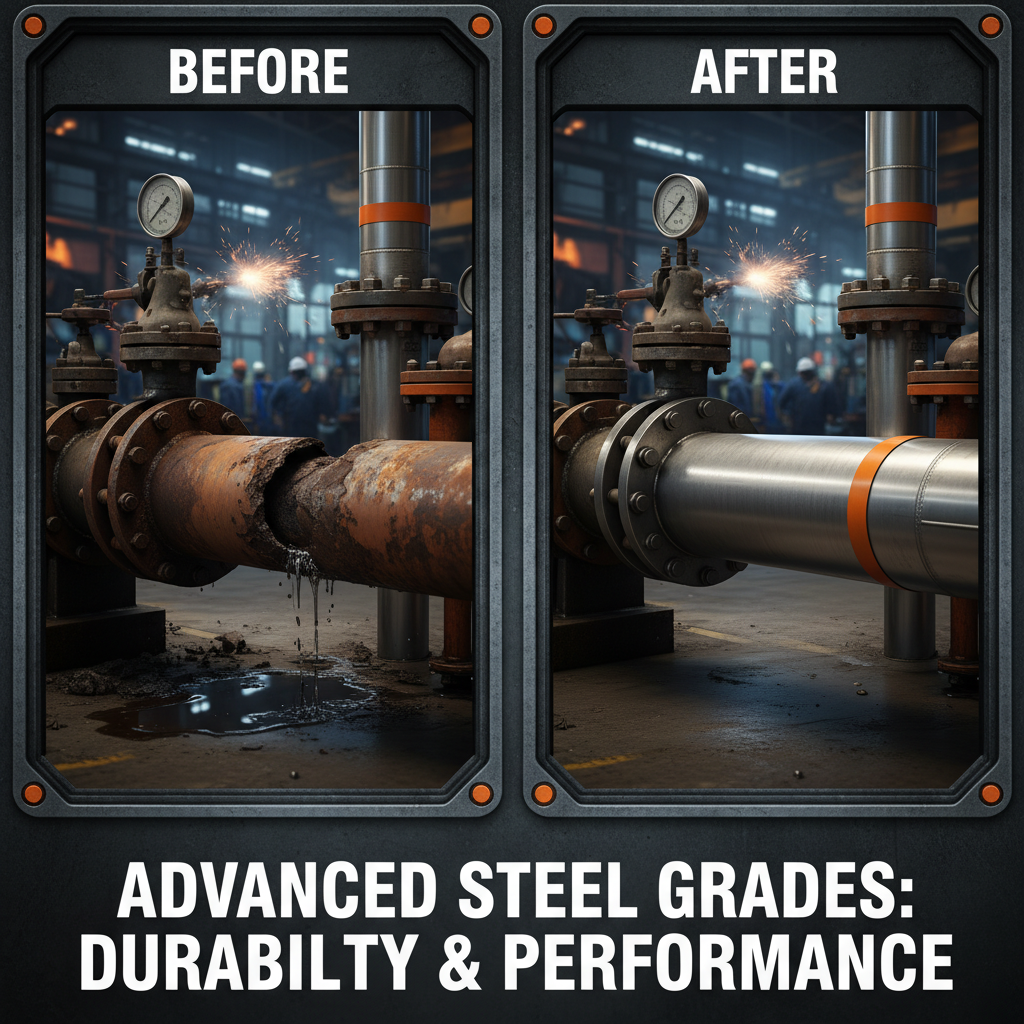
- Longevity: Its resistance to creep and corrosion means less frequent replacements, lower downtime, and reduced maintenance expenses.
- Enhanced Safety: Reliability in critical high-pressure systems prevents catastrophic failure and associated environmental or human risks.
- Environmental Impact: By enabling higher-temperature operation, SA335 P91 allows plants to run more efficiently, thereby decreasing emissions per energy unit generated.
- Economic Impact: Long-term savings from durability often outweigh the upfront cost premium, especially in large-scale industrial projects.
On a more human note, this material indirectly sustains millions of jobs and communities by underpinning power infrastructure. It feels like an unsung hero — sturdy, dependable, silently supporting modern life.
Vendor Comparison: SA335 P91 Pipe Suppliers
| Supplier | Certifications | Delivery Time | Pricing | Customer Support |
|---|---|---|---|---|
| Supplier A | ISO 9001, PED | 2-3 weeks | Mid-range | 24/7 technical support |
| Supplier B | API 5CT, ISO 14001 | 4 weeks | Competitive | Dedicated account manager |
| Supplier C | ASTM, ISO 45001 | 1-2 weeks (stock) | Higher-end | Engineering consulting |
Future Trends & Innovations
SA335 P91 isn’t frozen in time. Researchers and manufacturers are constantly refining its composition to push the envelope. Lately, there's interest in tailoring microstructures via advanced heat treatments for even better creep resistance. Also, integrating digital sensors to monitor pipe health remotely is gaining traction — merging traditional metallurgy with Industry 4.0.
Meanwhile, sustainability trends push the industry toward more recyclable, cleaner production methods. Given its long lifecycle, SA335 P91 pipes support low carbon goals by reducing scrap and energy spent on frequent replacements.
Challenges & Solutions
One challenge with SA335 P91 lies in welding: if not done properly, it can cause micro-cracks affecting performance. That’s why proper procedures, skilled welders, and post-weld heat treatment are non-negotiable. Another concern is initial cost, which deters some operators despite long-term savings.
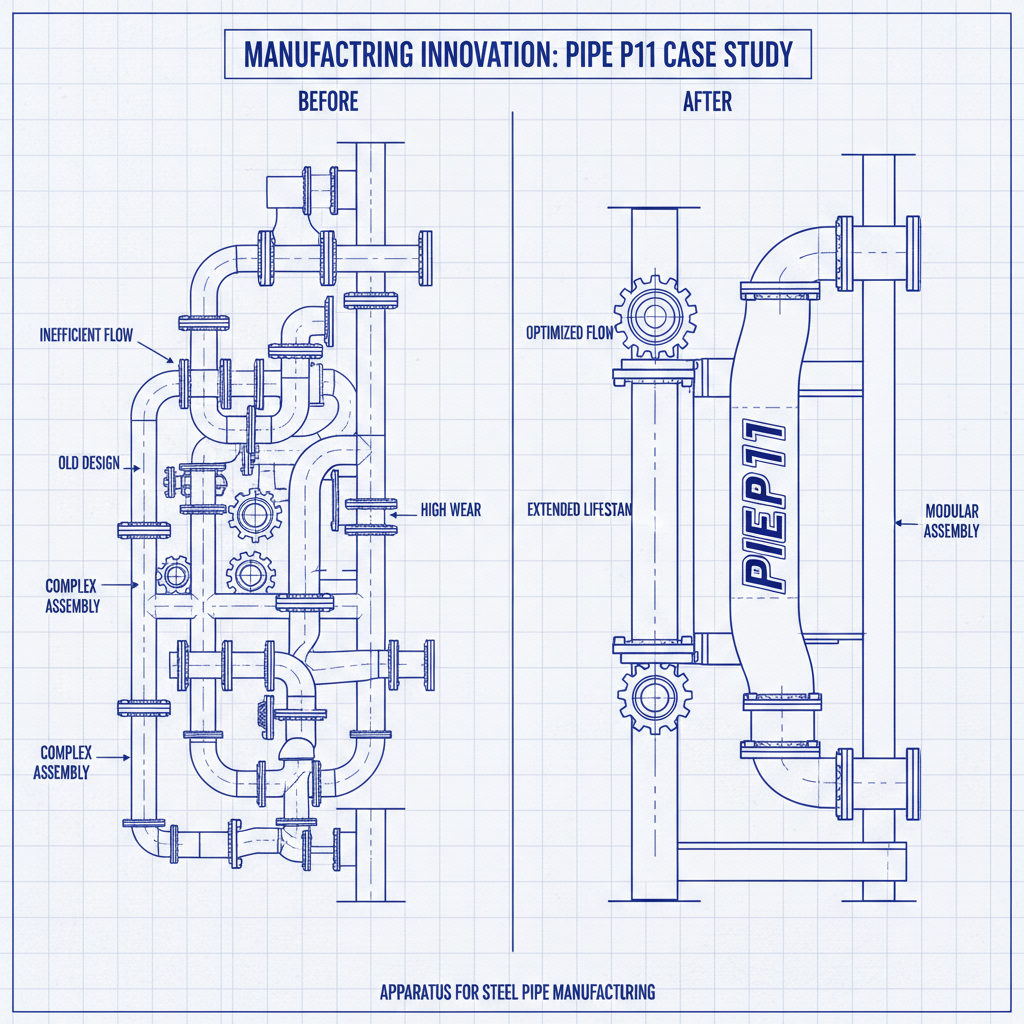
Innovative solutions include the development of welding fluxes specifically designed for P91, and modular pre-fabricated pipe sections that reduce on-site labor and improve quality control. Plus, ongoing training programs ensure industry personnel stay sharp on best practices.
FAQ: Common Questions About SA335 P91
- Q: What industries primarily use SA335 P91 steel pipes?
A: Mainly power generation (thermal and nuclear plants), petrochemical, refining, and heavy manufacturing sectors rely on SA335 P91 for high-temp, high-pressure pipework. - Q: How long can SA335 P91 pipes last in service?
A: When properly installed and maintained, these pipes can last 30+ years under normal high-temperature operating conditions. - Q: Is SA335 P91 suitable for welding on construction sites?
A: Yes, but welders must follow strict procedures including pre-heat and post-weld heat treatment to avoid brittleness. - Q: Can these pipes be imported globally?
A: Absolutely. SA335 P91 conforms to global standards like ASTM, simplifying international trade and regulatory acceptance. - Q: How does SA335 P91 compare cost-wise to conventional steels?
A: It has a higher upfront cost but reduces lifetime expenses due to its superior durability and performance.
Conclusion
Simply put, SA335 P91 is a game-changer in the world of high-temperature industrial steels. Its ability to handle extreme conditions, combined with cost-effectiveness and reliability, means it will remain fundamental to industries powering the future. If your project demands materials that can stand the heat — literally — you won’t want to overlook this robust steel grade.
Visit our website: https://www.world-steelmaterial.com to learn more about SA335 P91 and source quality materials directly from trusted suppliers.
Thanks for reading — it’s always good to explore the quiet champions behind industrial progress.
Final takeaway: SA335 P91’s quiet strength and resilience truly power the backbone of modern industry and energy.
Post time: Dec . 05, 2025 10:50
 English
  Arabic
  Bengali
  China
China  French
  German
  Hausa
Hausa  Indonesian
  Italian
  Japanese
  Javanese
  Malay
Malay  Persian
  Portuguese
  Punjabi
  Russian
  Spanish
  Swahili
  Telugu
  Vietnamese